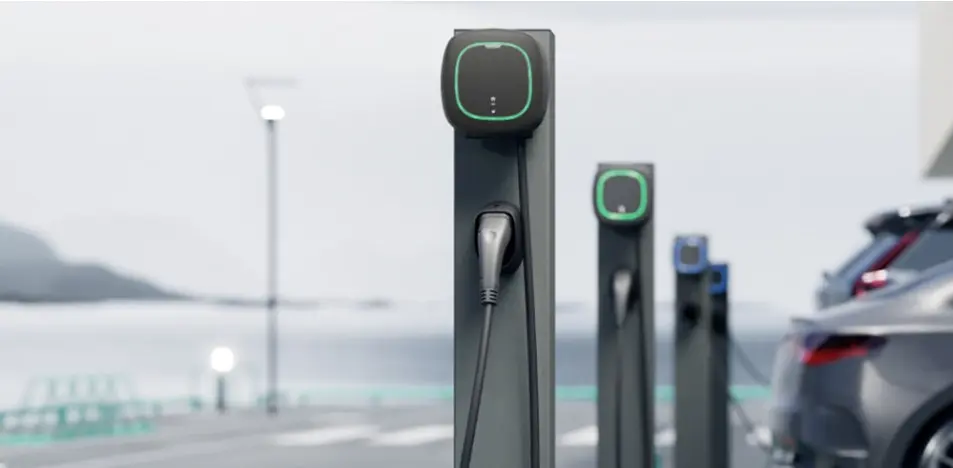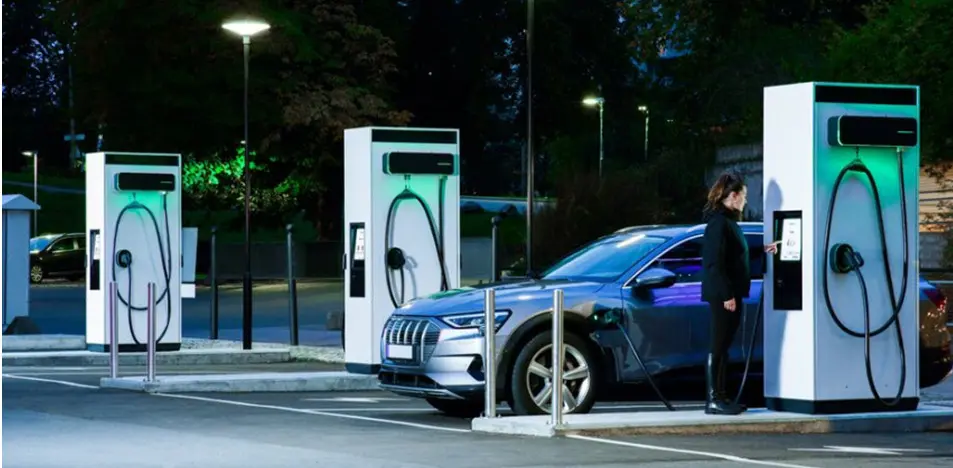
Engineered for high efficiency, complete OCPP interoperability, and extreme environmental durability.
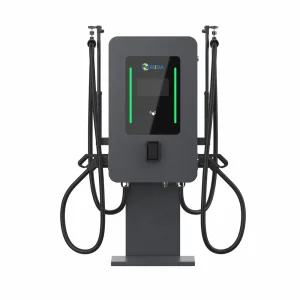
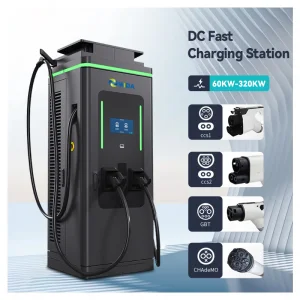
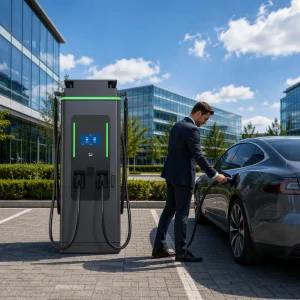
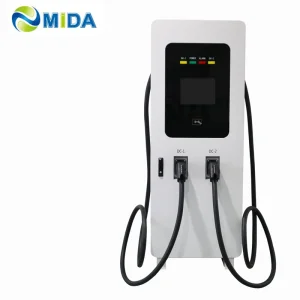
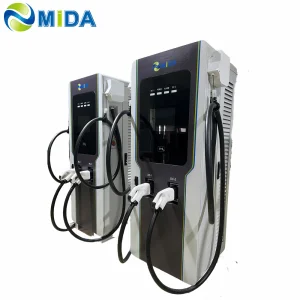
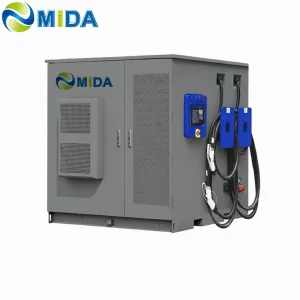
As the global EV transition accelerates, grid demands, infrastructure costs, and vehicle battery designs are shifting towards optimized power distribution. In this landscape, the 120kW DC fast charger has emerged as the definitive industry standard. Unlike 30kW destination chargers that require extended dwell times, or 360kW+ ultra-fast cooling units that require complex medium-voltage substations and high CAPEX, the 120kW profile strikes an optimal balance. It offers ideal performance per dollar, providing commercial operators with faster investment recovery and lower integration barriers.
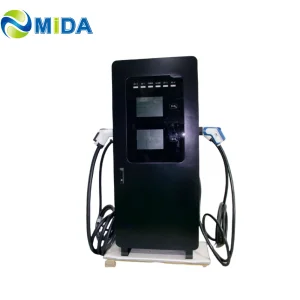
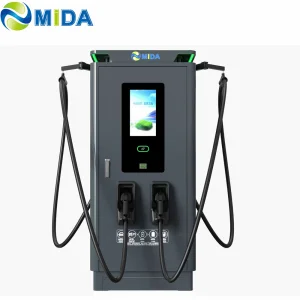
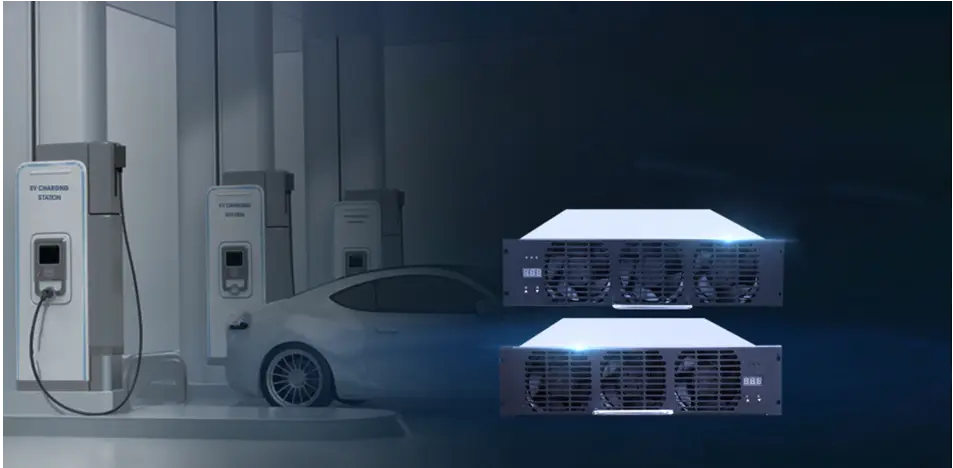
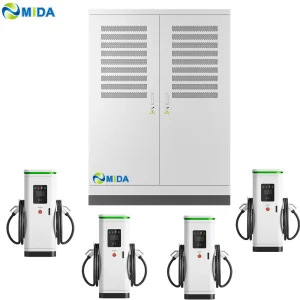
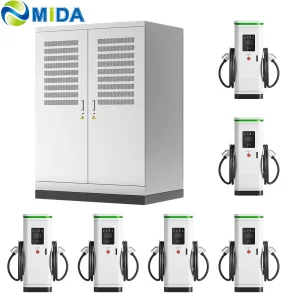
A key trend in the development of 120kW DC charging piles is the migration towards modular matrix power allocation. By using internal 30kW or 40kW hot-swappable power modules, modern 120kW chargers can dynamically split power (e.g., 2 x 60kW) to charge two vehicles simultaneously. This dual-gun configuration matches the average charging curve of contemporary passenger EVs and commercial vans, ensuring high operational efficiency while reducing grid impact.
120kW stations run seamlessly on standard low-voltage commercial power lines (typically 380V-480V AC), eliminating the need for expensive utility transformers.
Dual-port outlets distribute power dynamically (e.g., 60kW+60kW or 80kW+40kW), maximizing station utilization and lowering wait times.
Native support for ISO 15118, Plug & Charge, and OCPP 2.0.1 allows simple integration with smart grids and automated billing ecosystems.
A Global Pioneer in Clean Energy Transmission & Fast-Charging Infrastructure.
Shanghai Mida Cable Group Ltd. operates through its wholly owned subsidiaries: Shanghai Mida EV Power Co., Ltd., Shenzhen Mida EV Power Co., Ltd., and Shanghai Mida New Energy Co., Ltd. By controlling the entire manufacturing pipeline—from specialized copper wire draw processes to intelligent control PCB assembly—MIDA guarantees unparalleled quality control and technological consistency.
As a global supplier, MIDA Cable manufactures a comprehensive range of EV charging cables, including 16A–80A J1772 cables, 16A–63A IEC 62196-2 Type 2 cables, and heavy-duty DC fast charging cables: CCS1 (80A–500A), CCS2 (125A–1000A), CHAdeMO (125A–300A), GB/T (200A–1000A), and NACS connectors (250A–600A).
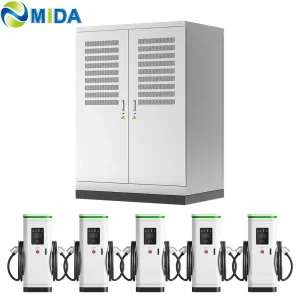
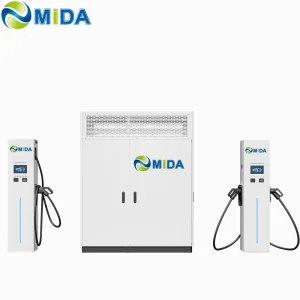
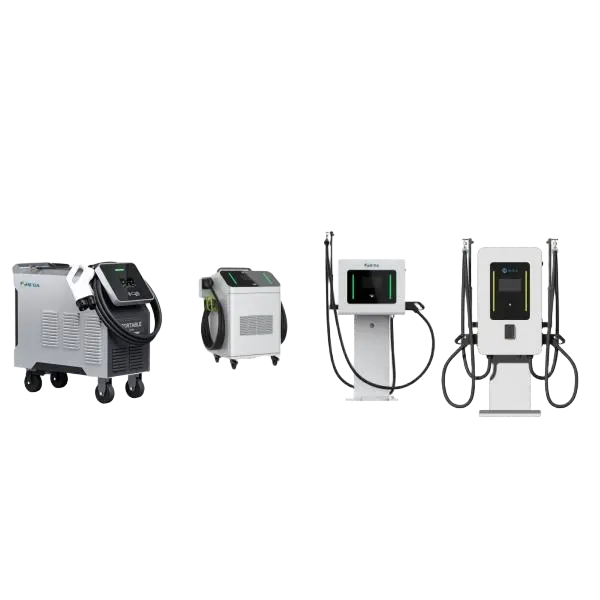
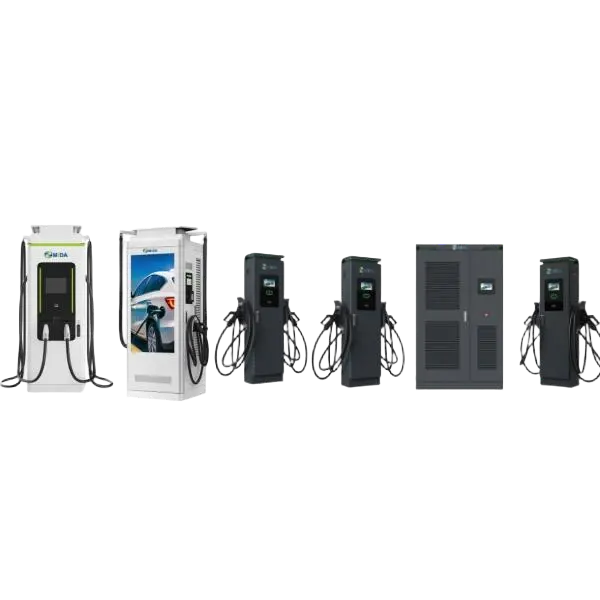
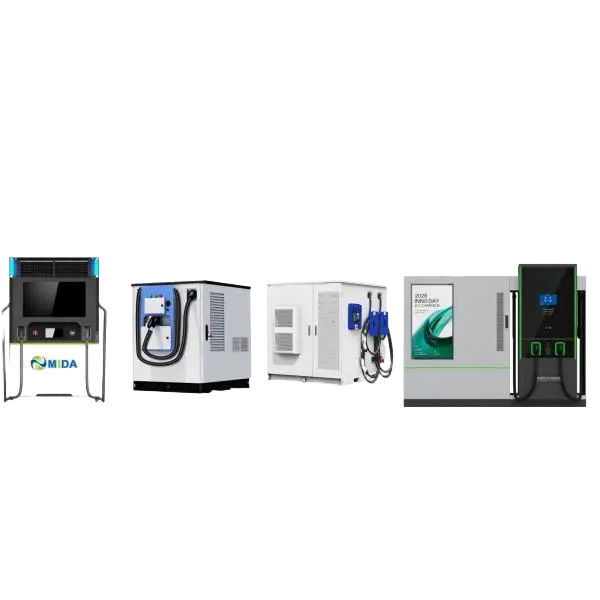
Simultaneously, our equipment division, MIDA EV Power, produces a full lineup of EV charging stations, such as 7kW–50kW mobile chargers, 3.6kW–7.2kW portable DC units, 360kW–1440kW split-type DC fast charging stacks, 20kW–50kW wall-mounted DC units, and 60kW–480kW floor-standing DC fast charging stations.

Purchasing from a qualified China DC Charger 120kW Factory provides global enterprises with access to advanced power electronics ecosystems. MIDA’s production strategy integrates Industry 4.0 automation, utilizing robotic PCB placement, computerized automated testing equipment (ATE), and temperature-controlled aging chambers. This rigorous assembly pipeline minimizes defects and maximizes reliability for mission-critical operations.
Our vertical integration ensures significant supply chain advantages:
Explore MIDA's key core divisions designed to support the transition to electric mobility.
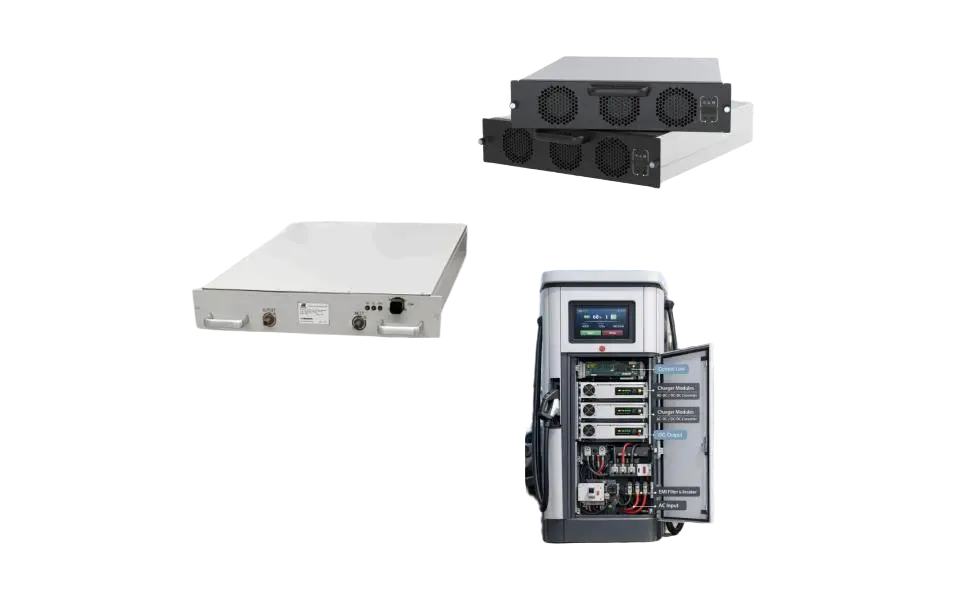
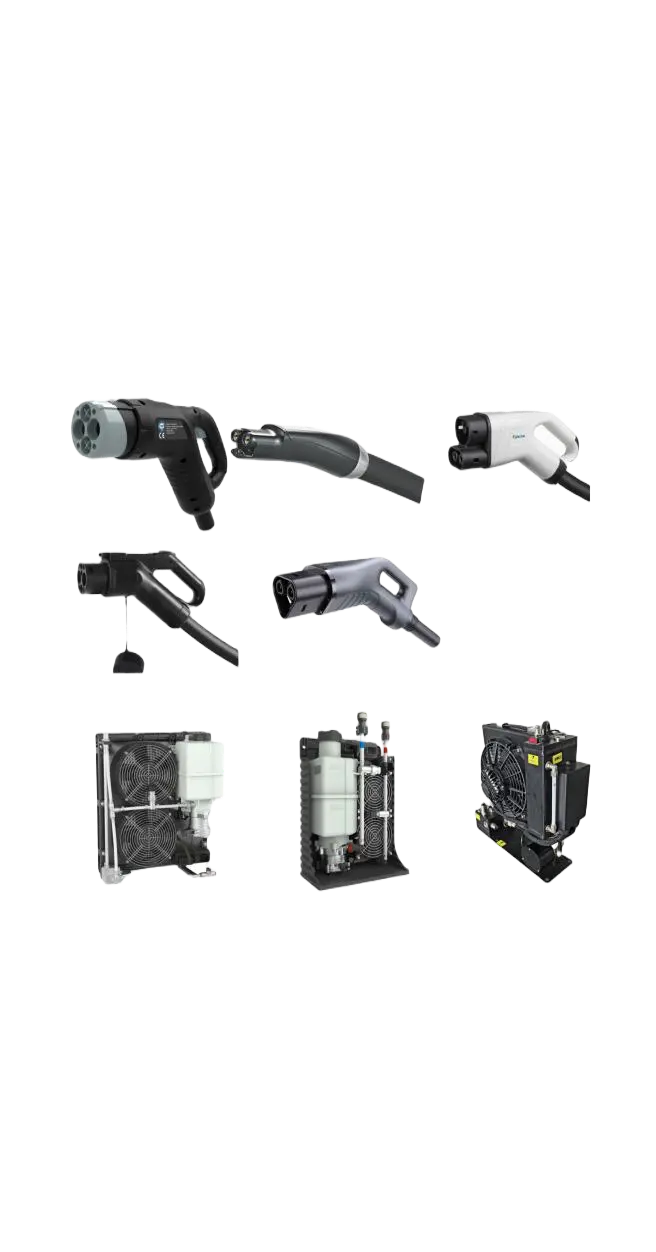
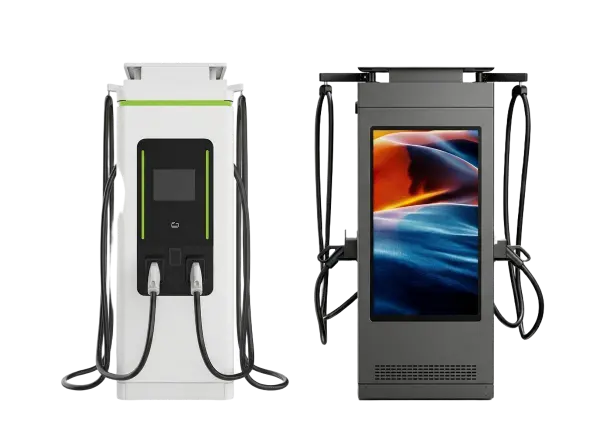
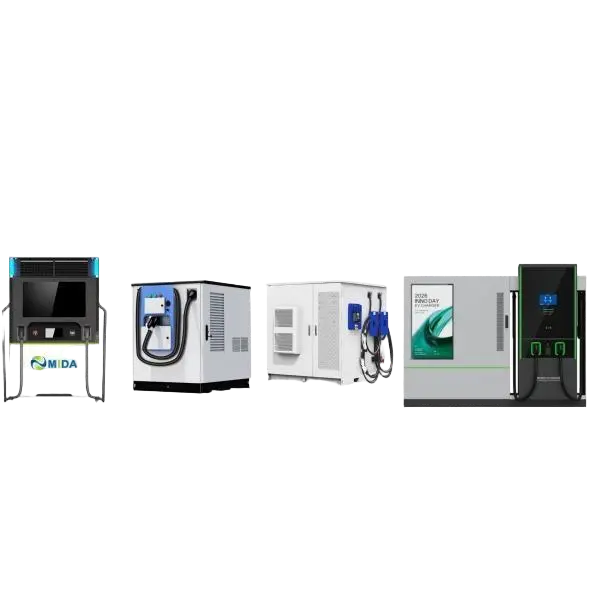
A key criteria for deploying a 120kW charger is matching hardware configurations to real-world usage patterns. The table below outlines how MIDA's charging equipment operates across different environments:
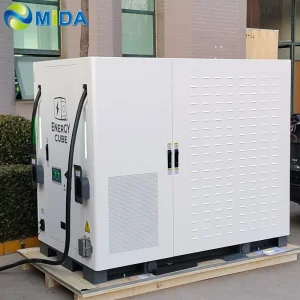
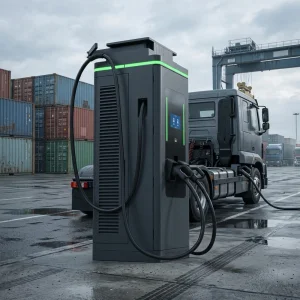
For installations in regions with extreme temperatures, MIDA designs proprietary liquid-cooled and dust-proof modules. Our cabinets feature C5-M high anti-corrosion protection ratings and IP55/IP65 ratings, ensuring long-term performance in seaside locations or high-humidity tropical zones.
Helping procurement directors, engineers, and infrastructure planners make informed decisions.
Insights into our transit systems and heavy electric bus charging solutions.
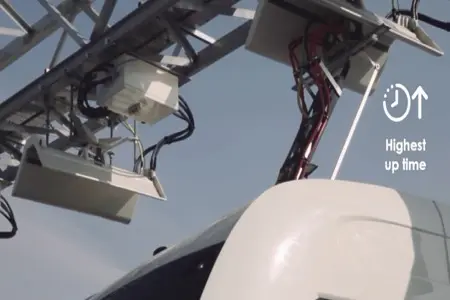
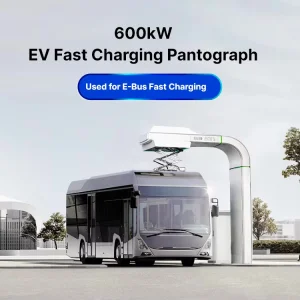
What are the advantages of an e-bus pantograph dome? In contrast to classic plug-in charging systems, e-bus pantographs offer automated charging, high current transfers, and minimal manual intervention for drivers at terminals.
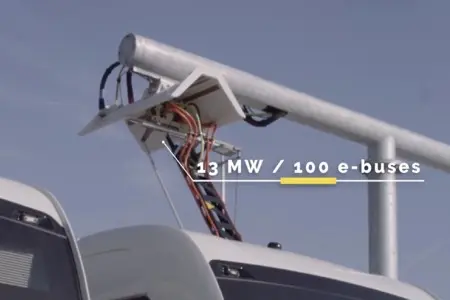
How long does it take to charge with an e-bus pantograph? The charging time depends on the battery capacity and the operating voltage. With systems supporting up to 600kW, typical transit charges are completed in 6 to 15 minutes during route pauses.
How to Install the Pantograph Up Charger System Dome for Electric Bus. Installing a “Pantograph Up” system dome requires structural reinforcement, direct grid integration, and alignment mapping software for transit depots.
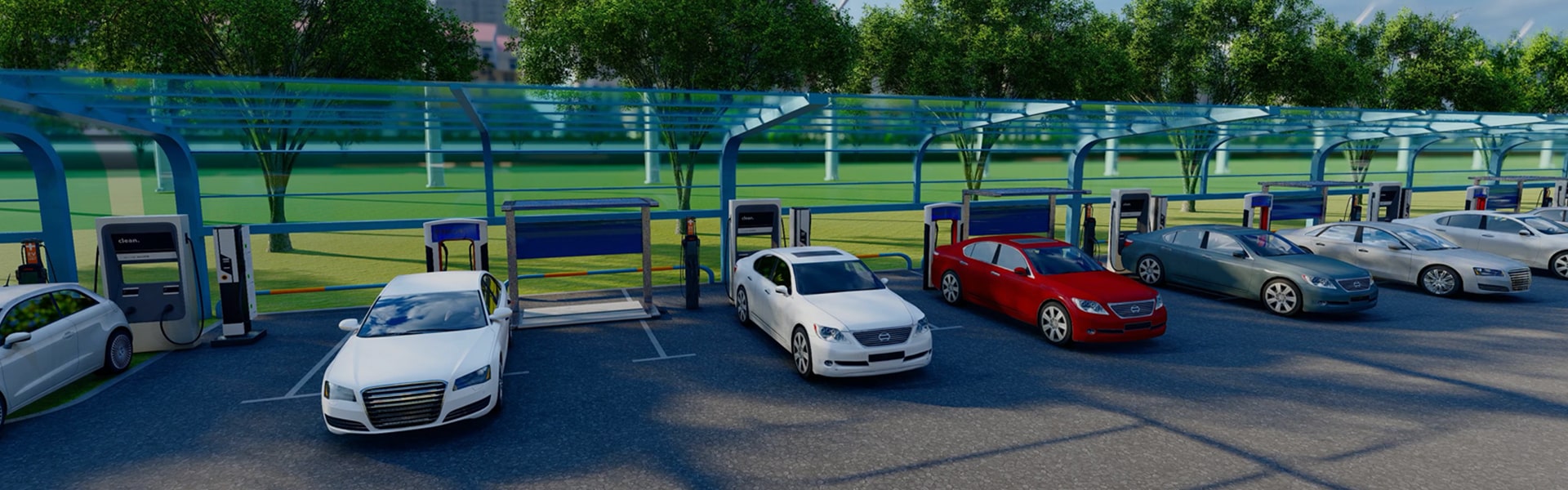
Explore our liquid-cooled systems and utility-scale energy storage configurations.