
Engineered for extreme reliability, grid harmony, and multi-protocol flexibility. Standardized production lines catering to custom OEM requirements.
Under the leadership of MIDA GROUP, we control the entire structural workflow—from cable extrusion and power module topology design to the final charging pile integration.
Shanghai Mida Cable Group Ltd. operates through its wholly owned subsidiaries: Shanghai Mida EV Power Co., Ltd., Shenzhen Mida EV Power Co., Ltd., and Shanghai Mida New Energy Co., Ltd. This deep organizational integration aligns electrical material science with structural firmware engineering, guaranteeing exceptional system compatibility and lifecycle performance.
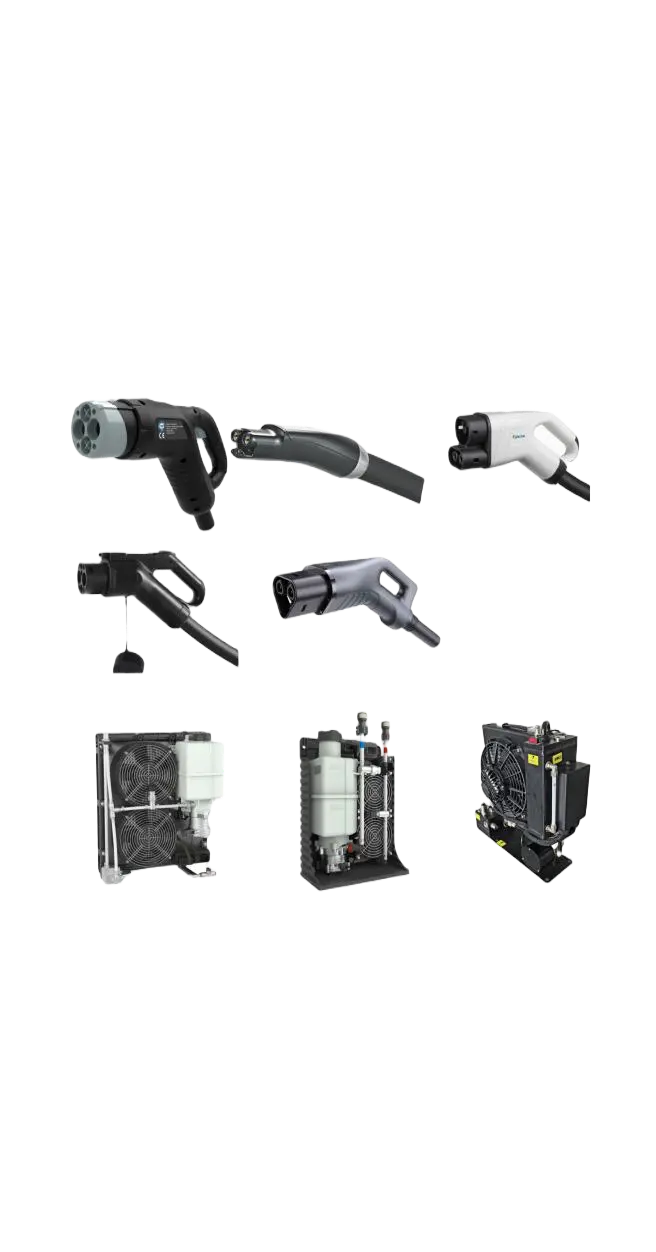
Our manufacturing ecosystem produces a comprehensive range of EV charging cables, including 16A–80A J1772 cables, 16A–63A IEC 62196-2 Type 2 cables, and DC fast charging cables: CCS1 (80A–500A), CCS2 (125A–1000A), CHAdeMO (125A–300A), GBT (200A–1000A), and NACS connectors (250A–600A).
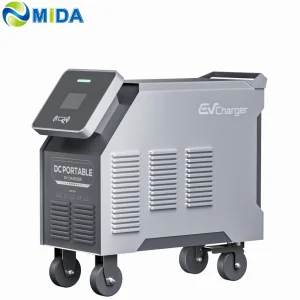
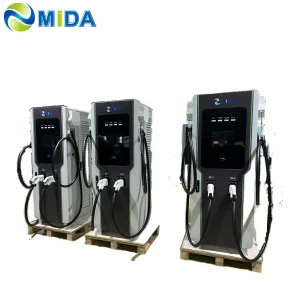
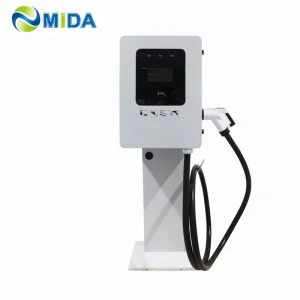
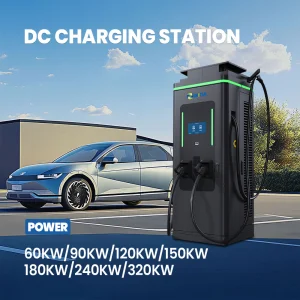
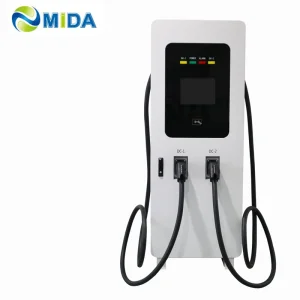
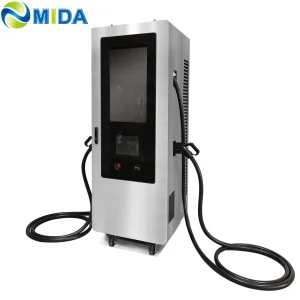
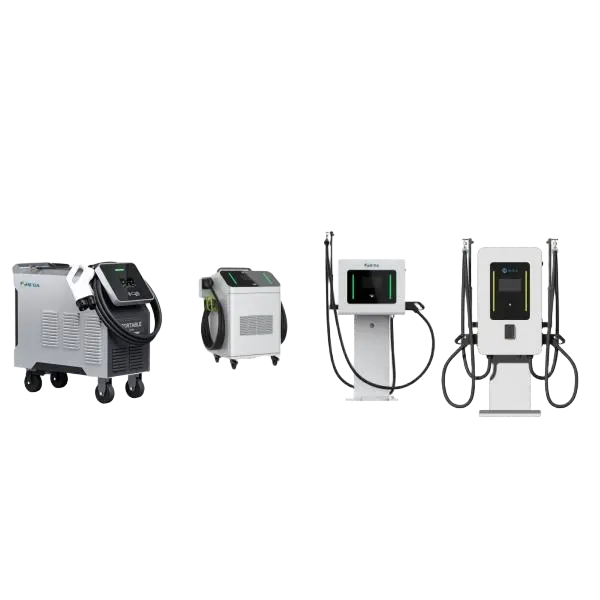
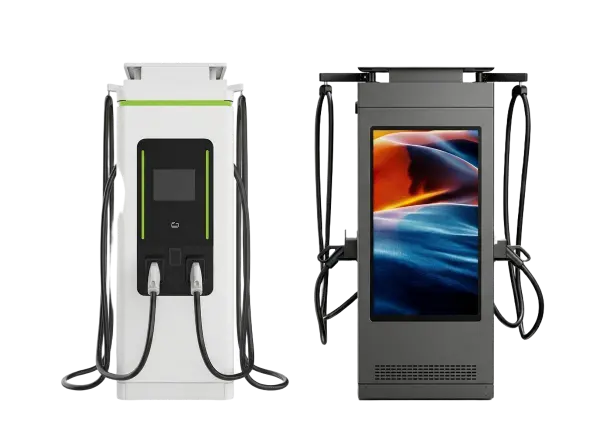
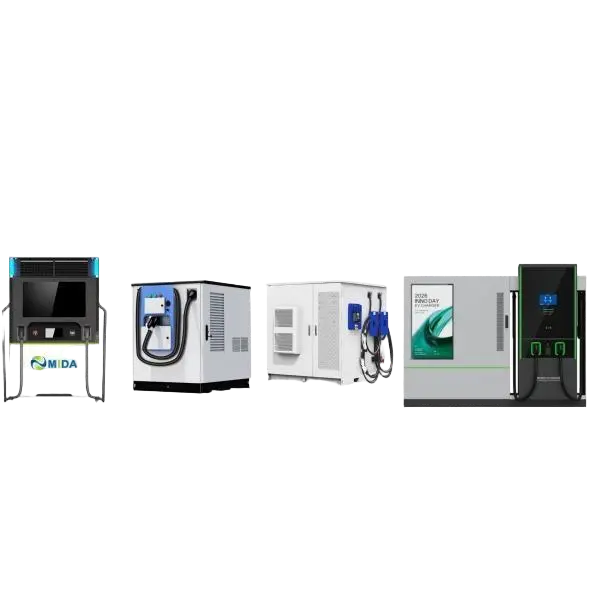
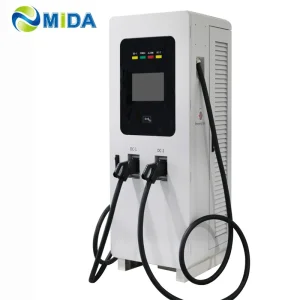
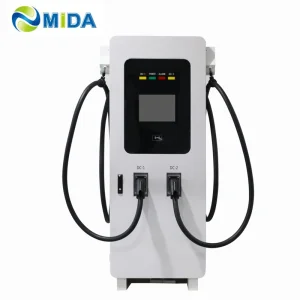
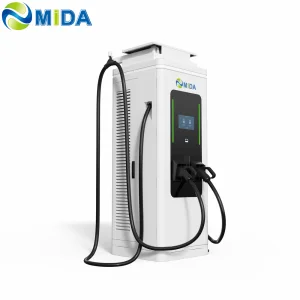
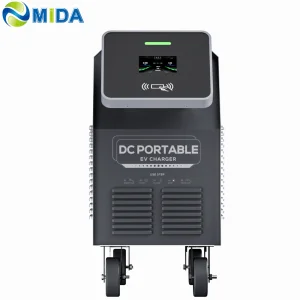
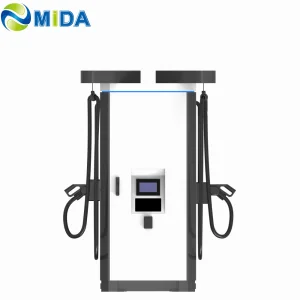
MIDA EV Power designs and assembles a full lineup of EV charging stations, such as 7kW–50kW mobile chargers, 3.6kW–7.2kW portable DC chargers, 360kW–1440kW split-type DC fast chargers, 20kW–50kW wall-mounted DC chargers, and 60kW–480kW floor-standing DC fast charging stations.
MIDA New Energy specializes in EV charger power modules, offering 20kW–60kW standard modules, 40kW–125kW liquid-cooled modules, 30kW–62.5kW bidirectional modules, and 20kW–45kW V2G charging modules.

Select our modular product configurations developed to cover residential, commercial, industrial, and heavy-duty logistics ecosystems.
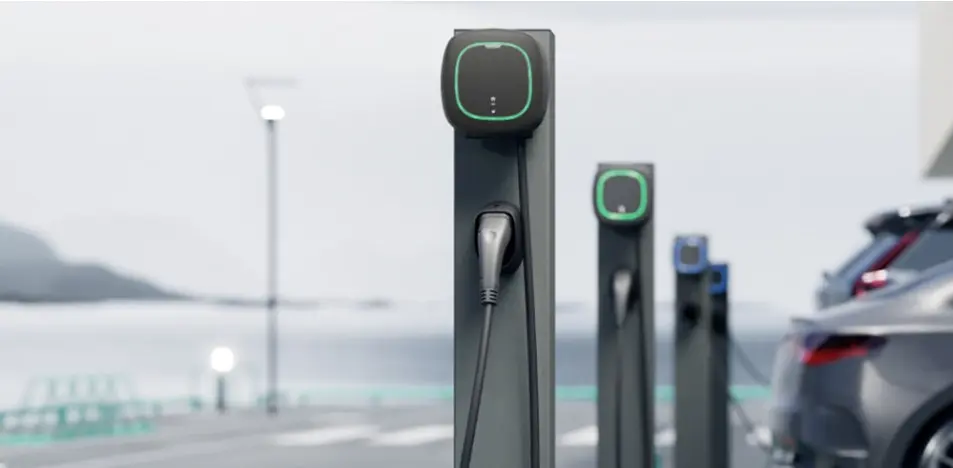
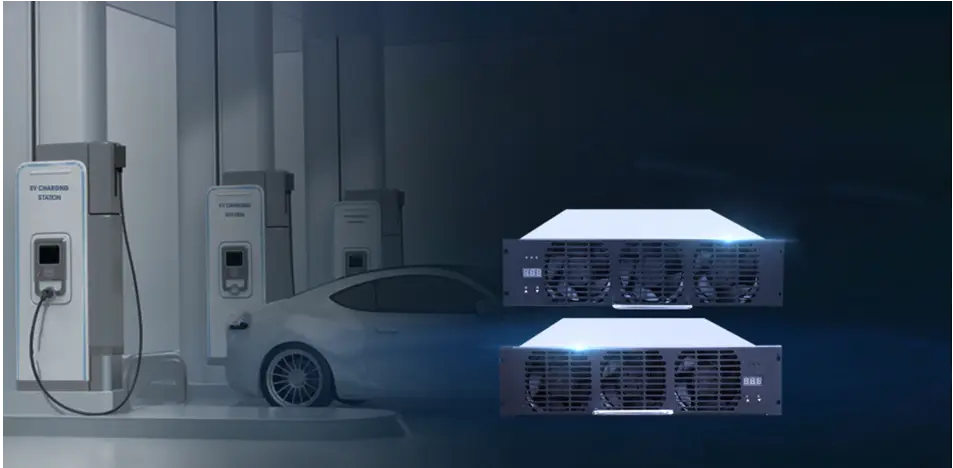
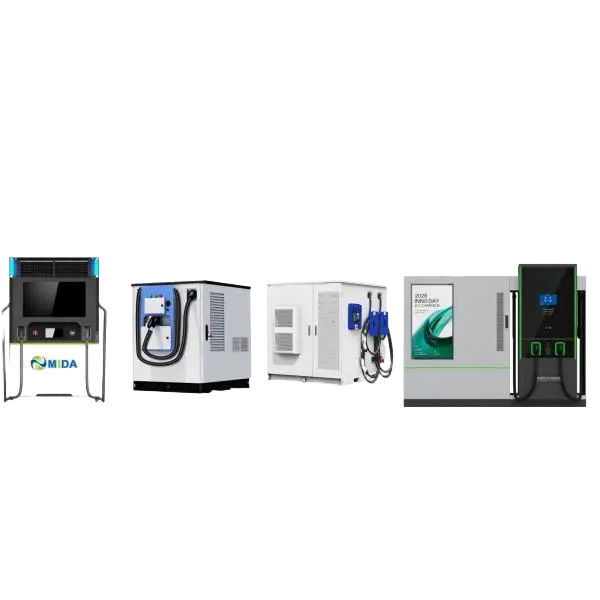
The rapid global transition to zero-emission logistics, public transport, and commercial fleets requires a deep understanding of standard co-existence. While CCS (Combined Charging System) and NACS (North American Charging Standard) are widely adopted in Western markets, the CHAdeMO standard remains essential for hundreds of thousands of legacy and active passenger EVs worldwide (e.g., Nissan LEAF, Mitsubishi Outlander PHEV) and continues to be the dominant standard in Japan and specific Asian networks.
As a prominent OEM/ODM factory, MIDA designs systems that support multi-standard configurations. Our flagship DC fast chargers combine CHAdeMO and CCS connectors inside a single housing, utilizing a shared power cabinet. This approach allows charger point operators (CPOs) to minimize installation costs while ensuring maximum driver compatibility.
Legacy CHAdeMO units were typically capped at 50kW. However, the modern commercial environment demands significantly higher throughput. Under the latest CHAdeMO 2.0 specifications, charging rates can reach up to 400A at 1000V (400kW). This power level requires advanced thermal management. MIDA's active liquid-cooling system circulates non-conductive dielectric fluid through custom-molded cables, preventing thermal runaway while maintaining a flexible, user-friendly cable diameter.
Our ChaoJi (CHAdeMO 3.0) standard development program represents the next generation of high-power charging, supporting capacities up to 900kW. This standard features backward compatibility with legacy CHAdeMO and CCS protocols, establishing a unified hardware framework for future global deployment.
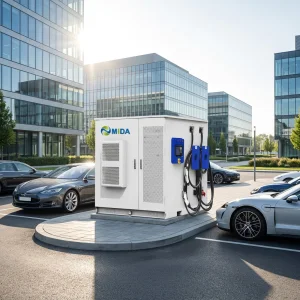
Deploying megawatts of fast charging infrastructure can stress local grid networks. In many commercial hubs, grid capacity upgrades are slow and expensive. Our BESS-coupled charging solutions resolve this challenge. By pairing a 2MWh battery storage system with our 960kW DC split charging matrix, the station charges the batteries during off-peak hours and discharges them during peak demand, protecting local grid transformers from sudden spikes.
Operating electric vehicle charging infrastructure requires compliance with regional safety codes, grid connection standards, and communications protocols. MIDA designs all hardware platforms in strict accordance with recognized international certifications, including CE, UL, ETL, KC, and ISO/IEC standards.
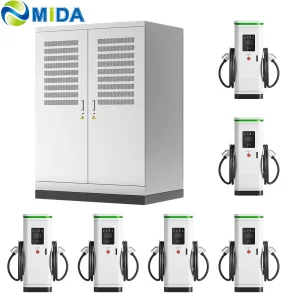
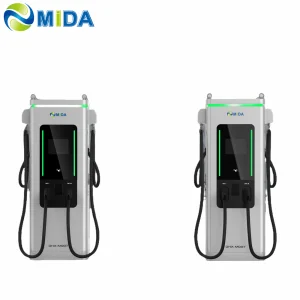
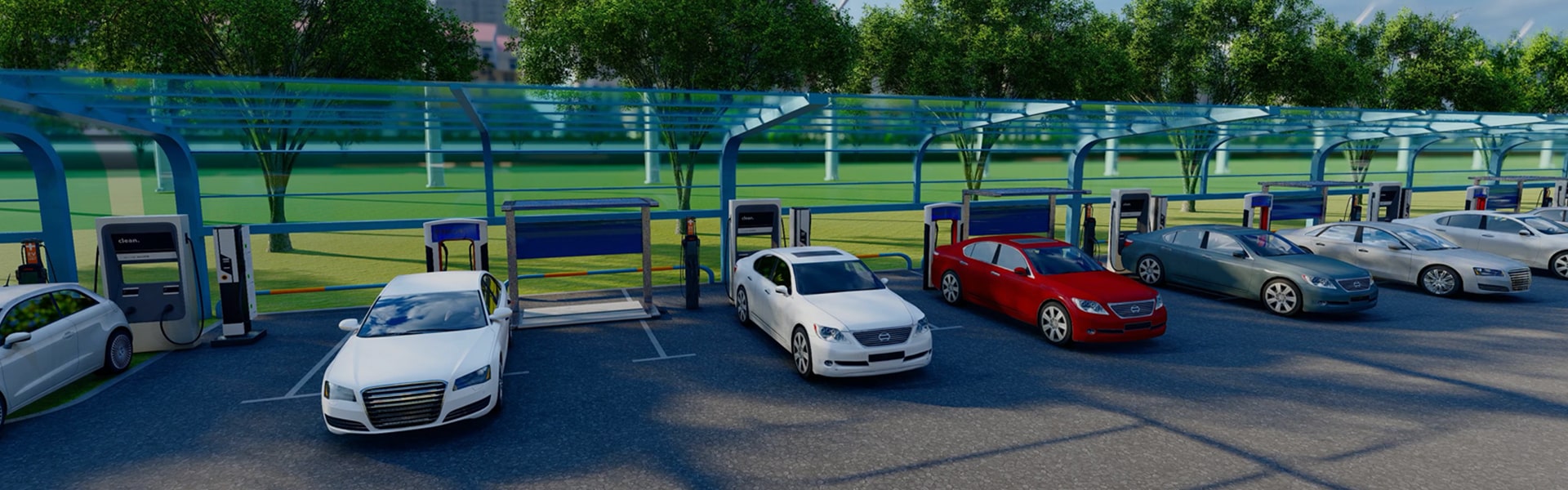
In logistical centers, overnight depot charging requires high density and intelligent load balancing. Our split-system configuration separates the heavy power conversion cabinets from the slim, user-accessible dispensing pedestals. This allows up to 16 vehicles to be charged simultaneously from a single central grid connection. MIDA's proprietary algorithms balance power distribution based on battery state-of-charge (SoC), arrival schedules, and grid pricing structures.
For municipal transport, fast bus charging is facilitated by our automated rooftop pantograph dome units. These allow high-power, rapid charging at route terminuses, minimizing downtime and optimizing vehicle availability.
Our vertical integration guarantees that every component is designed to work seamlessly together, optimizing overall system performance and efficiency.
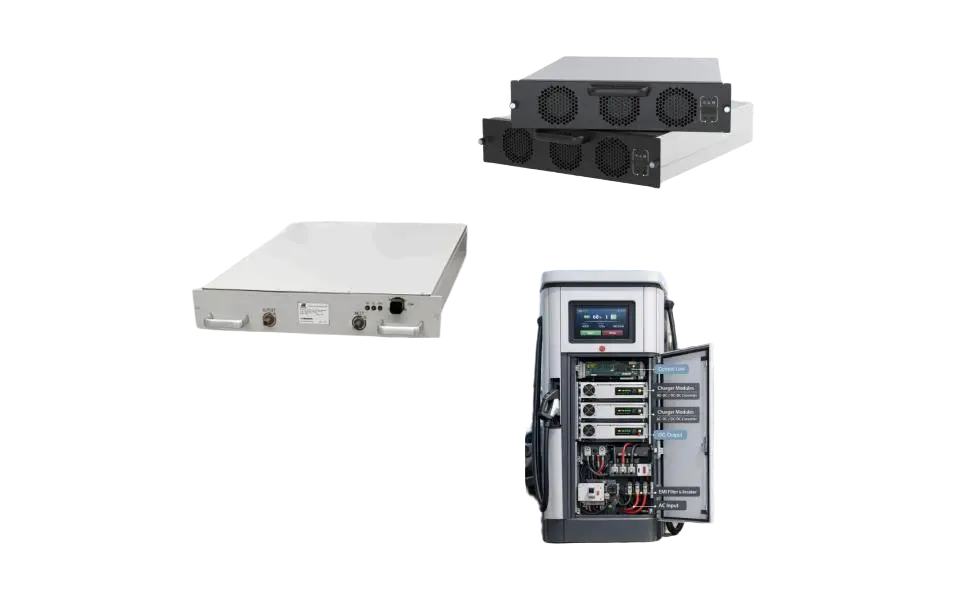
MIDA Group's R&D division continues to design systems targeting higher electrical efficiency and integration. The industry is currently transitioning from standard Silicon (Si) IGBTs to Silicon Carbide (SiC) MOSFETs within power conversion modules. This transition helps to reduce switching losses, shrink module physical dimensions, and improve thermal performance.
This shift enables conversion efficiencies exceeding 97%. It also helps reduce cooling requirements, allowing for quieter operation and lower utility costs for charger point operators.
Bidirectional capability is shifting from a pilot-project technology to a commercial requirement. The CHAdeMO protocol was the first DC fast-charging standard to natively support bidirectional power flow (Vehicle-to-Grid, Vehicle-to-Home). This capability enables parked EV fleets to serve as virtual power plants (VPPs).
By discharging stored energy back to the local grid during periods of peak demand, commercial fleet operators can offset their energy costs. MIDA's V2G modules (20kW–45kW) are designed to manage bidirectional power conversion efficiently, ensuring reliable system performance.
We are actively developing our ChaoJi-compatible components. This standard introduces a lightweight connector design, advanced digital communication protocols, and multi-tier physical safety interlocks. These developments help establish unified high-power charging infrastructures across Europe, North America, and Asia.
Follow our regular engineering updates and technical analyses directly from our testing labs and pilot installations.
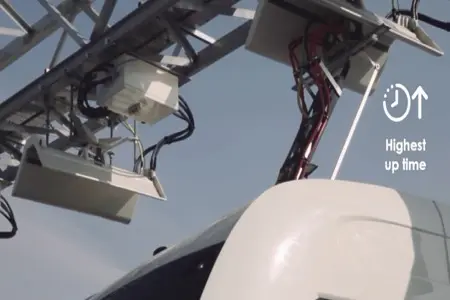
In contrast to classic plug-in charging systems, e-bus pantographs allow automated contact with the bus roof. This enables reliable high-power charging during scheduled stops, reducing manual cable handling and optimizing fleet logistics.
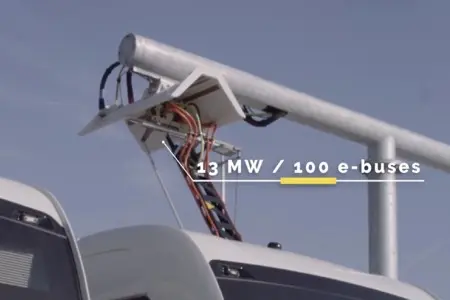
The charging time depends on the battery capacity and the maximum output of the charger. High-power pantograph stations can charge a bus battery during standard route layovers, typically in 5 to 10 minutes.
Installing a "Pantograph Up" system dome requires precise alignment, mechanical calibration, and structural engineering to ensure safe connection with municipal electric buses during automated charging sequences.
Select from our range of high-capacity and split-system chargers, designed to support flexible site planning and reliable long-term operations.
Technical answers to common questions regarding fast-charging technology, hardware compatibility, and deployment logistics.