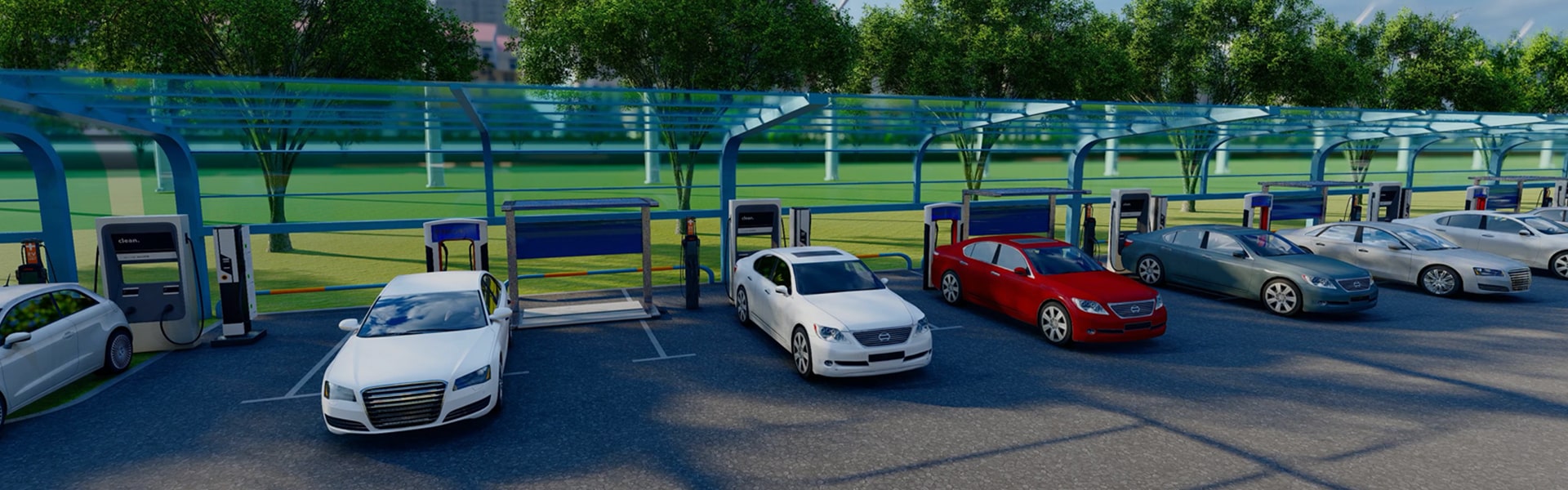
Premium architectural EV chargers featuring liquid cooling, high power modules, and intelligent power distribution.
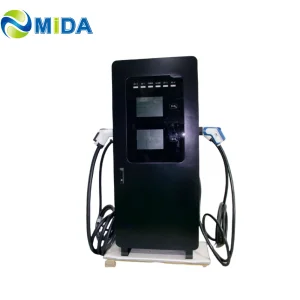
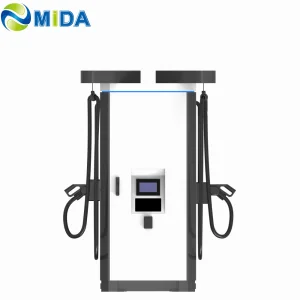
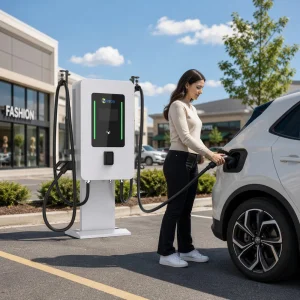
The global transition toward electrified transport networks has fundamentally moved beyond pilot implementations. Today, highway corridors, municipal bus transit depots, mining haul routes, and last-mile logistics centers require robust power output architectures. In this context, sourcing from specialized Chinese manufacturers offers direct access to the world's most dense and optimized supply chain. Deploying China Charging Station Locations strategically demands a thorough grasp of the global technological standards, dynamic grid balancing, and hardware reliability metrics.
As North American markets align with the National Electric Vehicle Infrastructure (NEVI) program and European regions enforce the Alternative Fuels Infrastructure Regulation (AFIR), target locations must plan for MW-level electrical connections. Centralized modular charging stations with dynamic power allocation matrices have replaced monolithic cabinets. This paradigm shift minimizes grid impact while maximizing vehicle throughput. By combining high-power cabinets with localized energy storage systems (BESS), operators can deliver up to 1000kW outputs without demanding expensive grid substation upgrades.
Key Industry Metric: Dynamic Power Routing systems can increase overall charging station efficiency by 30-40% compared to static allocation models, lowering the total cost of ownership (TCO) for large-scale fleets.
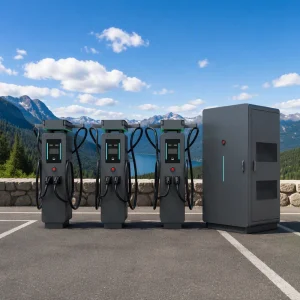
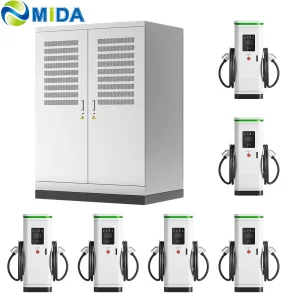
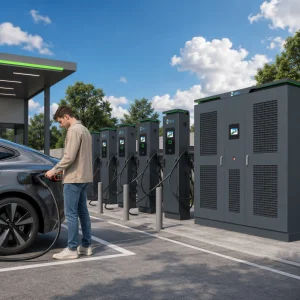
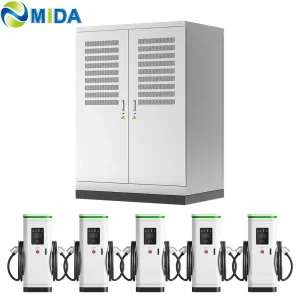
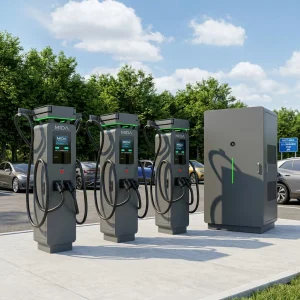
Modern infrastructure planners are frequently faced with the choice between centralized and distributed architectures. Distributed setups place smaller, self-contained chargers throughout parking zones, which works well for slow AC charging. However, commercial operations rely heavily on centralized layouts. Under this scheme, high-power DC cabinets sit away from the actual dispensing points, transferring liquid-cooled power directly to slim, user-friendly satellite charging posts. This setup reduces cable strain, isolates critical power electronics from the environment, and consolidates thermal management systems into a single unit.
Comprehensive charging solutions engineered for passenger vehicles, heavy fleets, and utility grids.
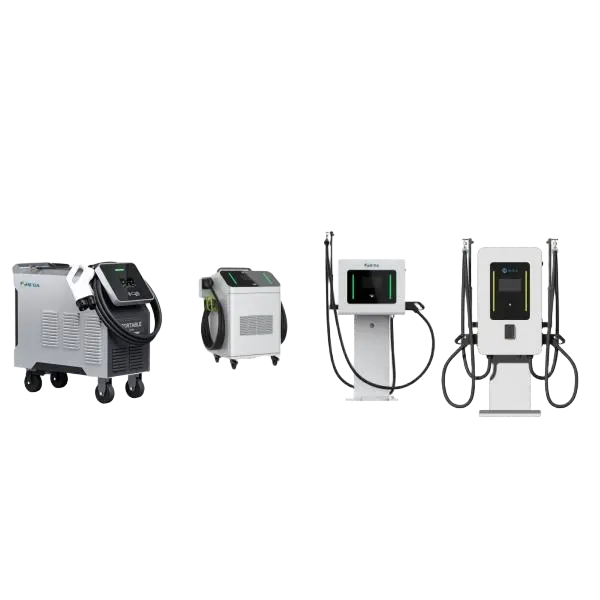
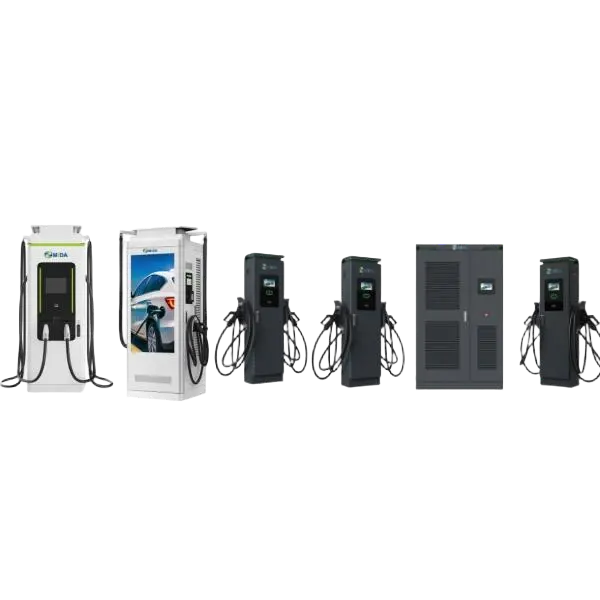
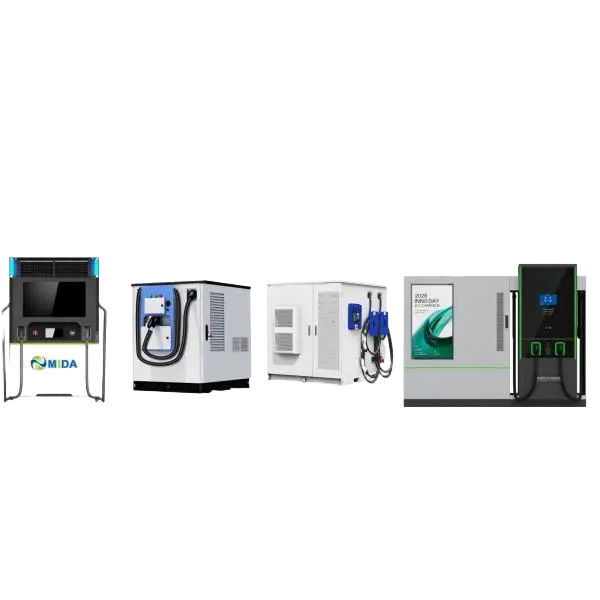
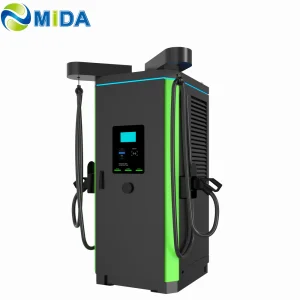
The future of fast EV charging relies heavily on effective thermal management. Standard forced-air-cooled charging modules struggle when pushed past 150A continuous delivery. Thermal thresholds choke output levels, causing premature components to age. MIDA addresses this engineering challenge by implementing split-loop liquid cooling configurations. Liquid-cooled power stacks running up to 125kW isolate coolant circuits from the electronics, maintaining critical junctions below 75°C. At the same time, liquid-cooled charging cables deliver 500A to 1000A sustained current at very low weights, making handling easy for drivers.
V2G (Vehicle-to-Grid) bidirectional power conversion represents the second core pillar of our technology roadmap. Using grid-tied bidirectional inverter systems (spanning 20kW to 62.5kW), charging locations transition from passive loads to active participants in the grid. Fleet operators can discharge parked vehicles during high-tariff periods to generate revenue, then recharge them during cheaper demand windows. This active balancing reduces overall infrastructure costs and protects local grids from destabilizing peak demands.
Our specialized power module line includes highly isolated 30kW, 40kW, and 50kW switching options utilizing silicon carbide (SiC) MOSFET technologies. SiC components yield higher switching frequencies and dramatically lower thermal dissipation losses compared to traditional silicon IGBT designs. This design translates to consistent 96.5% to 98% efficiency curves. The sealed design of liquid-cooled units keeps dust, salt spray, and metallic particles away from sensitive electronics, resulting in longer product lifetimes and reliable field performance.

Procurement teams evaluating partners for China Charging Station Locations prioritize manufacturing scale, vertical integration, and component reliability. Mida Group's dual production clusters in Shanghai and Shenzhen streamline this supply ecosystem. Unlike companies that simply assemble third-party parts, MIDA maintains tight vertical control over the entire production flow.
This control starts with Mida Cable extruding high-grade copper wiring with extreme precision. Next, Mida New Energy designs and builds proprietary switching power modules. Finally, Mida EV Power integrates these components into finished DC charging cabinets. This vertical pipeline removes common component bottlenecks, ensures consistent raw material quality, and allows us to deliver customized hardware configurations up to three weeks faster than typical industry averages.
Supply Chain Traceability: Every single charger unit undergoes automated testing systems (ATE) and undergoes 100% full-load burn-in testing for 24 continuous hours, eliminating infant mortality rates of sensitive power electronics before crating and export.
Outdoor charging infrastructure must operate reliably in harsh conditions, from desert heat to coastal humidity and sub-zero winter temperatures. MIDA cabinets utilize outdoor-rated coatings along with high-strength polycarbonate and sheet steel housings. Internal electronics feature conformal coatings that seal out environmental humidity. The cooling loops use custom-formulated non-conductive dielectric coolants. Even if a physical impact breaches the cooling lines, the fluid will not cause electrical shorts, preventing localized system damage.
Explore Mida Group's main engineering subcategories and technical assemblies.
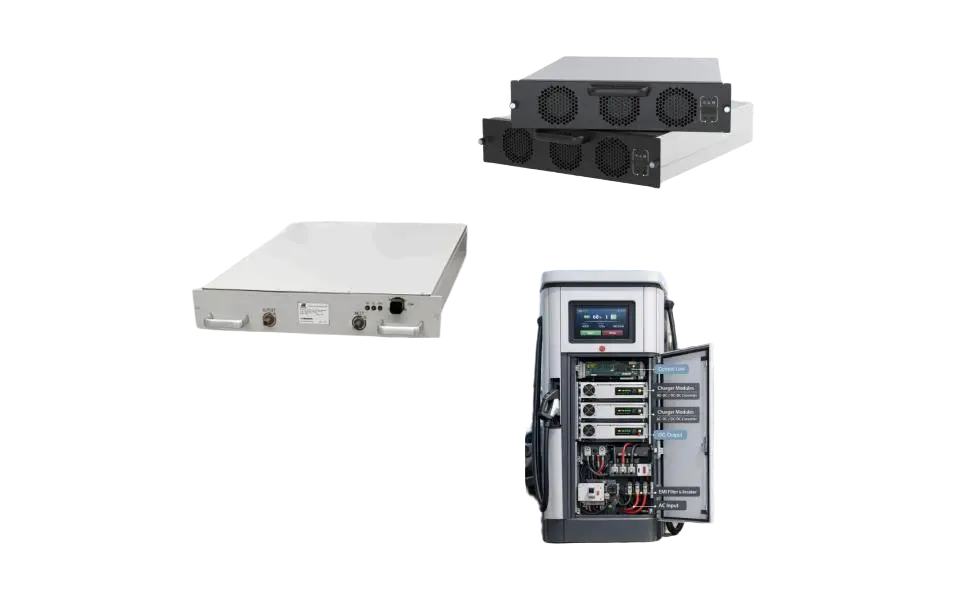
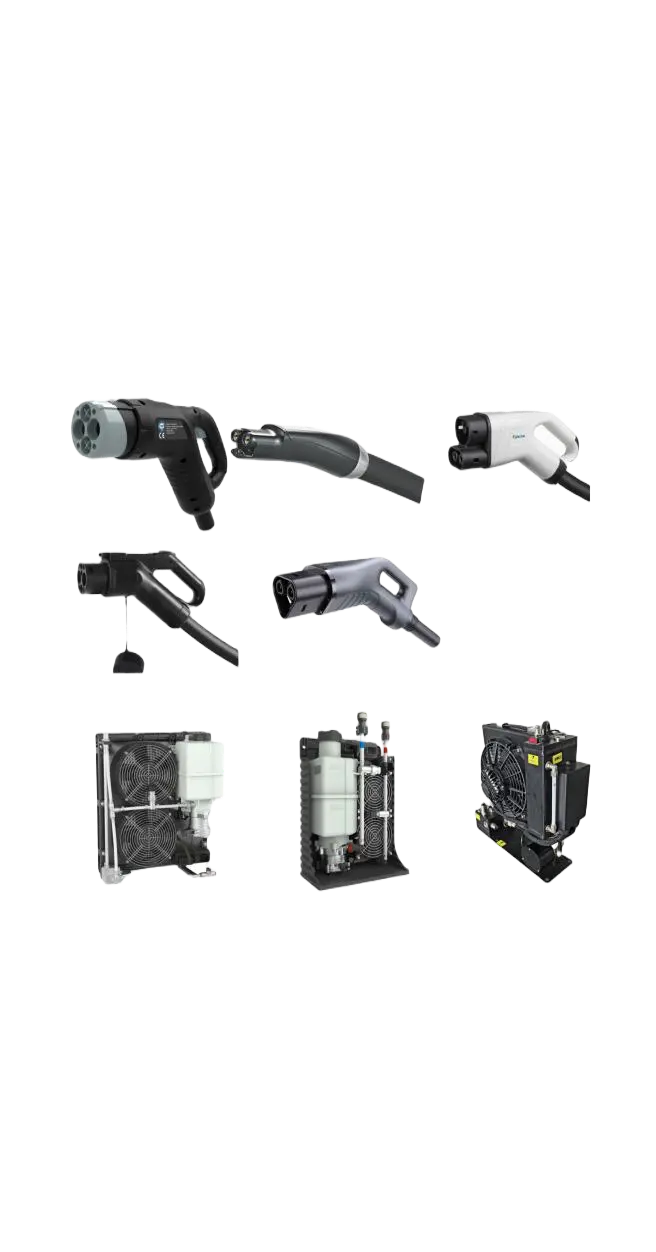
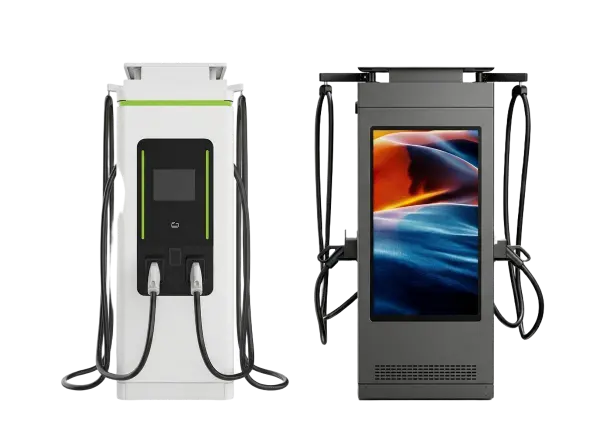
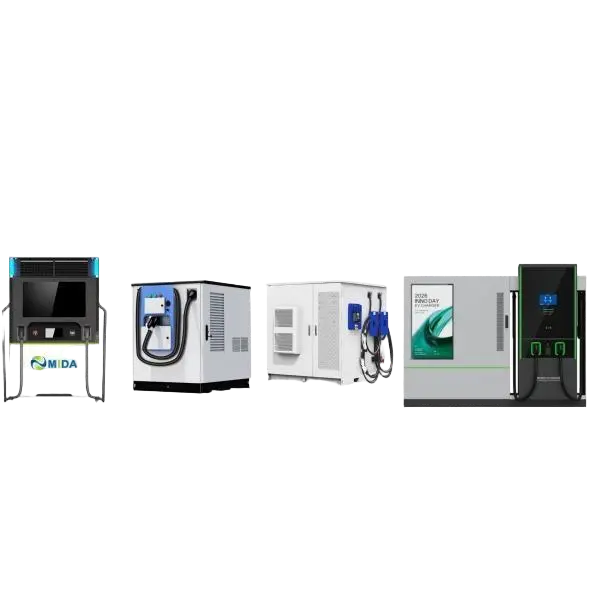
Shipping infrastructure hardware globally requires strict adherence to international safety and communications protocols. Sourcing from Mida Group ensures that all imports comply fully with target market standards. Our systems are verified by TUV, CE, ETL, FCC, RCM, and are certified under OCPP 1.6J and OCPP 2.0.1. Crucially, our hardware integrates smoothly with German calibration standards (PTB/Eichrecht) and MID guidelines for billing accuracy.
For software integration, our firmware relies on Linux-based runtimes that communicate seamlessly via OCPP to backend platforms (like ChargePoint, Greenflux, and EVBox). These systems support secure WebSocket communication, TLS 1.3 encryption, and over-the-air firmware updates. This secure foundation prevents unauthorized network modifications and shields utility partners from malicious cyber threats.
Modern premium stations now require ISO 15118 implementation. This standard enables "Plug & Charge" features, allowing the charger to authenticate, initiate billing, and dispense power immediately upon connection, without requiring RFIDs or mobile apps. Our controllers securely store TLS leaf certificates to verify the vehicle's credentials instantly. This seamless user experience matches the convenience of proprietary fast networks, helping public stations attract and retain customers.
Stay informed with the latest updates from our research team and heavy transit engineering units.
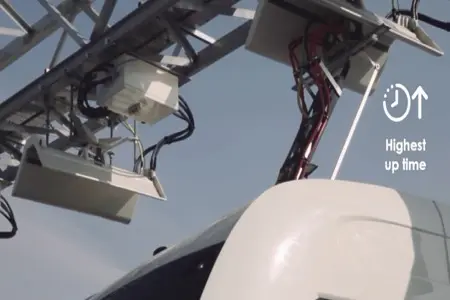
What are the advantages of an e-bus pantograph dome? In contrast to classic plug-in charging systems, e-bus pantograph systems allow rapid, high-power automated charging directly from the bus roof contactors...
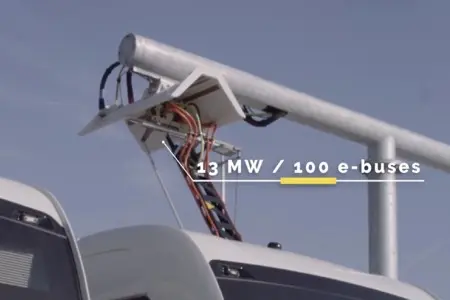
How long does it take to charge with an e-bus pantograph? The charging time depends on the battery capacity and the station's configuration, with megawatt systems topping off city fleets in under ten minutes...
How to Install the Pantograph Up Charger System Dome for Electric Bus: Practical onsite deployment, structural requirements, electrical safety grounding, and commissioning methodologies...
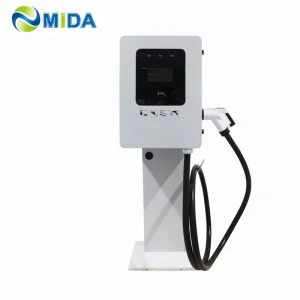
Successful deployment of fast-charging hardware varies by application. In high-density urban areas, commercial hubs prefer compact footprint designs. Siting 40kW to 80kW wall-mounted DC systems allows operators to save floor space while offering fast charging to patrons. In contrast, highway corridors and transit hubs require heavy-duty split architectures.
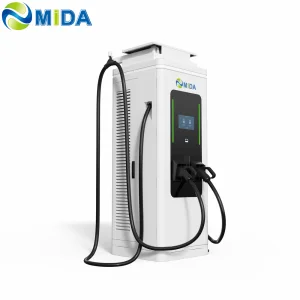
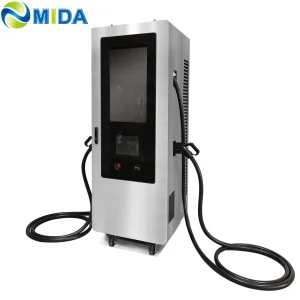
For public bus transit, pantograph-up configurations automate power delivery without requiring hands-on operator contact. Heavy-duty utility trucks and industrial fleets leverage liquid-cooled split charging towers, combining the robustness of central cabinets with easy-to-use satellite dispensers. These sites also benefit from integrated battery storage (BESS) systems, which store cheap off-peak energy and discharge it to support the grid during high-demand fast-charging sessions.
For logistics centers running multi-shift delivery schedules, charging speed must balance against overall utility costs. In these facilities, integrated BESS units absorb energy during low-demand periods and deliver high power directly to fast chargers when vehicles return to base. By combining these storage units with dynamic software scheduling, operators can run high-throughput charging hubs without triggering expensive utility demand fees or overloading local electrical infrastructure.
Technical insights and answers regarding MIDA Group's charging products, standards, and global logistics support.
Premium architectural EV chargers featuring liquid cooling, high power modules, and intelligent power distribution.