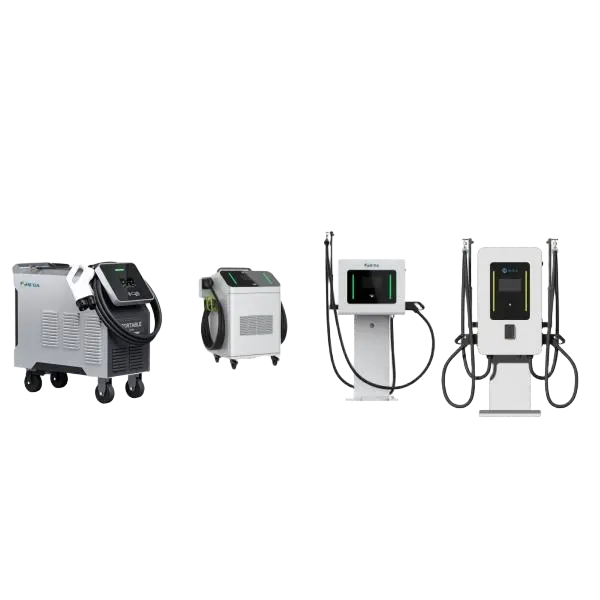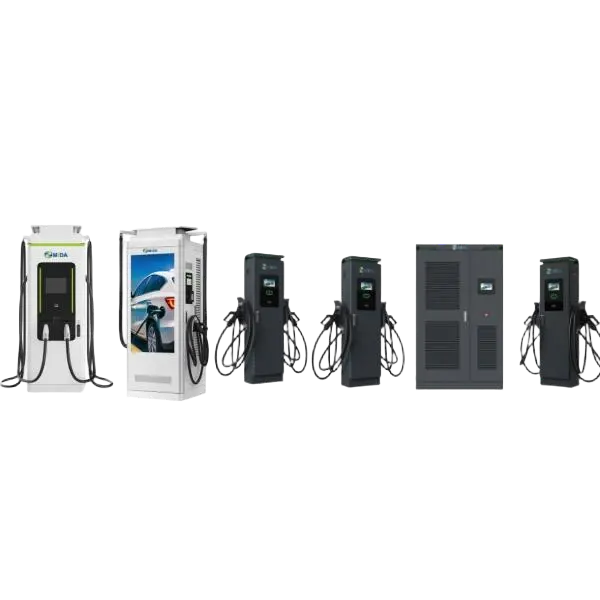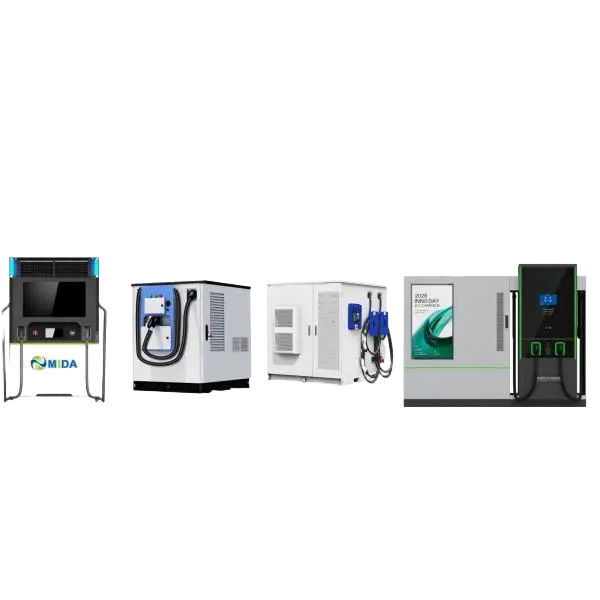
Explore our industrial-grade charging solutions featuring precision engineering, extensive compliance, and seamless network integration capabilities.
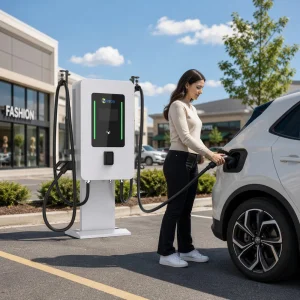
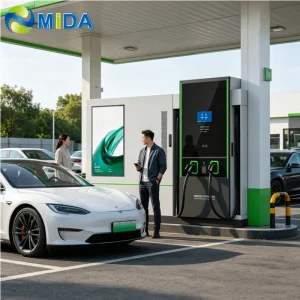
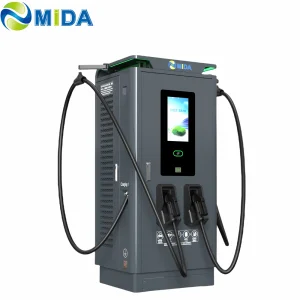
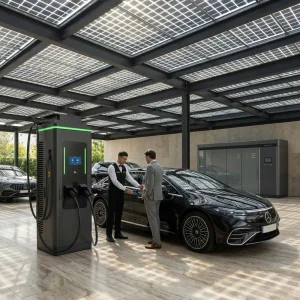
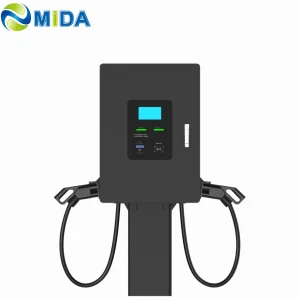
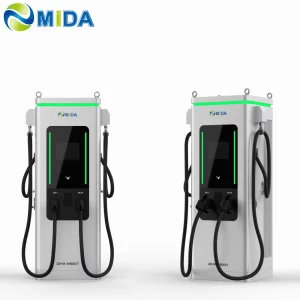
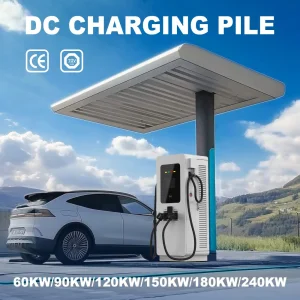
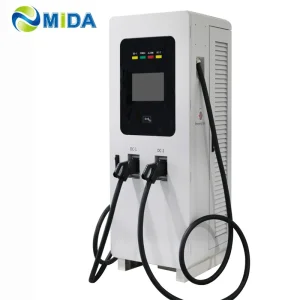
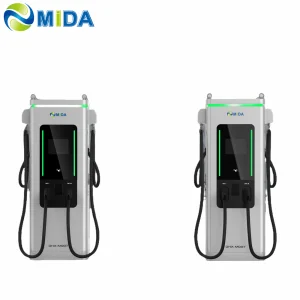
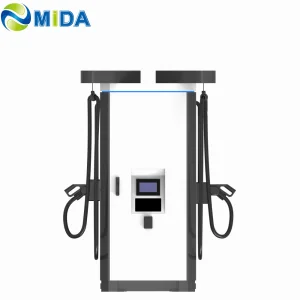
As the global transition to clean mobility accelerates, charging infrastructure layout strategies must balance charging speed, upfront capital expenditure (CAPEX), and localized grid capacity constraints. 90kW DC Fast Charging Stations occupy the optimal sweet spot in this ecosystem. Providing significantly shorter charging durations than typical AC destination chargers (7kW-22kW), a 90kW system is ideal for charging modern passenger EVs and light commercial vehicles to 80% State of Charge (SoC) in approximately 30 to 45 minutes.
From an electrical engineering standpoint, deploying megawatts of ultra-fast chargers (such as 350kW units) often requires extensive grid modifications, including dedicated high-voltage distribution transformers and complex thermal management systems. A 90kW charging station, however, minimizes installation friction. It operates efficiently within the limits of existing commercial electrical distribution networks, making it the preferred standard for logistics fleets, retail parking configurations, and public-use fast-charging clusters.
By choosing an experienced Chinese manufacturer, network operators secure equipment engineered with high-density power modules, state-of-the-art power distribution hardware, and OCPP-integrated control units that ensure compatibility, longevity, and high return on investment.
Engineering specific hardware configurations tailored to distinct regional operational requirements, regulatory codes, and real-world deployment challenges.
Fleet logistics centers operate under tight scheduling constraints. A 90kW DC charger delivers rapid top-ups for commercial delivery vans during shift handovers or parcel loading windows, maximizing vehicle uptime and reducing warehouse grid congestion.
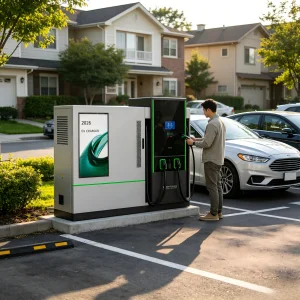
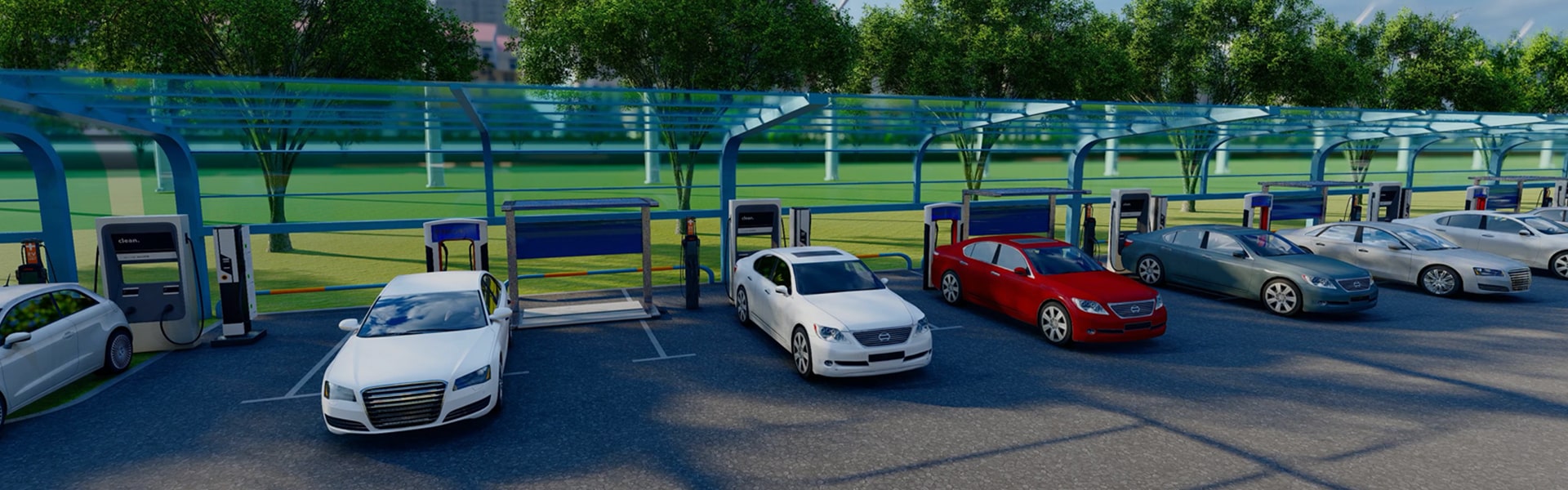
Integrating 90kW chargers at shopping centers and office parks aligns perfectly with average consumer dwell times (45–60 minutes). It offers property owners a lucrative secondary revenue stream while drawing in premium EV drivers with reliable, high-speed power delivery.
For regional bus systems and municipal light duty fleets, 90kW charging units provide the reliable, constant output needed for overnight recovery cycles without overwhelming the depot's electrical service panel infrastructure.
Delivering modular components and turnkey charging installations engineered for extreme durability and operational consistency.
Shanghai Mida Cable Group Ltd. operates through its wholly owned subsidiaries: Shanghai Mida EV Power Co., Ltd., Shenzhen Mida EV Power Co., Ltd., and Shanghai Mida New Energy Co., Ltd. This corporate structure integrates high-end engineering, raw materials, software development, and precision assembly lines.
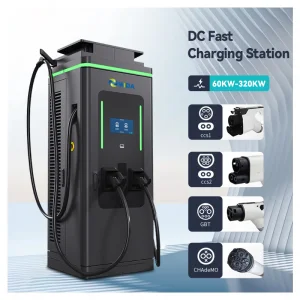
Our division, Mida Cable, manufactures a comprehensive, high-quality range of EV charging cables. This includes 16A–80A J1772 cables and 16A–63A IEC 62196-2 Type 2 cables. We also manufacture standard DC fast charging cables: CCS1 (80A–500A), CCS2 (125A–1000A), CHAdeMO (125A–300A), GBT (200A–1000A), and NACS connectors (250A–600A), ensuring low contact resistance and long lifecycle performance.
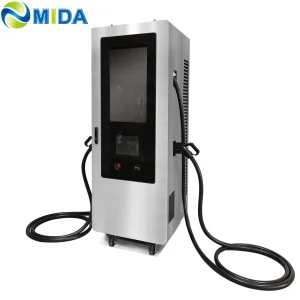
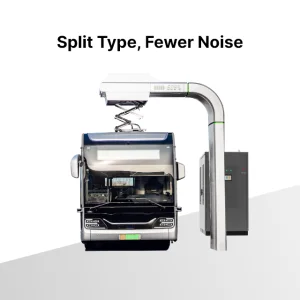
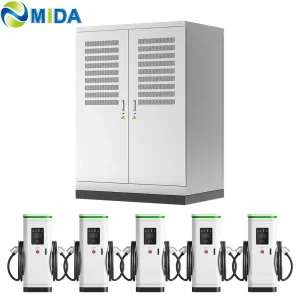
Our hardware division, MIDA EV Power, manufactures a full lineup of EV charging stations. This includes 7kW–50kW mobile chargers, 3.6kW–7.2kW portable DC chargers, 360kW–1440kW split-type DC fast chargers, 20kW–50kW wall-mounted DC chargers, and 60kW–480kW floor-standing DC fast charging stations designed to withstand harsh outdoor conditions.
To support next-generation charging infrastructure, MIDA New Energy specializes in EV charger power modules, offering 20kW–60kW standard modules, 40kW–125kW liquid-cooled modules, 30kW–62.5kW bidirectional modules, and 20kW–45kW V2G charging modules.

Discover how our vertically integrated operations reduce manufacturing friction and maintain competitive cost structures for global partners.
Sourcing 90kW DC fast charging systems from China offers notable advantages in supply chain maturity and industrial concentration. The Yangtze River Delta and Shenzhen electronics clusters contain the entire supply chain—from high-frequency magnetic components and power semiconductor packaging to high-strength sheet metal fabrication. This geographical density minimizes shipping lead times and reduces production bottlenecks.
Furthermore, Mida Group's deep integration across cable extrusion, power electronics development, and mechanical design ensures rapid product refinement. We handle the entire engineering process in-house, preventing compatibility issues between third-party components that often impact smaller assemblers.
This integration also yields significant cost benefits. By manufacturing our own charging cables, liquid-cooled connectors, and core power modules in-house, we avoid the markups of multi-tier component sourcing. We pass these savings directly to our clients, ensuring competitive CAPEX without compromising on component quality or reliability.
Quality assurance is embedded in our manufacturing process. Every 90kW station undergo full-load burn-in testing, automatic electrical safety validation, thermal cycle screening, and strict inspections under ISO 9001:2015 conditions. This rigorous testing minimizes installation errors and ensures reliable long-term operations.
Engineered to deliver class-leading energy conversion metrics, wide voltage ranges, and extensive network compatibility.
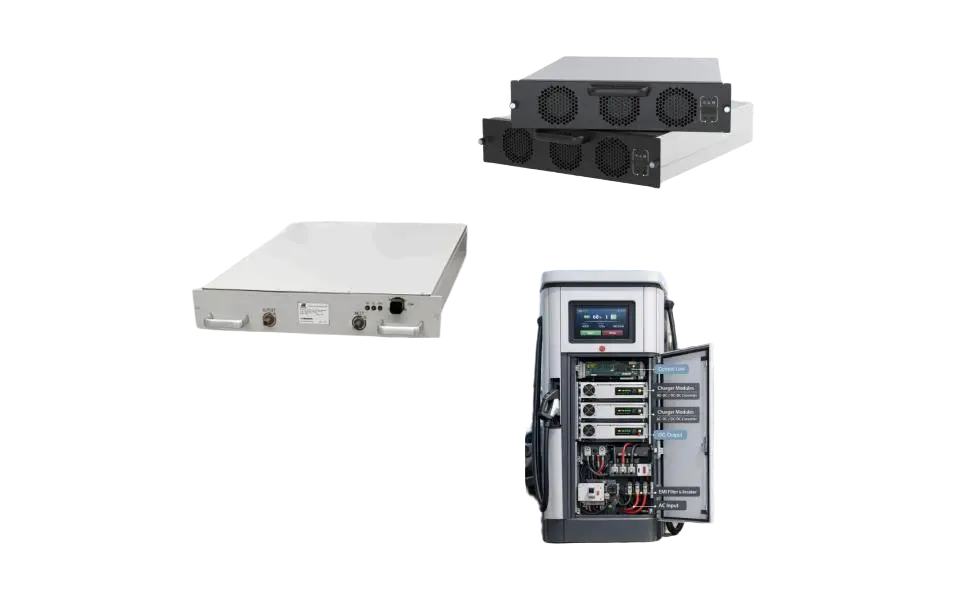
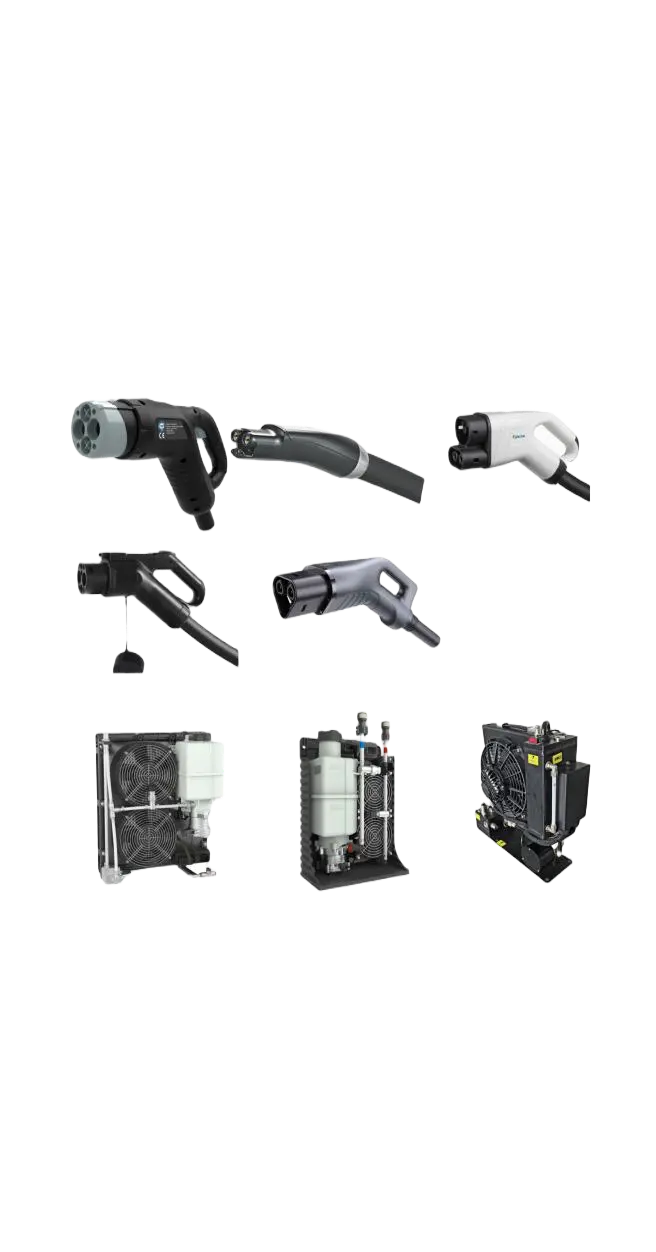
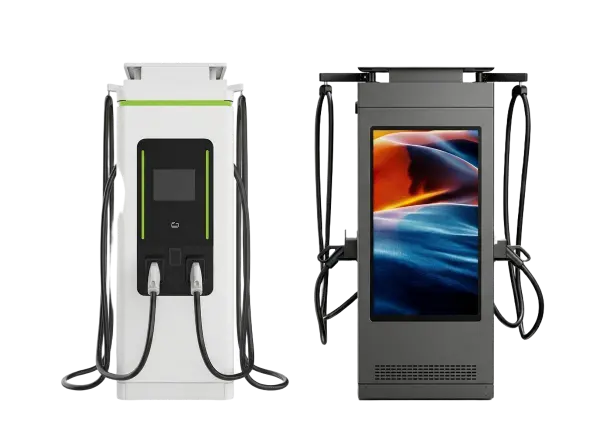
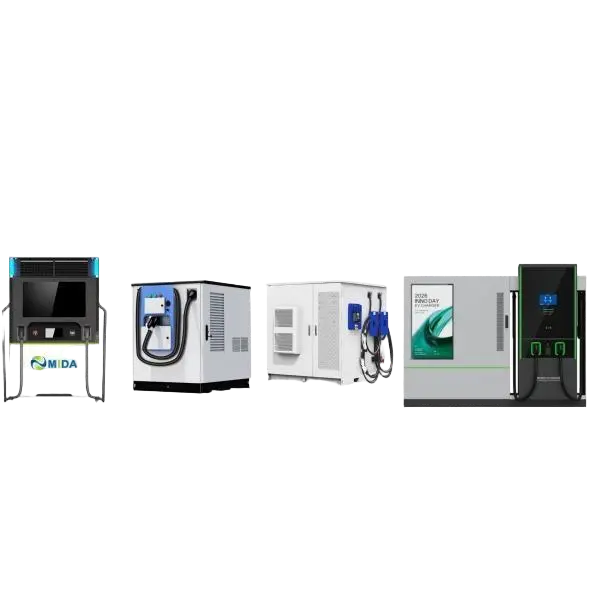
The development of DC charging technology is moving rapidly beyond simply delivering raw kilowatts. Tomorrow's grid infrastructure demands smart, responsive charging solutions. Mida Group's R&D roadmap focuses on three main technological pillars:
Standard DC charging stations historically utilized silicon IGBT modules. By transitioning to Silicon Carbide (SiC) MOSFETs within our 30kW, 40kW, and bidirectional charging modules, we reduce high-frequency switching losses, achieve power conversion efficiencies exceeding 96.5%, and decrease thermal output by 30%. This improves stability and enables more compact, reliable enclosure designs.
Modern commercial vehicle operators require bidirectional capability. Our V2G systems enable EVs to act as distributed energy resources (DERs). During peak demand periods, a fleet of connected vehicles can return power to the grid, supporting grid stability and offering fleet operators dynamic peak-shaving revenue opportunities.
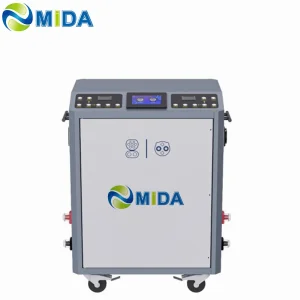
To bypass local electrical capacity constraints, we integrate Battery Energy Storage Systems (BESS) directly with our 90kW DC fast chargers. These systems store energy during off-peak hours and discharge it to assist during high-demand vehicle charging sessions. This setup provides high-speed charging capabilities without requiring expensive grid service upgrades.
Sourcing industrial charging systems globally requires strict compliance with diverse regional electrical standards. A single non-compliant component can delay project timelines, lead to local inspection failures, or create safety liabilities. Mida Group maintains rigorous certification standards across our entire product range:
Additionally, our software stack supports full OCPP 1.6J and OCPP 2.0.1 protocols. This ensures seamless integration with third-party billing platforms, dynamic load management systems, and smart grid automation networks, providing future-proof utility compatibility.
Providing clear, expert answers to key engineering, integration, and procurement questions.
Stay informed about the latest developments in global public transit charging, engineering standards, and infrastructure rollouts.
Engineered to support heavy transport applications, rapid-charging hubs, and integrated energy storage installations.