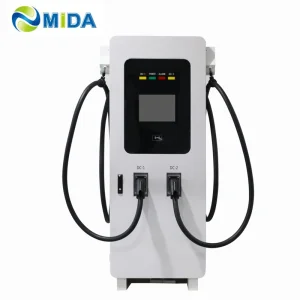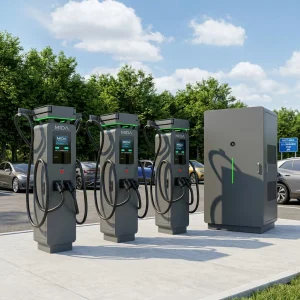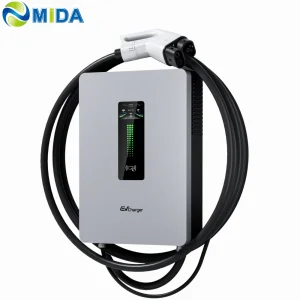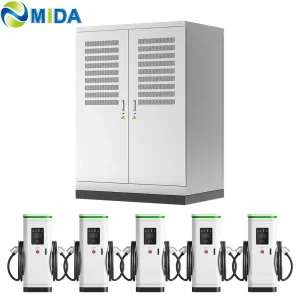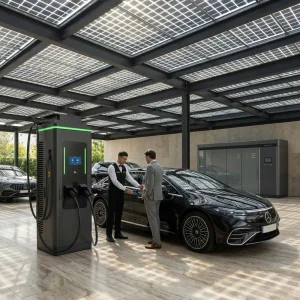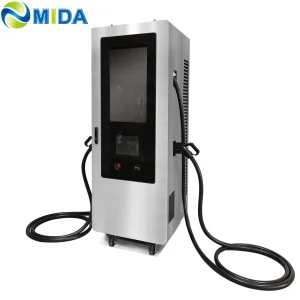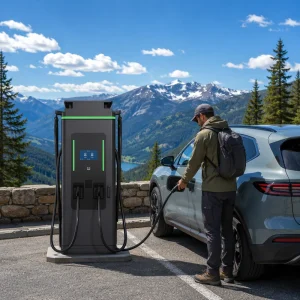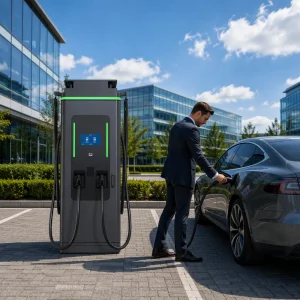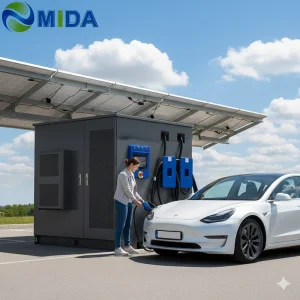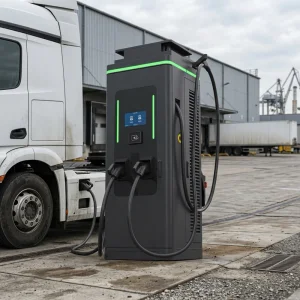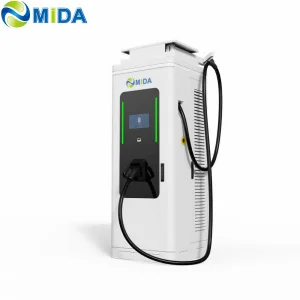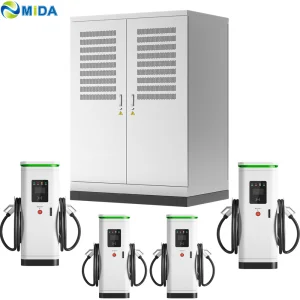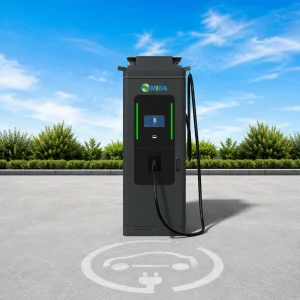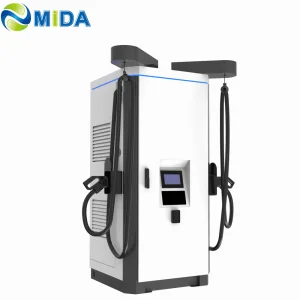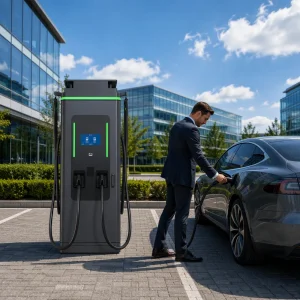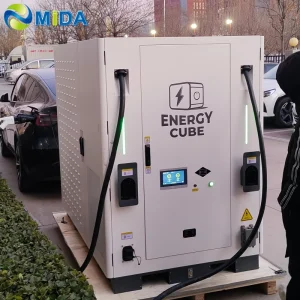
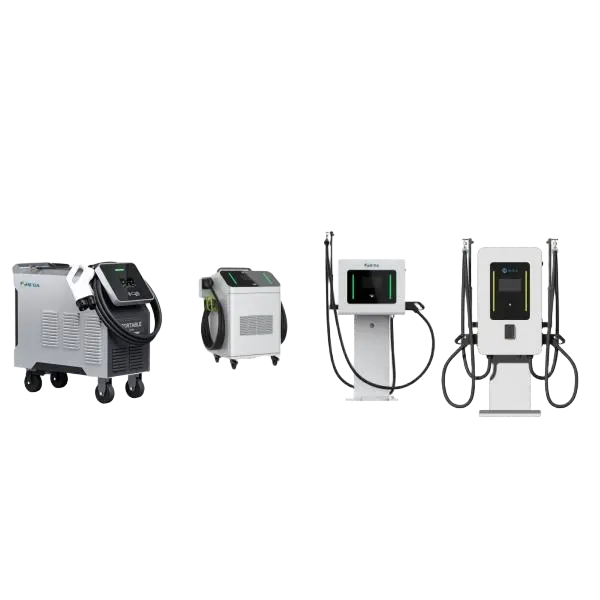
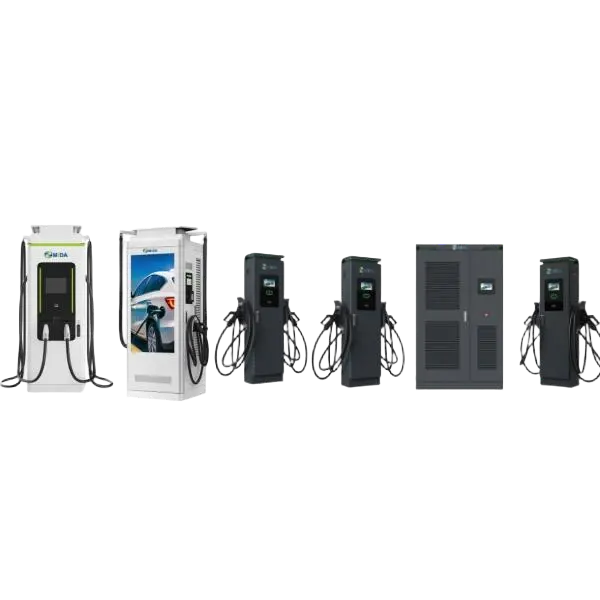
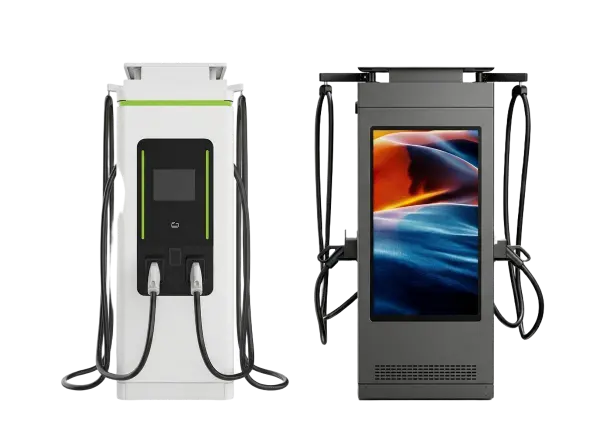
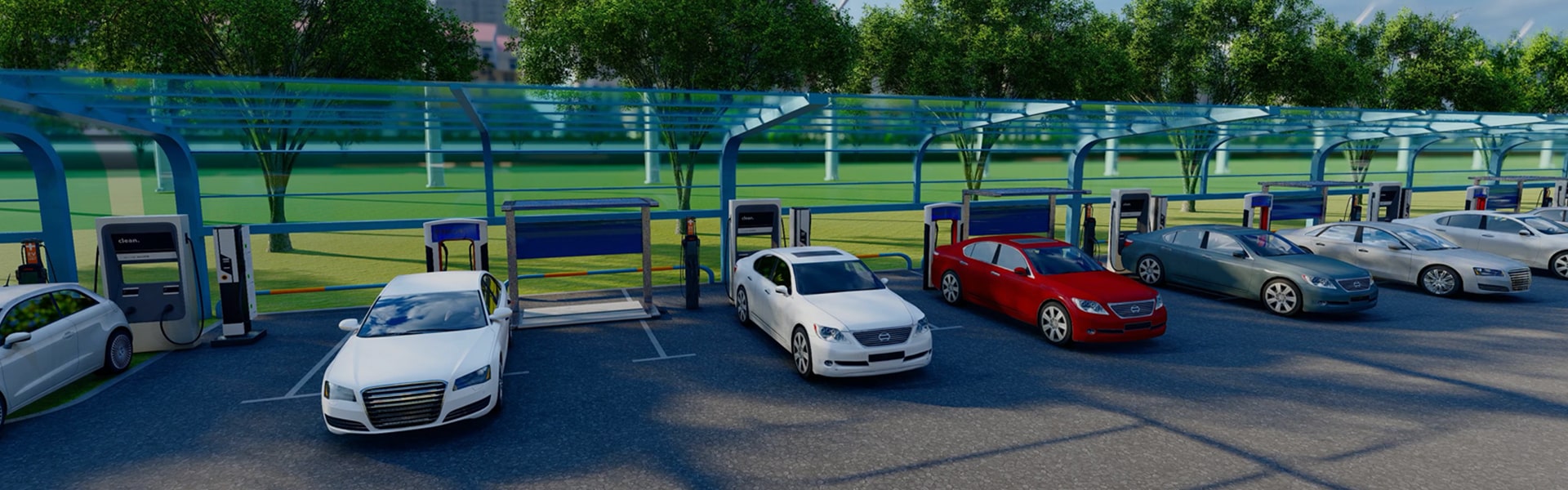
Explore our flagship public charging stations featuring advanced thermal efficiency and modular electrical design.
Global footprint in manufacturing excellence and electric vehicle grid integration.
Analyzing the strategic transition of commercial fleets and decentralized charging infrastructure.
The global transition to zero-emission mobility is shifting focus from slow AC overnight charging to high-throughput commercial and industrial (C&I) DC fast charging. As municipal fleets, logistics depots, and retail property portfolios adapt to electric commercial vehicles (e-vans, medium-duty trucks, delivery vehicles), the demand for reliable 50kW to 180kW DC charging installations has grown. In this landscape, the 50kW DC fast charging station represents a key balance between infrastructure cost, electrical efficiency, and power grid capabilities.
Operating a fleet or public parking infrastructure requires managing demand charges and transformer upgrades. Unlike ultra-fast 350kW systems that often require dedicated distribution substations and expensive civil works, a 50kW DC Fast Charger can run on common 400V/480V three-phase systems with minimal grid mitigation. This allows operators to scale charging sites quickly while maintaining acceptable vehicle turnaround times.
For modern commercial charging, power density and modularity are crucial design requirements. Utilizing highly efficient sub-modules (such as our 20kW, 30kW, and 50kW power conversion modules), operators can build flexible charging infrastructures. A 50kW fast charger offers a balanced match for vehicles with battery capacities between 40kWh and 100kWh. By delivering a full charge in 45 to 90 minutes, it fits naturally into commercial parking environments, transport depots, and corporate workplaces.
Modular hardware categories engineered for grid stability, microgrid compatibility, and remote fleet management.
A deep dive into power electronics, modular scaling, and thermal management technologies.
A reliable DC fast charging station relies on its internal power electronics topology. MIDA Group's 50kW stations utilize high-frequency switching technology, converting incoming AC utility power through a three-phase active power factor correction (PFC) bridge into a regulated DC link voltage. This DC link supplies high-frequency isolated DC-DC converters, which use silicon carbide (SiC) MOSFETs to minimize switching losses and keep peak efficiency above 96%.
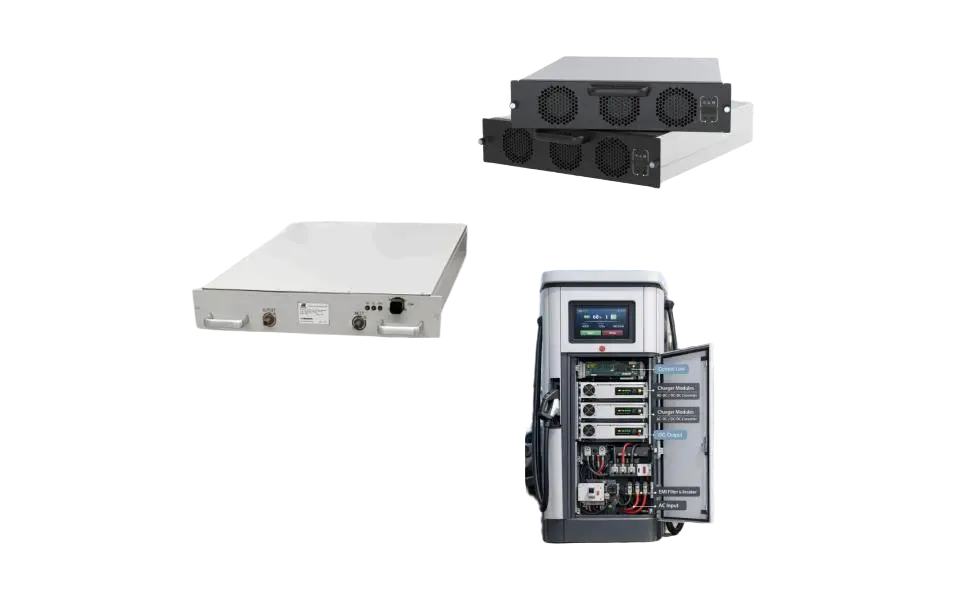
Modern electrical configurations rely on power module scalability. Our range includes 20kW, 30kW, 40kW, 50kW, and 60kW AC-to-DC power modules that can run in parallel within a single cabinet. For instance, combining two 25kW or 30kW modules with active load-sharing algorithms creates a resilient 50kW system. If one module experiences a fault, the system can dynamically scale back and continue operating at half capacity, minimizing downtime and improving overall reliability.
With the rise of smart grids, energy flow is becoming bidirectional. MIDA New Energy develops V2G-capable power modules (ranging from 20kW to 62.5kW) that allow fleet vehicles to act as distributed energy resources (DERs). During peak demand, a fleet of connected delivery vans can feed stored energy back to the facility grid, helping lower peak demand charges and offering additional grid services.
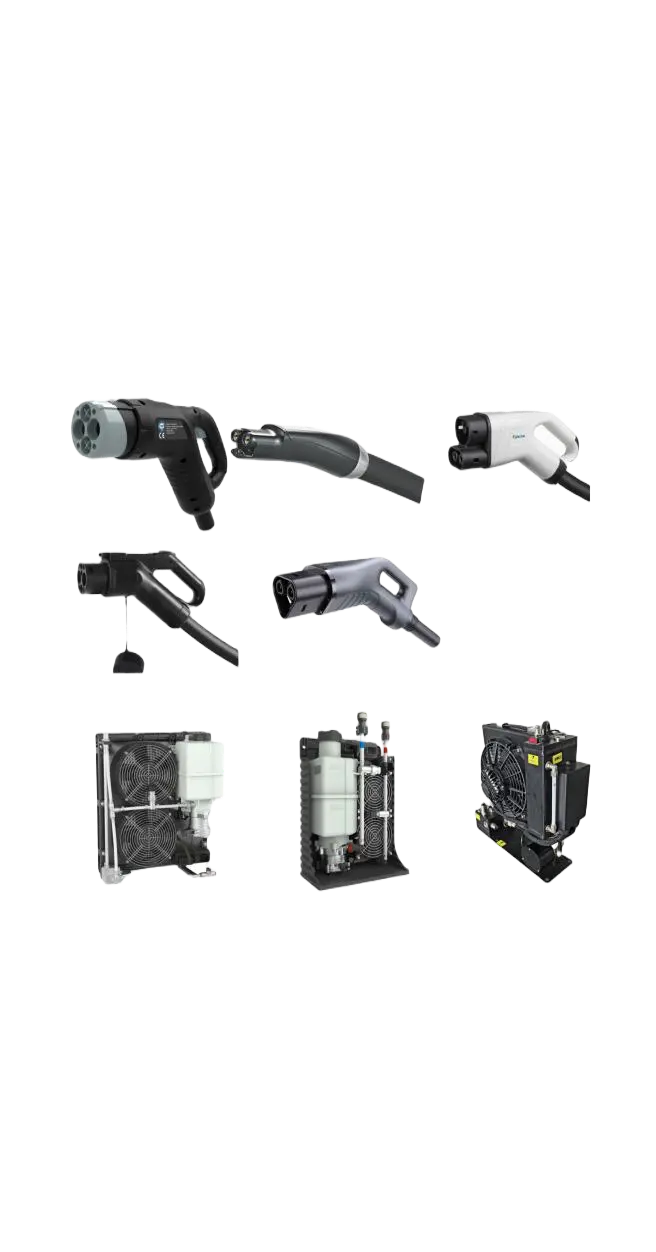
OEM/ODM solutions for system integrators, including CCS/NACS connectors, liquid-cooling systems, and power modules.
Pioneering the EV infrastructure value chain from customized components to full-scale public charging hubs.
Shanghai Mida Cable Group Ltd. serves global markets through three dedicated operating entities: Shanghai Mida EV Power Co., Ltd., Shenzhen Mida EV Power Co., Ltd., and Shanghai Mida New Energy Co., Ltd.
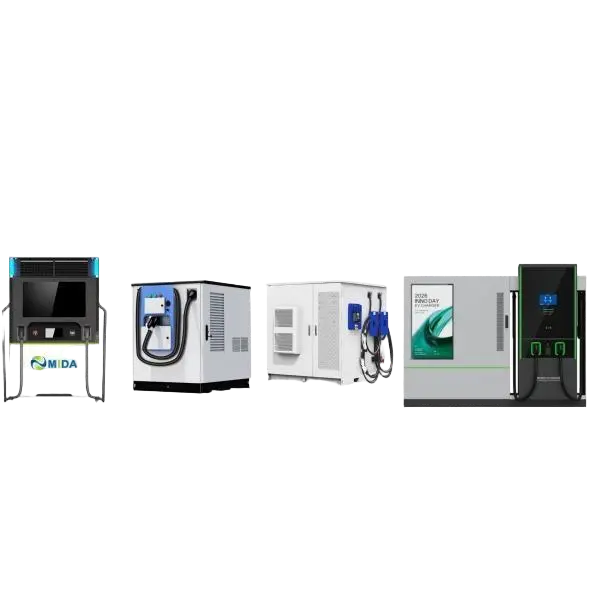
Our cable division manufactures a comprehensive portfolio of EV charging cables, spanning J1772, IEC 62196-2, CCS1, CCS2, and next-generation liquid-cooled NACS configurations capable of operating at up to 1000A. In parallel, our power electronics plants build wall-mounted, floor-standing, and containerized charging stations with power outputs from 7kW to 1440kW.
By producing our own components, modules, cables, and power cabinets, we maintain strict quality control at every stage. We use automatic testing equipment and climate chambers to verify that every 50kW station meets global standards, including UL, CE, CB, UKCA, and PTB MID.

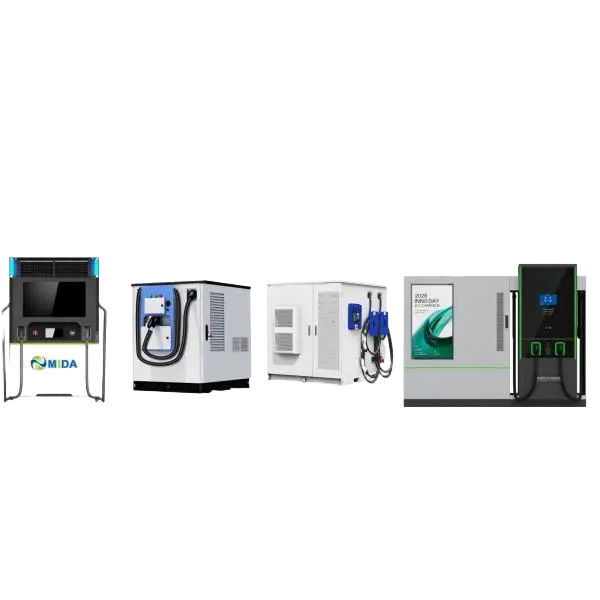
Explore our lineup of high-power DC systems, mobile emergency chargers, and smart energy storage platforms.
How 50kW stations integrate with local power systems, commercial structures, and onsite generation.
Installing a 50kW charging network often involves co-locating with localized solar PV and battery storage systems (BESS) to manage peaks in grid demand. In typical microgrid setups, a central controller runs energy management software that monitors building loads, battery state-of-charge (SoC), and real-time utility rates. When solar generation is high, the excess power charges the BESS. When vehicles connect to the 50kW stations during peak tariff windows, the system draws power from the battery rather than the grid, helping lower demand charges.
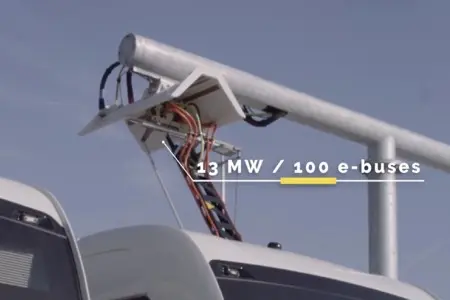
This integration is highly beneficial for municipal transport operations. For instance, public transit networks deploying zero-emission electric buses rely on high-capacity automated connection devices (ACDs), such as roof-mounted inverted pantographs. During layovers, these systems can deliver high-power boosts, while depot-based 50kW to 120kW systems handle overnight charging, helping balance grid demand and overall fleet operations.
For fleet depots operating multiple chargers, managing the total power draw is essential. Dynamic Load Balancing (DLB) software monitors the total energy consumption of the facility. If several electric vehicles connect simultaneously, the DLB system dynamically adjusts the power delivery to each vehicle based on their current state of charge, prioritized departure times, and the facility's maximum power threshold. This ensures all vehicles are charged for their shifts without exceeding utility limits or triggering peak demand penalties.
Latest analysis and engineering updates from MIDA Group’s design and testing teams.

Direct technical answers to help engineering teams, site hosts, and purchasing departments select the right equipment.