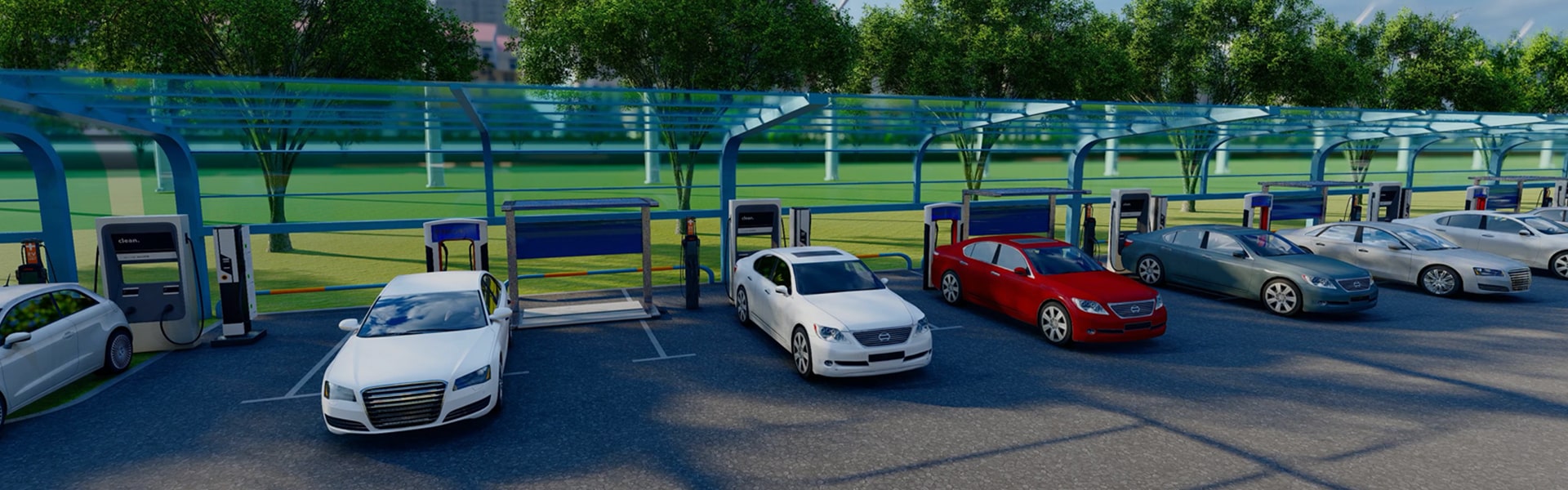
Pioneering standard-compliant, heavy-duty DC fast chargers and mobile BESS integrations optimized for global grid infrastructures.
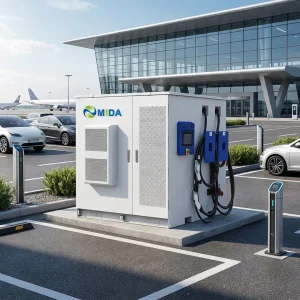
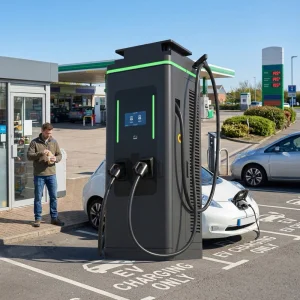
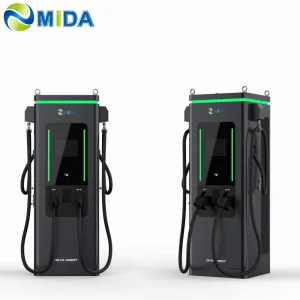
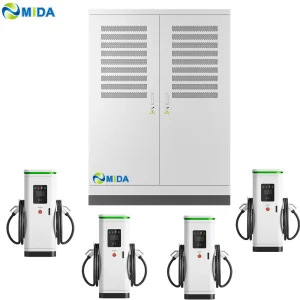
The rapid transition of light, medium, and heavy-duty electric vehicles (EVs) has pushed grid infrastructure and charging systems beyond traditional limitations. The deployment of 300kW EV chargers has transitioned from a future luxury to an immediate operational necessity. Worldwide logistics hubs, commercial truck fleets, and long-distance highway charging corridors require massive energy throughput in minimal durations.
Historically, DC fast charging stations focused on the 50kW to 150kW threshold. However, modern passenger vehicle architectures (utilizing 800V class battery systems) and commercial buses demand higher rates. A 300kW power output reduces the dwell time of long-haul passenger transport to under 15 minutes, matching the workflow requirements of logistics networks. In industrial contexts, continuous high-power delivery must run consistently, requiring robust thermal controls, load management, and safety interlocks that comply with IEC, UL, NACS, and GB/T standards.
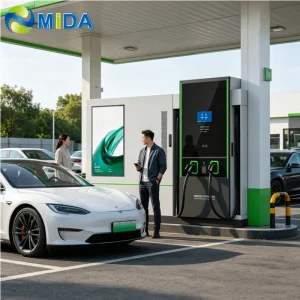
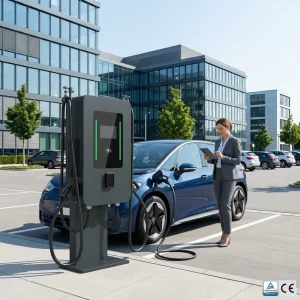
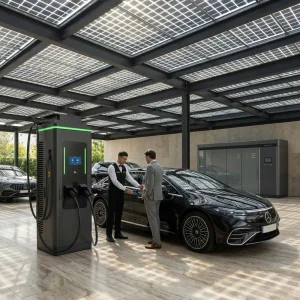
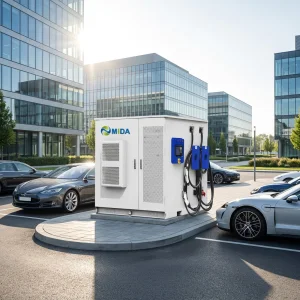
Comprehensive system designs built to withstand tough industrial applications, from AC chargers to hybrid BESS setups.
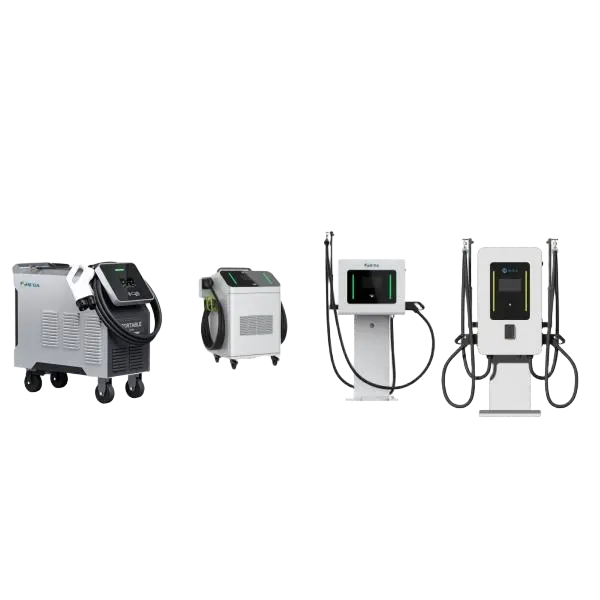
Engineered for long-dwell charging profiles, featuring robust smart-grid integrations and diverse output settings suited for fleet yards and commercial parking setups.
Explore AC Chargers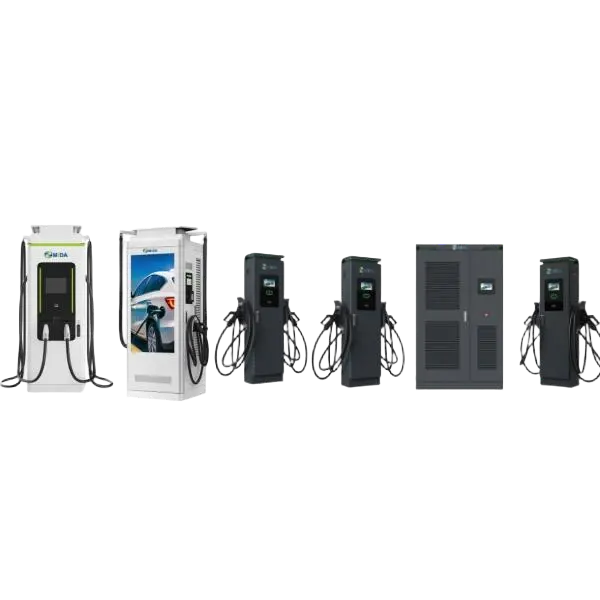
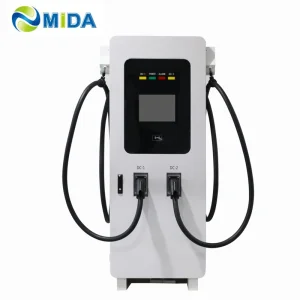
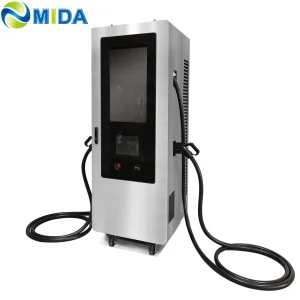
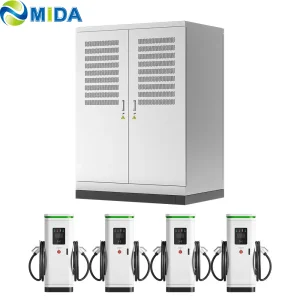
Heavy-duty power stacks featuring modular hardware setups, liquid-cooled dispensers, and dual-nozzle designs to maximize vehicle throughput.
Explore DC Chargers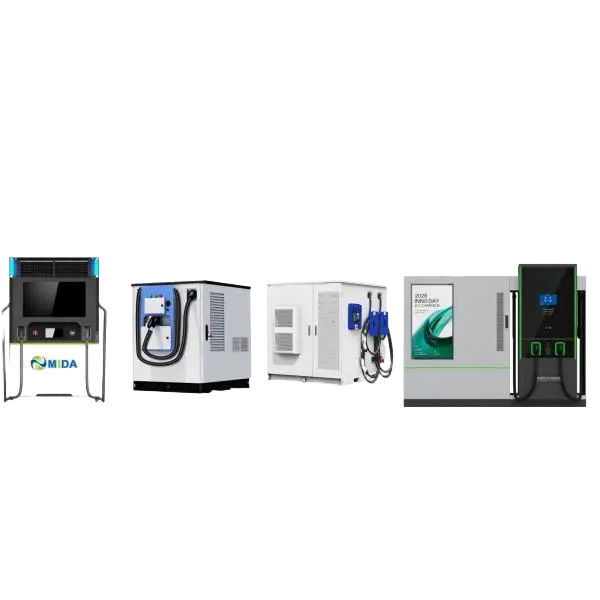
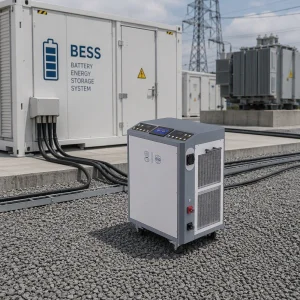
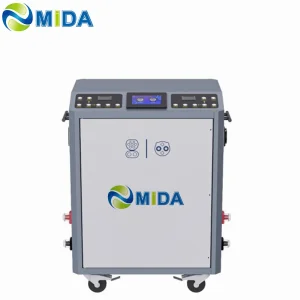
Combines battery energy storage with dynamic power management to deliver high-capacity charging output without requiring costly substation upgrades.
Explore BESS SolutionsThe manufacturing ecosystem in China for EV chargers relies on vertical supply chain integration. By grouping key raw materials, semiconductor assembly, component manufacturers, and design houses within regional industrial zones (such as Shanghai, Shenzhen, and Guangdong), Chinese manufacturers shorten R&D cycles and lower production costs.
While western manufacturers often struggle with lead times for custom power modules and magnetic coils, Chinese factories maintain steady access to reliable local raw materials. This streamlined logistics chain keeps costs competitive and allows quick engineering updates. For example, upgrading a standard 30kW charging module to a liquid-cooled 40kW or 50kW layout can be accomplished in a fraction of the time.
Additionally, Chinese manufacturing uses advanced automated quality control (QC). Assembly lines incorporate automated optical inspection (AOI), high-capacity environmental burn-in rooms, and automated test equipment (ATE) to simulate real-world grid conditions before units ship. This rigorous focus on quality ensures that heavy-duty machinery performs reliably in extreme environments, from hot industrial sites to sub-zero charging stations.
Shanghai Mida Cable Group Ltd. operates through its wholly owned subsidiaries: Shanghai Mida EV Power Co., Ltd., Shenzhen Mida EV Power Co., Ltd., and Shanghai Mida New Energy Co., Ltd.
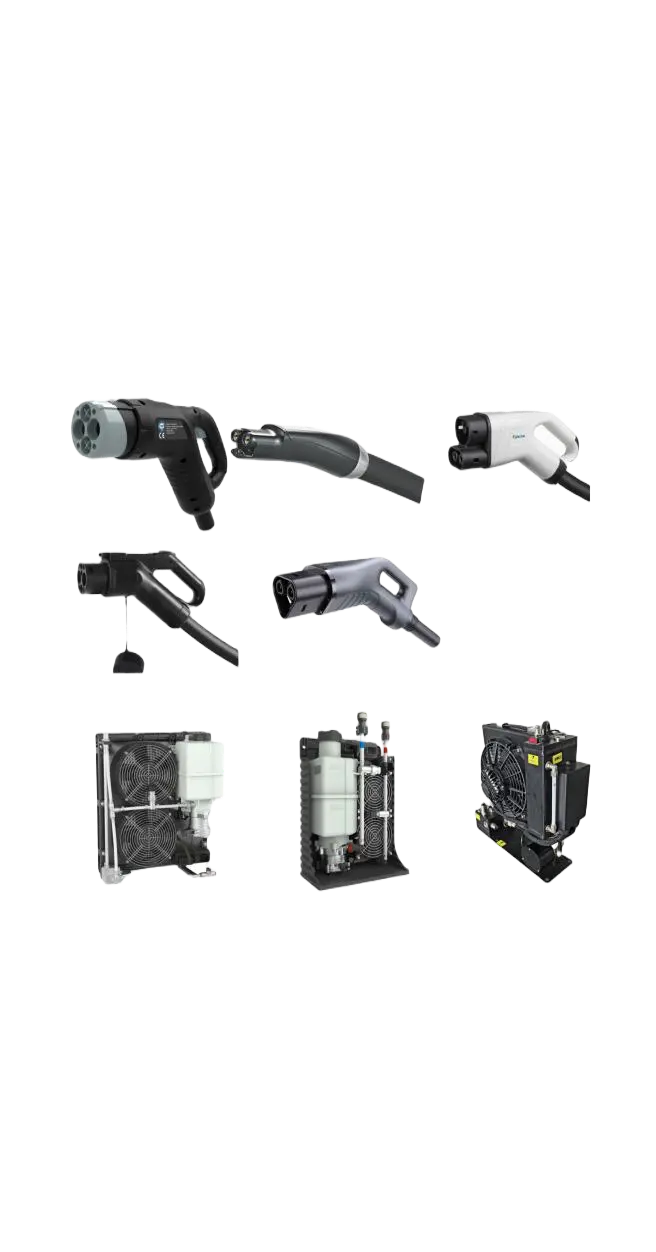
Our comprehensive production facility manufactures a full range of EV charging cables, including 16A–80A J1772 cables, 16A–63A IEC 62196-2 Type 2 cables, and DC fast charging cables: CCS1 (80A–500A), CCS2 (125A–1000A), CHAdeMO (125A–300A), GBT (200A–1000A), and NACS connectors (250A–600A).
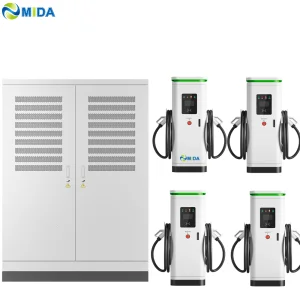
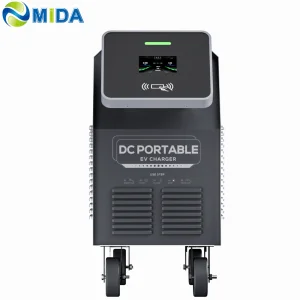
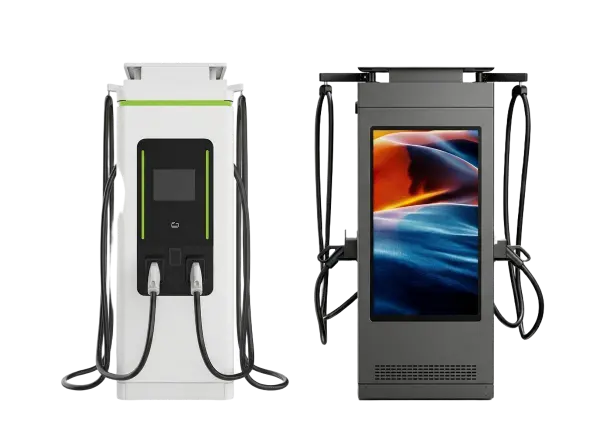
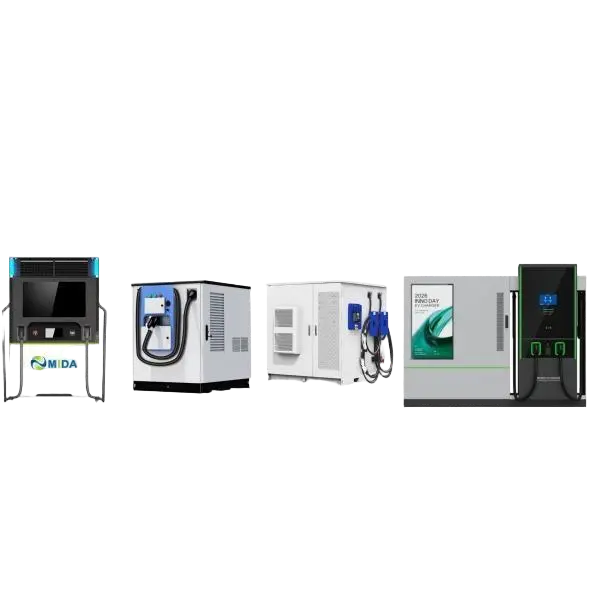
MIDA EV Power produces a diverse lineup of EV charging stations, such as 7kW–50kW mobile chargers, 3.6kW–7.2kW portable DC chargers, 360kW–1440kW split-type DC fast chargers, 20kW–50kW wall-mounted DC chargers, and 60kW–480kW floor-standing DC fast charging stations.
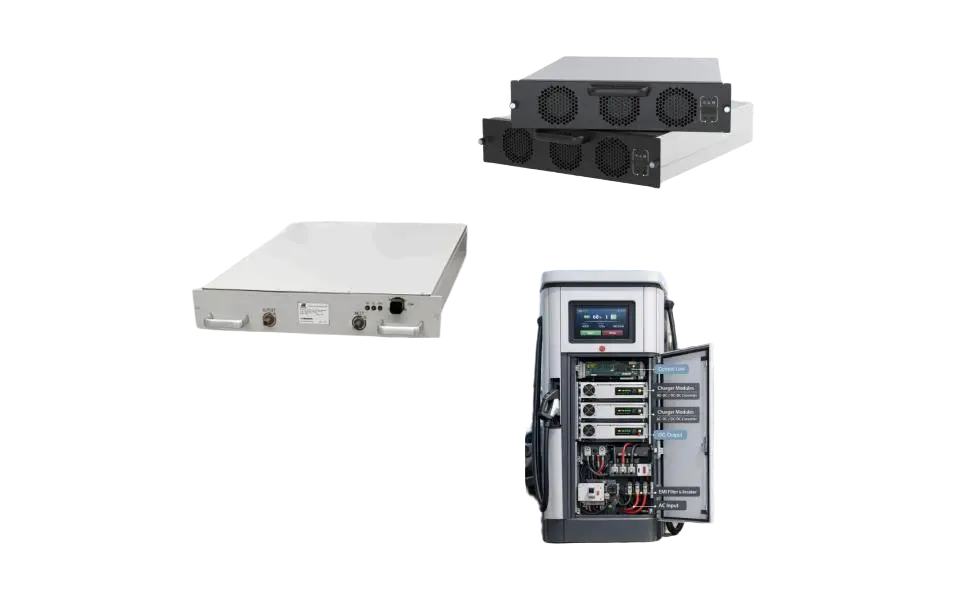
MIDA New Energy specializes in EV charger power modules, offering 20kW–60kW standard modules, 40kW–125kW liquid-cooled modules, 30kW–62.5kW bidirectional modules, and 20kW–45kW V2G charging modules.

Building a reliable 300kW DC charging system requires careful balance among three main areas: thermal efficiency, modular power architecture, and safety communication protocols.
Modern high-power chargers avoid using single-source large transformers, which are prone to complete system failures. Instead, they use a modular setup. By grouping several 30kW, 40kW, or 60kW charging power modules together, the system achieves N+1 redundancy. If one module experiences an over-temperature or power fault, the charger's system controller isolates it and distributes the load across the remaining modules. This ensures the station remains online and functional at slightly reduced capacity rather than shutting down completely.
Delivering 300A to 500A of current through a standard charging cable generates significant heat. Without active cooling, cables would become too thick and heavy for average users to handle. Liquid-cooled systems pump dielectric coolant directly through dedicated channels in the charging cable and connector, keeping operating temperatures low. This allows a slim, lightweight 500A-capable cable to deliver ultra-fast charging rates safely.
Explore our manufacturing categories designed to construct high-power charging networks.
Procuring 300kW+ charging setups requires evaluating long-term performance and grid integration alongside upfront hardware costs. Buyers should focus on three key criteria:
To protect hardware investments against future software changes, verify that the charger fully supports OCPP 1.6J and OCPP 2.0.1. This compatibility allows seamless connection to different central management platforms for billing, user access, dynamic load management, and remote diagnostics. Additionally, ensure the hardware supports ISO 15118-20 to enable "Plug and Charge" functionality and bidirectional vehicle-to-grid (V2G) power flow.
A high-quality 300kW or 400kW charging station should dynamically distribute its power capacity. When a single vehicle connects, the system directs the full 300kW to it. When a second vehicle plugs in, the station balances the load (e.g., 150kW + 150kW or 180kW + 120kW) based on real-time battery status and charging curves. This dynamic distribution increases station utilization and prevents grid overload.
Verify that all equipment carries certifications matching regional requirements. Depending on where the station is deployed, look for CE, UL, FCC, PTB, or MID billing compliance. Using certified hardware speeds up local municipal permits, ensures safe installation, and qualifies projects for government funding and green energy subsidies.
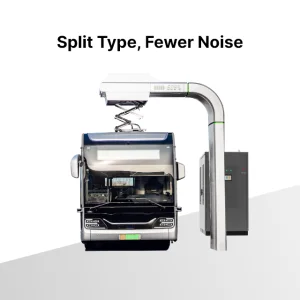
Stay updated on our latest high-power research and development, including advancements in e-bus pantograph technology.
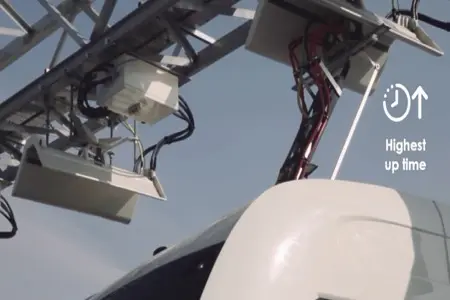
Discover how e-bus pantograph systems offer automated connection and high power delivery, providing a streamlined alternative to classic manual plug-in systems.
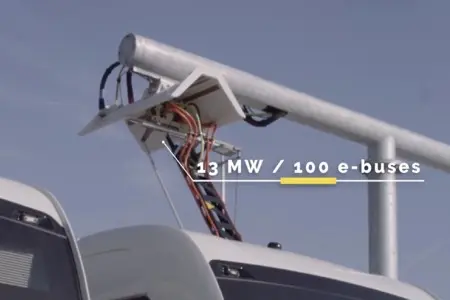
A detailed breakdown of how battery capacity, cooling mechanisms, and module configurations affect charging times for automated pantographs.
A step-by-step overview of structural foundation work, electrical connections, and safety compliance checks needed to install automated bus docks.
Get detailed technical answers to common questions about installing and running 300kW+ fast chargers.
Discover our high-capacity DC fast chargers, testing equipment, and large-scale battery storage options.