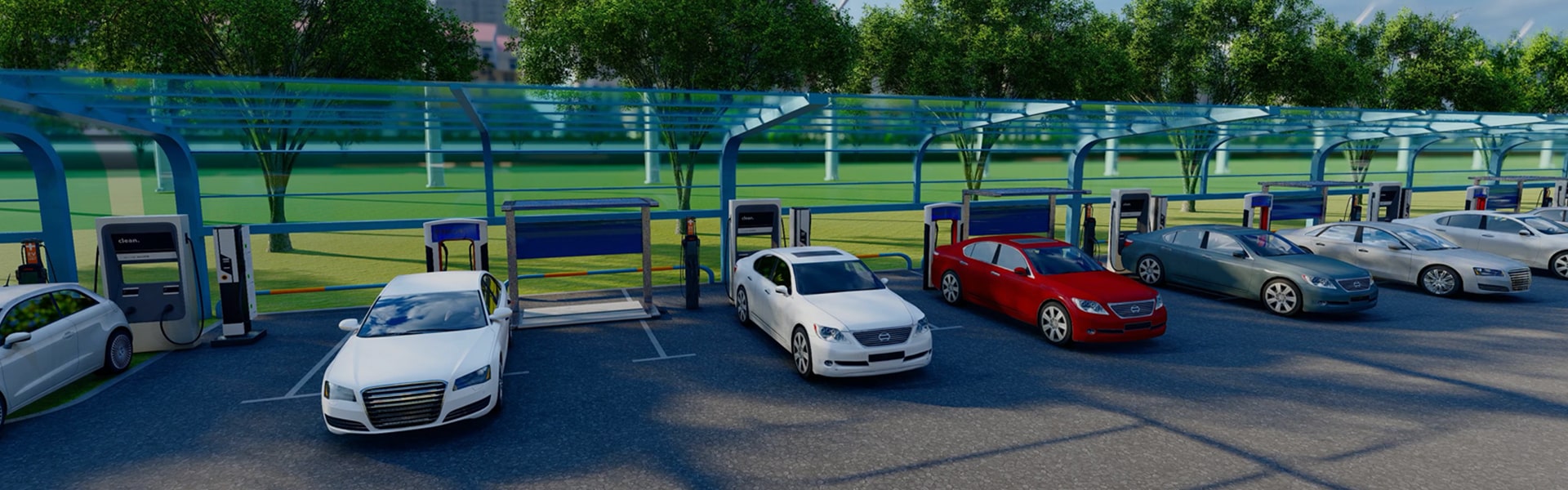
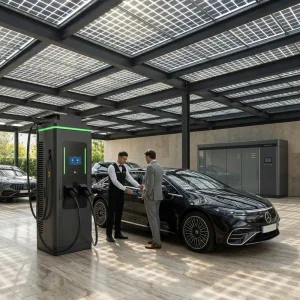
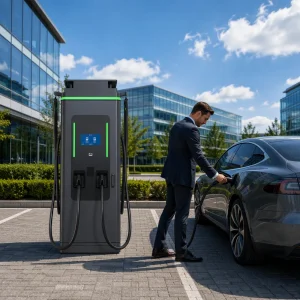
China OCPP 1.6J RFID/NFC Card 160KW 180KW 240KW DC Fast Chargers Electric Vehicle Charging Factory
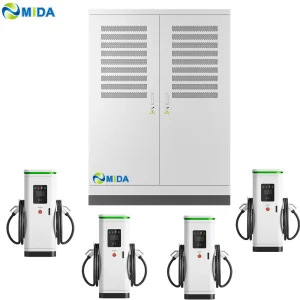
Best DC Fast Charger 480kW 720kw Split Flexible Charging Stack Urban Public Charging Stations
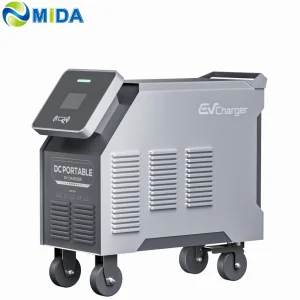
China DC Portable Charger 20KW CCS2 Fast Mobile Charging Station Manufacturers
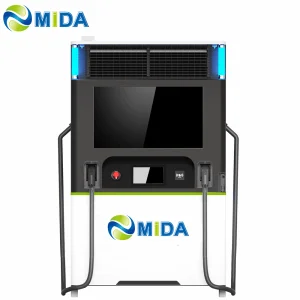
China Off Grid 200kWh 120kW 160kw BESS EV Charger Solar MPPT Fast EV Charging Station
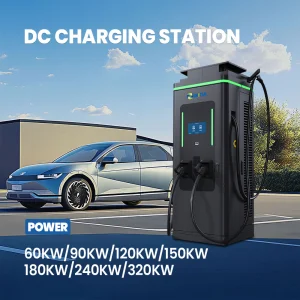
Best High Power HPC CCS2 300kw 400kW DC Fast Charging Station Manufacturers
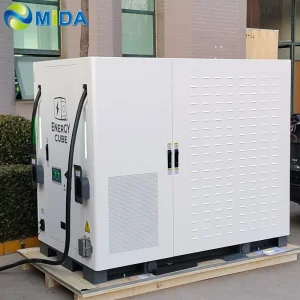
China 200kWh 120kW Mobile EV Charger Off Grid Solar MPPT DC Fast Charging Station
China 30kw 40kW DC Portable Charger Mobile EV Charging Station CCS1 CHAdeMO Cable
In the rapidly evolving landscape of electromobility, the 240kW CCS (Combined Charging System) charger has emerged as the definitive "sweet spot" for industrial and commercial applications. Unlike standard 50kW chargers that suffice for local errands, the 240kW architecture is engineered to bridge the gap between high-frequency utilization and grid efficiency.
Globally, the demand for high-power charging (HPC) is driven by the mass adoption of 800V battery architectures in next-generation electric vehicles. For logistics fleets, public transit, and highway service stations, a 240kW output ensures that a typical 100kWh EV battery can reach 80% capacity in approximately 20 minutes, maximizing vehicle uptime and ROI for charging point operators (CPOs).
Peak Output Power
2.0.1 Ready
Power Efficiency
Rugged Protection
Modern 240kW stations utilize smart power allocation to charge multiple vehicles simultaneously, preventing grid overloads while optimizing energy flow based on real-time vehicle demand.
Battery Energy Storage Systems (BESS) are being paired with 240kW units to provide "buffer charging," allowing high-power delivery even in regions with weak grid infrastructure.
Vehicle-to-Grid (V2G) technology transforms EVs into mobile energy storage assets, allowing the 240kW charger to feed energy back to the grid during peak demand periods.

Shanghai Mida Cable Group Ltd. operates through its wholly owned subsidiaries: Shanghai Mida EV Power Co., Ltd., Shenzhen Mida EV Power Co., Ltd., and Shanghai Mida New Energy Co., Ltd. We are a vertically integrated manufacturer specializing in the entire EV ecosystem.
Our manufacturing prowess spans from high-performance EV charging cables (CCS1, CCS2, NACS, GBT up to 1000A) to advanced DC Fast Charging Stations and Energy Storage Systems (BESS). With state-of-the-art power modules and liquid-cooled technology, MIDA is at the forefront of China's green energy exports.
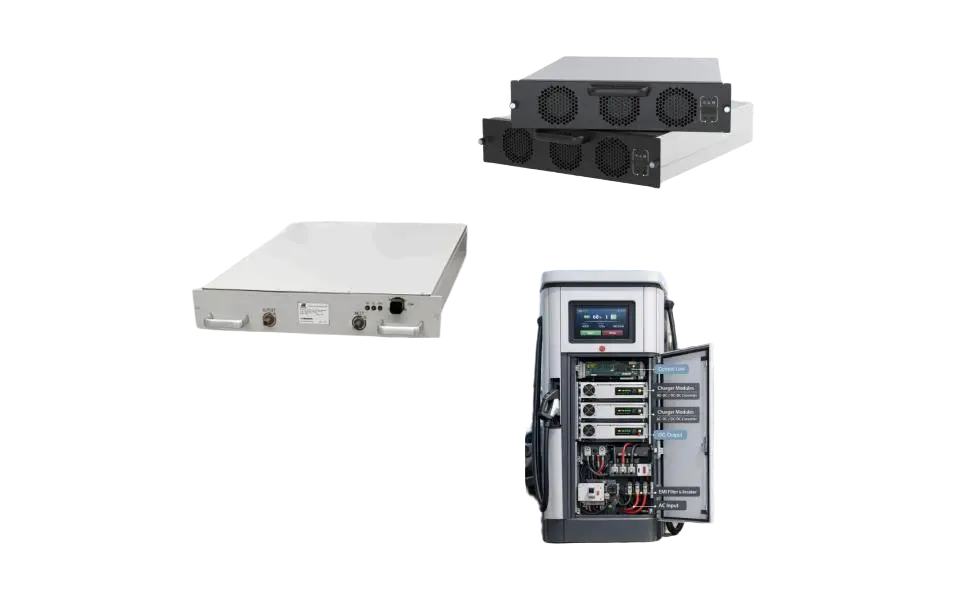
The heart of the 240kW system. Includes 30kW to 80kW AC/DC modules and advanced 125kW liquid-cooled units for ultra-fast performance.
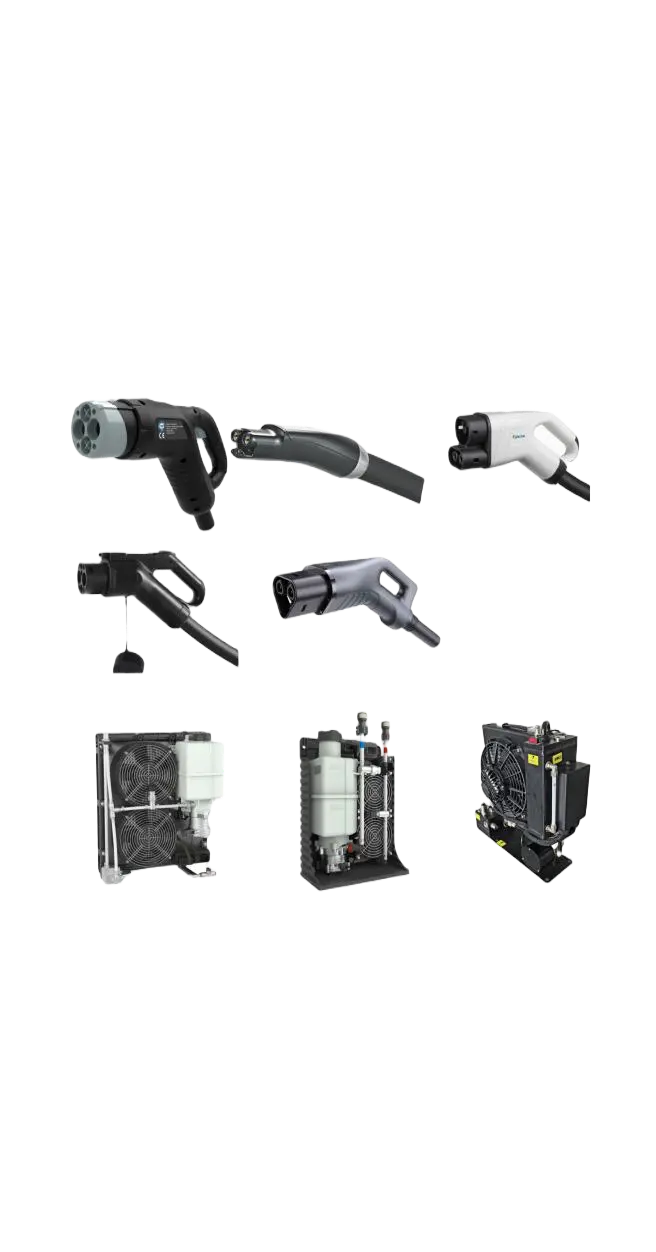
500A CCS2 connectors and integrated liquid cooling units (3.5kW to 72kW) designed for High Power Charging (HPC).
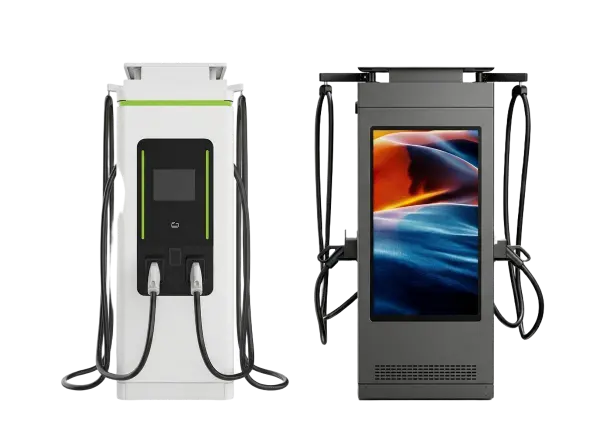
From 60kW advertising stations to massive 1680kW split-type architectures, providing the ultimate 240kW CCS experience.
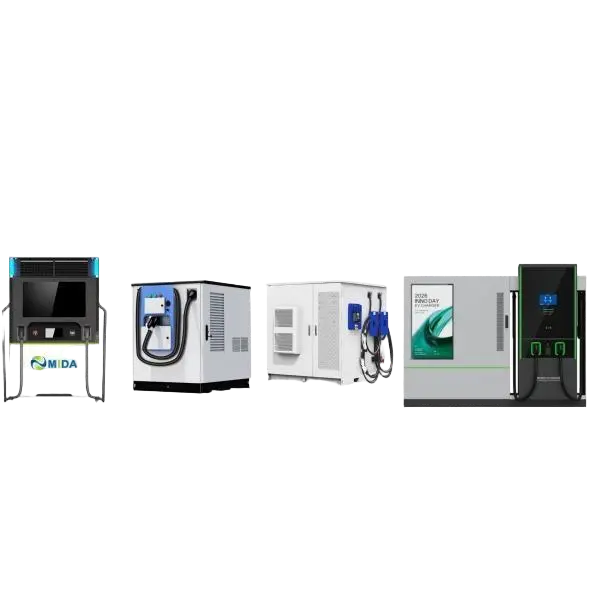
Integrated ESS charging piles and solar-coupled systems for off-grid or grid-constrained fast charging locations.
A 240kW CCS charger is more than just hardware; it's a strategic infrastructure component. In Europe, our stations support the strict OCPP 2.0.1 protocols and ISO 15118 for "Plug & Charge" convenience. In North America, we integrate NACS and CCS1 dual-connectors to serve the diverse EV fleet.
As battery technology advances, MIDA is pioneering Liquid-Cooled 240kW-600kW systems. This technology reduces cable weight by 40% and allows for sustained high-current delivery without thermal throttling. Our roadmap includes the integration of AI-driven predictive maintenance, ensuring 99.9% uptime for critical logistics hubs.
Ideal for highway rest areas where turnover speed is critical. Supports multiple payment gateways and RFID access.
Designed for heavy-duty electric trucks and delivery vans requiring overnight rapid replenishment.
Aesthetic designs with 55-inch advertising displays that generate revenue while vehicles charge.
A 240kW charger significantly reduces wait times for modern EVs with 800V architectures. It allows a split-charging configuration, where two vehicles can simultaneously receive 120kW each, or a single vehicle can pull the full 240kW for ultra-rapid charging.
Yes, our latest generation of 240kW DC Fast Chargers is fully OCPP 2.0.1 compliant, offering enhanced security, improved diagnostics, and support for complex smart charging profiles compared to the older 1.6J version.
Our units are designed with IP55/IP65 ratings and industrial-grade thermal management. Whether in the high heat of the Middle East or the freezing temperatures of Northern Europe, MIDA chargers maintain stable performance via advanced air or liquid cooling systems.
BESS (Battery Energy Storage System) integration allows you to install high-power 240kW chargers even where the local grid cannot provide 240kW of peak power. The battery stores energy during off-peak hours and discharges it during high-speed charging sessions.
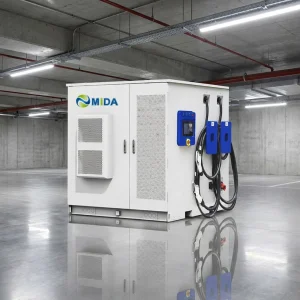
China 160kw 313kwh BESS Charging Station Integrated Mobile EV Charger Energy Storage System
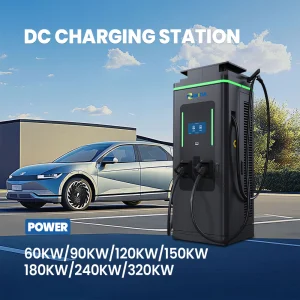
Best CCS GBT ChadeMO DC Charging Station 120kW 150kW 180kW 240kW EV Charger Station
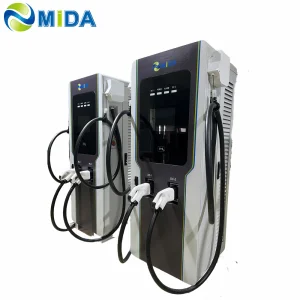
China 180kw 240kw 300kw DC Charging Station CCS GBT Chademo Plug with Credit Card Payment
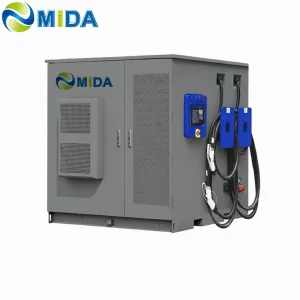
Best 1MWH 480kw Smart BESS Charging Station Integrated EV Charger Piles Factory
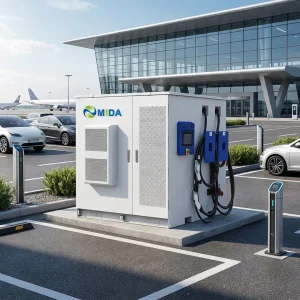
China 320kw 482kwh BESS Charger Mobile EV Charging Station Energy Storage System
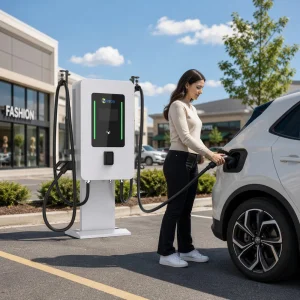
Best TUV ETL RCM 40KW 60kW 80kW Wall Mounted EV Charger OCPP2.0 DC Charger Station
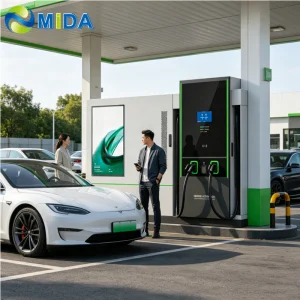
Best 241kwh 120kw BESS EV Charger CCS NACS Integrated EV Charging Station Manufacturers
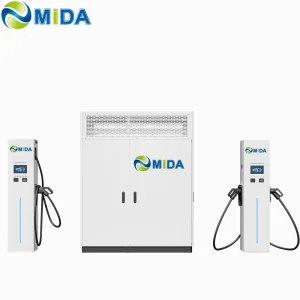
China Supercharger 600kW 720kW Liquid Cooled DC Charging Station for EV Truck Bus
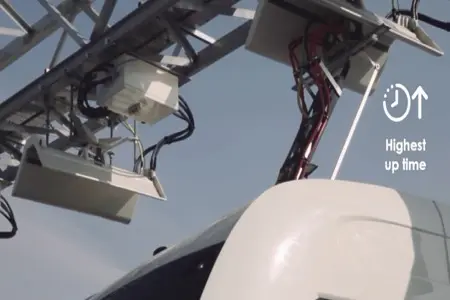
In contrast to classic plug-in charging systems, e-bus pantograph systems offer rapid high-power transfer for heavy duty transit applications.
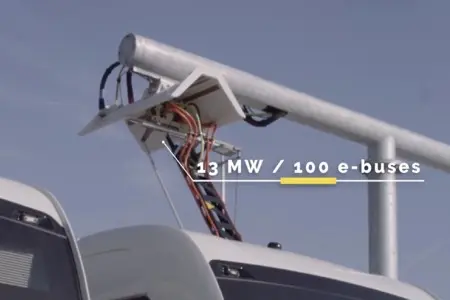
The charging time depends on the battery capacity and the station's output. 240kW is optimal for mid-route charging for electric buses.
How to Install the Pantograph Up Charger System Dome for Electric Bus: A comprehensive guide on infrastructure integration.
With certifications spanning TUV, ETL, and RCM, MIDA Group is not just a manufacturer but a long-term partner in your electrification journey. From 20kW portable units to 1680kW split stacks, our 240kW CCS Chargers represent the pinnacle of reliability, safety, and technological advancement in the EV industry.