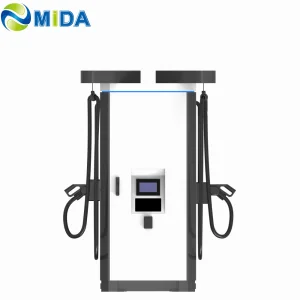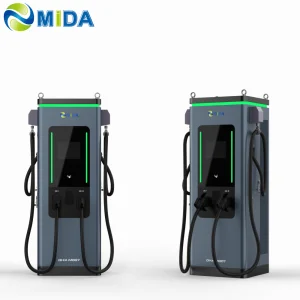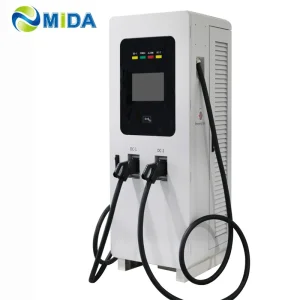
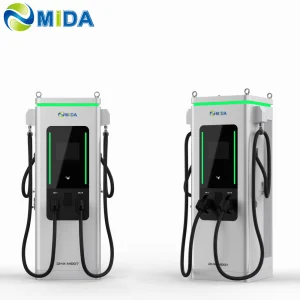
Engineered for efficiency, modularity, and compliance with global charging standards including CCS, CHAdeMO, and GBT.

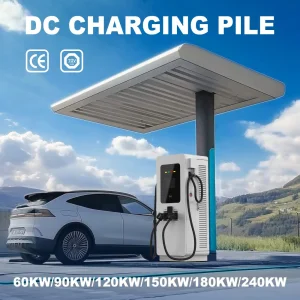
Shanghai Mida Cable Group Ltd. operates at the global vanguard of electric vehicle infrastructure manufacturing through its wholly owned subsidiaries: Shanghai Mida EV Power Co., Ltd., Shenzhen Mida EV Power Co., Ltd., and Shanghai Mida New Energy Co., Ltd. Together, we deliver end-to-end electrical transmission and power transformation equipment designed to sustain the next generation of global carbon-neutral transport.
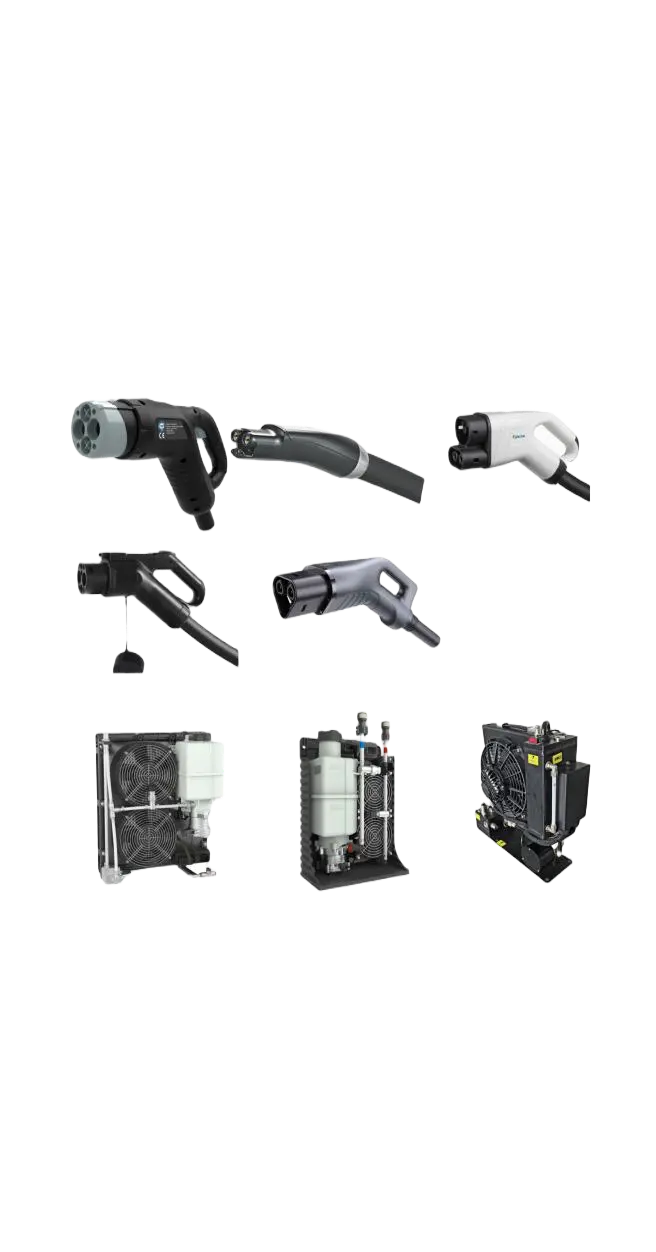
Mida Cable manufactures a comprehensive range of EV charging cables, including 16A–80A J1772 cables, 16A–63A IEC 62196-2 Type 2 cables, and heavy-duty DC fast charging cables: CCS1 (80A–500A), CCS2 (125A–1000A), CHAdeMO (125A–300A), GBT (200A–1000A), and NACS connectors (250A–600A) designed to endure rigorous thermal load conditions.
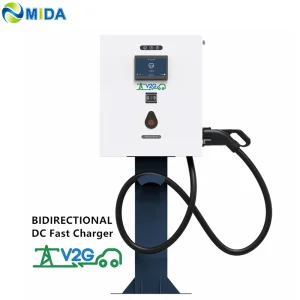
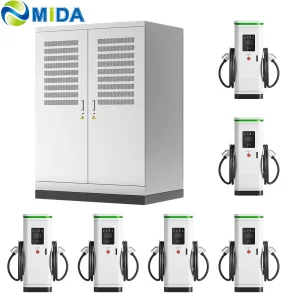
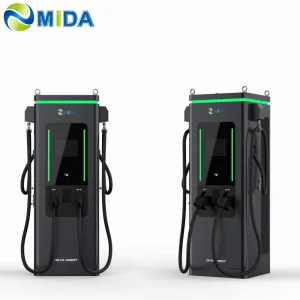
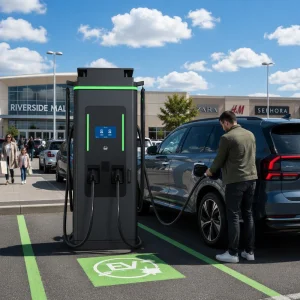
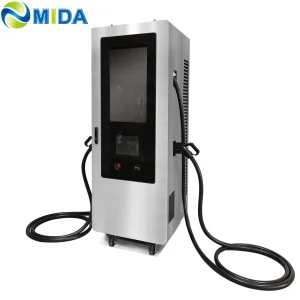
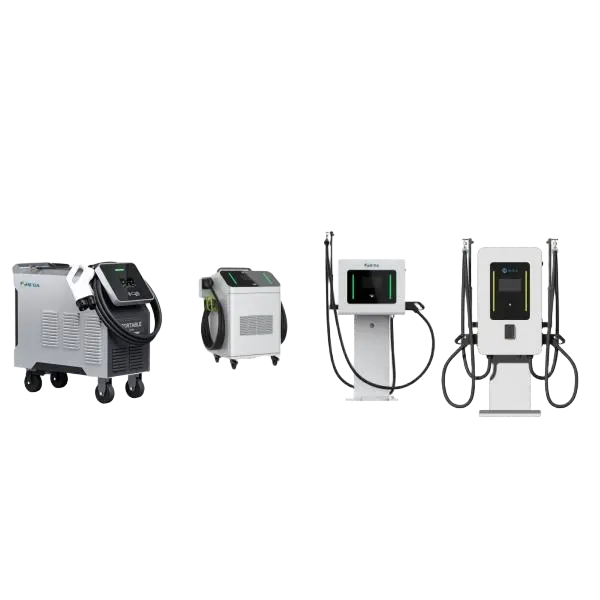
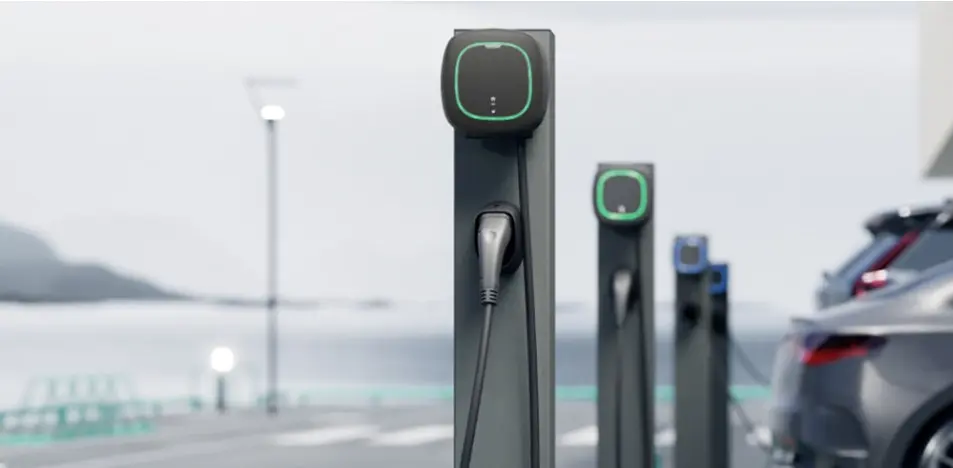
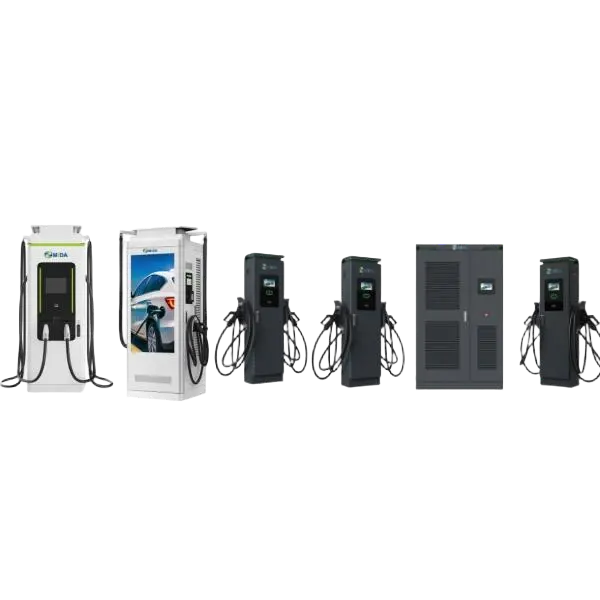
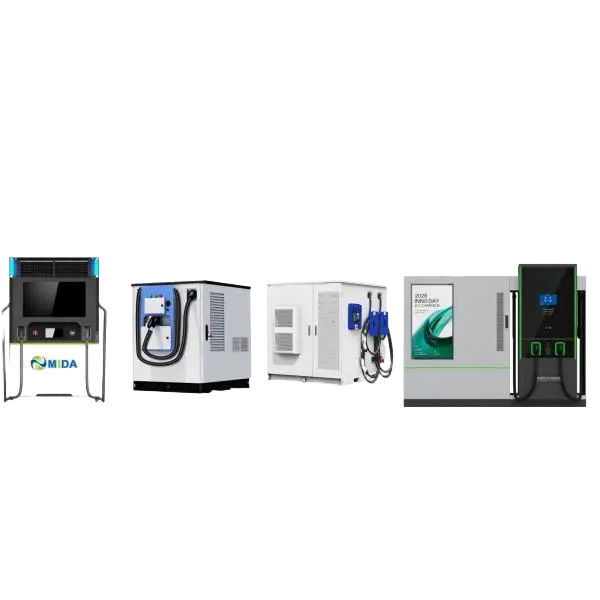
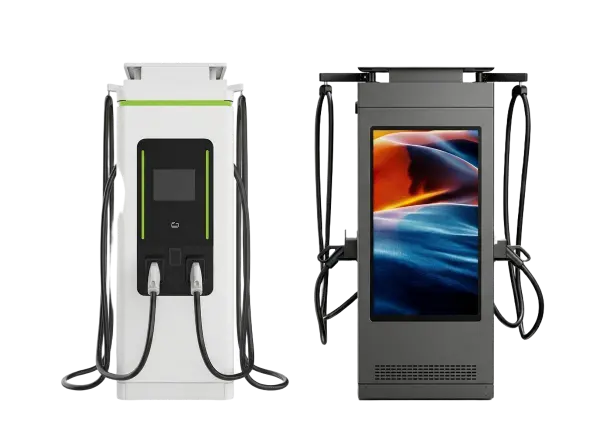
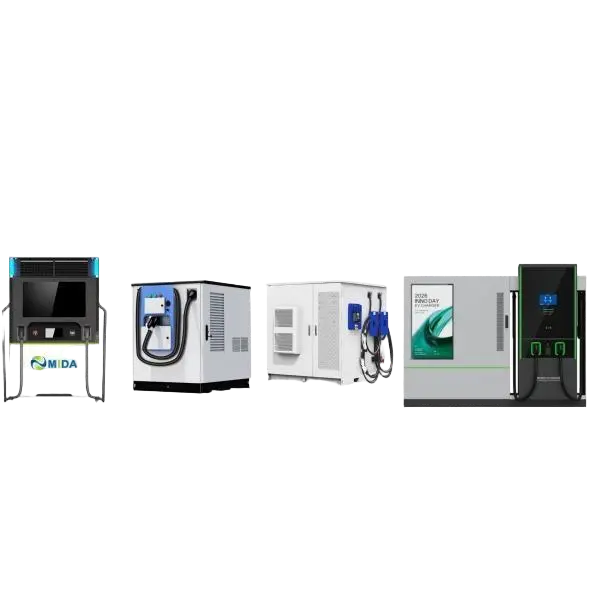
MIDA EV Power produces a full lineup of EV charging stations, such as 7kW–50kW mobile chargers, 3.6kW–7.2kW portable DC chargers, 360kW–1440kW split-type DC fast chargers, 20kW–50kW wall-mounted DC chargers, and 60kW–480kW floor-standing DC fast charging stations engineered for high uptime and compatibility.
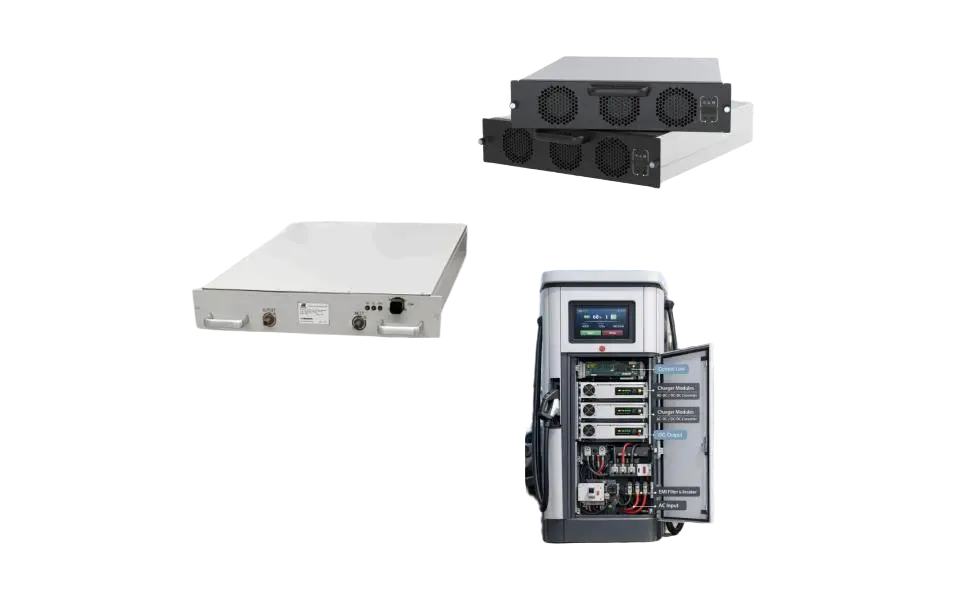
MIDA New Energy specializes in EV charger power modules, offering 20kW–60kW standard modules, 40kW–125kW liquid-cooled modules, 30kW–62.5kW bidirectional modules, and 20kW–45kW V2G charging modules representing the leading edge of energy storage integration and smart grid interaction.

In the rapidly evolving landscape of global e-mobility, the selection of the correct power node is vital for maximizing return on investment. While 50kW chargers are becoming legacy systems incapable of keeping up with modern battery capacities, and 350kW liquid-cooled architectures present high capital expenditure (CAPEX) and grid stress, the 180kW DC EV Charger represents the optimal sweet spot. Balancing hardware cost, installation feasibility, grid capacity demands, and charging throughput, this wattage class is the ideal foundation for commercial charging operators.
Deploying large-scale EV networks requires sophisticated grid management solutions. A 180kW charger drawing full load can stress localized distribution grids. To mitigate this, MIDA Group integrates advanced Dynamic Load Balancing (DLB) and peak shaving technologies. By utilizing smart power allocation algorithms, our chargers dynamically distribute energy depending on real-time grid conditions and vehicle state of charge (SoC). This allows fleet operators and commercial property managers to install multiple chargers without requiring expensive substation upgrades.
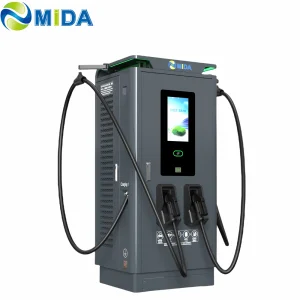
The industrial and commercial adoption of electric vehicles is accelerating. In Europe, strict decarbonization laws drive the electrification of medium-duty logistics and public transit. In North America, corporate fleet mandates require robust, heavy-duty chargers capable of rapid turnaround times. In regions like Japan and Southeast Asia, land constraints demand space-efficient charging footprints. A 180kW dual-port configuration satisfies all these needs, enabling logistics hubs, municipal depots, and retail centers to provide fast, reliable, and continuous charging cycles.
Equipped with intelligent internal matrix routing. When charging a single vehicle, the full 180kW is channeled to one port. When two vehicles plug in, the load dynamically splits to 90kW+90kW or shifts dynamically based on actual demand.
Fully compliant with international CE, TUV, UL, PTB, and MID standards. Featuring integrated Type B Leakage Protection, over-current, short-circuit, and high-temperature auto-shutdown profiles for safe outdoor operation.
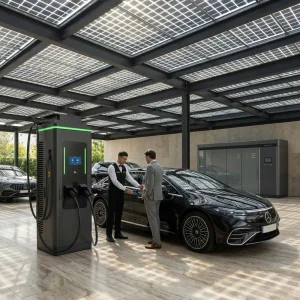
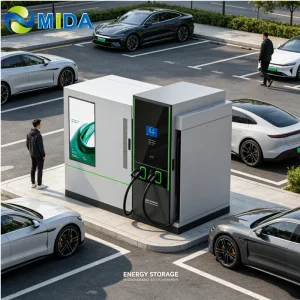
Designed to integrate natively with Battery Energy Storage Systems (BESS) and onsite Solar PV arrays. Reduce operational expenses and lower maximum demand charges from utilities using localized clean energy storage.
Explore our legacy configurations built to scale from entry-level residential chargers to megawatt industrial installations.
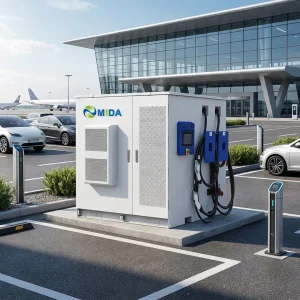
A key aspect of building global trust (E-E-A-T) lies in our mechanical and electrical engineering transparency. The MIDA 180kW DC EV Charger utilizes an open-rack internal cabinet architecture, primarily stacked with our certified 30kW or 40kW high-efficiency power modules. This modular construction ensures that in the rare event of a module failure, the cabinet continues to operate at reduced capacity while sending an automatic maintenance alert via OCPP to the operator, minimizing system downtime.
Our systems are designed for high adaptation to unique site situations:
Safety is the primary metric for long-term electrical infrastructure. The MIDA 180kW DC EV charger line meets and exceeds rigorous global validation standards. By including PTB and MID certified energy meters, our systems provide certified precision billing compliant with strict European regulations (such as German Eichrecht). High mechanical protection ratings (IP54 or IP55) ensure resilience against dust, heavy rains, and saline environments, guaranteeing a long lifespan across varying geographic locations.
MIDA Group's technical trajectory aligns with the dynamic demands of the global energy transition. Over the next decade, EV architectures will migrate from standard 400V battery packs to high-efficiency 800V and 1000V systems. Our current 180kW DC platforms are ready for this transition, offering ultra-wide output voltage ranges from 150V to 1000V DC. This ensures compatibility with both legacy EVs and future designs.
Additionally, we are actively expanding the integration of V2G (Vehicle-to-Grid) technologies. Bidirectional power capability turns fleets into decentralized storage arrays, feeding energy back to the grid during peak rate windows. By investing in liquid-cooled cable assemblies, MIDA continues to reduce thermal resistance, providing lighter, easier-to-handle cables capable of sustained high-current outputs without thermal degradation.
Stay updated on our latest product releases, global field installations, and heavy transit technical breakthroughs.

What are the advantages of an e-bus pantograph dome? In contrast to classic plug-in charging systems, e-bus pantograph systems offer automated connection and high power transfer rates without manual intervention.
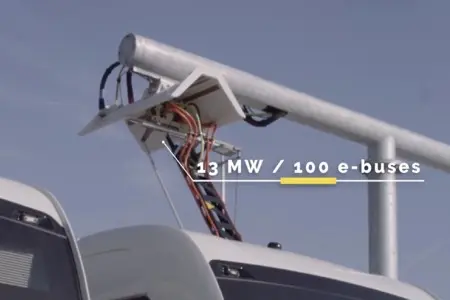
How long does it take to charge with an e-bus pantograph? The charging time depends on the battery capacity and the station output, typically providing ultra-fast top-ups during scheduled route breaks.
How to Install the Pantograph Up Charger System Dome for Electric Bus. Installing a "Pantograph Up" system dome demands precise alignment, civil engineering foundations, and secure high-voltage grid connections.
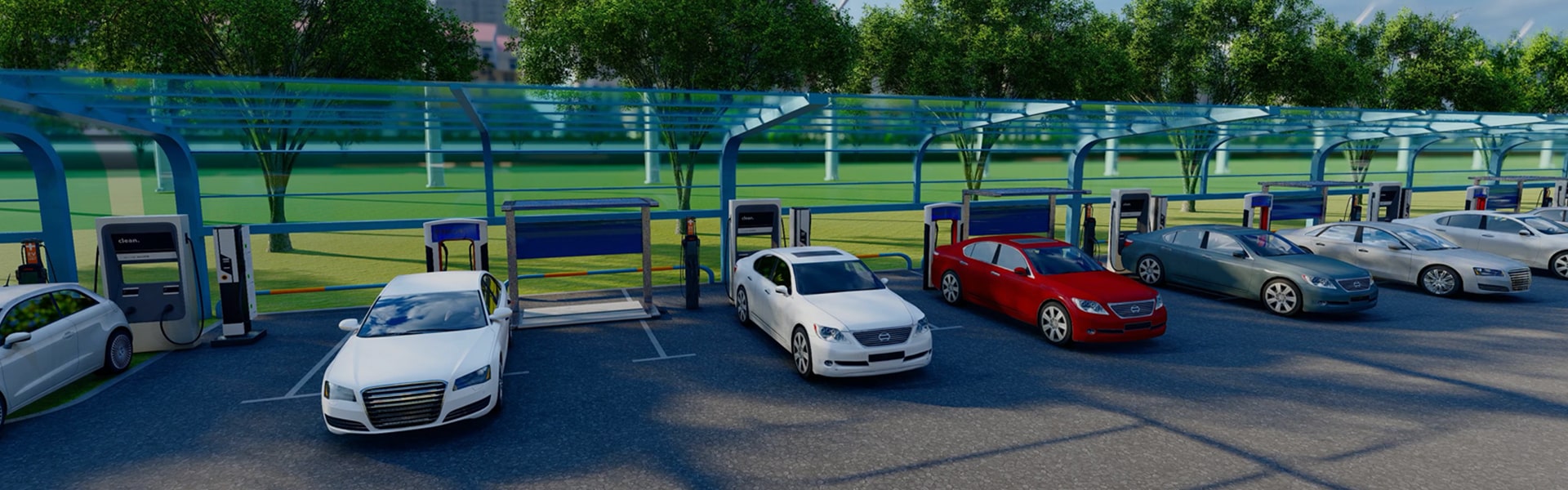
Technical advice and operational insights regarding the deployment of 180kW DC Fast EV Charging stations.
Explore more high-performance configurations including V2G systems, high-power split systems, and specialized CHAdeMO installations.