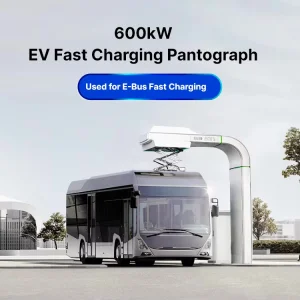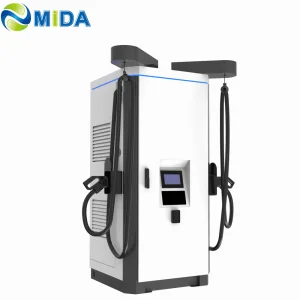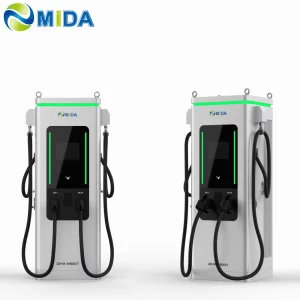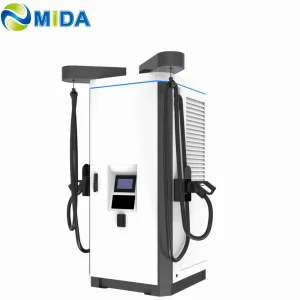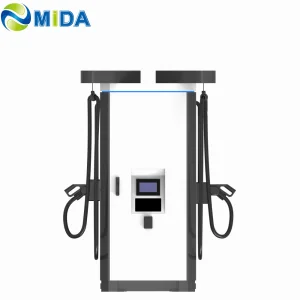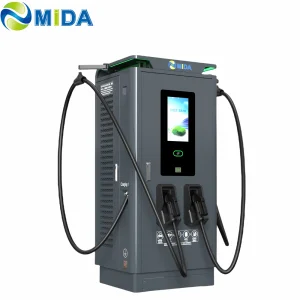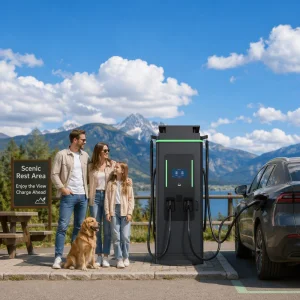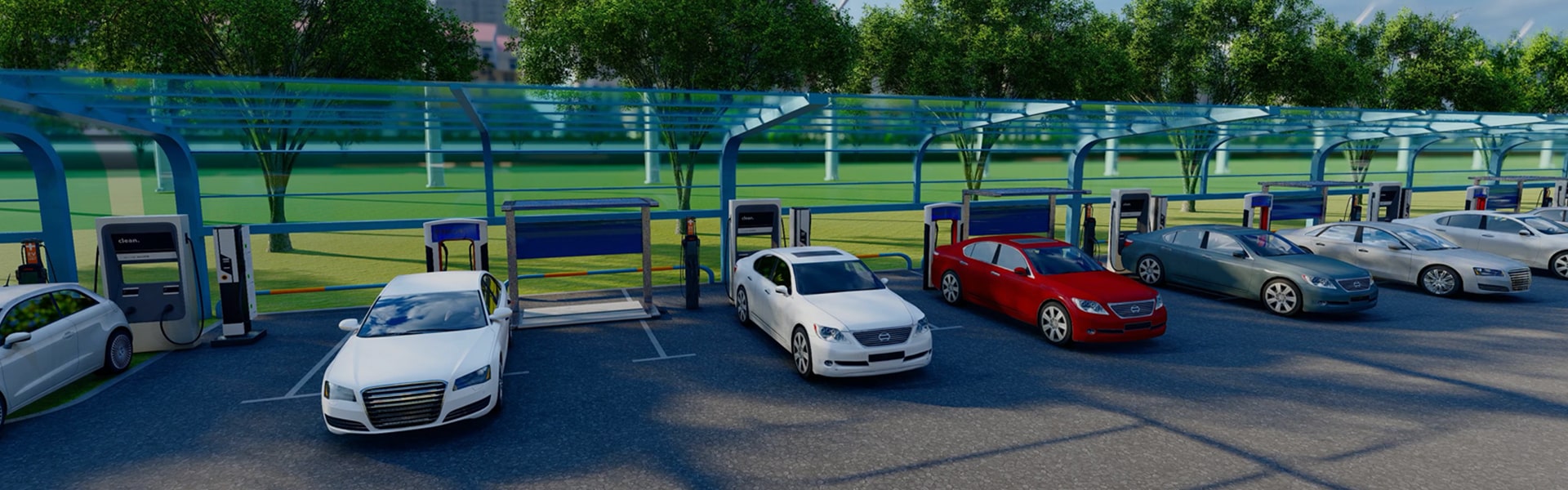
Optimized split architectures, integrated battery buffers, and mega-watt solutions
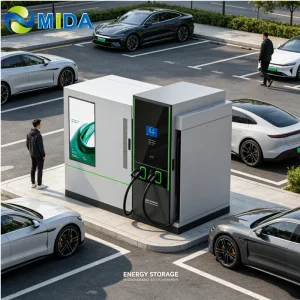
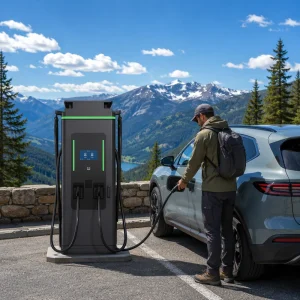
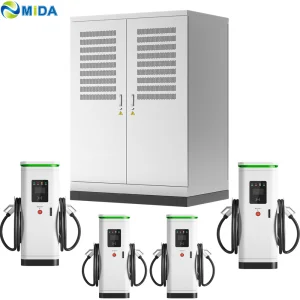
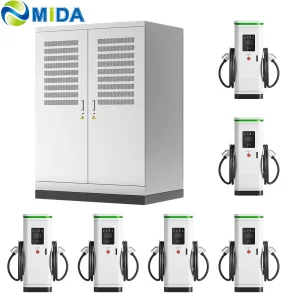
As light, medium, and heavy-duty electric vehicle adoption intensifies globally, site hosts, charge point operators (CPOs), and fleet managers face substantial logistical hurdles. The grid infrastructure required to support multi-megawatt stations is rarely in place. Traditional, monolithic all-in-one DC chargers concentrate massive grid connection requirements and structural footprints in specific parking areas. A Split EV Charging System addresses this physical and thermal bottleneck by separating the active electrical conversion power cabinet from the user-facing charging dispenser.
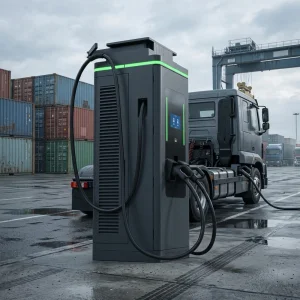
The global EV supply chain is transitioning rapidly from isolated slow-chargers to dynamic, centralized high-power hubs. Split systems represent the pinnacle of this shift. By isolating the power-conversion components (often located in a utility yard hundreds of feet away) from the point of delivery, operators minimize noise pollution at the passenger terminal, extend component lifetime via customized ambient controls, and optimize civil work structures. Crucially, the arrival of liquid-cooled cables enables outputs exceeding 500A, paving the way for Megawatt Charging Systems (MCS) designed for electric buses and line-haul logistics trucks.
Enterprise procurement departments must navigate complex technological matrices when choosing a split EV charging supplier. Priority criteria include: certified compliance (UL 2202, CE, ETL, TUV), native support for dynamic load balancing (DLB), compatibility with legacy vehicle models via CCS1, CCS2, NACS, and CHAdeMO, and standard integration with billing gateways via OCPP 1.6J or OCPP 2.0.1. Additionally, long-term procurement requires modular scalability where power cabinets can be field-upgraded by swapping 20kW, 30kW, or 40kW modules without altering the surrounding civil concrete foundation.
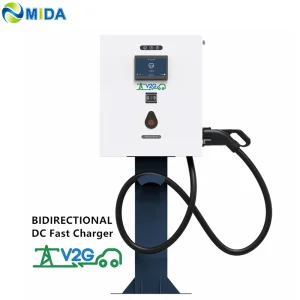
For modern highway corridors, transit agencies, and logistics centers, a pure grid connection is no longer sufficient. Leading split EV charging suppliers now offer macro-level solutions that integrate Battery Energy Storage Systems (BESS) and local photovoltaic (PV) generation. By storing energy during off-peak times and discharging during extreme ultra-fast charging sessions, operators mitigate peak-demand charges. V2G (Vehicle-to-Grid) integration allows vehicles to serve as decentralized storage nodes, transforming a parking lot from a massive grid consumer into a resilient grid asset.
Reliable operation in high-power charging (HPC) hinges on tight integration between sub-components. Liquid-cooling units must dynamically adjust coolant flow rates in response to temperature sensors built directly into the NACS or CCS2 handle pins. Concurrently, the central power management system regulates power delivery across several dispenser satellite nodes using advanced scheduling algorithms, ensuring maximum throughput while staying strictly under localized transformer capacity limits.
Tailored topologies for urban transit, commercial real estate, and industrial yards
Your Global Partner in Advanced Power Cables, Connectors, & Systems
Shanghai Mida Cable Group Ltd. operates globally through its dedicated, wholly-owned subsidiaries: Shanghai Mida EV Power Co., Ltd., Shenzhen Mida EV Power Co., Ltd., and Shanghai Mida New Energy Co., Ltd. Together, we maintain end-to-end quality control from raw cable extrusion to sophisticated software integration.
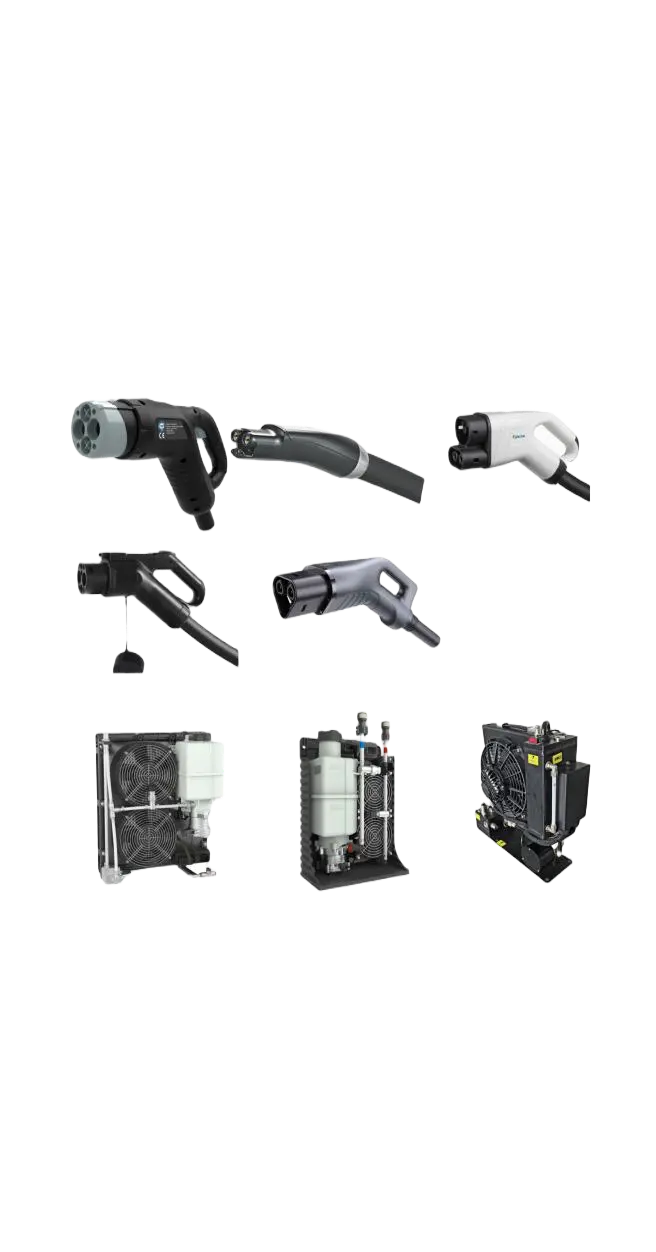
Mida Cable specializes in the development and manufacture of comprehensive EV charging cables, spanning 16A–80A J1772 configurations, 16A–63A IEC 62196-2 Type 2 configurations, and extreme-performance DC fast charging cables. Our liquid-cooled systems support CCS1 (80A–500A), CCS2 (125A–1000A), CHAdeMO (125A–300A), GB/T (200A–1000A), and NACS connectors (250A–600A) to ensure global interoperability.
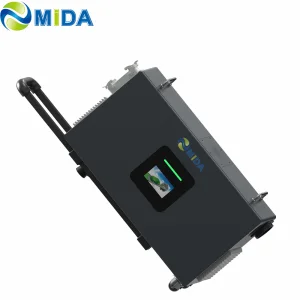
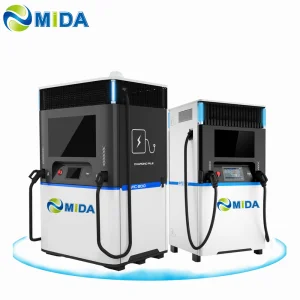
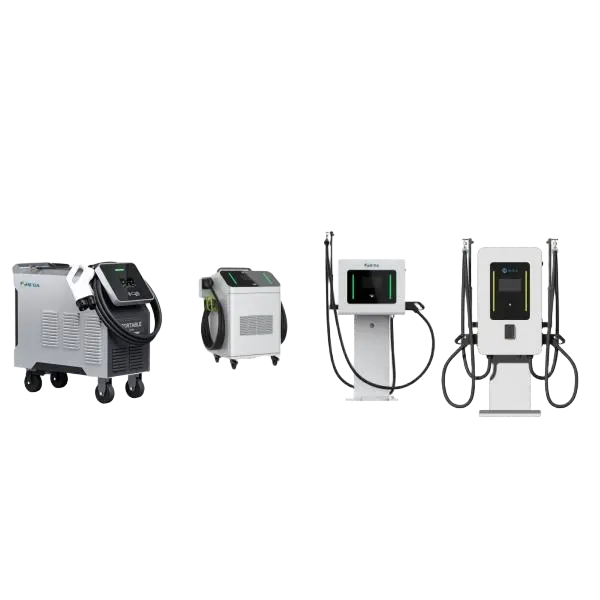
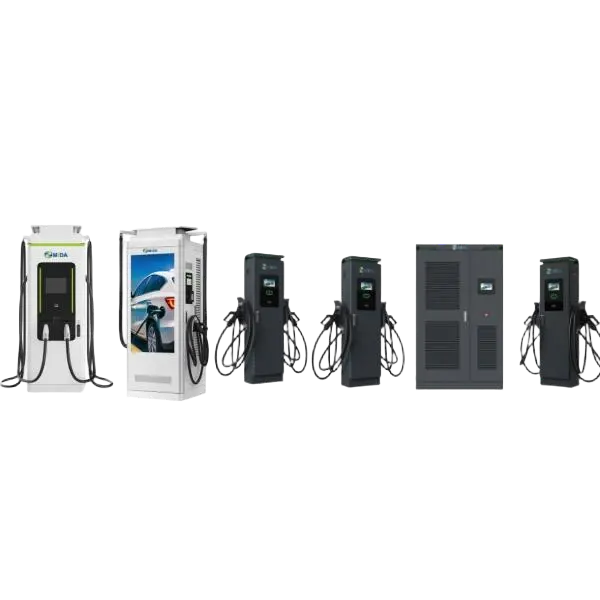
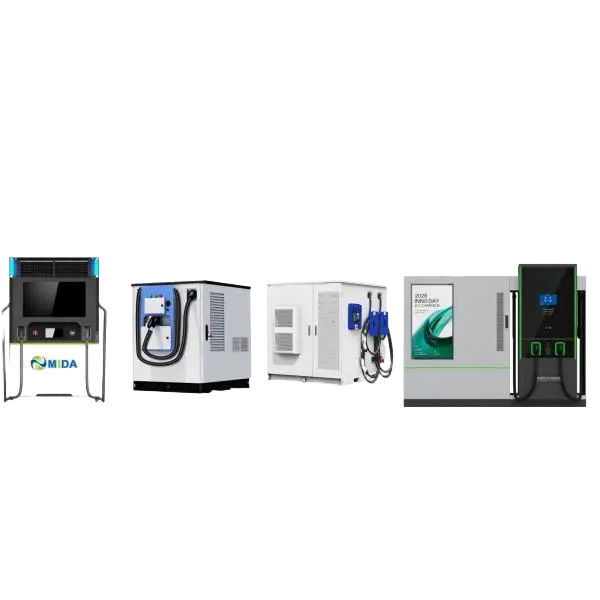
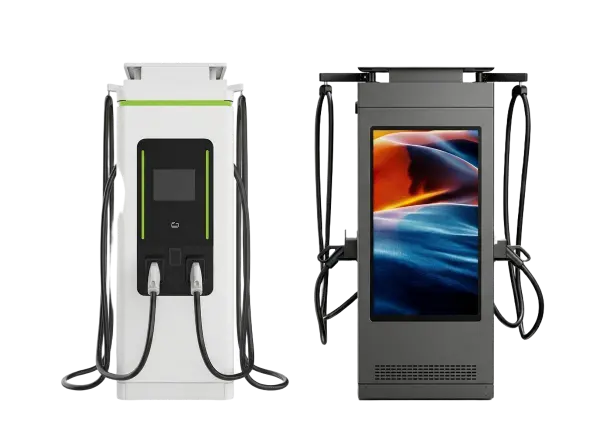
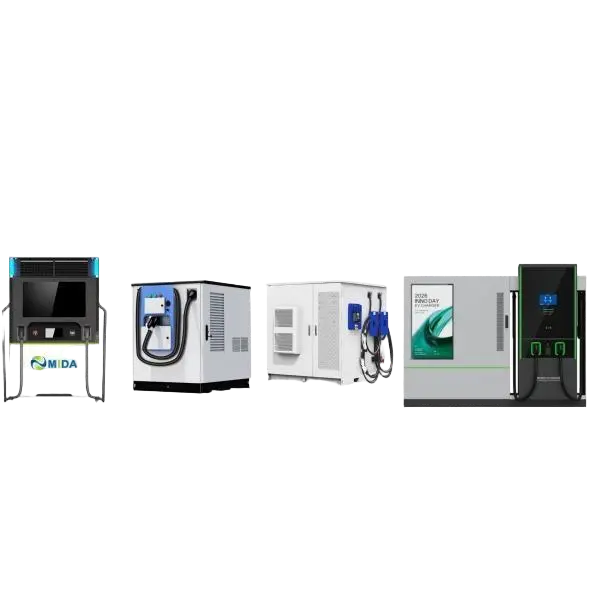
MIDA EV Power designs and assemblies ruggedized EV charging stations. Our portfolio features 7kW–50kW mobile chargers, 3.6kW–7.2kW portable DC chargers, 360kW–1440kW split-type DC fast charging systems, and robust 60kW–480kW floor-standing stations designed for extreme weather environments.
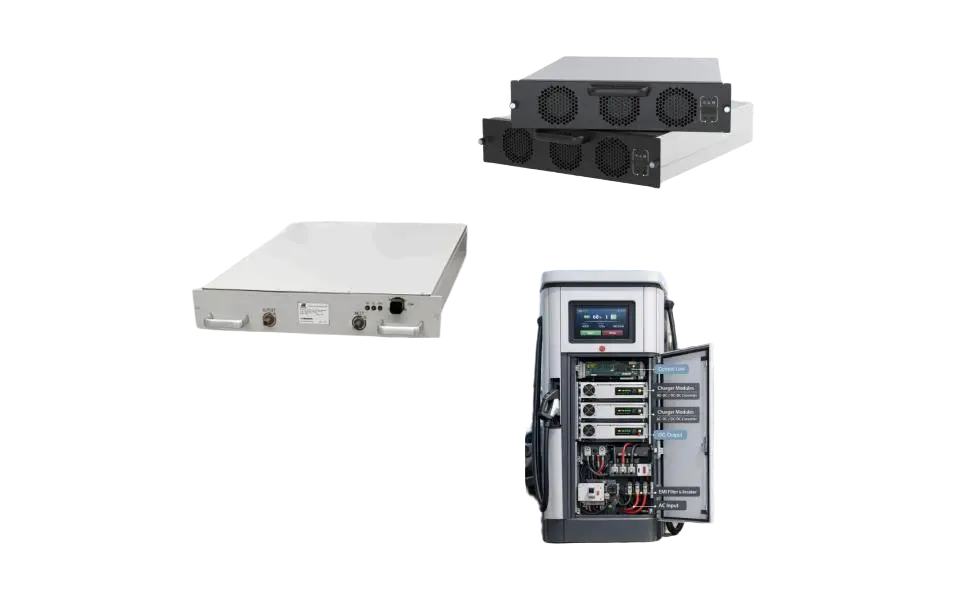
MIDA New Energy focuses on the technology within. We design and manufacture high-efficiency EV charger power modules, offering 20kW–60kW standard air-cooled modules, 40kW–125kW liquid-cooled modules, 30kW–62.5kW bidirectional modules, and V2G (Vehicle-to-Grid) modules optimized for energy redirection.

Detailed specification of our high-power sub-assemblies and system configurations
Stay updated with our technical breakthroughs and research publications
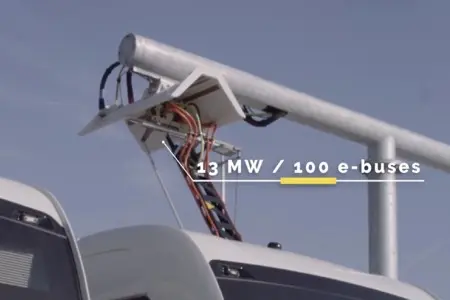
Technical insight into split-type charger engineering and deployment
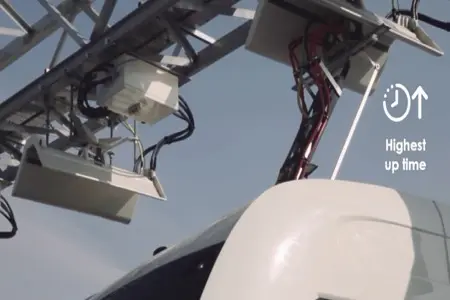
Industrial-grade pantographs, portable emergency hardware, and certified DC charging stations