
The global transition towards zero-emission fleets, long-haul heavy duty logistics, and urban transit operations has significantly outgrown simple AC infrastructure. The modern public EV charging space is defined by high-power density systems, multi-standard compliance (CCS1, CCS2, NACS, GBT, CHAdeMO), and smart grid integration. For CPOs (Charge Point Operators) and commercial property developers, scaling infrastructure successfully requires a shift to high-voltage architectures (up to 1000V DC) that minimize charging times while optimizing total cost of ownership (TCO).
Deploying ultra-fast DC stations often causes severe electrical strain on local distribution grids. Integration of localized energy storage (BESS) helps smooth demand peaks, lowering high demand charges and enabling reliable operation even in weak grid environments.
New passenger and commercial vehicle platforms operate on 800V class battery systems. To support optimal charging curves, modern public charging stations must feature continuous voltage regulation ranges from 150V to 1000V DC.
Global markets require strict adherence to standard protocols such as OCPP 1.6J and OCPP 2.0.1, combined with robust ISO 15118 support for seamless "Plug & Charge" authentication and automated billing systems.
Connecting engineering expertise with production capability to build reliable, high-power EV charging infrastructure worldwide.
Shanghai Mida Cable Group Ltd. operates through its wholly owned subsidiaries: Shanghai Mida EV Power Co., Ltd., Shenzhen Mida EV Power Co., Ltd., and Shanghai Mida New Energy Co., Ltd. We are a vertically integrated industrial manufacturer covering raw materials, key electric components, power converters, control logic, and complete system assemblies.
Our manufacturing and engineering capability is split into key functional business units:

As a leading Chinese EV infrastructure manufacturer, Mida Group leverages an integrated supply chain that directly translates to reliable engineering, cost-effective scaling, and robust performance for international clients. Unlike traditional system integrators who source modules from external suppliers, Mida manages the complete vertical stack from copper wire drawing to specialized power module design.
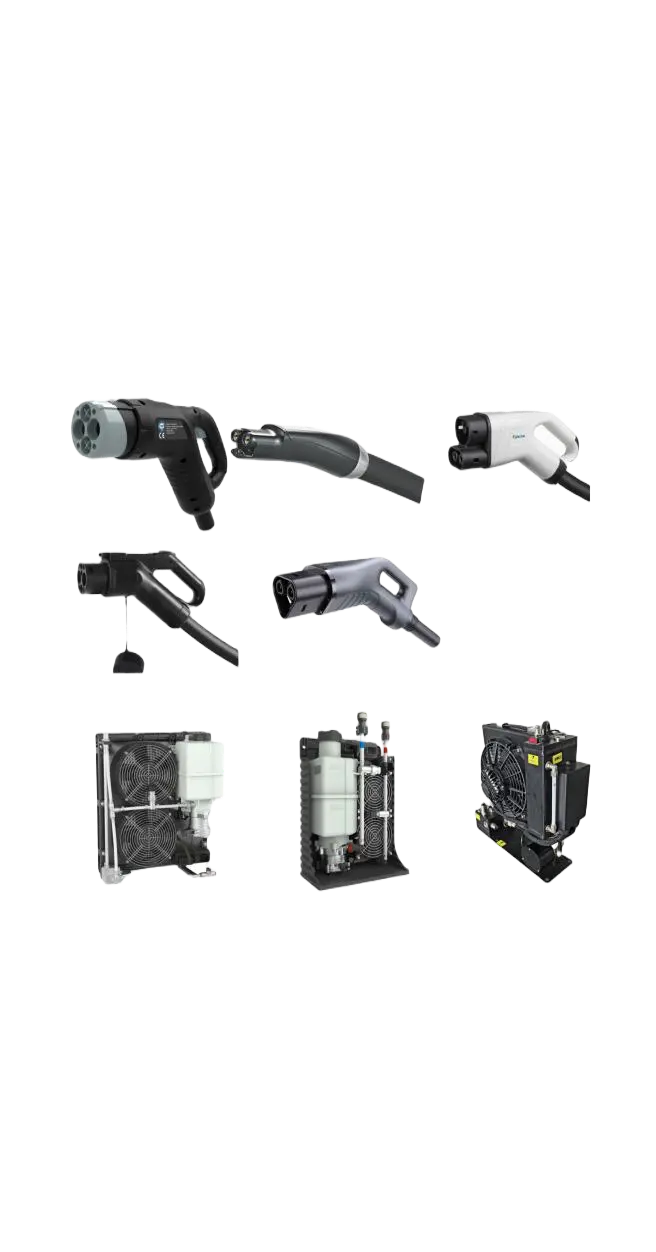
By producing our own raw liquid-cooled charging cables and standard connectors in-house, we eliminate intermediate supply margins. This direct oversight ensures strict quality control over core copper purities, preventing cable degradation and overheating under sustained high-amperage loads.
Our R&D hubs in Shenzhen and Shanghai enable fast iteration. We design and manufacture our own bidirectional 30kW/62.5kW V2G modules and liquid-cooled power units. This vertical alignment ensures software, firmware, and hardware work together smoothly, reducing compatibility challenges at the system level.
Explore our range of systems engineered for high performance, ease of maintenance, and compatibility with international standards.
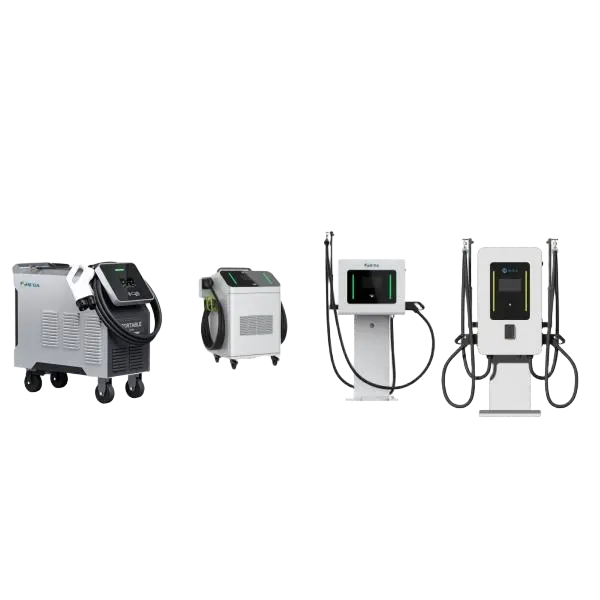
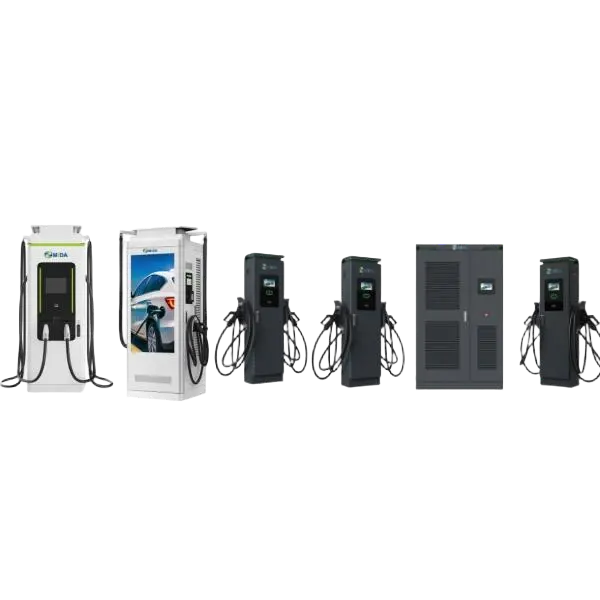
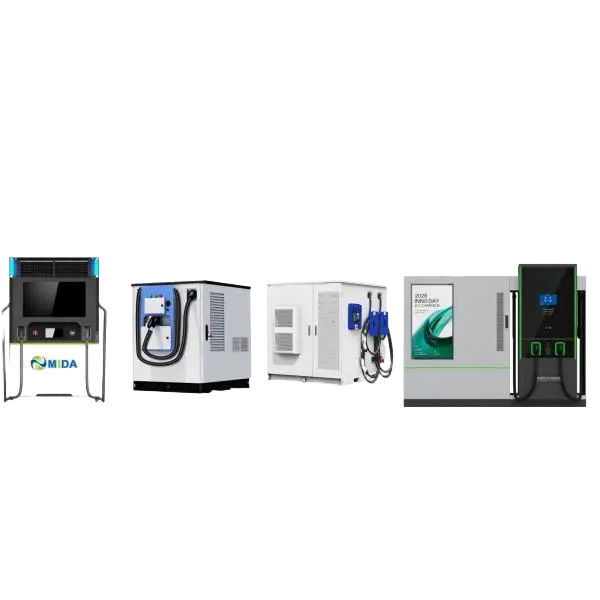
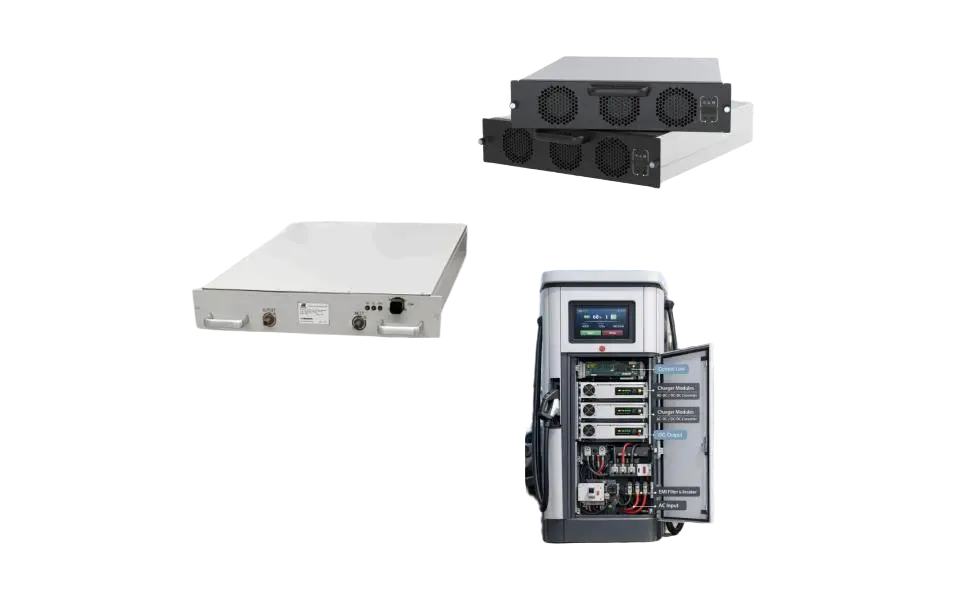
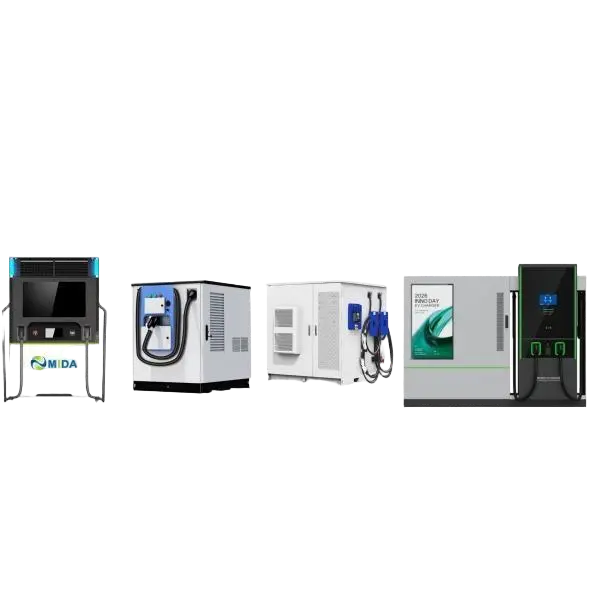
Different commercial settings face distinct deployment challenges. Standard configurations rarely meet localized grid constraints and space limitations. Here is how Mida's technology addresses specific application needs:
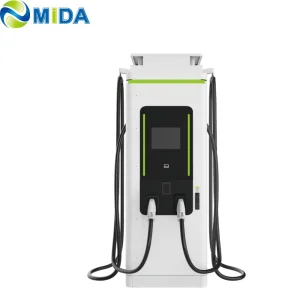
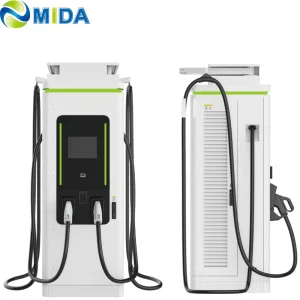
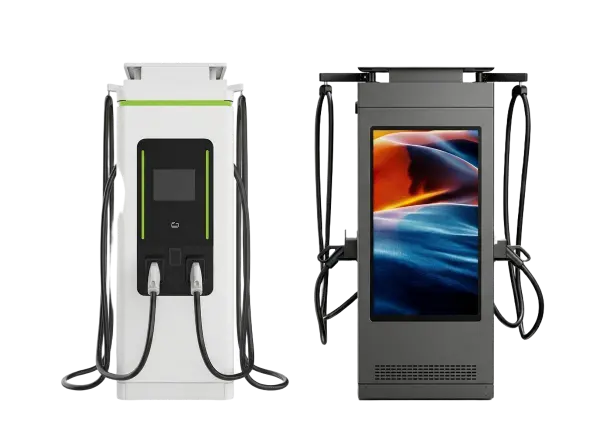
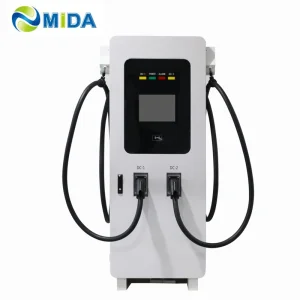
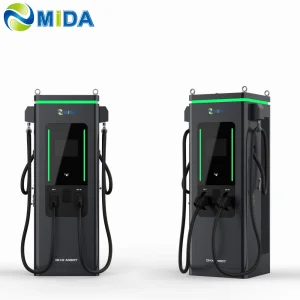
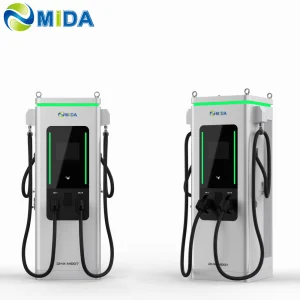
For highway travel, reducing dwell times to under 15 minutes is essential. Mida’s 360kW to 1080kW Liquid-Cooled split charging units are designed for high-throughput hubs. By utilizing liquid-cooled cables and advanced 125kW power modules, our charging terminals can safely deliver up to 500A to 800V vehicles without overheating risk.
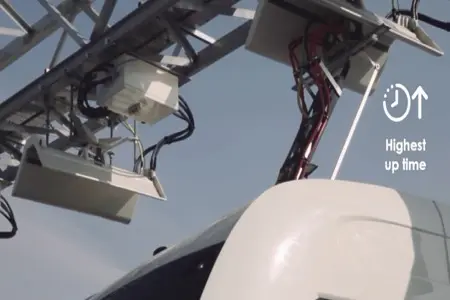
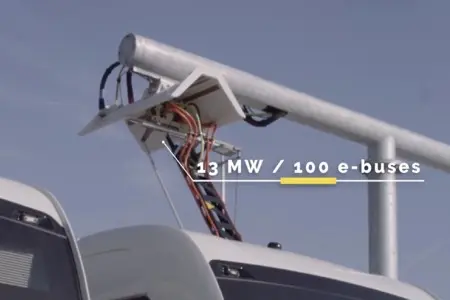
Commercial trucks and public buses need consistent, overnight, or rapid top-up charging. Mida’s integrated 320kW dual CCS2 charging stations and automated overhead pantograph systems provide flexible charging for high-capacity vehicles, helping fleet operators meet demanding service schedules.
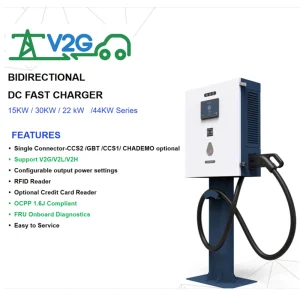
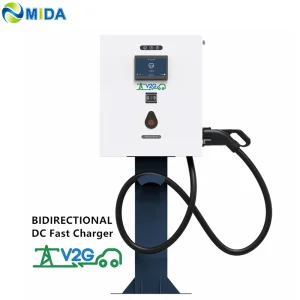
With limited grid headrooms in urban buildings, large-scale charger installation can trigger costly sub-station upgrades. Installing Mida’s V2G Bidirectional Chargers (15kW to 44kW) alongside local BESS storage allows operators to implement peak shaving and load shifting, turning parked vehicles into grid assets.
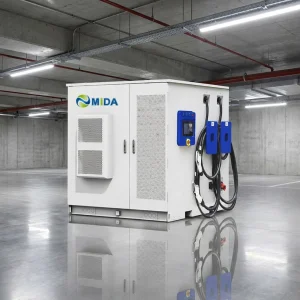
Where grid infrastructure is absent, our integrated Mobile BESS Chargers (up to 313kWh capacities) offer a reliable solution. These units provide off-grid, high-power DC fast charging for mining operations, construction vehicles, or emergency roadside assistance.
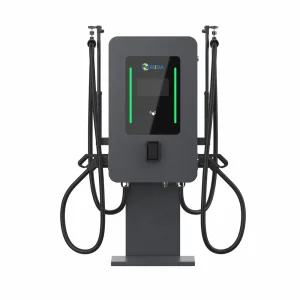
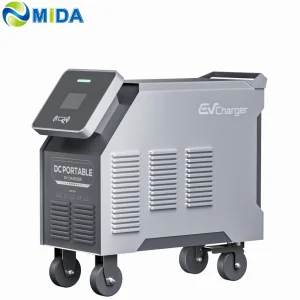
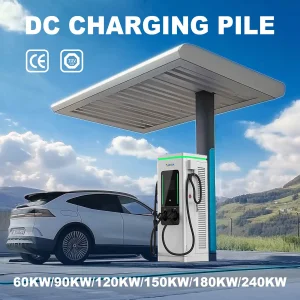
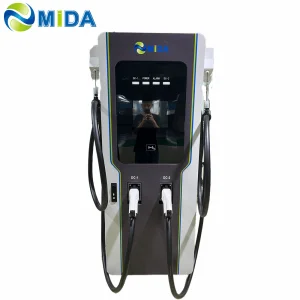
The rapid expansion of electric vehicle markets requires charging technology that is faster, more efficient, and grid-compatible. The industry is moving away from simple standalone chargers toward smart, grid-connected infrastructure networks. Here are the key technological trends shaping this evolution:
As battery capacities increase, liquid-cooled charging technology is becoming standard. Liquid cooling allows stations to deliver up to 600kW of continuous power, safely lowering vehicle charging times to under 10 minutes without overheating connectors.
V2G technology allows EVs to act as mobile energy storage systems. By feeding power back into the grid during peak times, vehicles help balance grid load and generate revenue for fleet operators.
Designed for commercial heavy-duty trucks and marine vessels, MCS supports power levels up to 3.75MW. This charging speed is critical for fast-turnaround heavy transport operations.