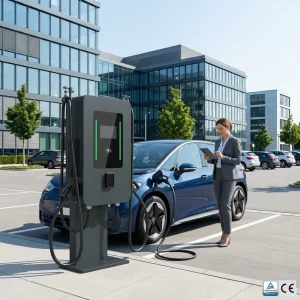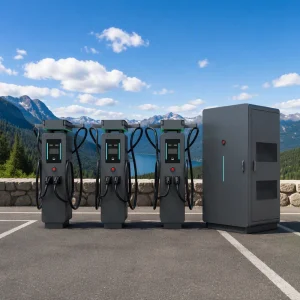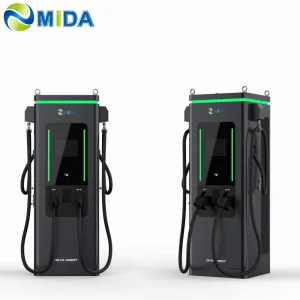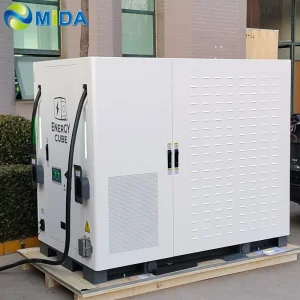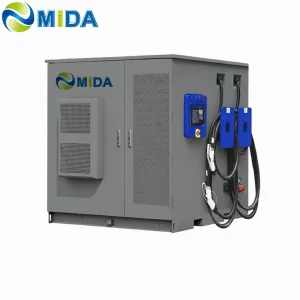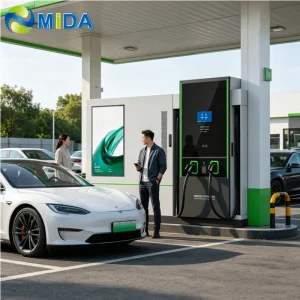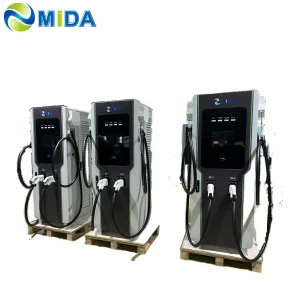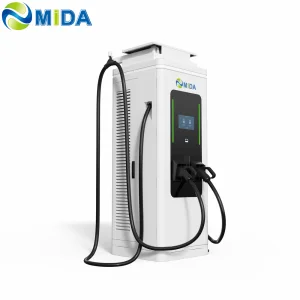
Engineered to comply with international standards including UL, ETL, CE, and NACS interfaces, optimized for immediate dispatch and commercial operations.
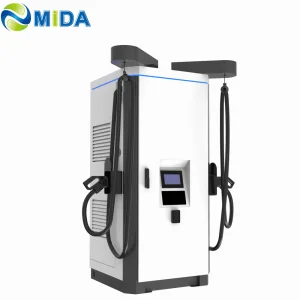
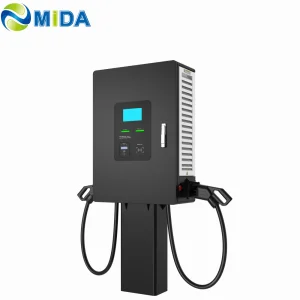
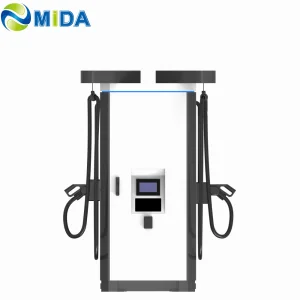
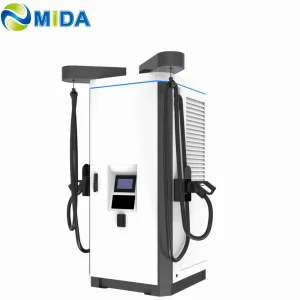
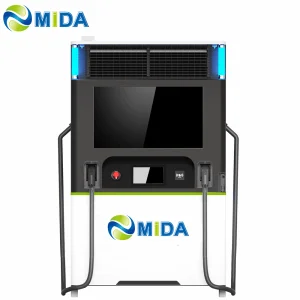
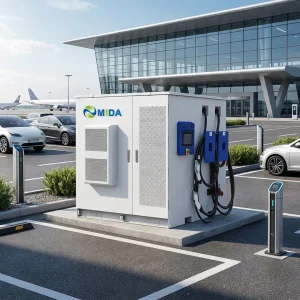
Analyzing how infrastructure bottleneck mitigation drives the demand for portable and battery-integrated DC EV charging systems.
Traditional fixed level-3 DC charging stations demand extensive grid connection capacity, often requiring over a year of coordination with local utilities for substation upgrades. Portable and BESS-integrated DC charging systems decouple grid demand peaks, allowing companies to deploy fast-charging capabilities using existing low-voltage grid taps combined with local storage buffers.
Logistic operators, delivery services, and municipal bus fleets require dynamic, adaptable configurations. Portable DC fast chargers allow multi-vehicle charging profiles and transient depot configurations without locking in long-term civil construction leases. Scalable outputs from 40kW to 120kW support rapid overnight turnaround times for Class 3–8 electric commercial vehicles.
Integrating EV charging infrastructure with BESS (Battery Energy Storage Systems) and MPPT solar tracking systems establishes microgrids. By combining 200kWh to 1MWh storage reserves, commercial complexes and remote worksites achieve energy independence, lowering electricity bills via peak shaving and providing reliable backup power during localized utility outages.
By utilizing a battery-integrated mobile charger, operators can bypass utility demand charges. In regions like California or Western Europe, peak demand charges can represent up to 70% of total commercial electric bill expenses. Deploying 120kW BESS chargers buffer the charging load, ensuring that the utility draw remains flat, leading to a projected ROI timeline of less than 22 months compared to conventional utility-fed fixed chargers.
Under the hood of Mida's high-efficiency EV power modules and specialized thermal management configurations.
| Module Type / Technology | Available Output Capacities | Peak Efficiency | Cooling Configuration | Primary Industrial Application |
|---|---|---|---|---|
| AC/DC EV Power Modules | 30kW / 40kW / 50kW / 60kW / 80kW | 96.5% | Smart Air-Cooled (Dual-ball fan) | Standard Public Charger Stacks & Cabinet Integrations |
| Liquid-Cooled Power Modules | 40kW / 60kW / 75kW / 125kW | 97.8% | Liquid Glycol-Water Loop Coolant | Ultra-Fast Charging (HPC) & High-Dust / Coastal Environments |
| Bidirectional AC/DC & V2G | 20kW / 22kW / 30kW / 40kW / 45kW / 62.5kW | 96.0% | Active Forced Air / Liquid Cooled | Vehicle-to-Grid (V2G) Systems & Fleet Energy Buffering |
| Solar MPPT DC/DC Power Modules | 30kW / 40kW / 50kW / 60kW | 98.2% | Sealed Modular Air Channel | Off-Grid Solar-to-EV Direct Energy Conversions |
The technical transition from Silicon (Si) IGBTs to Silicon Carbide (SiC) MOSFETs within Mida Power Modules has enabled a 40% reduction in thermal dissipation requirements and allowed a more compact volumetric footprint. The integration of ISO 15118-20 (Plug & Charge) and bidirectional communication layers supports advanced grid services, allowing EVs to serve as virtual power plants (VPPs) during grid constraints.
Widespread adoption of Silicon Carbide modules to scale down the physical size of portable DC chargers, bringing the total weight of a 40kW unit under 45kg.
Deployment of smart bidirectional protocols allowing municipal vehicle depots to feedback up to 60kW of power per port into emergency systems during grid stress.
Development of high-power MCS (Megawatt Charging System) liquid-cooled connection sets for Class 8 trucks, scaling to 1500A continuous charging capability.
Integrating automatic self-docking, BESS-configured robotic chargers with automated guided vehicle (AGV) platforms for port and airport operations.
Shanghai Mida Cable Group Ltd. operates through its wholly owned subsidiaries: Shanghai Mida EV Power Co., Ltd., Shenzhen Mida EV Power Co., Ltd., and Shanghai Mida New Energy Co., Ltd. This multi-disciplinary approach ensures complete control over the engineering, production, and quality assurance workflows across our manufacturing ecosystem.
Mida Cable manufactures a comprehensive range of EV charging cables, including 16A–80A J1772 cables, 16A–63A IEC 62196-2 Type 2 cables, and heavy-duty DC fast charging cables: CCS1 (80A–500A), CCS2 (125A–1000A), CHAdeMO (125A–300A), GBT (200A–1000A), and NACS connectors (250A–600A) optimized for high power transfers.
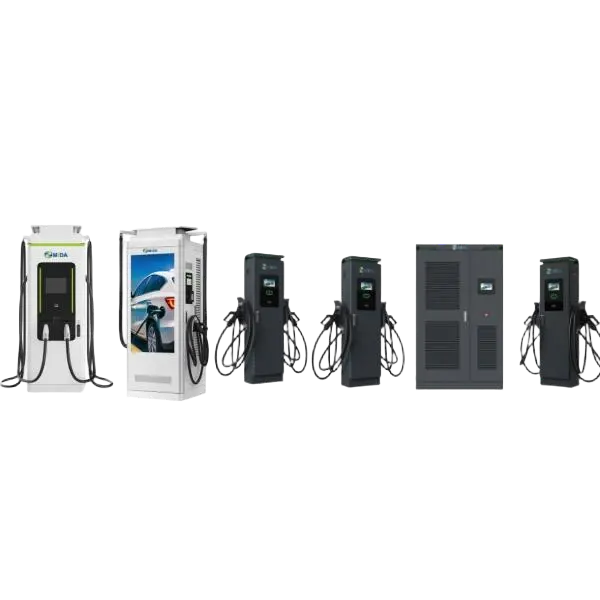
MIDA EV Power produces a full lineup of EV charging stations, such as 7kW–50kW mobile chargers, 3.6kW–7.2kW portable DC chargers, 360kW–1440kW split-type DC fast chargers, 20kW–50kW wall-mounted DC chargers, and 60kW–480kW floor-standing DC fast charging stations.
MIDA New Energy specializes in the development of modular EV charger power units, offering 20kW–60kW standard modules, 40kW–125kW liquid-cooled modules, 30kW–62.5kW bidirectional modules, and 20kW–45kW V2G charging modules.

A comprehensive portfolio ranging from components to complete BESS integrated megawatt-scale deployments.
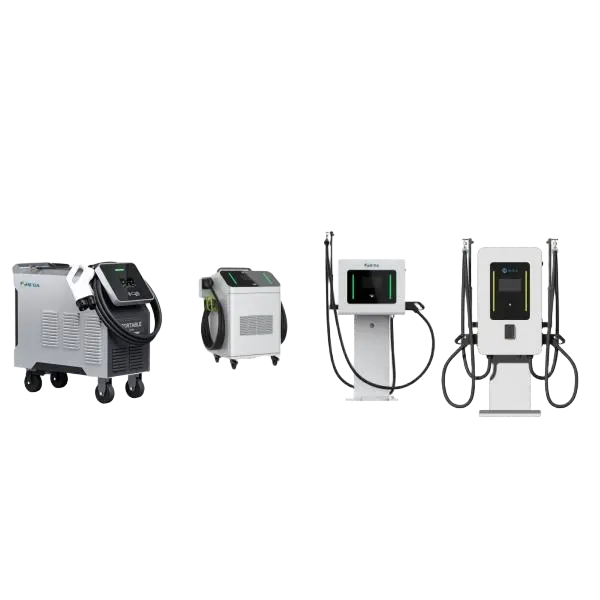
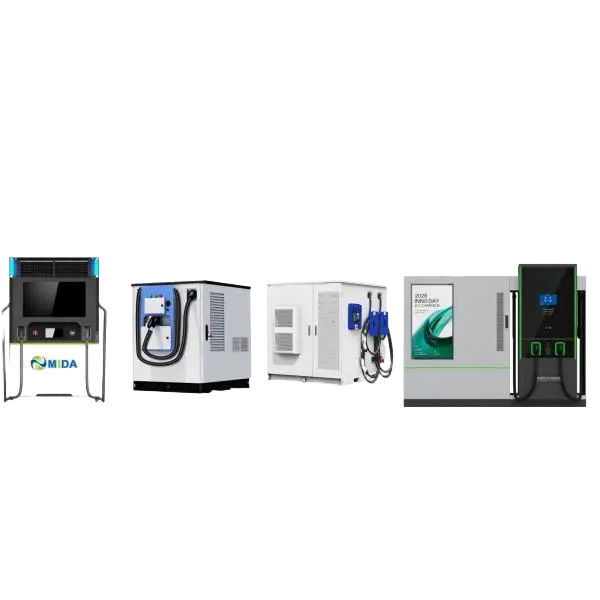
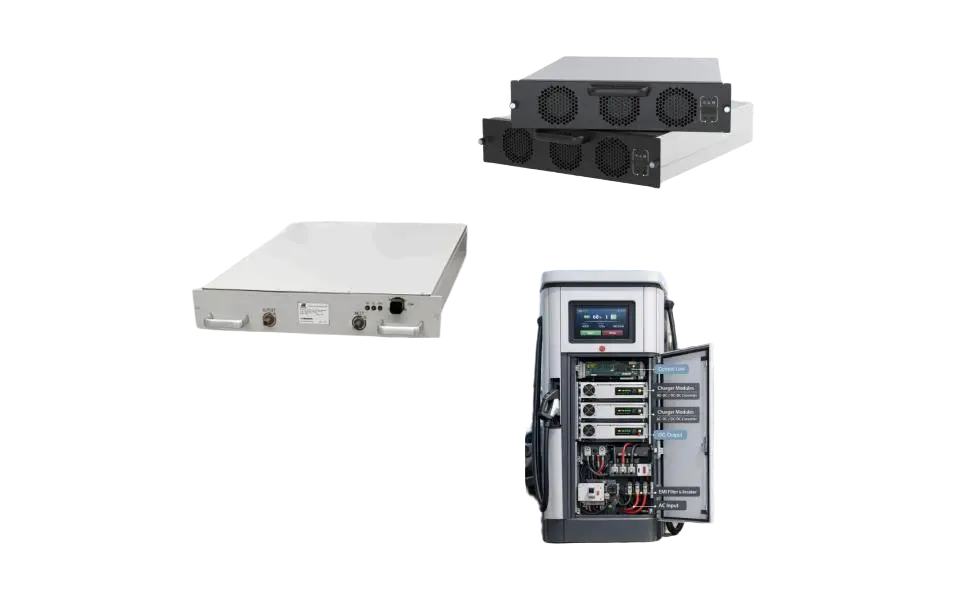
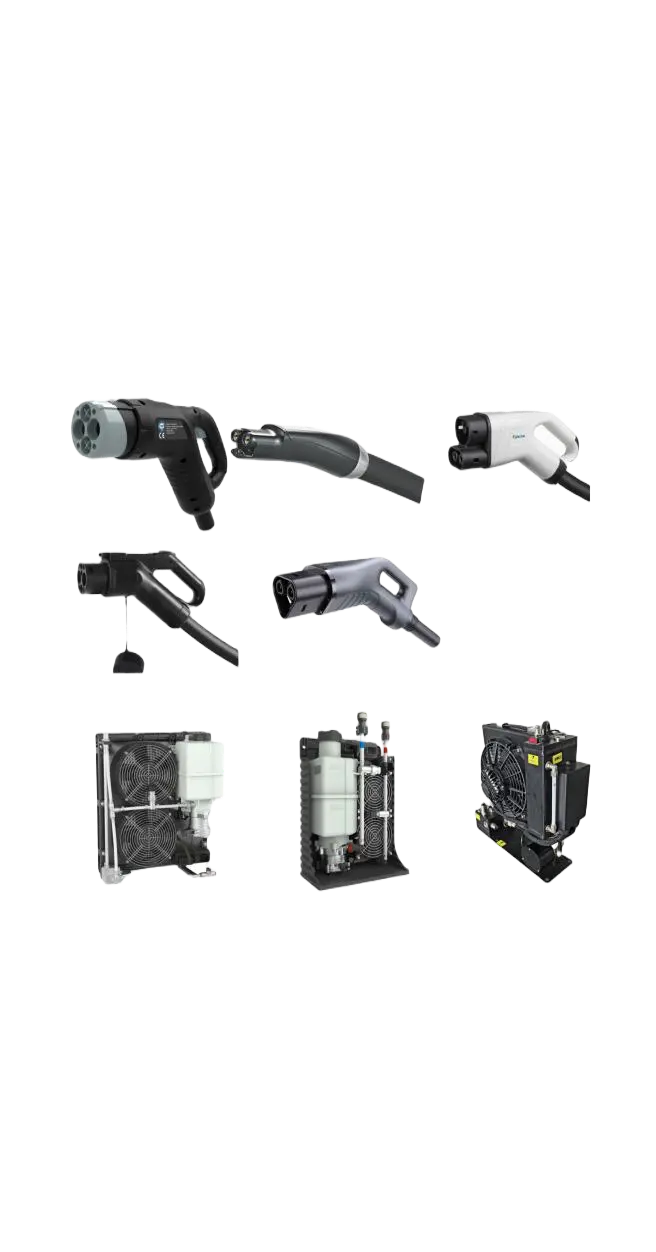
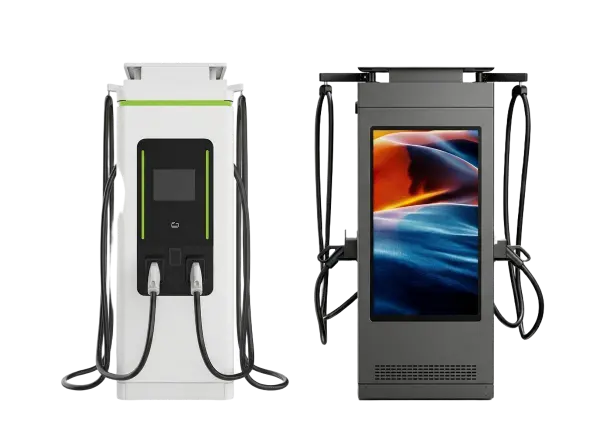
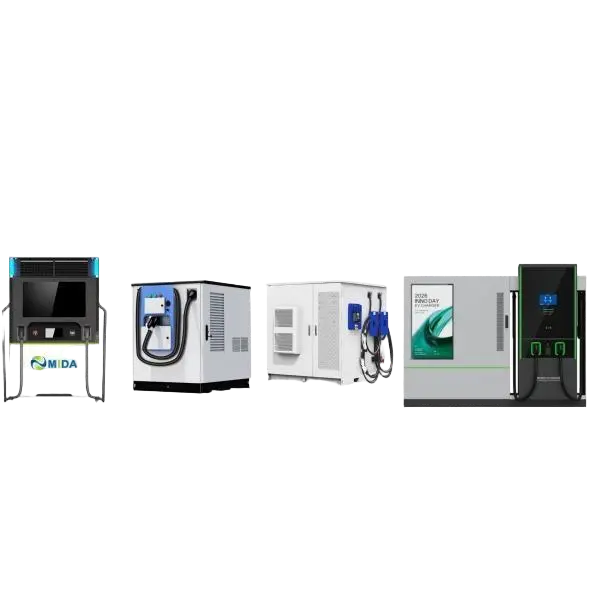
How portable DC EV chargers serve critical operational roles where fixed power installations are physically or financially unviable.
EV range anxiety is mitigated by road assistance providers who carry portable 20kW to 50kW mobile charging units. Integrated inside emergency response vehicles or flatbeds, these compact units can put 15–20 miles of range onto a stranded vehicle's battery in under 15 minutes, bypassing the need to tow vehicles to fixed charging facilities.
Heavy machinery and logistics transport systems operating on transient construction zones, oil fields, or mining outposts operate far from established electrical substations. Mobilizing skid-mounted or trailer-mounted off-grid BESS charging systems with integrated solar inputs ensures high-power DC fuel delivery directly to electric excavators and heavy utility trucks.
Temporary festivals, outdoor exhibitions, and movie production zones rely on zero-emission energy. Replacing noisy, polluting diesel generator setups with dynamic solar-connected battery systems equipped with CCS2, CHAdeMO, and Tesla adapters offers clean silent operation while recharging fleet runabouts, equipment shuttle buses, and high-wattage production rigs.
The efficiency of China's localized electric vehicle supply chain is built on vertically integrated production ecosystems. At Mida Group, this vertical design spans from the drawing of high-conductivity oxygen-free copper rods to the engineering of high-frequency transformer magnetic cores and proprietary embedded firmware development.
This end-to-end management reduces lead times for complex DC power cabinet installations down to 4–6 weeks, compared to western averages of 16–24 weeks. By placing our engineering offices adjacent to the production lines, hardware revisions, customized communication configurations (such as specific regional OCPP protocols), and specialized thermal tests are executed within hours.
Furthermore, manufacturing in Shenzhen and Shanghai provides us with raw material and component sourcing advantages. Access to high-grade Silicon Carbide wafers, reliable relays, and premium outdoor-rated plastics keeps our price per kilowatt highly competitive without compromising on component quality.
Refining premium copper & magnetic materials directly in Mida's wire drawing facilities.
Assembly of high-efficiency V2G and liquid-cooled modular units on automated SMT lines.
Chamber testing spanning -30°C to +55°C, high humidity, and physical vibration resistance.
Ensuring seamless compliance and grid interconnectivity across major international markets.
To operate within municipal grids, DC fast chargers must comply with grid-safety rules and communication protocols. Mida equipment features multiple safety layers, including ground fault protection, surge mitigation, overcurrent cutoffs, and insulation monitoring.
Certified to meet UL 2202 and UL 2231 standards, our high-power fast DC chargers and liquid-cooled power cabinets carry official ETL listings. We support the evolving local landscape by offering integrated SAE J3400 (NACS) and CCS1 connection systems natively, ensuring compatibility with both Tesla and non-Tesla fleets.
Mida's complete product line complies with IEC 61851-23/24 fast charging standards, CE declarations, and local DIN 70121 / ISO 15118 vehicle communication layers. Integrating type-B RCD systems and MID-certified billing meters ensures regulatory approval for commercial public deployments.
Partnering with installation providers and field service networks across North America, Europe, and Asia-Pacific allows us to provide rapid component swap programs and remote diagnostics. Using OCPP 1.6J and OCPP 2.0.1 smart clouds, our engineering support team updates and troubleshoots firmware remotely.
Stay updated with the latest technological developments in e-mobility, urban transit overhead systems, and smart grid connectivity.
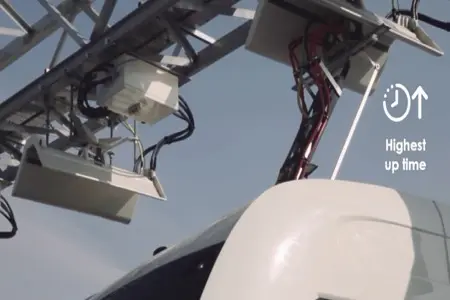
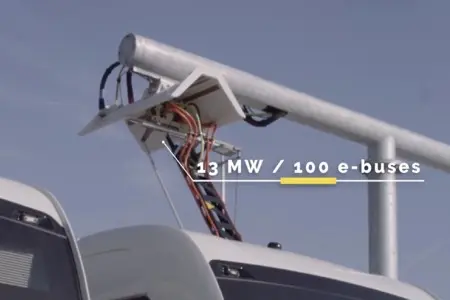
Direct answers to the most common questions raised by infrastructure engineers, procurement managers, and fleet operators.
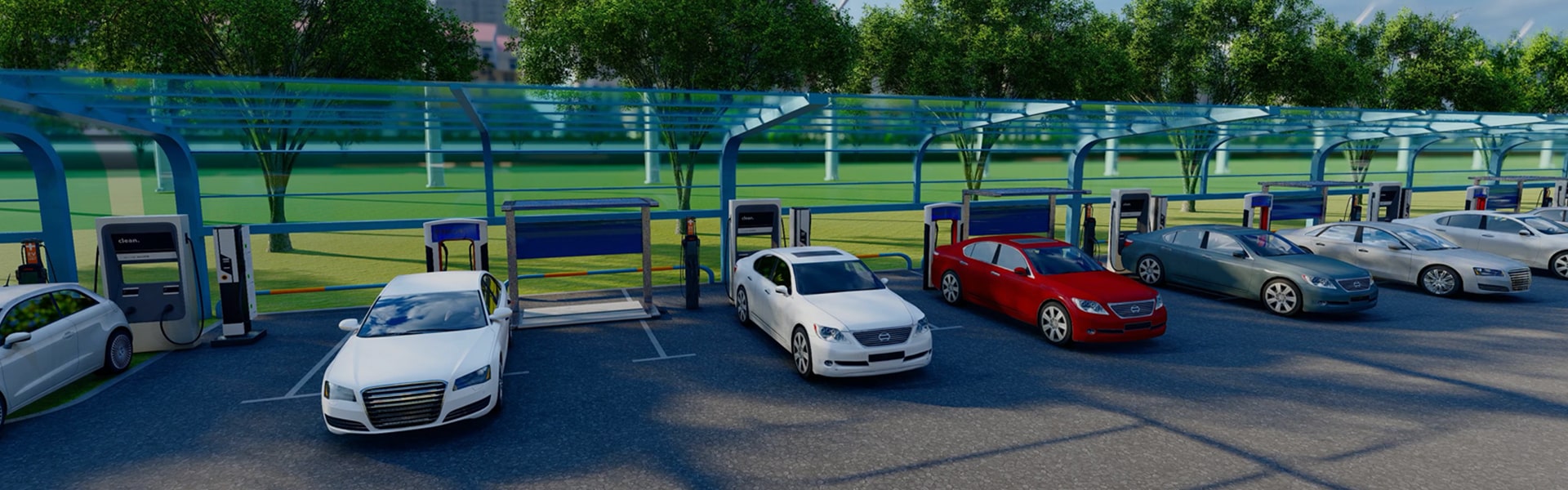
High-power modular hardware engineered for transit networks, destination charging hubs, and emergency dispatch systems.