Engineered for extreme performance, grid compatibility, and scalable fleet electrification deployments.
Shanghai Mida Cable Group Ltd. operates through its wholly owned subsidiaries: Shanghai Mida EV Power Co., Ltd., Shenzhen Mida EV Power Co., Ltd., and Shanghai Mida New Energy Co., Ltd. As a vertically integrated manufacturer, we specialize in solving key hardware bottlenecks for High-Power Charging (HPC) networks, fleet operators, and industrial logistics facilities worldwide.
Mida Cable manufactures a comprehensive range of EV charging cables, including 16A–80A J1772 cables, 16A–63A IEC 62196-2 Type 2 cables, and extreme-performance DC fast charging cables: CCS1 (80A–500A), CCS2 (125A–1000A), CHAdeMO (125A–300A), GBT (200A–1000A), and NACS connectors (250A–600A).
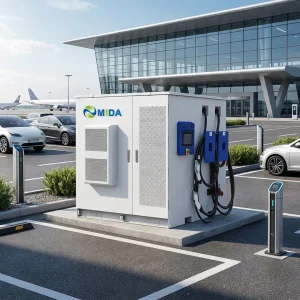
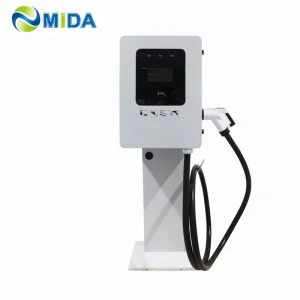
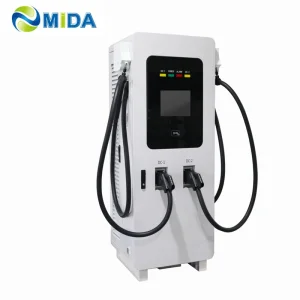
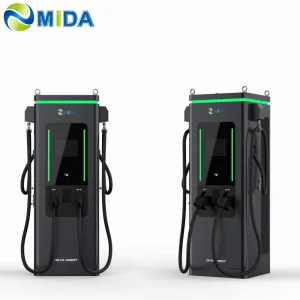
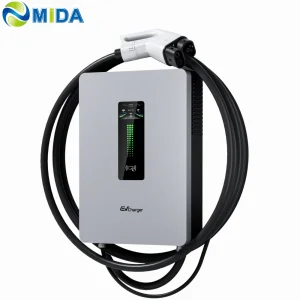
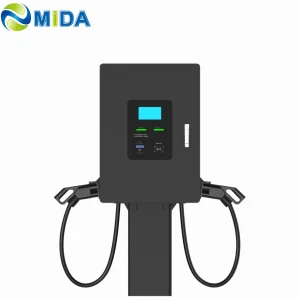
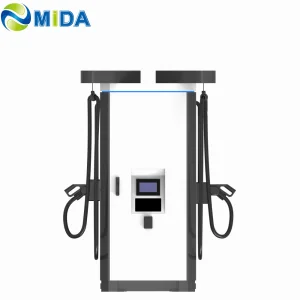
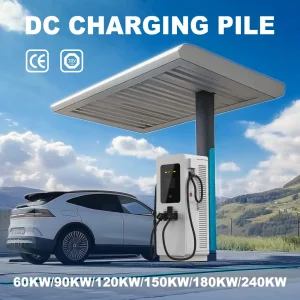
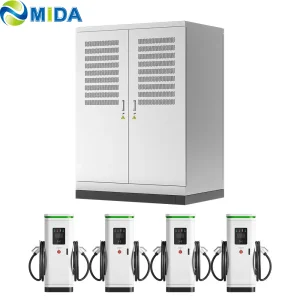
MIDA EV Power produces a full lineup of EV charging stations, such as 7kW–50kW mobile chargers, 3.6kW–7.2kW portable DC chargers, 360kW–1440kW split-type DC fast chargers, 20kW–50kW wall-mounted DC chargers, and 60kW–480kW floor-standing DC fast charging stations.
MIDA New Energy specializes in EV charger power modules, offering 20kW–60kW standard modules, 40kW–125kW liquid-cooled modules, 30kW–62.5kW bidirectional modules, and 20kW–45kW V2G charging modules.

Navigating grid constraints, environmental challenges, and operational requirements unique to New Zealand.
New Zealand's ambitious decarbonization strategies place heavy emphasis on the electrification of transport. However, the geographic distribution of the population, coupled with localized distribution network limits (managed by various EDBs or Electricity Distribution Businesses like Vector, Orion, and Powerco), creates distinct hurdles. Deploying high-power charging infrastructure in NZ requires a deep understanding of local electrical codes, environmental parameters, and grid capabilities.
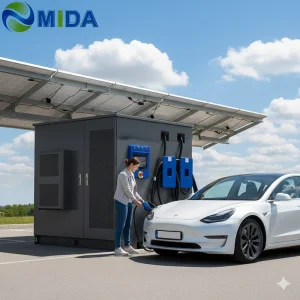
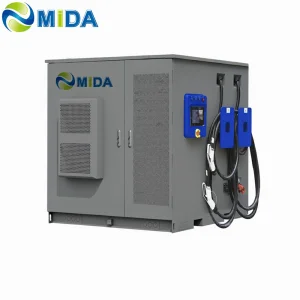
In many regional areas of New Zealand, installing a traditional 150kW or 300kW DC fast charger requires expensive transformer upgrades and extensive grid reinforcement. MIDA Group's Integrated Battery Energy Storage System (BESS) EV Charging Stations bridge this gap. By utilizing a localized battery storage unit (ranging from 60kWh to over 2MWh), these systems trickle-charge from a low-capacity grid connection (e.g., 30kW–50kW) during off-peak times and discharge at up to 240kW during vehicle charging sessions. This peak-shaving capability protects local sub-stations from thermal overload and saves fleet operators from astronomical network demand charges.
NZ’s primary industries—agriculture, forestry, and regional tourism—rely on heavy machinery and utility vehicles. Fast-charging hardware placed in rural areas must withstand harsh environments, including agricultural dust, salt spray from coastal winds, and wide temperature swings. Our cabinets utilize advanced powder coatings and marine-grade stainless steel hardware, guaranteeing IP55/IP65 ingress protection. Additionally, for mobile operations, our Emergency Rescue Storage Charging Units (65kWh to 200kWh) provide highly mobile off-grid power solutions for operations located far from the main transmission lines.
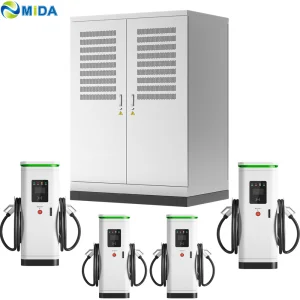
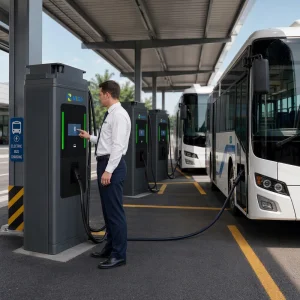
Last-mile delivery depots in Auckland, Wellington, and Christchurch require structured, high-density charging corridors. MIDA's Split-Type DC Charging Systems (360kW to 1680kW) distribute power dynamically across multiple dispensers. Incorporating intelligent load-balancing algorithms, these dispensers prioritize vehicles based on state-of-charge (SoC) and departure schedules, ensuring optimal asset utilization without triggering peak demand tariffs.
The progression of charging speeds, efficiency, and heavy vehicle transport optimization.
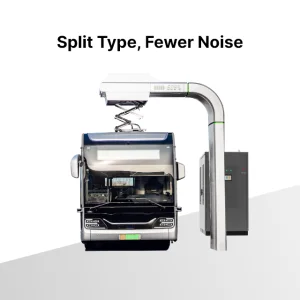
As New Zealand electrifies its bus networks (e.g., in Auckland and Wellington) and heavy freight transport, standard CCS2 connectors operating at 350A are no longer sufficient. The industry is moving towards the Megawatt Charging System (MCS) standard, capable of delivering up to 3,000A at 1,250V. Our R&D team is piloting 1500A MCS connectors and automated overhead pantograph systems (300kW–600kW) designed for swift, high-throughput depot charging.
New Zealand's highly renewable grid (primarily hydro, geothermal, and wind) experiences volatility during peak winter evenings. Bidirectional charging utilizing V2G technology allows EV fleets to act as distributed energy resources (DERs). MIDA's 20kW–45kW V2G modules facilitate seamless bidirectional power conversion, enabling corporate fleets to discharge stored vehicle energy back into the facility or the main grid, offset power bills, and participate in ancillary frequency response markets.
Traditional air-cooled power modules suffer from reduced efficiency in dusty or high-humidity environments. Our next-generation 40kW to 125kW liquid-cooled power modules isolate sensitive power electronics from external air contaminants. By recirculating coolant through a dedicated liquid cooling unit, we achieve thermal stability, lower acoustic noise, and prolong the operational lifespan of the internal capacitors and switching components by up to 40%.
To push charging station efficiency beyond 98%, MIDA is transitioning module topologies from standard IGBTs to Silicon Carbide (SiC) MOSFETs. SiC devices offer faster switching speeds, reduced thermal losses, and a smaller overall footprint. This directly translates to lower operational costs, less cooling demand, and more compact cabinet footprints for site hosts where real estate is at a premium.
Standardized and custom configurations designed to meet specific deployment scales.
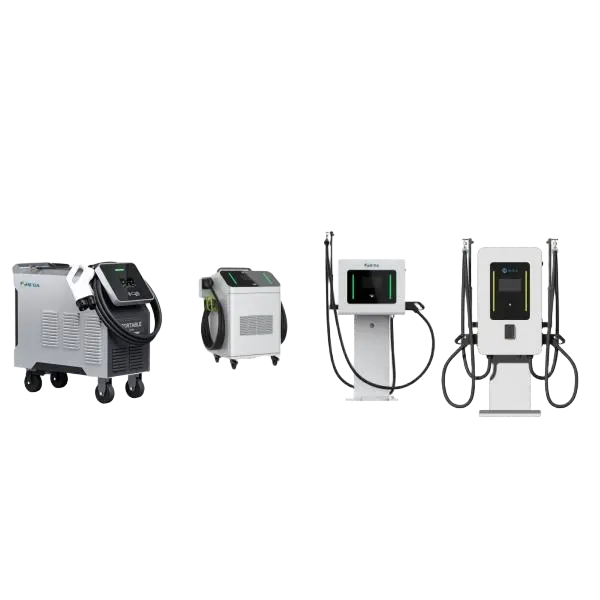
7kW 20kW 30kW 40kW 60kW 80kW
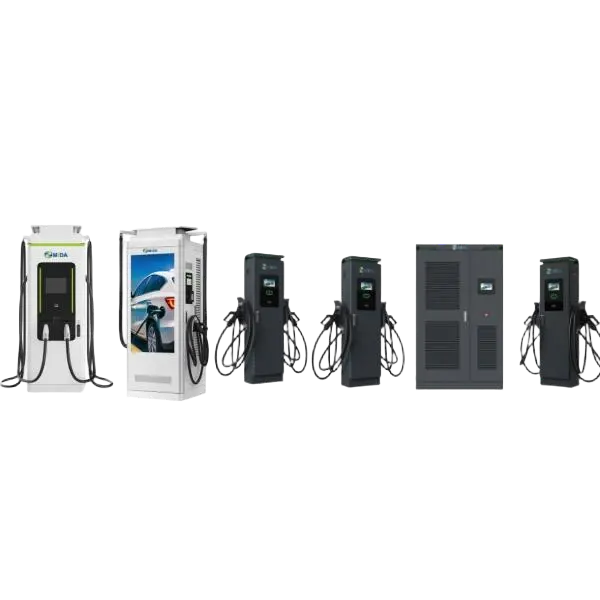
60kW-480kW 360kW-1440kW
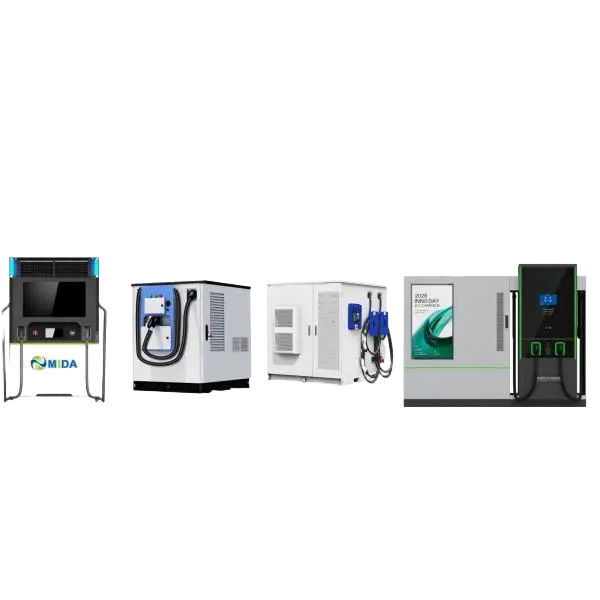
60kWh 261kWh 418kWh 625kWh 2MkWh
How our manufacturing capability lowers TCO (Total Cost of Ownership) while maintaining elite engineering standards.
Producing heavy-duty charging hardware requires tight synchronization across raw material procurement, power electronics assembly, and strict testing protocols. MIDA Group's production lines leverage several strategic advantages that translate to immediate cost and reliability benefits for our partners in New Zealand:
Unlike regional assemblers who source cables, power modules, and control boards from separate suppliers, MIDA designs and manufactures these components in-house. Our cable division manufactures high-current, liquid-cooled cables that integrate directly with our power electronics modules. This vertical alignment eliminates compatibility conflicts, reduces intermediate component markups, and speeds up R&D cycles for custom hardware adjustments.
Each DC charger station undergoes a multi-point verification process before dispatch. This includes insulation resistance checks, high-voltage load testing, thermal camera imaging under peak load conditions, and detailed communication protocol emulation (OCPP 1.6J/2.0.1 and ISO 15118 compliance testing). Our factories operate under ISO 9001, ISO 14001, and ISO 45001 standards, ensuring consistently high build quality.
By utilizing semi-automated assembly lines and maintaining strategic buffer stocks of long-lead electronic sub-components (such as microcontrollers, power semiconductors, and magnetic cores), we achieve some of the fastest lead times in the industry. Where local assembly plants might cite 16–24 week lead times, MIDA consistently delivers high-power systems within 6–10 weeks, ensuring your network deployment timeline remains on track.
With our major manufacturing centers positioned near primary logistics hubs in Shanghai and Shenzhen, we maintain direct freight access to New Zealand's key ports (Auckland, Tauranga, Lyttelton). This ensures lower shipping fees, predictable transit timelines, and minimal overland logistical friction.
Ensuring our products comply with all safety, grid-connection, and electrical guidelines.
International standards govern EV fast-charging technology. MIDA ensures all products supplied to the New Zealand market carry the necessary certifications and local engineering adaptations:
Our hardware complies fully with AS/NZS 3000 (Wiring Rules) and safety specifications for switchgear and control assemblies under AS/NZS 61439. We provide comprehensive documentation to support your electrical inspectors and local network approval (connection agreement) workflows.
New Zealand experiences varied geographic microclimates. Our outdoor charger enclosures are engineered for high-UV exposure, resisting cracking and discoloration, and are rated IP54 or IP65. Double-wall ventilation systems manage condensation risk, protecting high-voltage components from moisture.
MIDA chargers operate on open OCPP 1.6J/2.0.1 protocols. They connect seamlessly with standard charge point management platforms utilized by Kiwi network operators (e.g., ChargeNet, OpenLoop). We also offer standard API support for fleet integration and smart load management platforms.
We collaborate with licensed Kiwi installers and system integrators. This ensures you have access to qualified personnel for site inspection, installation commissioning, and ongoing preventive maintenance (such as filter cleaning and cable inspection).
The latest developments in high-current connection interfaces, pantograph systems, and heavy fleet transit solutions.
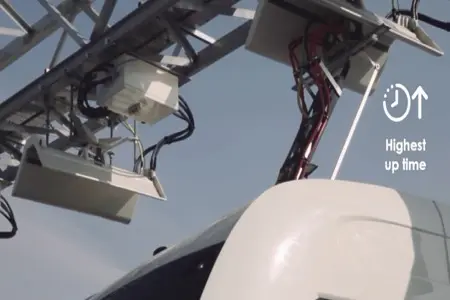
In contrast to classic plug-in charging systems, e-bus pantographs enable fully automated overhead charging, minimizing operator handling and physical wear in high-frequency transit stations.
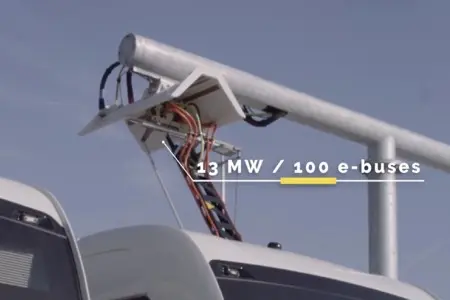
The charging time depends on the battery capacity and the station's electrical setup. Delivering 300kW to 600kW of continuous power can charge transit buses within 10 to 30 minutes.
Installing a “Pantograph Up” system requires precise physical alignment of overhead infrastructure, structural load-bearing analysis, and high-voltage grid connection integration.
Providing clear answers to core technical, logistical, and commercial inquiries from NZ buyers.
Flexible off-grid configurations, emergency systems, and ultra-high capacity infrastructure components.