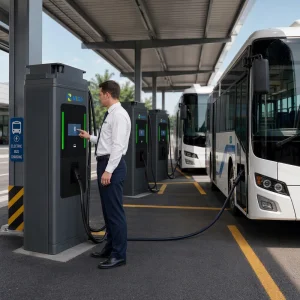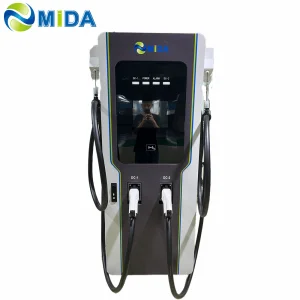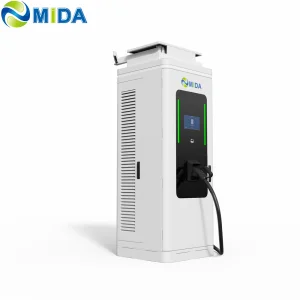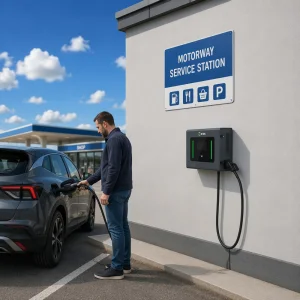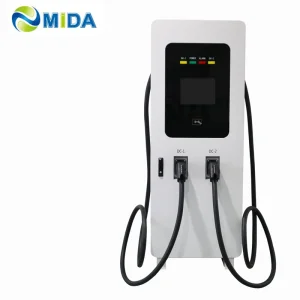
Explore our cutting-edge range of high-power charging piles, BESS integrated solutions, and ultra-fast charging pantographs engineered for global demands.
Countries Exported
Max HPC Connector Output
Patents Granted
Max Modular Station Capacity
As electric vehicle (EV) adoption accelerates globally, the pressure shifts from high-performance drive systems to residential grids and public charging topologies. Today's commercial and home electric vehicle charging systems are no longer isolated hardware units; they represent dynamic nodes within modern microgrids. Rapid deployment of Level 2 AC and Ultra-Fast DC chargers requires compliance with international grids, smart dynamic load management (DLM), and integration with renewable energy systems.
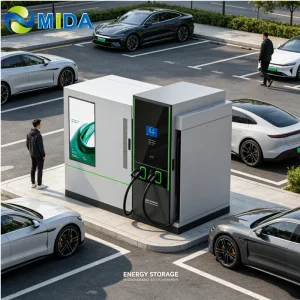
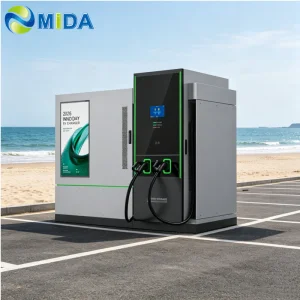
At Mida Group, we address this transformation by developing highly optimized charging components, smart power distribution systems, and microgrid integrated chargers (BESS). By connecting home charging piles with battery storage and vehicle-to-grid (V2G) technology, we reduce peak utility loads while maximizing owner autonomy.

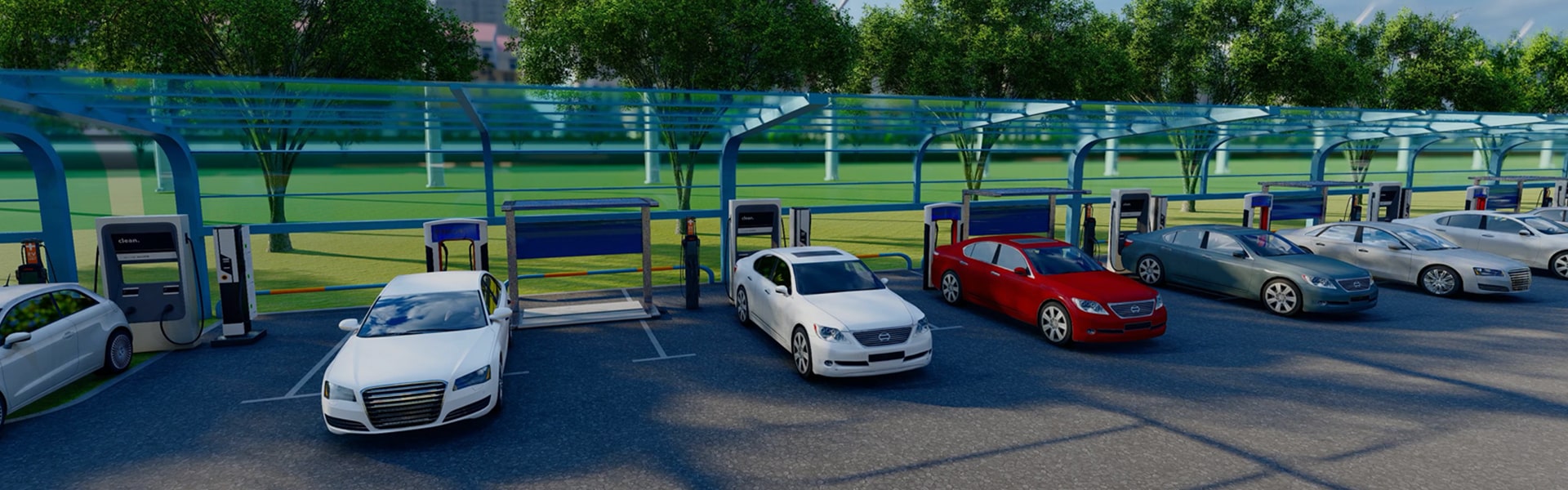
Shanghai Mida Cable Group Ltd. operates through its wholly owned subsidiaries: Shanghai Mida EV Power Co., Ltd., Shenzhen Mida EV Power Co., Ltd., and Shanghai Mida New Energy Co., Ltd.
Mida Cable manufactures a comprehensive range of EV charging cables, including 16A–80A J1772 cables, 16A–63A IEC 62196-2 Type 2 cables, and DC fast charging cables: CCS1 (80A–500A), CCS2 (125A–1000A), CHAdeMO (125A–300A), GBT (200A–1000A), and NACS connectors (250A–600A).
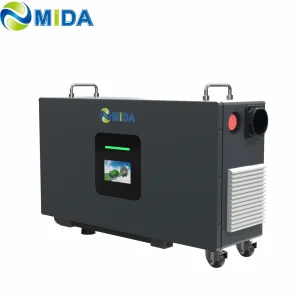
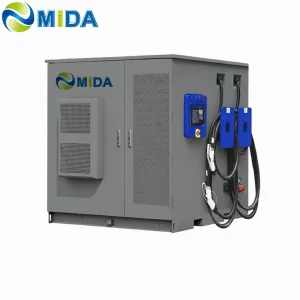
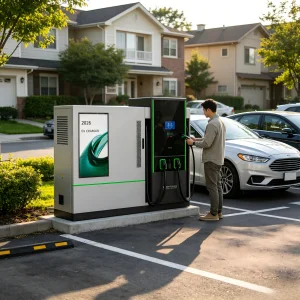
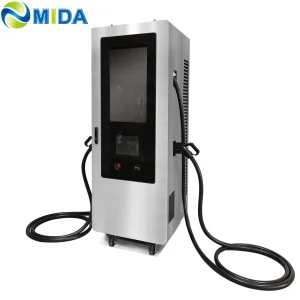
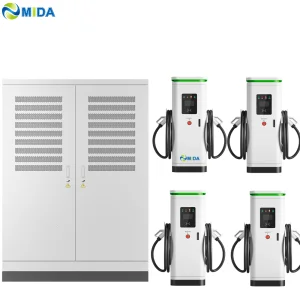
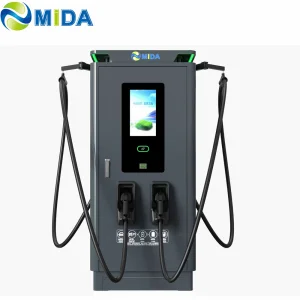
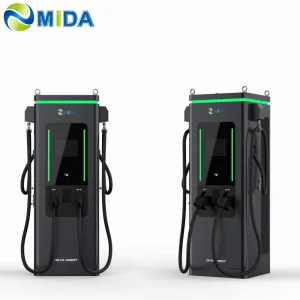
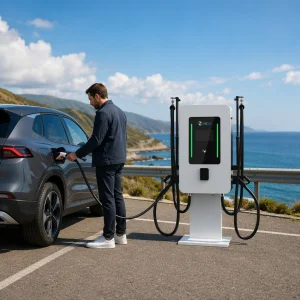
MIDA EV Power produces a full lineup of EV charging stations, such as 7kW–50kW mobile chargers, 3.6kW–7.2kW portable DC chargers, 360kW–1440kW split-type DC fast chargers, 20kW–50kW wall-mounted DC chargers, and 60kW–480kW floor-standing DC fast charging stations.
MIDA New Energy specializes in EV charger power modules, offering 20kW–60kW standard modules, 40kW–125kW liquid-cooled modules, 30kW–62.5kW bidirectional modules, and 20kW–45kW V2G charging modules.
Explore the details of our core product architectures. From silicon-level power modules to mega-watt charging systems.
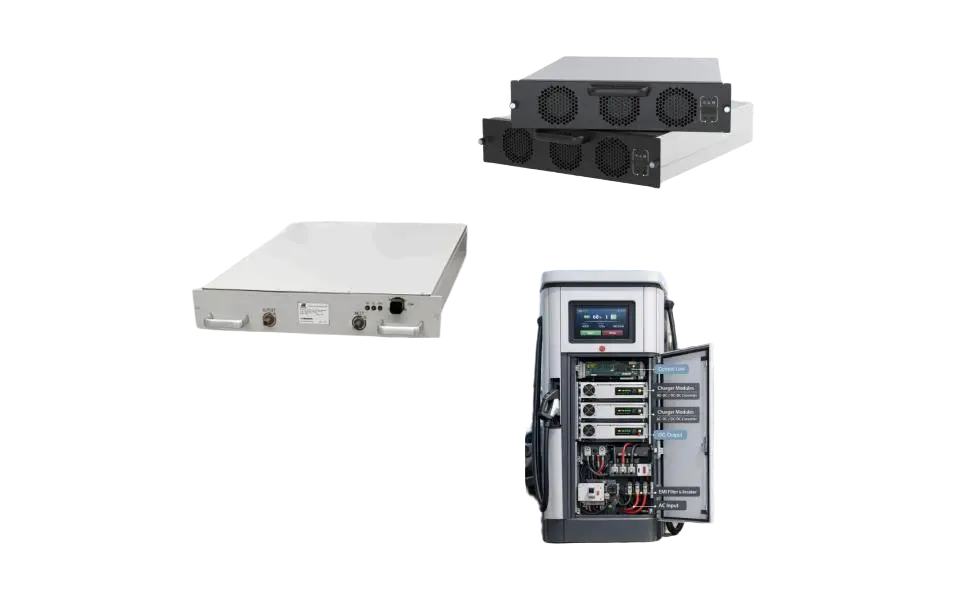
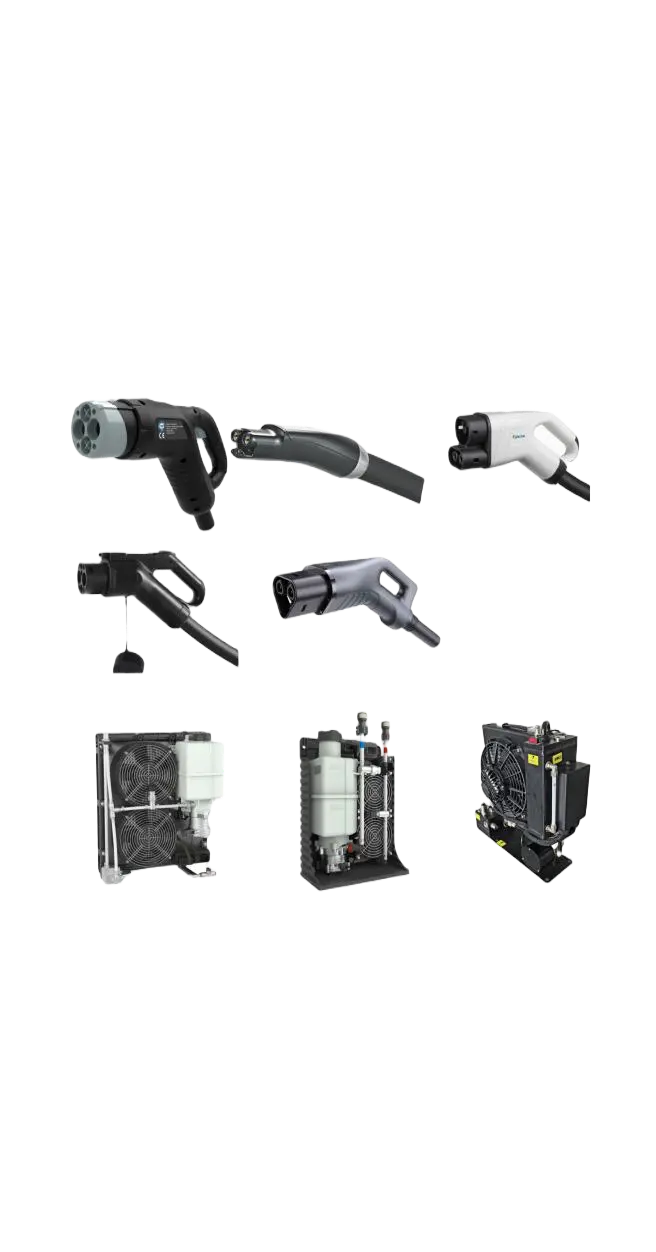
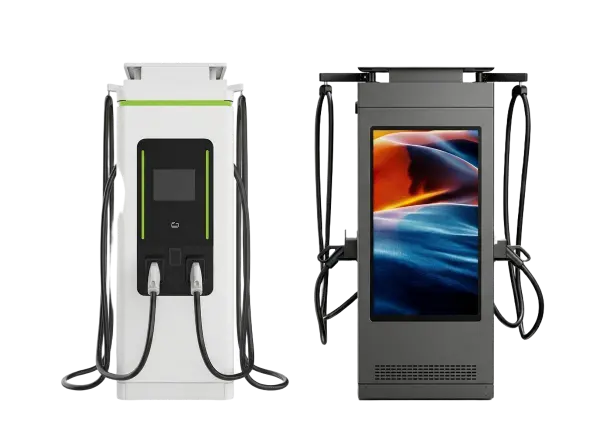
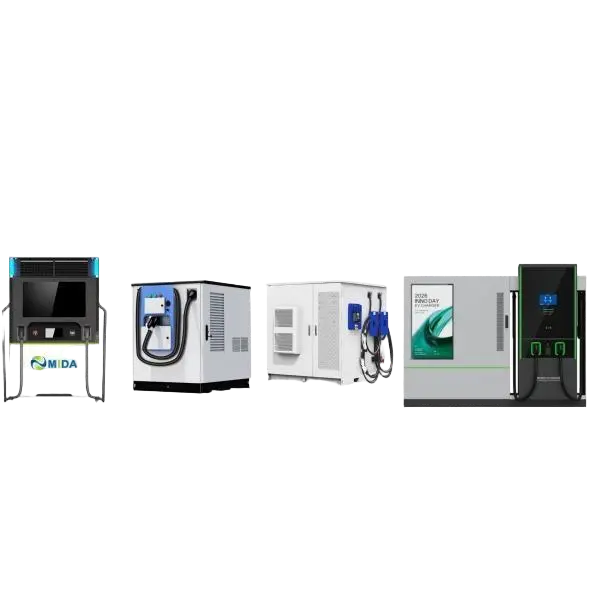
Aligning with tomorrow's grid demands. A roadmap built on Silicon Carbide semiconductors, Liquid-Cooling, and Vehicle-to-Home architectures.
Next-generation home charging infrastructure is transitioning from simple AC-to-DC rectification units into bidirectional power conversion platforms. V2H and V2X technologies enable a parked electric vehicle to operate as a residential battery storage system. During peak load periods, the home draws power from the EV battery. Off-peak power is then used to charge the vehicle at a lower rate, optimizing energy costs and supporting the electrical grid.
To reduce charging times for commercial and heavy-duty vehicles, charging currents are pushing beyond 500A. At these currents, standard copper cables generate significant thermal losses. Mida's active liquid-cooled connectors and cable harnesses circulate specialized coolant to dissipate heat directly from the pins. This maintains safe operating temperatures even at 1000A continuous output, enabling rapid charging without cable degradation.
The core of any EV fast charger is the power module. Transitioning from traditional Silicon IGBTs to Silicon Carbide (SiC) MOSFETs allows for higher switching frequencies, improved thermal conductivity, and reduced switching losses. This enables our 40kW and 60kW modules to achieve conversion efficiencies of over 96.5%, reducing active cooling requirements and reducing the overall footprint of the charger cabinet.
| Technology Type | Standard Specs | Future Target (2026+) | Primary Application |
|---|---|---|---|
| AC Residential Charging | 7.2kW - 22kW (Single/3-Phase) | 22kW Bidirectional (V2H) | Private Garages, Multi-family housing |
| DC Wallbox Charger | 20kW - 40kW (SiC Power Module) | 60kW Integrated V2G | Residential complexes, fleet hubs |
| Ultra-Fast DC Stations | 120kW - 480kW (Dynamic Allocation) | 1000kW+ Liquid-Cooled HPC | Highway hubs, Heavy trucking depots |
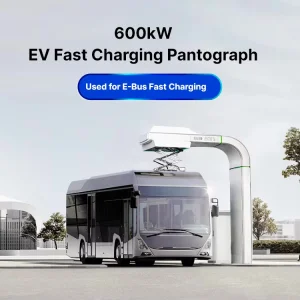
| Pantograph Systems | 300kW - 600kW (Automated Contact) | 1000kW+ MW Pantograph | Electric public buses, mining fleets |
Stay up to date with our engineering break-throughs, field deployment case studies, and localized charging station installation guides.
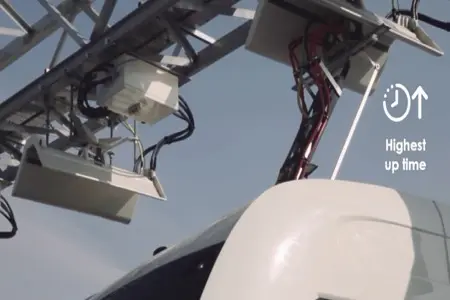
What are the advantages of an e-bus pantograph dome? In contrast to classic plug-in charging systems, e-bus pantograph systems offer automated connection, high currents, and zero-touch operations. By eliminating physical handling, fleets can charge safely in wet environments at high power ranges.

How long does it take to charge with an e-bus pantograph? The charging time depends directly on the battery capacity and the station's configuration. Utilizing MIDA's 600kW system, fleet buses can recharge up to 80% capacity within 6 to 12 minutes during route layovers.
How to Install the Pantograph Up Charger System Dome for Electric Bus. Installing a “Pantograph Up” system dome requires alignment checks, robust structural foundations, and integration with local high-voltage sub-stations. Learn the detailed mechanical and electrical steps.
Addressing core technical questions from procurement officers, electrical engineers, and commercial EV project leads.
High-capacity charging modules, heavy-duty vehicle connections, and custom distribution components for commercial sites.