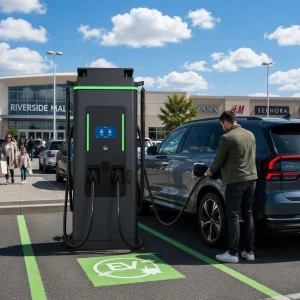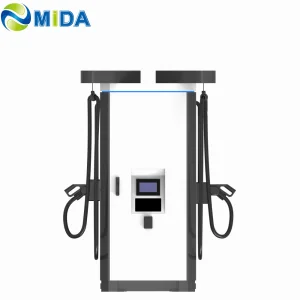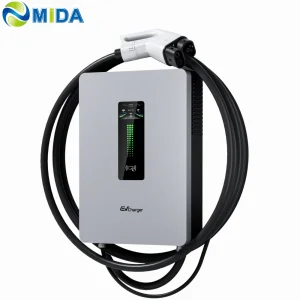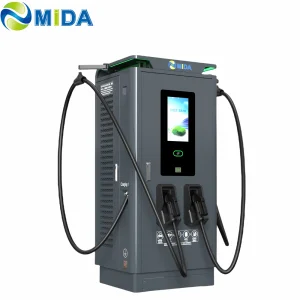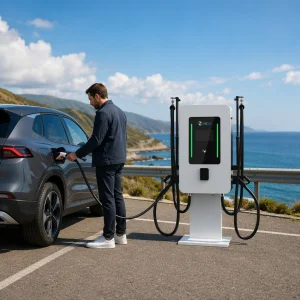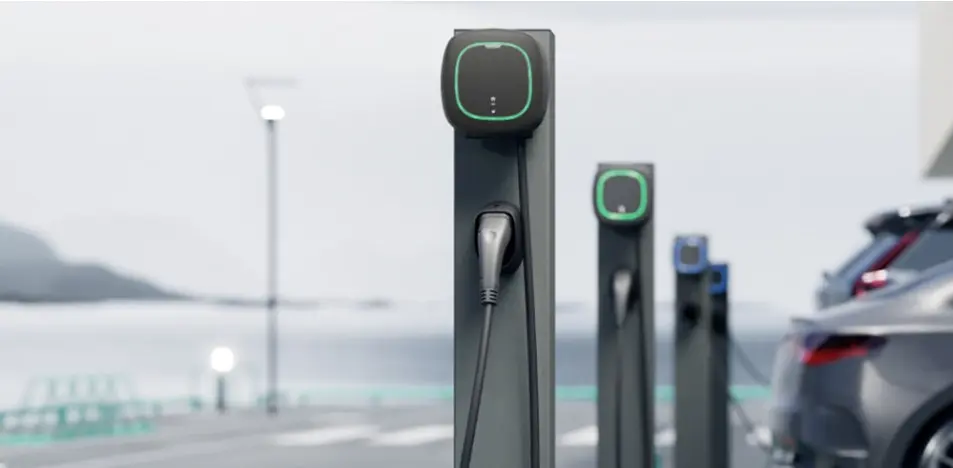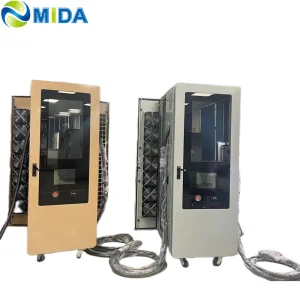
Best EV Charging Station UK Manufacturer & Manufacturers

Empowering Fleet Operators, Charge Point Operators (CPOs), and Enterprise Hubs with Megawatt-Ready Charging Systems, Liquid-Cooled Infrastructure, and UKCA-Compliant Technologies.

1.68 MW
Max Charging Output
OCPP 2.0.1
Protocol Interoperability
ISO 15118
Plug & Charge Compliant
UKCA / CE
Rigorous Certifications

Whitepaper: Scalability, Grid Optimization, & Smart Charging Policies in the UK & European Markets

An authoritative analysis of UK EV adoption trends, grid-interfacing compliance (G99/G100), and industrial architectural requirements.

1. Structural EV Adoption Trends & Macro-Economics in the United Kingdom

The UK is positioning itself as a global leader in transitioning to electrified transport. Driven by legislation targets, the transition is no longer just about light passenger vehicles but is rapidly transforming bus fleets, urban delivery vehicles, and heavy-duty freight trucks. This transformation places immense pressure on Charge Point Operators (CPOs) to procure infrastructure capable of managing intense heat cycles, dynamic grid limits, and multi-vehicle simultaneous dispensing.

To successfully integrate massive loads without causing local network failures, modern manufacturing processes must focus on high-efficiency power modules and smart load-balancing control. Our current product designs prioritize power density and modularity, giving UK commercial infrastructure companies the ability to scale up station power from 120kW to 480kW or more without changing the physical cabinet layout.

2. Enterprise Procurement Challenges & Selection Framework

When global enterprises and UK operators evaluate DC fast charging station manufacturers, the checklist extends far beyond price per kilowatt. A professional procurement framework evaluates:

  • Total Cost of Ownership (TCO): Module efficiency ratings (target >96%) directly define power waste over the station's lifespan.
  • Cable Lifetime & Thermal Management: The thermal performance of CCS2 and liquid-cooled connectors dictates continuous high-current execution without thermal derating.
  • Interoperability: Ensuring the hardware matches legacy backends using customizable OCPP profiles, and integrates with the vehicle via ISO 15118 protocol.
  • Serviceability: A modular setup allows swift replacement of single power modules in minutes, dropping the Mean Time to Repair (MTTR).

3. UK Grid Integration & Compliance Safeguards

Connecting megawatt-level chargers to the UK distribution network requires compliance with energy regulations like the Energy Smart Appliances (ESA) legislation, PAS 1899 accessibility guidelines, and local distribution network operator (DNO) G99 or G100 grid connection rules. Our stations are designed with integrated smart meters, sub-second responsive load curtailment, and compatibility with vehicle-to-grid (V2G) systems. This dynamic capability prevents grid overloading during peak periods, while giving site operators the chance to join demand-side response programs.

4. Technological Roadmap: MCS and Bidirectional Power

The industry is transitioning toward the Megawatt Charging System (MCS) for heavy transport. MIDA Group is actively developing systems to support liquid-cooled charging up to 1500A. Additionally, our dual-purpose V2G and bi-directional modules allow heavy electric vehicles to serve as battery backup units for commercial facilities. This transforms high-capacity charging terminals into active decentralized energy storage assets (BESS), improving ROI and building grid resilience.

Product Line Categorization

Fully certified AC, DC and Battery Energy Storage Systems (BESS) solutions custom-built for modern highway networks, depots, and public parking infrastructures.
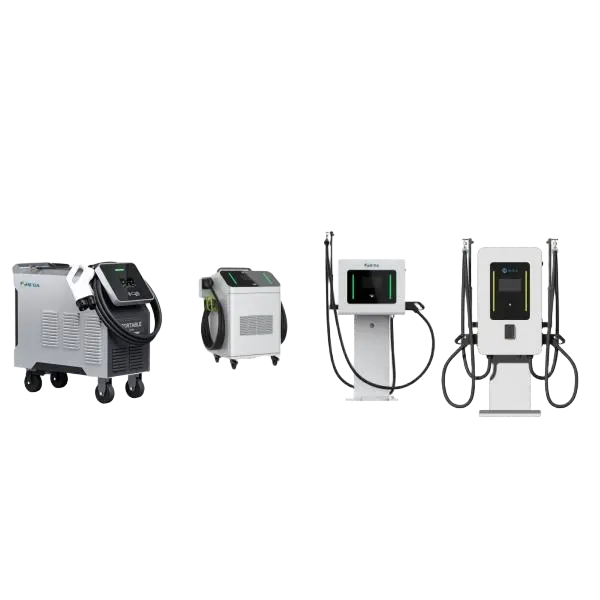
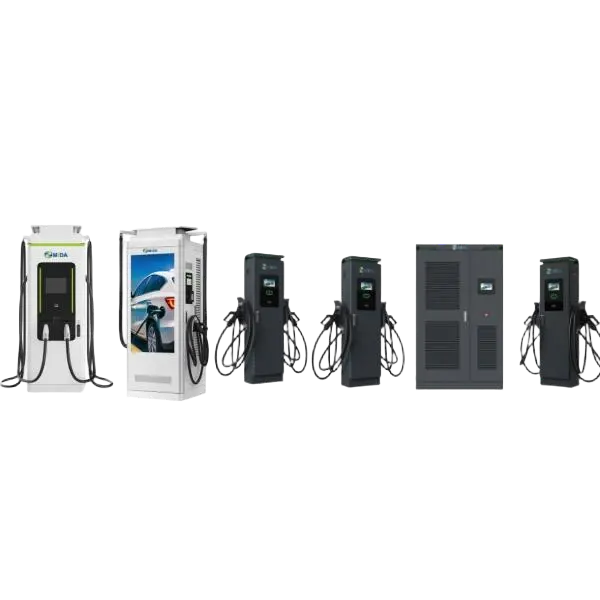
AC EV Charger
Reliable commercial and public infrastructure units
AC EV Charger
AC EV Charger Series
View More
Wall-Mounted/Mobile EV Charger
Flexible outputs: 7kW | 20kW | 30kW | 40kW | 60kW | 80kW
Wall-Mounted/Mobile EV Charger
Wall-Mounted/Mobile EV Charger Series
View More
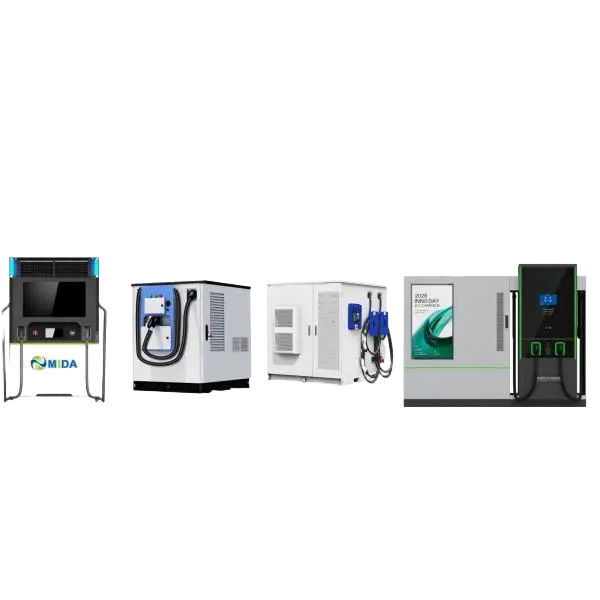
DC Charger Station
High-power systems: 60kW-480kW & Split 360kW-1440kW
DC Charger Station
DC Charger Station Series
View More
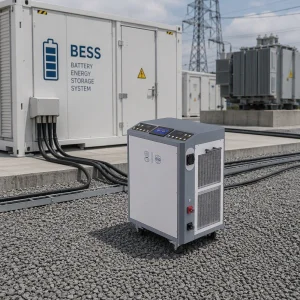
BESS Charging Station
Battery Storage: 60kWh | 261kWh | 418kWh | 625kWh | 2MkWh
BESS Charging Station
BESS Charging Station Series
View More

WELCOME TO MIDA GROUP

Shanghai Mida Cable Group Ltd. operates through its wholly owned subsidiaries: Shanghai Mida EV Power Co., Ltd., Shenzhen Mida EV Power Co., Ltd., and Shanghai Mida New Energy Co., Ltd.

Mida Cable manufactures a comprehensive range of EV charging cables, including 16A–80A J1772 cables, 16A–63A IEC 62196-2 Type 2 cables, and DC fast charging cables: CCS1 (80A–500A), CCS2 (125A–1000A), CHAdeMO (125A–300A), GBT (200A–1000A), and NACS connectors (250A–600A).

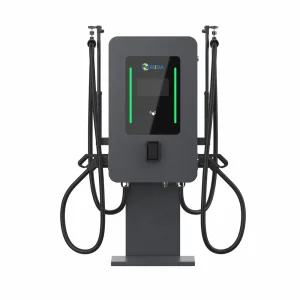
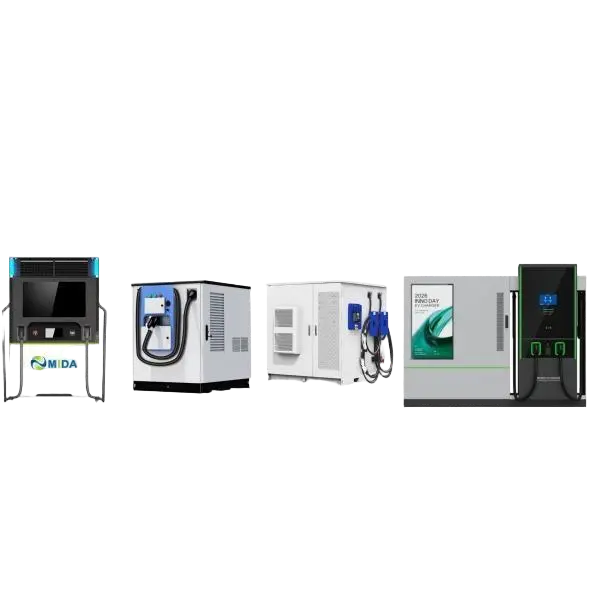
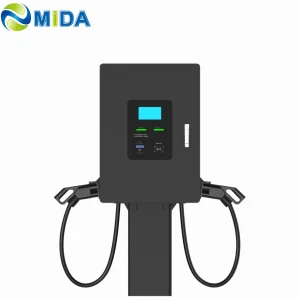
MIDA EV Power produces a full lineup of EV charging stations, such as 7kW–50kW mobile chargers, 3.6kW–7.2kW portable DC chargers, 360kW–1440kW split-type DC fast chargers, 20kW–50kW wall-mounted DC chargers, and 60kW–480kW floor-standing DC fast charging stations.

MIDA New Energy specializes in EV charger power modules, offering 20kW–60kW standard modules, 40kW–125kW liquid-cooled modules, 30kW–62.5kW bidirectional modules, and 20kW–45kW V2G charging modules.

Mida Group Accreditation logo

MAIN PRODUCTS

Explore our core engineering capabilities spanning modules, couplers, station systems, and smart integration devices.
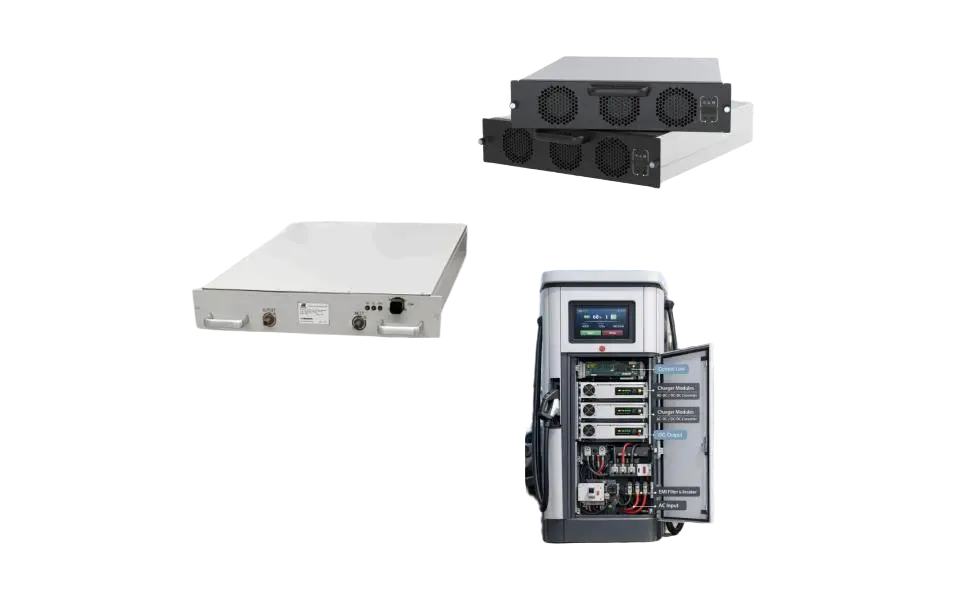
EV Charging Power Module

  • 30kW 40kW 50kW 60kW 80kW AC DC EV Charger Module
  • 30kW 40kW 50kW 60kW DC DC EV Charger Module
  • 40kW 60kW 75kW 125kW Liquid Cooled Power Module
  • 20kW 22kW 30kW 40kW 45kW V2G Power Module
  • 30kW 40kW 50kW 60kW MPPT Power Module
  • 20kW 50kW 62.5kW Bidirectional AC DC Power Module
View More
EV Charging Power Module

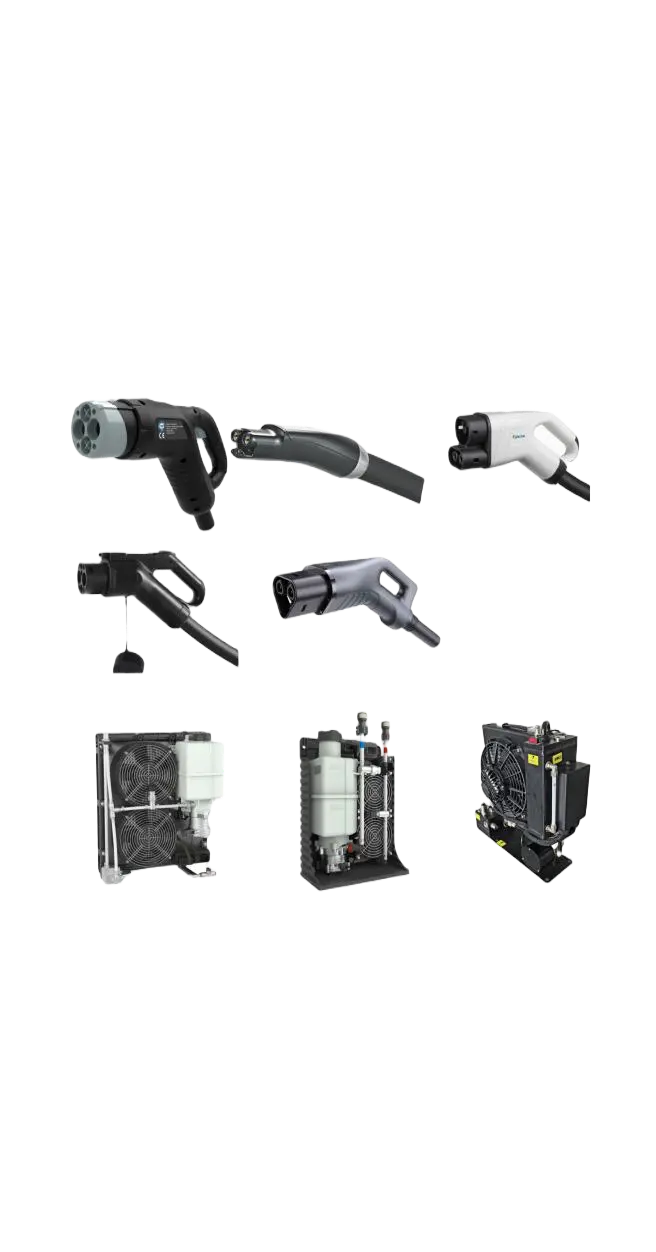
DC Charging Connector & Liquid Cooling Unit

  • 500A 600A CCS1 & CCS2 & GBT Connector
  • 125A 250A 300A 350A NACS & CHAdeMO Connector
  • 1500A MCS Connector & CHAOJI Connector
  • 3.5kW 4.5kW 6kW 9kW Integrated Liquid Cooling Unit
  • 2.4kW 3.5kW Split Type Cooling Unit
  • 25kW ~72kW Cooling Unit for HPC Charging
View More
DC Charging Connector

DC Fast Charger Station

  • 7kW~ 60kW Mobile DC Charging Station
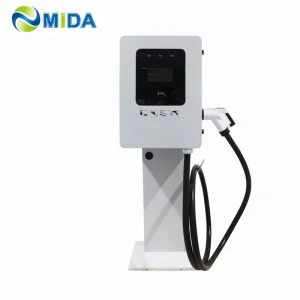
  • 20kW ~80kW Wall Mounted DC Charging Station
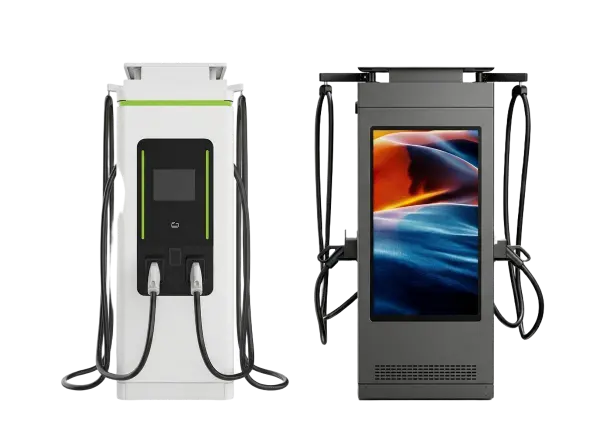
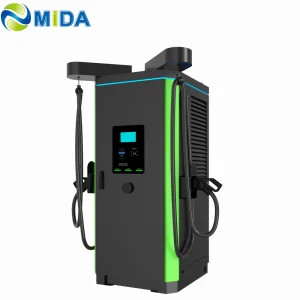
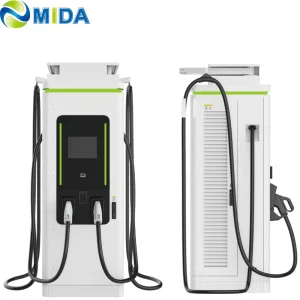
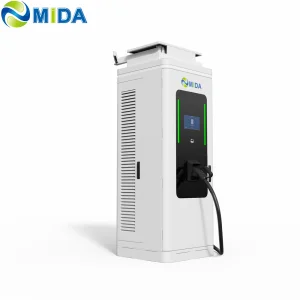
  • 60kW ~480kW Floor Mounted Charging Station
  • 60kW~240kW Advertising Charging Station (43inch , 55inch )
  • 600kW ~1080kW Liquid Cooled Charging Station
  • 360kW ~ 1680kW Split Type DC Charging Station
View More
DC Fast Charger Station

Energy Storage Charging Station

  • 15kW~480kW Mobile ESS Charging Station
  • 60kW ~ 400kW Integrated ESS Charging Piles
  • 65kWh~200kWh Emergency Rescue Charging Station
  • 165kwh Automatic Charging Robot
  • 800kwh~2000kwh Solar Energy Charging System
View More
Energy Storage Charging Station

CORPORATE NEWS

Read about our engineering insights, tech rollouts, and global standards implementation.

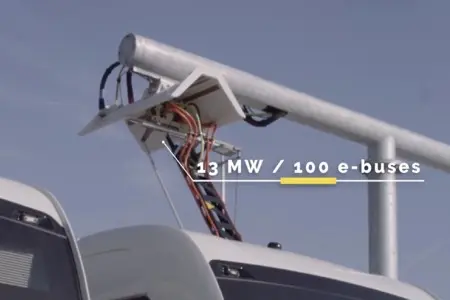
Pantograph Dome Advantages

What are the advantages of an e-bus pantograph dome? In contrast to classic plug-in charging systems, e-bus pantograph solutions allow for rapid high-power overhead coupling, keeping schedules tight.
E-Bus Pantograph Charging Duration

How long does it take to charge with an e-bus pantograph? The charging time depends on the battery capacity, state of charge, and power supply layout, offering rapid turnaround times.

E-Bus Pantograph Installation Guide

How to Install the Pantograph Up Charger System Dome for Electric Bus. Installing a “Pantograph Up” system requires precise structural calculations, utility alignment, and safety validation protocols.

Frequently Asked Questions

Technical guidance for infrastructure operators and commercial engineering companies sourcing hardware from manufacturers.

Why are OCPP 2.0.1 and ISO 15118 compliance critical for the UK market?
OCPP 2.0.1 offers superior cybersecurity, improved transaction message routing, and advanced device management compared to legacy OCPP 1.6J. ISO 15118 enables features like "Plug & Charge" and smart charging profiles. These standards are essential for UK public tenders and commercial operations, ensuring that the hardware can communicate reliably with both backend networks and the vehicle's onboard charger.
How do liquid-cooled chargers perform under continuous high-power loads?
Traditional air-cooled units can overheat and experience thermal derating during high-power sessions. Liquid-cooled modules and couplers use circulating coolant to transfer heat away, allowing the station to deliver currents of 500A to 600A continuously. This design maintains the station's efficiency and helps extend the lifespan of the interior components.
What are the benefits of modular split-type charging system architecture?
A split architecture separates the central power matrix cabinet from the user dispenser units. This setup allows operators to group power modules in a single location, which simplifies maintenance and reduces acoustic noise near the dispensers. It also makes it easier to upgrade the station's total capacity in the future simply by adding more modules to the central cabinet.
What grid mitigation solutions does MIDA offer for grid-constrained areas?
For locations with limited grid power, our Battery Energy Storage System (BESS) integrated chargers store energy during off-peak times and discharge it during high-demand sessions. This setup reduces grid connection costs, avoids DNO delays, and allows operators to deploy fast-charging stations without major grid upgrades.
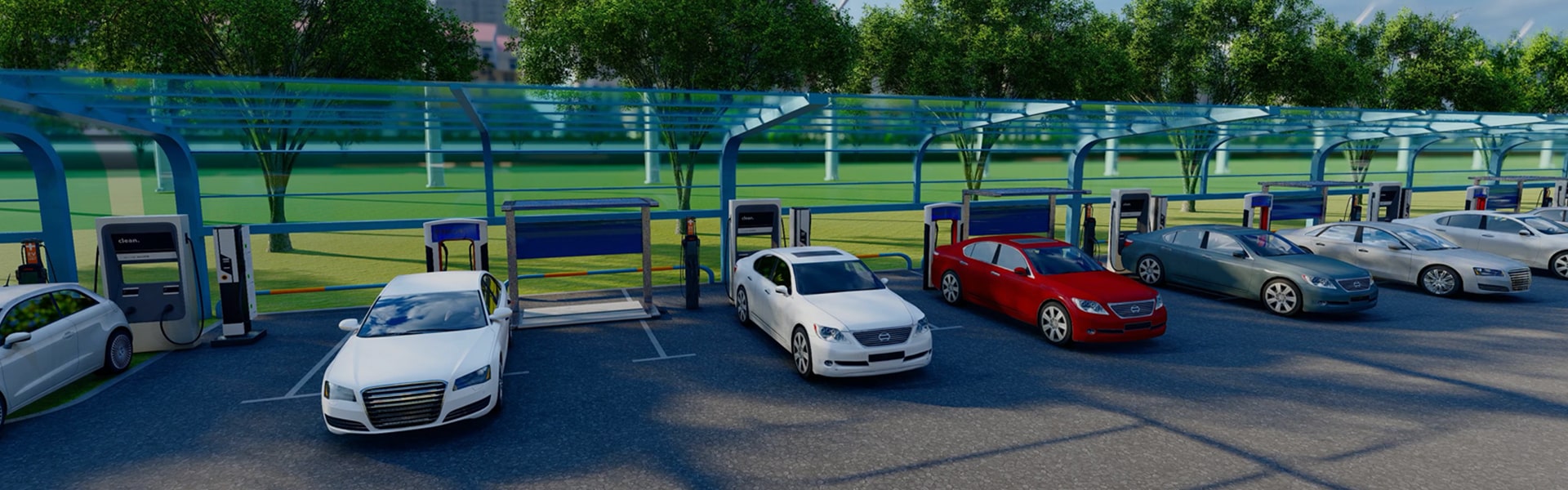
Global Logistics EV charging setup visual