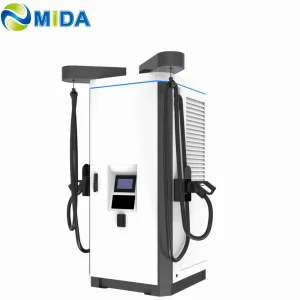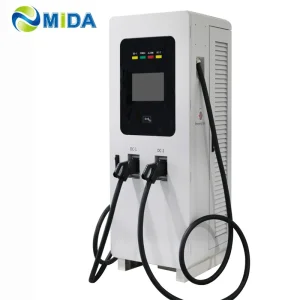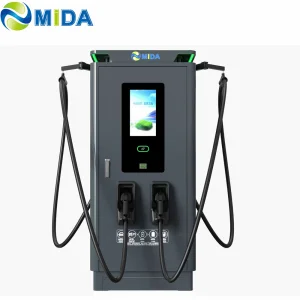
Explore our foundational range of EV charging hardware engineered for commercial fleets, transit depots, and high-capacity public networks.
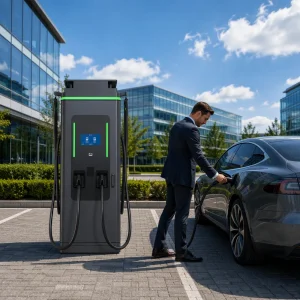
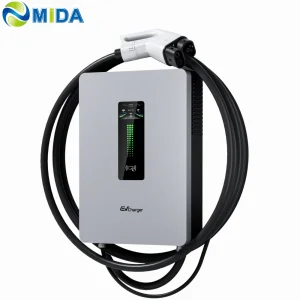
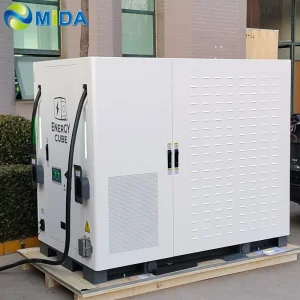
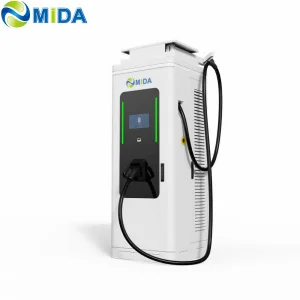
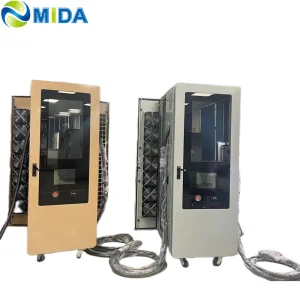
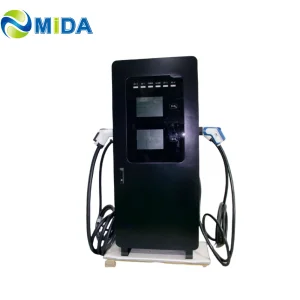
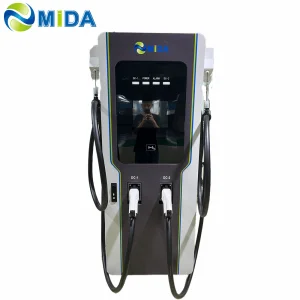
Key technical shifts and global operational demands shaping modern electric recharge station development.
The transit and heavy transport industry is moving beyond standard fast chargers to High-Power Charging (HPC) networks exceeding 1MW capacity. Advanced liquid cooling units and robust cable configurations are critical to maintaining stable thermals under prolonged high amperage load.
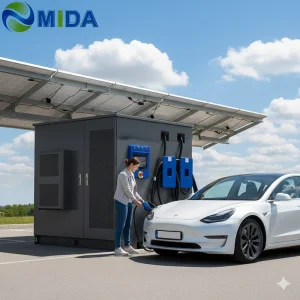
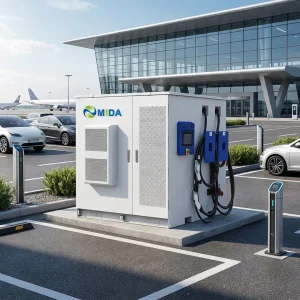
Grid capacity constraints are a major hurdle for charge point operator deployments. Integrated BESS units mitigate peak load surcharges, stabilize local sub-grids, and store solar energy from off-grid setups, guaranteeing high-power outputs even in rural locations.
Electric vehicle charging is evolving into a dynamic grid asset. Bidirectional power modules (20kW–62.5kW) enable Vehicle-to-Grid (V2G) interfaces, helping fleet operators supply power back to the grid or offset building energy demands during peak rates.
Shanghai Mida Cable Group Ltd. operates through its wholly owned subsidiaries: Shanghai Mida EV Power Co., Ltd., Shenzhen Mida EV Power Co., Ltd., and Shanghai Mida New Energy Co., Ltd.
We offer end-to-end design, engineering, and manufacturing capabilities across the EV supply chain. From advanced cabling components to megawatt-level split DC fast chargers and liquid-cooled systems, our manufacturing lines leverage automation and precision engineering.

We supply charging stations, connection modules, and cables engineered to perform reliably in demanding environments.
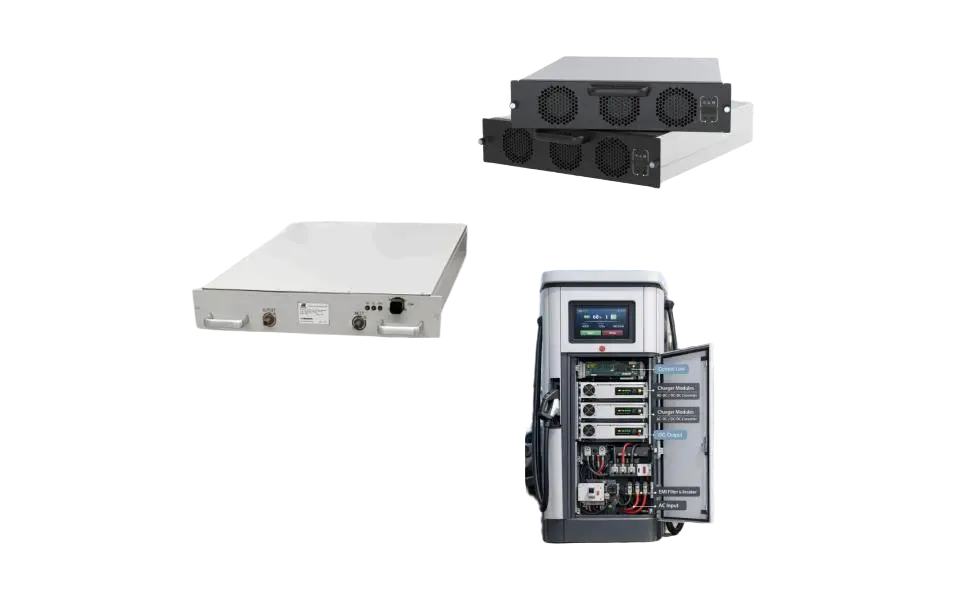
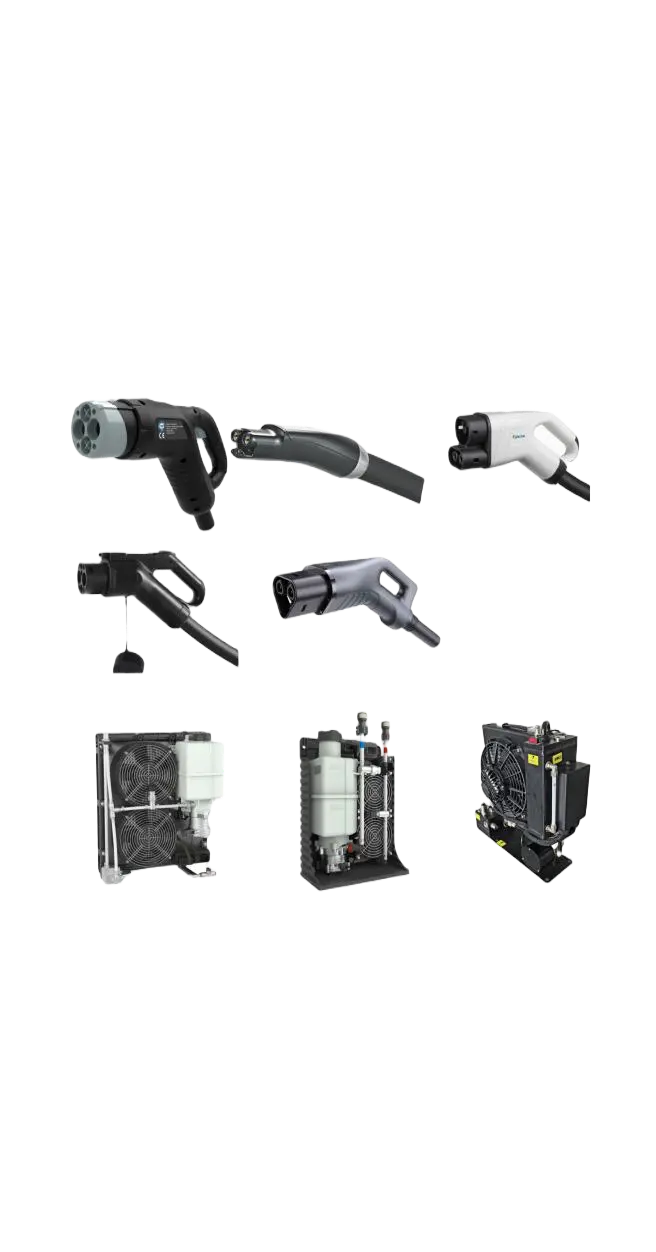
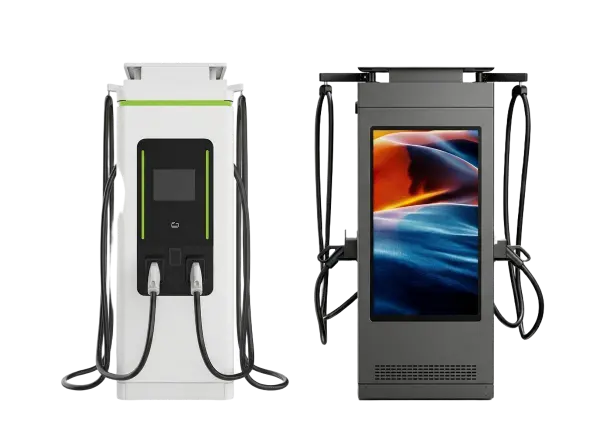
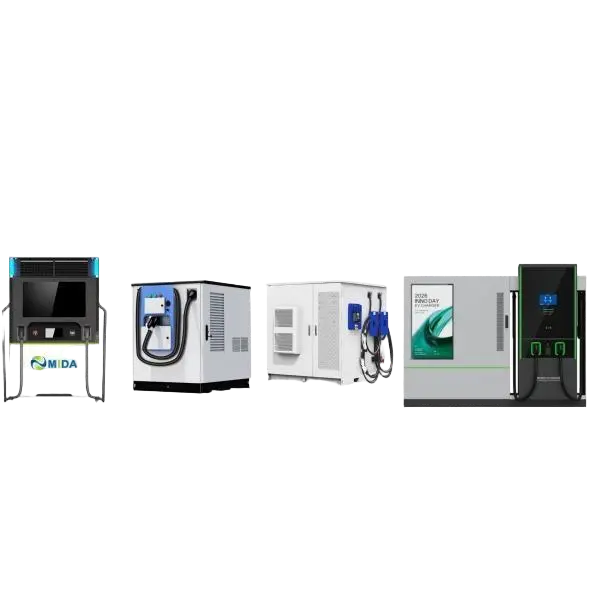
How vertically integrated manufacturing ensures quality and performance for global CPOs.
Our localized supply chain in Shenzhen and Shanghai ensures streamlined production. Unlike assemblers who source parts from third parties, MIDA Group manages production internally. This includes copper wire drawing, connector overmolding, PCB design, power module programming, and structural metal fabrication. Managing the complete lifecycle enables us to control costs, maintain assembly tolerances, and expedite lead times for large-scale orders.
Exporting to over 50 countries requires strict compliance with diverse regulatory frameworks. Our factory lines are certified to ISO 9001, ISO 14001, and IATF 16949 automotive quality standards. Our product catalog features ETL, CE, UL2231, NACS, and FCC certifications, ensuring our charging stations meet all necessary safety requirements for global installation.
Flexible EV charging equipment engineered for diverse industrial use cases worldwide.
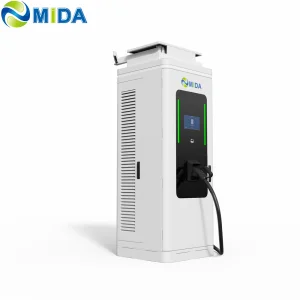
Long-distance travel networks demand ultra-fast charging to minimize driver wait times. Our split-type DC charging structures (360kW to 1680kW) dynamic-share power to supply multiple vehicles simultaneously, maximizing throughput at key travel stops.
Fleet yards for buses and delivery trucks require high energy delivery, often overnight. Integrating pantograph fast-charging domes alongside smart load management software ensures fleet readiness and avoids costly demand charges from the grid.
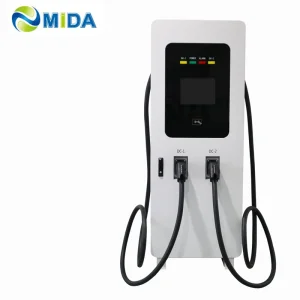
Shopping centers, hotels, and office parks leverage charging stations as customer amenities. Our integrated AC/DC wall-mounted setups and advertising-enabled charging displays offer convenient parking charging options and generate secondary ad revenue.
Technical guidance for EPC contractors, grid engineers, and commercial operators planning high-power charging networks.
Insights on pantograph technology, electric transit developments, and next-generation fleet logistics.
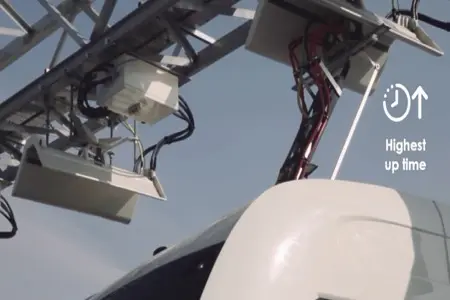
In contrast to classic plug-in charging systems, e-bus pantograph networks enable hands-free opportunity charging. Discover how overhead contact configurations automate depot charging.
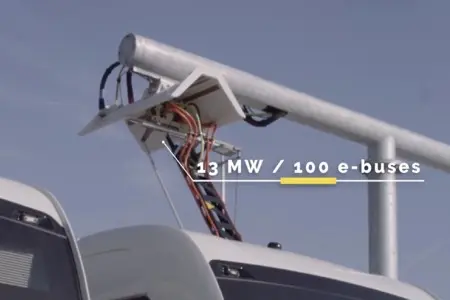
The charging time depends on the battery capacity and the overall station capacity. Learn how overhead pantograph configurations support ultra-high power levels during short layovers.
Installing a “Pantograph Up” system dome requires careful mechanical positioning, structural foundation evaluation, and seamless electrical integration to handle daily heavy fleet operations.
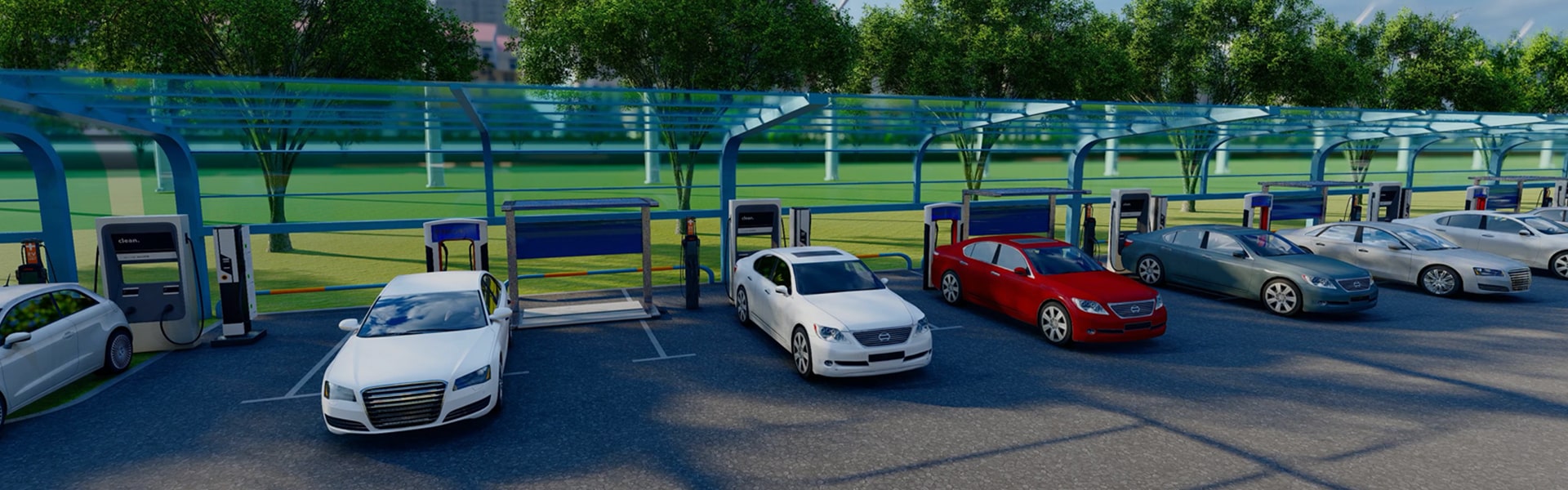
Explore our liquid-cooled units, battery storage charging systems, and modular charging stations.