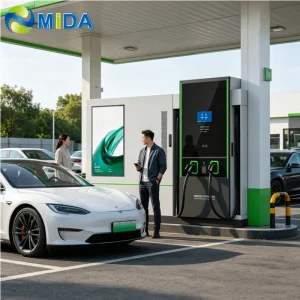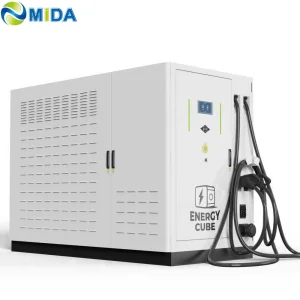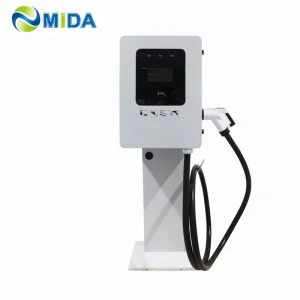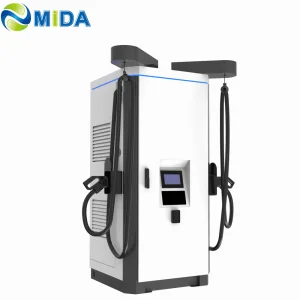
Industrial-grade power delivery designed for direct integration, high reliability, and rapid infrastructure expansion.
The global electric vehicle (EV) infrastructure is undergoing a massive shift from low-power destination charging to high-power, dynamic, and grid-responsive charging ecosystems. As fleet operators, heavy-duty logistics companies, and municipal transit agencies decommission internal combustion engines (ICE), the demand for electricity at grid edge locations has grown exponentially. Meeting this demand requires more than standard AC posts; it demands megawatt-level DC outputs and sophisticated Battery Energy Storage System (BESS) charging stations.
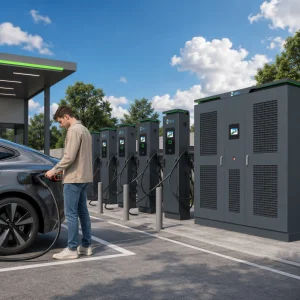
In mature logistics corridors and urban centers, high-power charging (HPC) stations operating at 360kW to 1200kW are becoming the standard to minimize vehicle downtime. However, deploying such loads poses severe challenges to regional power grids. Upgrading local substations to deliver megawatts of electricity can take years and require immense capital. To solve this, leading factories are packaging high-efficiency battery storage units directly with EV charging infrastructure. This allows operators to buffer energy during low-demand periods and discharge it at extreme speeds during charging sessions, circumventing peak-demand utility charges and local grid limitations.
Australia's state of Victoria is rapidly moving toward its target of net-zero emissions, driving massive public and private sector investments in heavy vehicle and commercial vehicle electrification. From Melbourne's busy ports to regional freight corridors along the Hume Highway, Victoria’s transition requires chargers built for harsh climates, compliance with AS/NZS electrical standards, and compatibility with local grid networks.
Key applications within Victoria include:
A vertically integrated powerhouse in EV components, power electronics, and energy storage systems.
Shanghai Mida Cable Group Ltd. operates dynamically through three specialized subsidiaries to offer a completely integrated manufacturing ecosystem: Shanghai Mida EV Power Co., Ltd., Shenzhen Mida EV Power Co., Ltd., and Shanghai Mida New Energy Co., Ltd.
By controlling the engineering and production of EV charging cables, plug connectors, internal power modules, and full-scale outdoor charging kiosks, Mida ensures unprecedented quality control, field reliability, and competitive pricing for projects globally, including the Victorian and wider Oceania markets.
Produces advanced cable solutions and high-power connectors:
Constructs turnkey charging stations and mobile power solutions:
Designs the solid-state power conversion components that drive EV setups:
Why do leading global engineering firms, regional suppliers, and charge point operators source their hardware directly from tier-one Chinese factories like MIDA? The reason lies in the advanced development of China's domestic industrial EV ecosystem. The level of supply chain optimization, vertical integration, and production capacity available in specialized hubs like Shenzhen and Shanghai is unmatched worldwide.
Key structural advantages include:
Explore our core engineering capabilities and component categories.
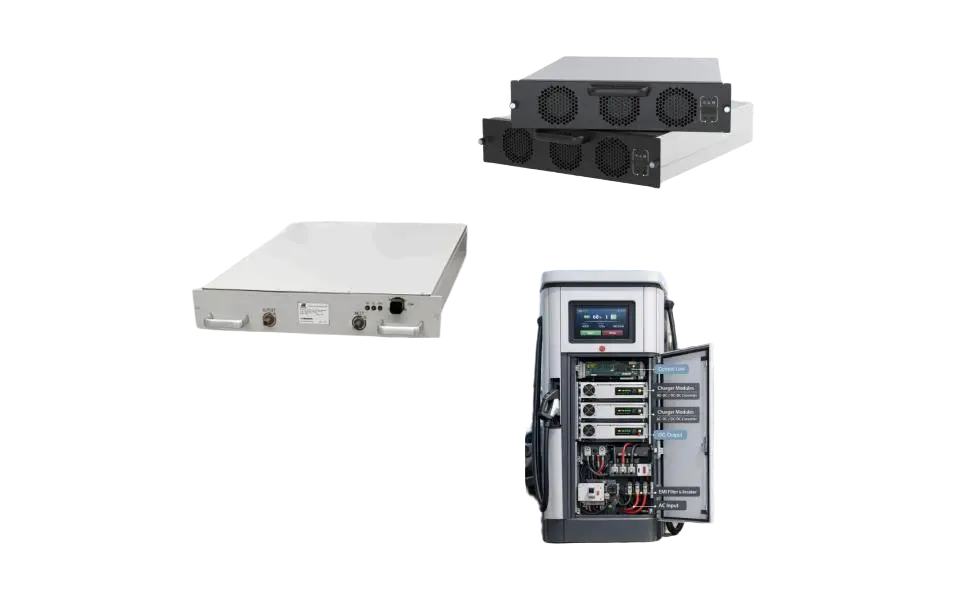
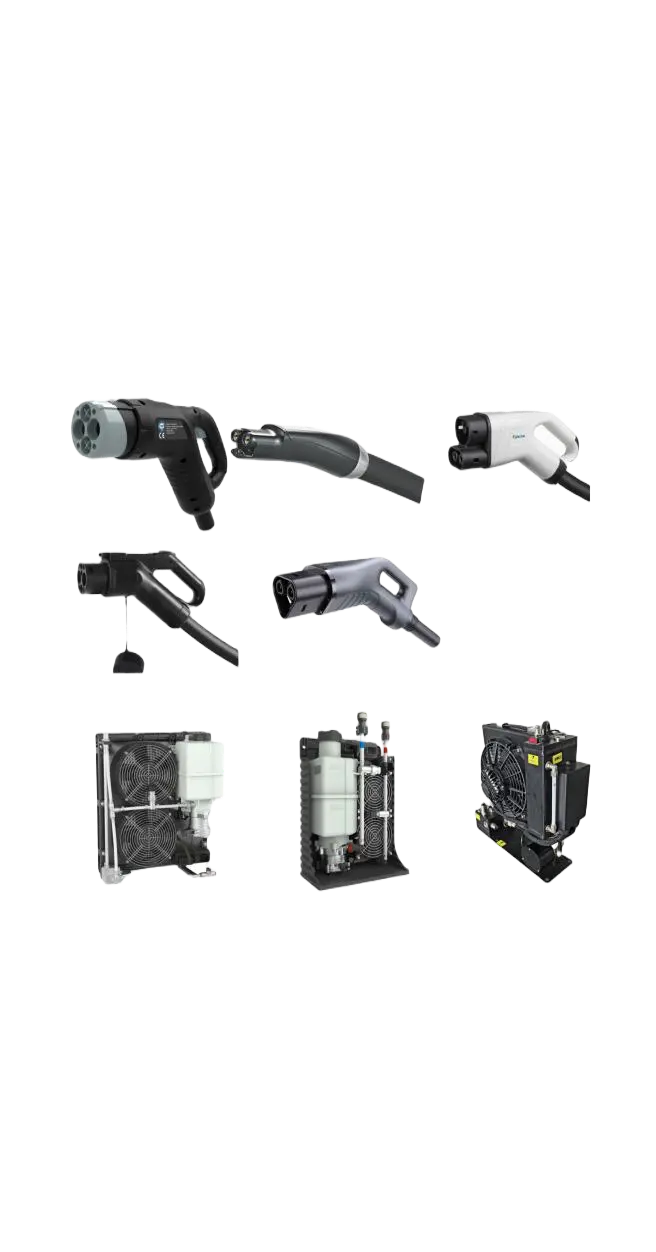
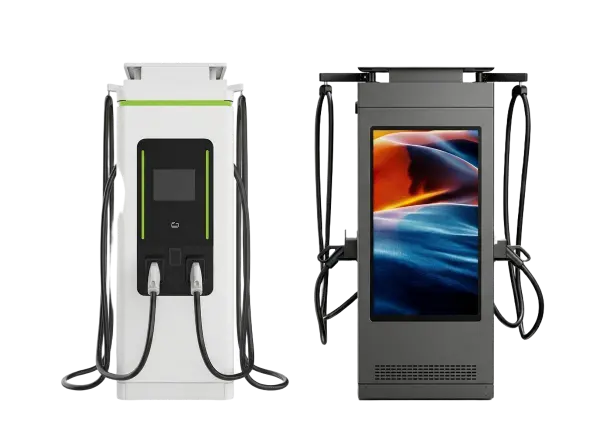
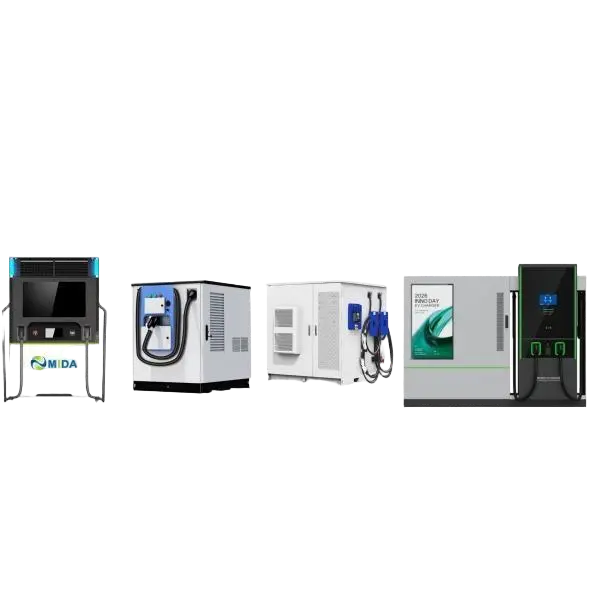
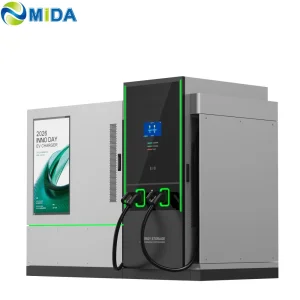
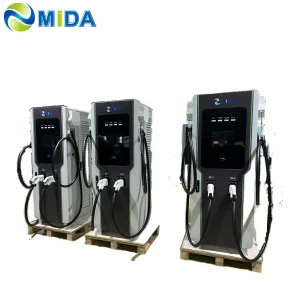
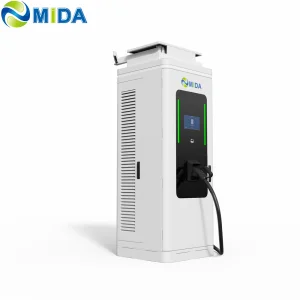
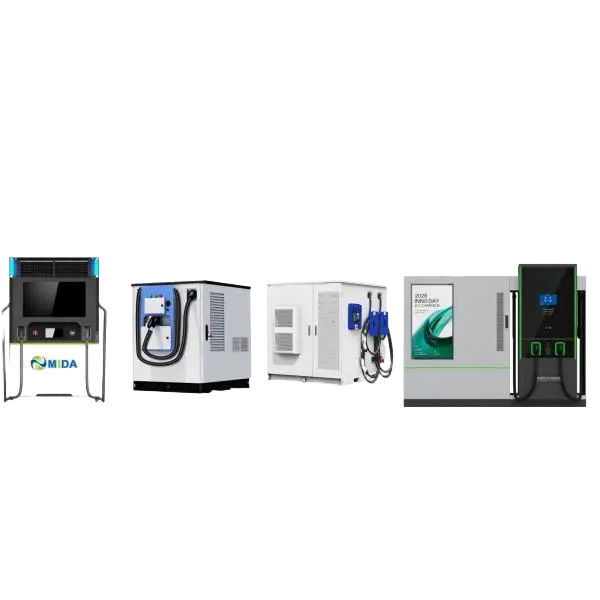
Explore the specifications of our main charging station styles, components, and integration parameters.
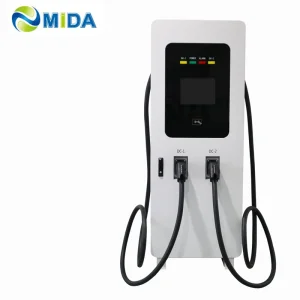
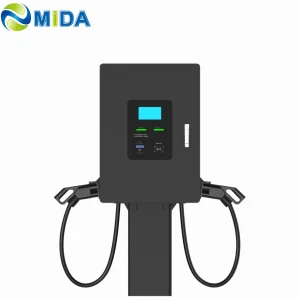
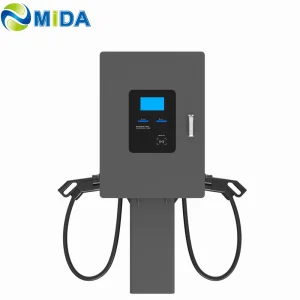
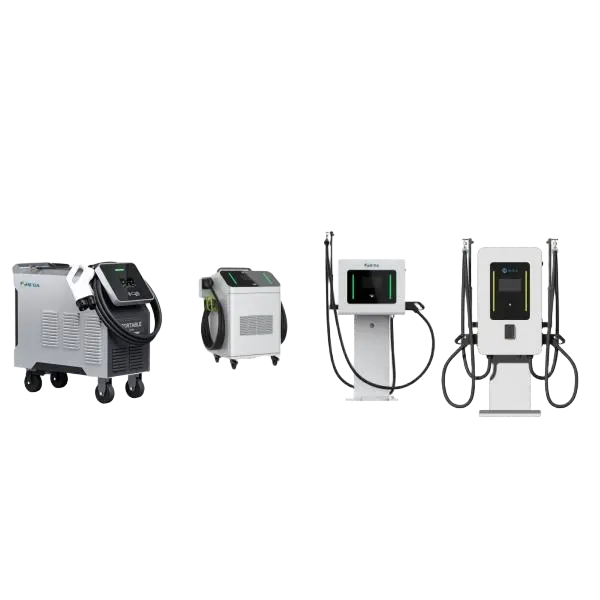
Designed for light commercial installations, vehicle dealerships, and urban depots where space is limited but fast charging is required.
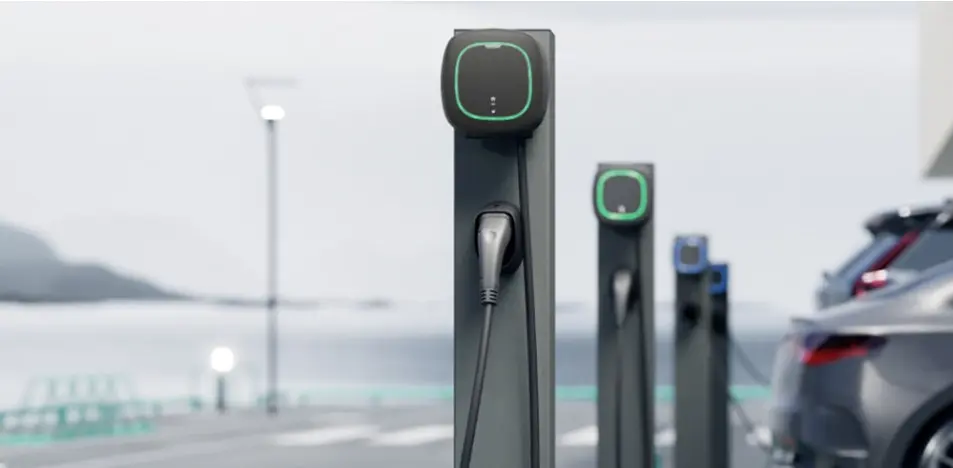
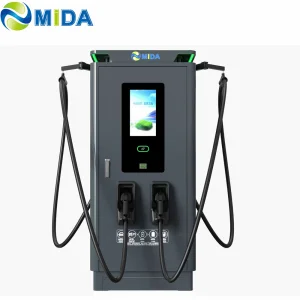
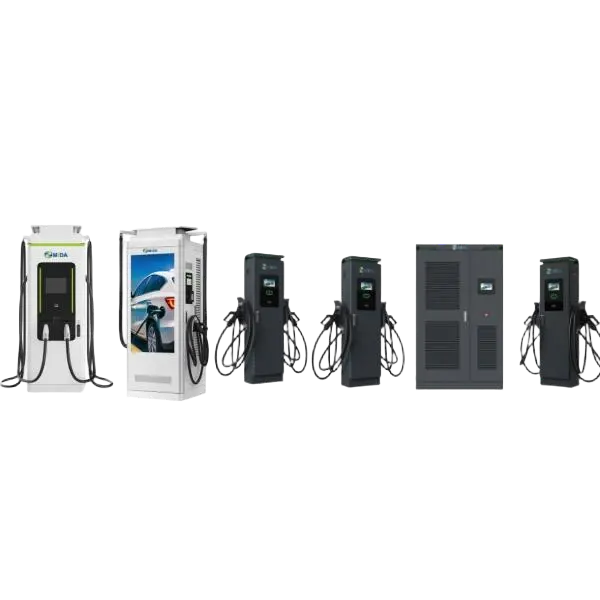
Built for heavy fleet utilization, highway service stations, and bus terminal facilities requiring multi-connector outputs.
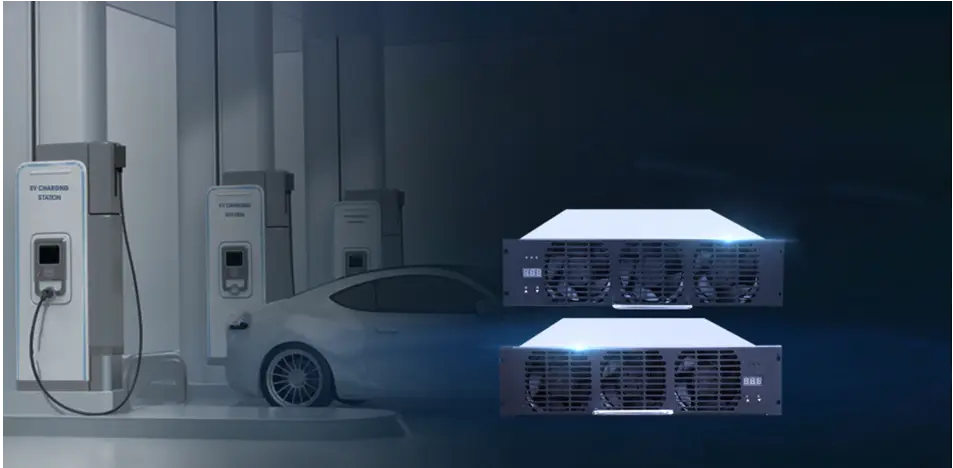
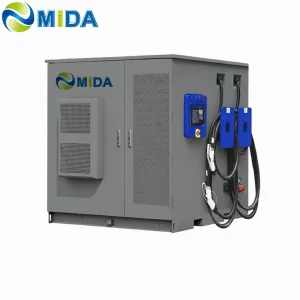
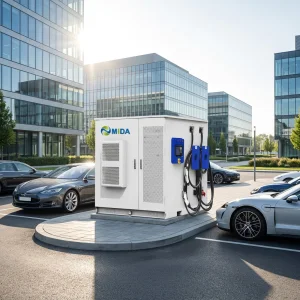
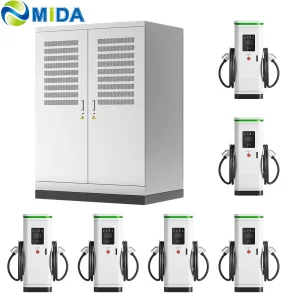
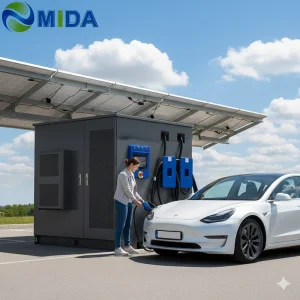
Advanced battery-buffered charging systems that store cheap grid power or renewable solar energy, allowing super-fast output without local grid overloads.
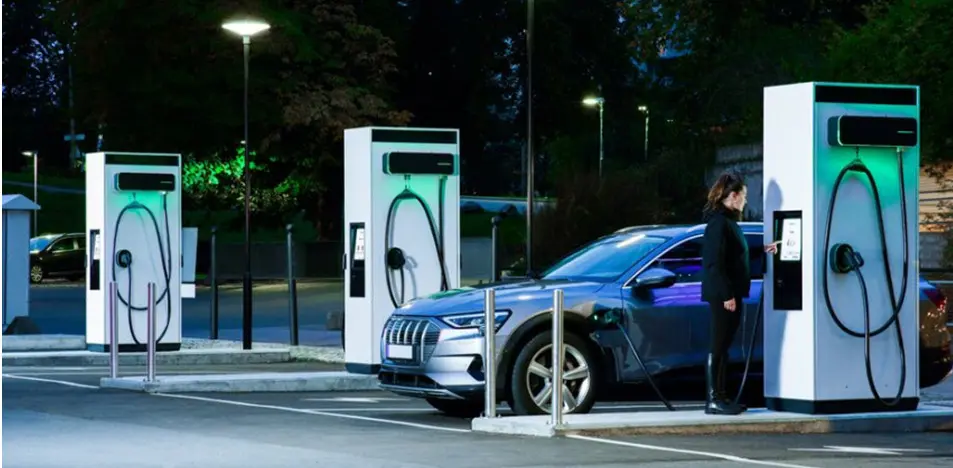
As the EV market matures, engineering standards and buyer expectations are shifting toward more integrated, resilient, and high-power setups. When choosing suppliers or factories for Victoria or international projects, several emerging trends must be factored into commercial specifications:
For charging stations handling continuously high throughput (such as public bus depots or busy highway stops), air-cooled systems are giving way to liquid-cooled setups. High-Power Charging (HPC) cables and connectors running above 350A generate significant heat. Liquid-cooled cables use thin, highly flexible lines filled with coolant to maintain low operating temperatures. This allows the stations to sustain peak power delivery without throttling, while extending the lifespan of internal electronics.
By pairing lithium battery arrays with DC power electronics, operators can build stations that perform peak shaving, load balancing, and autonomous solar energy capture. BESS systems minimize the need for high-voltage grid connections, reducing demand charges and enabling rapid deployment in locations with restricted power capacity.
Modern commercial chargers must support bidirectional power flow. Vehicle-to-Grid (V2G) capabilities allow parked vehicle fleets to serve as virtual power plants (VPPs). During peak periods on Victoria's grid, connected vehicles can discharge stored power back into the network, generating additional revenue for fleet operators.
Stay informed with the latest developments in transit electrification, pantograph technology, and urban bus charging infrastructure.
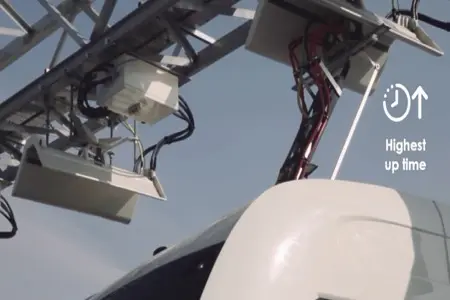
In contrast to classic plug-in charging systems, e-bus pantograph systems offer automated connection, high current throughput, and zero-touch operation for drivers.
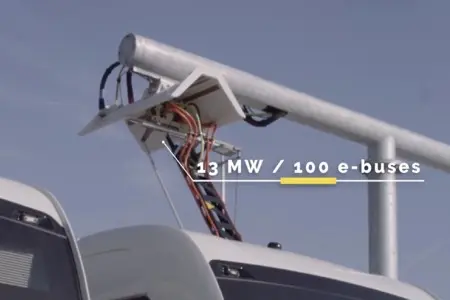
The charging time depends directly on the battery capacity of the bus and the rated power output. High-voltage pantograph units can recharge buses in 5 to 15 minutes.
Installing an overhead "Pantograph Up" dome system requires precise alignment, robust support structures, and integration with the depot's grid substation.
Heavy-duty, factory-direct components engineered for reliability and long-term performance.
Answers to common questions regarding logistics, technical specifications, and site installations.
Yes. All charging equipment exported to Australia and the Victoria region is manufactured to comply with the relevant AS/NZS standards, including AS/NZS 3000 (Wiring Rules) and specific IEC 61851 / IEC 62196 standards for electric vehicle conductive charging systems. MIDA units carry CE marking and pass rigorous quality and safety audits before dispatch.
BESS-integrated stations use built-in lithium batteries to buffer power. This allows high-power charging (e.g., 120kW to 480kW) in locations where local grid capacity is limited to 30kW or 50kW. Additionally, BESS setups help operators avoid high peak-demand utility charges by drawing power from the grid during low-cost off-peak hours or capturing energy from onsite solar arrays.
Liquid-cooled systems circulate a specialized, non-conductive coolant through the charging cable and connector. This system dissipation keeps the copper conductors cool during high current transfer (350A to 600A+), preventing overheating. This allows the station to maintain maximum output (e.g., 360kW to 1000kW+) without thermal throttling, keeping the cable thin, light, and easy to handle.
Yes. MIDA is a specialized manufacturer of high-power cables and connectors. We can configure multi-plug DC fast chargers with various combinations, such as CCS2 (for Australia/Europe), NACS (for North America), and GBT or CHAdeMO, depending on the requirements of your local fleet or public network.
Standard DC charging stations (60kW to 240kW) typically have a production lead time of 3 to 4 weeks. High-power split-type stations and custom BESS solutions can take 6 to 8 weeks depending on engineering requirements. Ocean shipping to ports in Melbourne, Victoria, generally takes an additional 2 to 3 weeks.
Yes. All MIDA DC fast charging stations are fully compliant with OCPP 1.6J and OCPP 2.0.1 protocols. This allows operators to integrate the hardware with third-party billing, user authorization, remote diagnostics, and smart load-management software platforms.
Our outdoor charging enclosures are built with IP54/IP55 ingress ratings and C4/C5 anti-corrosion level steel. They undergo salt spray chamber tests to ensure long-term durability in high-humidity, coastal, and saline environments, which are common along Victoria's coastlines.
MIDA provides comprehensive documentation, wiring diagrams, and direct technical support for local certified electrical contractors. In addition, our modular design makes troubleshooting straightforward, allowing internal modules to be easily swapped out to minimize downtime.