Explore our elite portfolio of high-efficiency DC chargers, energy storage systems, and heavy-duty utility charging stations optimized for New Zealand grids.
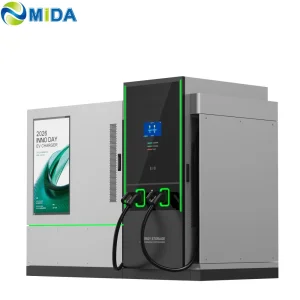
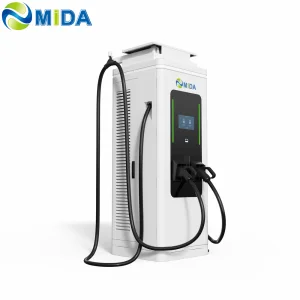
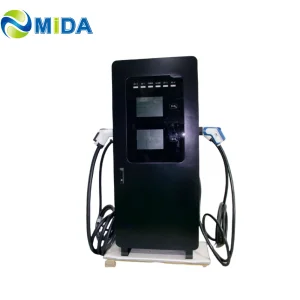
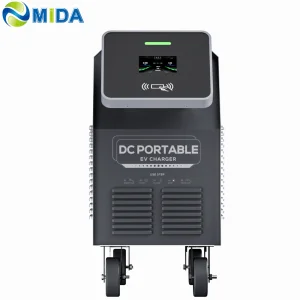
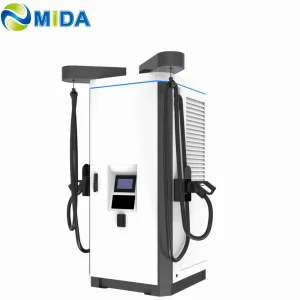
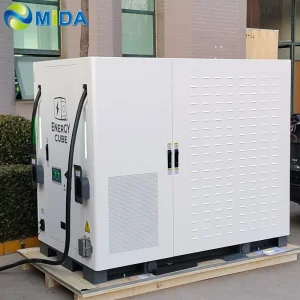
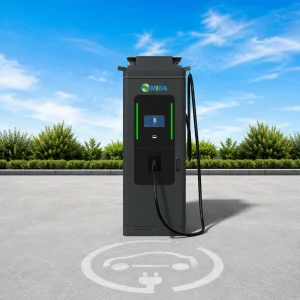
New Zealand’s geographical isolation, coupled with its ambitious commitment to achieving net-zero carbon emissions by 2050, presents unique opportunities and challenges for electric vehicle (EV) charging infrastructure. The domestic fleet transition—spanning heavy logistics, municipal public transport, regional tourism corridors, and rural agricultural operations—demands robust, reliable, and highly intelligent Charging Station hardware. Partnering with a globally verified manufacturer allows New Zealand distributors and commercial enterprises to secure high-power EVSE solutions that meet strict safety, grid-stability, and environmental resilience standards.
This whitepaper outlines the core technical specifications, manufacturing benefits, and strategic advantages of utilizing advanced Chinese factory capabilities. By focusing on critical standards like AS/NZS 3000 (Wiring Rules), the integration of local grid control via OCPP 1.6J/2.0.1, and hybrid Battery Energy Storage Systems (BESS), we provide an optimized blueprint for NZ infrastructure managers, operators, and EVSE installers.
The global EV supply chain is concentrated in China, which has established unparalleled advantages in industrial scale, component innovation, and raw cost efficiency. For New Zealand importers, distributors, and EPC contractors, purchasing directly from a top-tier Chinese factory offers several crucial benefits:
From manufacturing premium copper EV charging cables to designing custom power modules (liquid-cooled or bidirectional), our fully integrated supply chain facilitates rapid ODM adaptation for local New Zealand specs.
Our manufacturing processes strictly adhere to strict quality regulations. Products carry CE, TUV, ETL, UL, and RCM marks, directly satisfying WorkSafe NZ's safety guidelines and electrical standard compliance.
New Zealand’s coastal environments and intense UV index necessitate superior outdoor resilience. We design our enclosures with anti-corrosion marine coatings, IP55/IP65 ingress ratings, and reliable smart cooling modules.
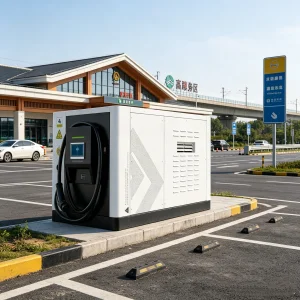
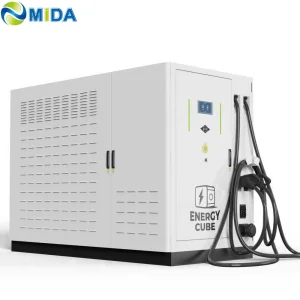
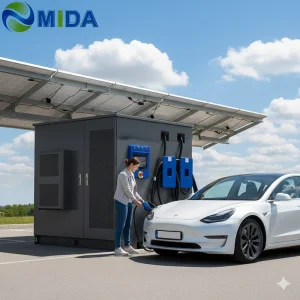
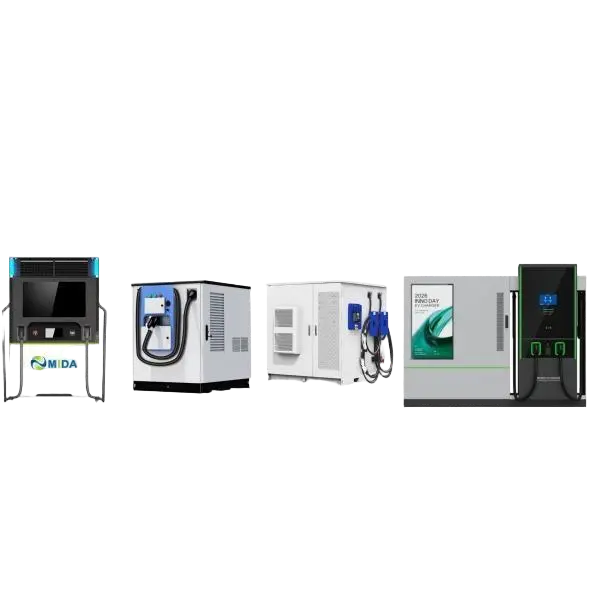
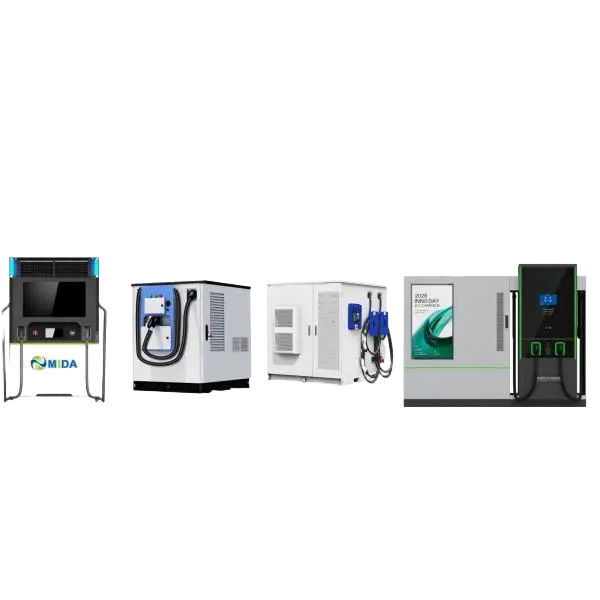
New Zealand's scenic highways, such as those through the Southern Alps or around the Coromandel Peninsula, experience high volumes of tourist EVs but suffer from limited grid capacity. Deploying our BESS Integrated Charging Stations (e.g., 200kWh 120kW or 418kWh 240kw variants) allows operators to store energy during low-demand periods and deliver high-power DC fast-charging to travelers without stressing local rural networks.
As farmers and agriculture firms transition their heavy utility fleets to electric traction, they need robust charging systems in remote areas. Our off-grid mobile EV chargers with MPPT solar controllers allow farms to maximize their on-site solar generation, charging tractors and logistics vehicles directly from local renewable energy.
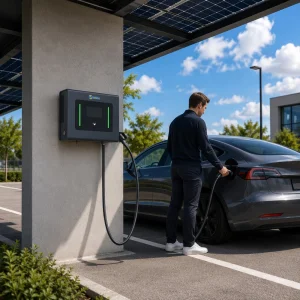
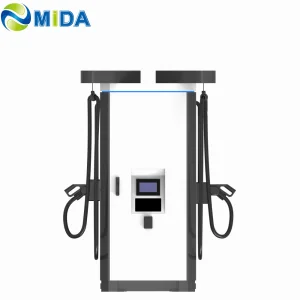
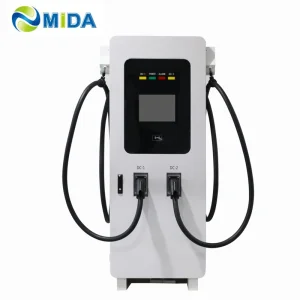
Commercial centers require high-density charging setups that can support different vehicle types. By utilizing our dual-port CCS2/CHAdeMO/NACS DC charging systems coupled with intelligent OCPP dynamic load management, facility owners can prevent overloading grid connections during peak hours while offering premium fast-charging capabilities to visitors.
The future of EV infrastructure in New Zealand rests on balancing grid stability with the demand for rapid charging. Our macro solutions focus on three key pillars:
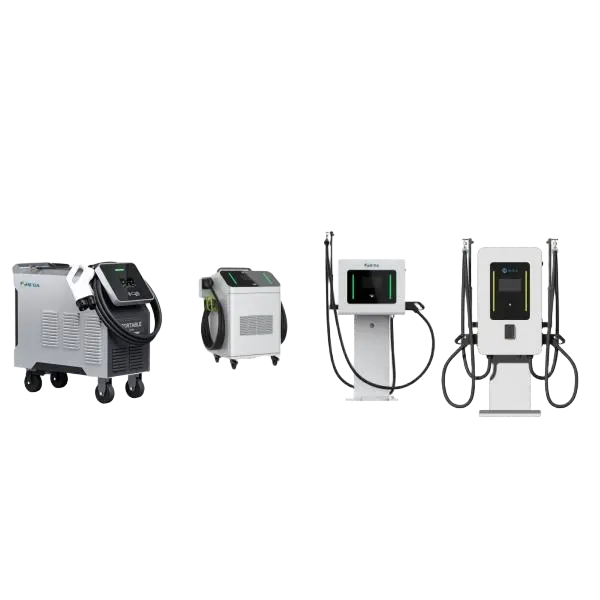
Explore our diverse equipment categories, ranging from standard urban AC terminals to heavy-duty industrial BESS systems.
Capacity Range: 7kW | 20kW | 30kW | 40kW | 60kW | 80kW
 View More
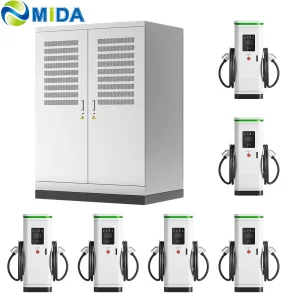
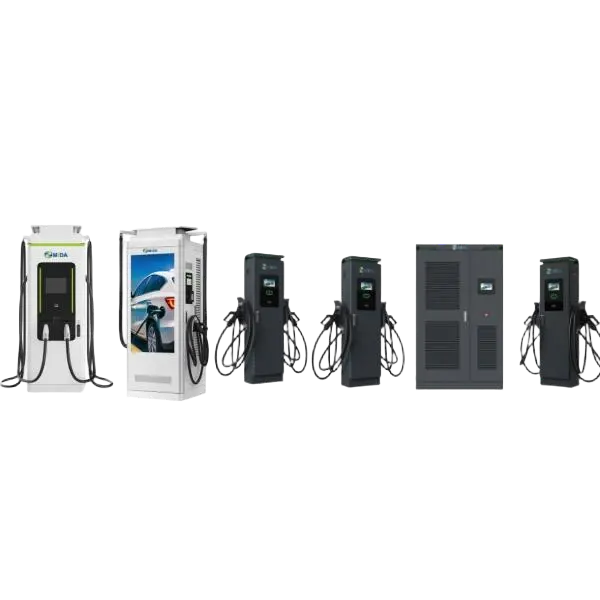
Capacity Range: 60kW-480kW | 360kW-1440kW
 View More
Capacity Range: 60kWh | 261kWh | 418kWh | 625kWh | 2MkWh
 View More
Shanghai Mida Cable Group Ltd. operates through its wholly owned subsidiaries: Shanghai Mida EV Power Co., Ltd., Shenzhen Mida EV Power Co., Ltd., and Shanghai Mida New Energy Co., Ltd.
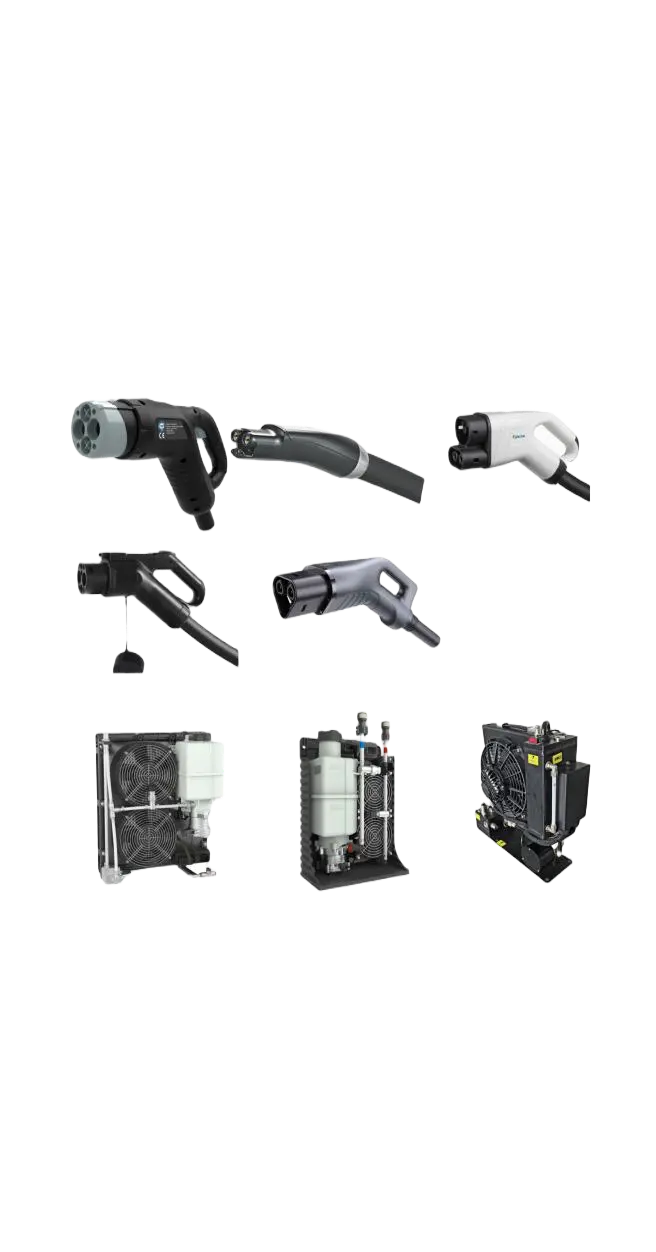
Mida Cable manufactures a comprehensive range of EV charging cables, including 16A–80A J1772 cables, 16A–63A IEC 62196-2 Type 2 cables, and DC fast charging cables: CCS1 (80A–500A), CCS2 (125A–1000A), CHAdeMO (125A–300A), GBT (200A–1000A), and NACS connectors (250A–600A).
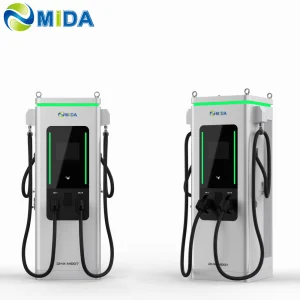
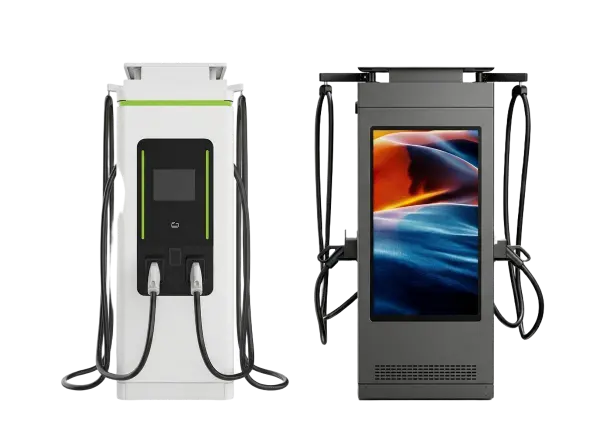
MIDA EV Power produces a full lineup of EV charging stations, such as 7kW–50kW mobile chargers, 3.6kW–7.2kW portable DC chargers, 360kW–1440kW split-type DC fast chargers, 20kW–50kW wall-mounted DC chargers, and 60kW–480kW floor-standing DC fast charging stations.
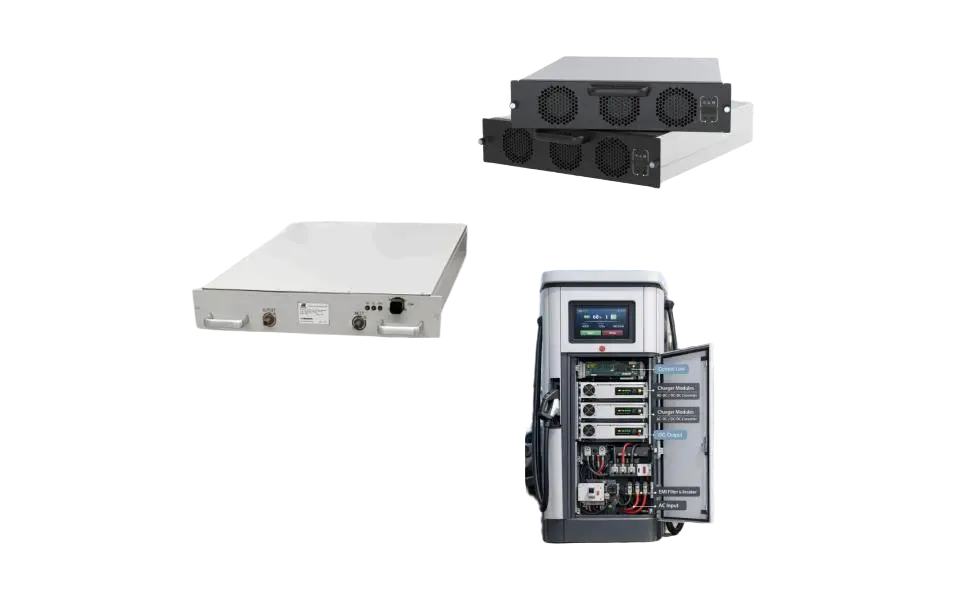
MIDA New Energy specializes in EV charger power modules, offering 20kW–60kW standard modules, 40kW–125kW liquid-cooled modules, 30kW–62.5kW bidirectional modules, and 20kW–45kW V2G charging modules.

Technical layout of components and systems designed to support high-performance operations.
Stay updated with the latest technological releases and implementation projects from Mida Group.
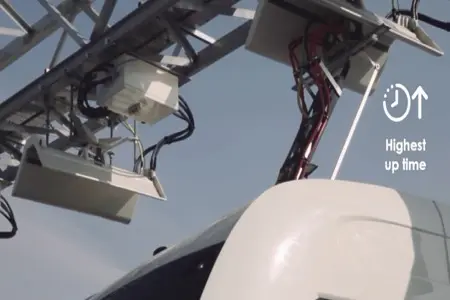
In contrast to classic plug-in charging systems, e-bus pantograph dome mechanisms allow for automated rapid charging overhead during route dwell periods.
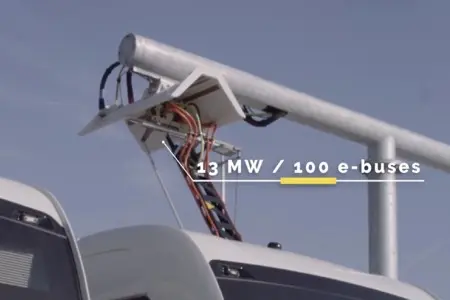
The charging time depends on the battery capacity and the station output power. Mega-watt level pantograph inputs can replenish a transit bus to 80% charge in minutes.
Installing a “Pantograph Up” system dome requires careful structural matching, overhead safety clearances, and integration with local municipal grid facilities.
Addressing key technical, regulatory, and purchasing inquiries regarding EV Charging Stations for New Zealand.
High-power DC charging terminals, emergency vehicle charging units, and industrial battery energy systems.