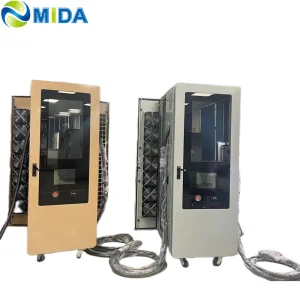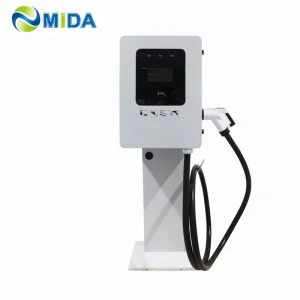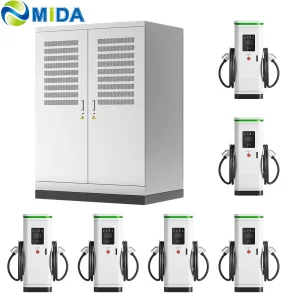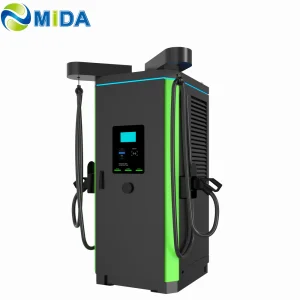
Explore our top industrial-grade fast chargers, diagnostic systems, and power-dense charging infrastructure.

Historically, residential electric vehicle (EV) charging has been dominated by Level 1 and Level 2 Alternating Current (AC) chargers. These chargers utilize the vehicle's onboard charger (OBC) to convert AC power from the grid into Direct Current (DC) stored in the vehicle's traction battery. However, the OBC represents a major bottleneck—restricted by size, thermal limitations, and manufacturing costs, most residential onboard chargers are limited to 7 kW, 11 kW, or at most 22 kW. This results in prolonged charging sessions that fail to satisfy the dynamic requirements of fleet vehicles parked at home, high-mileage drivers, or dynamic microgrid applications.
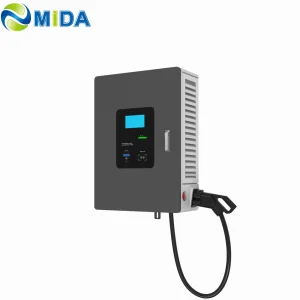
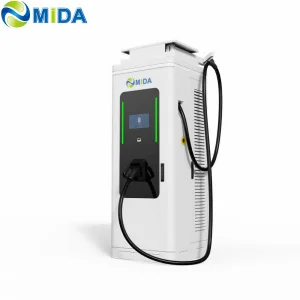
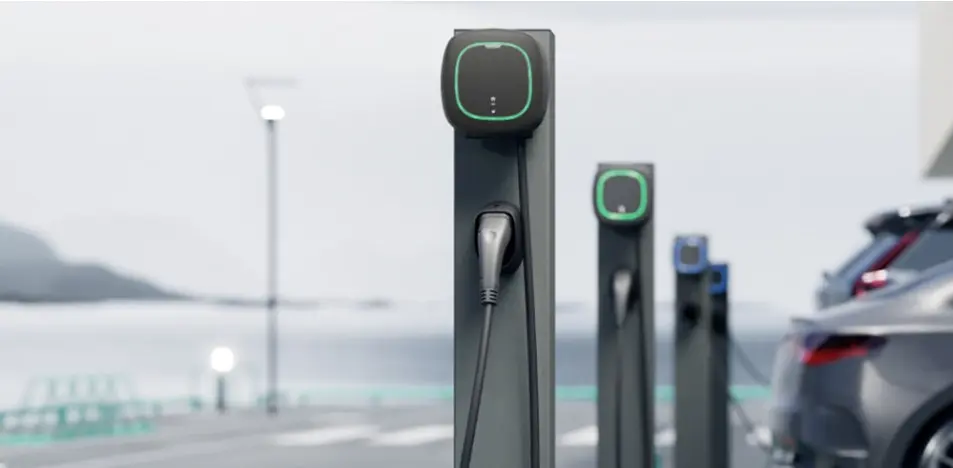
The emergence of the DC Fast Charger for Home marks a pivotal technological transition. By relocating the power conversion process from the vehicle's internal chassis to an external, wall-mounted or pedestal-mounted cabinet, home DC chargers bypass the onboard charger limitations entirely. These chargers inject high-voltage DC power directly into the battery pack, dramatically compressing charging cycles. Today’s premier factories are engineering ultra-compact, high-efficiency 20 kW to 40 kW DC charging systems that operate safely on residential and light commercial grid feeds.
Logistics operators, corporate fleets, and municipal utility networks are standardizing home-based overnight DC charging to resolve depot congestion. Providing employees with domestic fleet chargers allows companies to leverage lower residential overnight utility rates while ensuring vehicles are charged to 100% capacity within 1 to 2 hours. This eliminates the need for fleets to deviate from their delivery routes to access expensive public high-power charging networks.
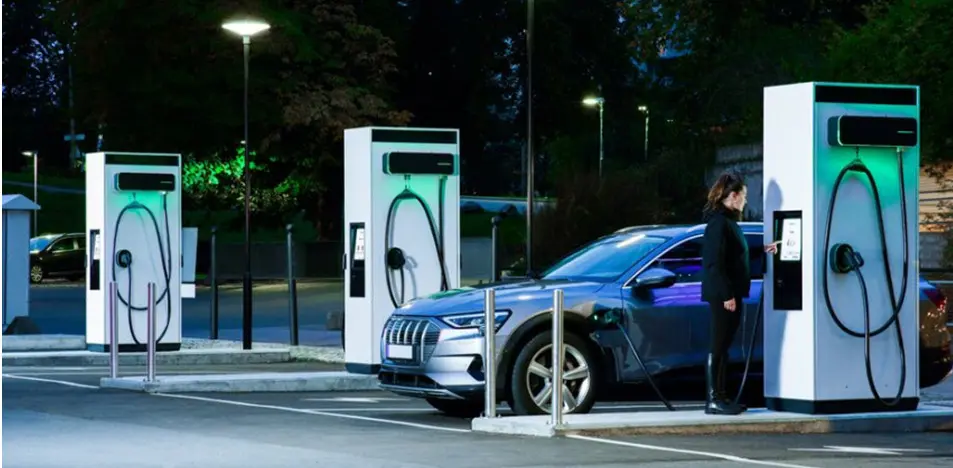
Shanghai Mida Cable Group Ltd. serves as a premier global OEM/ODM manufacturer in the EV infrastructure ecosystem, operating through its wholly owned, highly specialized subsidiaries: Shanghai Mida EV Power Co., Ltd., Shenzhen Mida EV Power Co., Ltd., and Shanghai Mida New Energy Co., Ltd. This corporate integration allows MIDA to oversee every phase of production, from raw raw material sourcing and cable extrusion to advanced digital controller programming and power module assembly.
Mida Cable manufactures a comprehensive range of high-performance EV charging cables, including 16A–80A J1772 cables and 16A–63A IEC 62196-2 Type 2 cables. To support ultra-fast charging architectures, Mida delivers industry-leading liquid-cooled and standard DC fast charging cables, featuring:
• CCS1 (80A–500A)
• CCS2 (125A–1000A)
• CHAdeMO (125A–300A)
• GBT (200A–1000A)
• NACS connectors (250A–600A) for North American markets.
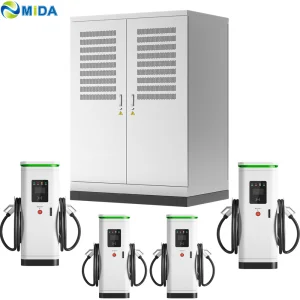
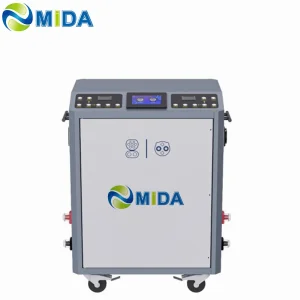
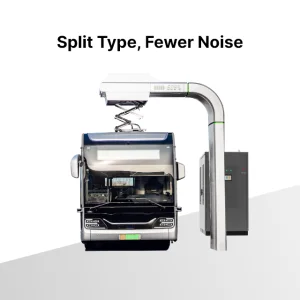
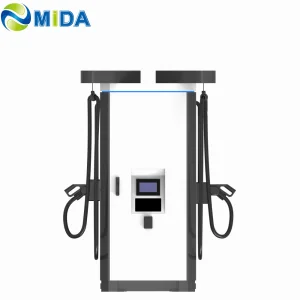
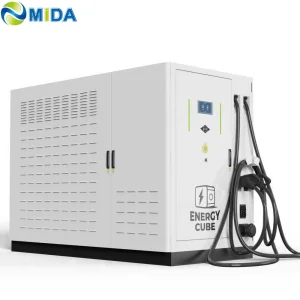
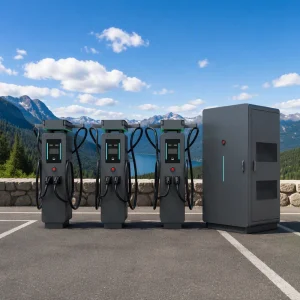
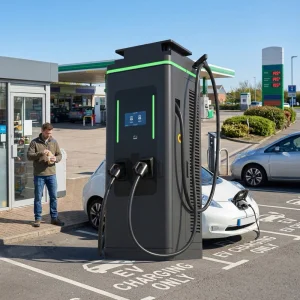
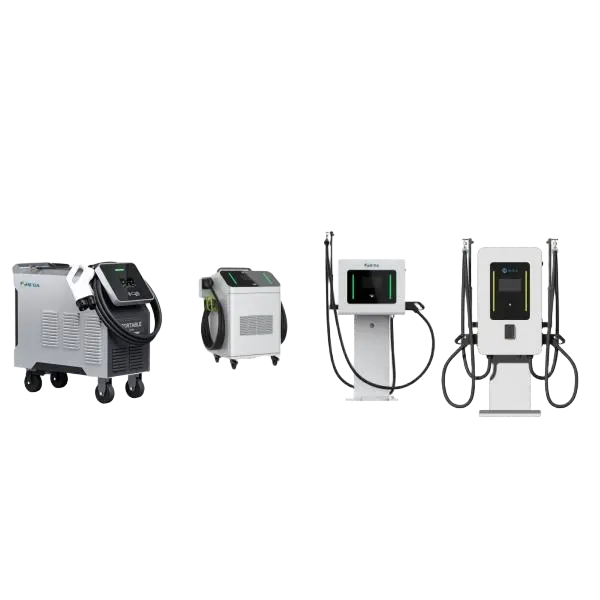
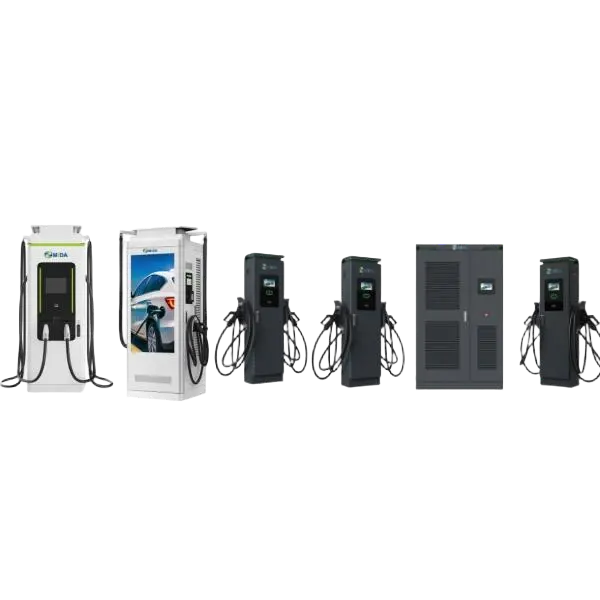
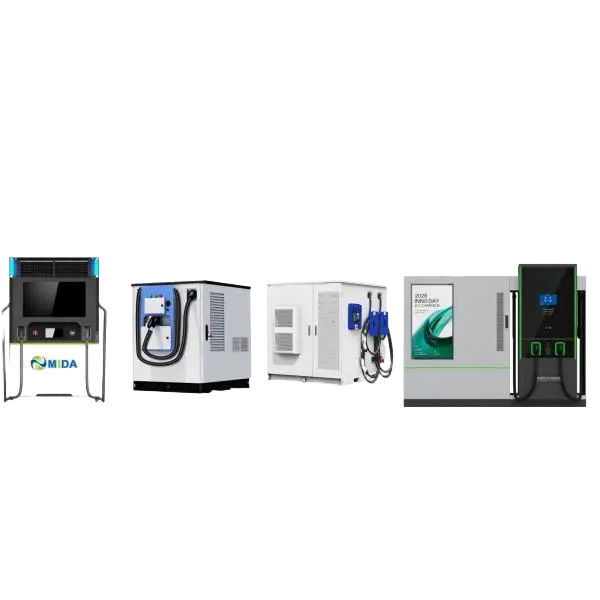
MIDA EV Power produces a full, state-of-the-art lineup of EV charging stations, tailored for diverse environments. The portfolio features 7kW–50kW mobile chargers, 3.6kW–7.2kW portable DC units, 20kW–50kW space-saving wall-mounted DC units, 60kW–480kW floor-standing DC charging systems, and industrial-grade 360kW–1440kW split-type supercharging systems.
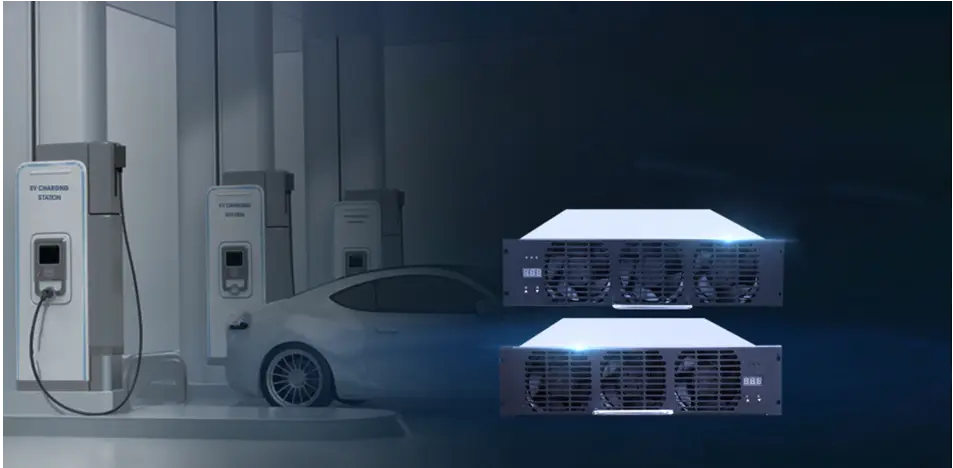
MIDA New Energy focuses on the power core of charging infrastructure, engineering high-efficiency EV charger power modules. This includes 20kW–60kW standard air-cooled modules, 40kW–125kW liquid-cooled power modules, 30kW–62.5kW bidirectional modules for V2G/V2H applications, and specialized 20kW–45kW active V2G charging modules.

In modern high-frequency power electronics design, traditional silicon-based insulated-gate bipolar transistors (IGBTs) are being phased out in favor of Silicon Carbide (SiC) Metal-Oxide-Semiconductor Field-Effect Transistors (MOSFETs). MIDA's next-generation EV charger power modules utilize SiC components to unlock significant operational advantages:
1. Reduced Power Dissipation: SiC devices feature a wider bandgap than standard silicon, yielding lower switching losses and minimal conduction losses. This allows the home DC charger to maintain thermal stability even at maximum output, reducing structural cooling demands.
2. High-Frequency Operations: Elevated switching frequencies permit the integration of smaller magnetic components (such as inductors and transformers) inside the power module, decreasing the physical footprint of home wall boxes while sustaining high power outputs (up to 40 kW).
3. Thermal Ruggedness: Liquid-cooled power modules engineered by MIDA New Energy operate without external ventilation, shielding the internal components from dust, salt, moisture, and corrosive pollutants. This extends the service life of domestic and light commercial charging piles to over 10 years.
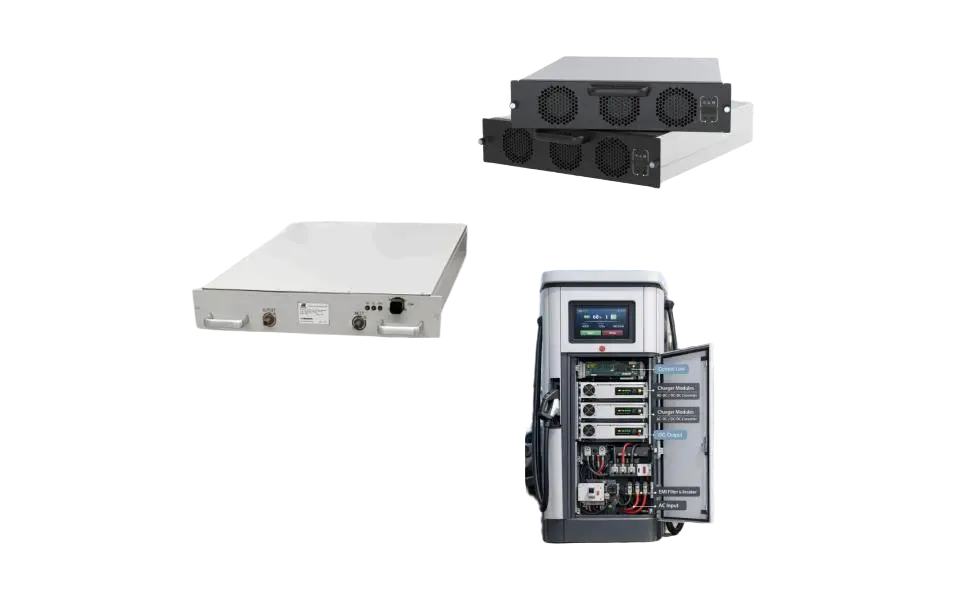
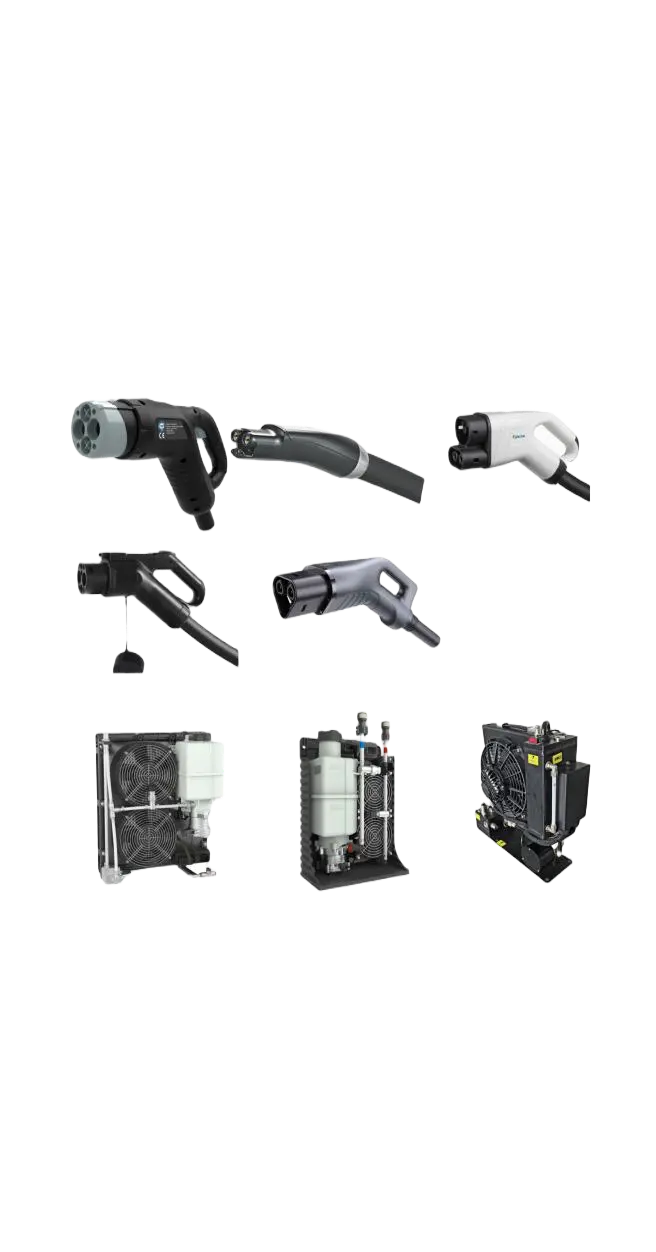
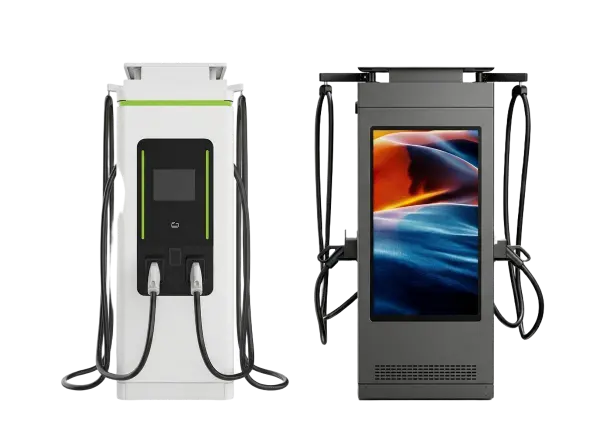
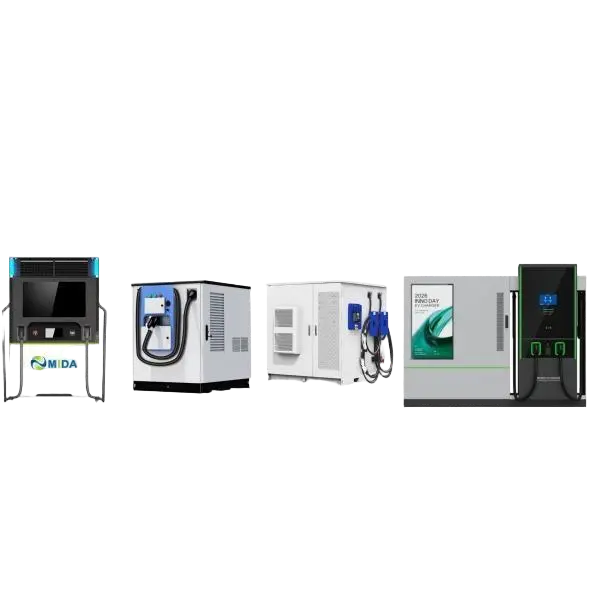
Operating EV chargers in different parts of the world requires strict compliance with varying safety standards. To qualify for residential and commercial infrastructure incentives, a charger must carry national and regional safety certifications. Working with an OEM/ODM provider like MIDA Group simplifies compliance through certified platforms:
• North America: Equipment must meet UL 2202 (standard for safety of DC fast charging equipment) and UL 2231 (personnel protection systems). Systems must also comply with FCC Part 15 class B parameters for EMI emission prevention in home installations.
• Europe & UK: Equipment must carry the CE, UKCA, and CB marks, conforming to IEC 61851-1, IEC 61851-23 (DC charging stations), and the strict safety guidelines of the Low Voltage Directive (LVD).
• Communication Protocols: Open Charge Point Protocol (OCPP) 1.6J and 2.0.1 compliance is required to enable integration with back-office billing, diagnostics, load management, and energy monetization platforms.
MIDA products undergo end-to-end quality control and hardware verification in our ISO 9001:2015 certified factories. Heavy-duty testing systems like the CCS1 CCS2 DC Charger Station Tester verify voltage, current limit compliance, response times, and safety relay functionality before shipping, mitigating on-site deployment risks.
Keep pace with MIDA Group’s engineering developments in advanced transit charging and infrastructure systems.
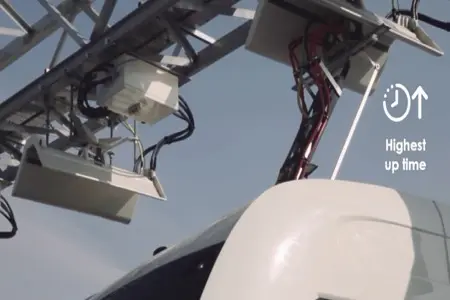
What are the advantages of an e-bus pantograph dome? In contrast to classic plug-in charging systems, e-bus pantograph charging offers high-power automated energy transfer, lowering depot space requirements and vehicle hook-up times...
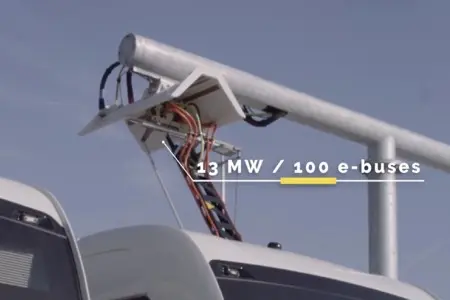
How long does it take to charge with an e-bus pantograph? The charging time depends on the battery capacity and the station's configuration. High-power systems can recharge transit bus packs to 80% during brief scheduled stops...
How to Install the Pantograph Up Charger System Dome for Electric Bus. Installing an automated overhead dome system requires structural anchoring, alignment sensors, and high-capacity electrical interfaces for safe operational handshakes...
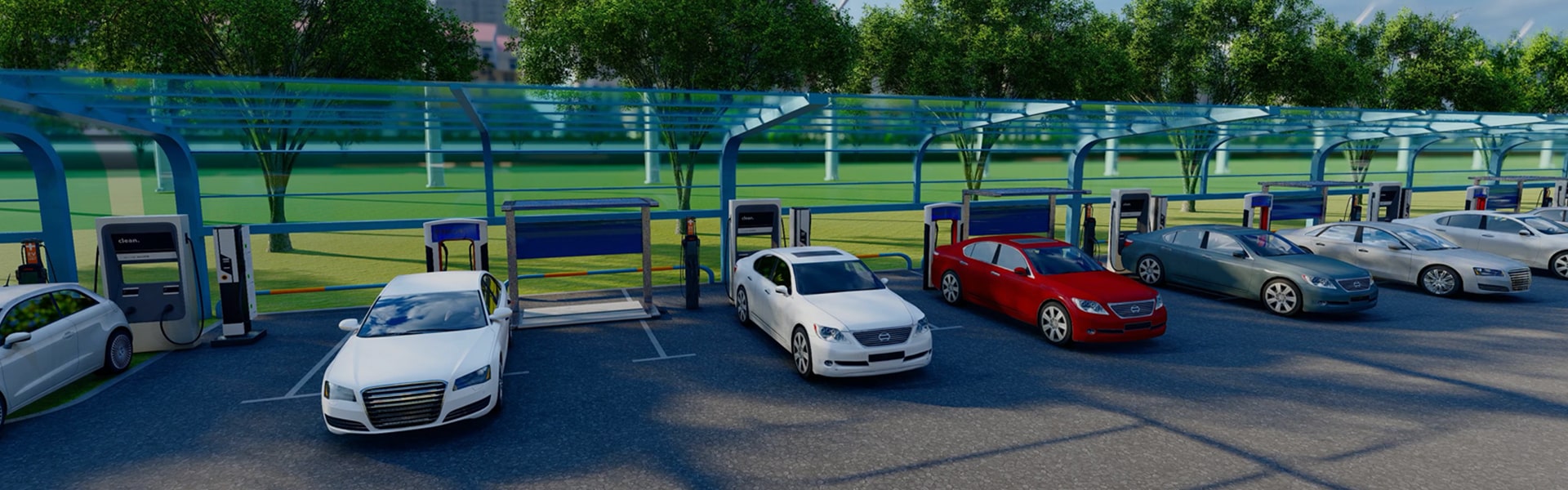
Key technical details on home DC fast charging systems, installation limits, and smart grid protocols.
Explore our commercial wall-boxes, split power systems, and high-efficiency cabinets.