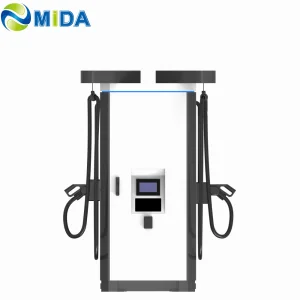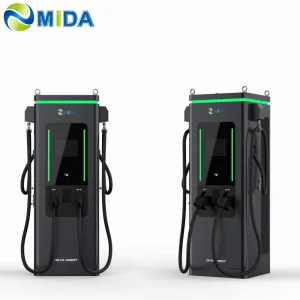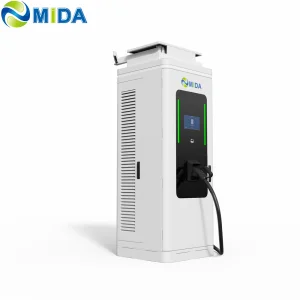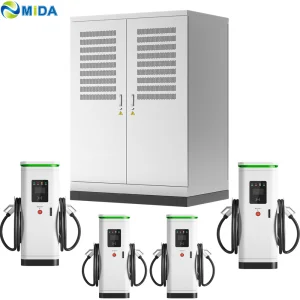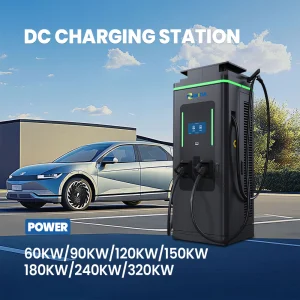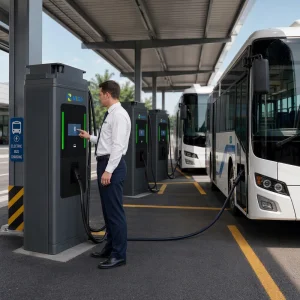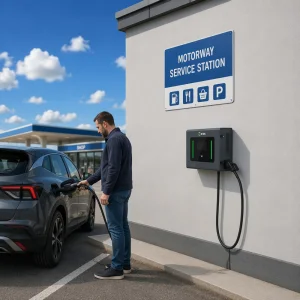
Explore our engineering-grade EV charging infrastructure products configured for commercial deployments, public stations, and laboratory validation.
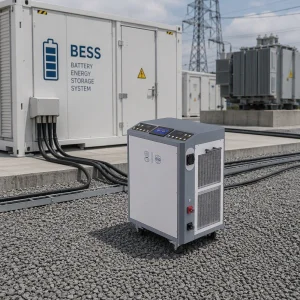
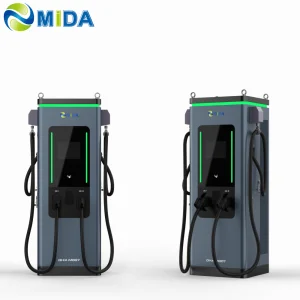
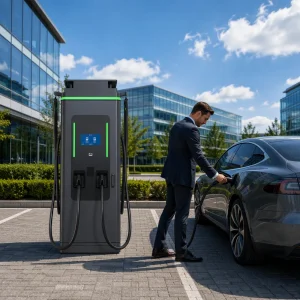
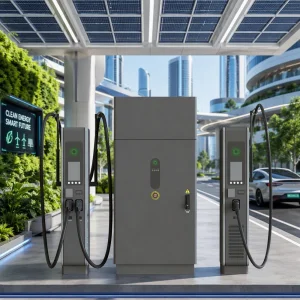
As fleet operators, electric utilities, and charge point operators (CPOs) worldwide accelerate electrification programs, purchasing paradigms are shifting from basic hardware sourcing to comprehensive lifecycle integration. Global demand is heavily influenced by dynamic power allocation demands, regional protocol support, grid interconnection complexities, and localization regulations.
Procurement teams now prioritize modular architecture platforms, allowing seamless capacity expansions (e.g., upgrading from a 120kW power stack to a 240kW system) without digging new trenches or replacing central cabinets. Critical factors include total cost of ownership (TCO), Mean Time Between Failures (MTBF) of power modules, and strict compliance with national programs, such as America's NEVI requirements (Build America, Buy America) and Europe's AFIR regulations.
Discover our comprehensive product categories, spanning high-voltage AC units to multi-megawatt split-type DC charging stacks.
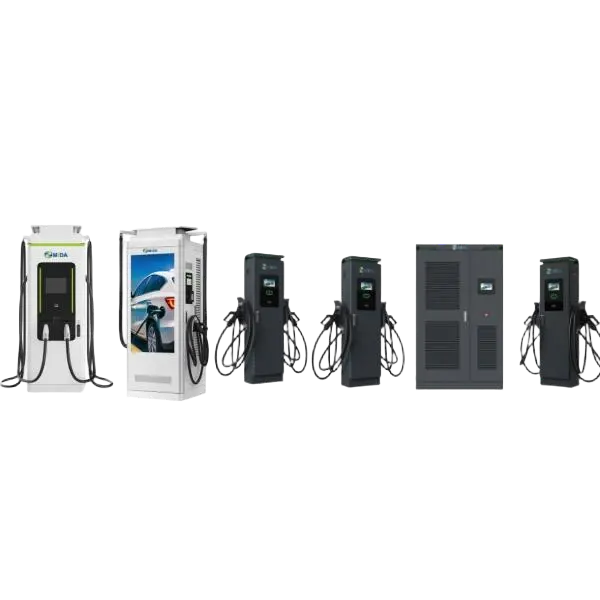
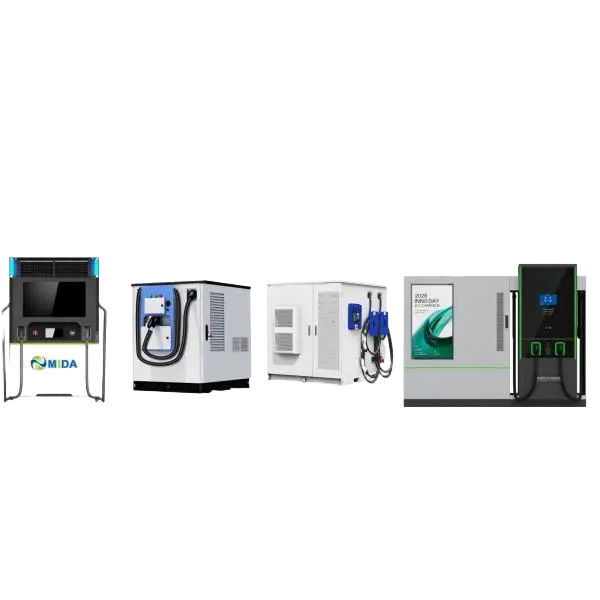
High-efficiency engineering approaches resolving modern electrical grid constraints and fleet operating limits.
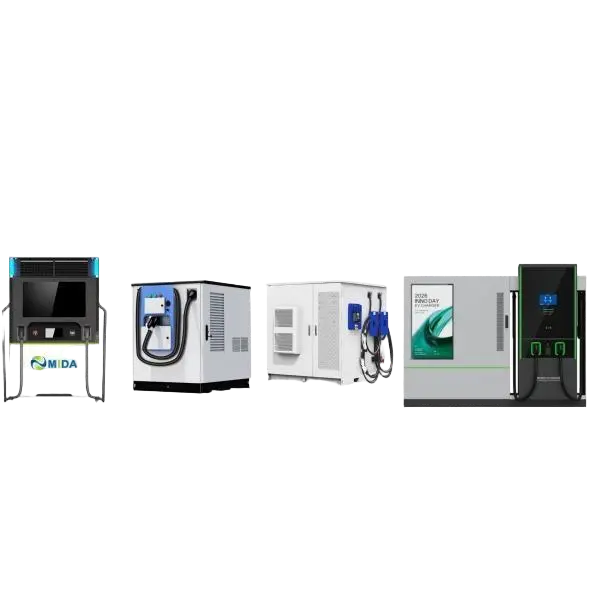
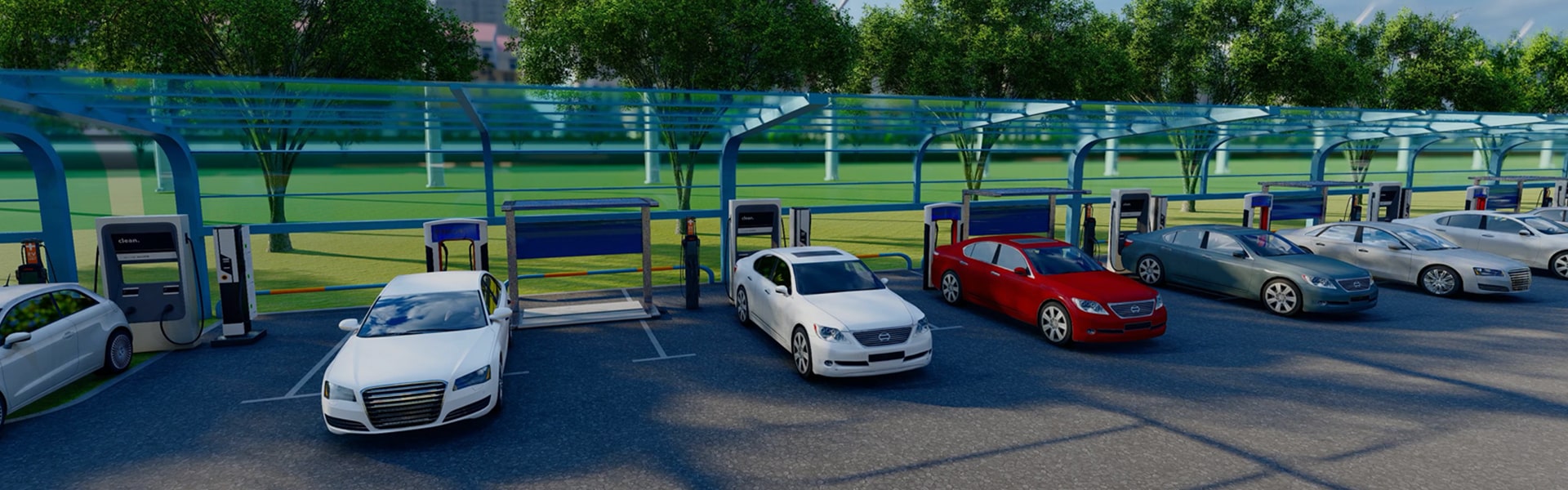
Integrating PV arrays and localized Battery Energy Storage Systems (BESS) directly with DC chargers minimizes grid loading and demand charges, enabling ultra-fast charging even on constrained grids.
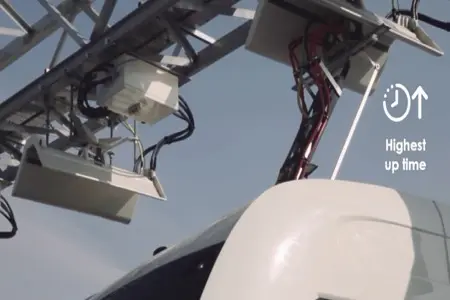
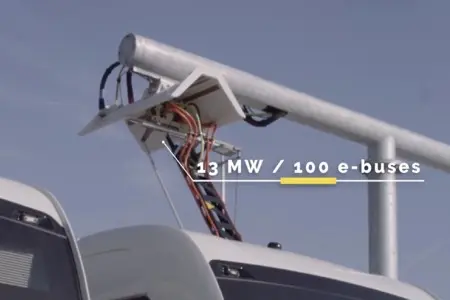
Providing high-voltage sequential overhead pantograph charging and MCS (Megawatt Charging Systems) interfaces, tailored for rapid-turnaround municipal transit networks and logistics fleets.
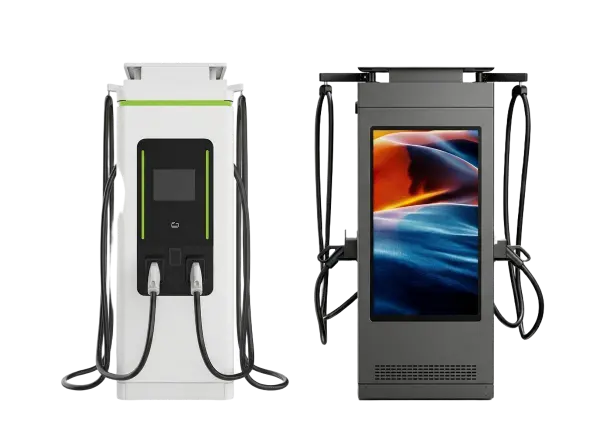
Open-protocol (OCPP 1.6J/2.0.1) configurations with credit card processing terminals, user-friendly touch displays, dynamic power sharing, and secure remote telemetry.
Shanghai Mida Cable Group Ltd. operates through its wholly owned subsidiaries: Shanghai Mida EV Power Co., Ltd., Shenzhen Mida EV Power Co., Ltd., and Shanghai Mida New Energy Co., Ltd.
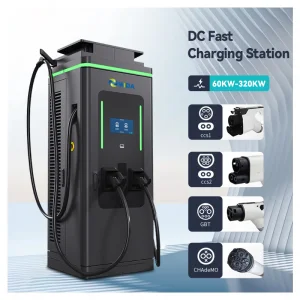
Mida Cable manufactures a comprehensive range of EV charging cables, including 16A–80A J1772 cables, 16A–63A IEC 62196-2 Type 2 cables, and DC fast charging cables: CCS1 (80A–500A), CCS2 (125A–1000A), CHAdeMO (125A–300A), GBT (200A–1000A), and NACS connectors (250A–600A).
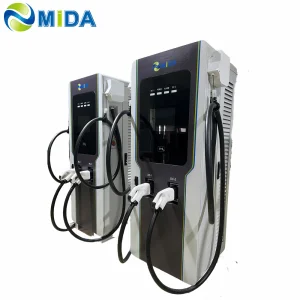
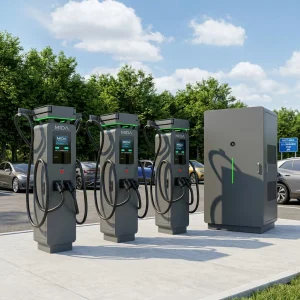
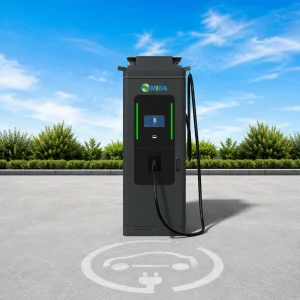
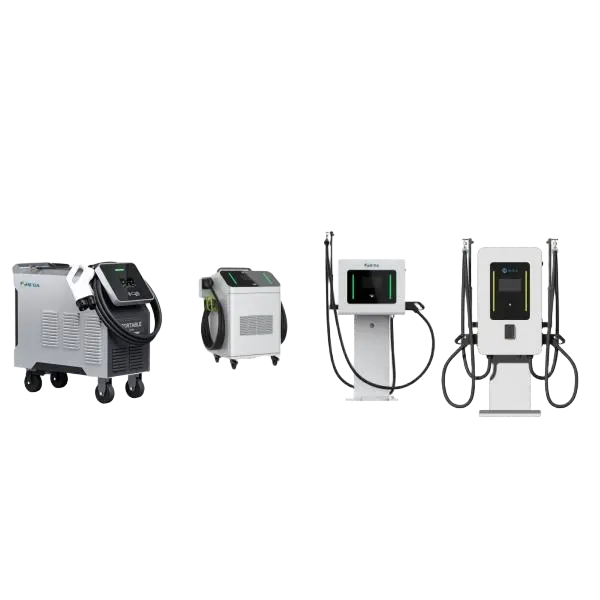
MIDA EV Power produces a full lineup of EV charging stations, such as 7kW–50kW mobile chargers, 3.6kW–7.2kW portable DC chargers, 360kW–1440kW split-type DC fast chargers, 20kW–50kW wall-mounted DC chargers, and 60kW–480kW floor-standing DC fast charging stations.
MIDA New Energy specializes in EV charger power modules, offering 20kW–60kW standard modules, 40kW–125kW liquid-cooled modules, 30kW–62.5kW bidirectional modules, and 20kW–45kW V2G charging modules.

Discover our fundamental building blocks, built to industry-grade specifications for global fast-charging applications.
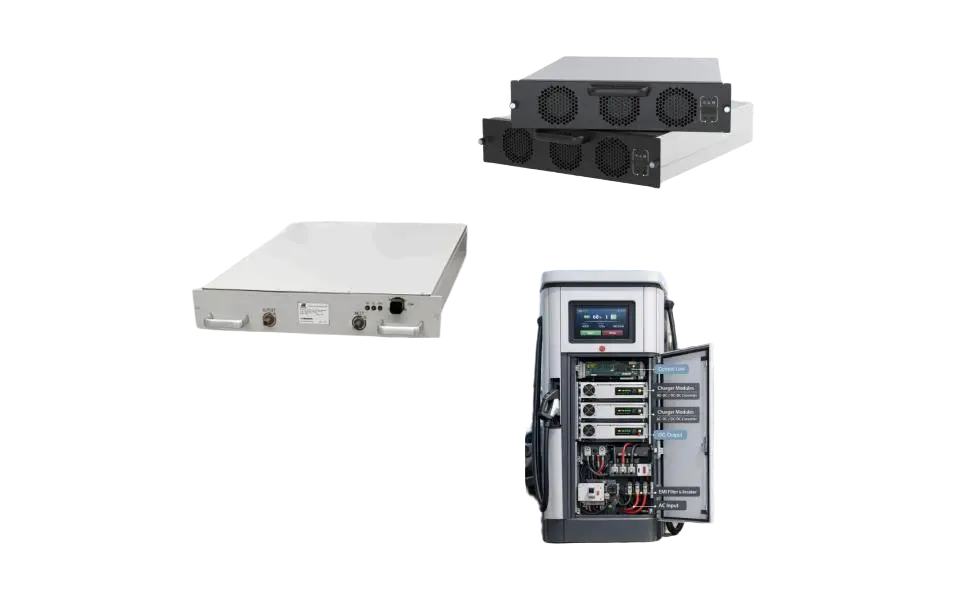
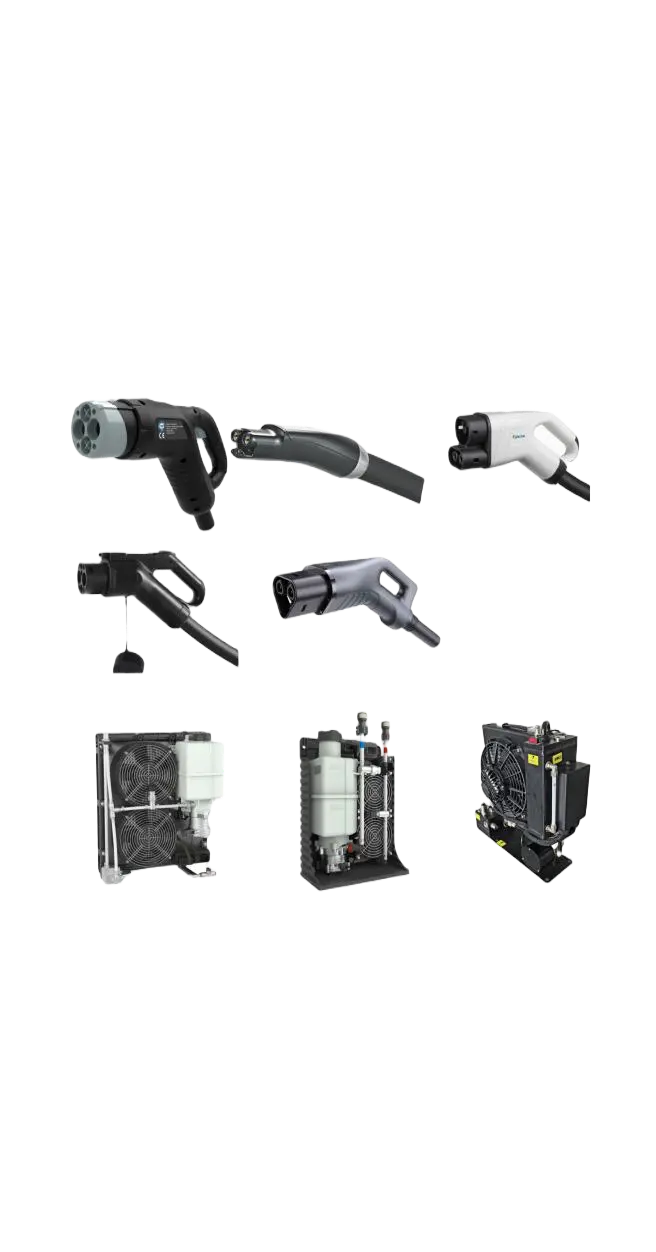
The trajectory of high-power charging technologies through 2026 and beyond.
The transition from silicon-based IGBTs to Silicon Carbide (SiC) MOSFETs in power modules represents a major efficiency gain. SiC semiconductors operate at higher switching frequencies and temperatures, reducing conversion losses to under 3.5% and shrinking power module footprints by 40%.
This increased power density enables compact charger cabinets, reducing footprint requirements in high-cost commercial real estate, parking structures, and public depots.
Above 150kW, traditional air-cooled cables become thick, heavy, and difficult for users to handle. Realizing 350kW+ charging rates requires active liquid-cooled connectors and cable harnesses.
Using synthetic oil or water-glycol mixtures pumped through isolated cooling channels allows the copper core to be significantly thinner, while managing internal cable temperatures to prevent degradation and safety hazards.
Navigating different national grid frameworks, certification protocols, and safety compliance criteria.
We ensure complete compatibility with globally recognized certifications, including UL 2202 (for North American markets), CE / LVD / EMC directives (for European regions), PSE / JTE (for Japan), and Eichrecht calibration compliance for transparent billing services in Germany and Austria.
Our control boards support ISO 15118 (securing seamless Plug & Charge capability), DIN 70121, and OCPP 1.6J/2.0.1 JSON protocols over Ethernet, 4G, or Wi-Fi, allowing smooth integration with various charge point management software platforms.
Get professional technical insights regarding charger engineering, global procurement, and grid configuration.
Stay updated on the latest transit electrification advancements and high-power charging technologies.
Complete list of high-power hardware, high-amperage liquid-cooled couplers, and regional charging station variants.