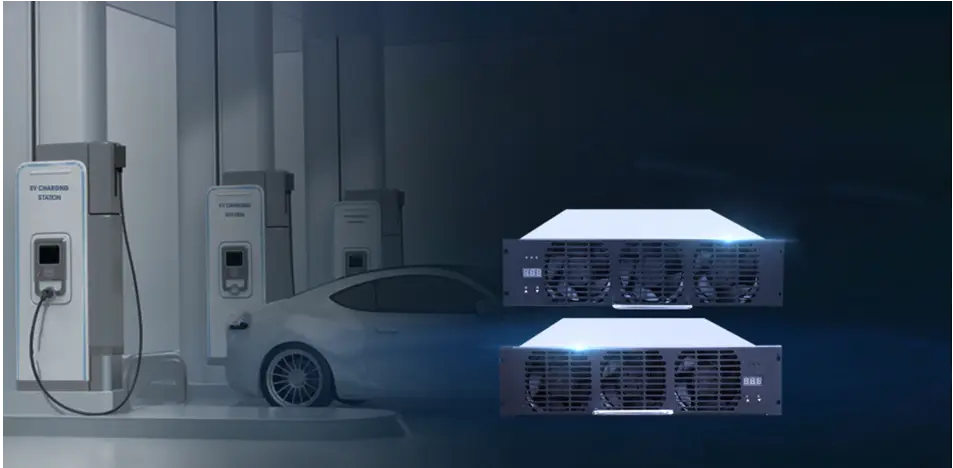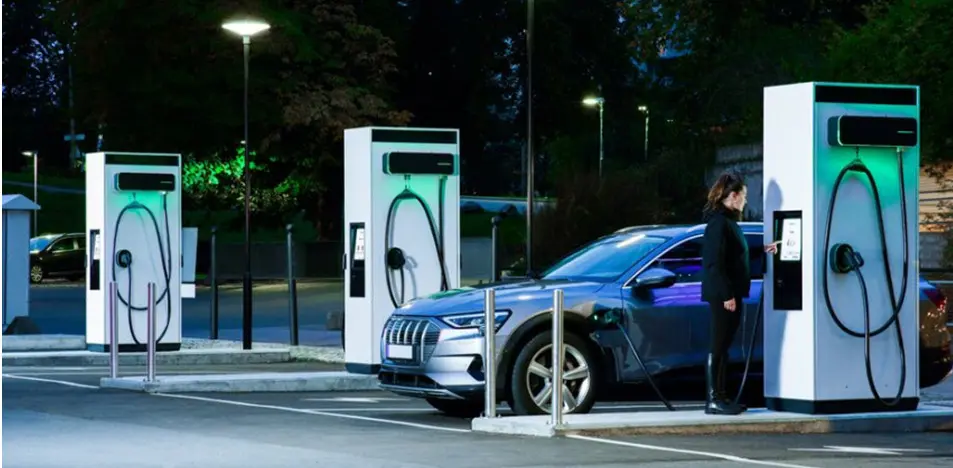
Explore our leading range of engineered fast-charging systems designed to support fleet electrification, commercial hubs, and renewable energy integration.
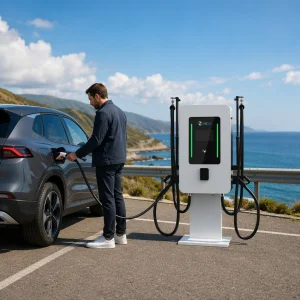
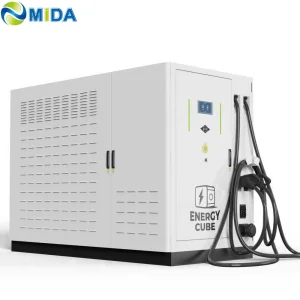
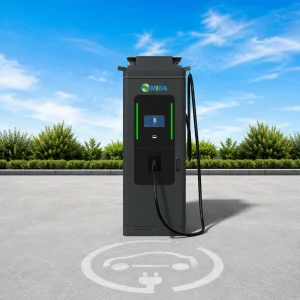
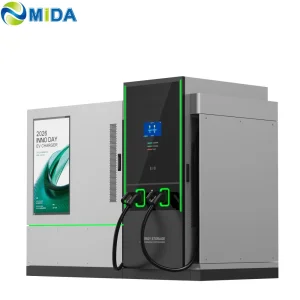
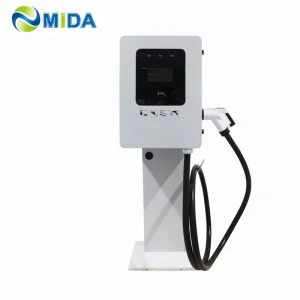
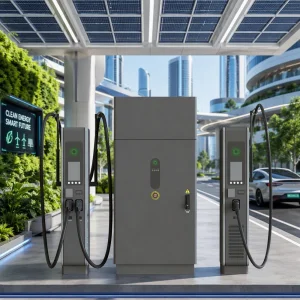
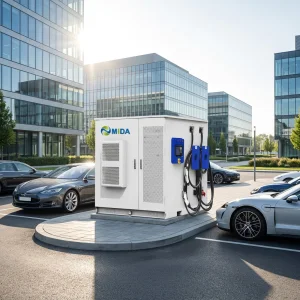
In the rapidly evolving landscape of Electric Vehicle (EV) infrastructure, hardware architecture has shifted from slow AC charging to High-Power DC Fast Charging (HPDC). Among the various power tiers, the 240kW DC fast charging station stands out as the ultimate sweet spot for commercial, municipal, and fleet operators. It delivers the precise balance of thermal efficiency, electrical grid compatibility, and rapid charge times without demanding the prohibitive infrastructure upgrades associated with megawatt-class charging units.
A 240kW charging station utilizing dual-gun technology can dynamically allocate power. When charging a single vehicle, it provides maximum high-power delivery, enabling passenger EVs to replenish up to 80% of capacity in under 15 minutes. For dual-charging, it split-allocates 120kW to each port, maintaining optimal charging speeds for two vehicles simultaneously.
Modern 240kW charging points support universal interfaces, including CCS1, CCS2, NACS, and CHAdeMO. By complying with OCPP 1.6J and OCPP 2.0.1, these units communicate natively with global backend software management networks, simplifying billing, diagnostics, and remote grid management.
Operating at high capacities requires sophisticated internal safety mechanisms. Advanced 240kW systems feature isolated electrical architectures, integrated surge protections (SPD), and insulation monitoring devices (IMD) to detect ground faults in real-time, safeguarding the battery pack and grid connection.
Shanghai Mida Cable Group Ltd. operates through its wholly owned subsidiaries: Shanghai Mida EV Power Co., Ltd., Shenzhen Mida EV Power Co., Ltd., and Shanghai Mida New Energy Co., Ltd. As a vertically integrated manufacturer, we bridge the gap between engineering component manufacturing and macro-scale EV distribution networks.
Our factories operate at the cutting edge of manufacturing standards. By producing our own cables, liquid-cooled connectors, and high-efficiency power modules, we control the entire quality ecosystem. This horizontal integration allows us to eliminate margins added by third-party component suppliers, passing significant cost savings directly to global charge point operators (CPOs) and procurement managers.

Understanding how geographical industrial clustering, supply-chain resilience, and technological maturity position Chinese manufacturers at the forefront of the global EVSE market.
From raw copper processing to high-end semiconductors, China's local supply chain is fully integrated. This proximity reduces delivery lead times for critical parts like high-voltage contactors, transformers, and electrical relays, ensuring consistent factory output and scalable manufacturing pipelines.
Our engineers in Shanghai and Shenzhen iterate designs rapidly based on real-time feedback from the world’s largest operational EV network. This translates to constant performance upgrades in cooling systems, power module configurations, and firmware updates compared to Western peers.
Through advanced factory automation and optimized production runs, Chinese factories achieve economies of scale. High-power 240kW stations are manufactured at a significantly lower capital expenditure (CAPEX) per kilowatt, maximizing ROI for international operators.
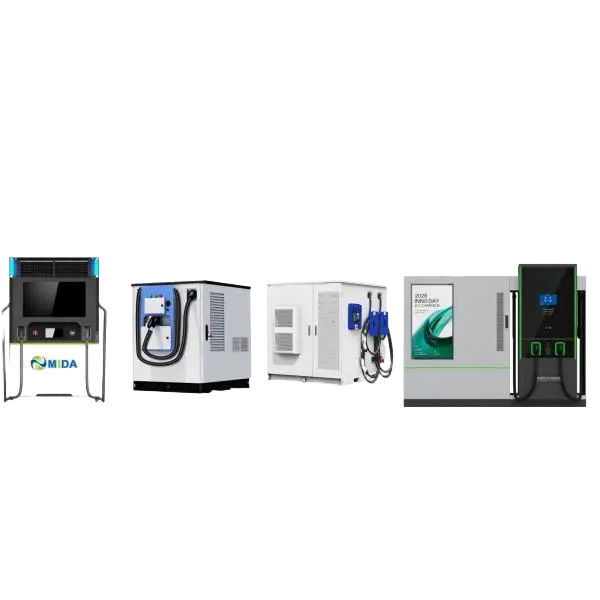
Mida Group offers structured divisions targeting specific energy delivery and storage scenarios. Discover our four main product segments below.
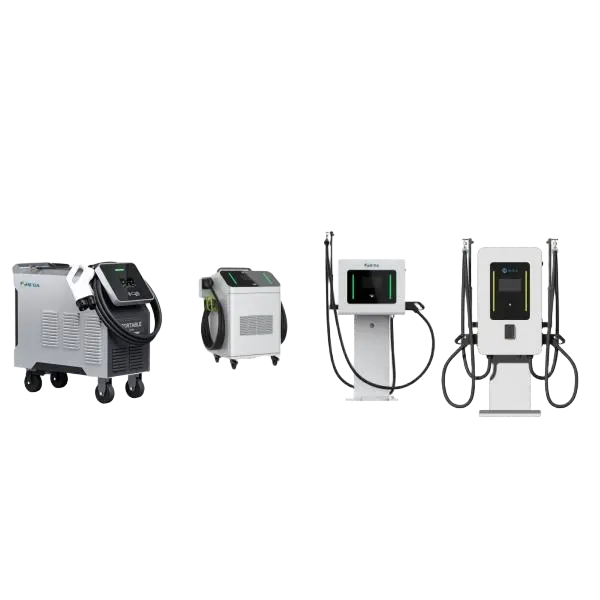
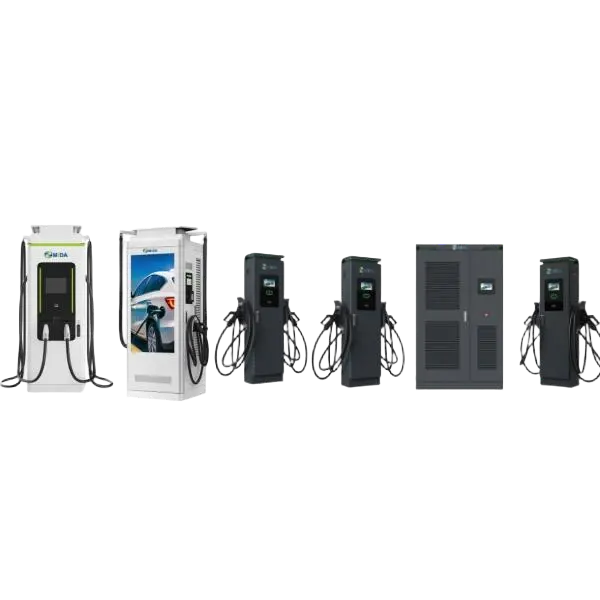
We design the building blocks of high-power charging platforms. Learn about our specialized component lines that support up to 240kW and beyond.
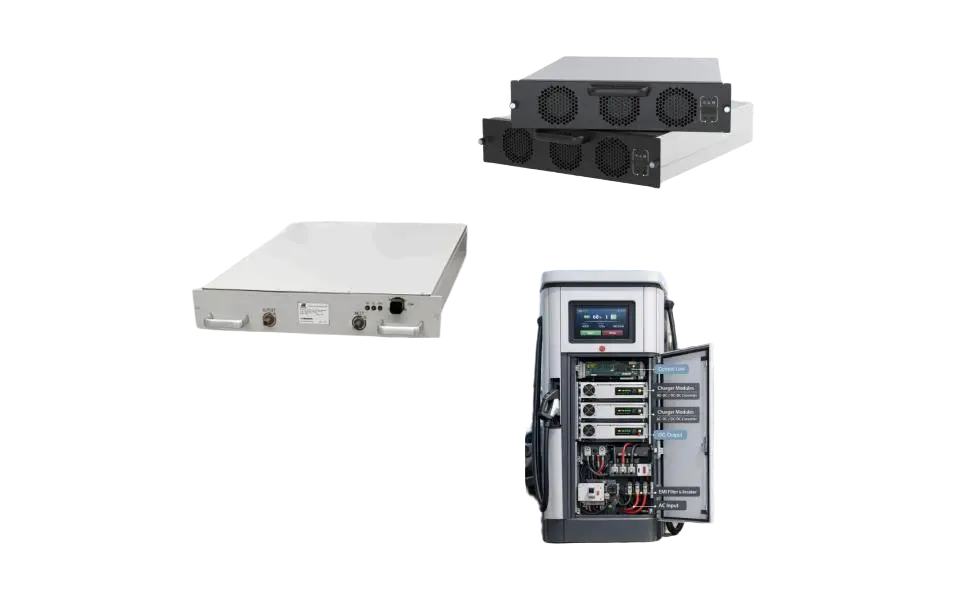 View Power Modules
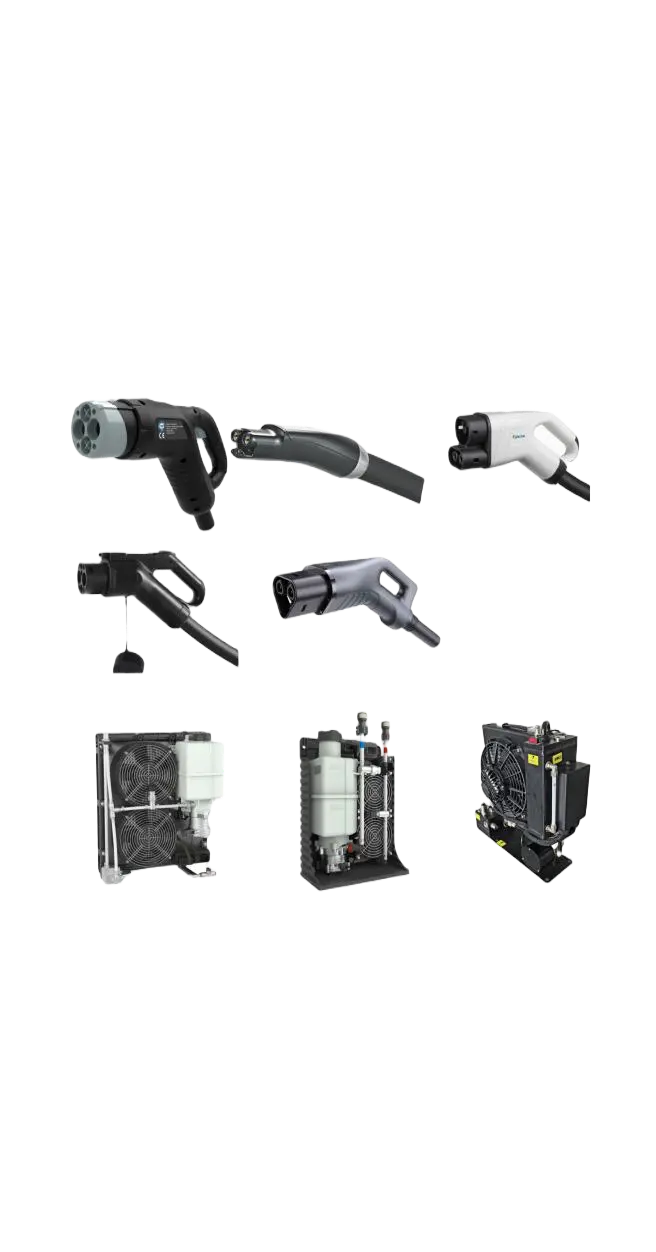 View Cooling Connectors
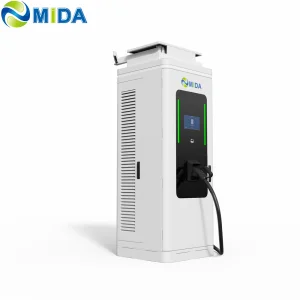
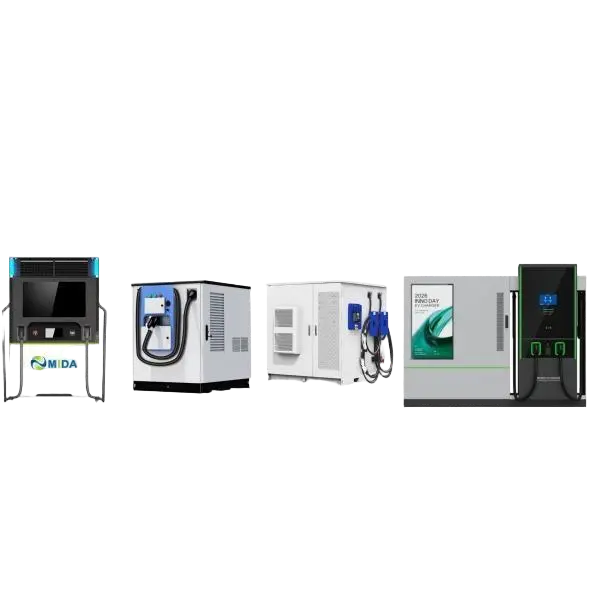
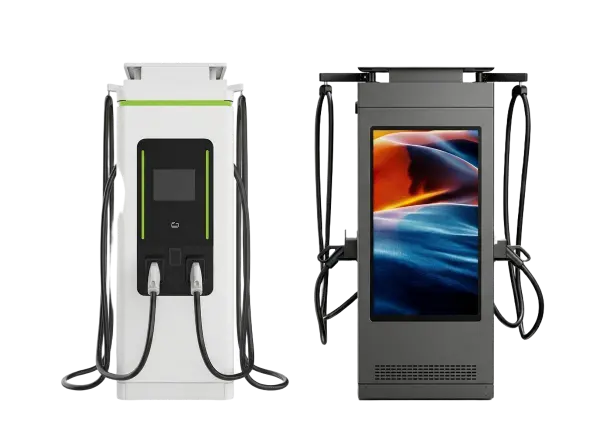 View Charging Stations
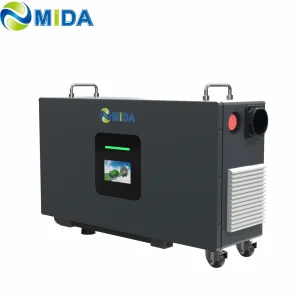
 View Storage Solutions
Our 240kW DC charging platforms adapt seamlessly to various demanding operational environments around the globe.
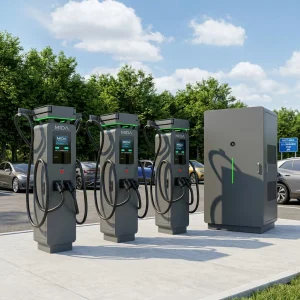
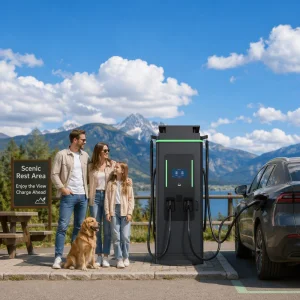
Highway service hubs require rapid vehicle turnaround times. Installing multiple 240kW cabinets allows travelers to charge their vehicles during short breaks. This high-power delivery keeps highway operations moving smoothly, preventing traffic congestion at charging ports.
Logistics companies operating delivery vans and heavy trucks rely on predictable charging schedules. A 240kW system charges fleet vehicles during shift changes or overnight, maximizing vehicle uptime and improving the overall efficiency of fleet logistics.
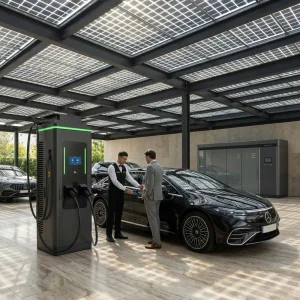
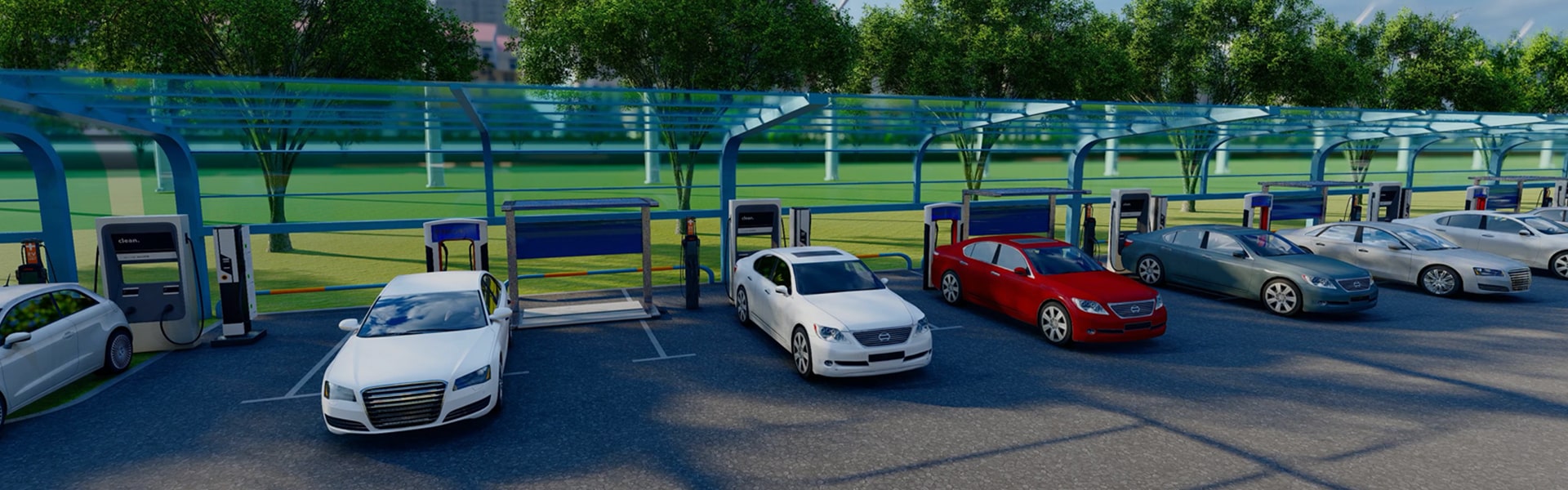
By connecting our 240kW chargers with solar PV carports and battery storage (BESS), operators can reduce grid dependency. The system stores excess solar energy and discharges it during peak pricing hours, lowering operational costs and helping businesses meet carbon-neutrality targets.
Purchasing fast-charging equipment globally requires strict alignment with safety, metrology, and utility standards. Mida Group products are built to meet the regulations of diverse international markets, helping operators navigate complex certification requirements.
European markets demand transparent, calibratable energy billing. Our premium 160kW–240kW DC stations integrate MID-certified AC/DC meters and conform to the strict German PTB measurement directives. This ensures legal compliance for public charging across Europe.
We manufacture UL-compliant units specifically for the North American market. These chargers feature integrated NACS or CCS1 cables, meeting the safety requirements of electrical inspectors and regional utilities across the United States and Canada.
We provide end-to-end design and manufacturing services for charge point operators. From custom enclosure branding and color schemes to custom billing software integrations, our engineering team tailors the equipment to align with your brand identity.
Stay informed on our latest projects, product developments, and transit electrification solutions, including pantograph charging systems for electric buses.

Unlike classic plug-in systems, e-bus pantograph domes enable hands-free, automated high-power charging, making them ideal for high-capacity urban transit routes.
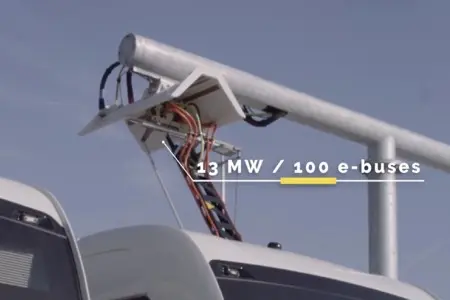
The charging duration depends on the battery pack capacity and the grid output. Our advanced megawatt pantograph solutions can recharge transit buses in just 5 to 10 minutes.
Installing an automated roof-mounted connection requires precise civil engineering, heavy-duty electrical structural support, and smart communication alignment with transit control networks.
Get authoritative answers to technical, regulatory, and mechanical questions about 240kW EV charging equipment.
Air-cooled systems use internal fans to dissipate heat from the power modules and cable assemblies. While cost-effective, they are limited to currents of around 200A-250A. Liquid-cooled systems circulate coolant through the cable and connector, enabling currents of 500A or higher. This allows the system to deliver high power continuously without overheating, even in hot climates.
Dynamic power allocation is managed by the station's controller. When one vehicle is charging, it can draw the full 240kW output (if the vehicle's battery management system supports it). When a second vehicle plugs in, the controller splits the load, delivering 120kW to each port. This maximizes utility and reduces waiting times for users.
OCPP 2.0.1 is the latest version of the Open Charge Point Protocol. It improves transaction security, supports advanced smart charging algorithms, and simplifies integration with ISO 15118 (which enables Plug & Charge). This ensures the station remains compatible with future software networks and vehicle technologies.
Yes. Integrating a 240kW DC charger with solar PV and a battery energy storage system (BESS) creates a grid-buffered charging station. The BESS discharges to supply peak energy needs during charging sessions, reducing the strain on the local electrical grid and helping operators avoid high demand charges.
Installing a 240kW DC fast charger requires a dedicated three-phase power supply (typically 400VAC ±15% in Europe or 480VAC in North America). The electrical panel must support a service of at least 400A to 500A, depending on the station's efficiency rating and the configuration of any auxiliary equipment.
Browse our premium ultra-fast charging systems, designed for heavy-duty commercial operations and high-throughput charging hubs.