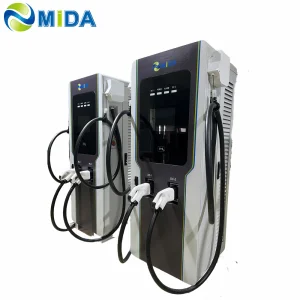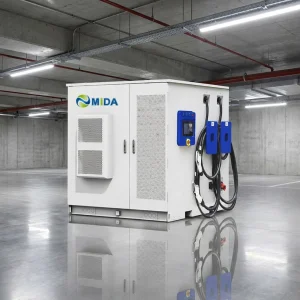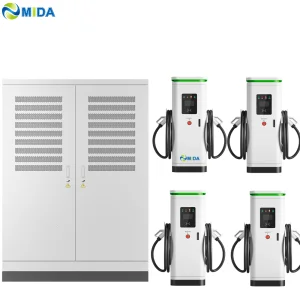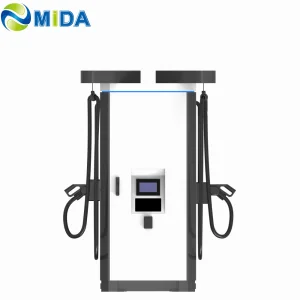

Shanghai Mida Cable Group Ltd., operating alongside its dedicated subsidiaries: Shanghai Mida EV Power Co., Ltd., Shenzhen Mida EV Power Co., Ltd., and Shanghai Mida New Energy Co., Ltd., is a unified force in the global New Energy Vehicle charging ecosystem. We engineer, manufacture, and supply critical EV components and systems that support clean mobility transformations on five continents.
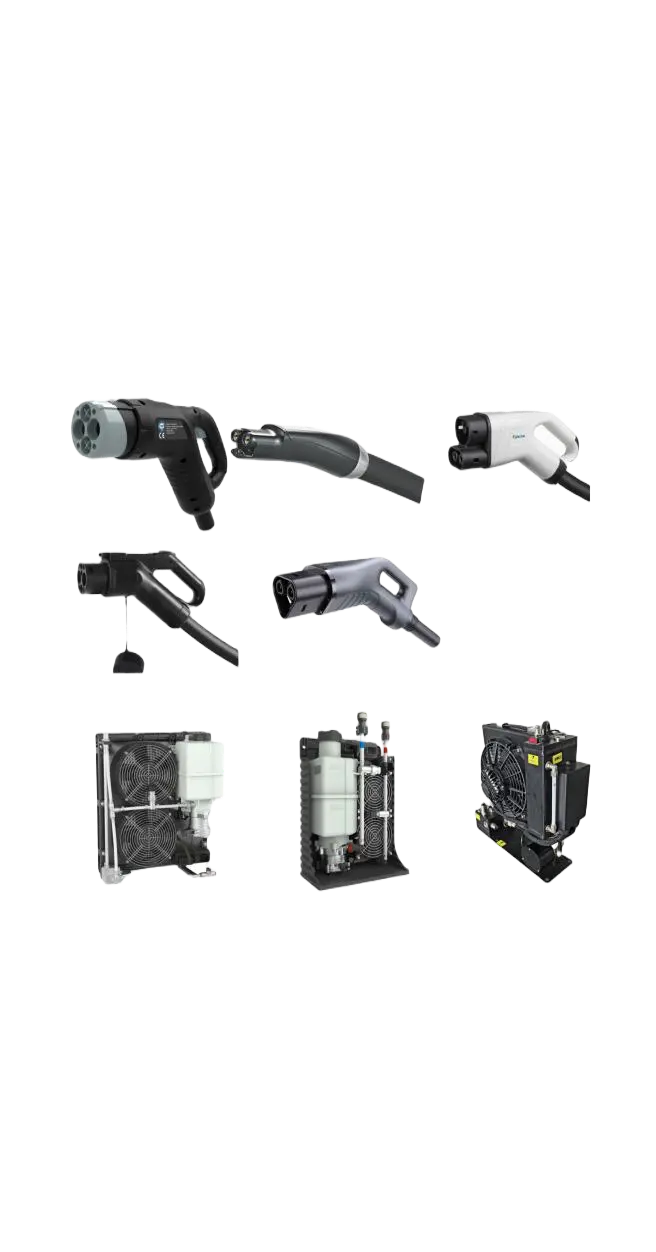
Mida Cable designs and manufactures a comprehensive, field-tested range of EV charging cables. This includes robust 16A–80A J1772 cables, 16A–63A IEC 62196-2 Type 2 cables, and heavy-duty DC fast charging cables tailored to varied international interfaces: CCS1 (80A–500A), CCS2 (125A–1000A), CHAdeMO (125A–300A), GBT (200A–1000A), and NACS connectors (250A–600A).
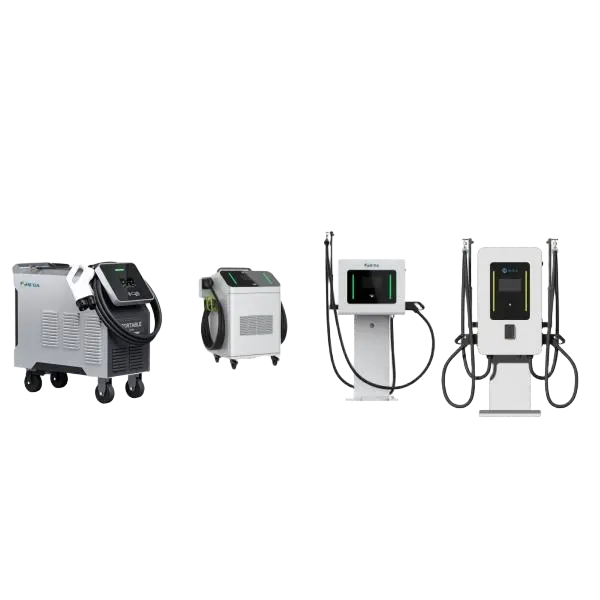
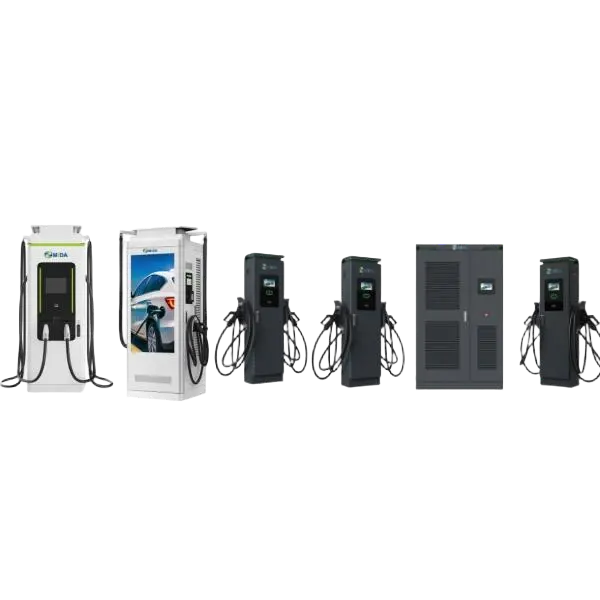
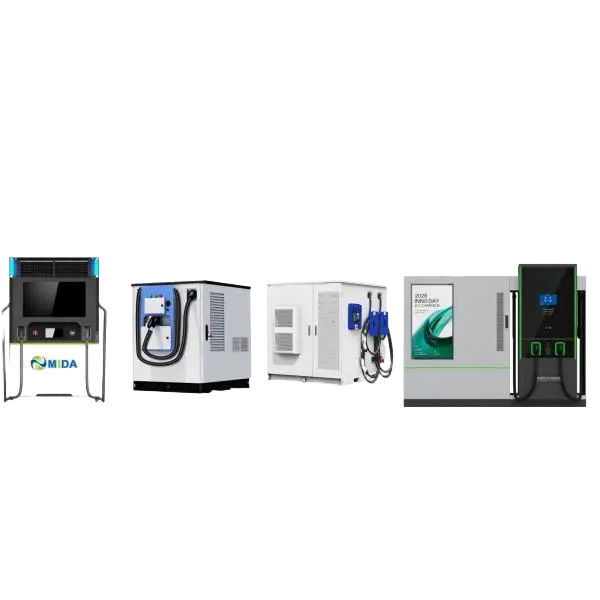
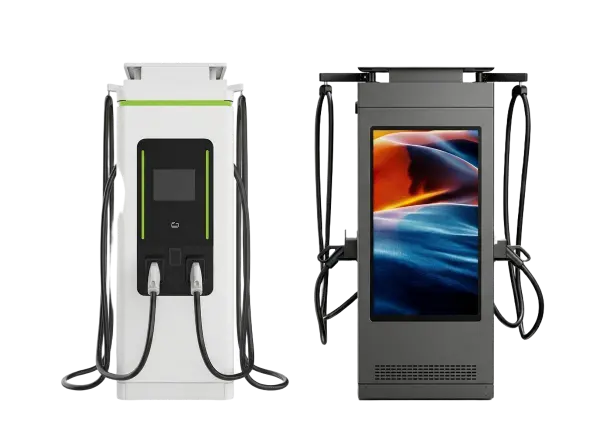
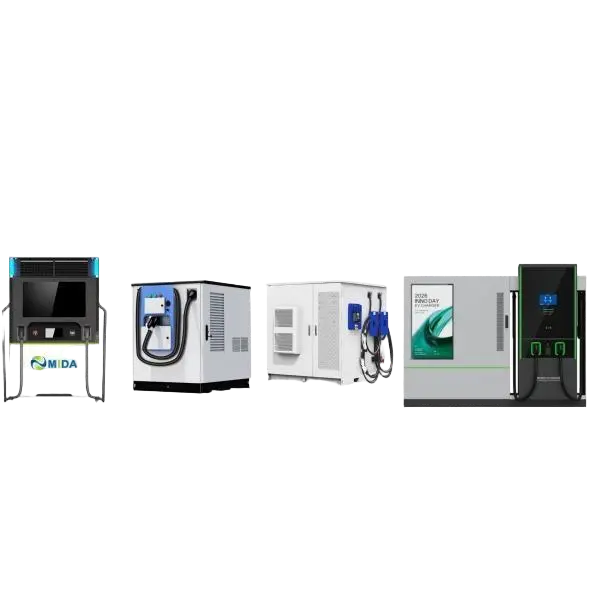
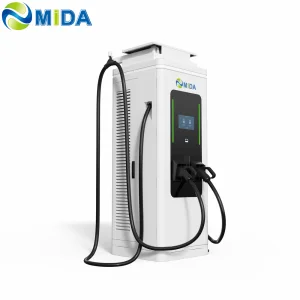
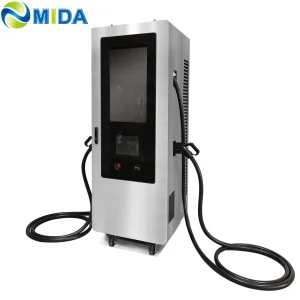
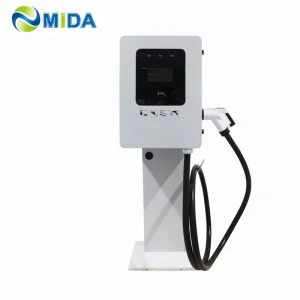
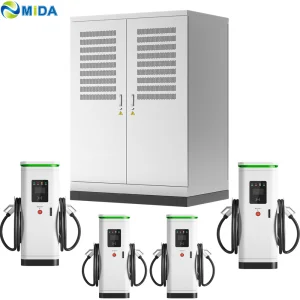
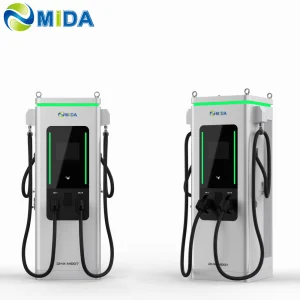
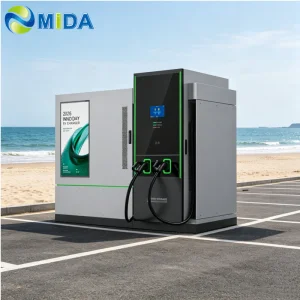
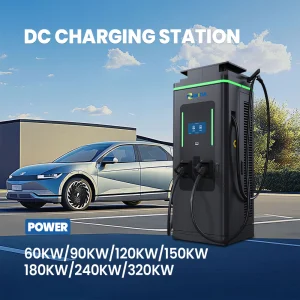
Complementing our cable distribution lines, MIDA EV Power develops dynamic infrastructure systems, running the gamut from 7kW–50kW mobile chargers, 3.6kW–7.2kW portable DC units, up to ultra-high capacity 360kW–1440kW split-type DC charging hubs. Our targeted 20kW–50kW wall-mounted/pillar DC chargers bridge the critical segment between slow AC destination charging and high-demand floor-standing units (60kW–480kW).
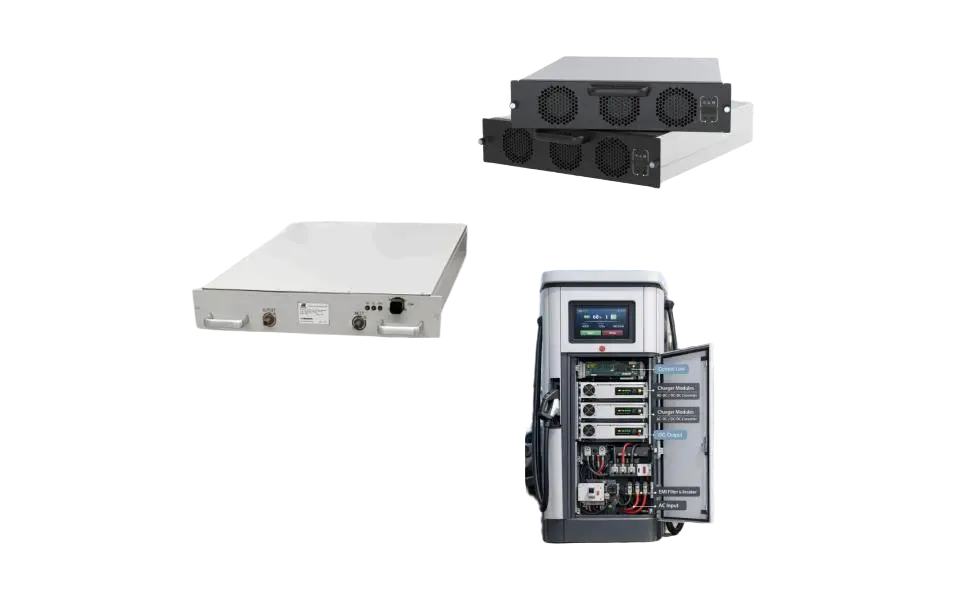
Furthermore, MIDA New Energy operates at the technological frontier of component design, manufacturing high-performance EV charger power modules. Our portfolio boasts 20kW–60kW standard conversion modules, 40kW–125kW liquid-cooled modules, 30kW–62.5kW bidirectional modules, and highly adaptive 20kW–45kW V2G (Vehicle-to-Grid) power modules.
Gain insights into our automated production lines, testing chambers, and strict quality control protocols.

The global transition to electric mobility is forcing a major upgrade in commercial infrastructure. Historically, charging operators relied heavily on AC Level 2 chargers (ranging from 7.4kW to 22kW) to provide destination charging. However, as EV battery capacities have increased from an average of 40kWh to over 80kWh, AC charging has hit a physical bottleneck: the vehicle's On-Board Charger (OBC). Most modern EVs are constrained by an internal OBC limit of 7kW or 11kW, meaning that even when plugged into a 22kW AC charger, the vehicle charges at a fraction of the available power, requiring 8 to 10 hours for a full charge.
To overcome this bottleneck, the market has pivoted toward Low-Power DC (LPD) charging, with the 20kW DC charging station establishing itself as the global gold standard. By delivering Direct Current (DC) directly to the battery, these chargers bypass the vehicle's restrictive OBC. A 20kW DC charger can add approximately 100-120 kilometers of range per hour of charging—fully aligned with the dwell times typical of supermarkets, workplaces, medical facilities, and suburban commercial zones.
Bypass the vehicle's onboard converter limitations. Deliver clean, stable DC power directly to the traction battery pack, shortening standard commercial charge cycles by up to 60% compared to standard AC charging units.
Unlike 150kW ultra-fast stations that demand expensive dedicated sub-stations, 20kW chargers operate within standard 3-phase commercial electrical panels. This eliminates utility network upgrade fees, minimizing CapEx.
Constructed around standardized charging modules. Operators can scale up power capacity dynamically by hot-swapping or stacking modular sub-units as demand changes, extending equipment lifecycle.
Enterprise procurement teams in North America, Europe, and the APAC region face complex design hurdles when deploying charging infrastructure. Selection criteria go beyond basic output specs to focus on long-term compatibility, system reliability, safety, and smart integration. To meet international requirements, MIDA Group's 20kW DC charging systems are engineered to address the core variables of these corporate requests:
Manufacturing high-reliability electronics requires a mix of material sourcing, advanced assembly automation, and strict quality control. Shanghai Mida Cable Group leverages China's advanced Factory 4.0 infrastructure to deliver high-quality products at competitive prices.
By keeping core supply chains—such as copper extrusion, connector molding, automated SMT board assembly, and software development—in-house, MIDA maintains control over product quality. Automated optical inspection (AOI), robotic testing beds, and real-time component tracking systems monitor every charger through production. This level of vertical integration insulates MIDA from global supply chain disruptions while ensuring that our systems meet CE, TUV, and UL safety standards.
20kW DC charging is ideal for locations where vehicles park for periods of 1 to 4 hours. Key deployment environments include: