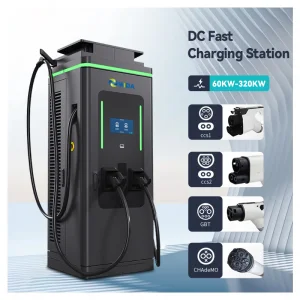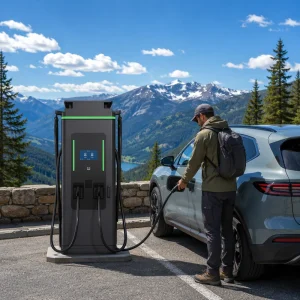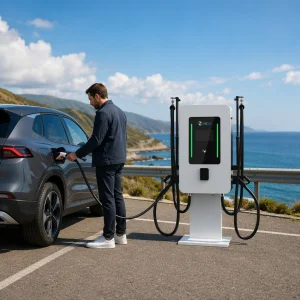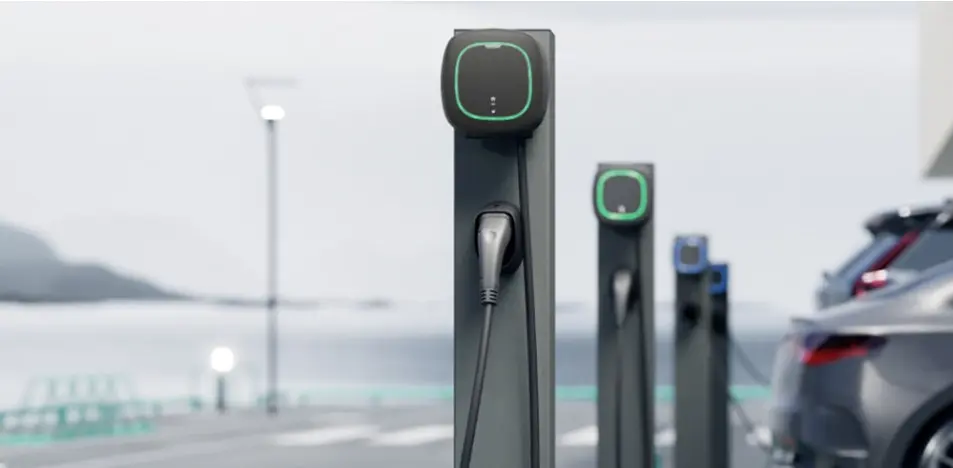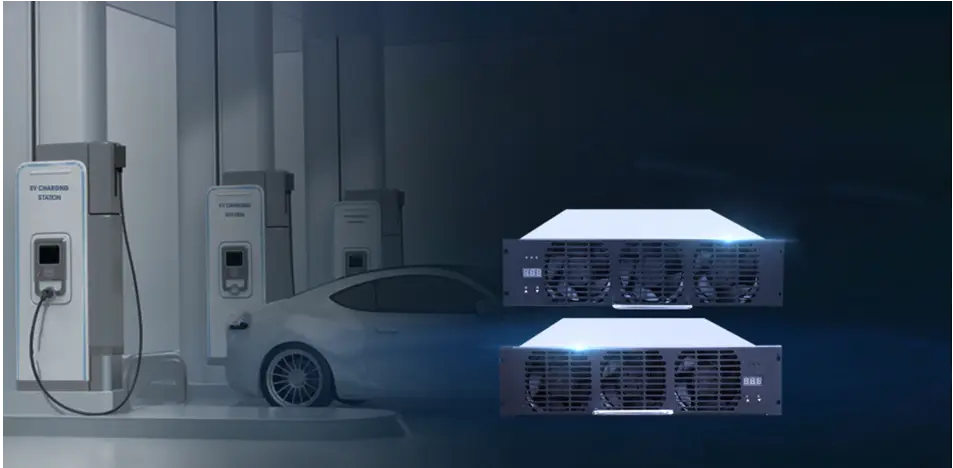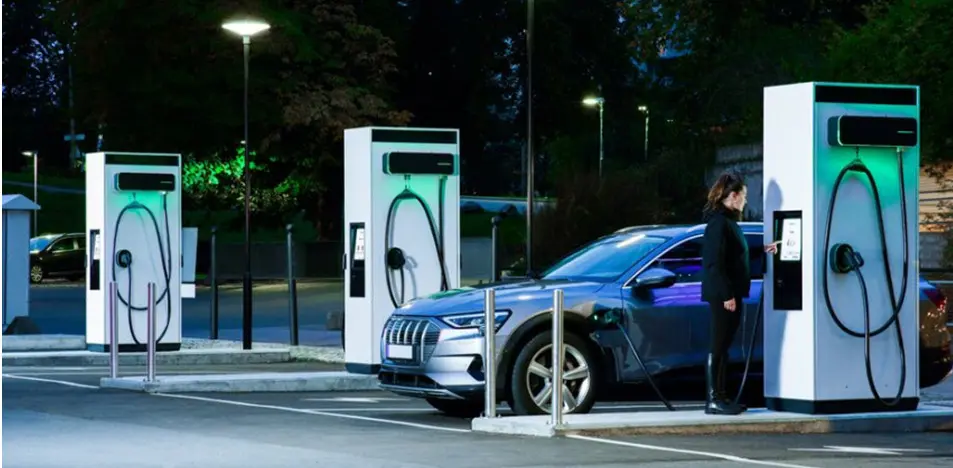
Precision-engineered high-power DC fast charging systems designed to support global EV standards including CCS1, CCS2, CHAdeMO, and NACS configurations.
Understanding the critical engineering requirements for liquid-cooled connectors, signal integrity, and thermal thresholds in heavy-duty EV environments.
High-current DC conduction (up to 1000A) produces substantial Joulean heating. Tier-1 manufacturers embed high-precision PT1000 temperature sensors directly onto the DC+ and DC- silver-plated terminal terminals. These sensors feed real-time resistance metrics back to the charger controller, triggering automatic power derating before critical thermal ceilings (typically 90°C) are breached.
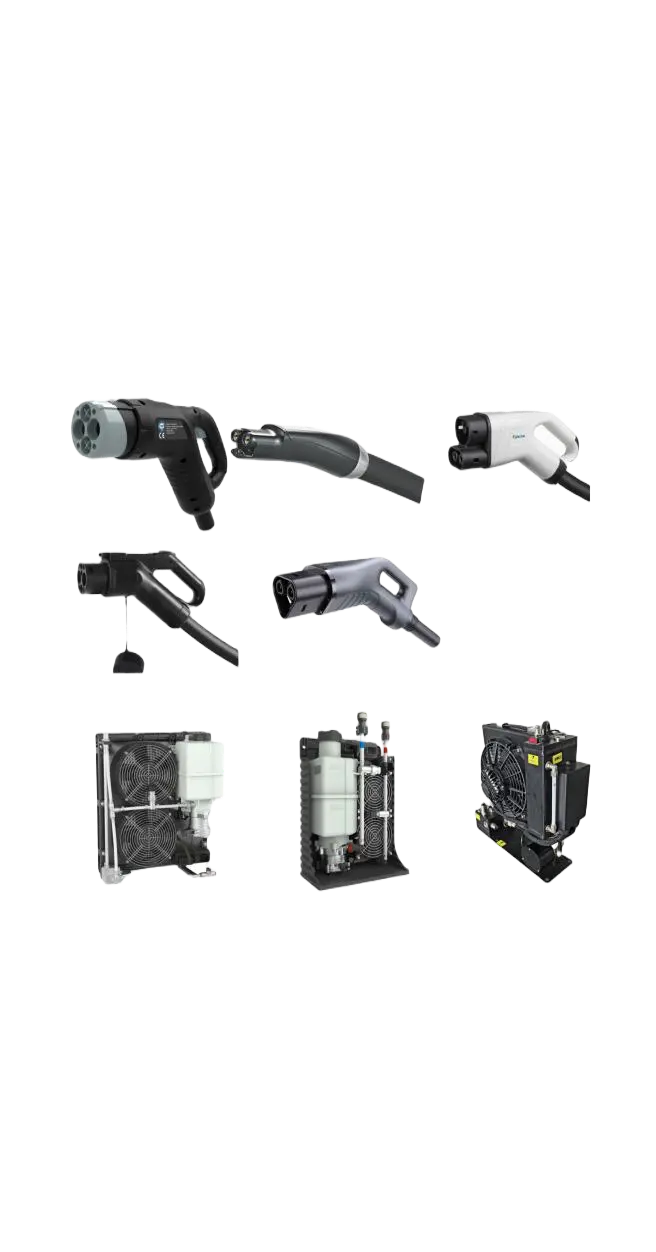
To reduce cable diameter and weight, advanced charging connectors employ synthetic fluid loop designs. High thermal-conductivity dielectric fluids cycle through internal tubes winding directly around the main power terminals. This system removes heat continuously, allowing lightweight 70mm² copper cables to reliably transmit the same currents as bulky 240mm² uncooled alternatives.
High-voltage DC fast charging requires seamless handshake telemetry between the electric vehicle's Battery Management System (BMS) and the charger controller. Through HomePlug Green PHY PLC coupling over the Control Pilot (CP) terminal, protocols such as ISO 15118 and DIN 70121 establish encrypted links, enabling secure digital commands and dynamic load balancing.
SEO Growth Director's Note on Semantic Search: Today's search engines analyze technical depth, industrial context, and structured relevance. High-power DC interfaces (CCS, NACS, MCS) demand clear alignment with engineering compliance standards, raw supply chain capabilities, and certified safety parameters to rank effectively for enterprise procurement queries.
Global charging infrastructure deployment is entering a mature phase. B2B purchasers no longer look for simple plug suppliers; they demand engineered subsystem partners capable of guaranteeing 10,000+ mating cycles, zero terminal relaxation, and complete environmental resistance. By implementing materials like specialized polyurethane (TPU) outer jackets, manufacturers ensure cables remain flexible at temperatures as low as -40°C, resisting abrasion, UV breakdown, and hydrocarbon exposure at busy urban hubs.
Shanghai Mida Cable Group Ltd. operates through three specialized, wholly-owned corporate entities to deliver comprehensive grid-to-vehicle power delivery solutions: Shanghai Mida EV Power Co., Ltd., Shenzhen Mida EV Power Co., Ltd., and Shanghai Mida New Energy Co., Ltd.
As a global OEM/ODM technology leader, Mida Cable designs, tests, and manufactures high-performance EV charging cables. Our portfolio includes 16A–80A J1772 (Type 1) cables, 16A–63A IEC 62196-2 Type 2 cables, and robust DC fast charging systems: CCS1 (80A–500A), CCS2 (125A–1000A), CHAdeMO (125A–300A), GB/T (200A–1000A), and NACS connectors (250A–600A).
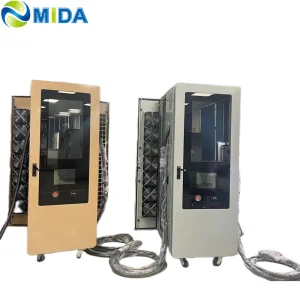
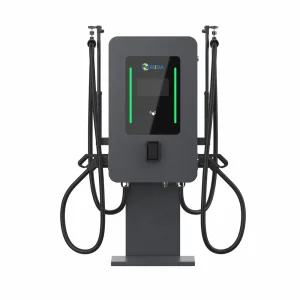
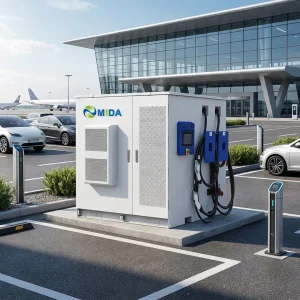
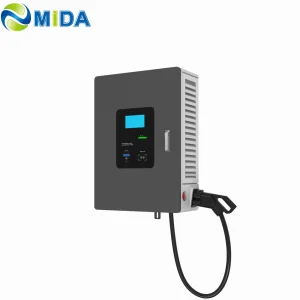
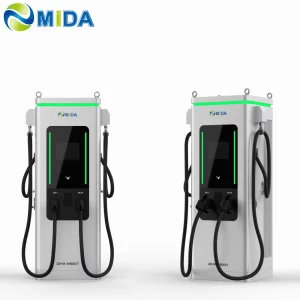
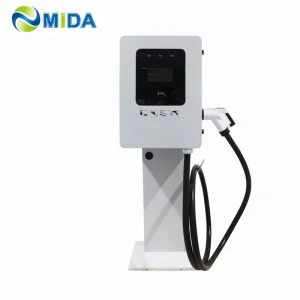
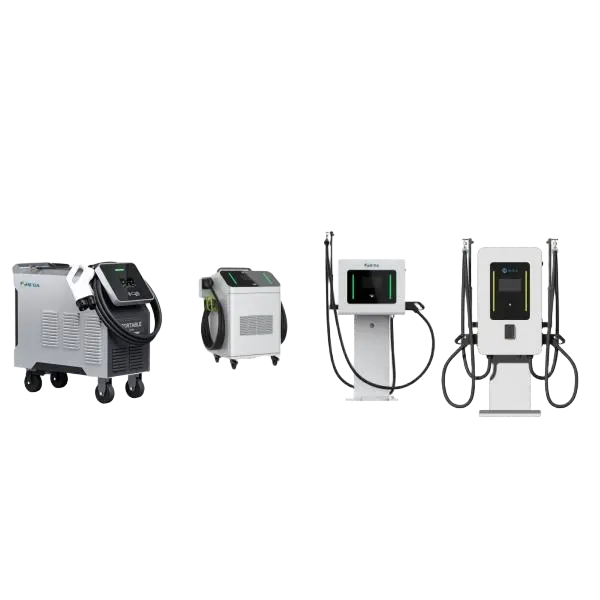
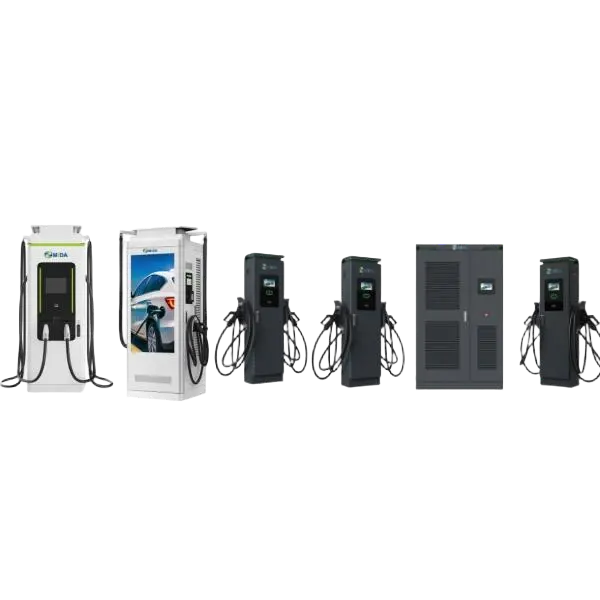
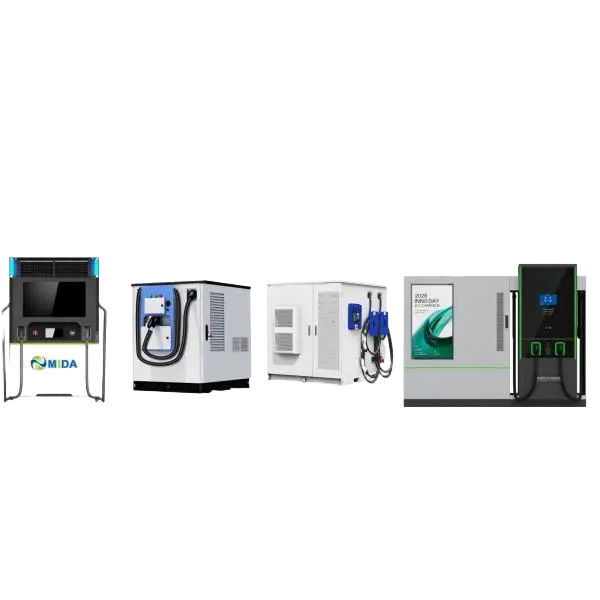
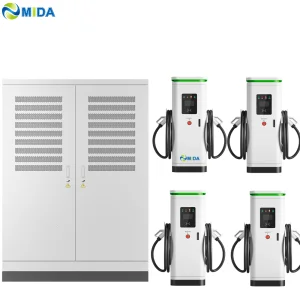
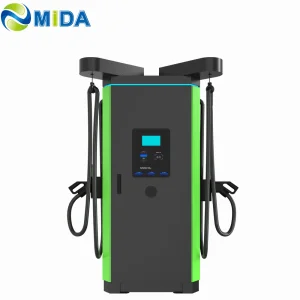
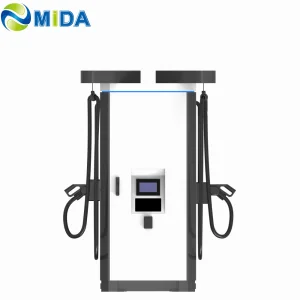
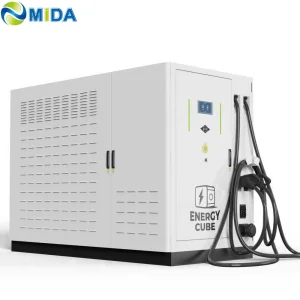
Our subsidiary, MIDA EV Power, develops commercial charging stations, including 7kW–50kW mobile chargers, 3.6kW–7.2kW portable DC fast units, 360kW–1440kW split-architecture DC dispensers, 20kW–50kW wall-mounted DC charging cabinets, and 60kW–480kW floor-standing public charging stations. Under Shanghai Mida New Energy Co., Ltd., we develop power conversion modules, including 20kW–60kW standard rectifiers, 40kW–125kW liquid-cooled power blocks, and bidirectional V2G power conversion systems.

An end-to-end overview of our industrial power transmission systems, high-efficiency rectifiers, and containerized energy storage integration.
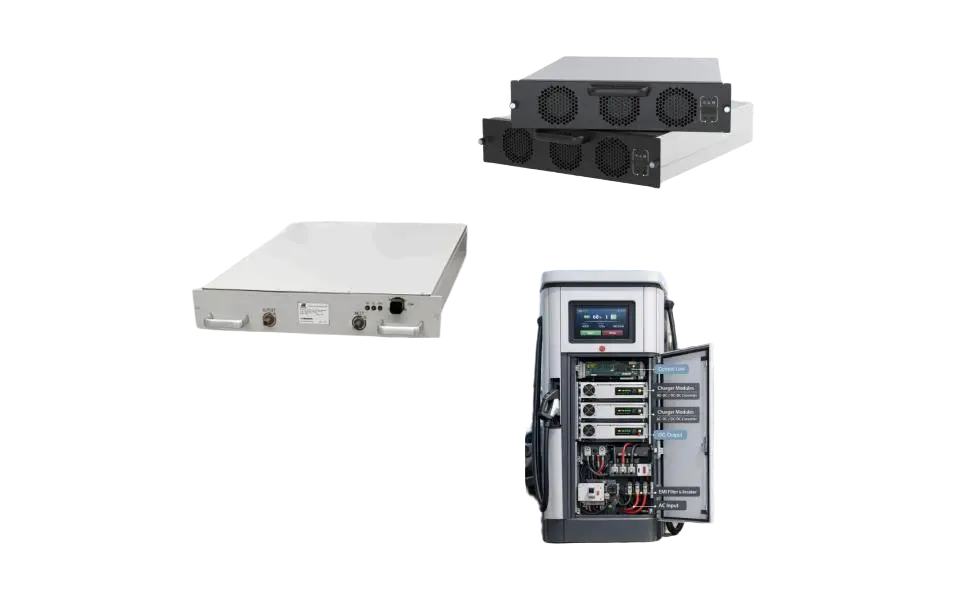
High-Efficiency Rectification & V2G Systems
High-Current Plugs & Cooling Units
Turnkey High-Power Charging Hubs
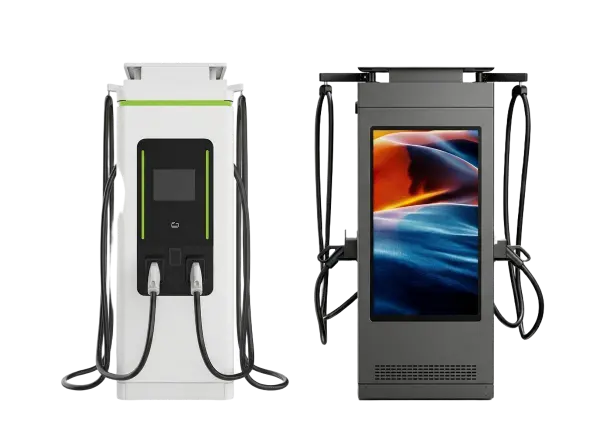
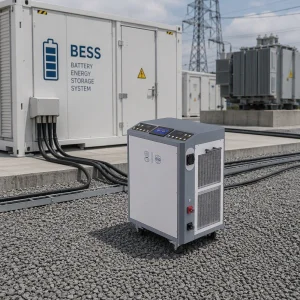
Grid-Buffering battery Integration
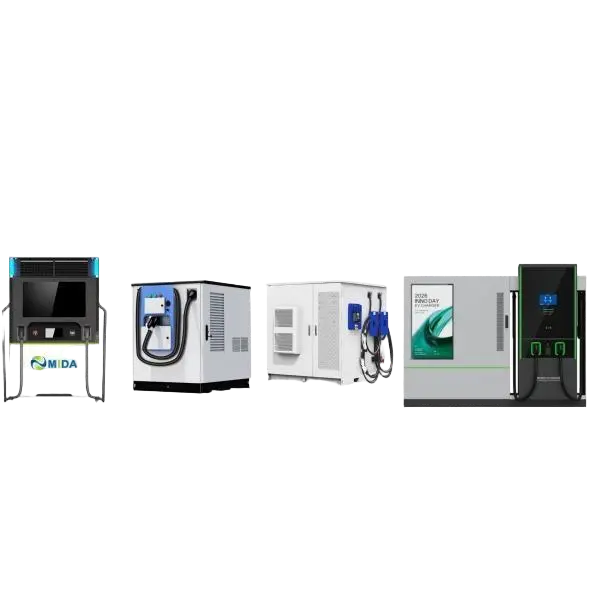
How vertical industrial integration and automated testing systems provide high reliability at competitive costs.
The manufacturing ecosystem in China offers significant advantages for EV high-power transmission systems. By sourcing copper conductors, polymer compounding systems, and CNC-machined contact pins within close proximity, production processes are optimized for maximum efficiency. This concentration of resources enables rapid prototyping, allowing custom designs to progress from layout to physical sample in a fraction of the standard timeframe.
Furthermore, automated assembly lines utilize robotic inspection systems to verify crimp height, insertion force, and conductor insulation. This level of process control ensures that every connector can withstand the electrical and physical stresses of public charging environments.
Integrating these manufacturing processes reduces lead times and supports customized cable and pin configurations for regional grid requirements. Mida Group leverage these local resources to manufacture products that conform to strict international standards such as UL 2251, CSA C22.2, and IEC 62196-3.
By using direct containerized distribution and established logistics channels, products are delivered to charging point operators (CPOs) and OEMs worldwide with optimized transit schedules, minimizing project delays and reducing logistics overhead.
Stay informed with the latest updates on high-power automated connection systems, public bus fleet electrification, and pantograph installations.
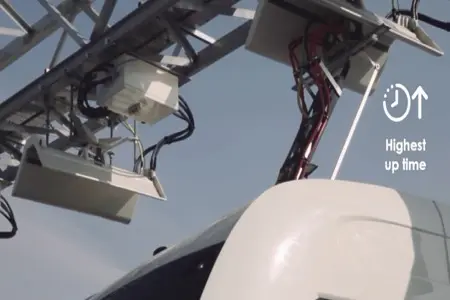
What are the advantages of an e-bus pantograph dome? In contrast to classic plug-in charging systems, e-bus pantograph domes enable hands-free connection, fast charging, and minimal footprint requirements at transit depots.
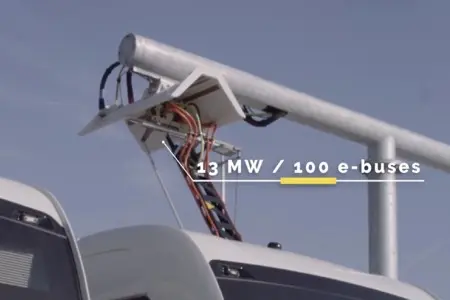
How long does it take to charge with an e-bus pantograph? The charging time depends on the battery capacity and the power level of the charger, but typical systems can supply up to 600kW for fast top-ups.
How to Install the Pantograph Up Charger System Dome for Electric Bus. Installing a "Pantograph Up" system dome requires precise mechanical alignment, structural calculation, and calibration to ensure reliability.
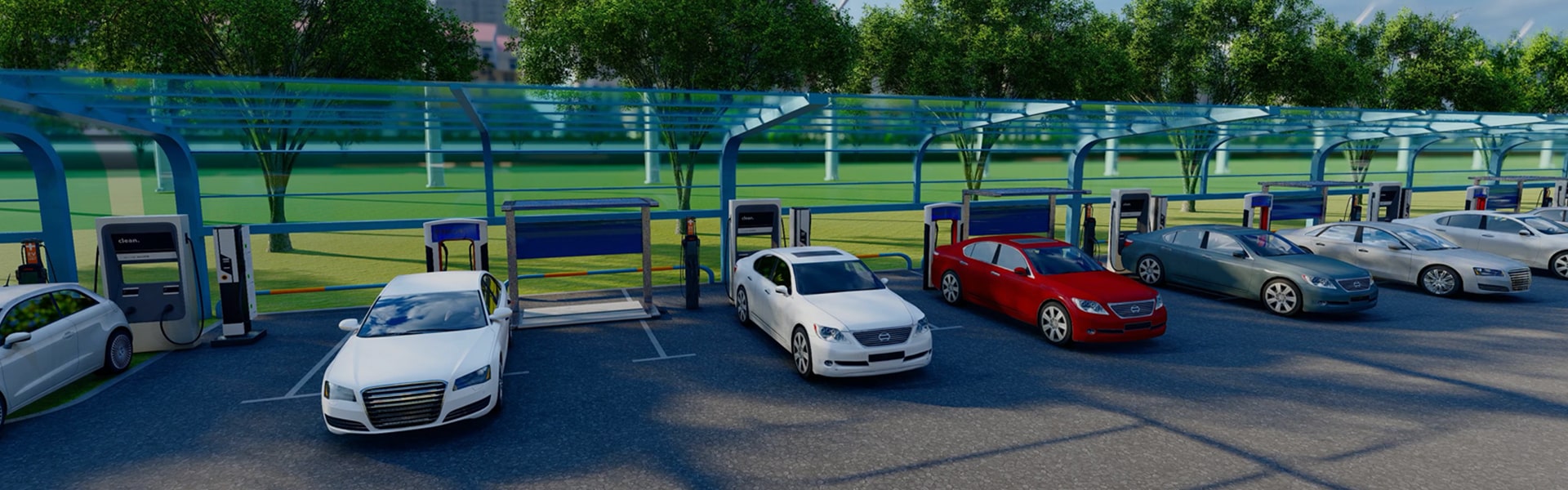
Addressing key technical questions regarding high-power DC charging, compliance, and custom manufacturing.
Liquid-cooled connectors route coolant channels directly to the contact terminals inside the handle. This setup removes heat at the source, allowing the conductor size and weight to be reduced while safely carrying currents up to 600A without overheating.
For North America, components must be certified to UL 2251, CSA C22.2, and comply with NEC requirements. In Europe, chargers must meet IEC 62196-3 standards and possess CE/TUV marks. These standards verify safety, durability, and insulation performance.
Dual PT1000/PT100 temperature sensors are placed directly against the contact terminals. The charger monitoring system monitors these sensors, and if temperatures exceed a set safety threshold, it derates the current to protect components.
Yes. Dynamic Load Balancing (DLB) systems allocate power from the central modules based on demand and the state of charge (SoC) of each connected vehicle. This improves station efficiency and helps manage peak grid demand.
Thermoplastic Polyurethane (TPU) provides better resistance to ozone, UV radiation, mechanical wear, and low temperatures compared to standard PVC. TPU cables remain flexible down to -40°C, which is essential for heavy-duty public charging.
Manufacturers offer split dispenser systems that house distinct cooling lines and signaling modules for different connector types within a single cabinet. The central controller automatically switches communication protocols to match the connected vehicle.
High-performance charging stations, mobile storage units, and diagnostic testers for public networks and commercial fleet depots.