Product Features
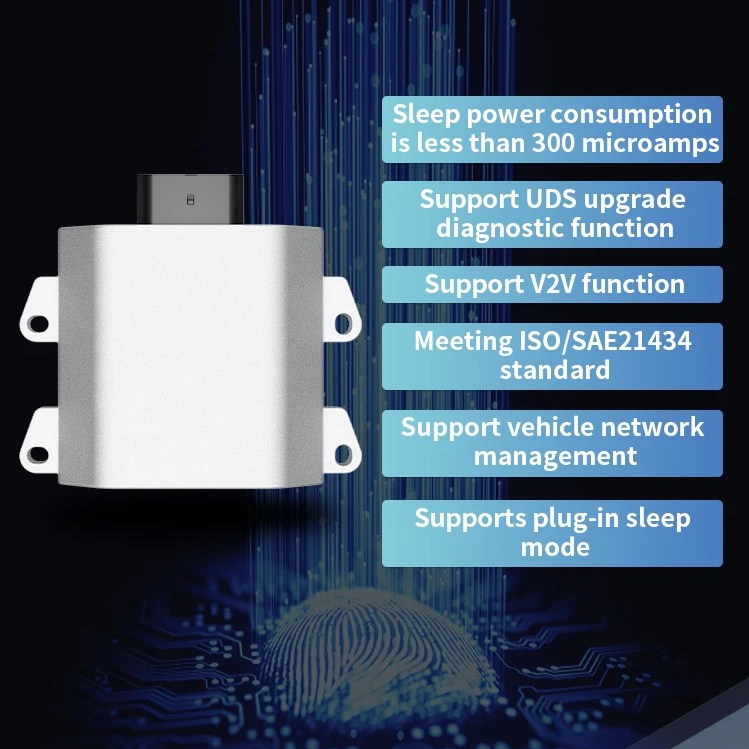
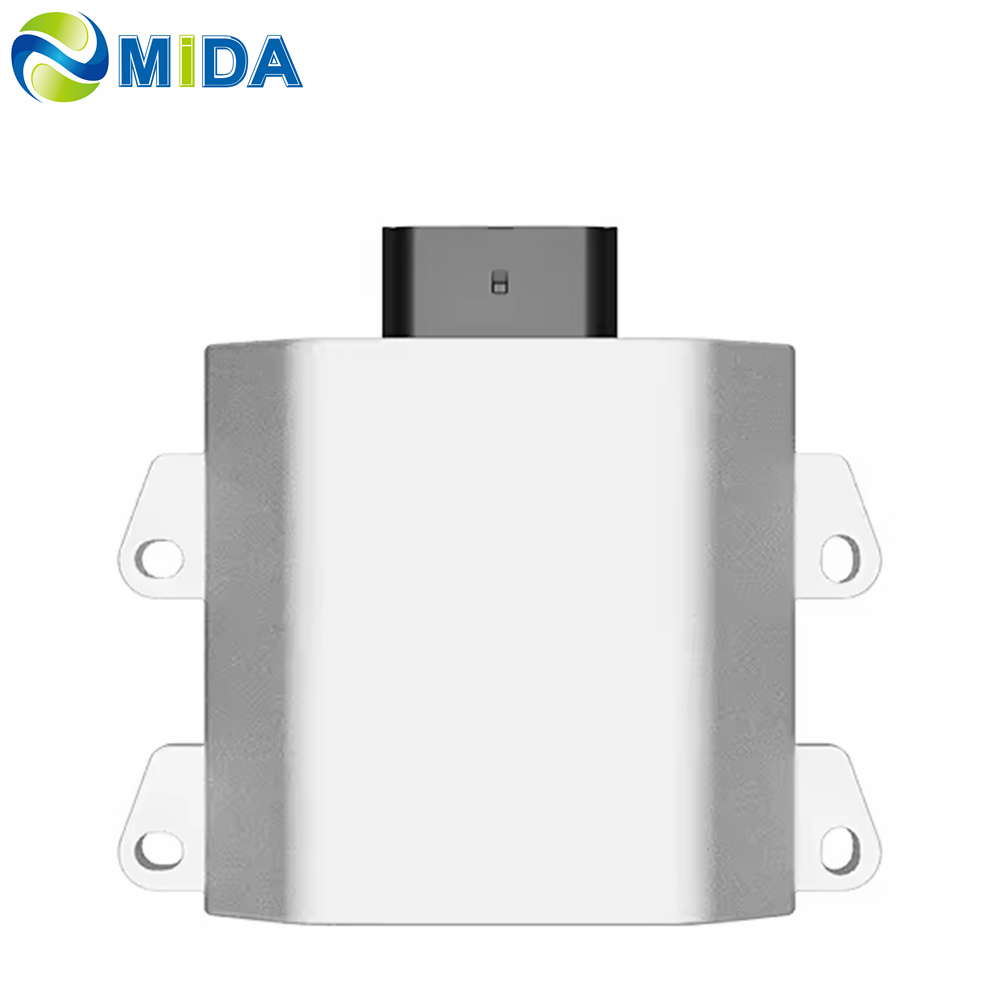
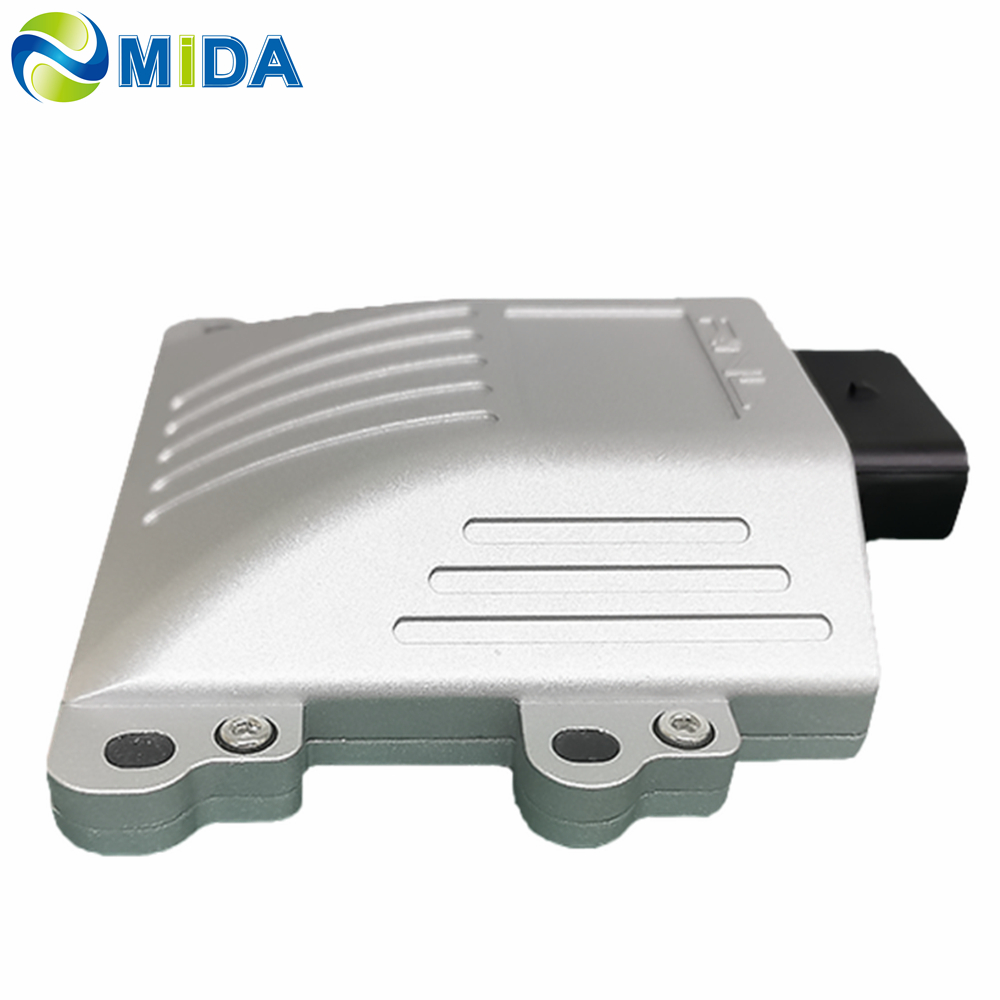
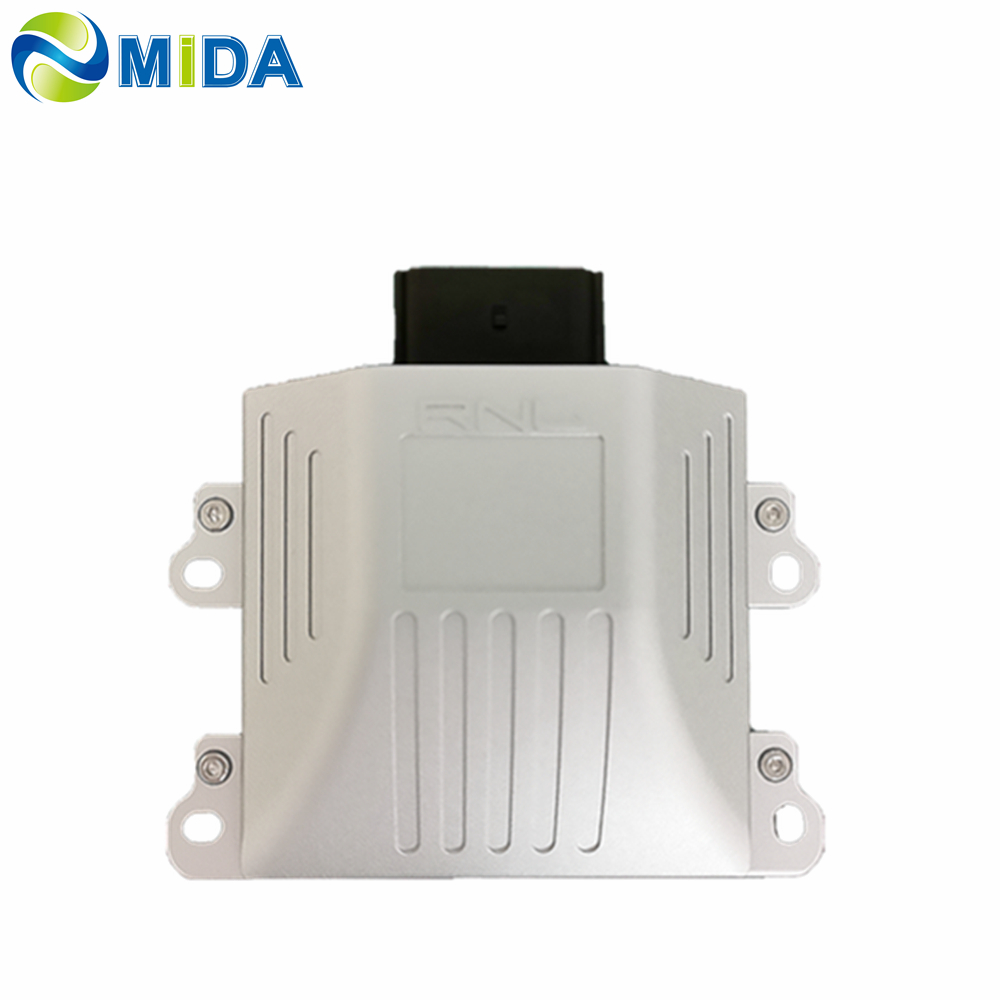
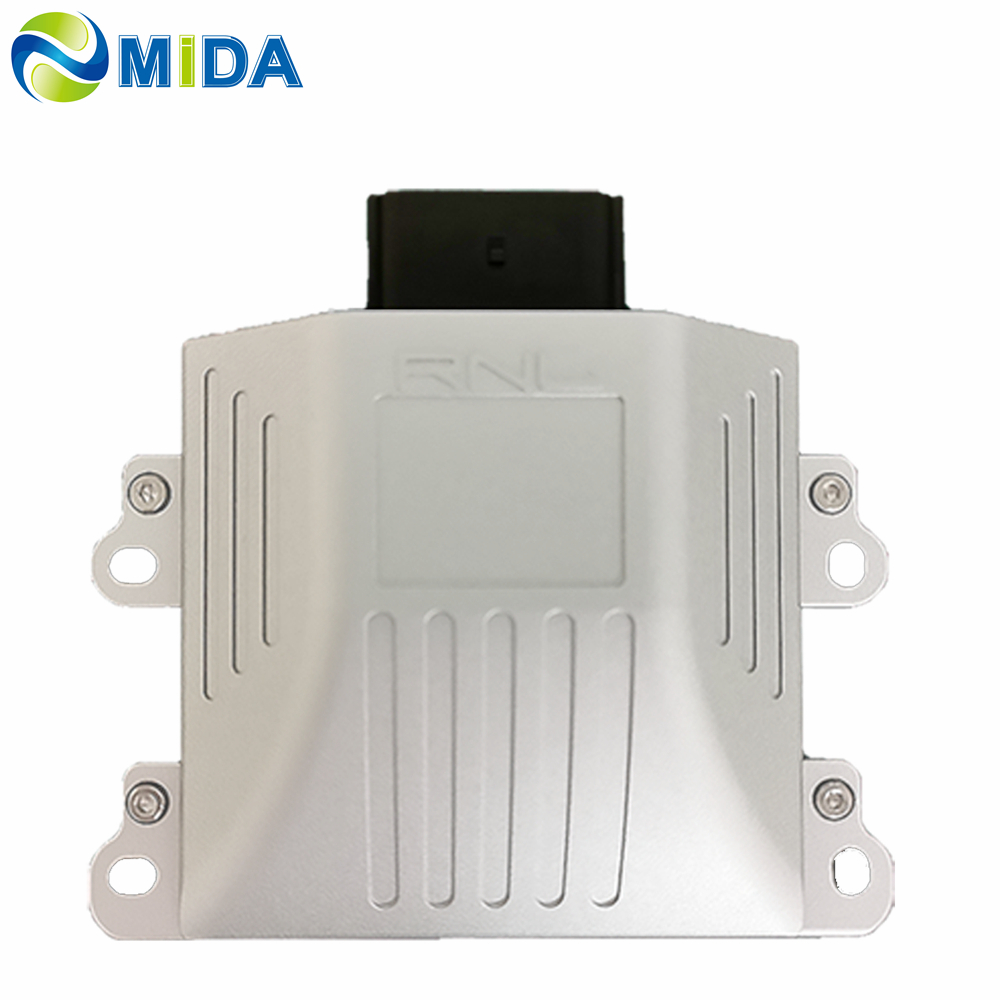
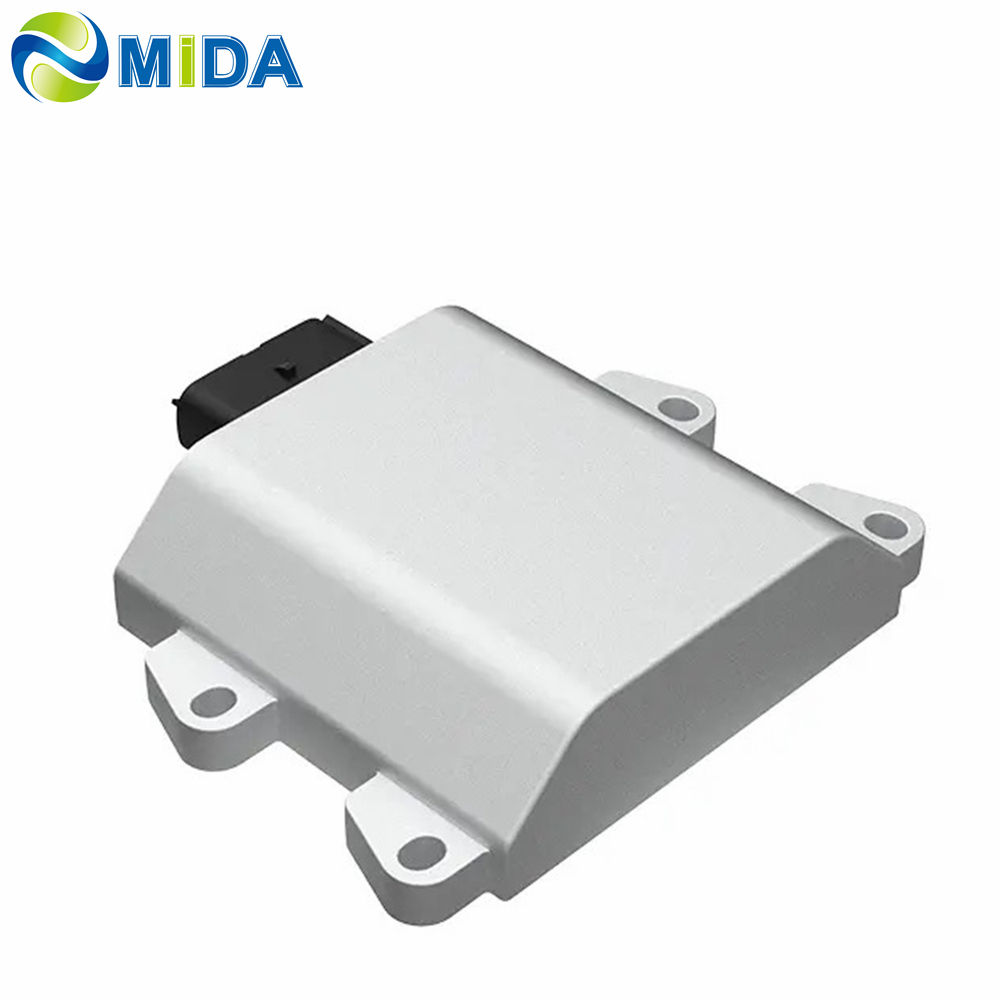
EVCC CCS1 CCS2 GBT CHAdeMO Electric Vehicle Charging Controller
🔹 Key Features
✔
HomePlug Green PHY (HPGP) 1.1
✔
SLAC (Signal Level Attenuation Characterization)
✔
DIN SPEC 70121 & ISO 15118-2 AC/DC EIM/PnC
✔
ISO 15118-20 AC/DC EIM/PnC Support
✔
Bidirectional Power Transfer (V2G)
✔
VAS (Value Added Service) ISO 15118, VDV261
✔
Pantograph & ACD (Automatic Connection Devices)
✔
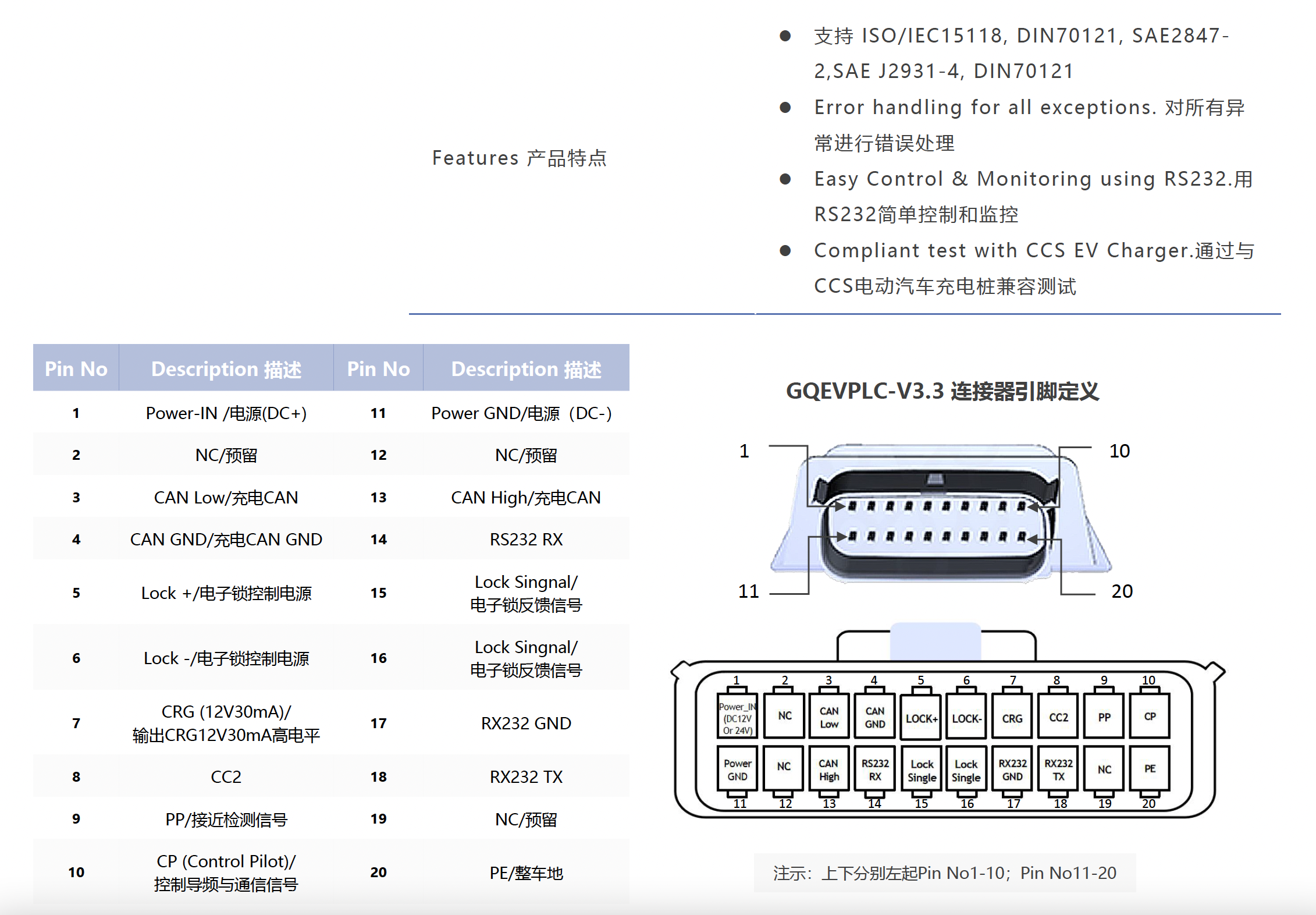
CAN 2.0B, J1939, UDS Supported
Specification
Electric Vehicle Charging Controller (EVCC)
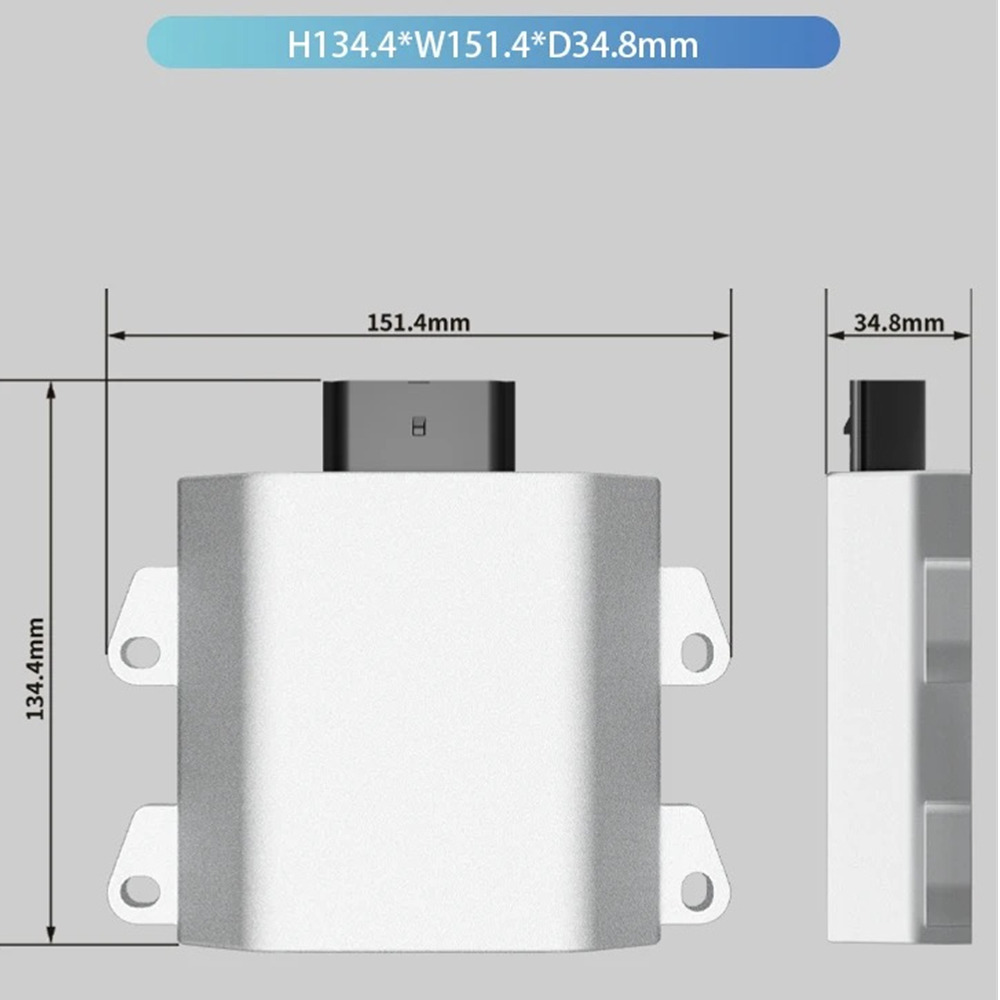
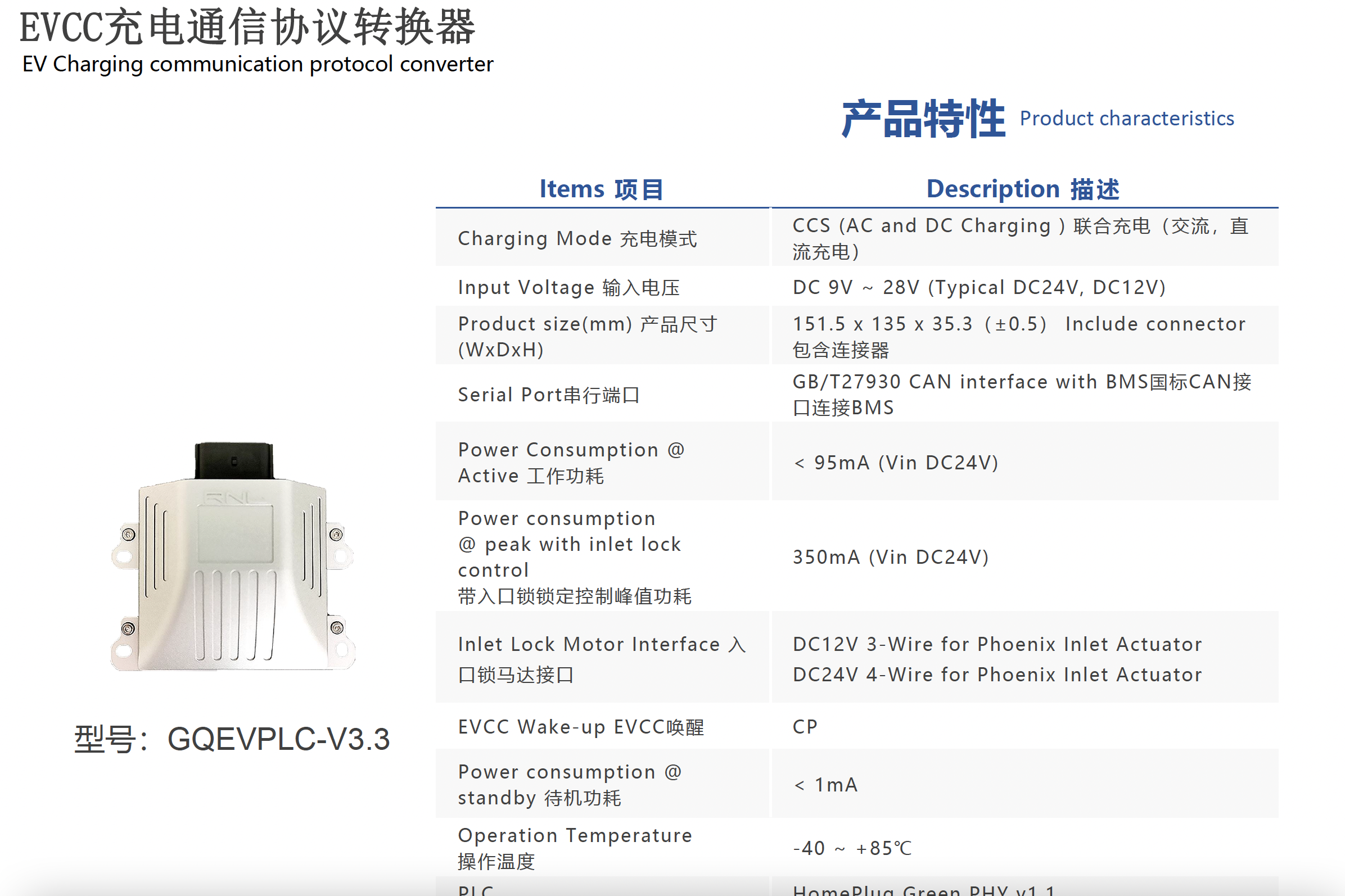
The EVCC is a standard ECU for 24V environments. It realizes electrical charging according to DIN SPEC 70121 and ISO 15118 for power line communication (PLC) with the infrastructure. The EVCC includes an integrated flash bootloader and a modern MICROSAR stack with all relevant application modules.
GQEVPLC-V3.3 CCS1 & CCS2
GQEVPLC-V3.4 CCS1 & CCS2
GQEVPLC-V4.1 CCS1 & CCS2
GQEVPLC-V6.1 CCS1 & CCS2
GQEVPLC-V6.2 CCS1 & CCS2
GQVCCU-V1.03 CHAdeMO
1. EVCC Function
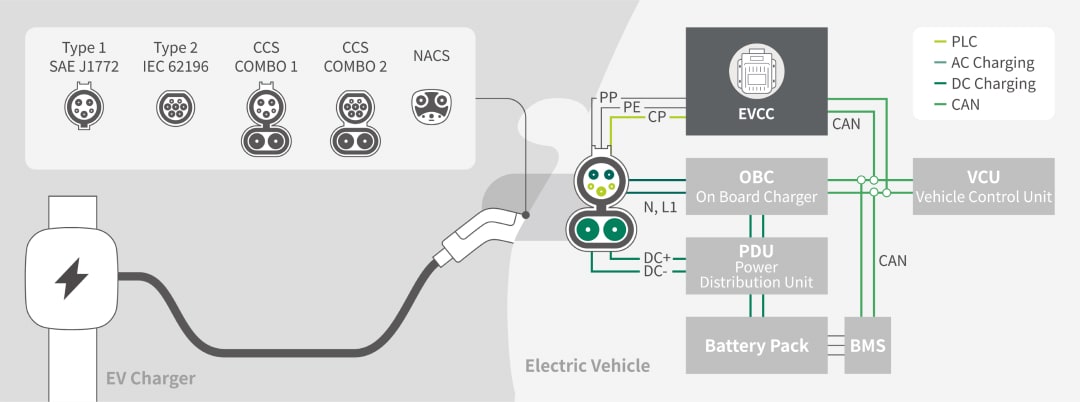
Because national standard electric vehicles cannot be directly exported abroad, they must be equipped with an EVCC to establish communication with overseas charging stations. The EVCC is a key controller in the electric vehicle charging process, serving as the communication bridge between the electric vehicle and the charging station. Its primary function is to convert the electric vehicle's communication protocol into a protocol understood by the charging station.
This enables communication, power transmission control, and data exchange between the vehicle and the system. The EVCC also monitors the battery capacity, controls charging power/time, and records data for subsequent analysis.
2. Global Standards Support
The Electric Vehicle Communication Controller (EVCC) is a comprehensive solution supporting CCS1 and CCS2 inlets. Global standards vary, such as China's GB/T 27930, Europe's DIN 70121 and ISO 15118, the US SAE J1772, and Japan's CHAdeMO. The EVCC bridges these protocol differences in voltage levels and interfaces.
3. Protocol Conversion Process
Converting electric vehicles to international standards requires both hardware and software integration:
⚙️ Hardware Requirements:
- Replace the charging interface with European or American standard hardware.
- Add the EVCC charging communication controller.
💻 Software Requirements:
The EVCC requires communication with the BMS, converting national CAN communication to PLC communication that complies with international standards. This accelerates internationalization and reduces export costs.
4. EVCC Hardware Components
The system consists of five major functional modules:
🔹 Microprocessor
🔹 Power Module
🔹 Communication Module
🔹 Sensors
🔹 Safety Protection Circuit
Frequently Asked Questions
❓ What is the main purpose of an EVCC?
The EVCC acts as a communication bridge between an electric vehicle and a charging station, converting protocols to ensure compatibility between different national standards.
❓ Which charging standards does the EVCC support?
It supports major global standards including CCS1, CCS2, GB/T, and CHAdeMO, complying with DIN SPEC 70121 and ISO 15118 protocols.
❓ Why is an EVCC necessary for exporting electric vehicles?
Vehicles built to one national standard (like GB/T) cannot communicate with overseas stations (like CCS2). The EVCC converts these signals so the car can charge in foreign markets.
❓ Does the EVCC support Vehicle-to-Grid (V2G) communication?
Yes, the EVCC supports Bidirectional Power Transfer Communication (V2G) in accordance with ISO 15118 standards.
❓ What hardware modules are inside the EVCC?
It typically includes a microprocessor, a power module, a communication module (PLC/CAN), various sensors, and safety protection circuits.
❓ Can it work with both 12V and 24V vehicle systems?
The EVCC is a standard ECU designed primarily for 24V environments, making it suitable for a wide range of electric vehicle platforms.