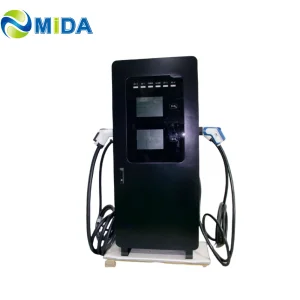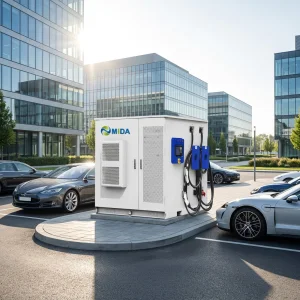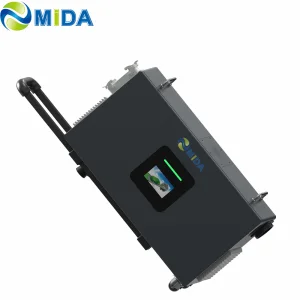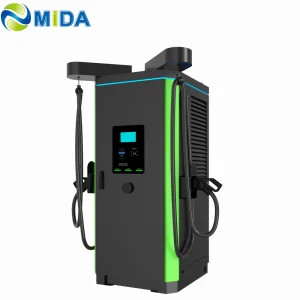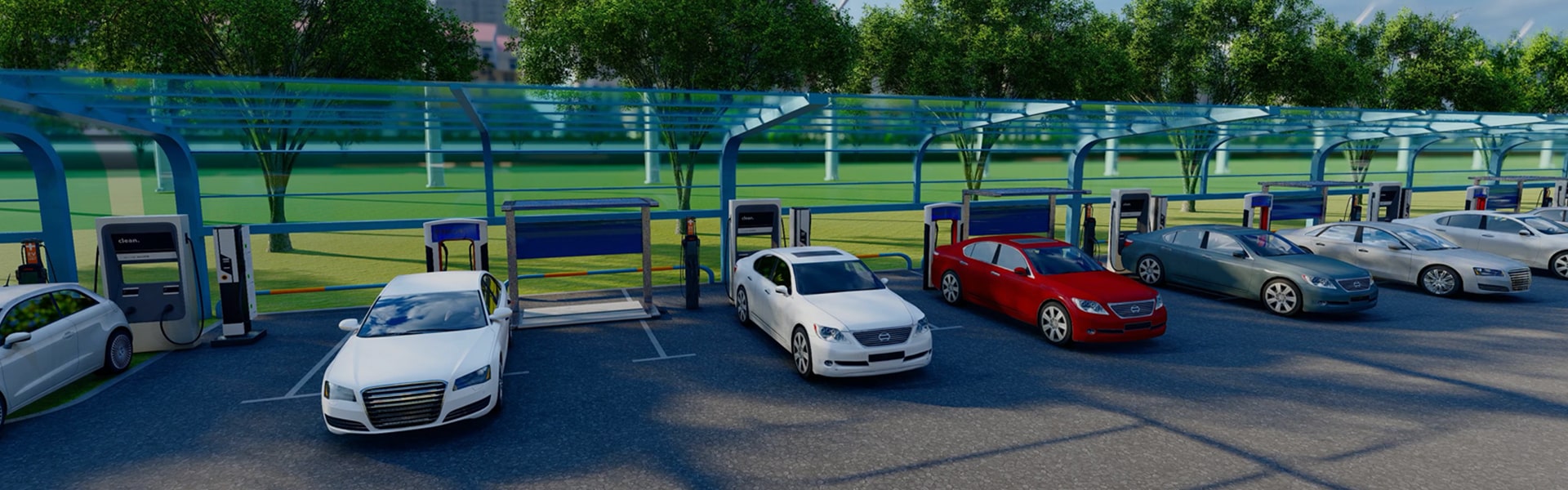
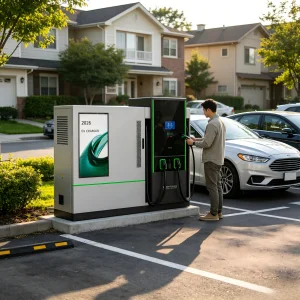
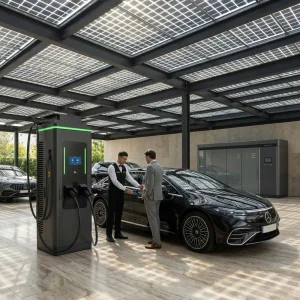
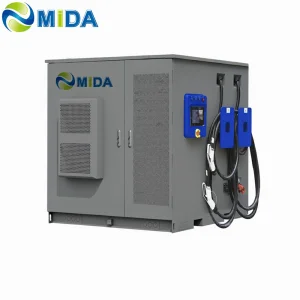
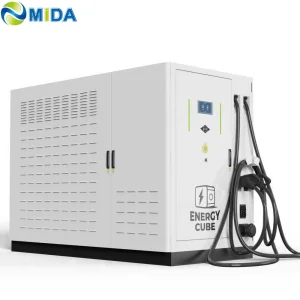
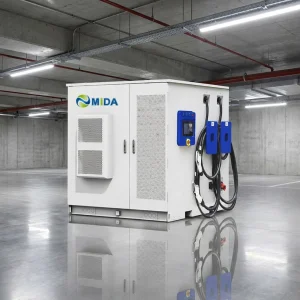
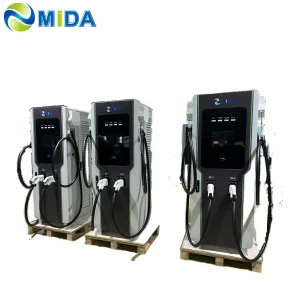
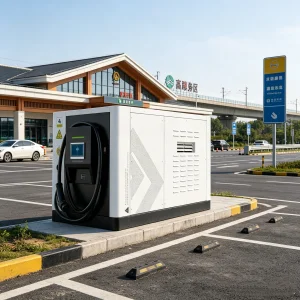
The global EV landscape has evolved rapidly, yet the demand for reliable and stable CHAdeMO DC 50kW charging infrastructures remains a critical foundation for multiple geographic corridors and municipal fleets. Recognized as a highly cost-efficient and structurally sound charging threshold, 50kW DC chargers offer a unique synergy of grid safety, thermal stability, and capital expenditure minimization.
By leveraging the established JEVS G105 CHAdeMO interface protocol, 50kW charging stations deliver continuous DC energy without overstressing medium-voltage utility links. For legacy commercial fleets, Japanese-manufactured municipal support systems, and local delivery networks, the 50kW footprint is not simply a standard—it is an active utility asset. MIDA Group specializes in engineering state-of-the-art power distribution hardware matching these interfaces with contemporary features like OCPP 2.0.1 and Vehicle-to-Grid (V2G) compliance.
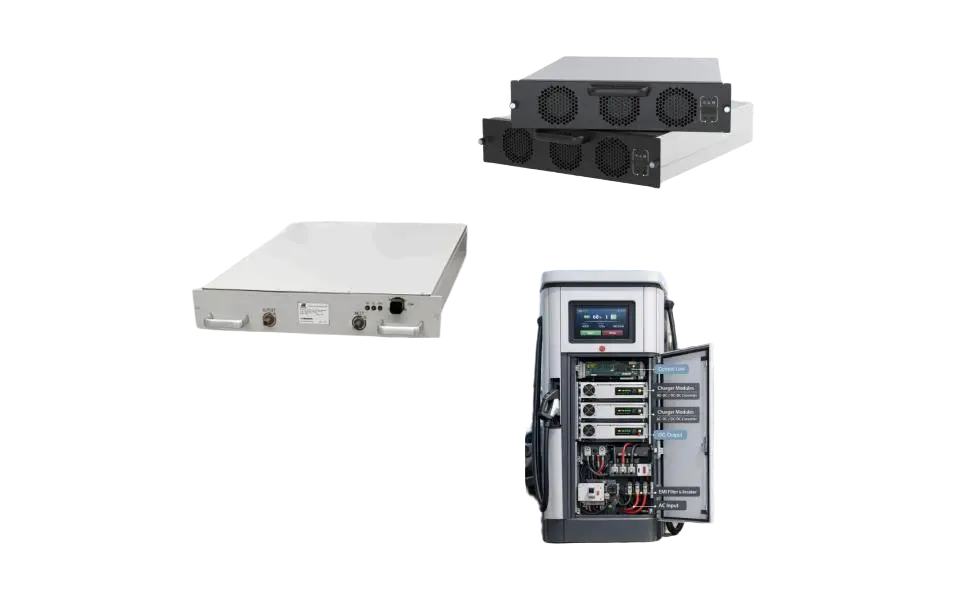
By deploying high-density switching components and advanced silicon carbide (SiC) MOSFETs, MIDA's manufacturing setups construct modules with lower harmonic distortions, elevated power factor rates (>0.99), and overall power efficiency exceeding 96.5%.
These units function as robust system cores that can operate reliably under the most volatile environmental conditions.
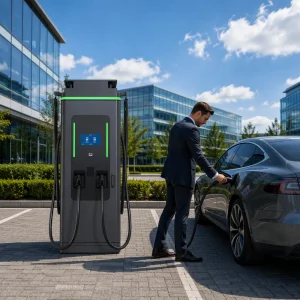
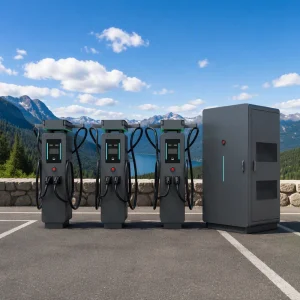
In mature electric vehicle markets, the installation profiles for CHAdeMO chargers span across specific commercial niches. Our field research highlights four dominant deployment structures:
The roadmap for CHAdeMO DC charging is transitioning towards larger, multi-standard integrations and intelligent, bidirectional power flow. The introduction of ChaoJi (CHAdeMO 3.0) marks a shift toward ultra-high-power capacities up to 900kW, employing a backward-compatible adapter approach that links legacy 50kW units with new high-power infrastructure.
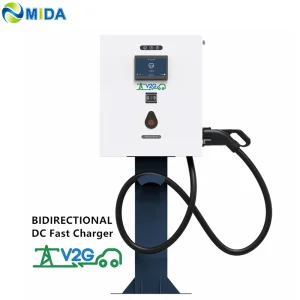
Simultaneously, Vehicle-to-Grid (V2G) systems (standardized via CHAdeMO protocol versions 2.0 and later) allow EVs to act as distributed energy storage assets. When power grids experience peak stress, a network of connected vehicles can inject energy back into the distribution network. MIDA's bidirectional power modules are designed to manage this bidirectional energy exchange, ensuring precise utility synchronization, minimal grid perturbation, and reliable electrical safety.
Shanghai Mida Cable Group Ltd. operates through its wholly owned subsidiaries: Shanghai Mida EV Power Co., Ltd., Shenzhen Mida EV Power Co., Ltd., and Shanghai Mida New Energy Co., Ltd.
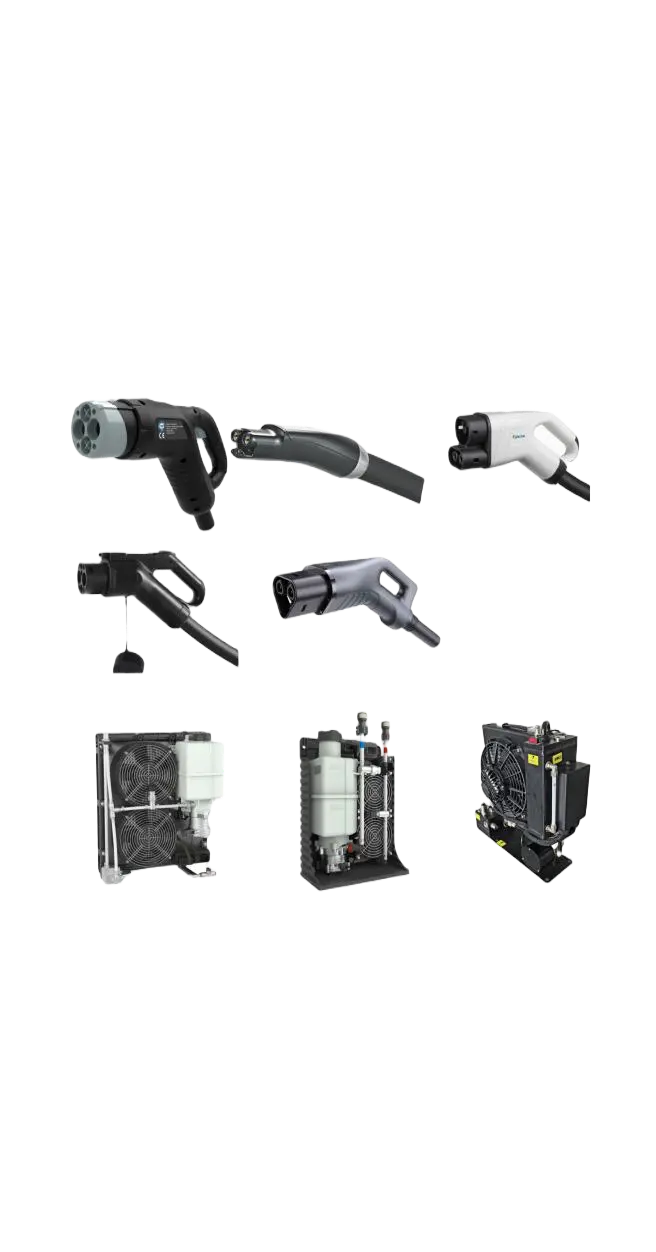
Mida Cable manufactures a comprehensive range of EV charging cables, including 16A–80A J1772 cables, 16A–63A IEC 62196-2 Type 2 cables, and DC fast charging cables: CCS1 (80A–500A), CCS2 (125A–1000A), CHAdeMO (125A–300A), GBT (200A–1000A), and NACS connectors (250A–600A).
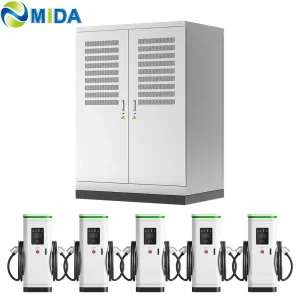
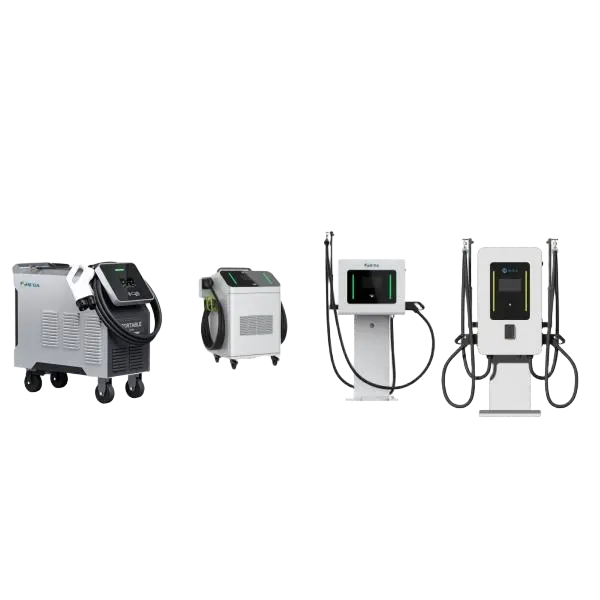
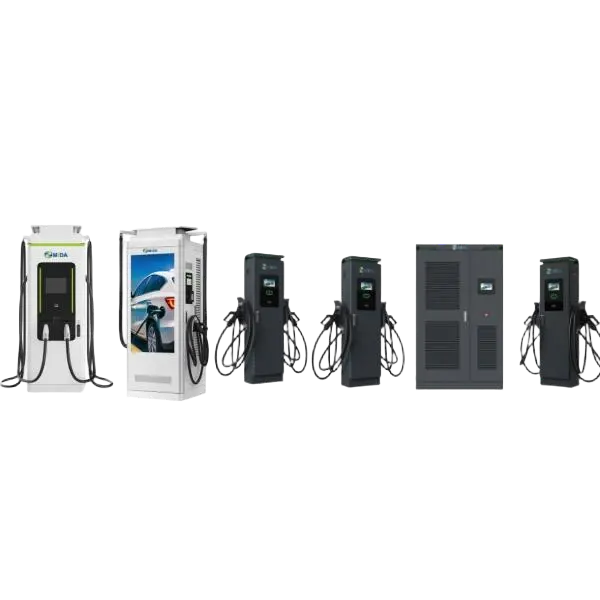
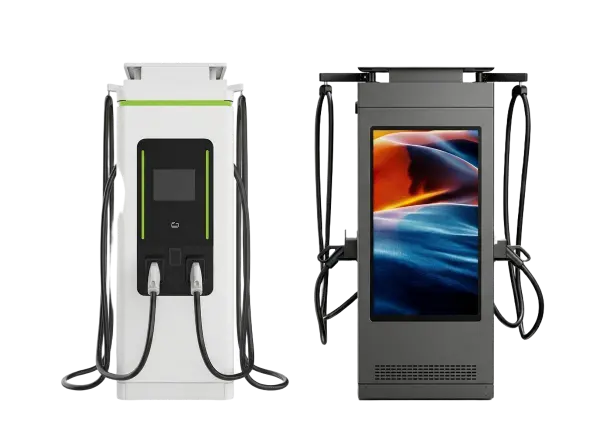
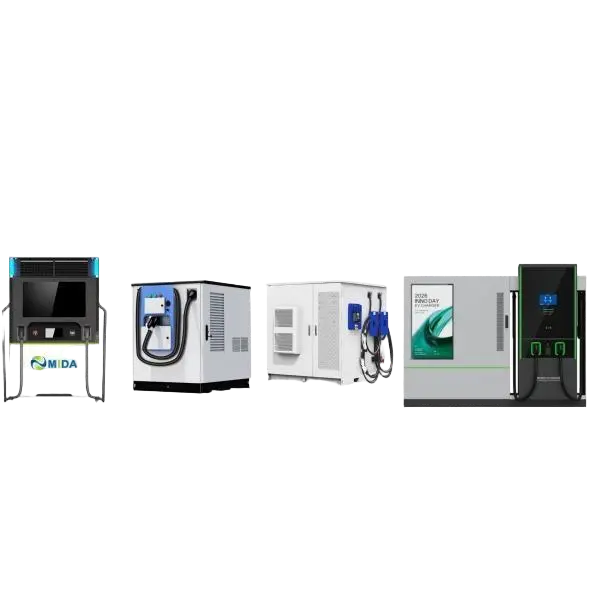
MIDA EV Power produces a full lineup of EV charging stations, such as 7kW–50kW mobile chargers, 3.6kW–7.2kW portable DC chargers, 360kW–1440kW split-type DC fast chargers, 20kW–50kW wall-mounted DC chargers, and 60kW–480kW floor-standing DC fast charging stations.
MIDA New Energy specializes in EV charger power modules, offering 20kW–60kW standard modules, 40kW–125kW liquid-cooled modules, 30kW–62.5kW bidirectional modules, and 20kW–45kW V2G charging modules.

MIDA Group's primary manufacturing units utilize a vertically integrated production line. From copper drawing and cable insulation extrusion to electrical connector modeling and power module PCB populating, we control the entire lifecycle of our products.
This allows us to maintain strict quality standards, reduce transit damages, and offer significant cost advantages to our global customers.
Our production facilities benefit from China's robust electronics and industrial supply chain ecosystem. Proximity to raw materials, rapid electronic component sourcing, and efficient port logistics in Shanghai and Shenzhen allow us to optimize production schedules and reduce lead times.
Additionally, our factories operate under strict IATF 16949 automotive quality management standards. This guarantees that our power systems, connectors, and cable products meet the rigorous testing protocols required for international markets, including CE, CB, TUV, UKCA, UL, and PSE compliance.
By coupling advanced automation with meticulous quality control, we ensure our global partners receive highly reliable charging infrastructure that meets local regulatory standards and environmental demands.
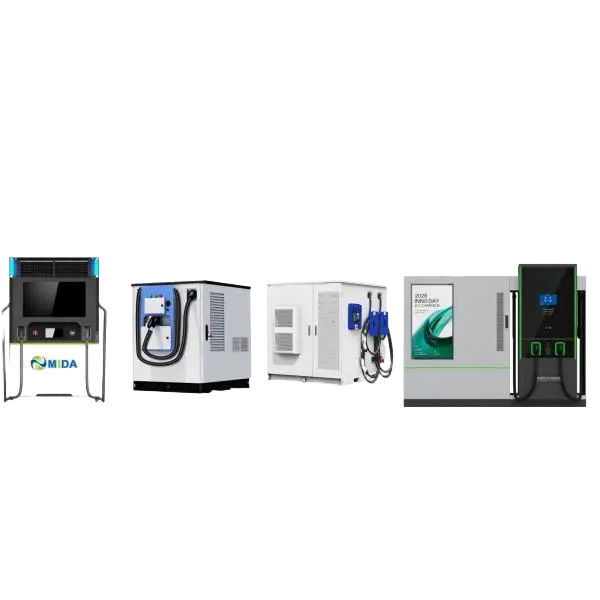
Integrated energy storage systems featuring liquid or forced-air cooling, battery pack balancing, and smart EMS systems optimized for peak shaving and buffer operations.
View More →Review our full components and station portfolio designed to provide high-quality solutions for commercial charging infrastructure.
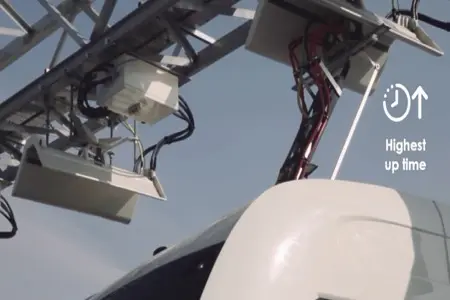
What are the advantages of an e-bus pantograph dome? In contrast to classic plug-in charging systems, e-bus pantograph systems allow for automatic rapid charging during route operations...
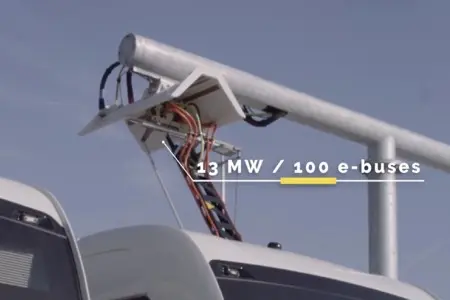
How long does it take to charge with an e-bus pantograph? The charging time depends on the battery capacity and the operating voltage of the utility grid...
How to Install the Pantograph Up Charger System Dome for Electric Bus. Installing a "Pantograph Up" system requires structural engineering analysis and precise calibration of control systems...
MIDA Group's 50kW CHAdeMO DC chargers achieve peak electrical power conversion efficiency of 96.5% under typical operating loads (between 40% and 85% capacity). Under light loading, efficiency remains above 94.2% through intelligent phase-shedding within our modular power configurations, reducing parasitic energy losses and optimizing operational costs.
The system performs a pre-charge insulation check on the electrical connection, verifying insulation resistance before initiating power delivery. It also includes short-circuit protection, over-current cutoff, reverse polarity protection, and dual emergency stop paths to isolate high-voltage buses within milliseconds if a fault is detected.
Yes, MIDA Group's V2G product versions utilize the CHAdeMO bidirectional protocol. These units enable energy to be dispatched from the vehicle back into the municipal grid or home storage setup. They comply with grid synchronization standards and feature integrated high-speed response times to manage sudden load changes.
Our units feature IP54 or IP55 protective enclosures. They are equipped with temperature-regulated cooling fans and internal heater blocks that adjust airflow based on real-time sensor readings. This ensures reliable operation and prevents thermal de-rating, even during continuous full-load charging cycles.
MIDA charging units support OCPP 1.6J and OCPP 2.0.1 profiles. This allows for integration with major charger management systems, enabling remote firmware updates, payment processing, transaction logs, diagnostic reports, and automated load balancing.
Standard configuration orders (e.g., floor-standing 50kW chargers) typically have a production lead time of 3 to 4 weeks. Customized units with specific branding, payment integrations, or specialized connector combinations (e.g., dual CHAdeMO + CCS2) have a lead time of 5 to 7 weeks, supported by our logistics pathways from Shanghai and Shenzhen ports.