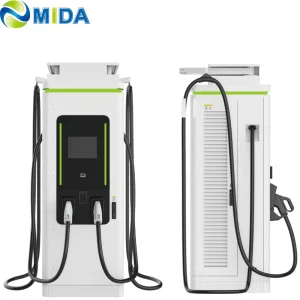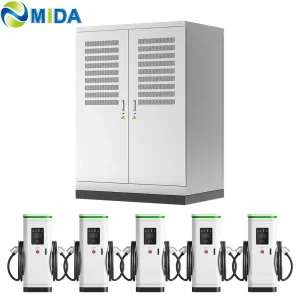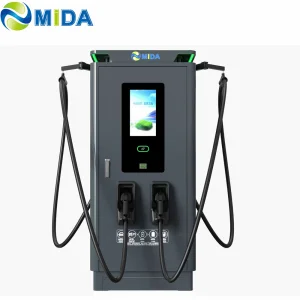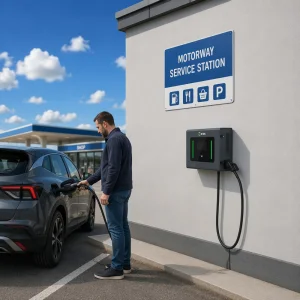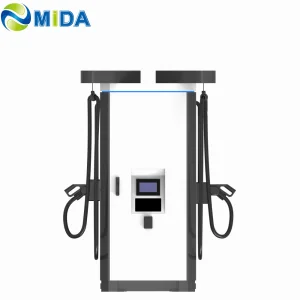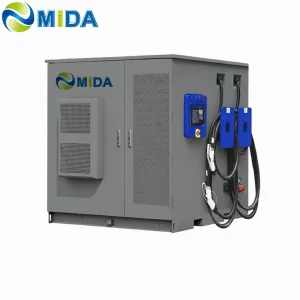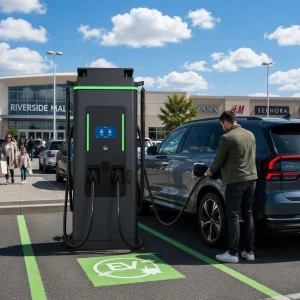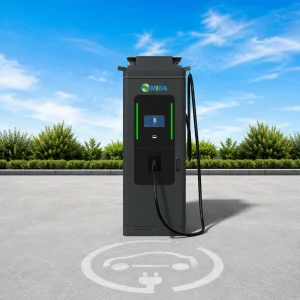
High-performance charging stations certified by global safety bodies (TUV, ETL, UL, RCM) designed for continuous commercial operations.
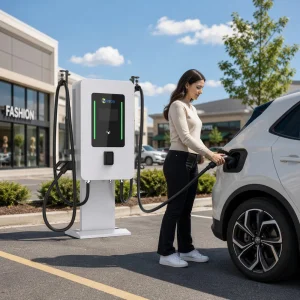
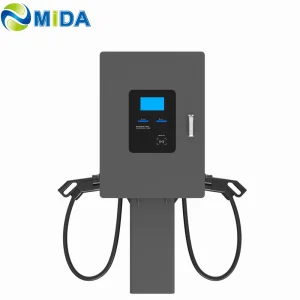
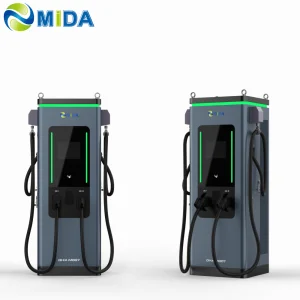
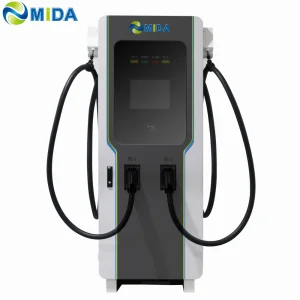
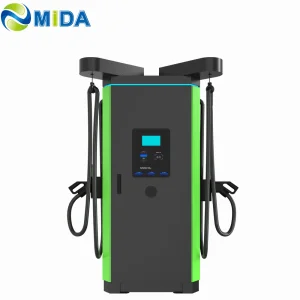
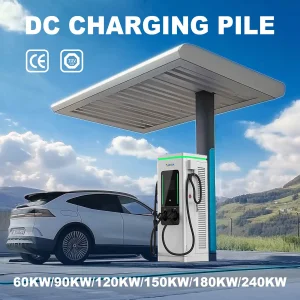
The global transition towards transportation electrification has moved past early adoption into heavy-duty infrastructure scale-up. Corporate boards, public sector leaders, and commercial real estate assets face massive structural requirements: deploying scalable, robust, and cost-effective Electric Vehicle (EV) charging stations. Choosing the correct commercial charging station manufacturers and suppliers is no longer just a purchasing decision—it is a critical, long-term energy management and asset modernization commitment.
"By 2030, commercial fleets and depot networks are projected to constitute over 45% of total electricity consumed by the transportation sector. Reliable charging interfaces combined with onsite Battery Energy Storage Systems (BESS) are essential to prevent localized grid failures."
To successfully integrate charging hardware into corporate property portfolios, global developers must watch four major technological shifts:
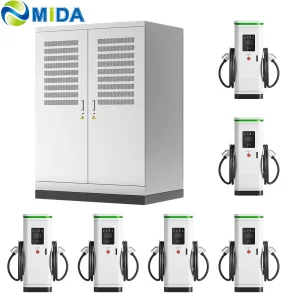
First, the market is quickly moving towards Ultra-Fast Charging (HPC) and Split DC charging topologies. Traditionally, integrated stations suffered from thermal constraints and inflexible power distribution. The modern alternative relies on decentralized modular layouts where high-power charging satellites pull variable capacity dynamically from a central power cabinet (ranging from 360kW up to 1440kW). This ensures that cars, vans, and commercial trucks draw exactly the power their battery management system (BMS) requests, reducing wear and energy costs.
Second, Battery Energy Storage Systems (BESS) are merging directly into EV hubs. In regions with constrained power grids, upgrading grid cables to support multiple 240kW chargers can cost hundreds of thousands of dollars and take months or years. Smart BESS-integrated systems buffer local grids by storing cheaper energy during off-peak times and discharging it during high-demand sessions. This mitigates peak demand charges and provides backup power during emergencies.
Commercial buyers face different challenges than retail EV users. Fleet management, municipal transport, and retail parks require robust hardware built for high uptime. Major buyers evaluate suppliers based on three pillars:
Explore our three key equipment portfolios designed for commercial, industrial, and utility scale operations.
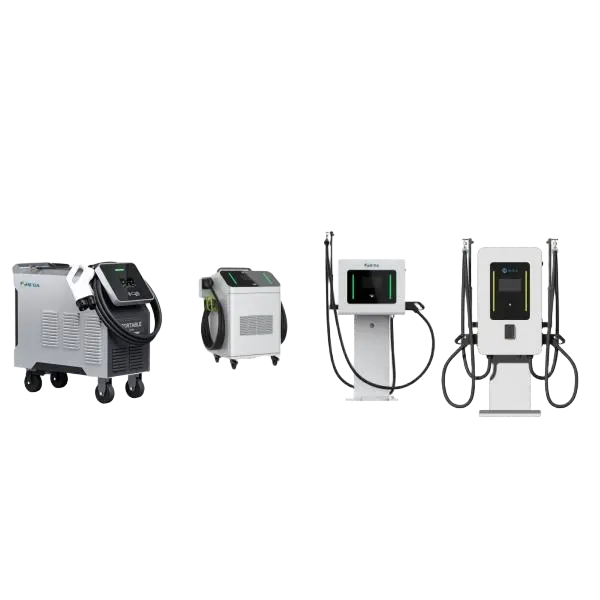
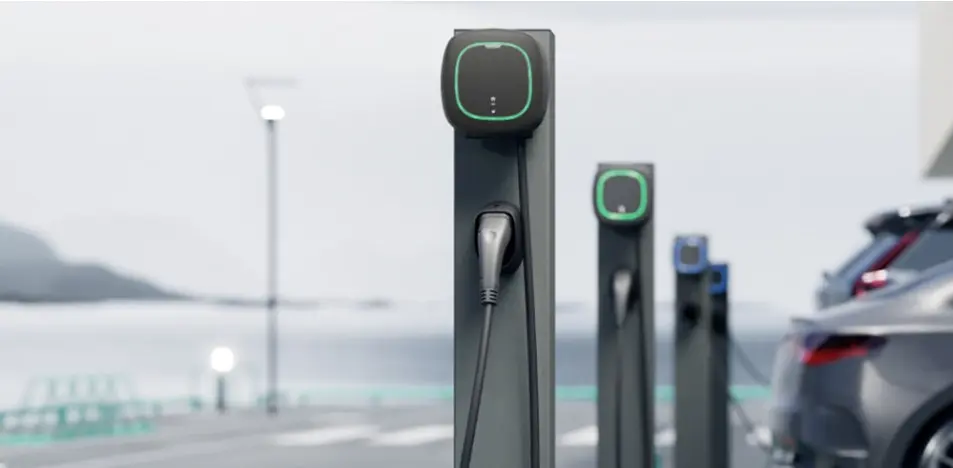
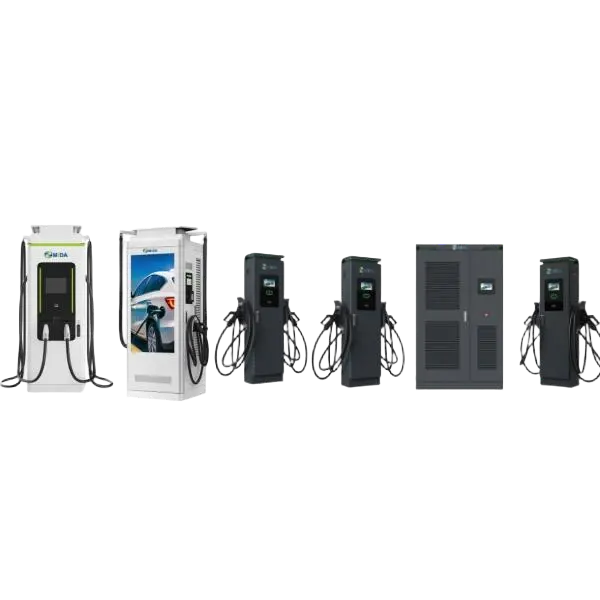
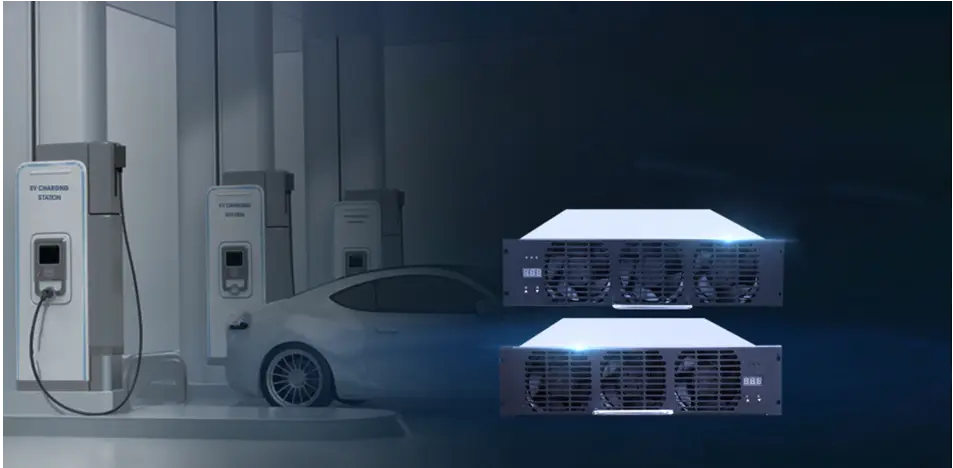
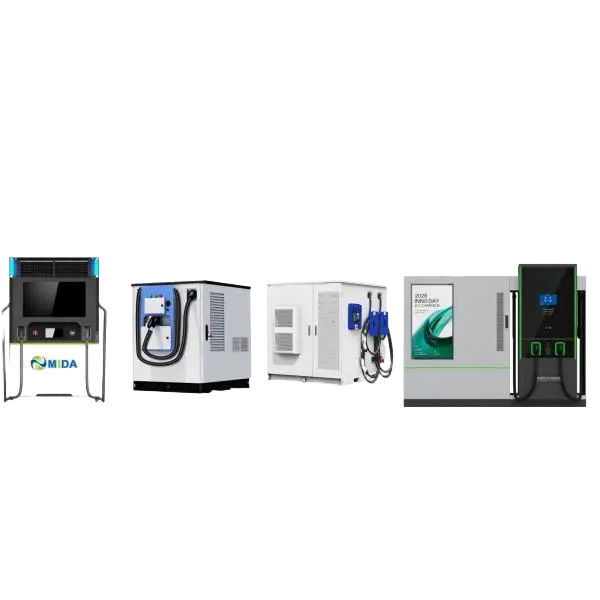
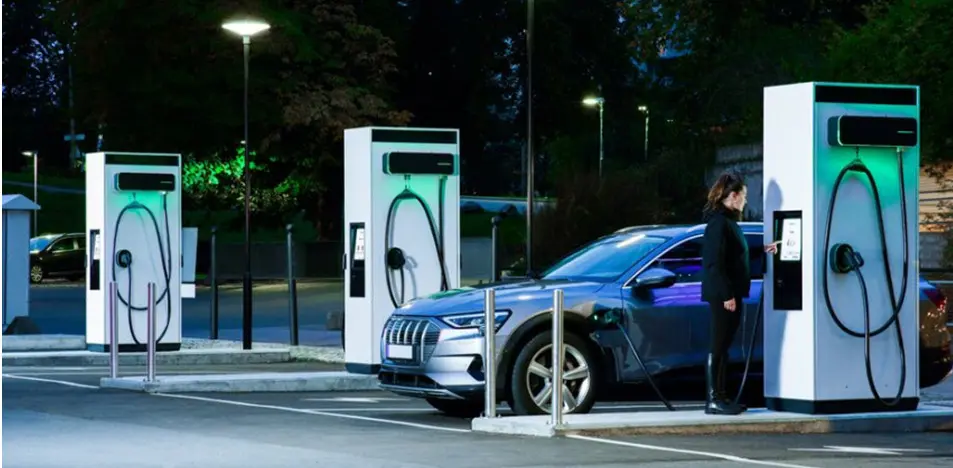
Driving the EV revolution through vertically integrated manufacturing systems.
Shanghai Mida Cable Group Ltd. operates globally through three specialized, wholly-owned subsidiaries, ensuring absolute quality control over every component, from raw cables to advanced power electronics:

Mida Cable designs and manufactures a complete line of EV charging cables, including 16A–80A J1772 cables and 16A–63A IEC 62196-2 Type 2 cables. For ultra-fast DC systems, we offer heavy-duty cables and connectors for every major global standard: **CCS1 (80A–500A), CCS2 (125A–1000A), CHAdeMO (125A–300A), GB/T (200A–1000A), and NACS (250A–600A)**.
High-performance charging stations and power conversion components engineered for scale, efficiency, and reliability.
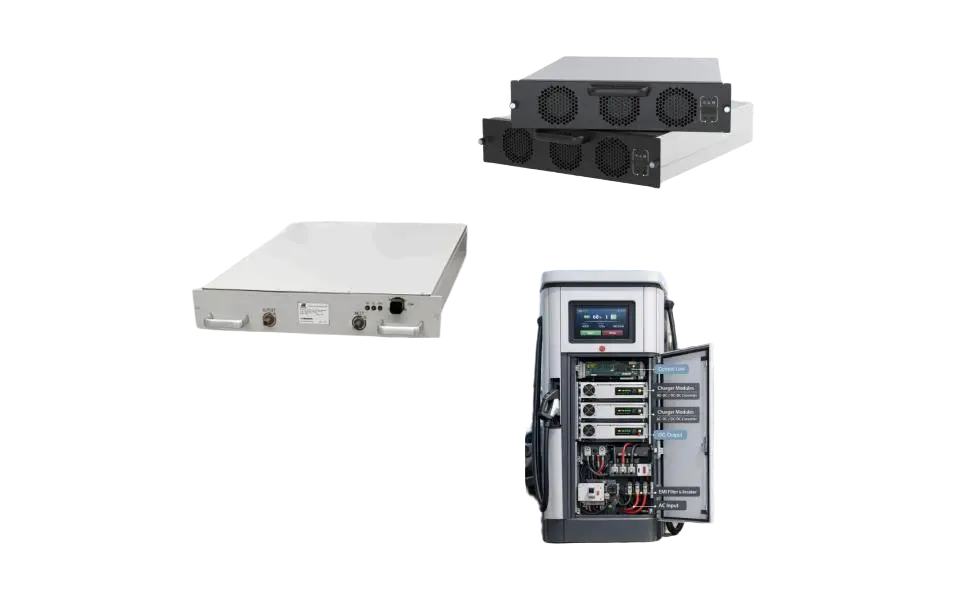
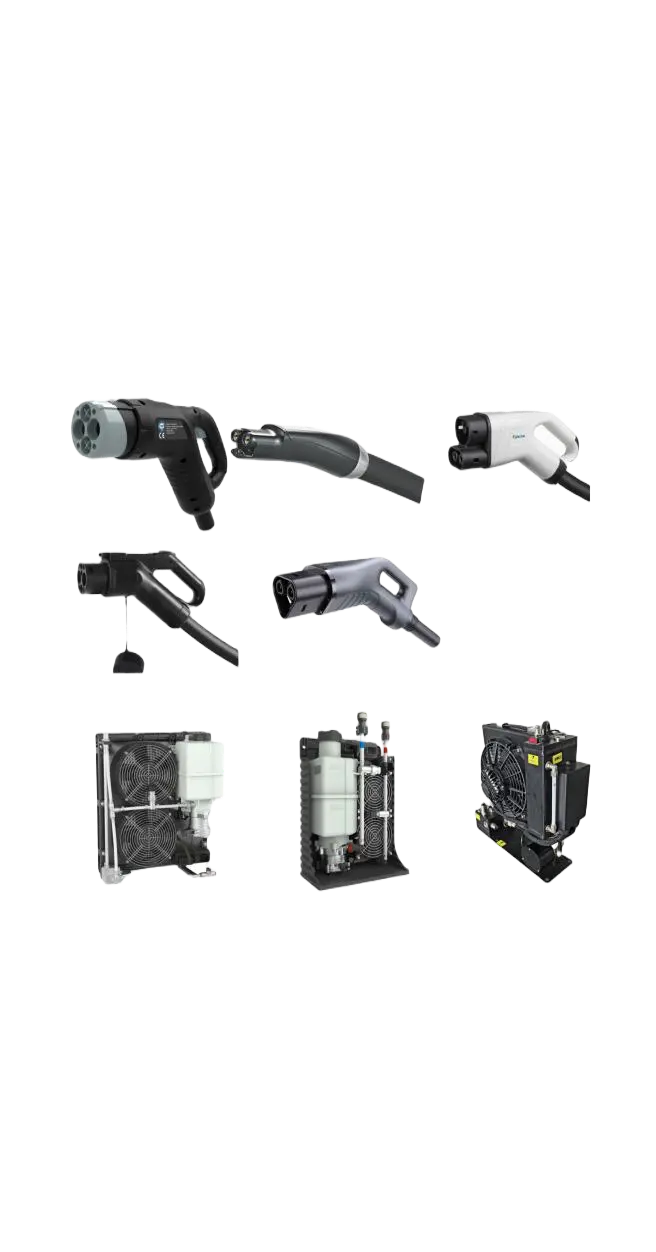
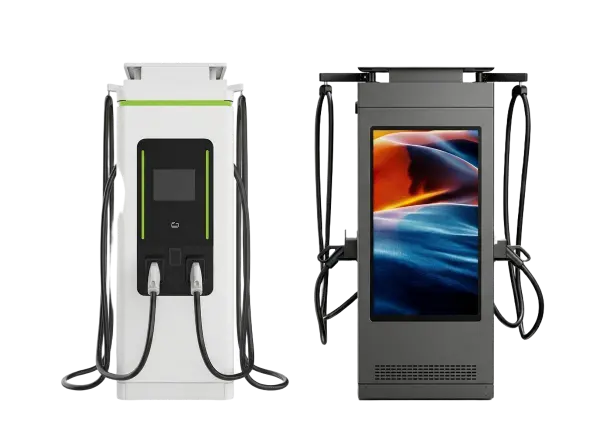
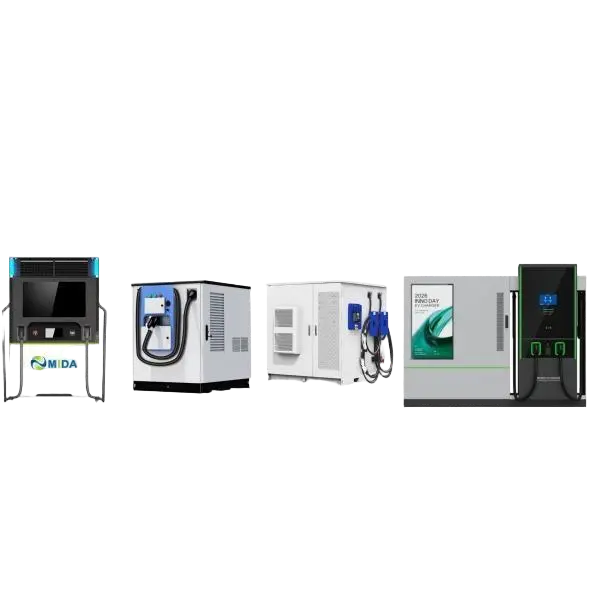
For large-scale EV rollouts, selecting standard commercial chargers is not enough. Implementation requires customized solutions tailored to specific commercial use cases:
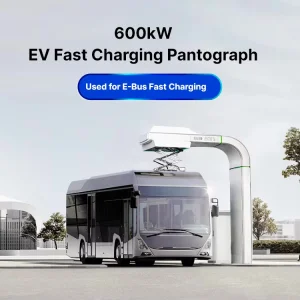
Long-haul transit and distribution centers require high energy throughput. Fleet trucks and public transit buses cannot afford long charging times. Our specialized high-power overhead charging systems, such as "Pantograph Up" dome installations, deliver up to 600kW of power. This allows electric buses to charge during driver shift changes, keeping transit systems running without downtime.
Large-scale EV installations put significant strain on local grids. Using bidirectional power modules (V2G) transforms EV fleets into virtual power plants (VPP). By returning power to the facility or grid during peak hours and recharging during off-peak times, companies can lower their energy bills and support grid stability.
Deploying charging equipment internationally requires meeting strict local regulations. Commercial charging hubs must comply with specific standards depending on the region:
At Mida Group, we guarantee that all hardware meets these regional standards. Our products undergo rigorous testing at accredited labs, ensuring safe installation and seamless connection to local utility grids.
Stay updated on the latest breakthroughs, installation guides, and technological developments from our global team.

Compared to traditional plug-in systems, e-bus pantographs allow hands-free, high-power automated charging directly from the overhead dome.
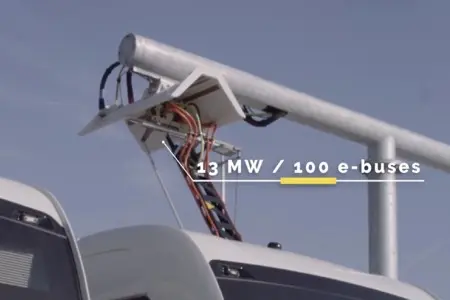
Charging times depend on battery capacity and the charging system's output power. Under optimal conditions, a 600kW system can fully charge a bus in minutes.
A detailed guide on installing overhead charging domes for electric buses, highlighting key electrical, civil engineering, and safety steps.
Technical and procurement answers for commercial EV charging installations.
Industrial-grade charging stations and high-power storage solutions engineered to keep fleets running.