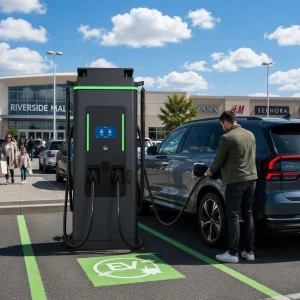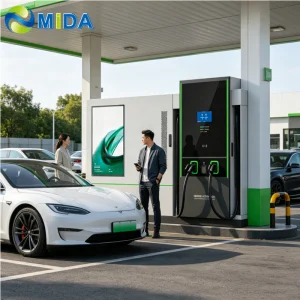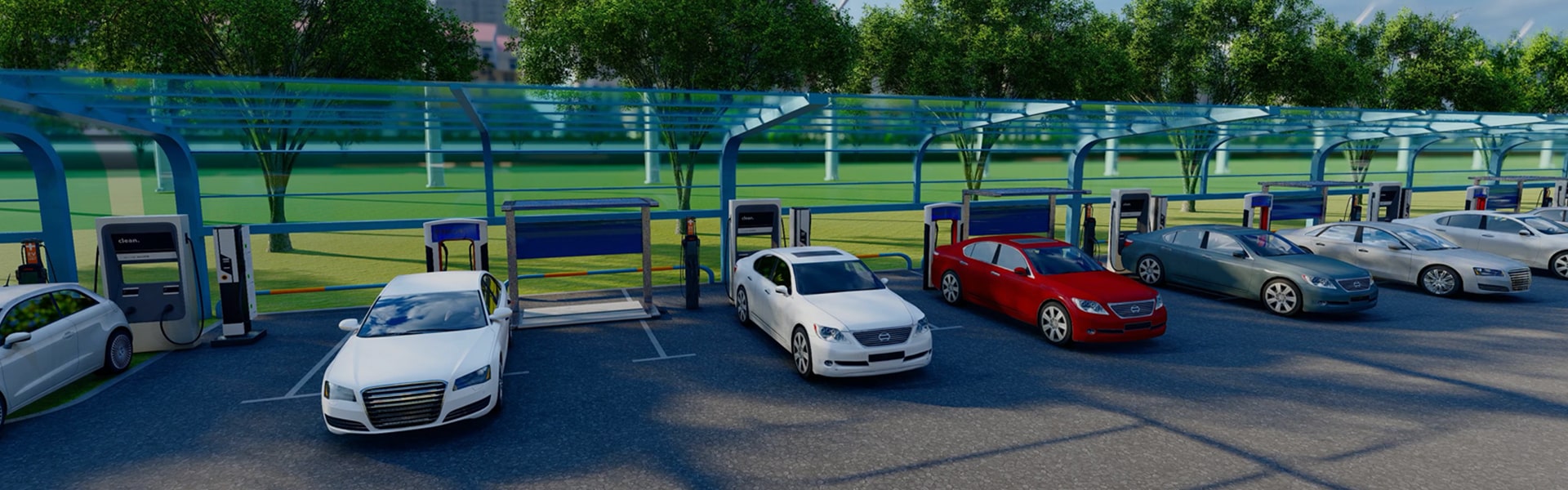
Explore our elite range of certified DC fast chargers, mobile units, and system testing equipment built for heavy-duty commercial deployment.
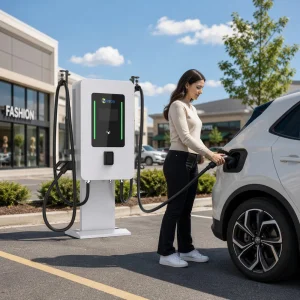
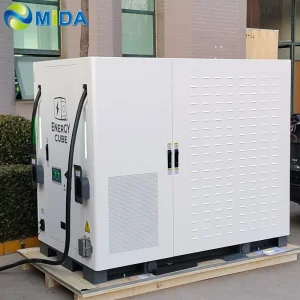
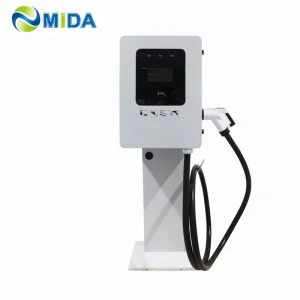
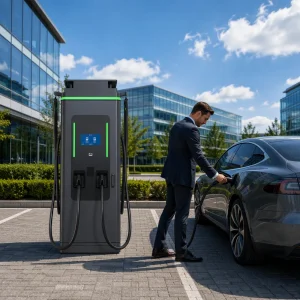
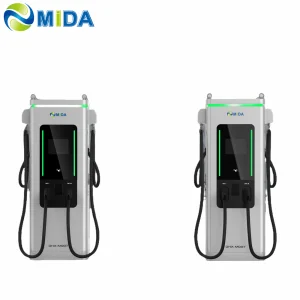
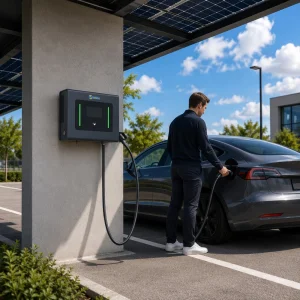
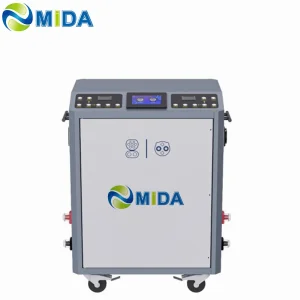

Engineered to comply with international standards, delivering scalable electricity distribution and storage solutions.
Intelligent domestic and commercial Level 2 systems equipped with advanced OCPP protocols and dynamic load balancing.
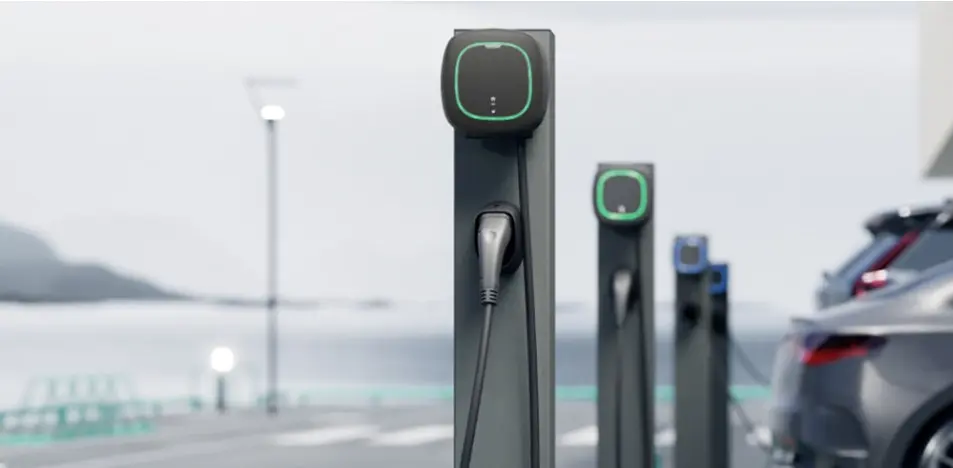
Flexible, high-efficiency space-saving solutions ideal for workplace fleets, auto dealerships, and urban depots.
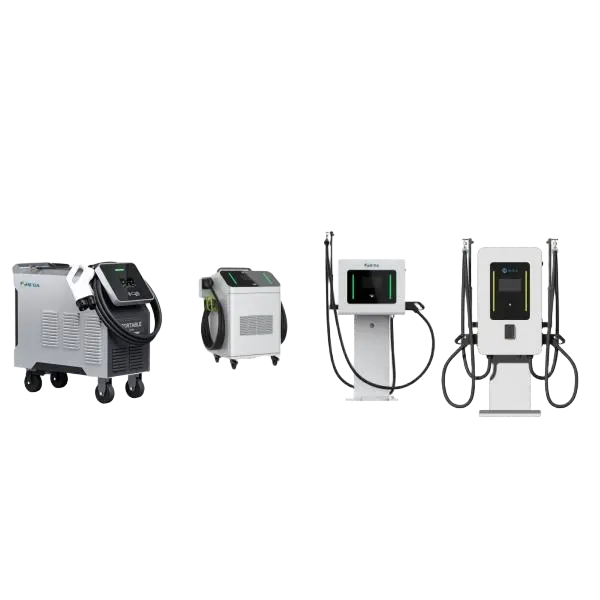
Robust, multi-dispenser highway charging hubs engineered with active dynamic power sharing technology.
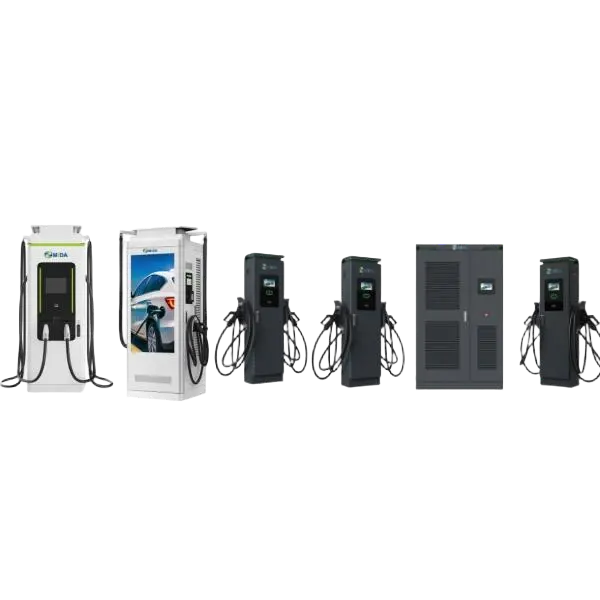
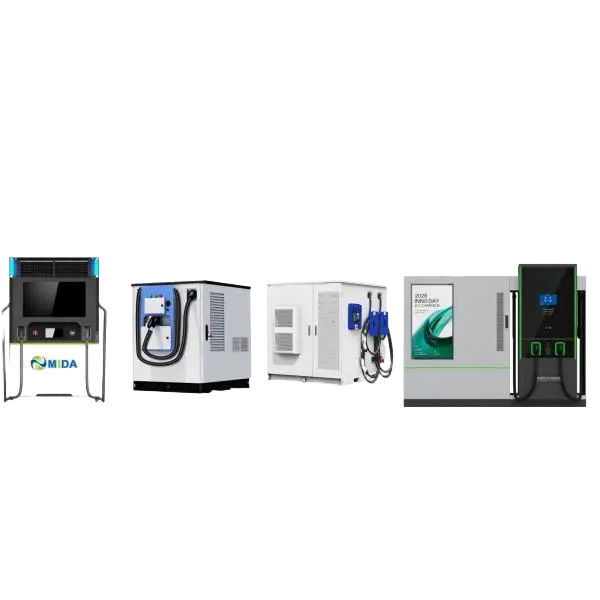
Grid-friendly storage integrated fast chargers, resolving power shortages through peak-shaving mechanics.
Discover how MIDA Group's vertical manufacturing architecture provides unparalleled quality control and cost efficiency.
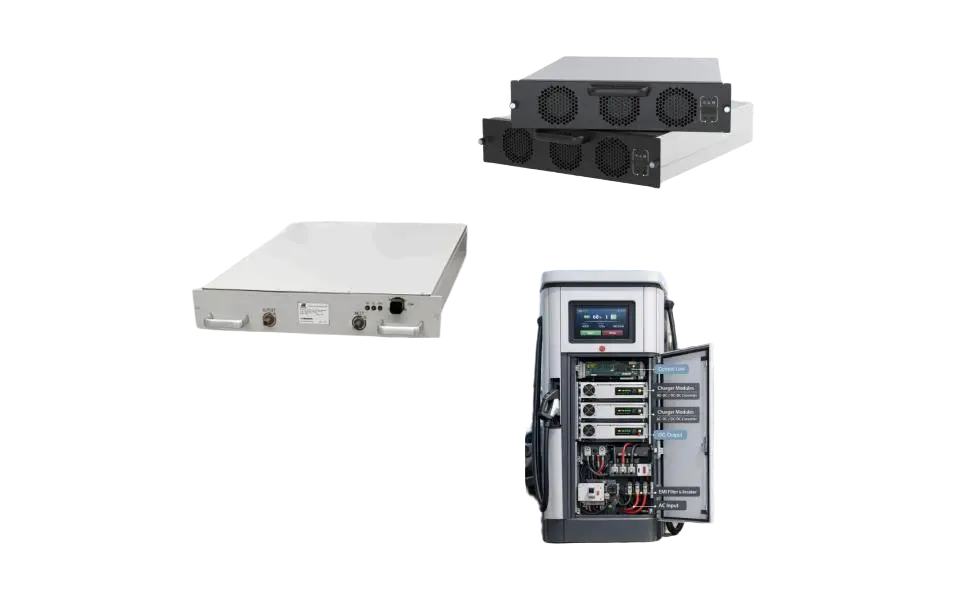
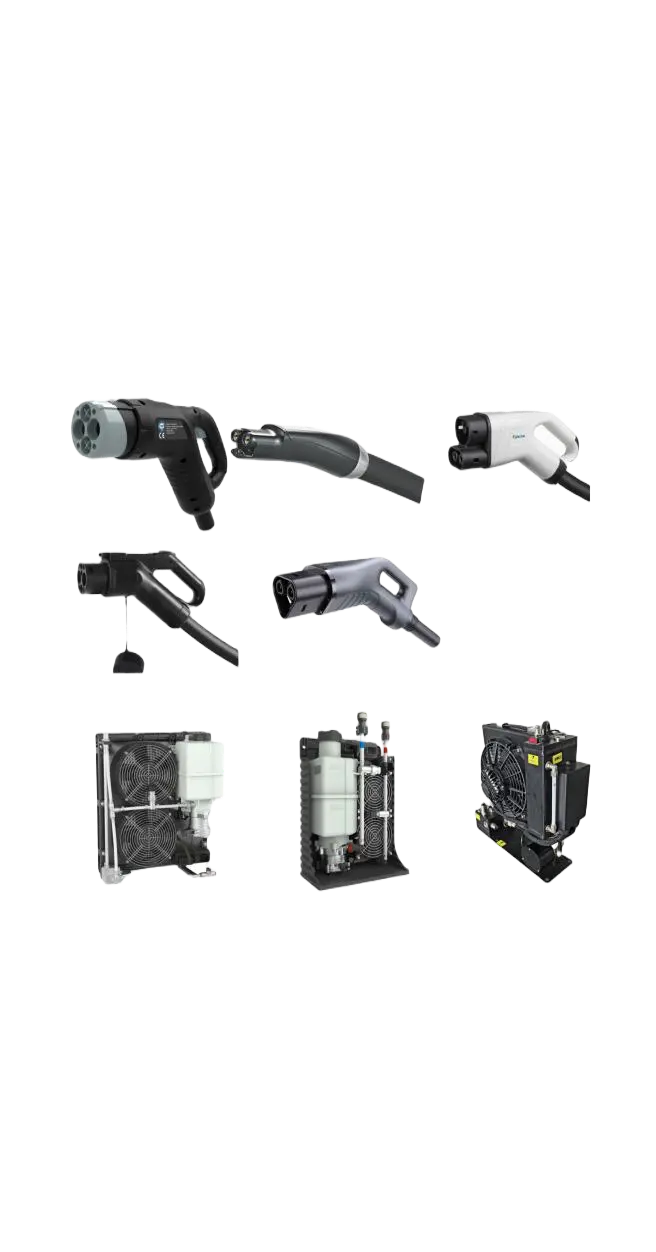
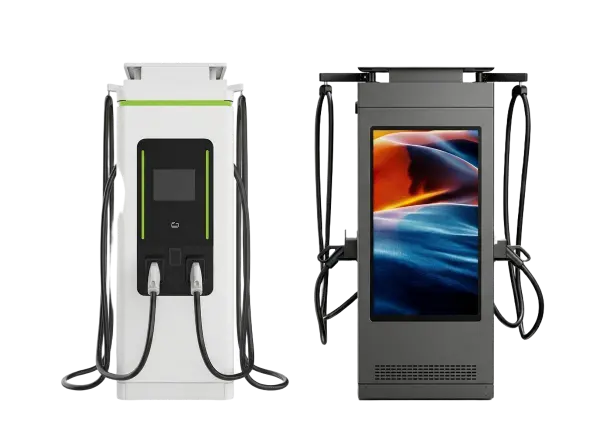
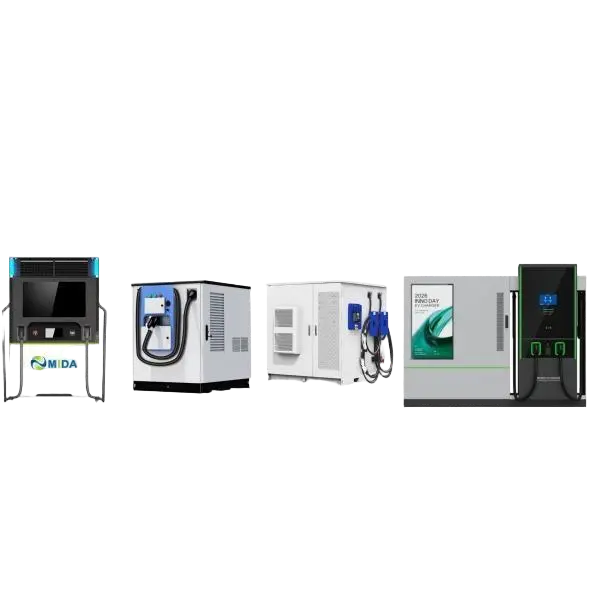
In the rapidly evolving landscape of global electric vehicle infrastructure, choosing the right power output is a critical decision. While ultra-fast 360kW+ chargers grab headlines, the 90kW DC Fast Charger has emerged as the definitive global standard for balanced, economical, and efficient high-power charging.
Unlike 30kW wallboxes, a 90kW charging station delivers true rapid charging capabilities, raising an average EV battery from 20% to 80% state-of-charge (SoC) in approximately 25 to 35 minutes. This performance satisfies the consumer demand for speedy turnaround times without triggering excessive peak-demand charges or requiring custom grid substation upgrades.
Moreover, 90kW charging systems are ideally structured for dual-port configurations. By leveraging smart power distribution modules, a 90kW charger can dynamically allocate 2 x 45kW to two vehicles simultaneously, or channel the full 90kW to a single vehicle depending on battery demands, optimizing station turnover rates.
Grid limitations are the single greatest barrier to fast charging deployment. Operating a 90kW charging station typically requires an input current of around 130A–150A on standard 400V three-phase systems. This allows installation in commercial properties, shopping malls, and logistics terminals without the costly and time-consuming process of upgrading local distribution transformers, a process that can take up to 12 months in parts of Europe and North America.
Why sourcing your 90kW DC fast chargers from Chinese factories like MIDA Group offers unparalleled advantages.
Unlike Western assembly plants that purchase power modules, cooling units, and charging cables from disparate vendors, MIDA Group vertically integrates the entire supply chain. From the copper extrusion of heavy-duty charging cables to the surface-mount technology (SMT) of control boards, every core element is designed, tested, and assembled under one roof. This minimizes margins, reduces potential component incompatibilities, and ensures seamless software-hardware integration.
Chinese EV charger manufacturers have transitioned from regional suppliers to global standard-bearers. Our 90kW DC fast chargers undergo rigorous independent testing to obtain CE (LVD/EMC), TUV, ETL, RCM, and FCC certifications. By adhering to international isolation testing, surge protection (up to 6kV), and leakage current protection (Type B RCD), we guarantee that our systems meet the safety standards of any global grid operator.
Operating in a diverse global market demands custom branding, casing, and user interfaces. Our state-of-the-art facilities offer granular OEM and ODM customization. We build custom-skinned steel/aluminum enclosures, construct bespoke dual-cable configurations (e.g., CCS2 + NACS), and program customized OCPP payment gateways, RFID readers, and credit card terminals (like POS systems) directly into the firmware.
How our partners deploy 90kW charging networks to solve critical logistics, transit, and commercial grid challenges.
Modern EV charging infrastructure demands complex cloud-based monitoring and remote maintenance. Our 90kW DC fast chargers are developed with native compatibility for OCPP 1.6J and OCPP 2.0.1 (JSON). This allows charge point operators (CPOs) to monitor real-time charger status, manage pricing, authorize user RFID cards, and execute over-the-air (OTA) firmware updates.
Furthermore, to support localized grid-saving schemes, our chargers support Dynamic Load Management (DLM). If a site has multiple 90kW units connected to a limited electrical feed, the charging station network dynamically throttles the current output based on real-time building demand and vehicle charging curves.
With the integration of the ISO 15118 standard, MIDA Group chargers support "Plug & Charge" capabilities. Drivers simply insert the connector into the vehicle, and the charger communicates directly with the car to authenticate, bill, and begin the charging session securely, eliminating the need for smartphone apps or physical RFID tags.
Discover our heavy-duty public charging hubs, solar integrated systems, and high-power BESS chargers designed for modern networks.
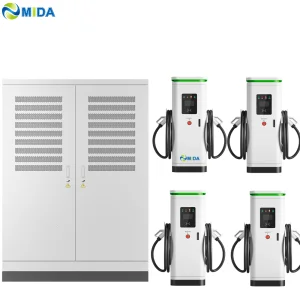
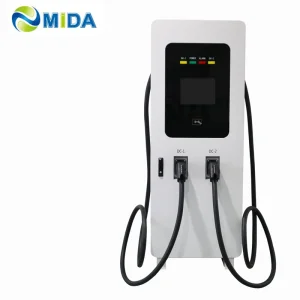
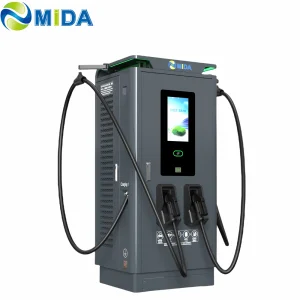
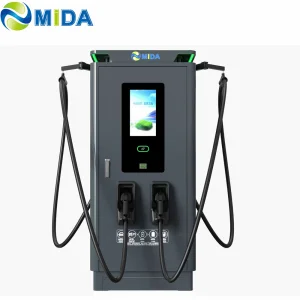
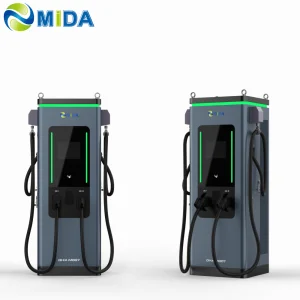
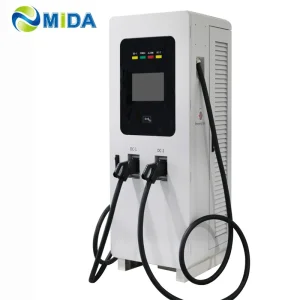
Stay updated with the latest technological developments, engineering milestones, and bus pantograph systems designed by MIDA.

In contrast to classic plug-in charging systems, e-bus pantograph domes offer fully automated, hands-free high-power charging, ideal for depots and route terminuses where safety and time efficiency are paramount.
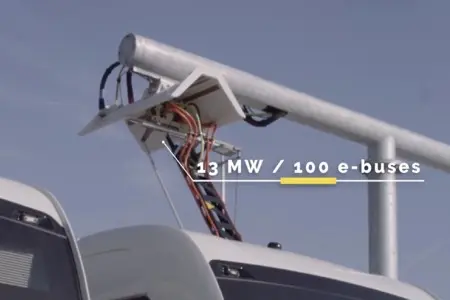
Charging times depend on battery capacity and utility feed rate. Pantograph systems are designed to deliver massive energy boosts (typically 150kW to 600kW) during short scheduled route stops.
Installing a "Pantograph Up" system dome requires precise engineering alignment, robust structural mounting foundations, and tight grid connectivity protocols to ensure reliable overhead alignment.
Technical expertise answered directly by MIDA Group's lead electrical engineers and utility integration specialists.
For standard electric passenger vehicles with a battery capacity ranging between 60kWh and 80kWh, a 90kW DC fast charger can supply an 80% charge (starting from 10% or 20%) in roughly 25 to 35 minutes. Real-world charging curves are dictated by the vehicle's onboard Battery Management System (BMS), which slows power intake after reaching 80% to protect the battery cells.
Yes, MIDA Group's 90kW cabinets can be configured with dual-port connectors (such as dual CCS2, or CCS2 + NACS). Through built-in dynamic power routing, when two vehicles are connected simultaneously, the charger splits the power to 2 x 45kW. If one vehicle finishes charging or disconnects, the system automatically redirects the full 90kW power flow to the remaining vehicle.
Our 90kW DC fast chargers fully comply with IEC 61851 and ISO 15118 standards. We support CCS Type 1 (North America), CCS Type 2 (Europe), CHAdeMO, GBT (China), and the modern NACS standard. Furthermore, communications between the station and back-end operator networks run via OCPP 1.6J and OCPP 2.0.1 protocols.
Our 90kW chargers feature forced air cooling with speed-controlled fans, adjusting airflow based on internal temperatures. For environments prone to dust or salinity, components are housed in isolated airflow channels to protect sensitive electronics, maintaining an optimal operating temperature between -30°C and +50°C.