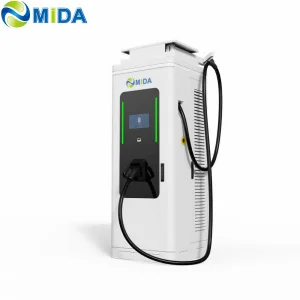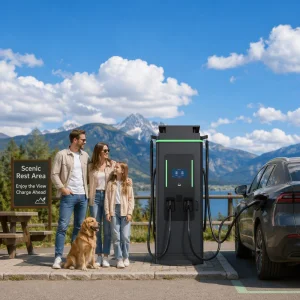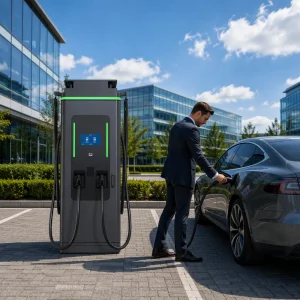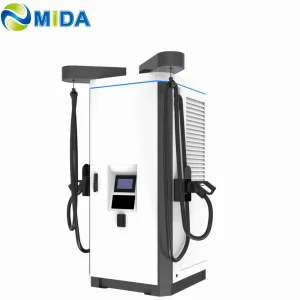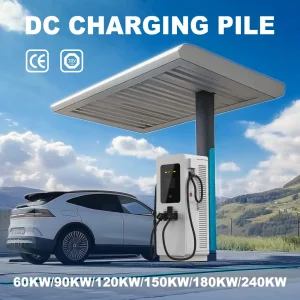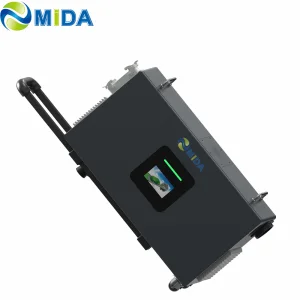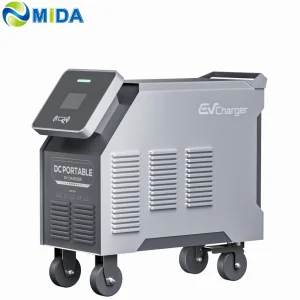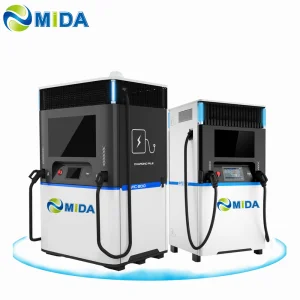
Explore our top-performing configurations engineered for modern transit networks, corporate fleets, and dynamic destination charging hubs.
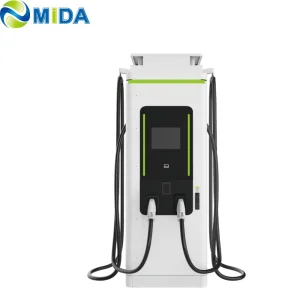
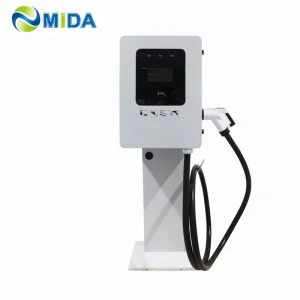
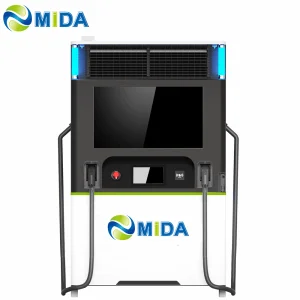
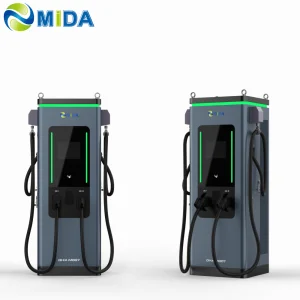

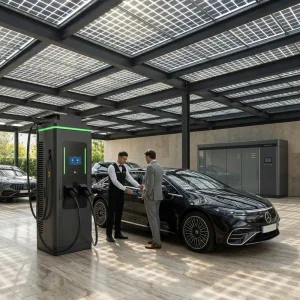
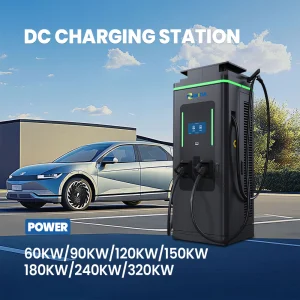
Within the EV charging ecosystem, 50kW DC fast chargers represent a highly critical compromise between installation cost, utility network impact, and charging speed. While 350kW+ High-Power Charging (HPC) stations occupy headline space, they demand direct grid tie-ins to medium-voltage systems, bringing capital expenditure requirements that can exceed hundreds of thousands of dollars.
Conversely, a 50kW EV DC charger can generally operate on standard low-voltage 3-phase networks (380V to 480V AC). This integration completely bypasses the need for dedicated substations, dramatically lowering both engineering permits and implementation times. It provides an optimal charge window—usually delivering 150-200 km of range in 40 to 60 minutes—which perfectly aligns with average destination dwell times at shopping centers, office complexes, and public parking decks.
For fleet procurement specialists, investing in 50kW architectures translates to: optimized peak demand charges, simplified thermal management, and robust compatibility across all major EV passenger and light commercial vehicle profiles.
Shanghai Mida Cable Group Ltd. operates through its wholly owned subsidiaries: Shanghai Mida EV Power Co., Ltd., Shenzhen Mida EV Power Co., Ltd., and Shanghai Mida New Energy Co., Ltd.
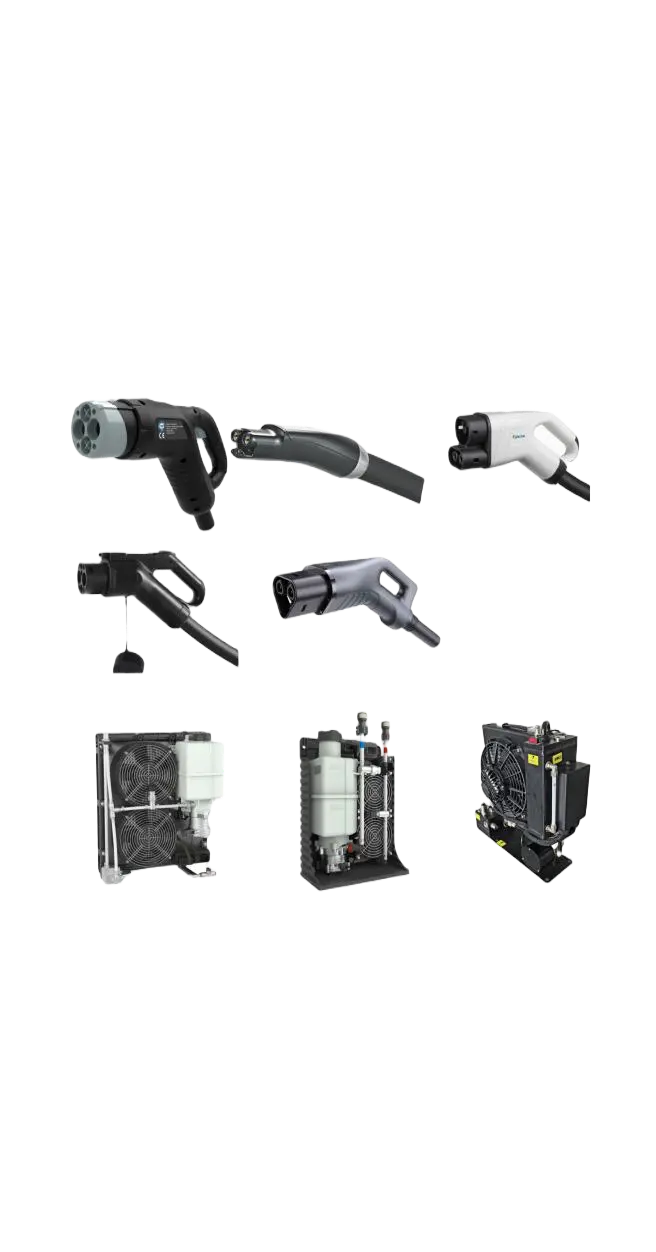
Mida Cable manufactures a comprehensive range of EV charging cables, including 16A–80A J1772 cables, 16A–63A IEC 62196-2 Type 2 cables, and DC fast charging cables: CCS1 (80A–500A), CCS2 (125A–1000A), CHAdeMO (125A–300A), GBT (200A–1000A), and NACS connectors (250A–600A).
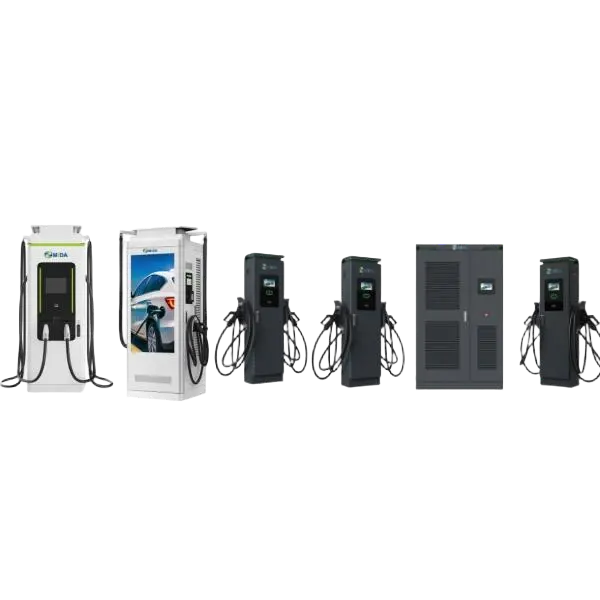
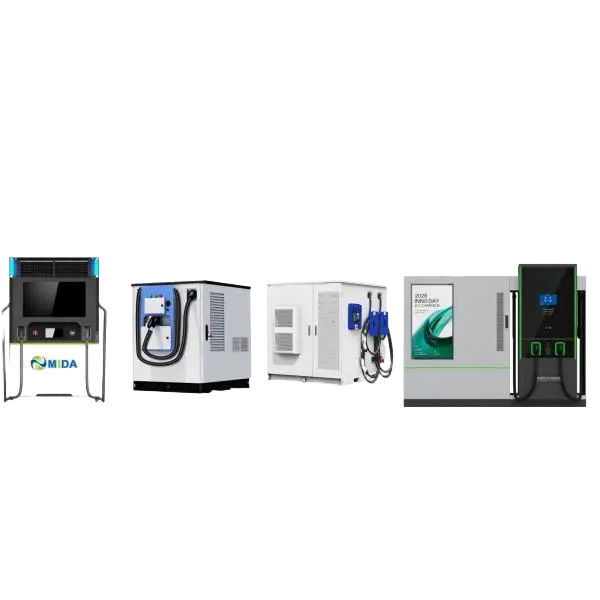
MIDA EV Power produces a full lineup of EV charging stations, such as 7kW–50kW mobile chargers, 3.6kW–7.2kW portable DC chargers, 360kW–1440kW split-type DC fast chargers, 20kW–50kW wall-mounted DC chargers, and 60kW–480kW floor-standing DC fast charging stations.
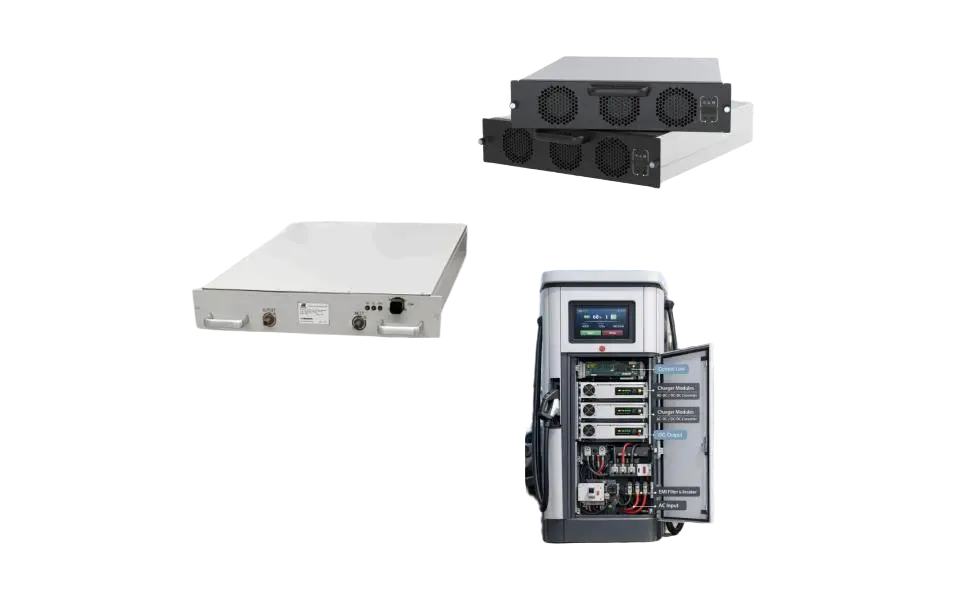
MIDA New Energy specializes in EV charger power modules, offering 20kW–60kW standard modules, 40kW–125kW liquid-cooled modules, 30kW–62.5kW bidirectional modules, and 20kW–45kW V2G charging modules.

Navigating regulatory frameworks is critical for scaling EV infrastructure. Mida’s hardware ecosystem complies with strict global benchmarks.
Compliance with IEC 61851-1 (Conductive charging systems) and IEC 61851-23 (DC charging stations) ensures that products deployed within the European Economic Area satisfy all primary electromagnetic compatibility, dielectric, and structural integrity standards. Systems also incorporate MID-compliant metering for commercial billing accuracy.
Meeting UL 2202 (standard for DC charging equipment) and UL 2231-1/-2 (person protection systems) ensures compliance with the National Electrical Code (NEC) Section 625. Our 50kW setups feature NACS and CCS1 systems engineered to safely manage high current inputs across extreme environments.
Standardized integration of OCPP 1.6J and OCPP 2.0.1 JSON protocols enables seamless interfacing with third-party billing and fleet management systems. Advanced dynamic load balancing and OpenADR 2.0b compliance facilitate utility-driven demand response programs to stabilize localized distribution grids.
Our centralized manufacturing ecosystem in Shanghai and Shenzhen, China, provides unmatched advantages for international EPC contractors and fleet operators. By vertically integrating raw cable production (up to 1000A liquid-cooled cables) with internal power module assembly (bidirectional, V2G, and liquid-cooled), we retain granular control over every aspect of performance and manufacturing cost.
This localized supply chain cluster allows us to bypass external sub-assembly delays, ensuring rapid production turnaround and competitive pricing. Our rigorous testing procedures ensure that every component—from standard copper pins to advanced silicon carbide (SiC) MOSFET-driven power modules—delivers peak efficiency and reliable heat dissipation under continuous heavy load conditions.
| Component Domain | Vertical Advantage | Core Benefit |
|---|---|---|
| Liquid Cooled Cables | In-house Cable Extrusion | Premium Thermal Management |
| Power Modules | Proprietary SiC MOSFET Design | >96% Conversion Efficiency |
| Custom Cabinetry | High-Grade Anti-Corrosion (C5-M) | Harsh Environment Longevity |
Discover our comprehensive range of AC charging platforms, DC power columns, and integrated battery storage technologies.
7kW 20kW 30kW 40kW 60kW 80kW
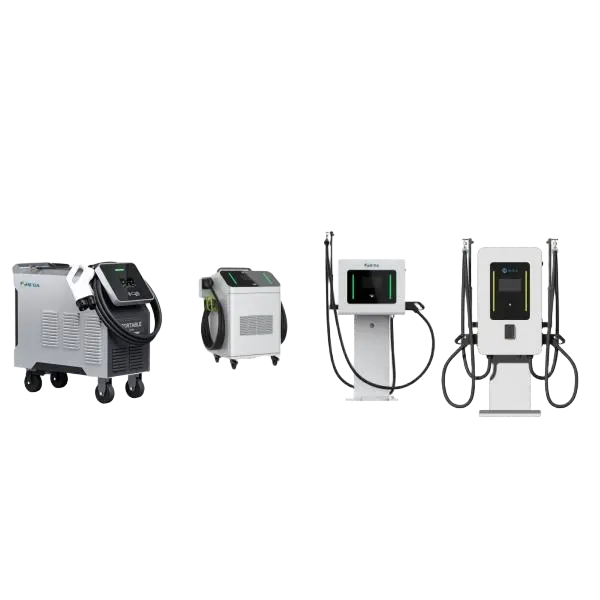
60kW-480kW 360kW-1440kW
60kWh 261kWh 418kWh 625kWh 2MkWh
Our modular architecture adapts to unique geographical demands, municipal grids, and environmental extremes.
For municipal bus networks and urban delivery operations, 50kW fast chargers provide a dependable, power-balanced alternative to ultra-fast stations. By using sequential charging systems and dynamic load management, depots can charge multiple vehicles overnight without overloading grid connections.
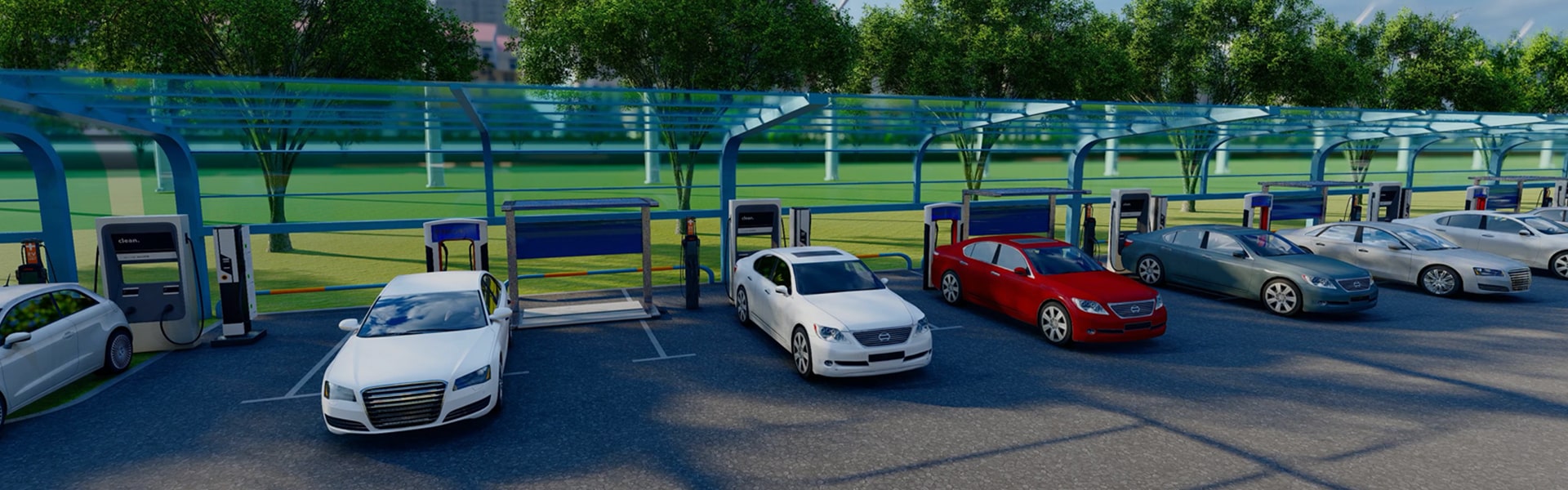
An average customer spends 45 to 60 minutes in supermarkets or retail zones. Deploying 50kW stations turns regular parking spots into high-value charging amenities. Integrating user-friendly payment interfaces with custom branding opportunities drives foot traffic and boosts site profitability.
Featuring robust IP55 rated cabinets and specialized internal heating, our charging units operate reliably in sub-zero and desert conditions. Enhanced thermal regulation ensures stable power delivery even at altitudes above 2000 meters, without thermal de-rating.
Mida Group's deep integration across charging components, power modules, and advanced systems.
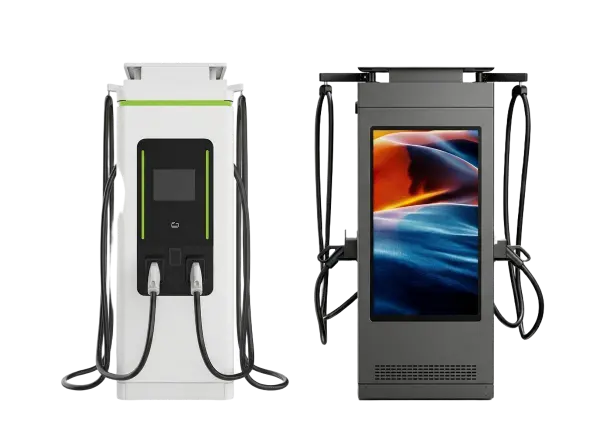
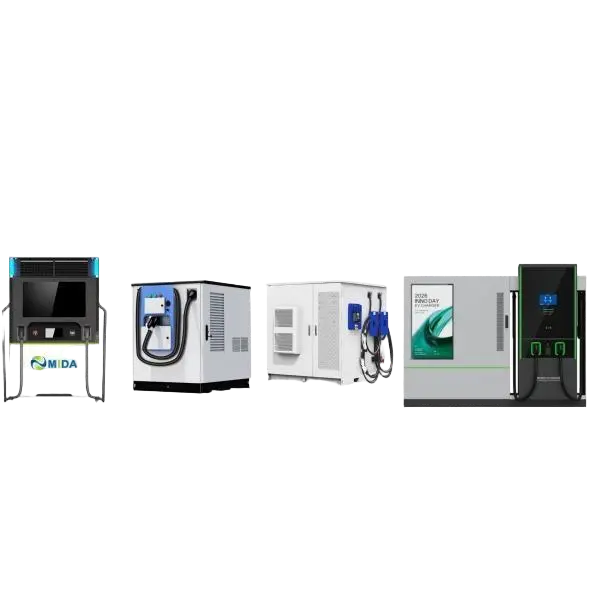
For high-density charging sites, peak load demand fees can comprise a large portion of daily operating expenses. Implementing multiple 50kW units alongside smart charging networks provides significant economic benefits:
Load Shifting and Peak Shaving: Integrating 50kW chargers with Battery Energy Storage Systems (BESS) allows sites to store off-peak electricity and discharge it during high-tariff periods. This configuration protects regional transformers and lowers utility demand charges.
Modular Expansion Paths: Our 50kW layouts are designed for scalability. Operators can start with a 50kW setup and later scale up to 100kW or 150kW capacities by adding hot-swappable modules, avoiding complete equipment replacements as vehicle battery capacities increase.
Stay informed with the latest updates, engineering releases, and EV transit developments from Mida Group.
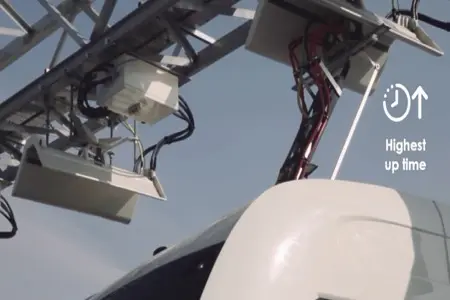
What are the advantages of an e-bus pantograph dome? In contrast to classic plug-in charging systems, e-bus pantograph solutions allow for high-power, hands-free charging during regular route operations.
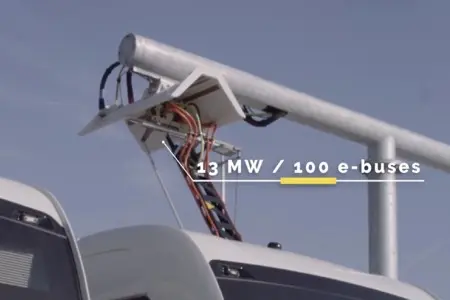
How long does it take to charge with an e-bus pantograph? The charging time depends on the battery capacity and the operating voltage of the high-power automated contact system.
How to Install the Pantograph Up Charger System Dome for Electric Bus. Installing a "Pantograph Up" system requires precise positioning and robust structural dome mounts.
Answers to common technical, installation, and procurement questions about our 50kW charging systems.
Heavy-duty, high-capacity, and solar-integrated charging platforms for commercial fleets and highway operations.