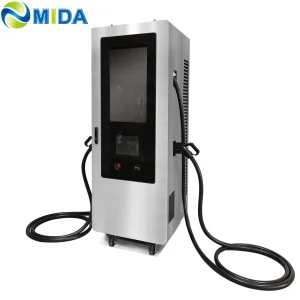
Engineered for extreme performance, certified reliability, and seamless site integration.
Understanding the optimal balance between power output, grid infrastructure strain, and capital expenditure.
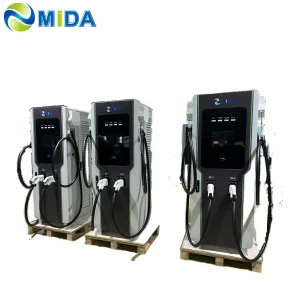
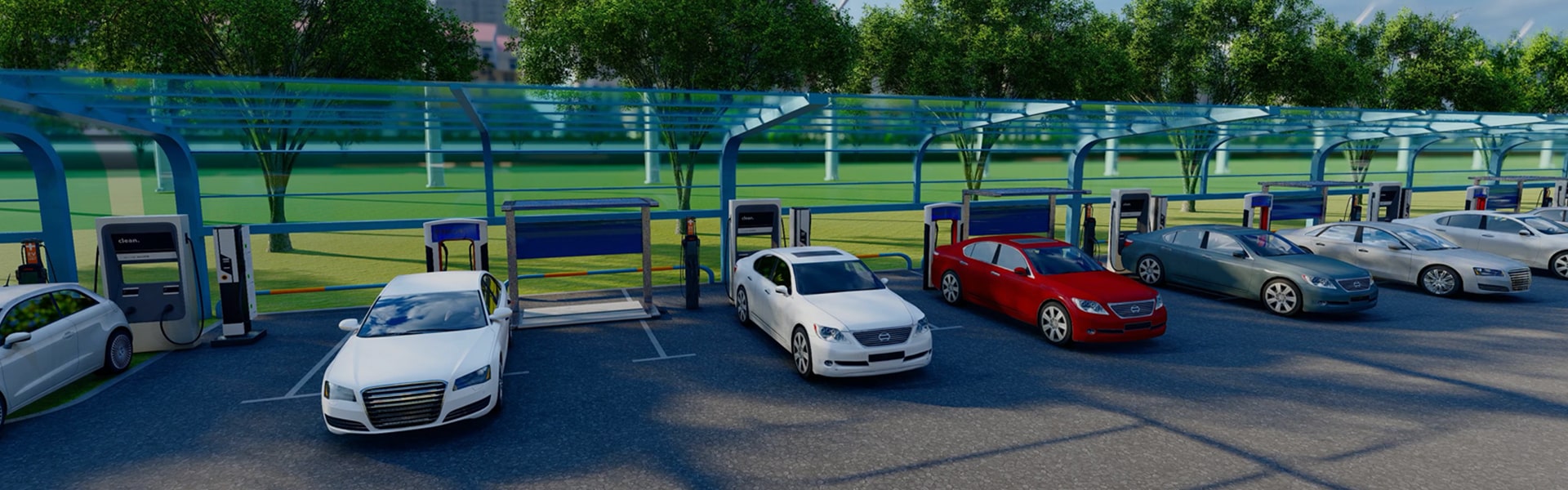
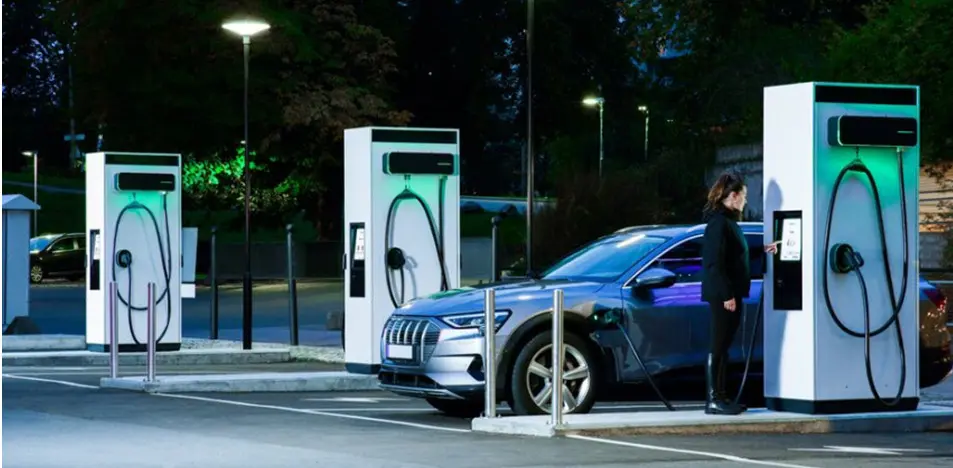
In the rapidly changing landscape of electric vehicle (EV) charging infrastructure, the 40kW DC fast charging station has emerged as the definitive sweet spot for localized commercial electrification. Unlike ultra-high-power megawatt chargers that demand highly complex site planning and massive grid transformer upgrades, the 40kW power rating allows direct connection to typical commercial three-phase distribution panels. This saves operators tens of thousands of dollars in initial civil works and permitting fees.
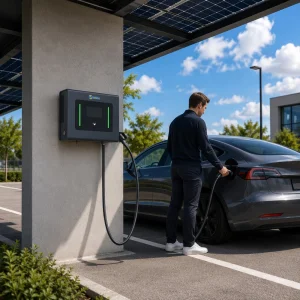
While fleet depots often demand high-power hubs, retail plazas, light-duty commercial delivery hubs, and multi-family residential structures find that a 40kW DC Fast Charger provides high turnover capability without excessive energy peak demand surcharges. A standard battery pack can be replenished from 20% to 80% state-of-charge (SoC) in approximately 45–60 minutes, which perfectly aligns with the dwell times of retail shoppers, hotel guests, and regional delivery fleets during mid-day driver breaks.
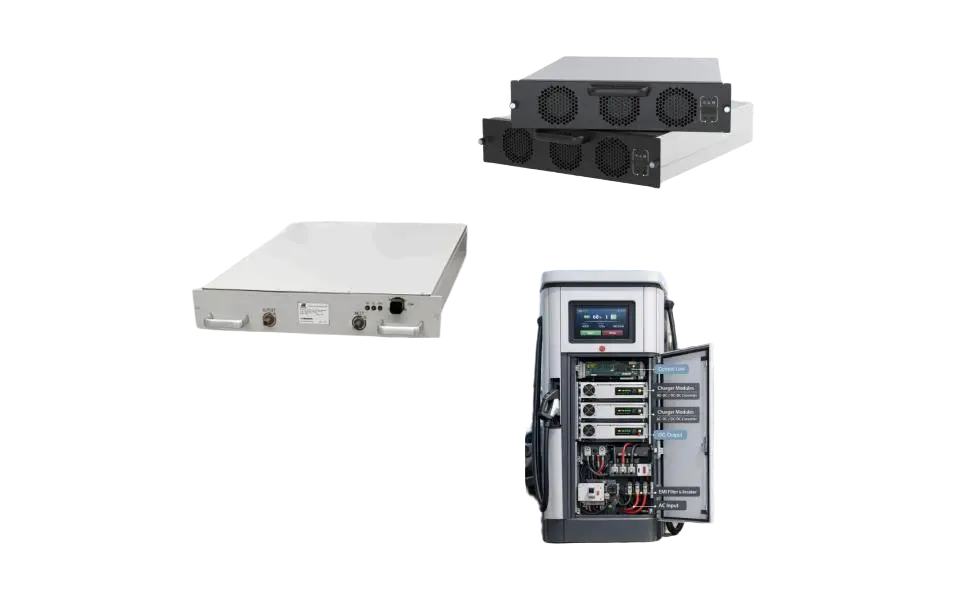
Our next-generation 40kW charging cabinets feature state-of-the-art Silicon Carbide (SiC) MOSFET switches inside the power modules. By transitioning from standard IGBTs to SiC semiconductors, high-frequency switching losses are cut by up to 45%, raising conversion efficiency to over 96.5% and reducing thermal waste. This translates directly to cooler cabinet operation, smaller housing dimensions, and lower long-term cooling utility bills for the operator.
A premier vertically integrated manufacturer of EV cables, power modules, and intelligent fast-charging hardware.
Shanghai Mida Cable Group Ltd. operates through its wholly owned subsidiaries: Shanghai Mida EV Power Co., Ltd., Shenzhen Mida EV Power Co., Ltd., and Shanghai Mida New Energy Co., Ltd.
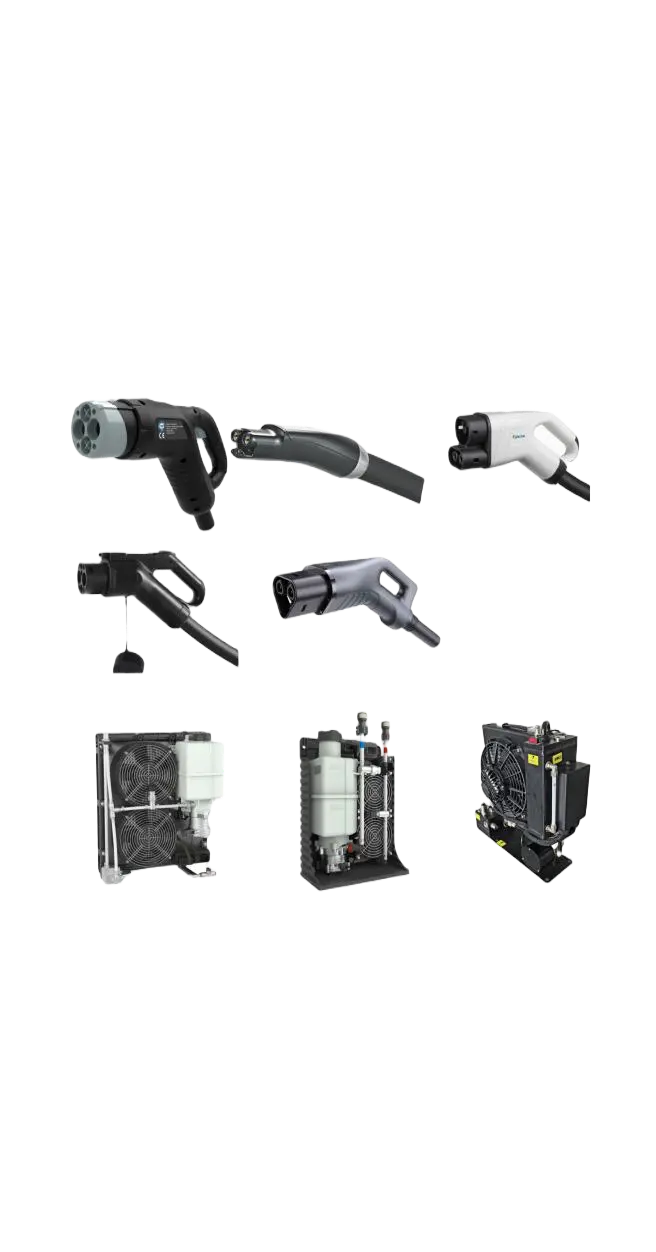
Mida Cable manufactures a comprehensive range of EV charging cables, including 16A–80A J1772 cables, 16A–63A IEC 62196-2 Type 2 cables, and DC fast charging cables: CCS1 (80A–500A), CCS2 (125A–1000A), CHAdeMO (125A–300A), GBT (200A–1000A), and NACS connectors (250A–600A).
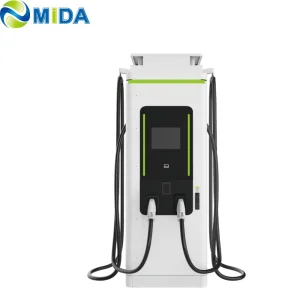
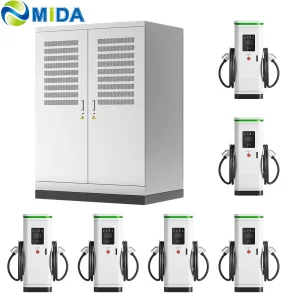
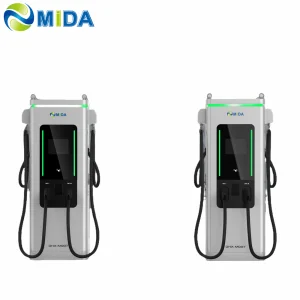
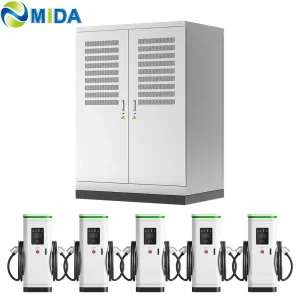
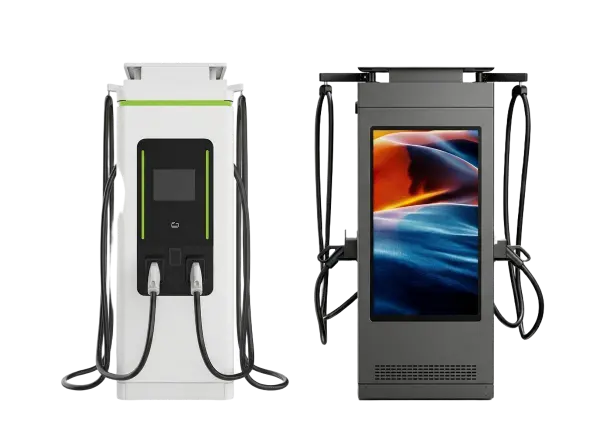
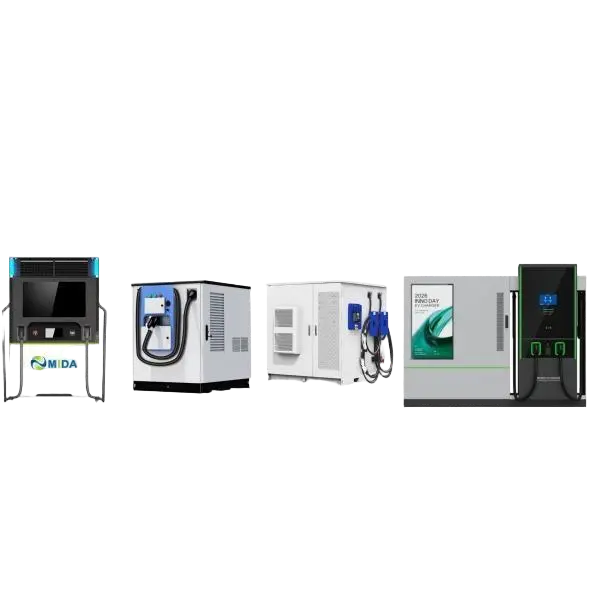
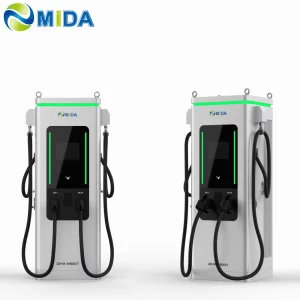
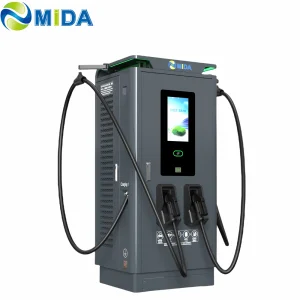
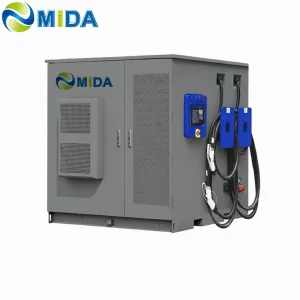
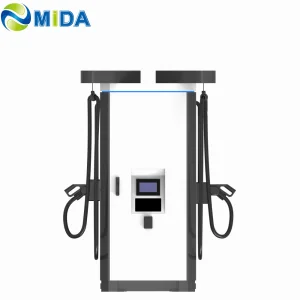
MIDA EV Power produces a full lineup of EV charging stations, such as 7kW–50kW mobile chargers, 3.6kW–7.2kW portable DC chargers, 360kW–1440kW split-type DC fast chargers, 20kW–50kW wall-mounted DC chargers, and 60kW–480kW floor-standing DC fast charging stations.
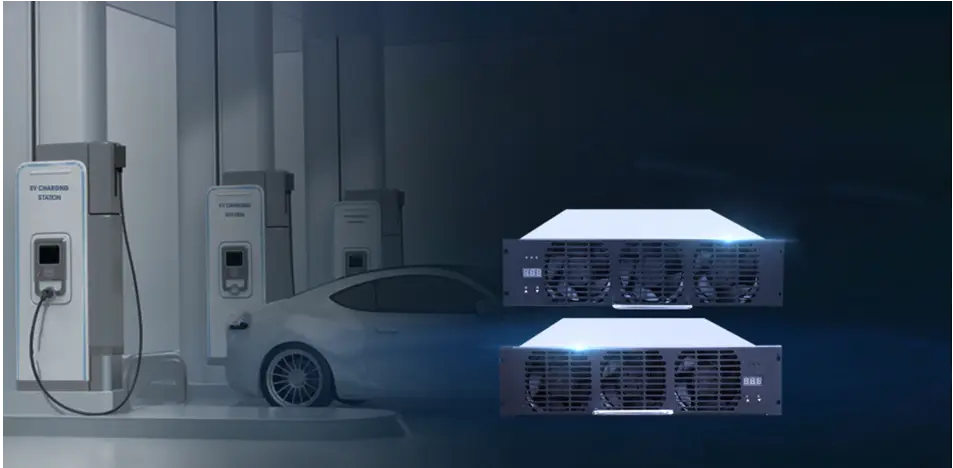
MIDA New Energy specializes in EV charger power modules, offering 20kW–60kW standard modules, 40kW–125kW liquid-cooled modules, 30kW–62.5kW bidirectional modules, and 20kW–45kW V2G charging modules.

How Mida Group designs today for the infrastructure challenges of tomorrow.
Transitioning from standard air-forced cooling to advanced closed-loop liquid cooling. This architecture completely seals the electronics, protecting internal circuitry from fine dust, salt spray in coastal zones, and extreme ambient humidity.
Our 20kW-45kW bidirectional V2G power module solutions allow vehicles to feed electricity back to the commercial facility, creating local micro-grids. 40kW DC stations can operate as dual-active energy hubs under utility demand-response plans.
Implementing hardware-level security keys and TLS encryption to support automated vehicle identification and contract execution. Drivers simply plug in the connector, and billing transactions settle instantly without app or card verification.
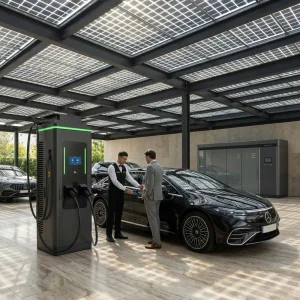
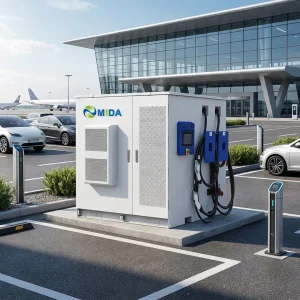
Whether you are managing retail parking corridors, public transit networks, or regional logistics hubs, MIDA provides tailor-made configurations. For example, integrating 40kW chargers with 60kWh to 2MWh Battery Energy Storage Systems (BESS) allows sites to store off-peak electricity. During peak grid pricing, the stored power supplements the vehicle charges, shaving peak demands and saving substantial operating expenditures.
Custom engineered charging systems and power configurations optimized for global distribution.
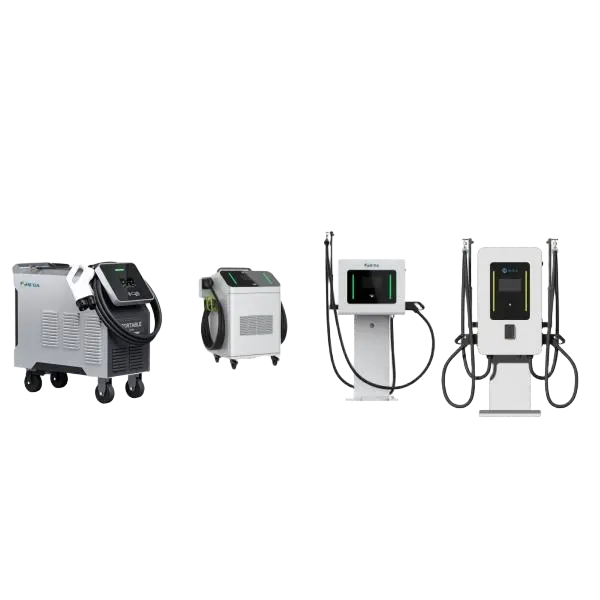
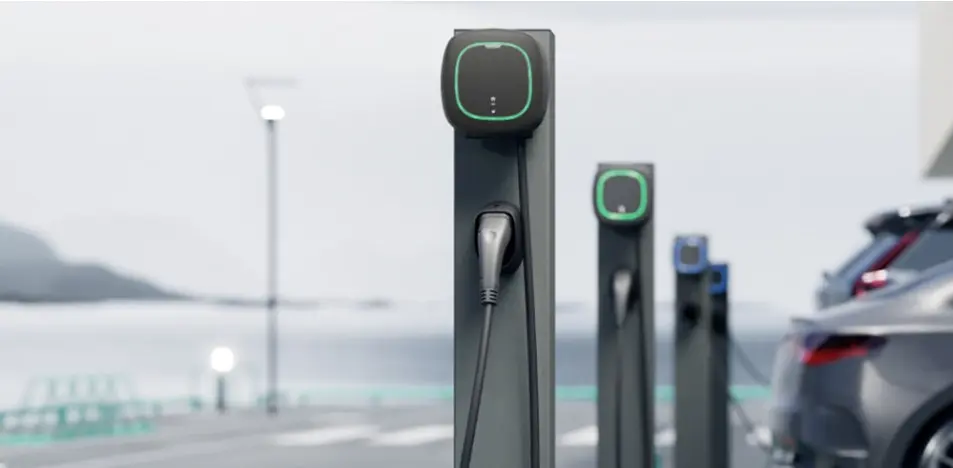 7kW 20kW 30kW 40kW 60kW 80kW
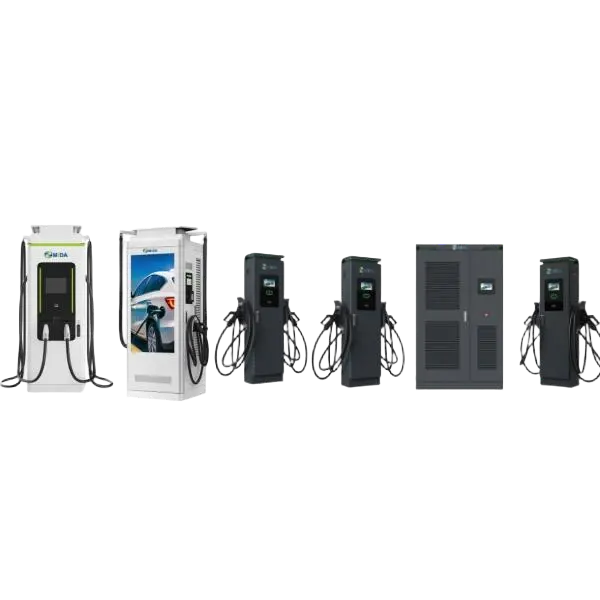
 60kW-480kW 360kW-1440kW
Inside Mida's automated production facility designed for zero-defect exports.
Our manufacturing operations in Shanghai and Shenzhen utilize modern smart assembly and rigorous inspection lines. By vertically integrating raw material extrusion, cable extrusion, connector injection molding, and power module production, Mida guarantees full control over critical components. We mitigate supply chain vulnerabilities that typically cause long lead times for traditional EV charger builders.
Power electronics control cards are produced using high-precision SMT equipment and automatic optical inspection (AOI) to eliminate solder voids and cold joints, extending the system's MTBF.
Every single 40kW DC cabinet undergoes continuous full-power thermal chamber testing for 48 hours to stress-test relays, converters, and cooling fans prior to marine or air shipping.
All hardware architectures adhere to ISO 9001 and IATF 16949 quality structures. We meet strict local certifications, including TUV CE-RED, CE-EMC, UL 2202, CSA, FCC, and UKCA.
Select, configure, and match target electric vehicle charging solutions with precision.
Stay updated with the latest technological and strategic shifts in transit electrification.

What are the advantages of an e-bus pantograph dome? In contrast to classic plug-in charging systems, e-bus pantogra...
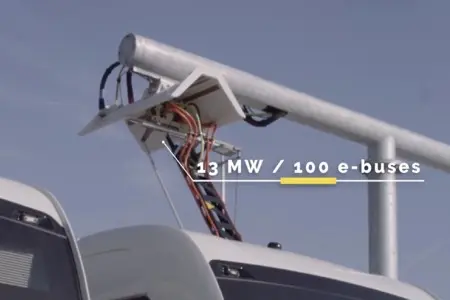
How long does it take to charge with an e-bus pantograph? The charging time depends on the battery capacity and the ...
How to Install the Pantograph Up Charger System Dome for Electric Bus Installing a “Pantograph Up” syste...
Critical engineering and trade answers for procurement directors and infrastructure developers.
Most passenger and light commercial electric vehicles are limited by their on-board AC chargers (often restricted to 7kW or 11kW, and occasionally 22kW). This bottleneck means AC charging remains slow regardless of input power. A 40kW DC station bypasses the vehicle's onboard converter, delivering direct current straight to the battery pack, resulting in up to 4 times faster charging cycles.
In most commercial settings, a 40kW DC fast charger (drawing approximately 50-60A on a three-phase 400V system) can connect directly to existing facility panels without costly sub-station additions. This drastically reduces the installation complexity, civil permitting overheads, and utility lead times.
Open Charge Point Protocol (OCPP) ensures hardware interoperability. By integrating OCPP 1.6J or 2.0.1, you can connect MIDA hardware to any third-party management backend software for user authentication, billing, scheduling, and remote diagnostics, eliminating single-vendor software lock-in.
Our modules are engineered with an MTBF (Mean Time Between Failures) of over 100,000 operational hours. By incorporating Silicon Carbide (SiC) MOSFETs, operating temperatures are reduced, ensuring high efficiency and a design lifetime exceeding 10 years under standard maintenance guidelines.
Yes. We offer configurations with dual-connector outlets (e.g., dual CCS2, or CCS2 + NACS). The system implements intelligent dynamic power sharing, splitting power into 20kW + 20kW when two vehicles are connected, and automatically directing the full 40kW to a single vehicle once the other finishes.
Mida Group exports globally, delivering units fully compliant with regional grid standards. For Europe, we supply CE (LVD/EMC), TUV, and RED certifications, plus MID metering compliance. For North America, our units are manufactured to comply with UL 2202 and FCC Part 15 regulations.
Commercial utility tariffs often include high peak-demand charges. By deploying our integrated BESS charging station, the internal battery storage system charges slowly from the grid overnight or using solar power. It then discharges at high power (40kW+) to the vehicle, shielding your grid connection from steep spikes and minimizing operating costs.
Yes. Mida Cable is a dedicated cable extruder and connector manufacturer. We can customize cable lengths (e.g., standard 5m, 7.5m, or longer), specify cooling limits, and provide custom connector heads (CCS1, CCS2, NACS, GBT, and CHAdeMO) tailored to your operational specifications.
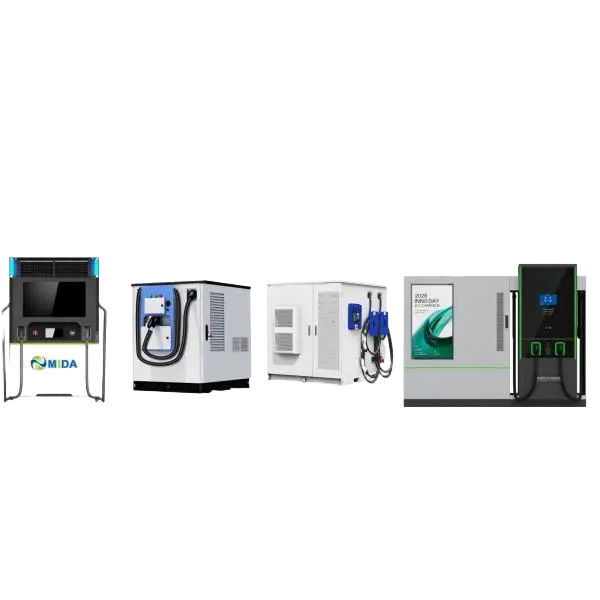
High capacity power racks, mobile emergency setups, and smart split cabinets.