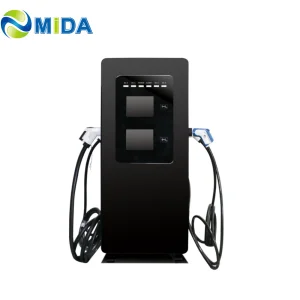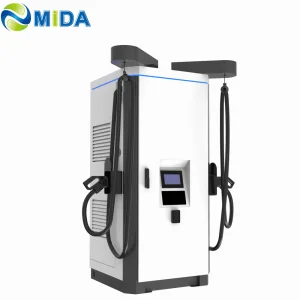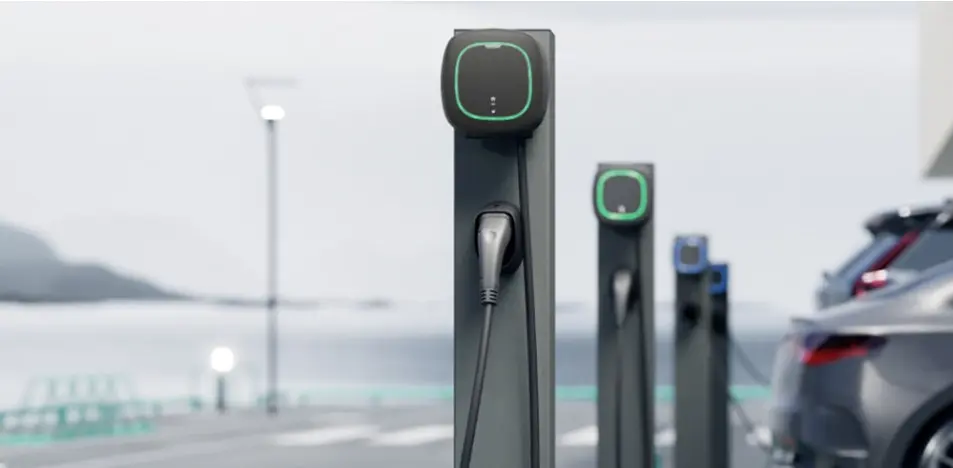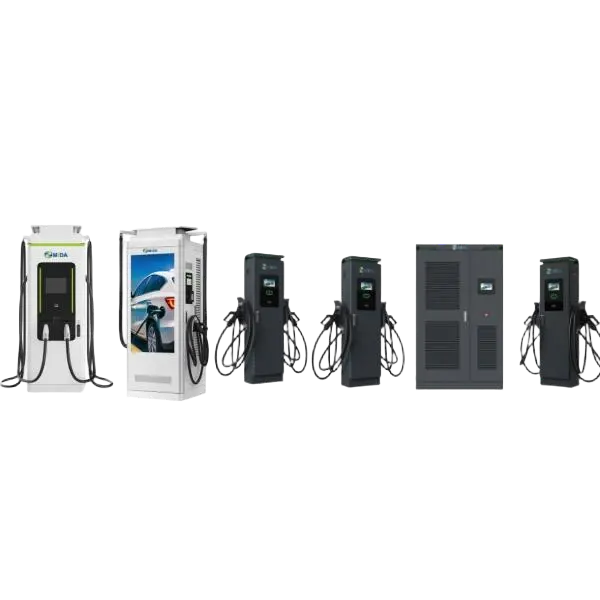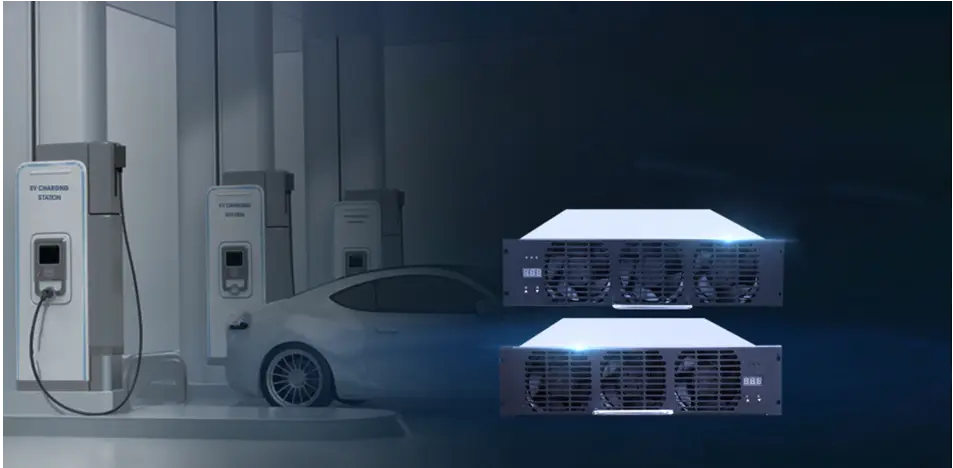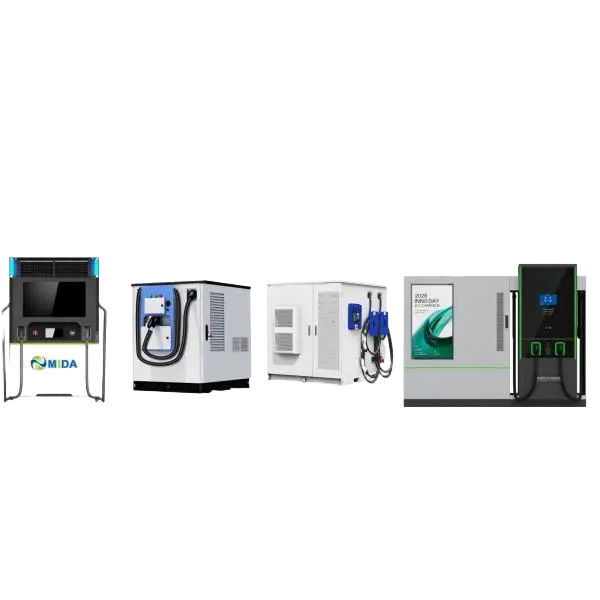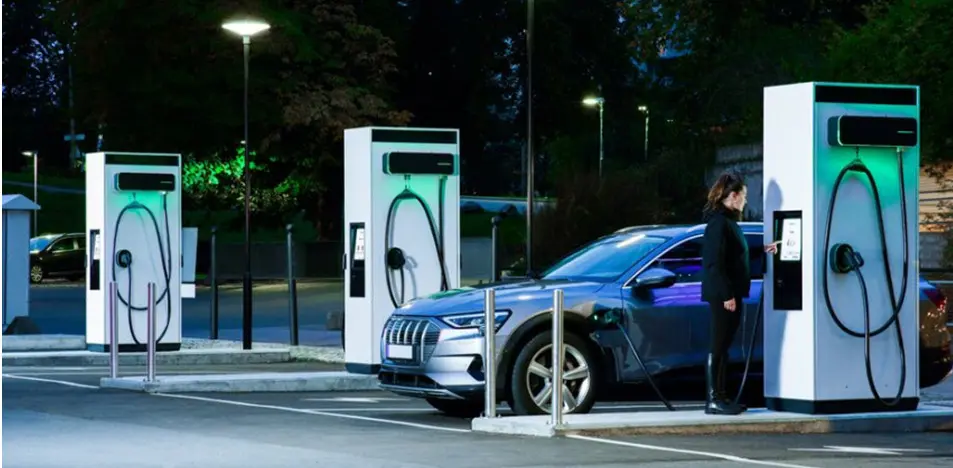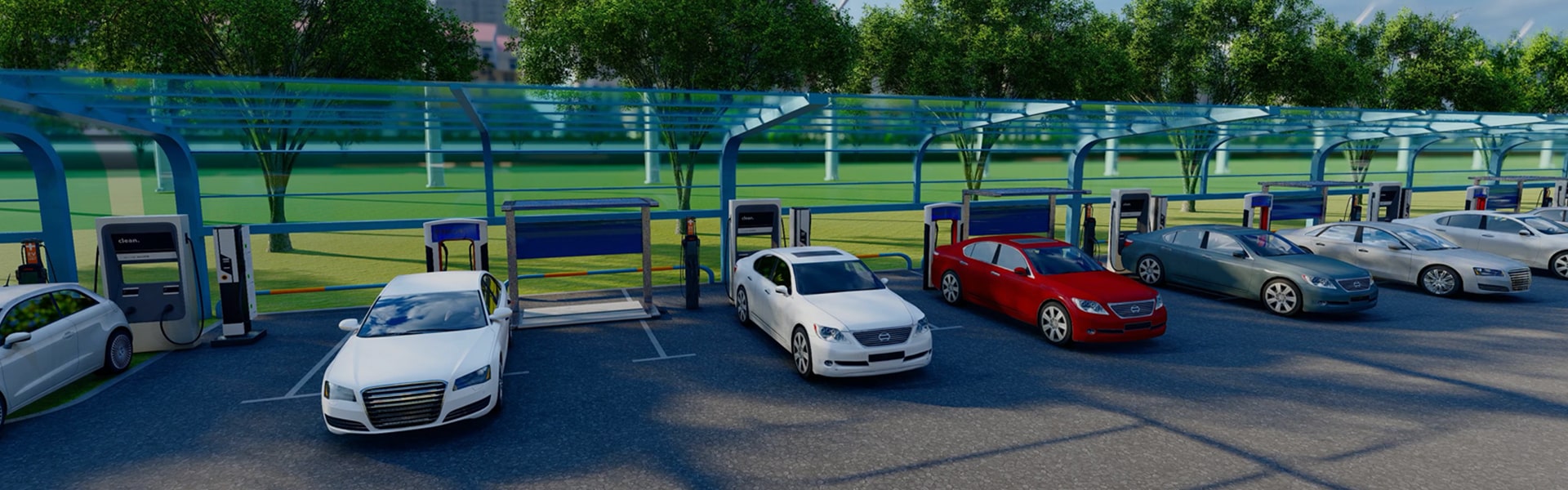
Explore our top-tier high-power EV charging solutions engineered for public networks, logistics hubs, and heavy-duty fleets.
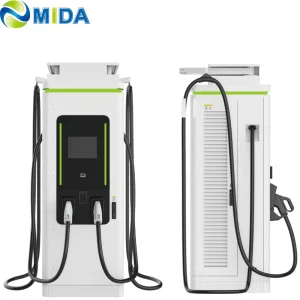
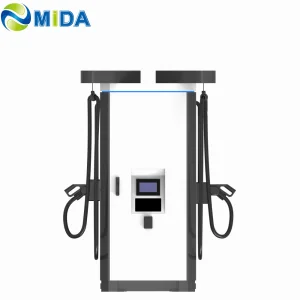
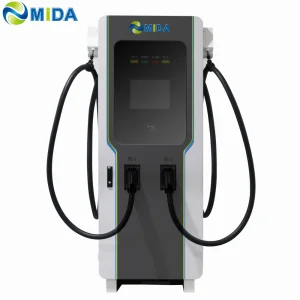
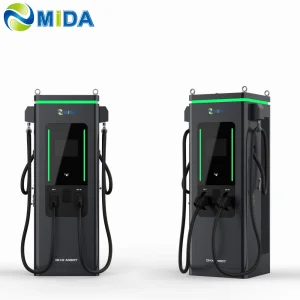
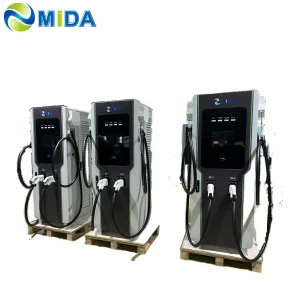
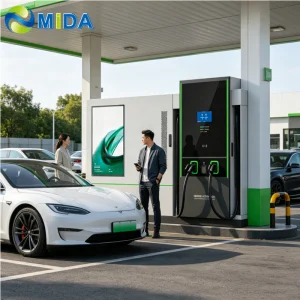
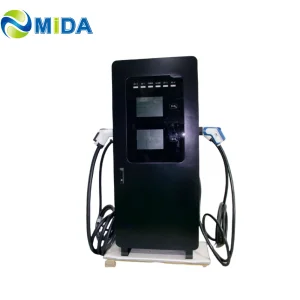
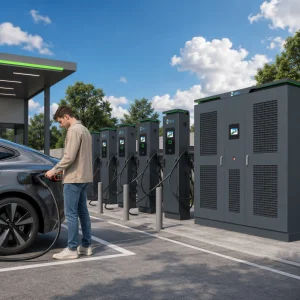
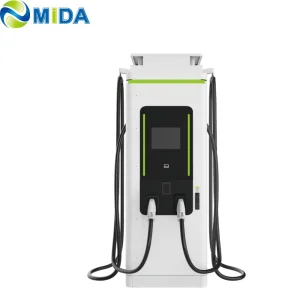
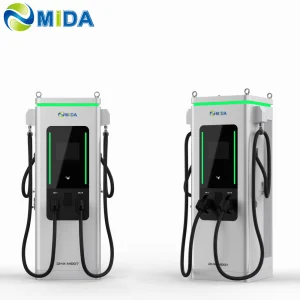
As the global electric vehicle infrastructure transitions toward High-Power Charging (HPC), the 240kW DC fast charger has emerged as the definitive sweet spot for commercial charge point operators (CPOs), transit agencies, and fleet operators. Unlike legacy 50kW and 120kW stations that require protracted dwell times, a 240kW system leverages advanced dual-port dynamic power allocation to service passenger EVs and medium-duty utility trucks concurrently, minimizing grid footprint while maximizing station utilization.
Industry projections indicate that by 2030, the public ultra-fast charging segment will experience a Compound Annual Growth Rate (CAGR) of over 28.5%. This growth is accelerated by the widespread adoption of 800V powertrain architectures in next-generation electric vehicles. These vehicles demand fast chargers that can deliver continuous high current without causing thermal degradation to battery cells or charger hardware. The 240kW threshold provides the necessary voltage and amperage flexibility to charge an 800V EV from 10% to 80% state-of-charge (SoC) in under 15 minutes, representing a crucial parity step with conventional combustion-engine refueling.
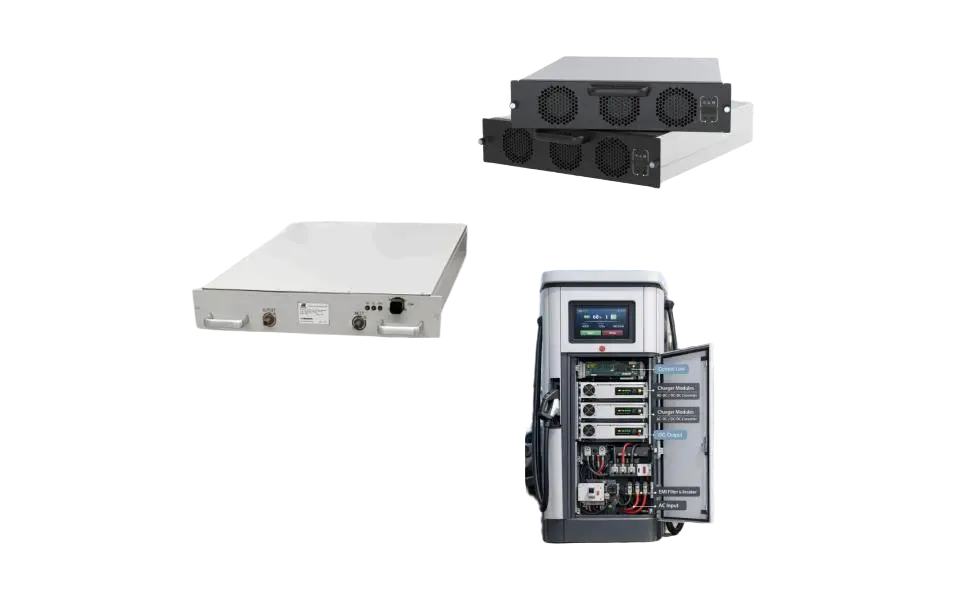
Designed with 30kW or 40kW hot-swappable power modules, 240kW units offer resilient redundancy. If a single module fails, the system auto-adjusts, ensuring uninterrupted operations.
Intelligent power sharing divides 240kW capacity symmetrically (120kW + 120kW) or dynamically according to vehicle state of charge, maximizing operator margins.
Integrates natively with localized battery storage (BESS) and microgrid protocols, alleviating peak utility grid stress and mitigating demand charges.
Shanghai Mida Cable Group Ltd. serves as a premier industrial architect of EV charging hardware, operating through three specialized business units: Shanghai Mida EV Power Co., Ltd., Shenzhen Mida EV Power Co., Ltd., and Shanghai Mida New Energy Co., Ltd.
Our core competencies span vertically integrated component fabrication to turn-key charging infrastructure assembly:

Our modular architecture allows clients to procure individual components or fully integrated commercial EVSE systems built to specific regional codes.
The technological core of high-frequency power conversion. Our proprietary modular components deliver optimal thermal management and electrical protection.
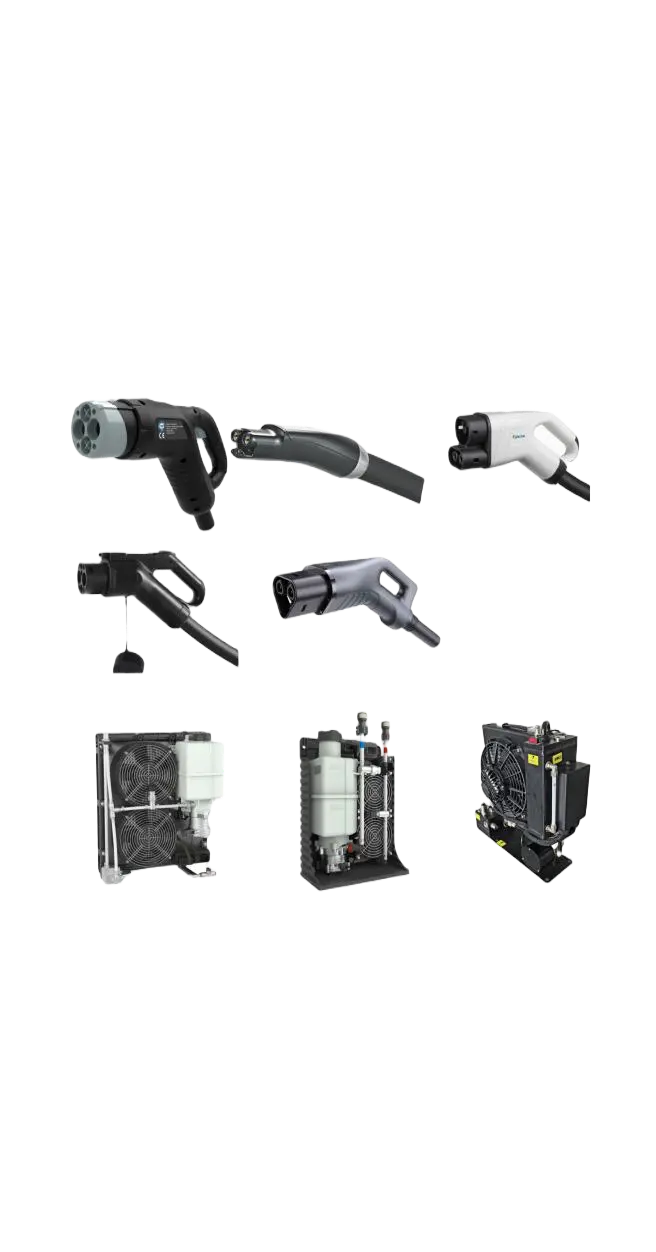
Engineered to transfer hundreds of kilowatts without excessive heat generation, utilizing proprietary coolant blends and advanced contact materials.
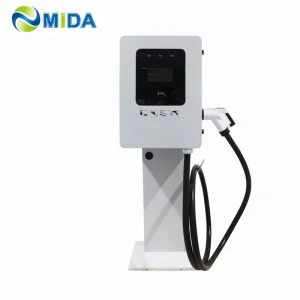
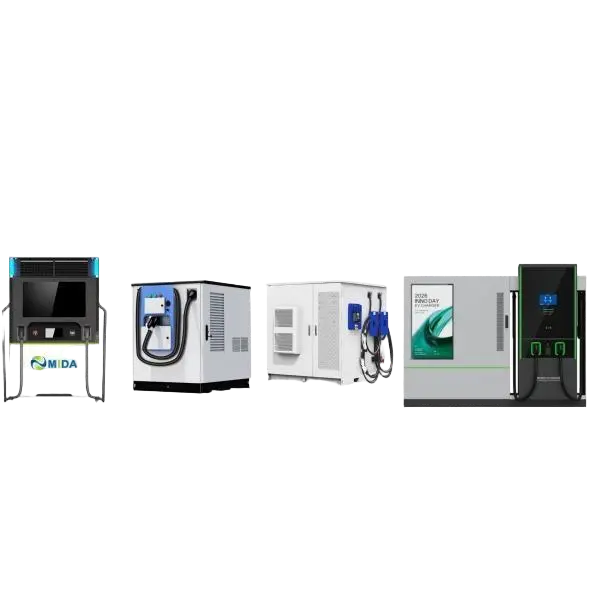
Stand-alone and distributed configurations for fleet depot charging, transit hubs, and public commercial corridors.
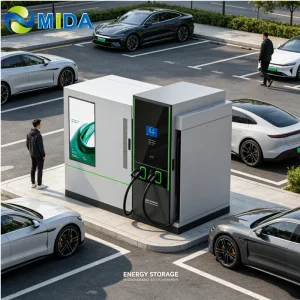
Smart, storage-buffered charging systems designed to reduce grid reliance and mitigate peak demand surges.
Procuring utility-scale 240kW DC charging equipment demands rigorous attention to technical parameters, lifecycle costs, and operational reliability.
High-power DC rectifiers can introduce significant Total Harmonic Distortion (THD) into utility distribution transformers. Enterprises require manufacturers to deliver a Power Factor (PF) ≥ 0.99 and THD ≤ 5% at full load, preventing penalty fees from local grid operators and protecting upstream switchgear components.
To prevent vendor lock-in, CPOs mandate compliance with Open Charge Point Protocol (OCPP) 1.6J and 2.0.1. Modern hardware must support seamless integrations with third-party billing engines, smart management platforms, and ISO 15118 (Plug & Charge) certificates for seamless user experiences.
Operating continuous high amperage yields significant thermal stress. Direct-cooled components and isolated power module air ducts prolong the Mean Time Between Failures (MTBF) of the charging station. The housing should feature an IP55 / IP65 weather rating and IK10 vandal resistance.
| Specification Category | Required Standard for 240kW Systems | MIDA Group Compliance & Advantage |
|---|---|---|
| Power Efficiency | ≥ 95% at nominal load | 96% Peak Efficiency (utilizing active PFC and SiC MOSFETs) |
| Dynamic Allocation | Dual port automatic power sharing | Smart matrix routing (switches module output in 30kW increments) |
| Communication Interface | OCPP 1.6J, OCPP 2.0.1, CAN-Bus, Ethernet, 4G, WiFi | Standard pre-installed, secure TLS 1.2/1.3 encryption protocols |
| Safety Certifications | CE, TUV, UL 2202, FCC Class A | Fully certified models for both European (CCS2) & North American (CCS1/NACS) grids |
| Cooling Topology | Liquid or forced-air cooling options | Advanced liquid-cooled units designed to manage 500A+ heat profiles |
Deploying 240kW chargers within diverse commercial ecosystems requires structured, modular, and tailored designs.
Designed for logistics fleets utilizing electric trucks and delivery vans. Dual-cable 240kW stations allow simultaneous charging of two vehicles overnight, ensuring all fleet assets are fully charged for morning routes without overloading the site's electrical capacity.
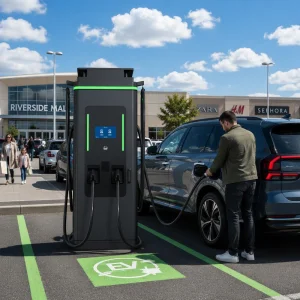
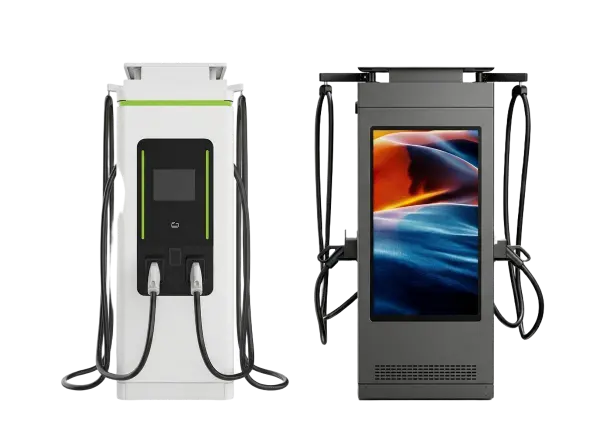
Ideal for retail environments, hotels, and highway service plazas. The integrated advertising display variants (43" and 55" display screens) generate dual-revenue streams (charging fees + programmatic ad placements) while engaging customers with high-visibility, crisp visual messaging.
Designed for off-grid operations or low-capacity grid regions. Integrating 240kW DC stations with a BESS system balances peak power demands, stores excess solar energy, and ensures grid-independent backup power during utility failure.
Operating globally requires compliance with regional safety, communications, and electrical standard frameworks.
All stations delivered to European and British territories comply fully with CE (LVD, EMC), UKCA, and TUV directives. They feature residual current monitoring systems (Type B RCD / 6mA DC leakage protection) and MID-certified energy meters to ensure transparent, accurate billing under regional regulations.
Equipment targeted for the United States, Canada, and Mexico is built to UL 2202 and UL 2231 standards, ensuring high fire, electrical, and shock prevention performance. Electromagnetic radiation is managed to meet FCC Part 15 Class A industrial emission guidelines.
Our stations feature dynamic grid integration protections: overvoltage, undervoltage, overload, short-circuit, overtemperature, and lightning/surge protection (Type II SPD). Emergency stop mechanisms isolated at the physical shell level provide immediate system shutdown in high-risk scenarios.
The software suite complies with DIN 70121 and ISO 15118 communication standards. These protocols enable seamless vehicle-to-charger handshakes, enabling features like Plug & Charge, vehicle status reports, and dynamic tariff data processing.
EV infrastructure is developing rapidly. We design our 240kW hardware architectures with the future in mind.
By replacing traditional Silicon IGBTs with Silicon Carbide (SiC) MOSFET switch designs, our next-generation 40kW modules decrease thermal footprints by 35% and boost efficiency up to 97.5%. This reduces the size and weight of charging stations.
Integration of V2G (Vehicle-to-Grid) power modules enables fleet vehicles to act as decentralized battery storage systems. A fleet of parked commercial EVs can feed energy back into the local grid during high-demand periods, creating a new source of revenue.
For heavy-duty trucking corridors, we are designing hybrid power cabinets that scale from 240kW to 1000kW+ using MCS connections. These systems can deliver over 1000A of output current for rapid turnaround of class-8 trucks.
Stay up to date with the latest technological developments and installation guides from our engineering team.

What are the advantages of an e-bus pantograph dome? In contrast to classic plug-in charging systems, e-bus pantograph charging solutions offer high power transmission with minimal operator interaction, perfect for rapid transit networks...
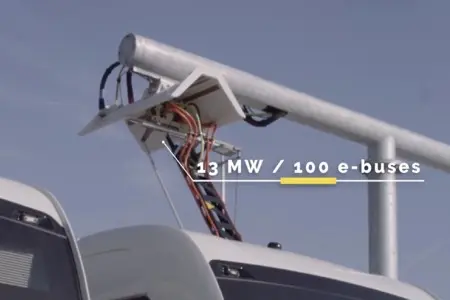
How long does it take to charge with an e-bus pantograph? The charging time depends on the battery capacity and the power level of the charger station, often reaching 300kW to 600kW to charge transit buses during short terminal stops...
How to Install the Pantograph Up Charger System Dome for Electric Bus. Installing a "Pantograph Up" system dome requires specialized anchoring structures, alignment sensors, and high-voltage grid connections to guarantee continuous safe operations...
Detailed technical answers to common queries regarding high-power 240kW DC charging systems.
The charging speed depends on the vehicle's battery capacity, state of charge (SoC), and onboard thermal management system. For an electric vehicle with an 80kWh battery that supports high-voltage architecture, a 240kW DC fast charger can charge the battery from 10% to 80% in approximately 12 to 15 minutes. Vehicles operating on traditional 400V architectures may experience lower charging speeds due to current limits in their onboard electrical components.
An integrated DC charger houses both the power electronics (modules) and the user interface (hoses and screens) in a single physical cabinet, making it ideal for compact parking spaces. A split-type DC charger separates the main power cabinets from the user-facing dispensers. This allows the noisy power cabinets to be located away from users, and enables dispensers to be positioned in tight parking areas.
At 240kW, liquid cooling is generally optional but highly recommended for high-throughput commercial locations. Standard air-cooled charging cables can handle currents up to 200A-250A continuously. However, these cables are heavier and thicker. A liquid-cooled cable manages heat efficiently, allowing for thinner, lighter cables that are easier for customers to handle while supporting continuous currents up to 500A.
Our 240kW charging stations use intelligent power routing technology. When a single vehicle is connected, the station can deliver the full 240kW to that vehicle (if supported by the vehicle's battery system). When two vehicles are connected simultaneously, the control unit dynamically allocates power (e.g., 120kW + 120kW, or 180kW + 60kW) based on each vehicle's real-time state of charge (SoC) and battery management system (BMS) requests.
Installing a 240kW DC charger requires a robust commercial 3-phase electrical service. The typical input voltage is 400VAC ±15% (for European grids) or 480VAC (for North American grids) at 50/60Hz. The electrical service panel must be rated to handle a nominal current draw of approximately 380A to 400A to account for safety overheads and power factor efficiency.
Yes. Our DC charging stations can integrate with on-site renewable energy sources and battery energy storage systems (BESS). By using a DC-coupled solar inverter and energy management system (EMS) software, the station can prioritize clean solar energy, reducing reliance on the grid and avoiding high utility demand charges during peak charging times.
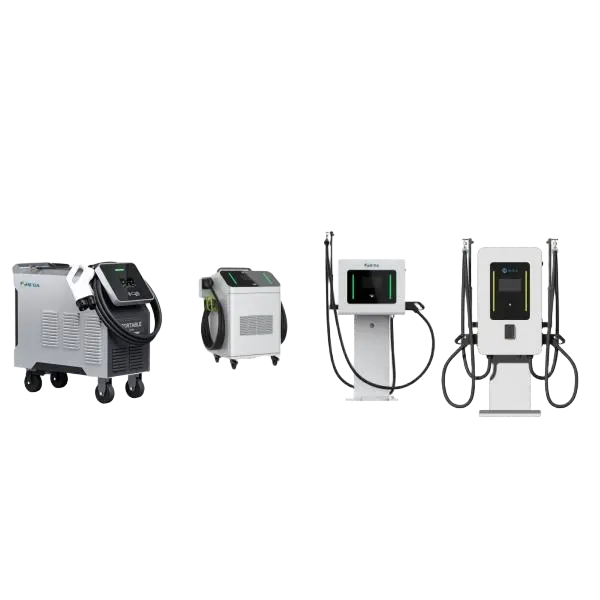
Compare our extended line of high-voltage fast chargers, BESS energy storage integration, and liquid-cooled setups.