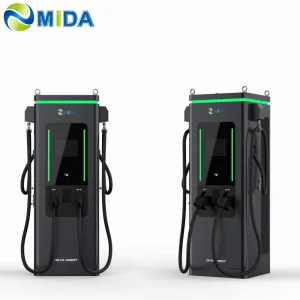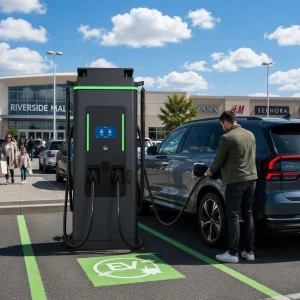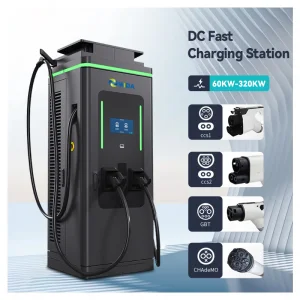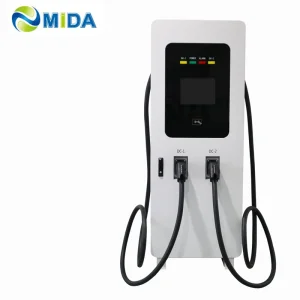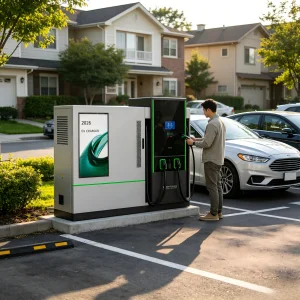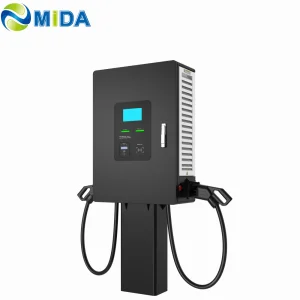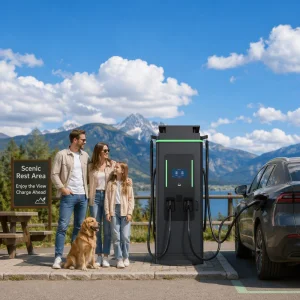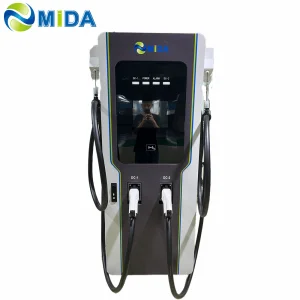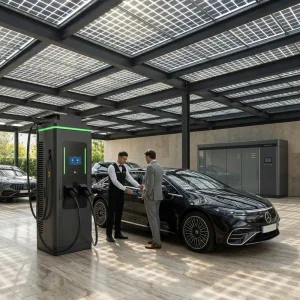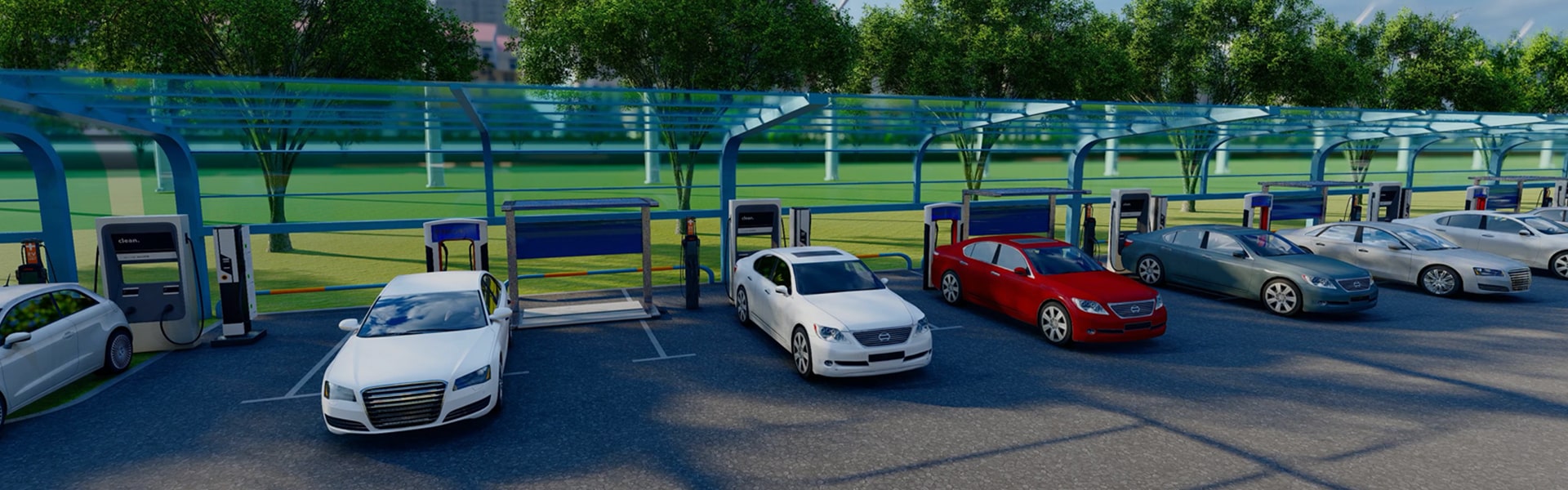
High-efficiency DC Fast Charging systems developed for modern commercial operations, municipalities, and fleet operators.
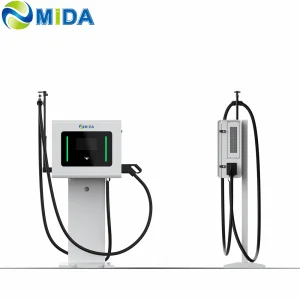
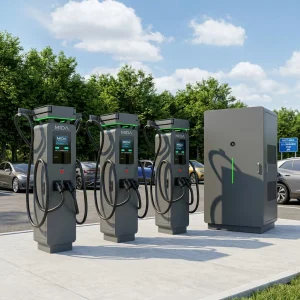
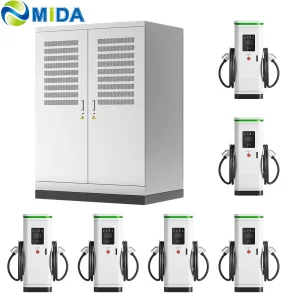
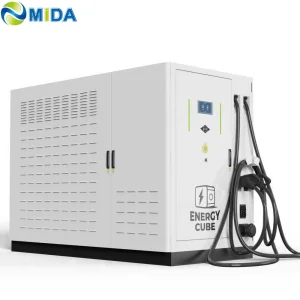
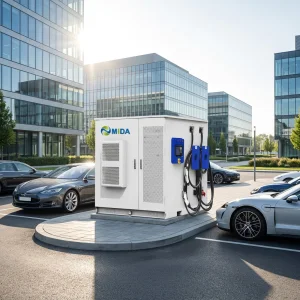
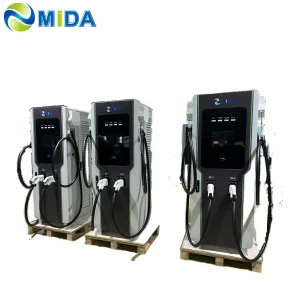
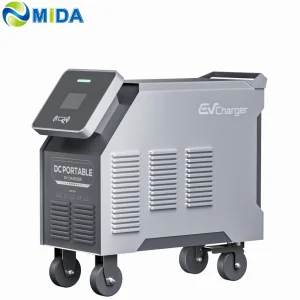
As transport electrification shifts from early adoption to systemic commercial integration, the hardware supporting this energy transition must optimize for both performance and long-term viability. The 160kW DC Fast Charging Station represents a highly engineered balance point in modern energy infrastructure. It is characterized as the ultimate balance for commercial fleets, municipal hubs, and retail destinations. Unlike lower-capacity 60kW stations, which may result in bottlenecking during peak operational times, or ultra-high-speed 360kW+ architectures that impose severe load management challenges and premium grid-connection costs, the 160kW threshold minimizes grid connection capital expenditure while delivering rapid charging speeds.
For a typical passenger electric vehicle (EV) or a light-duty commercial delivery van equipped with an 80 kWh battery capacity, a 160kW station operating with dynamic load-balancing can deliver a 10% to 80% state-of-charge (SoC) in approximately 20 to 25 minutes. This performance satisfies standard user dwell times at transport hubs and public rest areas.
A professional 160kW DC charger relies on a highly modular electrical design rather than a single 160kW power block. This modularity ensures operational reliability and simplifies maintenance. Inside the cabinet, the system usually consists of four 40kW or five 30kW hot-swappable AC-to-DC power modules.
This modular topology yields several technical benefits:
Shanghai Mida Cable Group Ltd. operates through its wholly owned subsidiaries: Shanghai Mida EV Power Co., Ltd., Shenzhen Mida EV Power Co., Ltd., and Shanghai Mida New Energy Co., Ltd. We represent a fully integrated supply chain partner capable of designing, manufacturing, and supporting premium electric vehicle charging infrastructure on a global scale.
Mida Cable manufactures a comprehensive range of EV charging cables, including 16A–80A J1772 cables, 16A–63A IEC 62196-2 Type 2 cables, and heavy-duty DC fast charging cables: CCS1 (80A–500A), CCS2 (125A–1000A), CHAdeMO (125A–300A), GBT (200A–1000A), and NACS connectors (250A–600A).
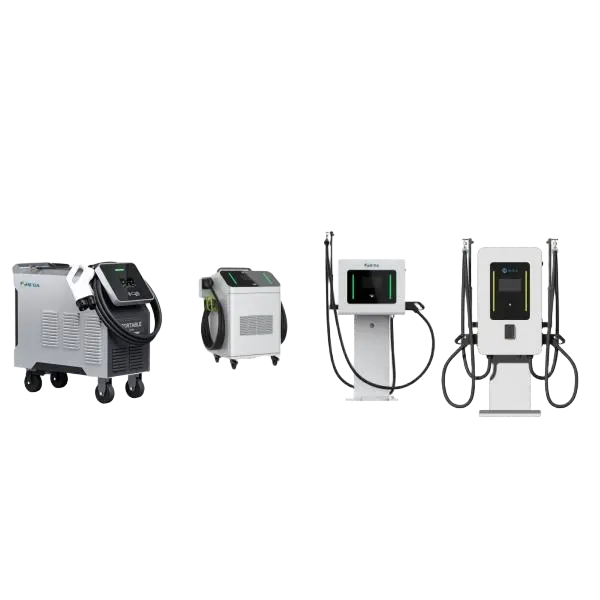
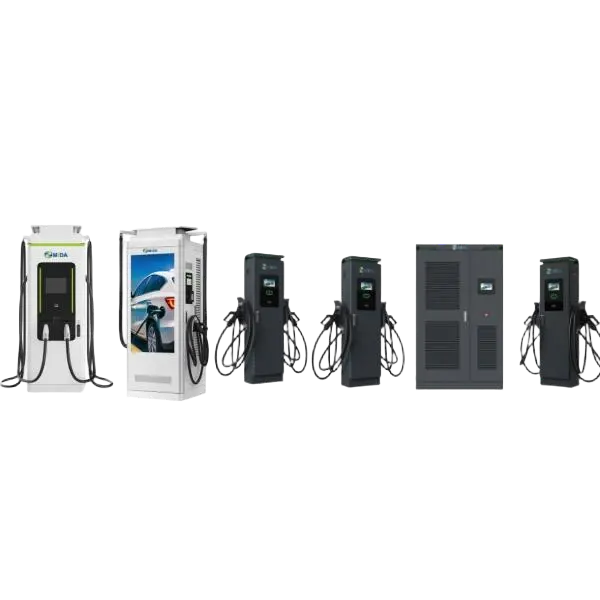
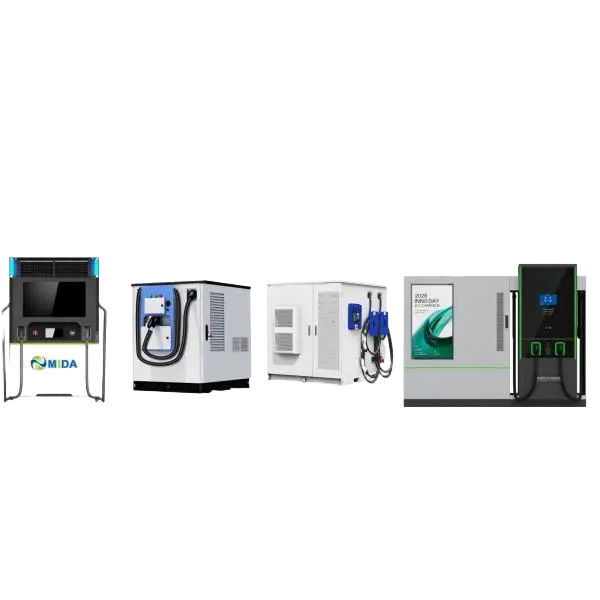
MIDA EV Power produces a full lineup of EV charging stations, such as 7kW–50kW mobile chargers, 3.6kW–7.2kW portable DC chargers, 360kW–1440kW split-type DC fast chargers, 20kW–50kW wall-mounted DC chargers, and 60kW–480kW floor-standing DC fast charging stations.
MIDA New Energy specializes in EV charger power modules, offering 20kW–60kW standard modules, 40kW–125kW liquid-cooled modules, 30kW–62.5kW bidirectional modules, and 20kW–45kW V2G charging modules.

The manufacturing ecosystem in China has evolved beyond low-cost production to lead in advanced automation and high-quality process management. Through the integration of Factory 4.0 principles, modern facilities leverage IoT-connected production lines, automated optical inspection (AOI) stations, and precision SMT (Surface Mount Technology) systems for the fabrication of complex control boards and power modules.
This level of vertical integration at MIDA plants ensures that every step—from drawing copper for charging cables to assembling complex high-power liquid-cooled cabinets—is executed under strict quality control. This control is verified by real-time telemetry. In addition, the density of local component suppliers in key industrial zones reduces lead times for raw materials, protecting international partners from supply-chain disruptions.
Every 160kW station built undergoes rigorous automated burn-in testing (ESS - Environmental Stress Screening). This process cycles the cabinet under full load for extended periods, capturing early-stage component defects before the system is packaged and shipped globally.
Explore our specialized technologies built for clean, high-performance power distribution.
Technical capabilities across MIDA's manufacturing divisions.
We supply modular power solutions designed for high reliability and utility-scale integration:
Heavy-duty, high-performance connectors and cooling systems for ultra-fast speeds:
Battery Energy Storage Systems (BESS) integrated with high-power DC infrastructure:
The deployment of 160kW charging systems addresses distinct market applications, each with unique power and regulatory requirements. For last-mile logistics providers, fleet hubs must handle overnight and mid-day topping-off operations for delivery trucks. Placing multiple 160kW units controlled by a central Energy Management System (EMS) allows operators to charge vehicles based on departure times and battery conditions, avoiding high peak demand charges.
In public charging stations and retail hubs, 160kW stations offer the speed drivers expect from fast chargers without requiring expensive medium-voltage substation upgrades. This makes them a cost-effective choice for developers seeking high utility rates and fast payback periods.
Modern charging infrastructure must adapt to evolving communication and smart-grid standards. Sourcing 160kW chargers that comply with OCPP 2.0.1 and ISO 15118 ensures long-term operational viability. ISO 15118 enables features like "Plug & Charge," where the charger recognizes the vehicle and processes billing automatically, removing the need for external RFID cards or smartphone applications.
Furthermore, the incorporation of bidirectional power modules opens the door for Vehicle-to-Grid (V2G) deployment. With bidirectional integration, fleets can use vehicle batteries to supply power back to the facility or the local grid during peak demand times, transforming charging networks into active components of the modern smart energy grid.
Technical articles and engineering achievements in public electric transport system installations.
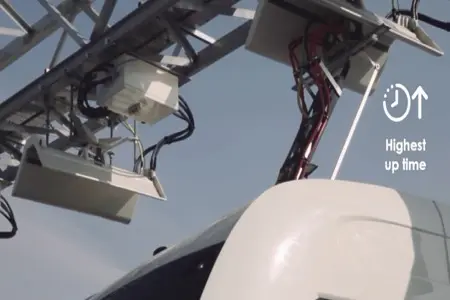
What are the advantages of an e-bus pantograph dome? In contrast to classic plug-in charging systems, e-bus pantograph networks offer high-power automation...
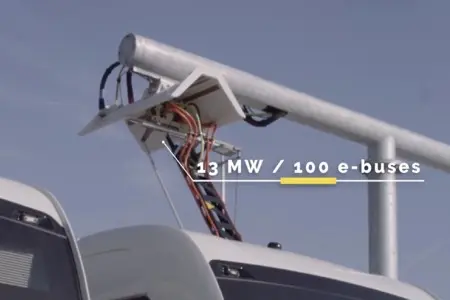
How long does it take to charge with an e-bus pantograph? The charging time depends on the battery capacity and the dynamic current delivery rate...
How to Install the Pantograph Up Charger System Dome for Electric Bus. Installing a robust dome assembly requires precise mechanical alignment...
For international procurers, engineering compliance is a critical step in the procurement process. Delivering high-power electronics across different borders requires adherence to local electrical standards:
Working with vertical manufacturers like MIDA ensures that these certifications are built into the design phase rather than added as an afterthought. This integration streamlines project approvals and minimizes deployment delays.
Technical and procurement inquiries addressed by our electrical engineering team.
Ultra-fast DC power modules, cabinets, and specialized sub-systems for high-performance networks.