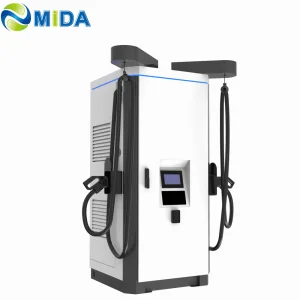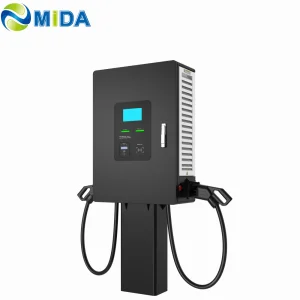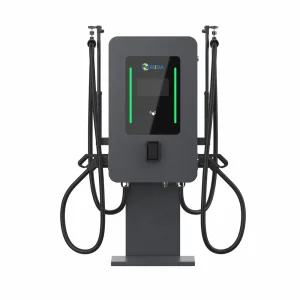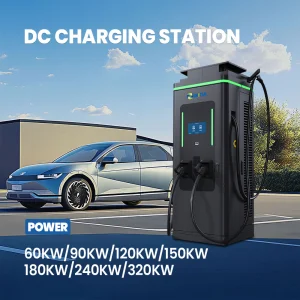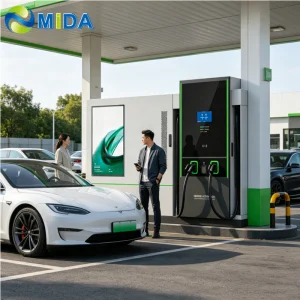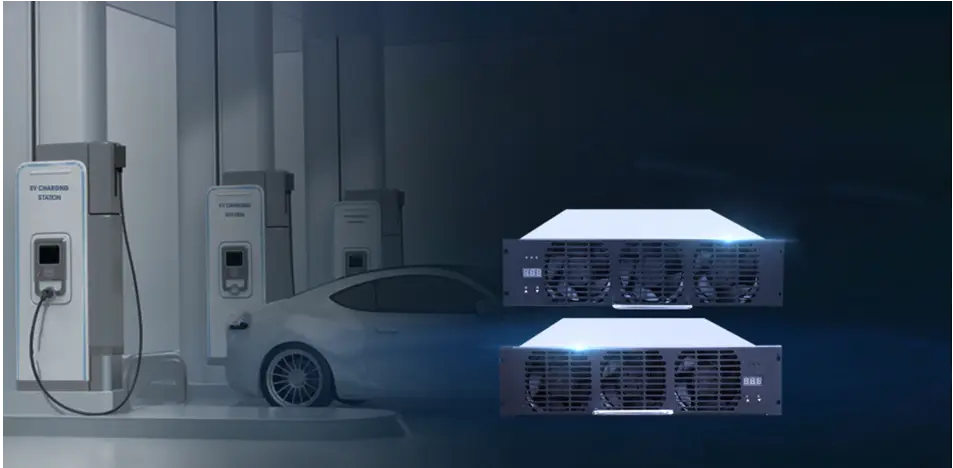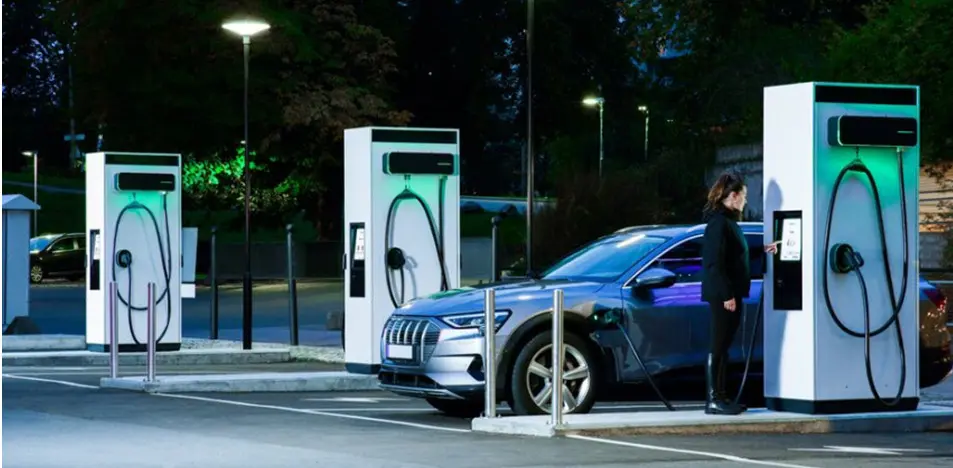
Explore our leading 150kW-ready and ultra-fast charging platforms engineered for high uptime, modular power allocation, and ultimate safety compliance.
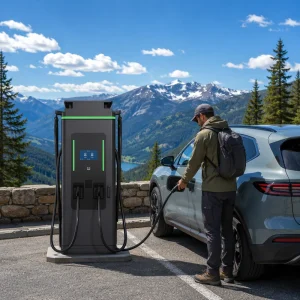
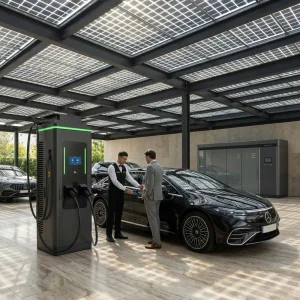
As transportation electrification accelerates globally, the demand for fast, reliable, and intelligent charging infrastructure has reached an unprecedented scale. Among the various power tiers, the 150kW DC EV Charger has emerged as the definitive global sweet spot for commercial, industrial, and fleet applications. It sits precisely at the intersection of capital expenditure (CAPEX) efficiency, grid connection feasibility, and rapid energy replenishment.
Unlike lower-power AC systems that require hours to charge high-capacity passenger EVs, or extreme 350kW+ High-Power Chargers (HPC) that demand massive grid upgrades and specialized liquid-cooled cabling, a 150kW station delivers optimal utility. It can replenish a standard electric passenger car or light commercial vehicle from 10% to 80% state of charge (SoC) in approximately 20 to 30 minutes. This aligns perfectly with the dwell times at highway service stations, retail hubs, transit depots, and workplace parking lots.
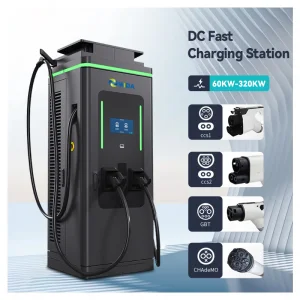
For Charge Point Operators (CPOs) and commercial enterprises, investing in 150kW architecture offers a future-proof foundation. Modern 150kW configurations are designed with dual-connector layouts (CCS1, CCS2, NACS, or CHAdeMO) that support dynamic power distribution. By utilizing smart power modules (e.g., five 30kW modules or four 40kW modules), a single station can intelligently route 150kW to a single vehicle requiring high-speed throughput, or split the load dynamically to deliver 75kW simultaneously to two vehicles. This dual-charging capability effectively doubles the turnover rate of the charging station, maximizing profitability and enhancing the end-user experience.
Shanghai Mida Cable Group Ltd. operates through its wholly owned subsidiaries: Shanghai Mida EV Power Co., Ltd., Shenzen Mida EV Power Co., Ltd., and Shanghai Mida New Energy Co., Ltd.
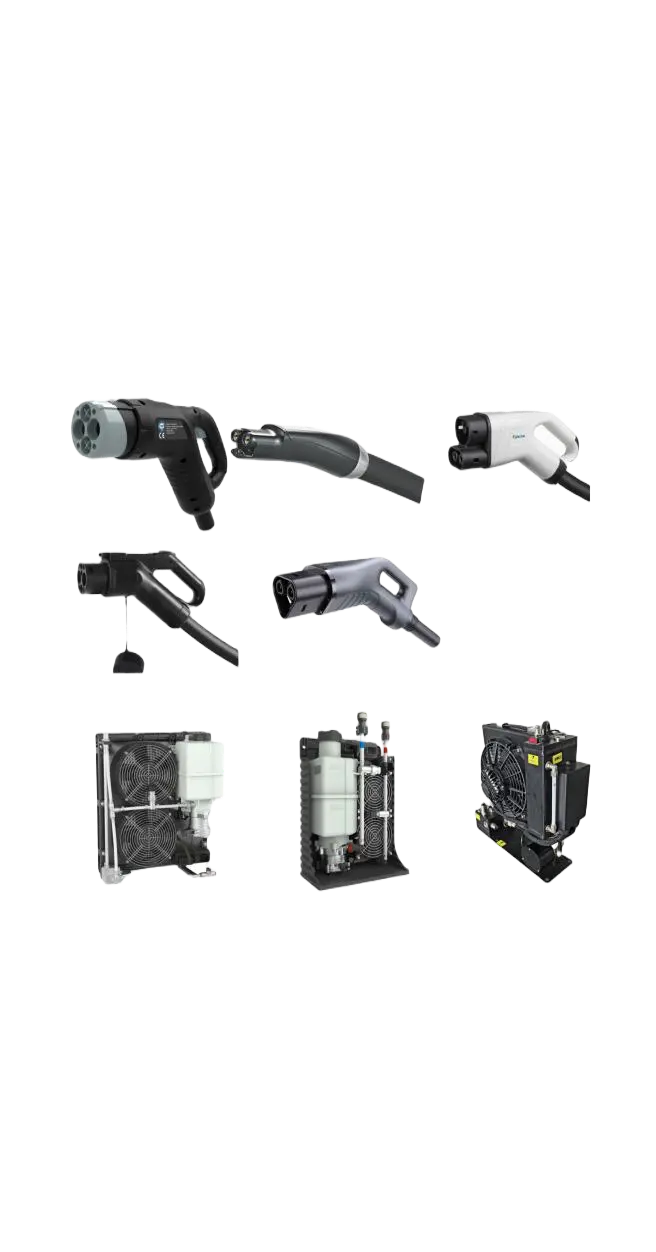
Mida Cable manufactures a comprehensive range of EV charging cables, including 16A–80A J1772 cables, 16A–63A IEC 62196-2 Type 2 cables, and DC fast charging cables: CCS1 (80A–500A), CCS2 (125A–1000A), CHAdeMO (125A–300A), GBT (200A–1000A), and NACS connectors (250A–600A).
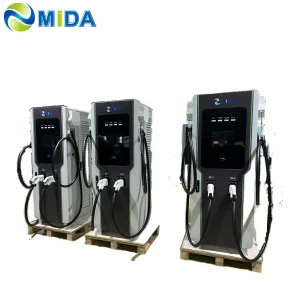
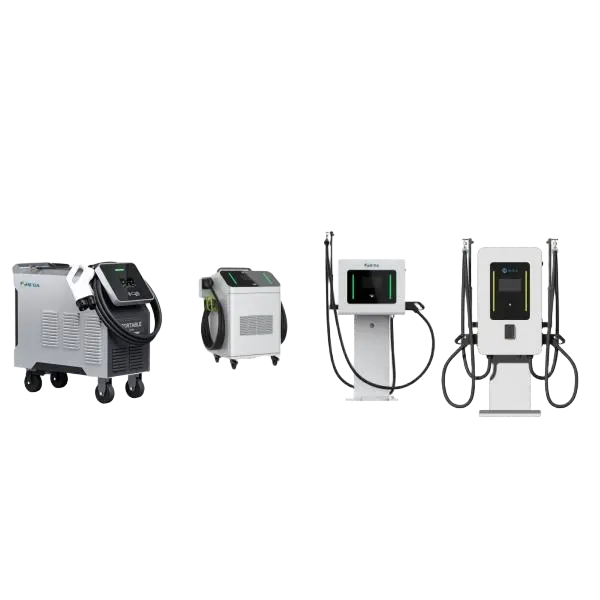
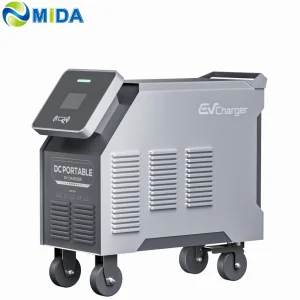
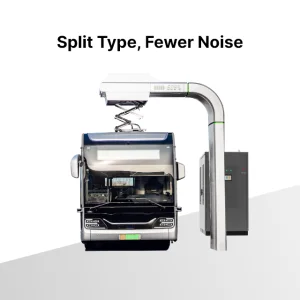
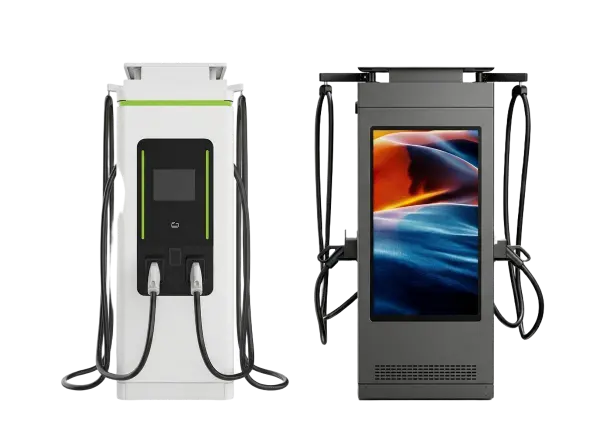
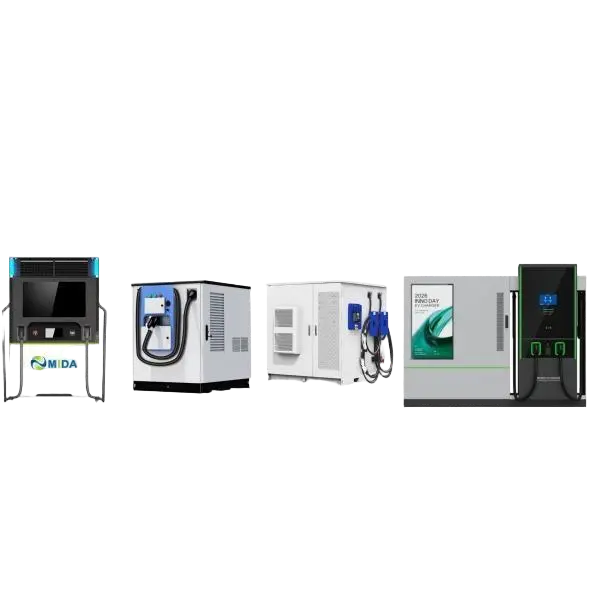
MIDA EV Power produces a full lineup of EV charging stations, such as 7kW–50kW mobile chargers, 3.6kW–7.2kW portable DC chargers, 360kW–1440kW split-type DC fast chargers, 20kW–50kW wall-mounted DC chargers, and 60kW–480kW floor-standing DC fast charging stations.
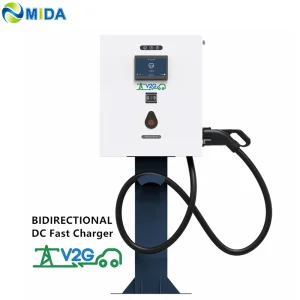
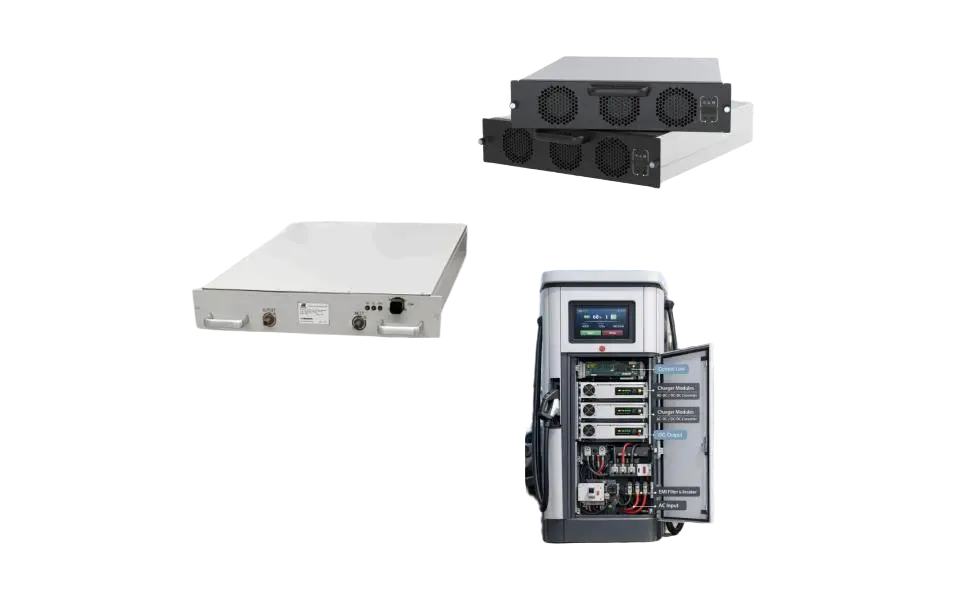
MIDA New Energy specializes in EV charger power modules, offering 20kW–60kW standard modules, 40kW–125kW liquid-cooled modules, 30kW–62.5kW bidirectional modules, and 20kW–45kW V2G charging modules.

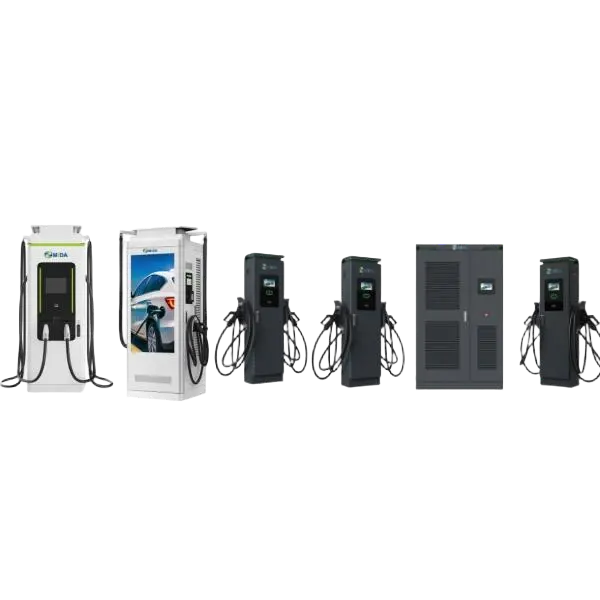
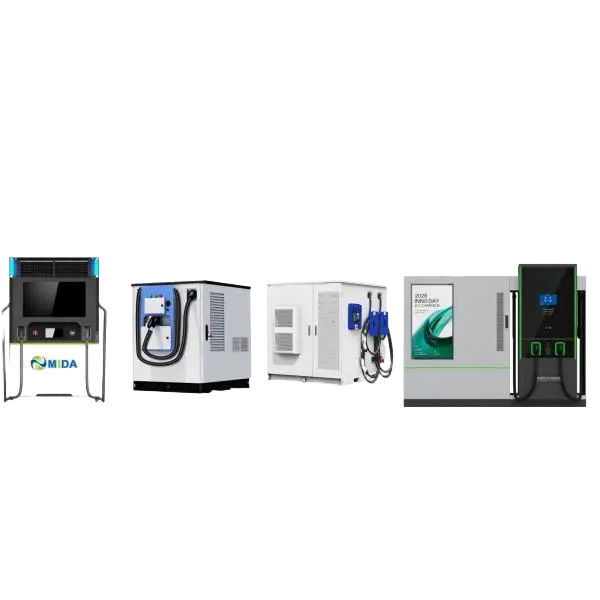
The core technology behind modern 150kW DC chargers is undergoing a massive evolutionary shift. As EV manufacturers shift from 400V architecture to 800V and even 1000V drivetrain systems (such as Porsche's Taycan, Hyundai's E-GMP, and Lucid's Air), manufacturers must deliver hardware that supports wide voltage output ranges. Our manufacturing facilities are at the forefront of this technical transition, utilizing a roadmap structured on efficiency, longevity, and intelligence.
Traditional silicon-based IGBTs are increasingly being replaced by Silicon Carbide (SiC) MOSFETs. This transition reduces switching losses by up to 70%, increases thermal conductivity, and permits higher switching frequencies. As a direct result, the overall conversion efficiency of the charger’s power modules exceeds 96%, decreasing thermal energy waste. This high efficiency translates directly to reduced operational costs for CPOs and smaller enclosure profiles due to minimized cooling requirements.
Inside the cabinet of our 150kW fast chargers, a hot-swappable modular setup is utilized. By cascading five 30kW modules or four 40kW modules, if a single module encounters an error, the charger automatically isolates the affected unit and continues operating at a reduced output (e.g., 120kW or 110kW). This fault-tolerant configuration significantly increases uptime, minimizing localized service calls. In addition, these modules feature wide output ranges, spanning from 150V to 1000V DC, ensuring compatibility with small electric city cars, luxury sedans, utility vans, and large heavy-duty fleets.
A smart charger is defined by its ability to interface with external networks. MIDA’s platforms implement the latest OCPP 2.0.1 communication protocol, enabling secure transactions, advanced diagnostics, and native dynamic load management. Furthermore, our systems natively support the ISO 15118 standard. This standard enables "Plug & Charge" capabilities, allowing drivers to simply plug the connector into their car and start the session instantly without RFID cards or mobile apps—the charger securely authenticates, processes payments, and charges the vehicle automatically.
China is home to the world's most mature and integrated electric vehicle supply chain, centering in technological industrial clusters like Shanghai and Shenzhen. This strategic geographical presence allows MIDA Group to capitalize on unmatched sourcing, production speed, and quality control capabilities, ensuring our global customers receive state-of-the-art fast chargers at highly competitive price-to-performance ratios.
From magnetic components, power semiconductor packaging, and structural sheet metal to customized software integration, every stage of our production is optimized within our proprietary and closely managed logistics ecosystem. Our factories utilize advanced, automated assembly lines and specialized testing chambers that simulate extreme environments, ensuring all modules perform flawlessly under rigorous operational stresses.
We build our own cables, connectors, power modules, and enclosures, guaranteeing seamless hardware synergy.
Every unit undergoes Highly Accelerated Life Testing (HALT) and environmental burn-in before shipping.
Flexible fabrication enables us to tailor branding, wrapping, screen UI, and connector layouts to your specifications.
We work directly with major testing bodies like TUV, CE, and UL to provide direct, hassle-free certification support.
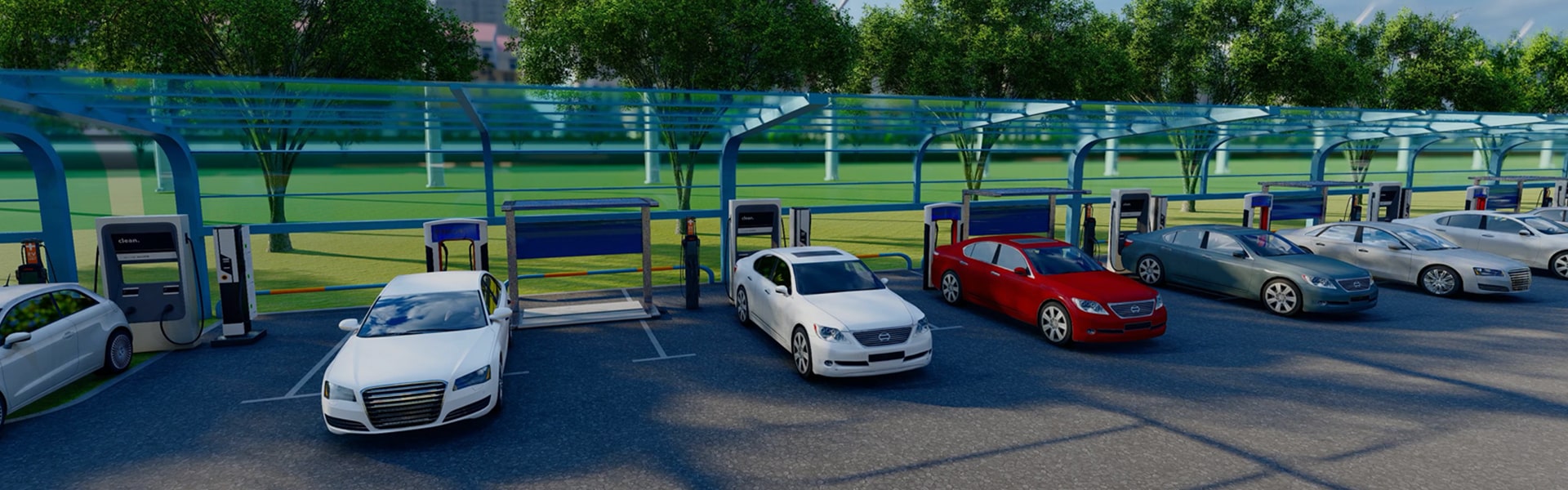
Due to its versatile energy output, the 150kW DC Fast Charger is deployed across diverse industry verticals. Below are the primary environments where this power class delivers maximum financial return and operational convenience:
To operate reliably in these varied environments, our 150kW DC chargers are engineered with environmental resilience in mind. For extreme cold areas (e.g., Northern Europe and Canada), internal cabinet heaters ensure optimal power module pre-heating. For hot, arid regions (e.g., the Middle East), our high-airflow forced ventilation and optional liquid-cooling paths prevent thermal de-rating. For coastal and marine environments, NEMA 3R and IP54/IP55 corrosion-resistant, powder-coated steel or aluminum enclosures are used, protecting internal electronics from salt, moisture, and fine dust particles.
Explore Mida Group's comprehensively engineered components, modules, connectors, and complete charging station solutions.
Entering international markets requires absolute compliance with local regulations. Every region has distinct electrical, communication, billing, and structural standards. As a global manufacturer, MIDA EV Power builds fully compliant products with localized certifications:
Beyond certifications, MIDA maintains a localized network of certified technical support and engineering partners. From initial pre-installation grid assessments and custom concrete foundation advice to commission testing and remote diagnostic API integration, we provide high-availability technical assistance, ensuring minimal downtime for your charging network.
Stay up to date with MIDA Group’s latest technological deployments and engineering tutorials from our technical department.
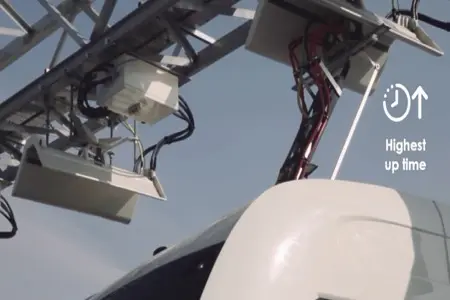
Detailed technical answers addressing standard planning, design, and deployment questions for operators and engineers.
Compare our wall-mounted, floor-standing, and energy storage integrated charging stations to find the perfect fit for your project requirements.