Frequently Asked Questions
What types of EV charging connectors are available?
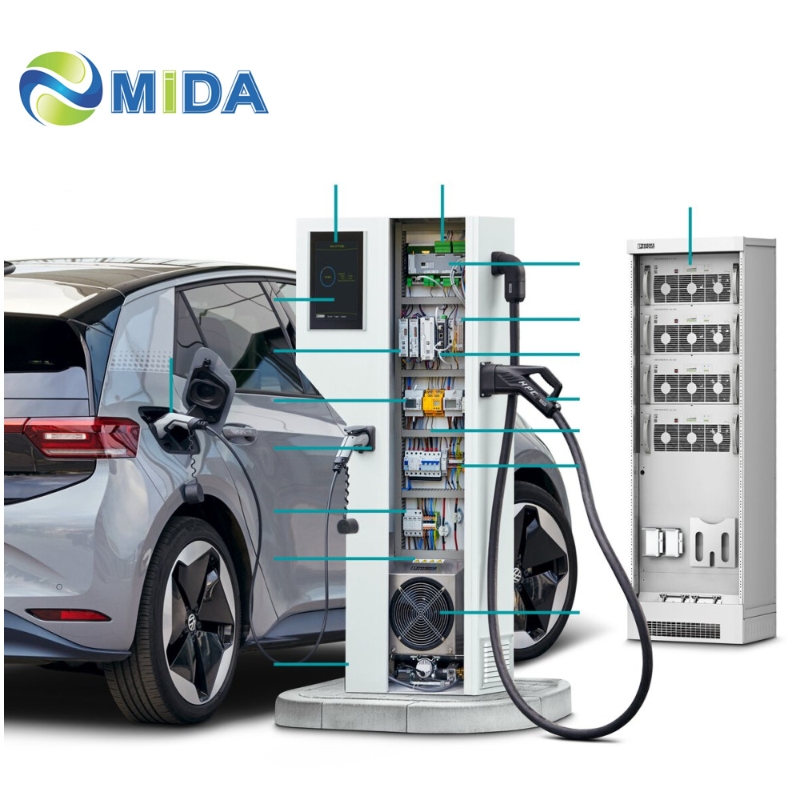
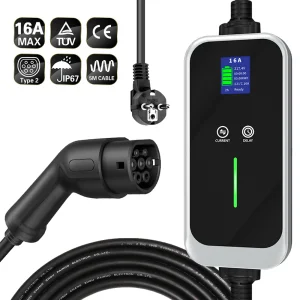
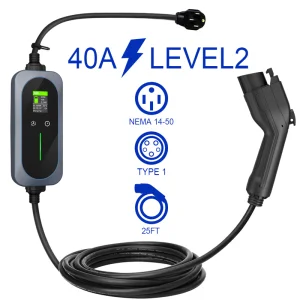
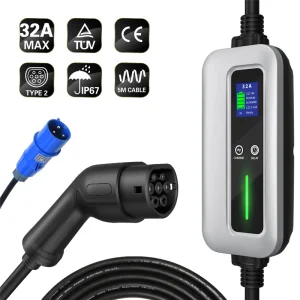
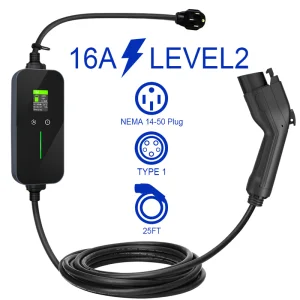
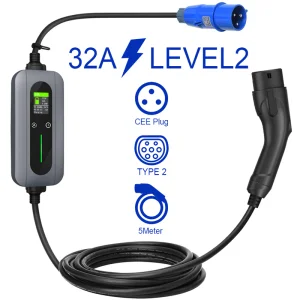
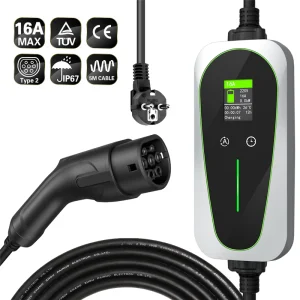
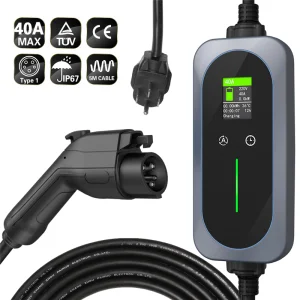
The most common connectors are Type 1 (J1772) primarily used in North America, Type 2 (Mennekes) standard in Europe, and CCS or CHAdeMO for DC fast charging.
How long does it typically take to charge an electric vehicle?
Charging speed depends on the charger's power output and the vehicle's battery size. A standard Level 2 home charger typically takes 4-8 hours for a full charge, while DC fast chargers can reach 80% in 30-60 minutes.
Can these products be installed outdoors?
Yes, most professional-grade EV chargers are designed with high IP ratings (such as IP54 or IP65), making them waterproof and dustproof for safe outdoor operation.
Is professional installation required for EV chargers?
For hardwired Level 2 chargers, we strongly recommend installation by a certified electrician to ensure compliance with local electrical codes and safety standards.
What is the difference between AC and DC charging?
AC charging uses the vehicle's onboard converter and is common for home and workplace use. DC charging bypasses the onboard converter to deliver power directly to the battery, allowing for much faster charging speeds.
Do the chargers support smart management features?
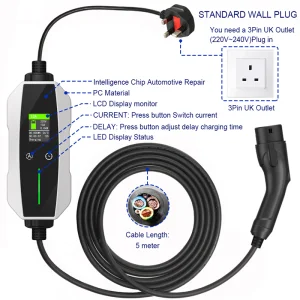
Many modern models support smart features including WiFi connectivity, App control, scheduled charging, and load balancing to optimize energy consumption.