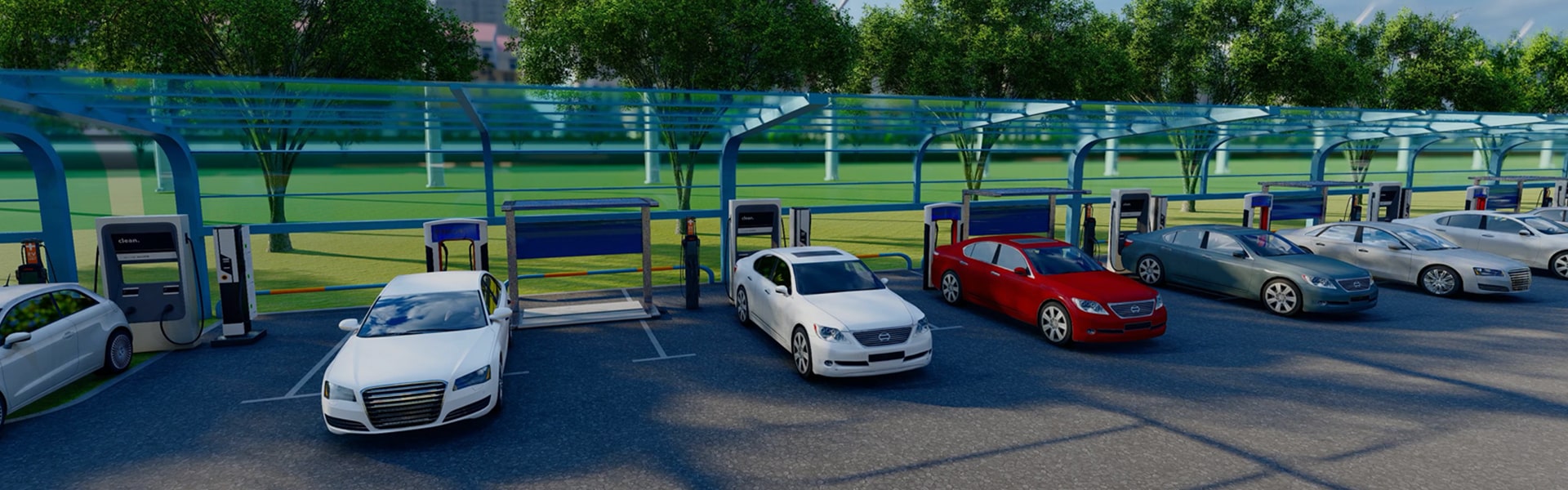
Explore high-power fast chargers engineered to industrial standards, featuring smart load balancing, high efficiency, and global compatibility.
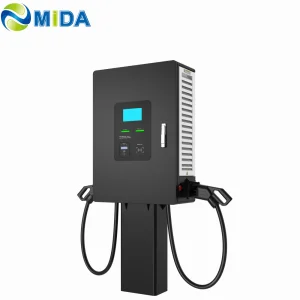
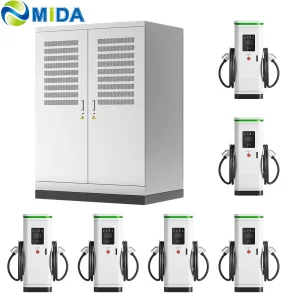
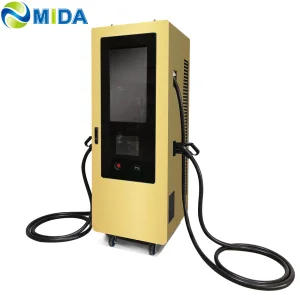
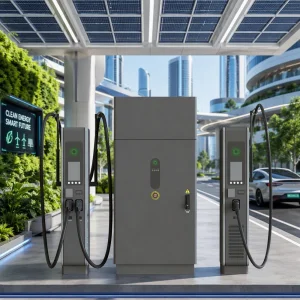
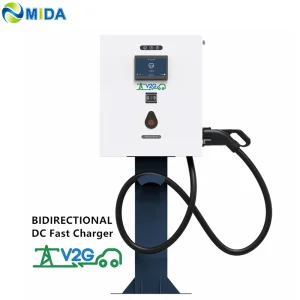
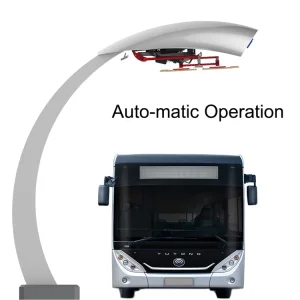
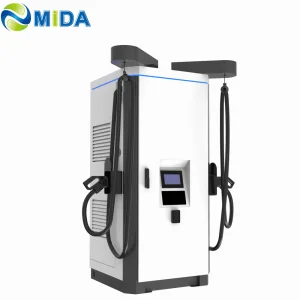
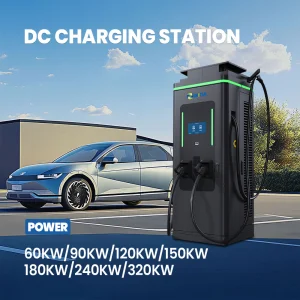
From wall-mounted smart hubs to gigawatt-scale liquid-cooled energy storage stations.
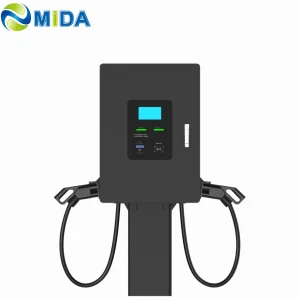
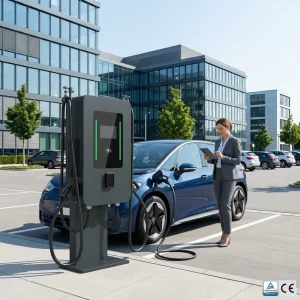
High-reliability AC solutions tailored for commercial, workplace, and long-dwell applications.
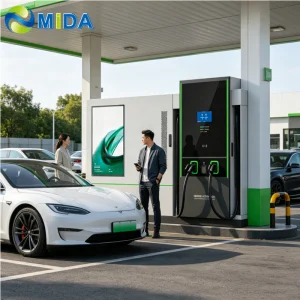
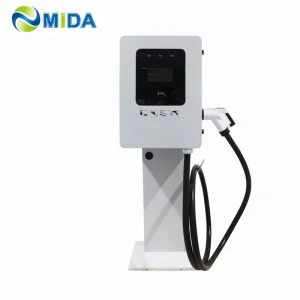
View More7kW to 80kW systems offering flexibility for compact footprints and emergency service fleets.
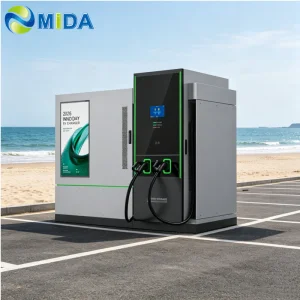
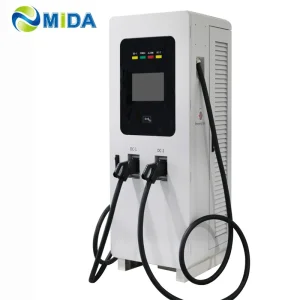
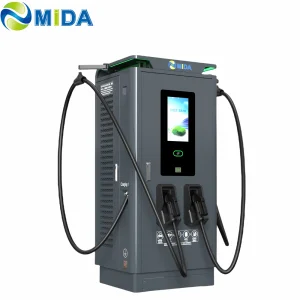
View MoreHigh-power modular units ranging from 60kW to 1440kW, configured for rapid infrastructure deployment.
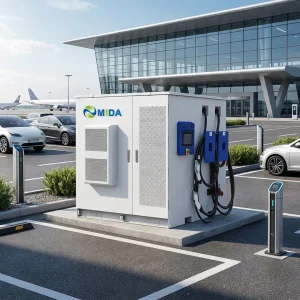
View MoreEnergy storage integrated charging hubs from 60kWh to 2MWh, resolving local grid congestion issues.
View MoreShanghai Mida Cable Group Ltd. operates globally through its key wholly owned subsidiaries: Shanghai Mida EV Power Co., Ltd., Shenzhen Mida EV Power Co., Ltd., and Shanghai Mida New Energy Co., Ltd.
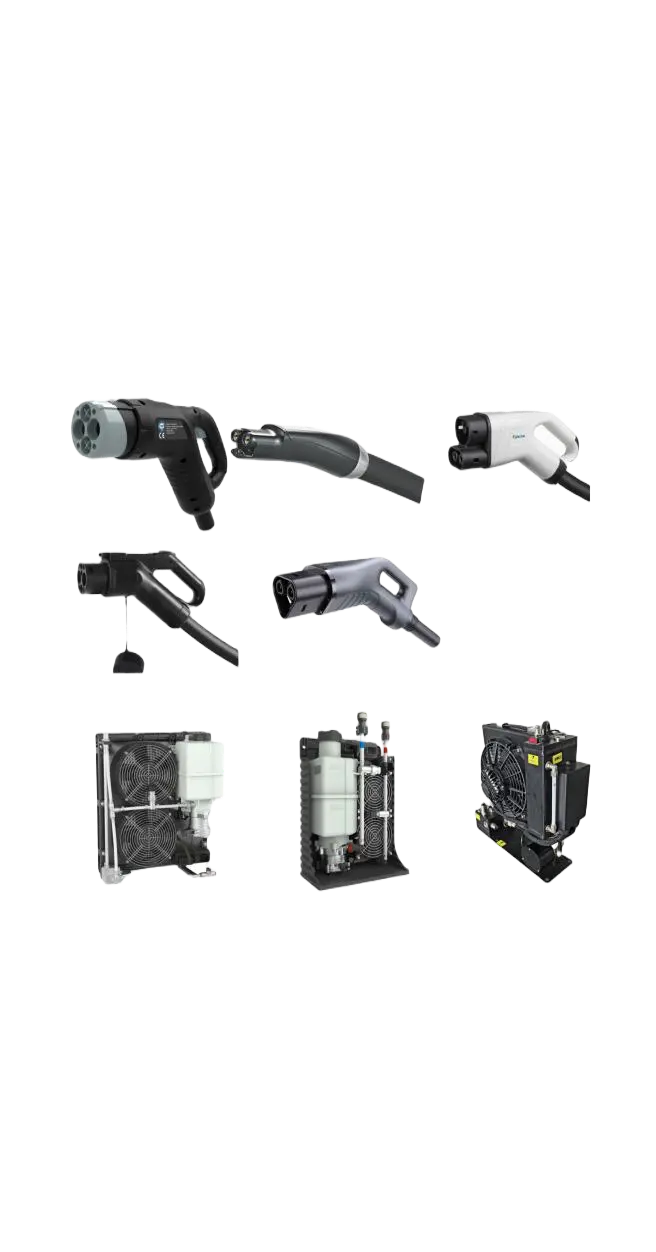
Mida Cable specializes in the R&D and precision manufacture of EV charging cables, supporting configurations from 16A to 80A J1772, 16A to 63A IEC 62196-2 Type 2, and high-capacity DC fast charging cables (CCS1: 80A-500A, CCS2: 125A-1000A, CHAdeMO: 125A-300A, GBT: 200A-1000A, and NACS: 250A-600A connectors).
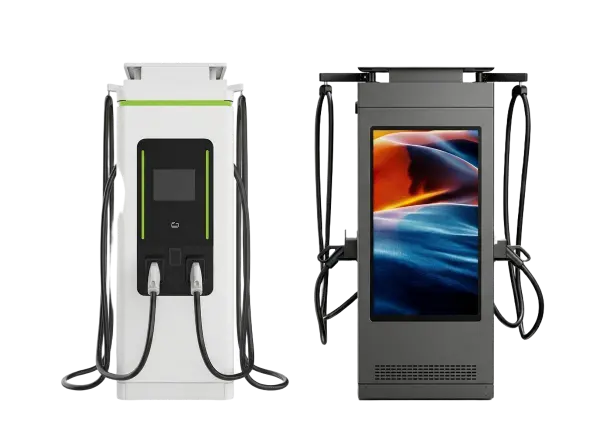
MIDA EV Power designs and delivers turnkey EV charging stations, encompassing 7kW-50kW mobile setups, 3.6kW-7.2kW portable DC fast chargers, 360kW-1440kW split-architecture DC stations, 20kW-50kW wall-mounted solutions, and 60kW-480kW commercial floor-standing cabinets.
MIDA New Energy focuses on the underlying technology of EV charger power modules, supplying 20kW-60kW standard air-cooled modules, 40kW-125kW advanced liquid-cooled modules, 30kW-62.5kW bidirectional modules, and 20kW-45kW vehicle-to-grid (V2G) modules.

Comprehensive component and system solutions designed for global compatibility, long operational lifetime, and optimal energy efficiency.
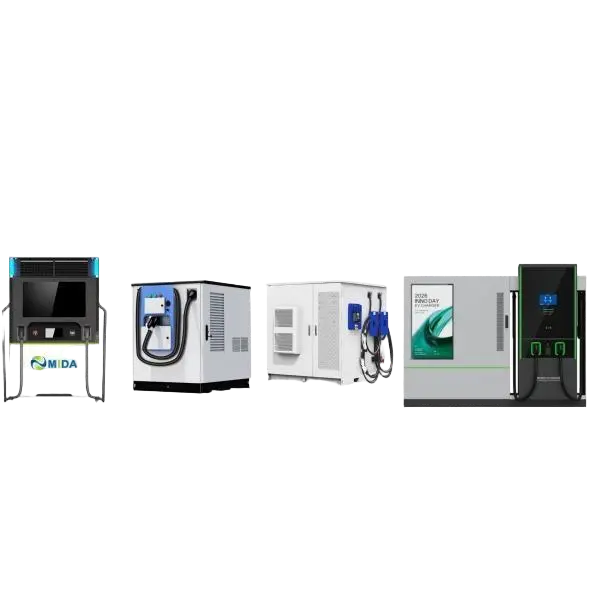
As the global transition to clean transportation accelerates, municipal transport networks, long-haul commercial logistics fleets, and retail parking facilities face a surging demand for direct current (DC) fast-charging infrastructure. Among the various power tiers available, the 120kW DC fast charger has emerged as the definitive sweet spot for B2B applications. It strikes an optimal balance between initial capital expenditure (CAPEX), installation complexity, grid integration demands, and vehicle charging times. Unlike high-cost megawatt systems designed for long-haul trucks, or low-power AC stations that require vehicles to sit idle for hours, a 120kW fast charger can replenish a typical EV battery from 10% to 80% in approximately 30 to 45 minutes. This aligns perfectly with average dwell times at highway service plazas, logistics depot shifts, and regional shopping centers.
Globally, governments are enacting strict mandates targeting public infrastructure density. For instance, the European Union's Alternative Fuels Infrastructure Regulation (AFIR) mandates fast-charging pools every 60 kilometers along core highways, while the United States National Electric Vehicle Infrastructure (NEVI) program enforces minimum power levels to ensure seamless interstate travel. These policy drivers, combined with the rising demand from commercial operators, make selecting high-performance, compliant, and cost-effective 120kW EV chargers an operational necessity for engineering firms, charging point operators (CPOs), and industrial distributors worldwide.
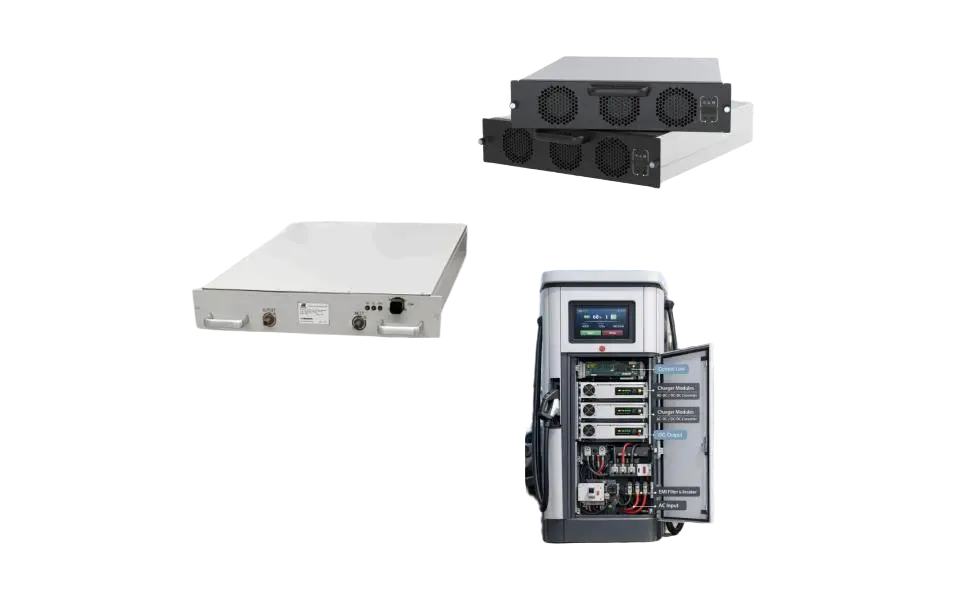
To understand why one 120kW EV charger outperforms another in real-world conditions, CPOs must analyze its internal architecture. The core of any DC charging station is its power modules, which convert high-voltage AC from the utility grid into the precise DC voltage required by the vehicle's battery management system (BMS). A reliable 120kW charger is typically built using one of two internal modular topologies:
Beyond module distribution, thermal management is the primary factor governing charger lifespan. Traditional air-cooled chargers use high-velocity fans to pull ambient air through the cabinet. While cost-effective, this introduces airborne particulate matter, dust, and humidity, which degrade internal electronics over time. To combat this, advanced tier-1 factories utilize liquid-cooled power modules or hermetically sealed air-flow chambers. Liquid-cooled configurations isolate the electrical tracks from the external atmosphere, achieving IP65 ingress protection and reducing acoustic noise in residential areas.
E-E-A-T Technical Insight: The efficiency of a 120kW charger is not static. Look for manufacturers utilizing Silicon Carbide (SiC) semiconductor switches instead of traditional Silicon IGBTs. SiC modules boast lower switching losses, enabling overall conversion efficiencies exceeding 95% across a wide output range (200V DC to 1000V DC).
Navigating the grid connection codes and safety standards across different regions is one of the most complex challenges in commercial EV charger deployment. An unqualified charger can result in project delays, regulatory fines, and grid instability. CPOs must verify that factories provide certified models aligned with local jurisdictions:
| Region | Safety Certification | Communication Protocol | Standard Connectors | Grid Compliance |
|---|---|---|---|---|
| North America | UL 2202, UL 2231-1/-2 | OCPP 1.6J / 2.0.1, OpenADR | CCS1, NACS (SAE J3400) | IEEE 1547, FCC Part 15 |
| Europe | CE (LVD & EMC), TUV Rheinland | OCPP 1.6J / 2.0.1, ISO 15118 | CCS2 (Type 2) | EN 50380, local grid codes |
| Asia-Pacific | CQC, GBT 18487.1, KC | OCPP, localized private APIs | GB/T, CHAdeMO | State Grid compliance |
Additionally, dynamic load balancing (DLB) is crucial for commercial setups. For instance, when a 120kW charger is equipped with dual outlets, it must intelligently allocate power. If a single vehicle is charging, it receives the full 120kW. If a second vehicle plugs in, the controller should seamlessly divide the load (e.g., 60kW+60kW or 80kW+40kW based on battery demand) without dropping the active session. This maximizes station utility and avoids overloading the local transformer.
A major hurdle to installing 120kW fast chargers is utility interconnection capacity. Upgrading local power lines and transformers to support multiple 120kW lines can cost tens of thousands of dollars and take months of administrative delays. BESS (Battery Energy Storage System) integrated charging stations offer an elegant solution to this challenge.
By coupling a 120kW charger with a localized battery storage unit (e.g., Mida’s 241kWh or 261kWh integrated BESS packages), CPOs can deploy high-power charging even in grid-constrained areas. The BESS unit trickles power from the grid during off-peak hours (or harvests power from on-site solar panels via built-in MPPT controllers) and discharges it rapidly during vehicle charging sessions. This "peak-shaving" technique eliminates high demand charges on utility bills and ensures that drivers consistently receive the full 120kW output, regardless of grid stability.
The versatility of 120kW chargers makes them suitable for a wide range of industrial and commercial installations:
As battery chemistries transition from 400V architectures to 800V and higher, future-proofing infrastructure is essential. Modern 120kW systems should feature a wide output range (up to 1000V DC) to charge next-generation vehicles at full speed. Additionally, CPOs should look for ISO 15118 compatibility, which enables "Plug & Charge" functionality. This protocol removes the need for RFID cards or mobile apps; the car communicates directly with the charger, authenticates billing, and initiates charging automatically when plugged in.
Another key advancement is Vehicle-to-Grid (V2G) bidirectional capability. By installing bidirectional 120kW chargers, fleet operators can turn their vehicles into mobile energy storage systems. During peak grid demand, these vehicles can discharge power back to the grid or offset building energy consumption, opening up new revenue streams and helping stabilize the local energy system.
Stay informed with the latest technological developments and industry trends from MIDA Group engineering experts.

What are the advantages of an e-bus pantograph dome? In contrast to classic plug-in charging systems, e-bus pantograph domes enable hands-free high-power charging at route terminals.
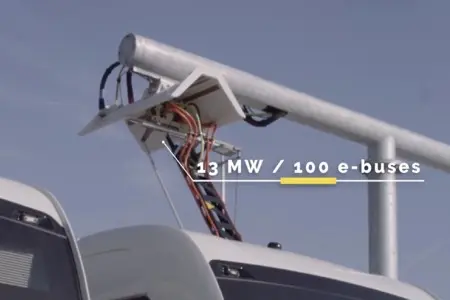
How long does it take to charge with an e-bus pantograph? The charging time depends on the battery capacity and the station's maximum output power, enabling fast mid-route top-ups.
How to Install the Pantograph Up Charger System Dome for Electric Bus. A comprehensive guide detailing the civil works, alignment tolerances, and grid connection steps.
Get answers to common technical, logistics, and compliance questions during the procurement phase.
Our 120kW stations use a dynamic load balancing (DLB) controller. When one vehicle is connected, it receives the full 120kW. If a second vehicle plugs in, the system splits the power into two 60kW feeds or adjusts the allocation dynamically (e.g., 80kW/40kW) based on each vehicle's real-time battery request.
Standard configuration orders ship within 4 to 6 weeks. For custom OEM/ODM requirements, including specific brand styling, payment gateway integrations, or custom cable lengths, the lead time is typically 8 to 10 weeks, depending on materials and regulatory testing.
Our chargers connect to central management platforms via OCPP. This allows operators to run remote diagnostics, reset systems, and update firmware. In the event of a hardware issue, the modular power cabinets let technicians hot-swap modules on-site quickly, minimizing downtime.
MIDA chargers are certified to meet international standards. For the European market, they carry CE and TUV certifications (complying with EN 61851 and ISO 15118). For the North American market, we offer UL listed configurations, ensuring compliance with local grid codes and electrical standards.
Explore our high-capacity DC charging stations, wall-mounted setups, and integrated battery energy storage systems.