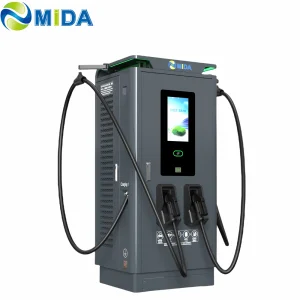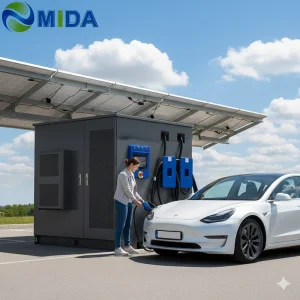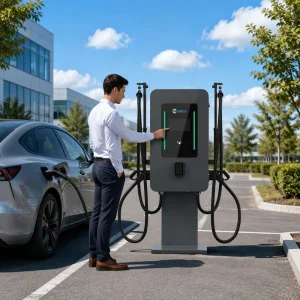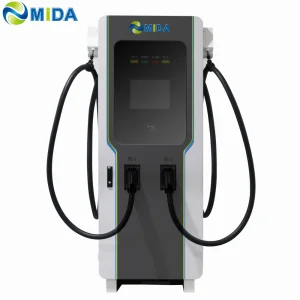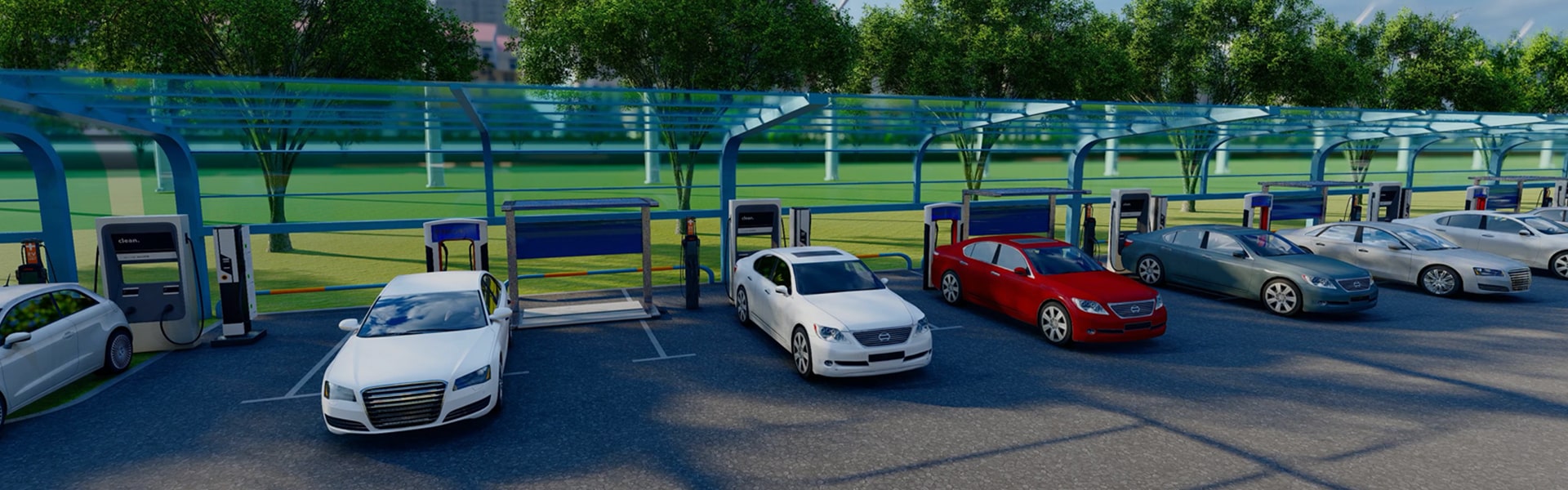
Industrial-Grade DC Fast Chargers and Battery Energy Storage Systems designed for high-throughput deployments.

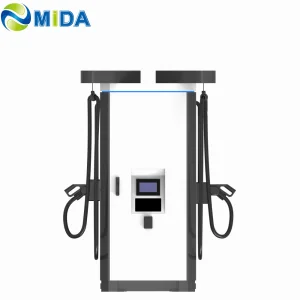
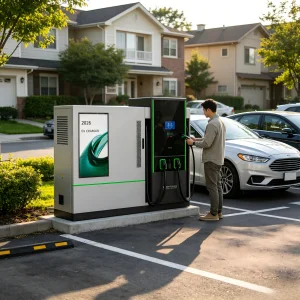
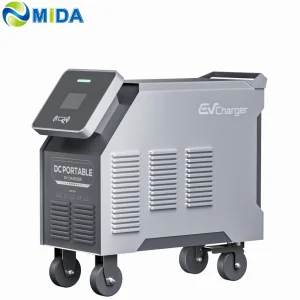
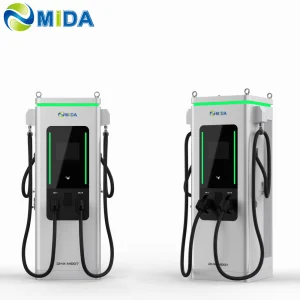
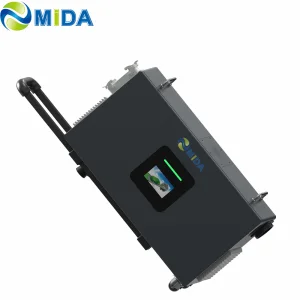
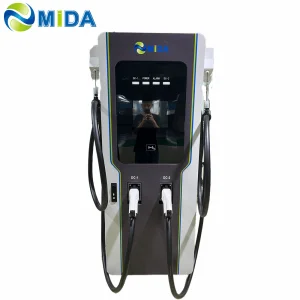
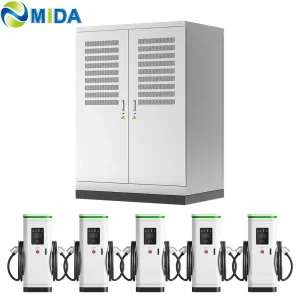
Configurable and scalable EV charging products suited for public networks, fleets, and energy storage integration.
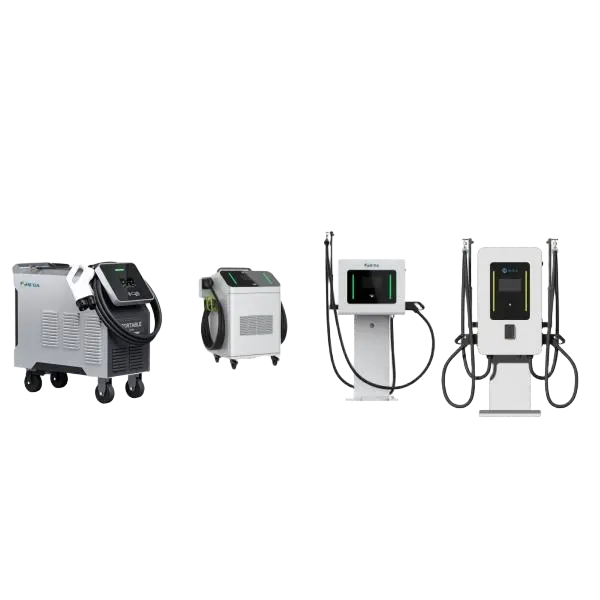
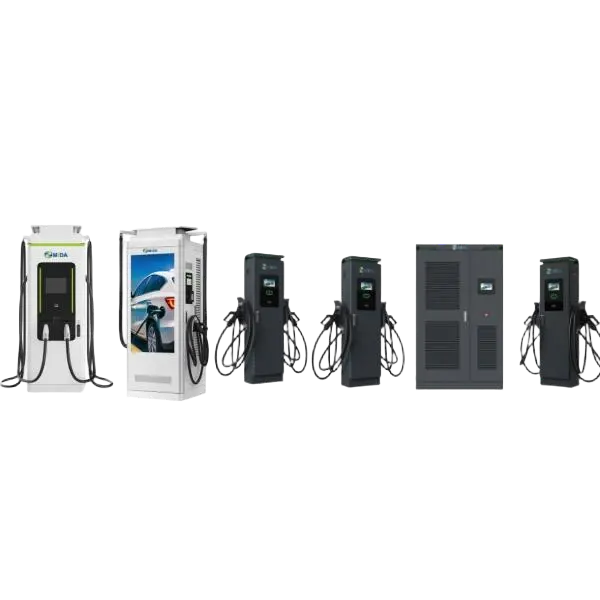
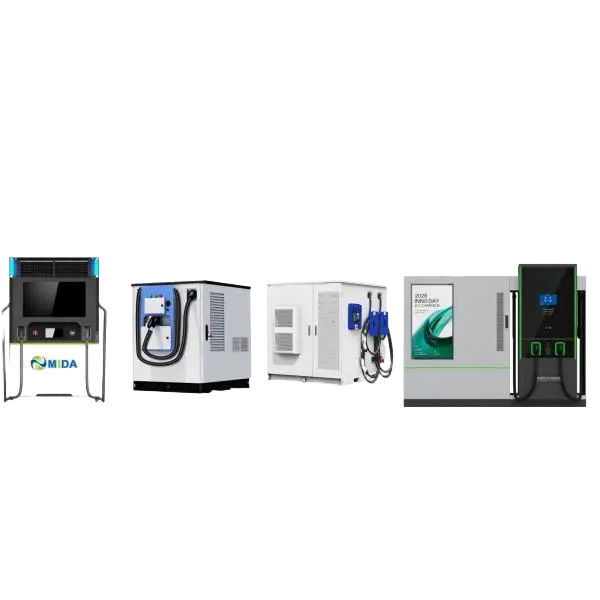
The global transition to electric mobility has transformed electric vehicle charging infrastructure from a luxury amenity into a critical utility. Within this landscape, the 120kW DC Fast Charger has emerged as the sweet spot for commercial, municipal, and fleet applications. Balancing installation costs (CAPEX), grid impact, and charge times, the 120kW capability is the standard requirement for organizations seeking high performance without necessitating cost-prohibitive grid service upgrades.
Procurement teams at charging point operators (CPOs), transit agencies, logistics enterprises, and retail hubs analyze multiple variables when choosing manufacturers. The fundamental key performance indicators (KPIs) include total cost of ownership (TCO), interoperability across regional vehicle fleets, conversion efficiency (typically >95%), and thermal tolerance. In addition, integration with local dynamic load management protocols ensures that multiple charging nodes can operate simultaneously without exceeding substation thresholds.
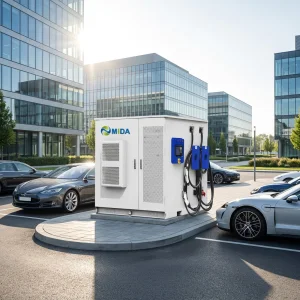
One of the primary challenges facing wide-scale DC charger installation is grid saturation. Deploying a 120kW charging cluster requires significant peak capacity. To mitigate this, forward-thinking manufacturers supply integrated solutions combining Battery Energy Storage Systems (BESS) with fast chargers. By buffering energy locally during off-peak hours and discharging it during high-load EV charging sessions, sites can eliminate steep demand charges and operate reliably in areas with compromised grid capacity.

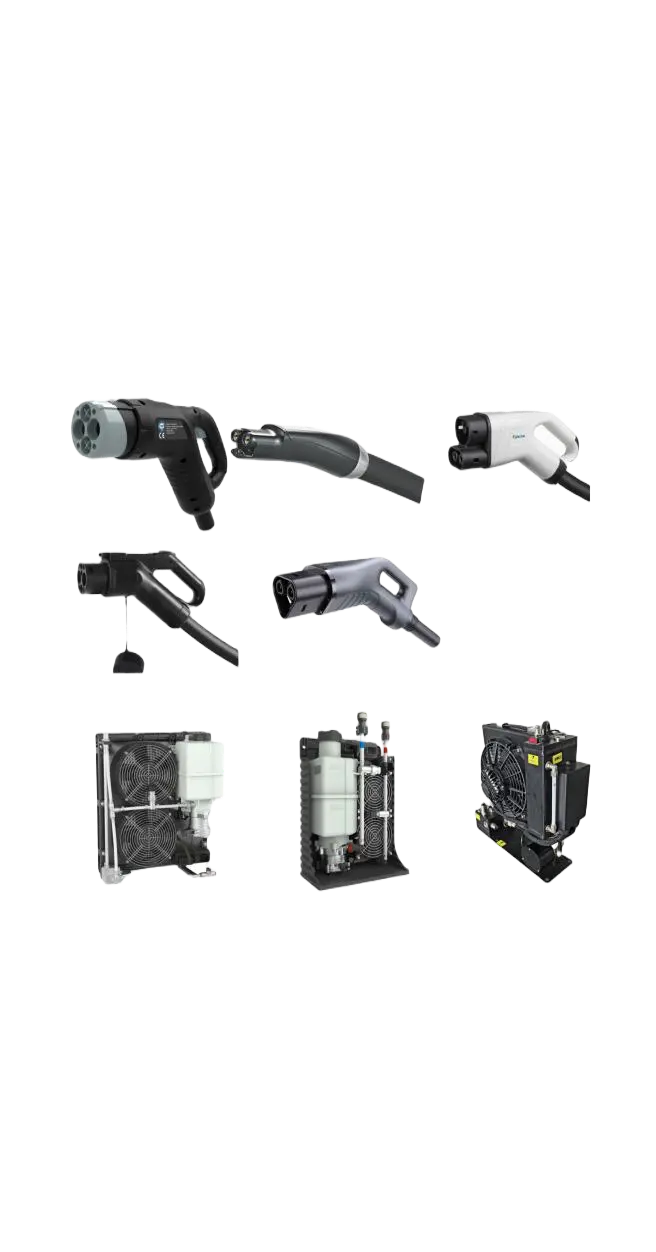
A closer look at the power topologies, liquid cooling units, and dynamic power distribution modules designed by MIDA.
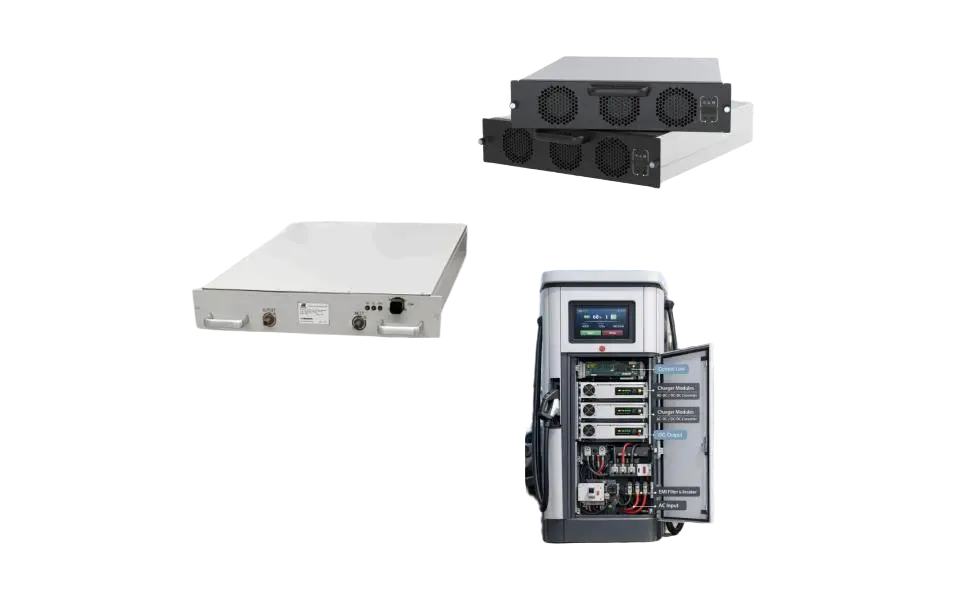
Deploying a resilient 120kW DC fast charging network demands attention to technical design. Active rectification using Silicon Carbide (SiC) MOSFETs within power conversion modules has emerged as the leading standard for maximizing efficiency. Under varying loads, SiC-based architectures maintain a high power factor (>0.99) and low Total Harmonic Distortion (THD < 5%), protecting surrounding electrical machinery and grid substations from electrical noise.
Furthermore, contemporary 120kW chargers operate over a broad voltage spectrum (150V to 1000V DC). This enables the charger to support older 400V battery architectures alongside the newer 800V passenger and utility commercial vehicles (such as electric trucks and transit buses) without diminishing efficiency or throughput.
"The convergence of ultra-fast charging, local energy storage, and smart grid coordination defines the future path of global EV electrification. Systems built on modular power architectures can scale dynamically, minimizing immediate utility upgrade costs."
For B2B procurement, compliance is non-negotiable. Leading suppliers ensure their hardware complies with the respective regional safety standards, such as TUV for Europe and UL/ETL for North America. In terms of communications protocols, compliance with ISO 15118 enables Plug & Charge functionality, providing a seamless user interface and secure transaction handling. Hardware integrations must also support OCPP 1.6J and the newer OCPP 2.0.1 to connect seamlessly with diverse back-end management networks.
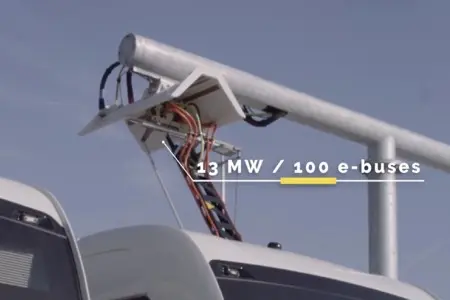
Insights into municipal transit solutions, automatic pantograph systems, and fleet electrification developments.

Answering major queries concerning B2B procurement, infrastructure upgrades, and system configurations.
A 120kW output offers high-speed charging capabilities (adding approximately 100-150 miles of range in under 30 minutes) while avoiding the complex grid upgrades and equipment expenditures associated with ultra-high power (250kW+) stations.
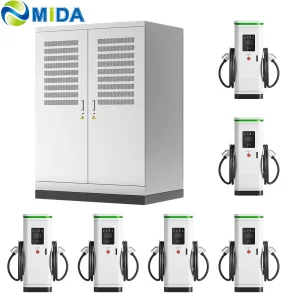
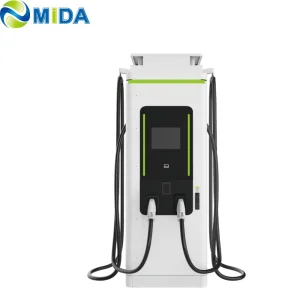
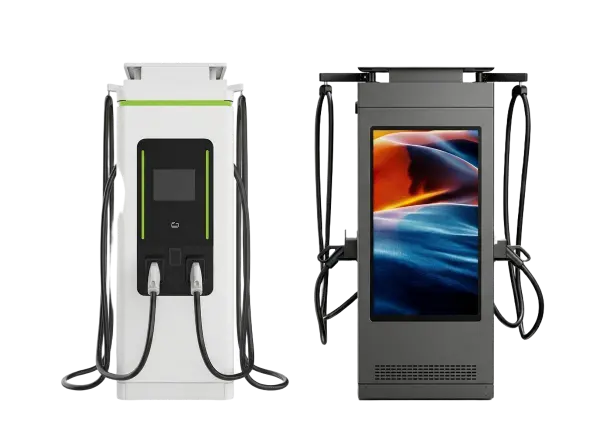
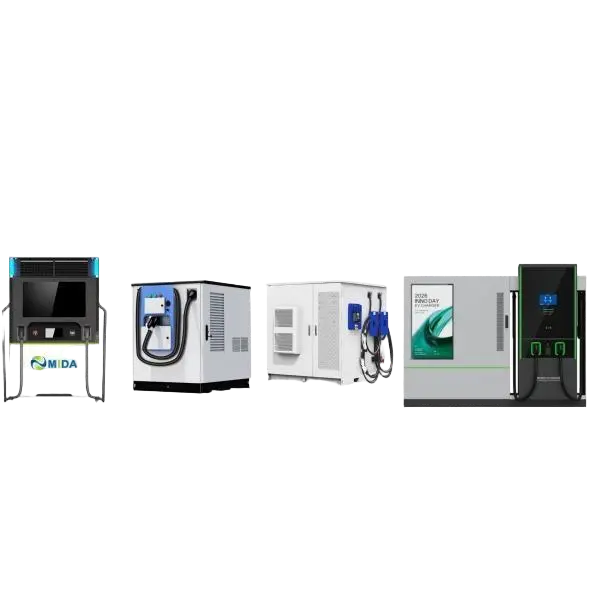
Integrated chargers house both the power modules and user interface in a single enclosure. Split-type configurations separate the central power cabinet from the user dispenser, reducing dispenser footprint and maximizing layout options on-site.
Smart controllers inside the charger dynamically route power. If a single EV is charging, it receives the full 120kW. When two vehicles connect, the station balances the load (e.g., 60kW + 60kW or 80kW + 40kW) based on each vehicle's state-of-charge and acceptance rates.
Yes. Battery Energy Storage Systems (BESS) charge during low-demand periods and support the grid during charging events, capping peak consumption from the grid to reduce operating expenses and grid upgrade costs.
Modern stations use OCPP 1.6J/2.0.1 to interface with back-end management networks, coupled with ISO 15118 to support automated Plug & Charge and built-in POS payment terminals.
High-efficiency air cooling using modular fans is the industry standard for 120kW installations. At higher power outputs (350kW+), liquid cooling systems are employed to manage the heat generated in the cables and connectors.
Broader power spectrum charging systems, mobile units, and components to scale up your infrastructure.