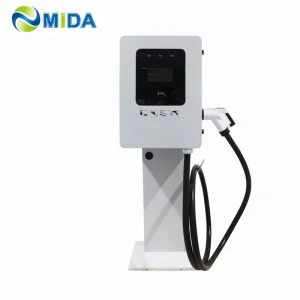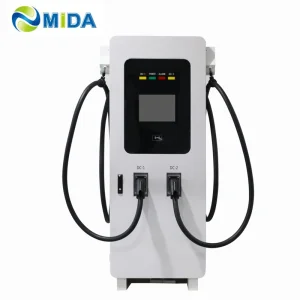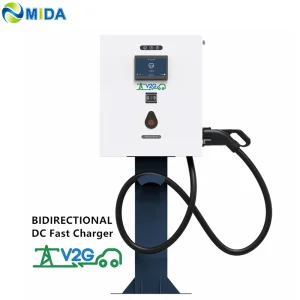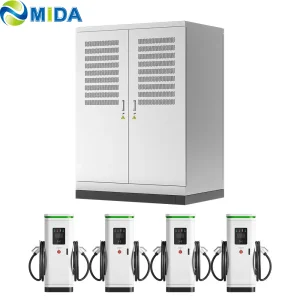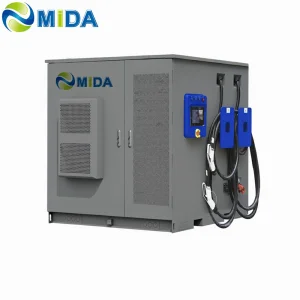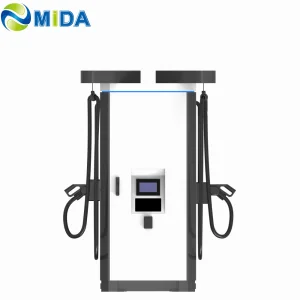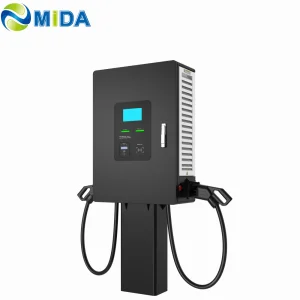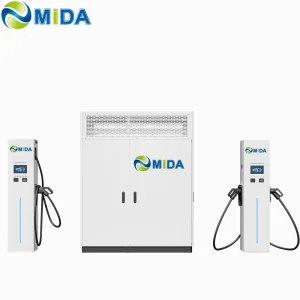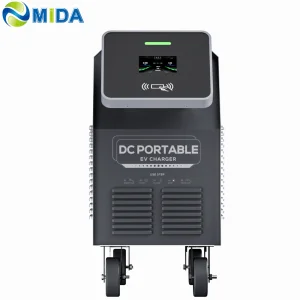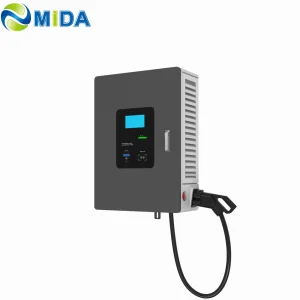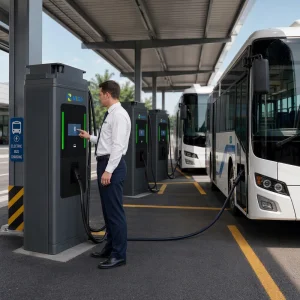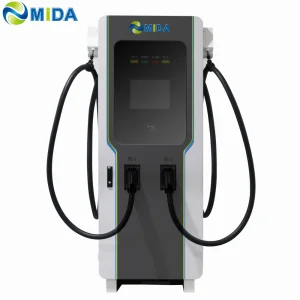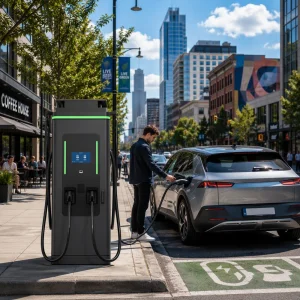
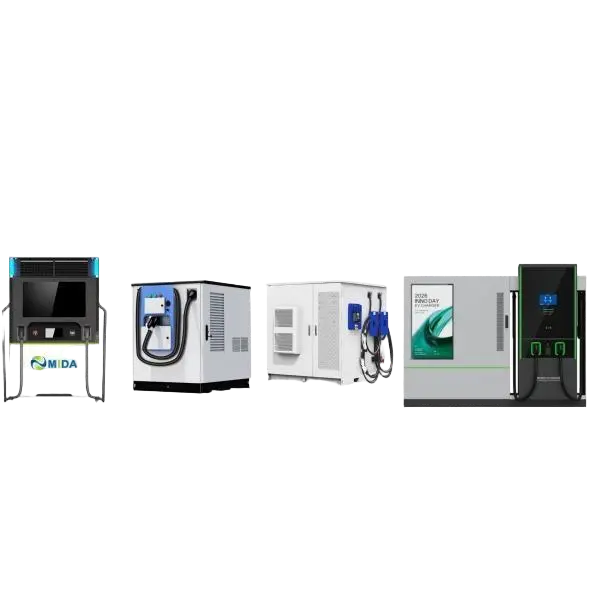
Explore our leading product line of high-capacity DC fast chargers, wall-mounted systems, and utility-scale pantographs designed for immediate deployment.
A technical examination of power distribution curves, grid efficiency optimization, and commercial feasibility.
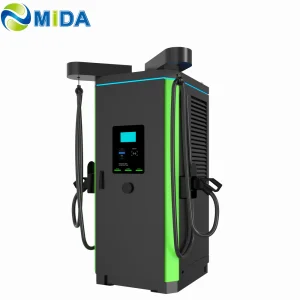
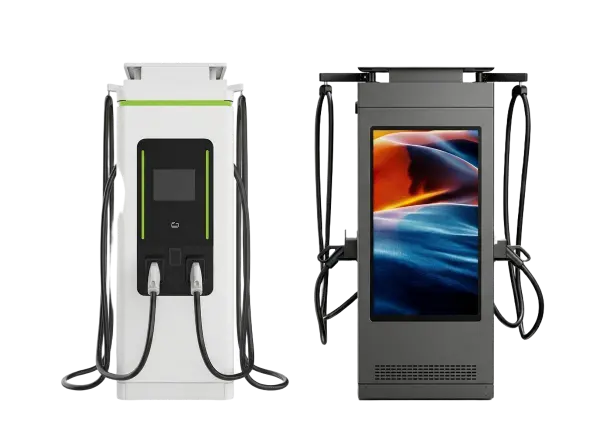
Modern 120 kW EV charging stations leverage modular power blocks (such as 4x30 kW or 3x40 kW configurations). This allows the system to intelligently allocate either 120 kW to a single vehicle requiring high-speed recovery, or balance 2x60 kW outputs simultaneously when two vehicles are connected. This dynamic distribution curve maximizes uptime and commercial utility.
Compared to ultra-fast 350 kW systems which necessitate specialized liquid-cooled cabling and costly medium-voltage transformer installations, a 120 kW EV charging station functions within standard grid infrastructure. It offers fast-charging speeds (boosting standard passenger EVs from 20% to 80% state-of-charge in under 30 minutes) at a fraction of the capital expenditure.
Deploying public charging grids at scale demands strict harmonic control. Premium 120 kW stations integrate active Power Factor Correction (PFC) systems yielding >0.99 power factor and <5% Total Harmonic Distortion (THD). This limits grid disturbance, eliminates reactive power penalties, and protects the long-term health of electrical grids.
Shanghai Mida Cable Group Ltd. operates through its wholly owned subsidiaries: Shanghai Mida EV Power Co., Ltd., Shenzhen Mida EV Power Co., Ltd., and Shanghai Mida New Energy Co., Ltd. We are a vertically integrated manufacturer and technology leader dedicated to powering the next generation of e-mobility.
Our operational capabilities are segmented into three specialized divisions:

Engineered component design and end-to-end station fabrication from the ground up.
Micro-Grid Integrated EV Infrastructure
How MIDA GROUP leverages systemic industrial clusters to deliver high-performance, cost-effective infrastructure solutions.
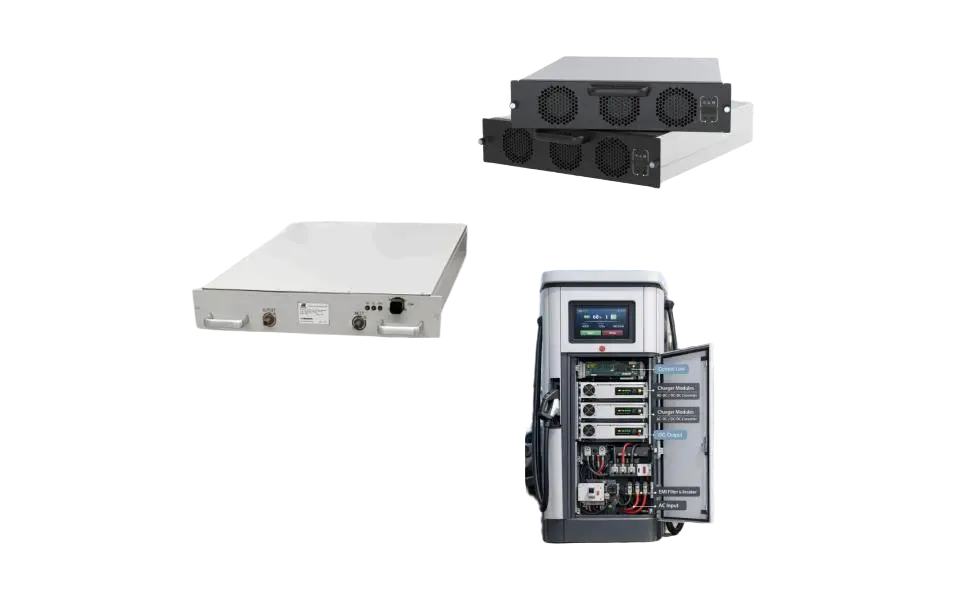
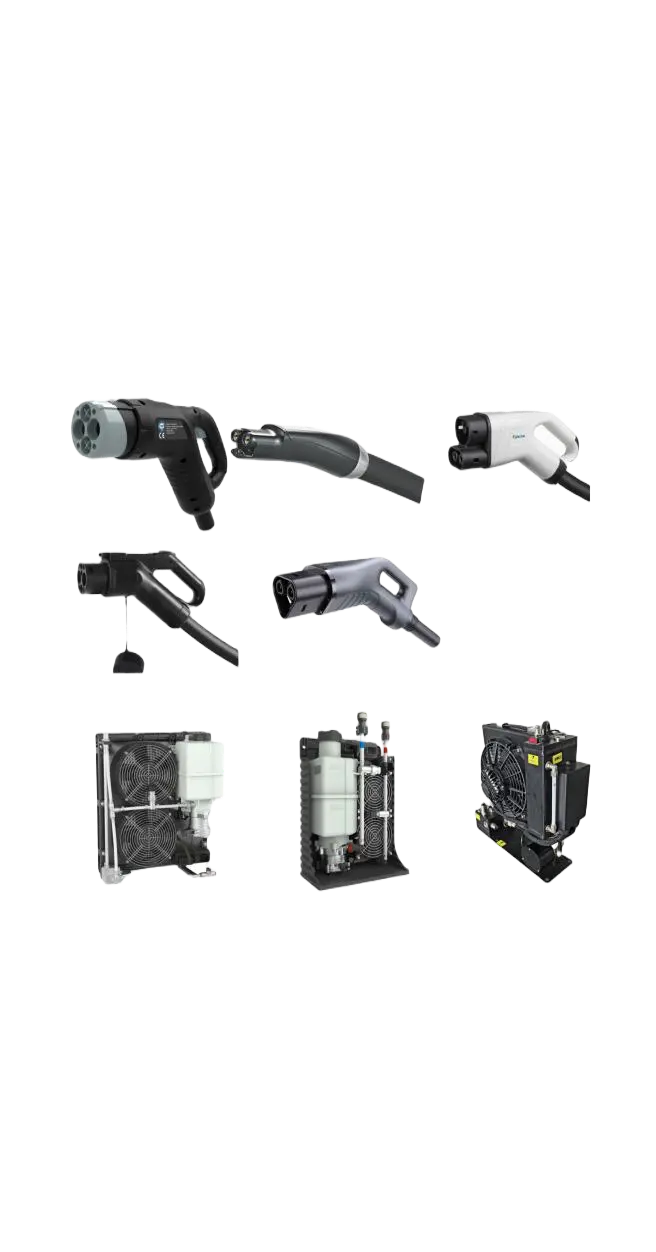
MIDA GROUP's manufacturing capabilities encompass the complete value chain, starting from drawing bare copper wiring for EV charging cables up to designing logic boards for charging station controllers. Our dedicated facilities manufacture high-precision liquid cooling tubes, power electronic boards, and outer chassis. This vertical model guarantees consistent quality control across all assemblies and reduces delivery times by up to 40% compared to typical regional assemblers.
By owning our tooling processes and metal stamping assets, we rapidly modify and scale the physical architecture of our 120 kW EV charging station housings to support specific site requirements, customized branding, or custom physical interface standards (CCS1, CCS2, NACS, GBT).
Located within China’s major electronic and industrial hubs, MIDA GROUP benefits from direct partnerships with premium semiconductor manufacturers, raw copper distributors, and specialized magnetic core suppliers. This insulation from global raw material bottlenecks ensures stable pricing models for international procurement contracts.
Our automated PCBA production lines utilize computerized optical inspection (AOI) and X-ray testing to detect defect parameters down to micron scales. This meticulous level of validation minimizes failure rates in components like the power modules, which serve as the central processor for our 120 kW charging units.
Certifying EVSE infrastructure for seamless grid integration across North America, Europe, Asia, and Oceania.
MIDA GROUP fast-charging stations are systematically programmed to comply with ISO 15118 (Plug & Charge protocol) and DIN 70121 standards. These profiles ensure vehicle-to-charger handshakes execute in under 3 seconds, enabling secure automated billing, dynamic load requests, and predictive thermal profiling for modern fleets.
Our products undergo validation via third-party laboratories. Depending on target deployment zones, MIDA products are engineered to conform to UL 2202 (Standard for DC Charging Equipment), CE (LVD & EMC), FCC Class A, and local safety standards like PSE (Japan) and SAA (Australia/New Zealand). This reduces local building permit barriers and streamlines approval timelines.
We work closely with local engineering partners to offer regional site commissioning, localized spare-part depots, and remote firmware monitoring. Utilizing cloud-based diagnostics built over our OCPP 1.6J/2.0.1 stacks, MIDA GROUP engineers can troubleshoot and deploy over-the-air (OTA) updates, resolving up to 85% of operational software faults remotely.
Strategic deployment frameworks across major high-utilization commercial environments.
Fleet operators face strict delivery schedules. A 120 kW station provides fast charging for medium-duty commercial vans and urban trucks. By utilizing dynamic power-splitting, the system can charge two delivery vehicles at 60 kW simultaneously during overnight shifts or loading processes, ensuring fleet operations run continuously.
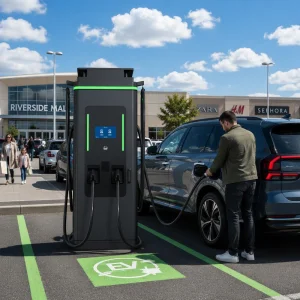
Retail environments generally require charging sessions lasting between 45 and 90 minutes. A dual-port 120 kW EV charging station matches this window. It provides a significant range boost while customers visit the shops, generating secondary parking revenue and increasing retail dwell time without over-allocating site power budgets.
For corporate settings, 120 kW DC systems act as an ideal mid-tier charging solution between slow AC stations and high-power highway units. They accommodate visiting clients, corporate fleet vehicles, and employees who require quick charging turnarounds between meetings, supporting corporate sustainability goals.
Stay informed with the latest insights from our research divisions on electric transit and vehicle connectivity.

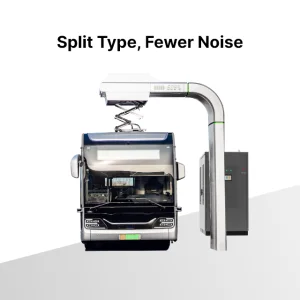
What are the advantages of an e-bus pantograph dome? In contrast to classic plug-in charging systems, e-bus pantographs offer high-power automated energy transfer suitable for zero-emission transit networks.
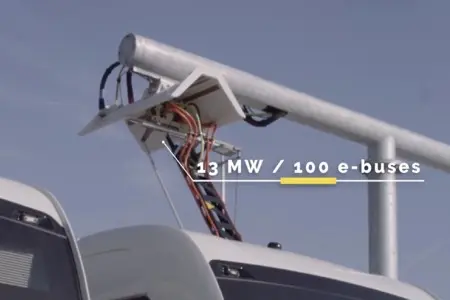
How long does it take to charge with an e-bus pantograph? The charging time depends on the battery capacity and the station's megawatt capacity, providing rapid turnaround for transit routes.
How to Install the Pantograph Up Charger System Dome for Electric Bus: A comprehensive overview of civil engineering, structural footing, and overhead electrical considerations for heavy fleet hubs.
Detailed answers to the most common technical and operational questions from charging network operators and global procurement managers.
View our high-output EV fast-charging units, heavy-vehicle chargers, and specialized portable solutions.