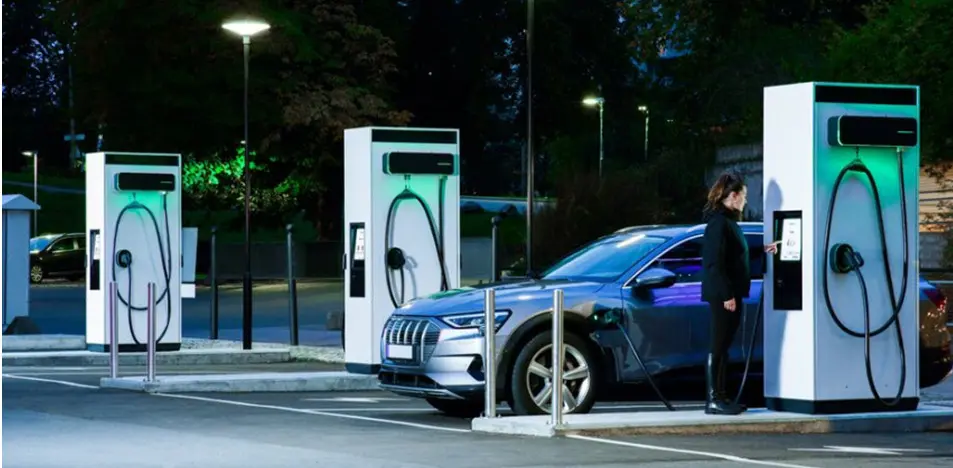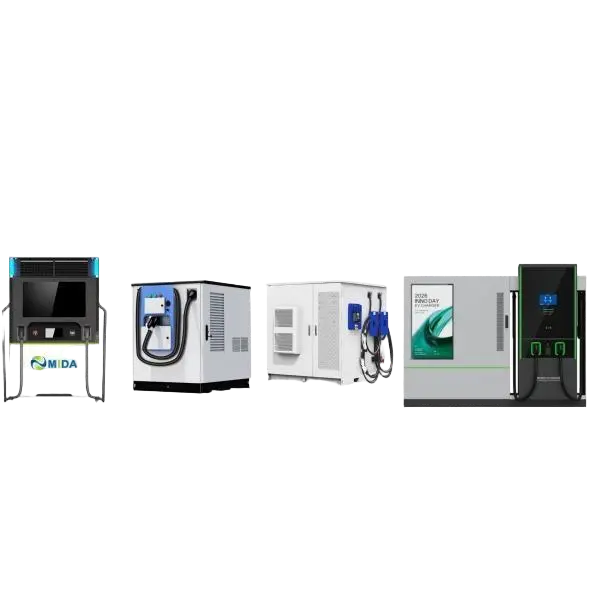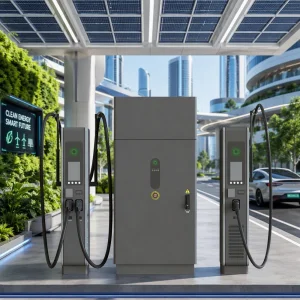
Engineered for high-intensity commercial transit hubs, heavy electric fleet deployments, and remote industrial setups across Australia.
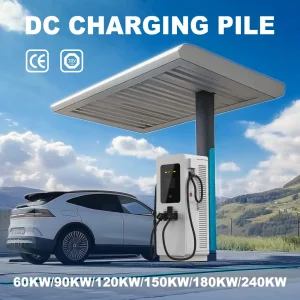
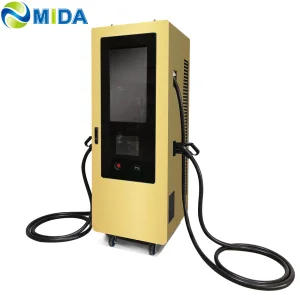
Megawatts Supplied Globally
System Uptime Record
100% Fully Compliant Systems
R&D Innovation Background
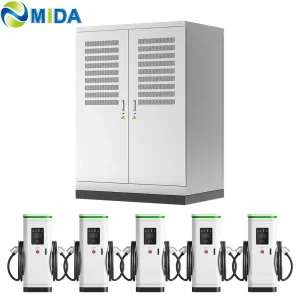
Australia is experiencing a historic surge in electric vehicle (EV) uptake, driven by state-level mandates, corporate decarbonization strategies, and federal funding initiatives through the Australian Renewable Energy Agency (ARENA). However, this rapid transition presents unique challenges for the National Electricity Market (NEM) and the South West Interconnected System (SWIS). The deployment of ultra-fast high-power DC chargers (ranging from 150kW to 1200kW) threatens to overwhelm localized distribution networks, leading to exorbitant peak demand charges, network reinforcement costs, and long approval delays from Distributed Network Service Providers (DNSPs).
In regional and remote Australia—such as outback highway transit corridors, remote agricultural hubs, and Western Australian mining facilities—BESS charging stations act as standalone microgrids. Integrated with onsite solar photovoltaics (PV) and diesel backup generators, our systems supply high-reliability DC charging without requiring grid expansion, saving millions in transmission line deployment costs.
To withstand extreme Australian environments—ranging from the high ambient heat of Western Australia's Pilbara region to the sub-zero winter temperatures in the Snowy Mountains—our BESS Charging Stations incorporate cutting-edge engineering standards:
Shanghai Mida Cable Group Ltd. operates through its wholly owned subsidiaries: Shanghai Mida EV Power Co., Ltd., Shenzhen Mida EV Power Co., Ltd., and Shanghai Mida New Energy Co., Ltd.
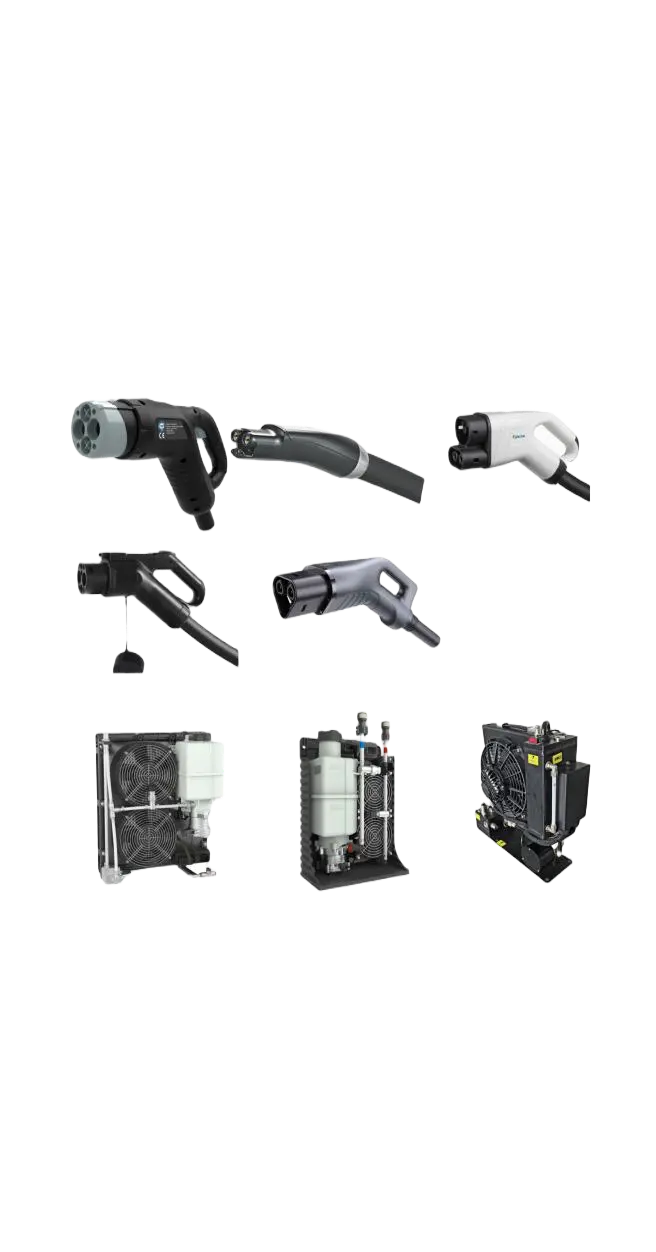
Mida Cable manufactures a comprehensive range of EV charging cables, including 16A–80A J1772 cables, 16A–63A IEC 62196-2 Type 2 cables, and DC fast charging cables: CCS1 (80A–500A), CCS2 (125A–1000A), CHAdeMO (125A–300A), GBT (200A–1000A), and NACS connectors (250A–600A).
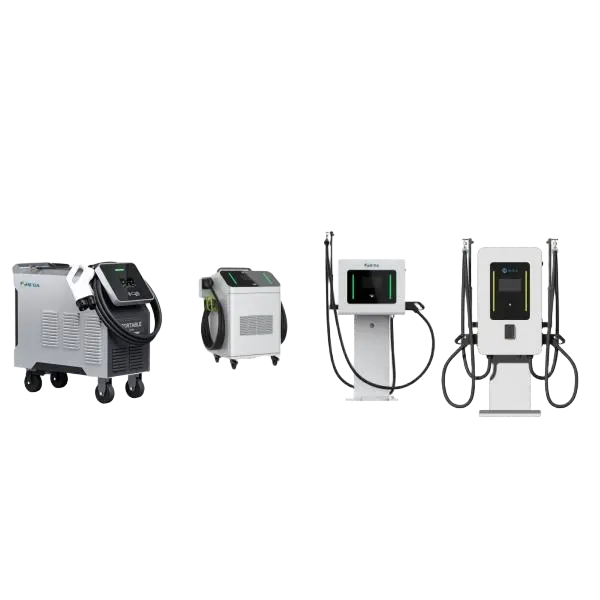
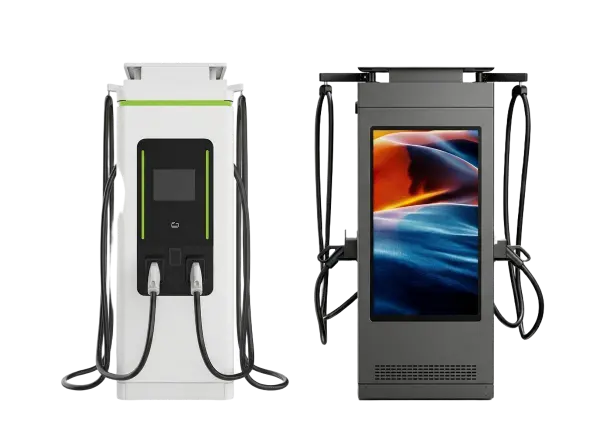
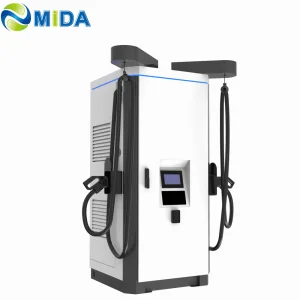
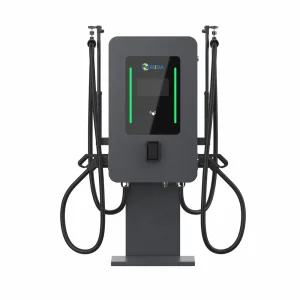
MIDA EV Power produces a full lineup of EV charging stations, such as 7kW–50kW mobile chargers, 3.6kW–7.2kW portable DC chargers, 360kW–1440kW split-type DC fast chargers, 20kW–50kW wall-mounted DC chargers, and 60kW–480kW floor-standing DC fast charging stations.
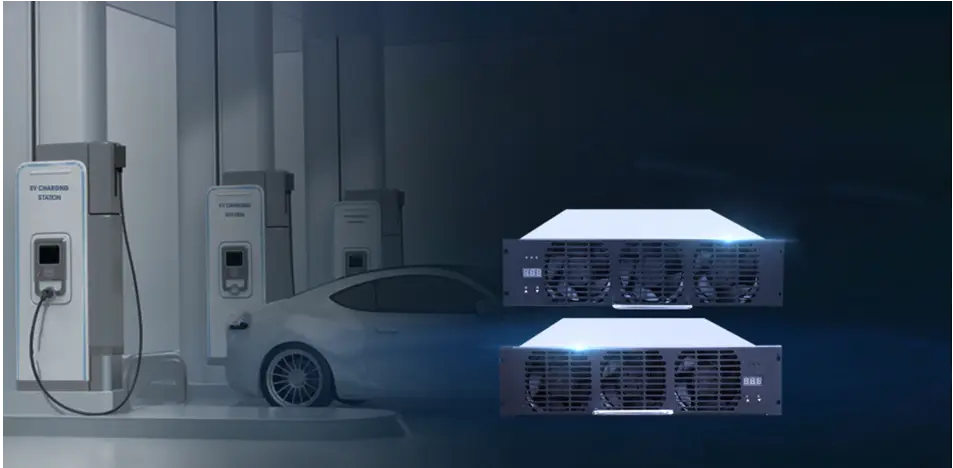
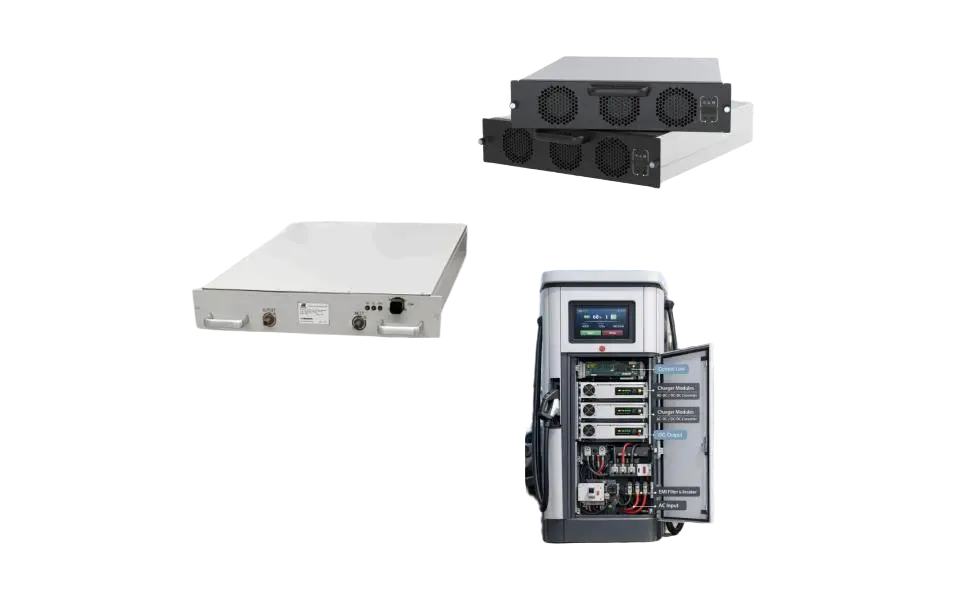
MIDA New Energy specializes in EV charger power modules, offering 20kW–60kW standard modules, 40kW–125kW liquid-cooled modules, 30kW–62.5kW bidirectional modules, and 20kW–45kW V2G charging modules.
Explore our core business segments engineered for modern charging networks and global smart-grid ecosystems.
Our project engineering department designs tailored solutions matching the decarbonization goals of Australian municipal planning, resource extraction sectors, and heavy commercial logistics hubs.
Off-grid energy architecture combining heavy-duty MW solar fields, containerized BESS arrays, and mega-watt liquid-cooled chargers for electric mining machinery and support vehicles in regional areas.
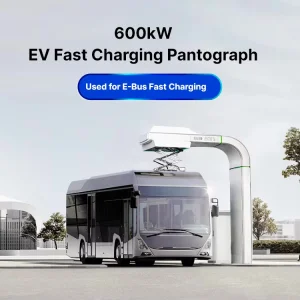
Automated depot charging systems featuring overhead pantograph setups and floor-mounted split DC charging stacks managed by optimized scheduling software to align fleet charging with low-cost solar periods.
High-traffic highway charging stations utilizing smart buffer BESS modules to mitigate localized voltage drop concerns during peak holiday traffic periods.
Entering the Australian grid ecosystem requires strict adherence to localized electrical safety and utility-specific integration laws. Our engineers guarantee compliance across critical metrics:
Operating out of our smart production plants, MIDA utilizes advanced automation systems to maintain high quality and competitive pricing. Our vertically integrated production model covers key steps:
Explore technical components designed for seamless integration and field replacements by global energy network installers.
Explore articles detailing the integration of advanced pantograph docking charging configurations globally.
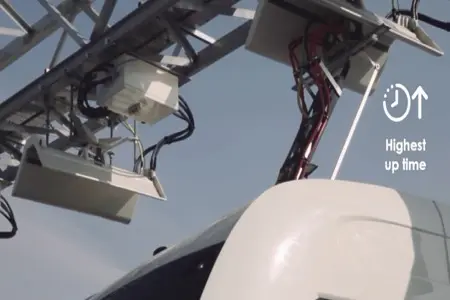
What are the advantages of an e-bus pantograph dome? In contrast to classic plug-in charging systems, e-bus pantographs enable automated overhead connection for ultra-fast charging.
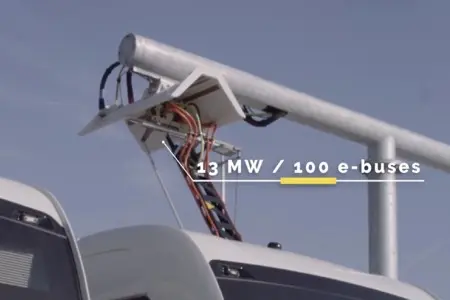
How long does it take to charge with an e-bus pantograph? The charging time depends on the battery capacity, chemistry, and output power rating of the charger stack.
How to Install the Pantograph Up Charger System Dome for Electric Bus. Installation requires structural calculations, precise wiring, and safety integration with depot control networks.
Professional engineering and regulatory answers regarding the integration of BESS Charging Networks in Australia.
Premium high-power charging stacks and components compliant with global grid standards.
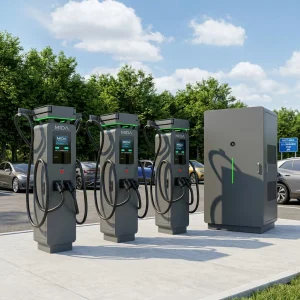
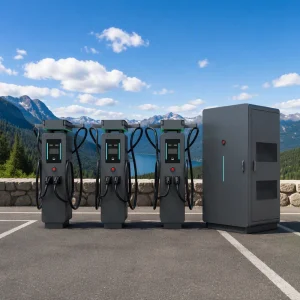
Talk directly with our grid integration specialists, hardware engineers, and project managers to customize your BESS Charging System configuration matching AS/NZS compliance requirements.