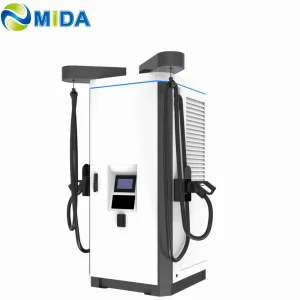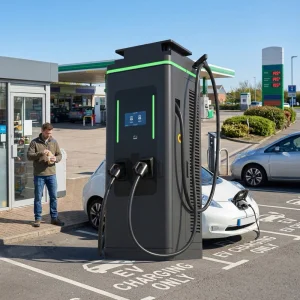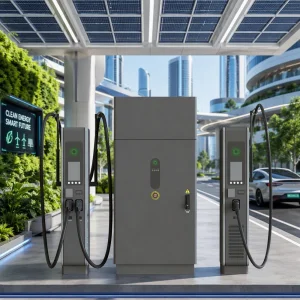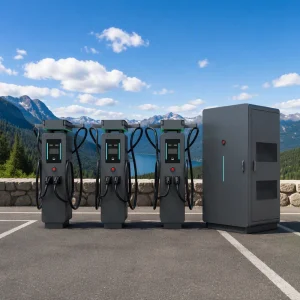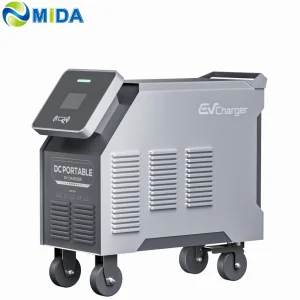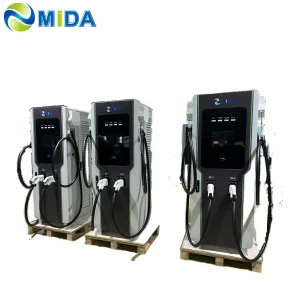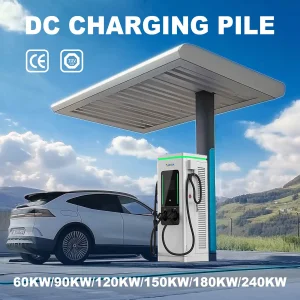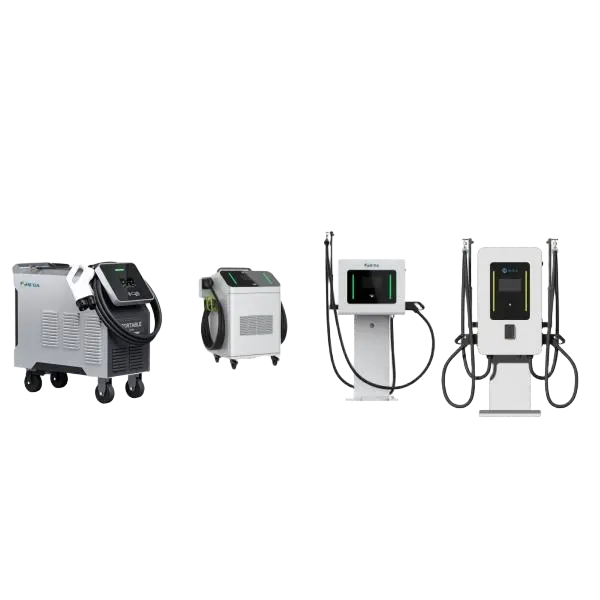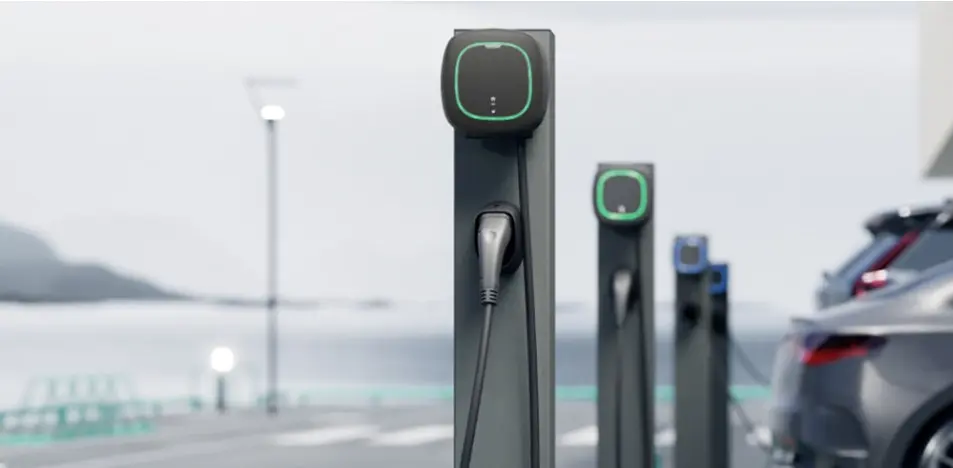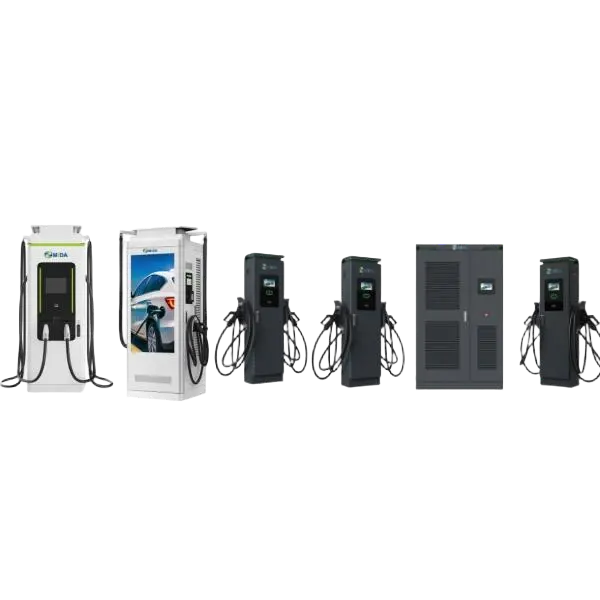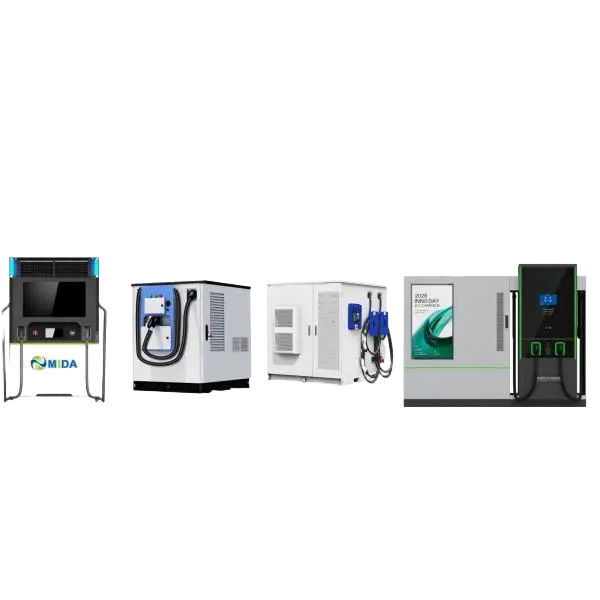
Explore our core range of integrated and split-architecture DC charging systems engineered for optimal energy efficiency and thermal dissipation.
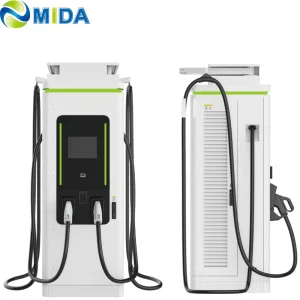
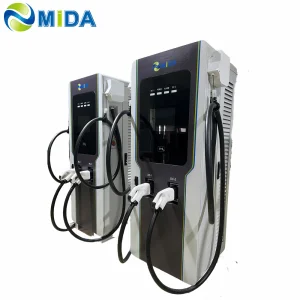
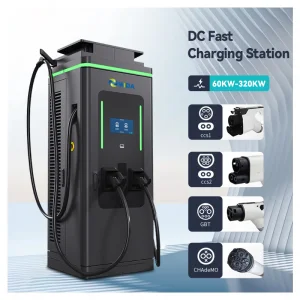
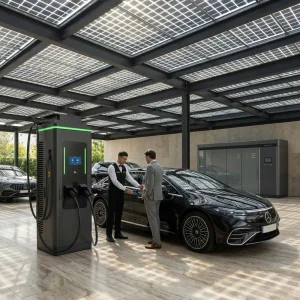
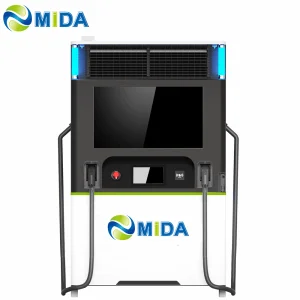
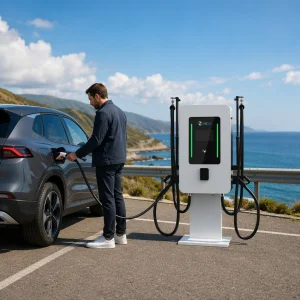
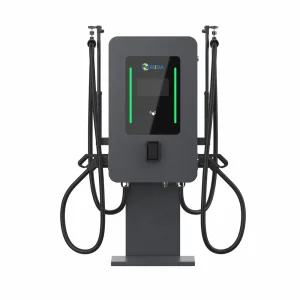
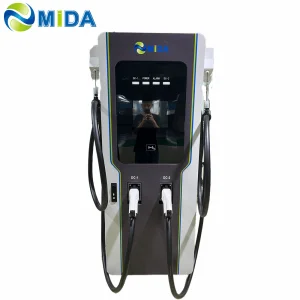
As electric vehicles transition from early-adopter consumer cars to heavy-duty commercial fleets, logistics networks, and urban mass transit systems, traditional integrated charging architecture is hitting clear boundaries. In standard chargers, the power transformation electronics (modules) and the user interface (the dispenser) are housed inside a single frame. While this works for lower power requirements, at scales of 360kW to 1440kW, it creates significant challenges in terms of localized thermal generation, bulkiness of cables, space efficiency, and overall construction costs.
Definition: A Split Charging System decouples the power conversion hardware (placed in a centralized outdoor matrix cabinet) from the compact user dispensers. The dispenser contains only the UI, access validation, and the cable connection. This allows for dynamic power distribution where power is directed precisely where needed.
By routing power from a centralized cabinet to remote, slim dispensers, fleet operators and commercial station owners can optimize their physical layout. But the major advantage lies in dynamic resource sharing. Traditional units assign a fixed amount of power to a specific cable. If an EV cannot pull that maximum power, the remaining potential is wasted.
A Split Charger System uses a dynamic matrix switch. If a dispenser is charging an EV that can only accept 80kW, the central cabinet routes only that amount. The remaining capacity in the module stack is immediately redirected to other dispensers on the line. This drastically reduces the total grid grid-tie capacity required for the site, lowering initial infrastructure costs and utility demand charges.
Shanghai Mida Cable Group Ltd. operates through its wholly owned subsidiaries: Shanghai Mida EV Power Co., Ltd., Shenzhen Mida EV Power Co., Ltd., and Shanghai Mida New Energy Co., Ltd. This unique vertical structure allows us to research, design, manufacture, and test every critical part of the EV charging chain in-house.
From the high-conductivity raw copper cables to advanced power conversion modules and sophisticated charging control systems, MIDA oversees the entire process. This unified engineering control is key to meeting the strict reliability demands of public Charge Point Operators (CPOs) and fleet logistics directors globally.
High-power cables including 16A-80A J1772, Type 2, and high-performance DC cables: CCS1/2, CHAdeMO, GB/T, and NACS (250A-600A).
Specializes in EV charger modules, 20kW-60kW air-cooled modules, 40kW-125kW liquid-cooled, and bidirectional V2G units.

Our comprehensive component and systems ecosystem covers every stage of charging infrastructure development.
Global procurement teams looking for EV infrastructure suppliers require more than just low-cost hardware. They need suppliers capable of delivering long-term reliability, regulatory compliance, and system interoperability. The key requirements include:
The manufacturing capabilities of Chinese suppliers have moved past simple assembly. Modern Chinese facilities leverage vertically integrated ecosystems to ensure supply chain resilience. By producing their own high-power cables (like MIDA's NACS and CCS cables) and designing the inner power conversion modules, manufacturers can insulate themselves from component shortages and volatile logistics costs.
This localized supply chain enables fast R&D iterations, shorter lead times, and reliable quality control. Automated testing platforms subject every component to thermal cycling, high-voltage insulation tests, and full-load burn-in testing before shipment.
Detailed technical specifications of components designed to operate under harsh conditions.
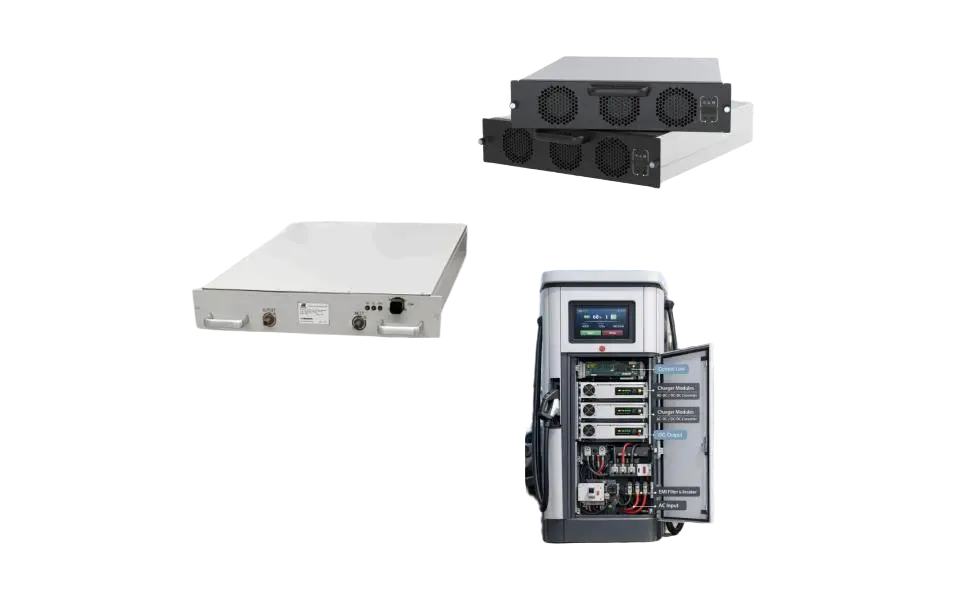 View Detailed Modules
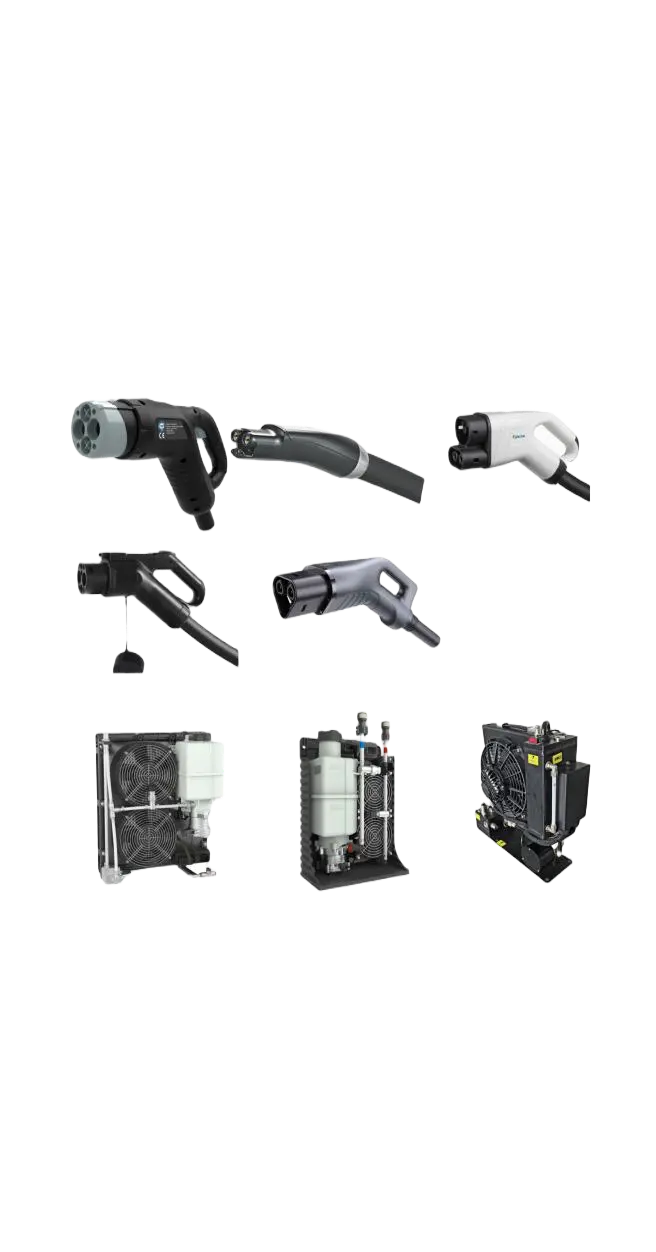 View Connectors
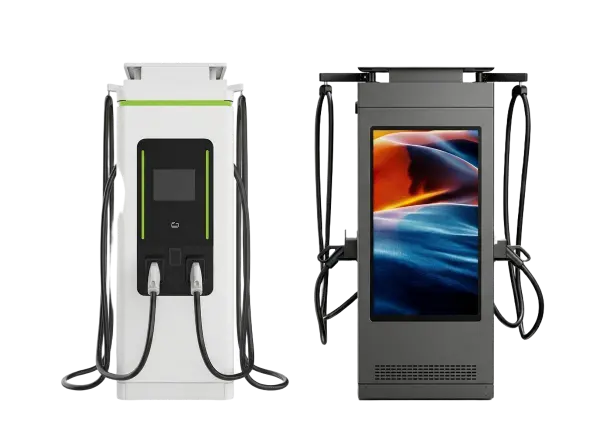 View Stations
Split charger systems perform best in environments with high vehicle turnover, limited installation space, and fluctuating power demands. Below are the primary deployment scenarios:
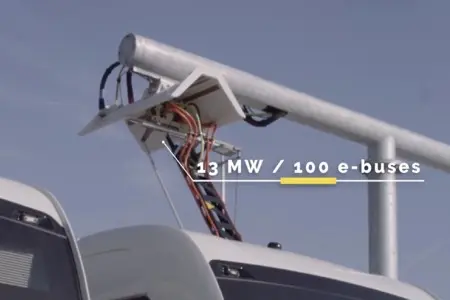
Municipal bus fleets operate on strict timetables. To minimize downtime, high-power overhead pantograph systems or heavy-duty split cabinets are deployed. These systems deliver rapid top-up charging during passenger transfers and full charging cycles overnight. By centralizing the noisy, heat-generating power cabinets away from passenger platforms, depots can ensure quiet and safe boarding areas.
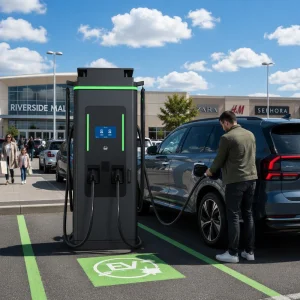
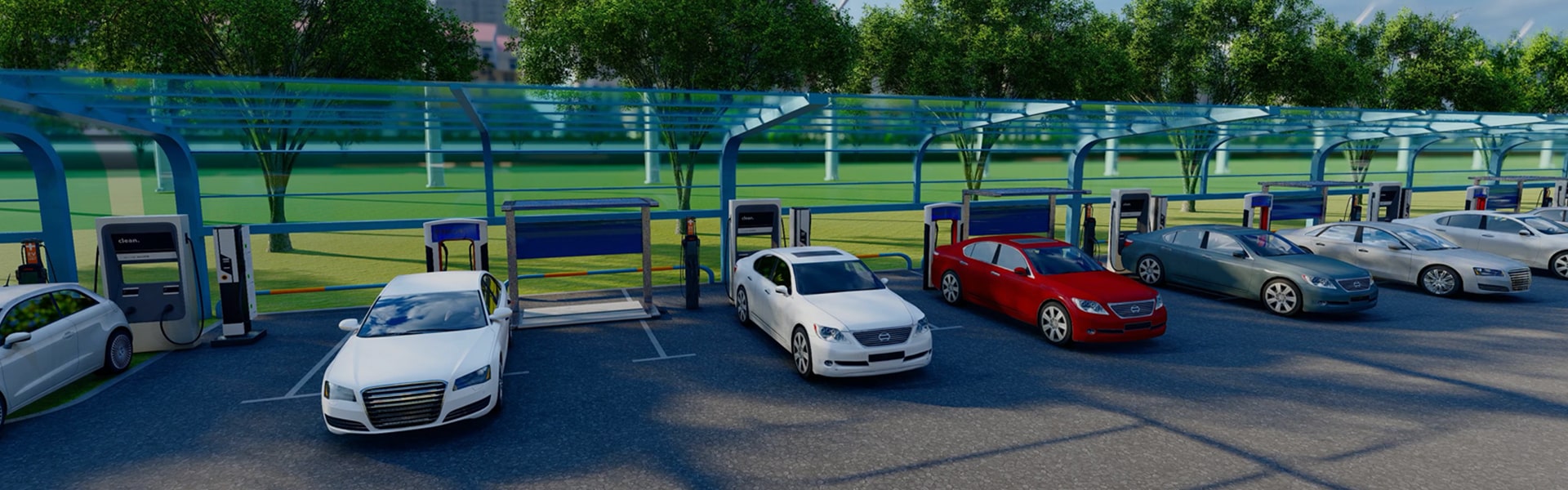
For retail and rest stops, aesthetics and usability are important. Traditional, bulky fast-chargers can block lines of sight and take up valuable space. Slim dispensers connected to a remote power cabinet fit easily into standard parking layouts. Dynamic power routing allows multiple vehicles to charge simultaneously without overloading local utility feeds.
In ports and shipping yards, heavy-duty electric trucks require high-capacity power delivery. Using MIDA's 600kW+ split charging terminals, logistics parks can charge heavy vehicles in under an hour. BESS-integrated configurations store power during low-rate night hours and discharge it during peak daytime demand, protecting operators from high utility demand surcharges.
Keep up with the latest updates in heavy vehicle charging standards and automated grid connection technologies.
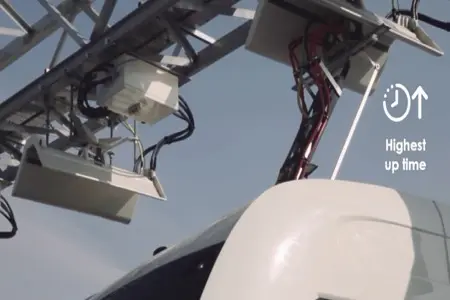
Mida's BESS ecosystem integrates energy storage directly with high-power charging interfaces. This design helps stabilize site power demand, allows off-grid operation, and supports solar integration.
Key information regarding system architecture, international compliance, and customization options.
Explore our high-output DC charging equipment designed for commercial transit networks and public parking areas.