Explore our top-tier commercial and industrial DC fast charging platforms deployed globally.
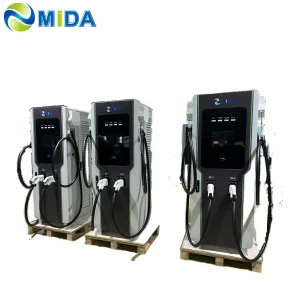
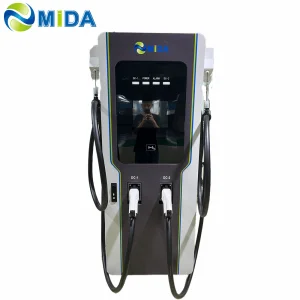
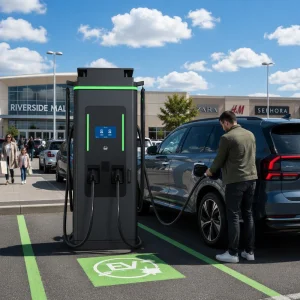
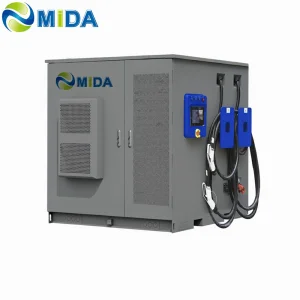
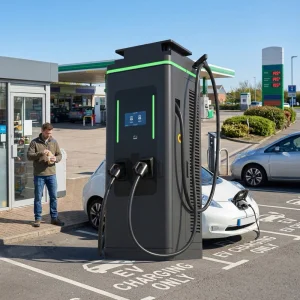
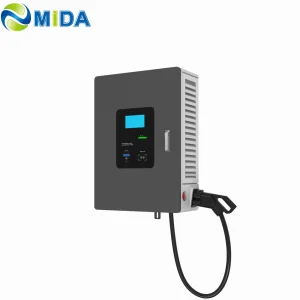
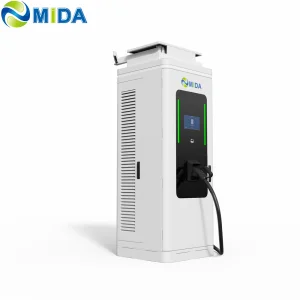
As the global transition to heavy electric transport accelerates, Guobiao (GB/T) standard technology emerges as a linchpin for commercial, fleet, and public infrastructure projects worldwide.
The global electric vehicle landscape requires not just fast, but highly resilient, interoperable, and cost-effective charging architectures. The Chinese national GB/T standard has established itself as the largest high-power charging footprint in the world. China's GB/T EV DC Chargers have become the benchmark for commercial transit agencies, logistics corridors, and heavy industrial vehicle operations due to their high reliability, standardized connection mechanics, and aggressive hardware efficiency curves.
By leveraging advanced modular topologies, today’s GBT DC fast chargers deliver reliable throughput with superior thermal dissipation and dynamic load balancing capabilities. Mida Group is at the forefront of this industrial design revolution, engineering hardware that integrates smoothly across various continental grids while maintaining the utmost standards of electrical safety and operational longevity.

Max Output Architecture
Voltage Limit Capability
Liquid Cooled Cable Rating
Power Module Efficiency
Shanghai Mida Cable Group Ltd. and its subsidiaries design, engineer, and manufacture the core components of the electric mobility revolution.
Shanghai Mida Cable Group Ltd. operates through three highly specialized, wholly owned subsidiaries, ensuring complete vertical integration from basic metallurgy and cable drawing to advanced microprocessor-controlled charging hubs:
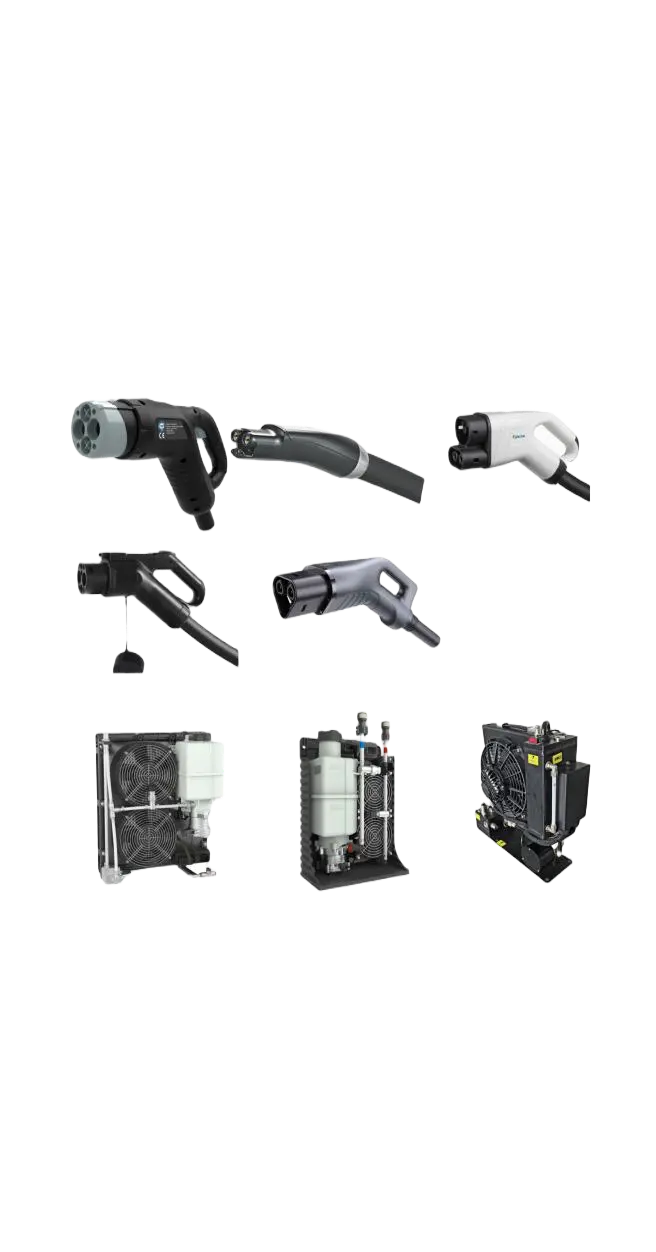
Manufactures high-reliability EV charging cables: 16A–80A J1772, 16A–63A IEC 62196-2 Type 2, and high-amp DC cables including CCS1 (80A–500A), CCS2 (125A–1000A), CHAdeMO (125A–300A), GBT (200A–1000A), and NACS connectors (250A–600A).
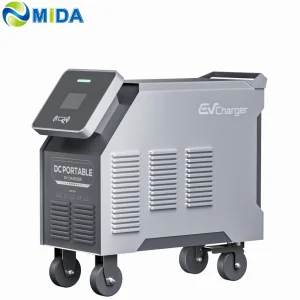
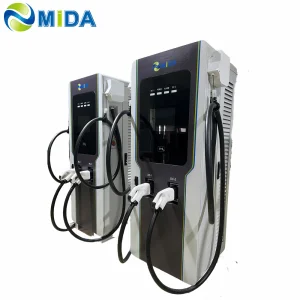
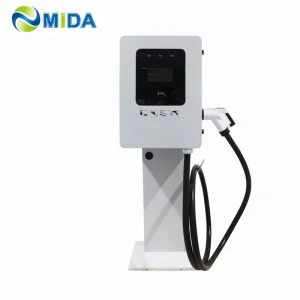
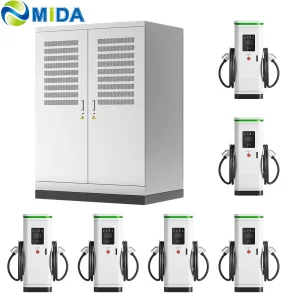
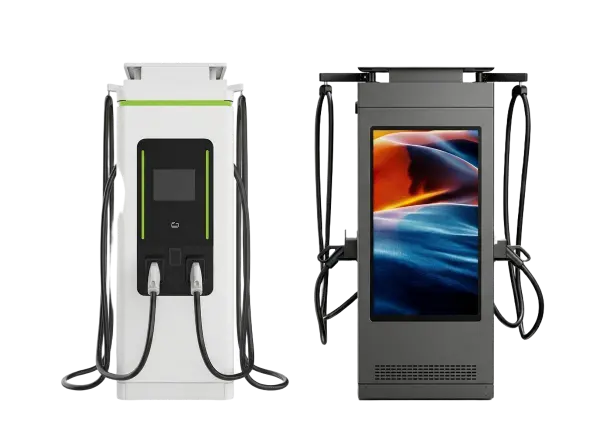
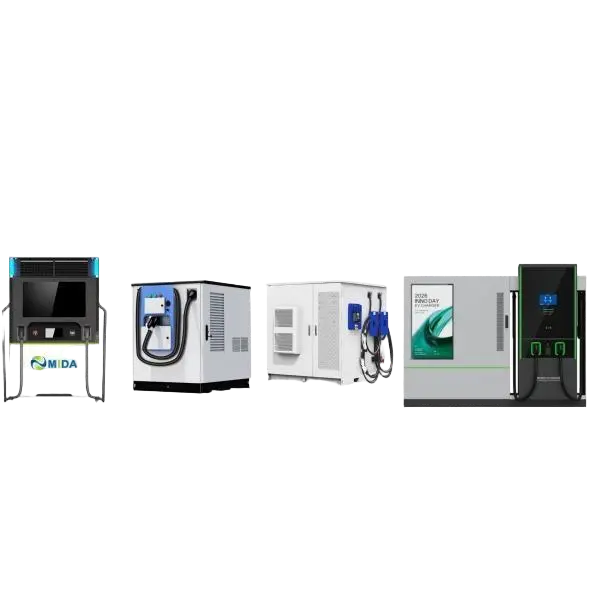
Delivers modular commercial stations from 7kW–50kW mobile chargers, 3.6kW–7.2kW portable DC chargers, up to 360kW–1440kW split-type megawatt DC fast charging systems and compact wall-mounted DC options.
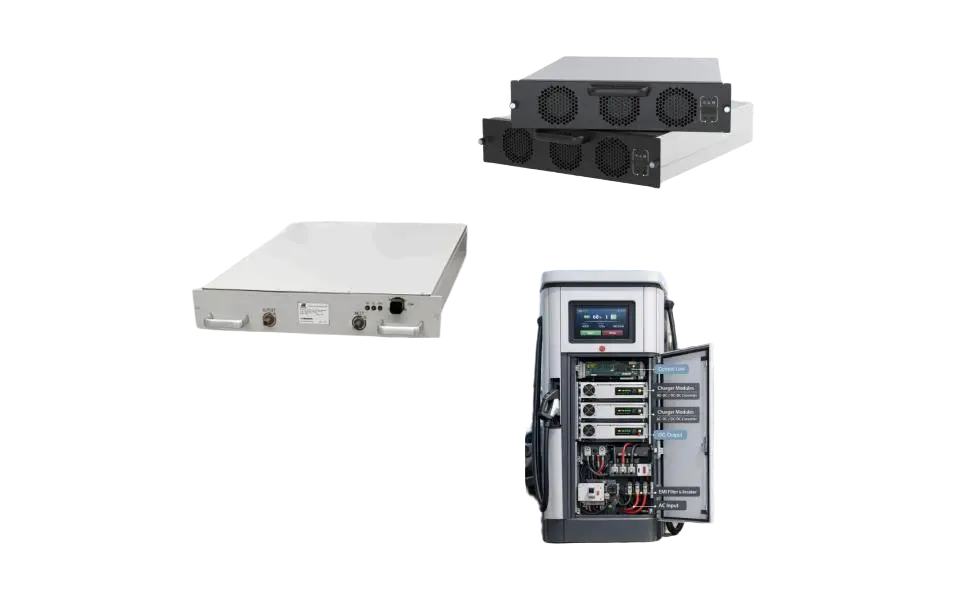
Focuses on core semiconductor and power converter design, offering 20kW–60kW standard air-cooled modules, 40kW–125kW liquid-cooled modules, and 20kW–62.5kW bidirectional V2G and MPPT solar charging modules.
From destination AC chargers to ultra-fast gigawatt corridors and BESS stations, Mida provides turnkey energy delivery systems.
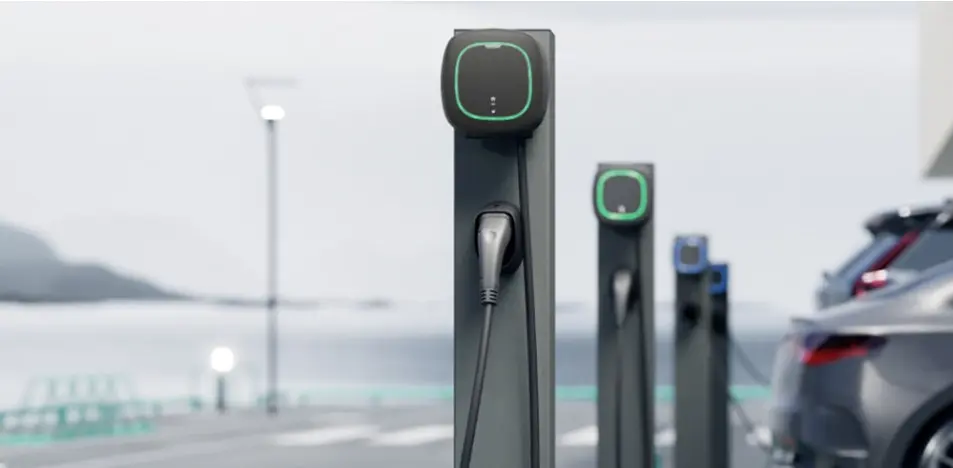
Highly efficient destination charging solutions designed for simple integration, longevity, and intelligent smart grid communications.
View More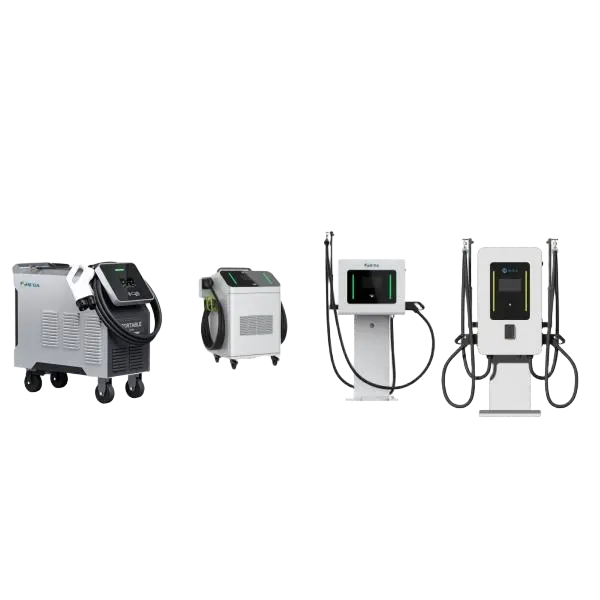
Compact design for fleet garages and mobile service trucks, optimized for space constraints and rapid deployment.
View More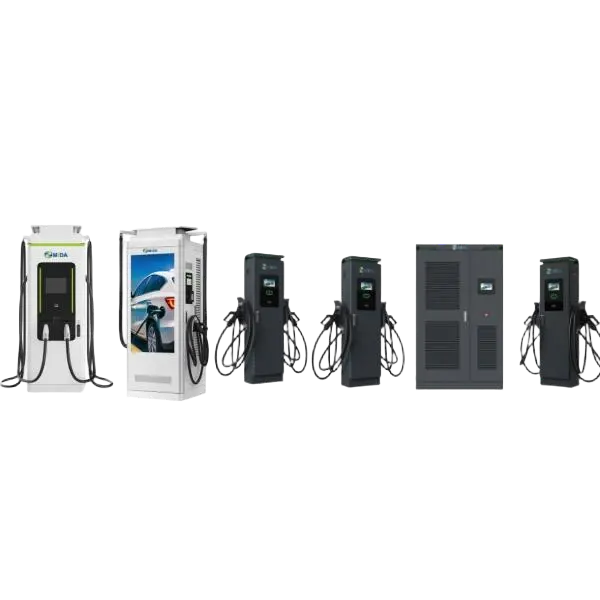
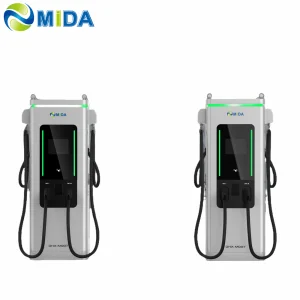
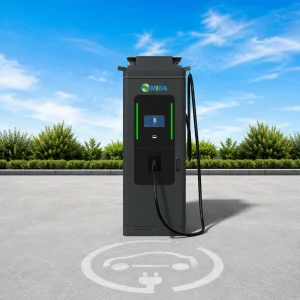
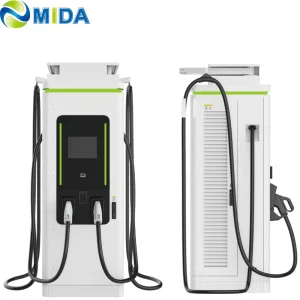
Ultra-fast public charging terminals and fleet dispensers incorporating liquid-cooled cables and dynamic matrix power allocation.
View More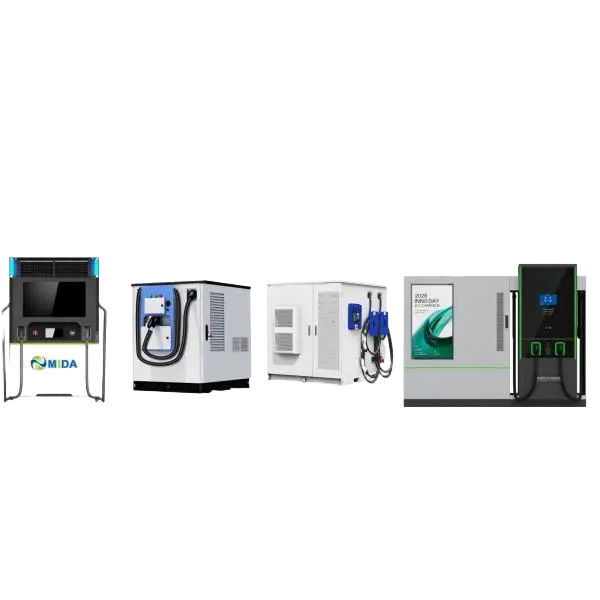
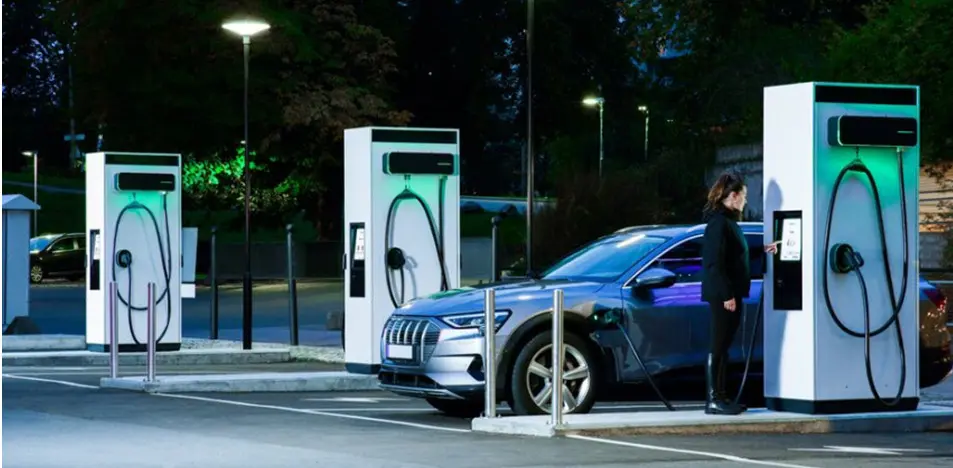
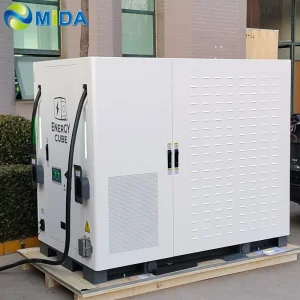
Grid-tied or off-grid storage units that buffer peak demand, reduce demand charges, and integrate local solar installations with high-power DC fast dispensers.
View MoreTechnical blueprint of Mida Group's core engineering assets, enabling custom modular integrations for global charger manufacturers.
How Mida Group powers municipal, logistic, and emergency operations globally.
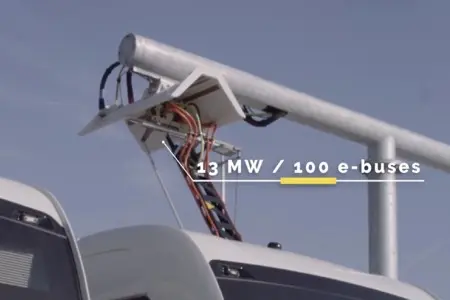
Transit systems demand continuous high-power outputs and zero downtime. Mida's high-capacity split charging systems allow bus operators to charge fleets rapidly overnight using automated overhead pantograph domes or standard heavy-duty GBT cables. Dynamic power sharing ensures load balancing across dozens of stalls without overloading the local substation.
Freight and logistics companies require fast charging on long-haul transport corridors. Mida's liquid-cooled 360kW to 900kW systems provide fast top-up times for long-range trucks. Equipped with RFID, POS terminal credit card integration, and advanced OCPP 1.6/2.0.1 compliance, operators can commercialize highway service stations with ease.
Mining, forestry, and construction operate far from traditional grid infrastructure. Mida’s integrated Solar BESS Charging stations collect solar energy and store it in high-density batteries. This energy is then delivered through mobile charger systems or emergency rescue robots to maintain heavy machinery uptime without relying on diesel generator logistics.
A comprehensive analysis of high-voltage thermal management, grid optimization, and standard interoperability.
In high-power charging, conventional air cooling hits a physical limit due to cable size and weight. To deliver currents exceeding 300A safely, active liquid cooling is required. Mida's integrated cooling units use a dielectric coolant circulating through thin-walled, copper-clad conductors to regulate temperatures below 55°C even at continuous currents of 600A to 1000A. The cooling loop is managed by microcontrollers that adjust coolant flow based on temperatures, preventing hot spots and extending cable and connector lifespan.
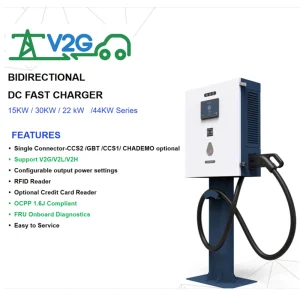
Electric vehicle batteries are essentially mobile energy storage units. Vehicle-to-Grid (V2G) technology turns EV fleets into decentralized energy assets. Mida's bidirectional AC/DC power modules utilize silicon carbide (SiC) MOSFETs to achieve conversion efficiencies of 96.5% in both charging and grid-injection directions. During peak demand, commercial vehicles can feed power back to the grid to support grid stabilization and reduce utility costs for fleet operators.
With heavy-duty mining and freight logistics requiring megawatt-level transfer rates, Mida is actively engineering systems using the new ChaoJi (GBT 2015+) and MCS standard protocols. These standards support up to 1500V and 1000A in a single plug. This capability reduces charging times for large-pack heavy machinery from hours to under 20 minutes, bringing heavy industries closer to zero-emission operations.
Technical and commercial information about Chinese GBT standards, multi-protocol integration, and charging station architecture.
Follow our latest developments in heavy-duty commercial vehicle charging systems and pantograph engineering.

Explore our fleet-ready chargers, portable units, and V2G bidirectional power hubs.