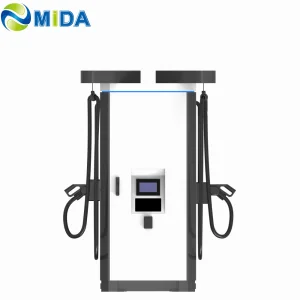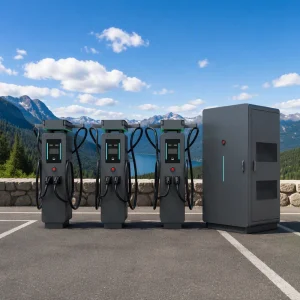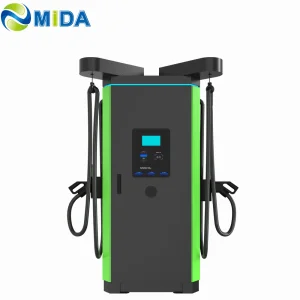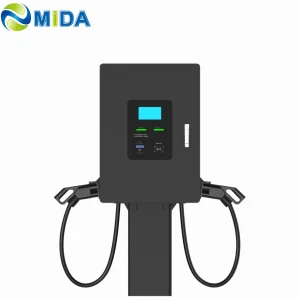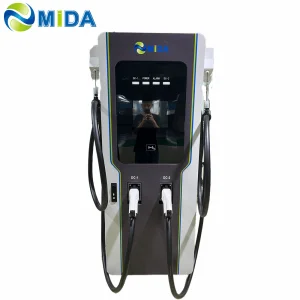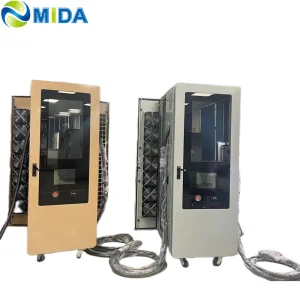
Explore our core fast-charging systems engineered for commercial charging points, highway depots, and municipal fleets.
An authoritative analysis of high-voltage vehicle architectures, global grid integration, and dynamic charging demands.
As light, medium, and heavy-duty electric vehicle adoption accelerates globally, municipal infrastructure planners and commercial charge point operators (CPOs) face critical limitations from utility grid capacities. Rapid EV charging requires high peak currents, resulting in peak-demand charges and local grid instability. To address this mismatch, contemporary enterprise procurement requires combined, intelligent solutions: dynamic load management, high-efficiency power module conversion, and integrated Battery Energy Storage Systems (BESS).
By coupling localized battery storage and solar MPPT generation directly with DC fast chargers, operators can implement "peak shaving" to bypass grid constraints, operating high-output 360kW to 1440kW setups even in locations with limited grid supply. Shanghai Mida Cable Group develops custom solutions to address these infrastructure needs, facilitating transition paths for depot fleets, commercial hubs, highway corridors, and utility providers worldwide.
Shanghai Mida Cable Group Ltd. operates through its wholly owned subsidiaries: Shanghai Mida EV Power Co., Ltd., Shenzhen Mida EV Power Co., Ltd., and Shanghai Mida New Energy Co., Ltd.
Mida Cable manufactures a comprehensive range of EV charging cables, including 16A–80A J1772 cables, 16A–63A IEC 62196-2 Type 2 cables, and DC fast charging cables: CCS1 (80A–500A), CCS2 (125A–1000A), CHAdeMO (125A–300A), GBT (200A–1000A), and NACS connectors (250A–600A).
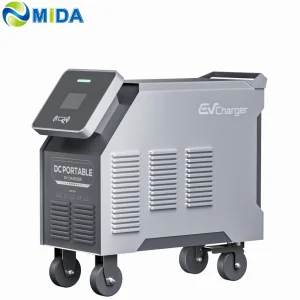
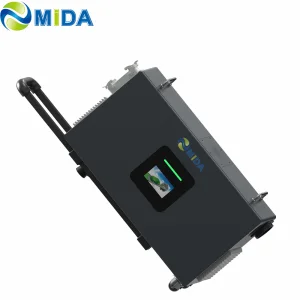
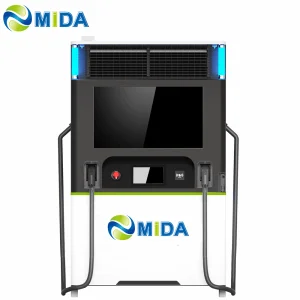
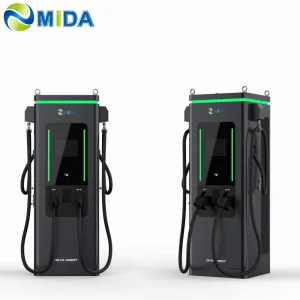
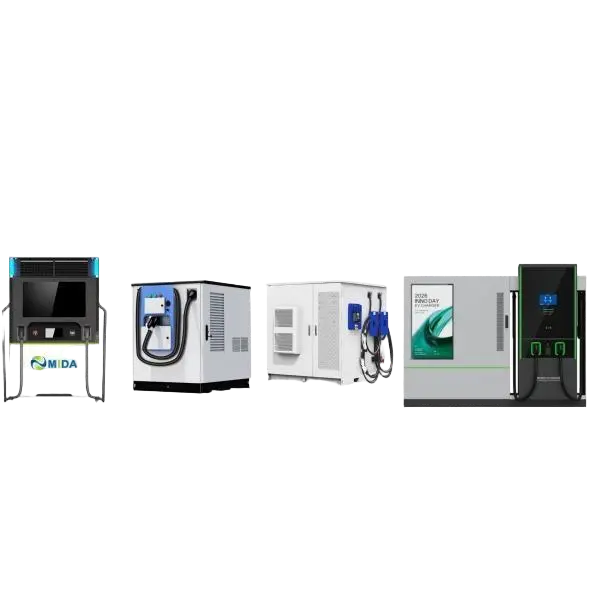
MIDA EV Power produces a full lineup of EV charging stations, such as 7kW–50kW mobile chargers, 3.6kW–7.2kW portable DC chargers, 360kW–1440kW split-type DC fast chargers, 20kW–50kW wall-mounted DC chargers, and 60kW–480kW floor-standing DC fast charging stations.
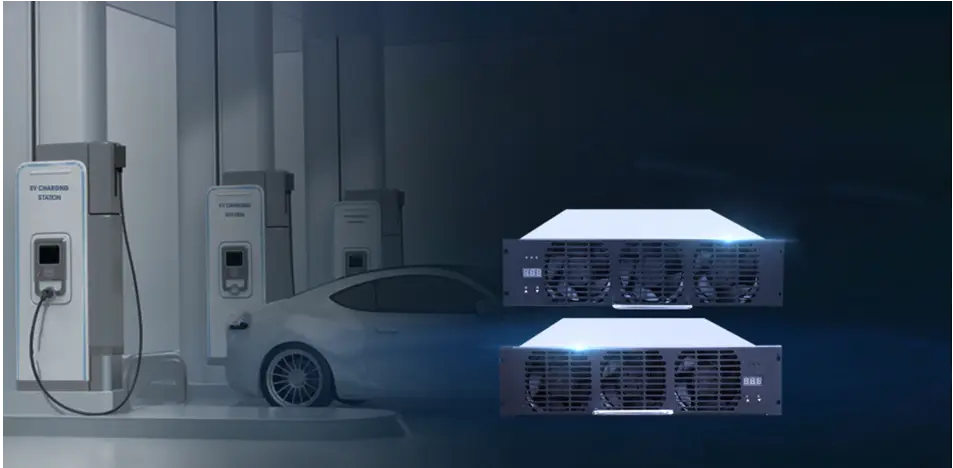
MIDA New Energy specializes in EV charger power modules, offering 20kW–60kW standard modules, 40kW–125kW liquid-cooled modules, 30kW–62.5kW bidirectional modules, and 20kW–45kW V2G charging modules.

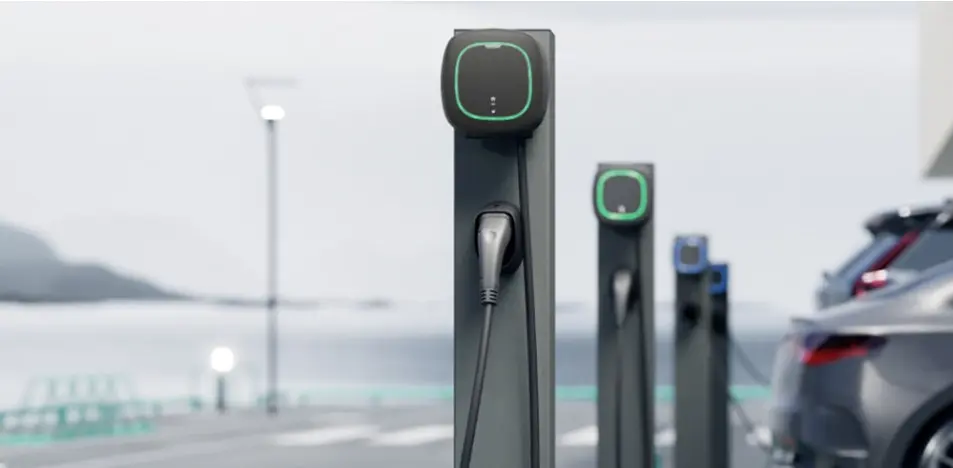
High-reliability smart AC charging piles designed with rugged enclosures, local load balancing, and integrated RFID/App authentication.
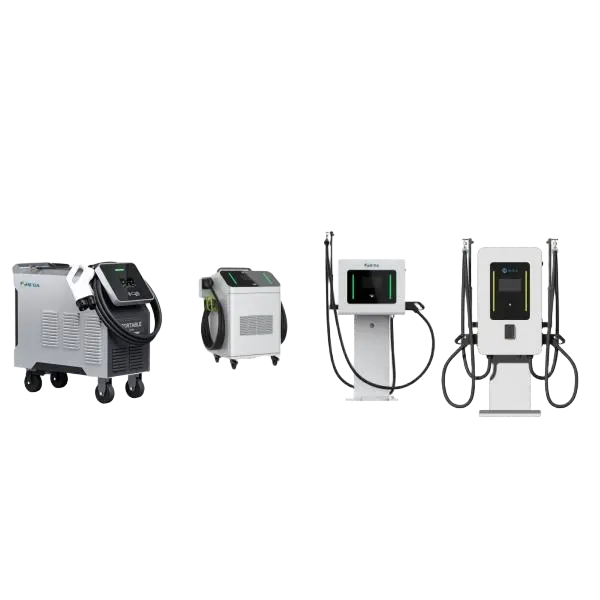
Compact foot-print high-velocity charging stations suitable for fleet garages, automotive workshops, and roadside assistance vehicles.
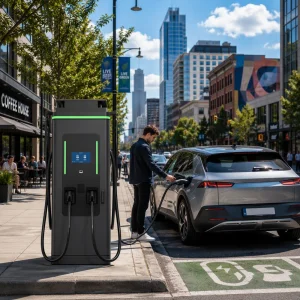
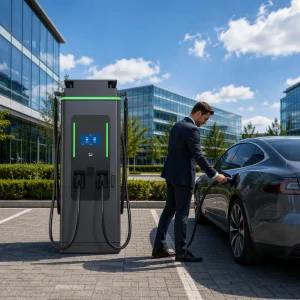
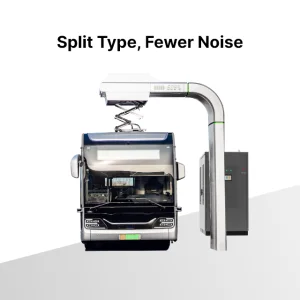
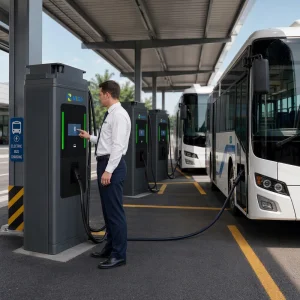
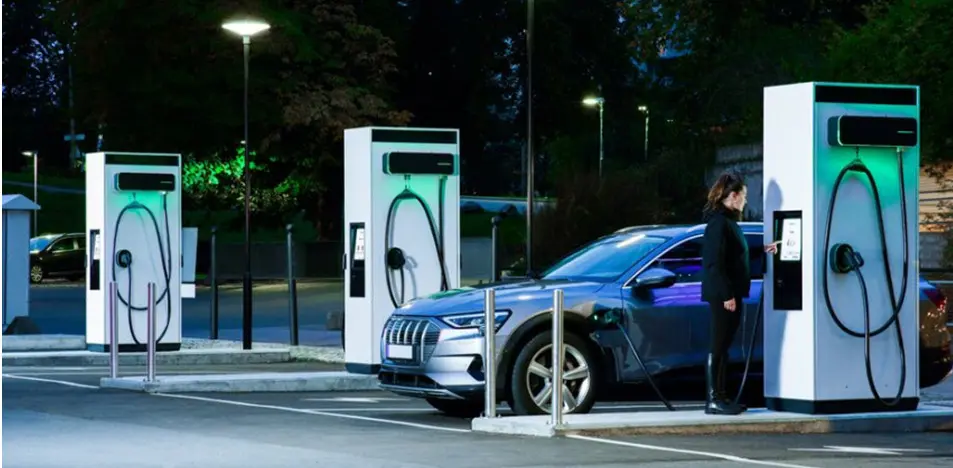
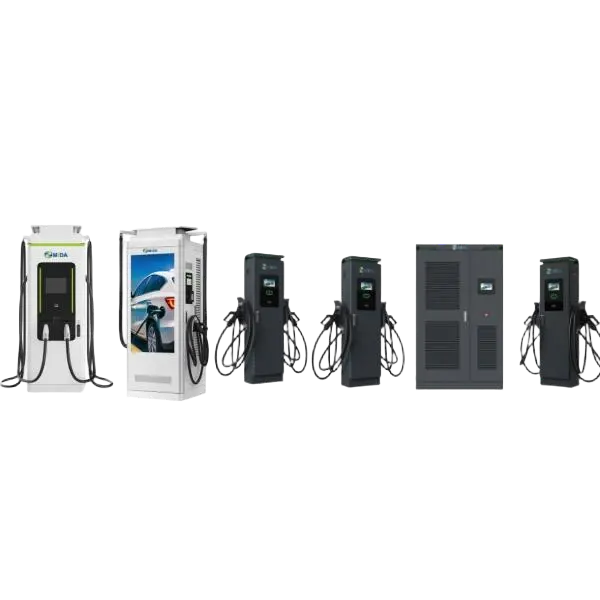
Split-system superchargers and integrated rapid dispensers optimized for heavy highway corridors and large municipal transport networks.
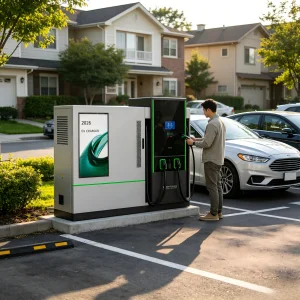
All-in-one storage systems with smart integrated energy management controllers. Designed to store off-peak electricity or PV energy to charge electric vehicles without high peak grid power consumption.
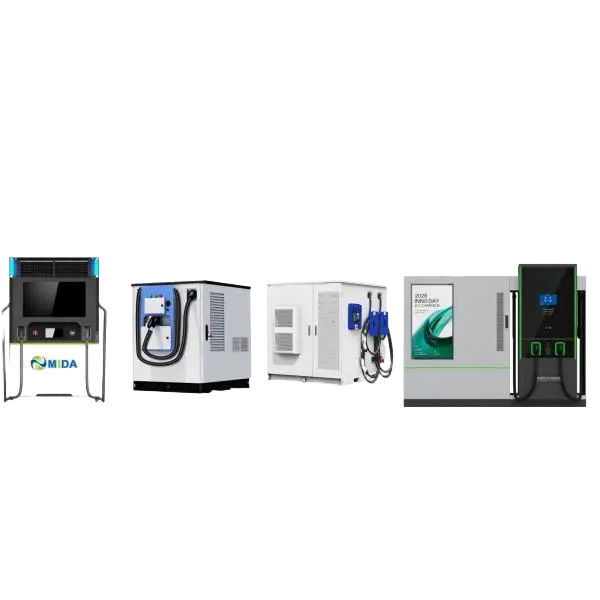
Learn about our primary system configurations and modules to select the optimal equipment for your setup.
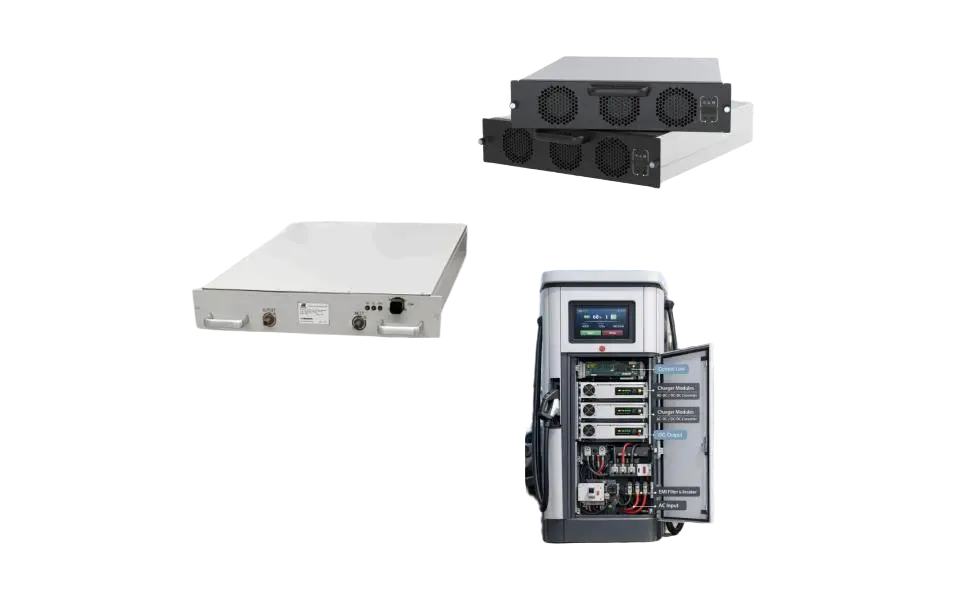
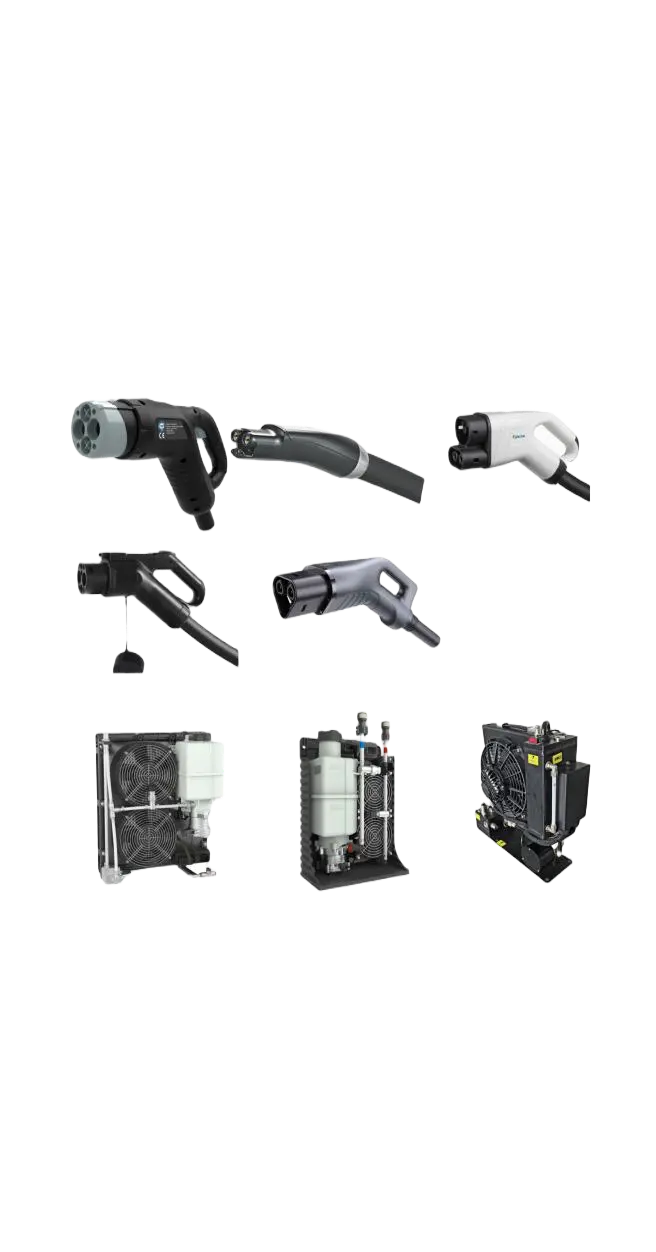
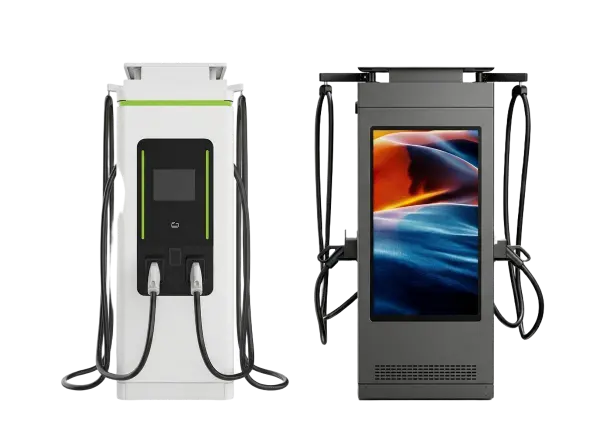
Exploring the transition path toward next-generation Megawatt ecosystems, high-density silicon carbide (SiC) switches, and intelligent grid interfaces.
Standard liquid-cooled systems push currents beyond 500A at 1000V. Our 40kW-125kW liquid-cooled power modules employ direct coolant circulation pathways, preventing hotspots and extending terminal component lifespans under continuous high load.
By transitioning from legacy silicon IGBTs to advanced SiC MOSFET modules, we reduce high-frequency switching losses, minimize system footprint, and maintain over 96% conversion efficiency across broad charge profiles.
Designed for next-generation electric logistics networks, marine applications, and heavy-duty bus networks. Our roadmap implements the upcoming MCS standard to deliver up to 1500A/1250V charging capacity safely.
Modern charging infrastructure functions as a resource for grid management rather than just a power sink. Through bi-directional AC/DC power modules (offering up to 62.5kW units), MIDA charging stations support Vehicle-to-Grid (V2G) and Vehicle-to-Everything (V2X) implementations. This allows fleet vehicles to supply power back to local facility grids during peak tariff periods, transforming vehicle fleets into dynamic power reservoirs and improving overall ROI.
How vertically integrated manufacturing and strict quality control deliver structural cost and performance advantages.
Operating out of manufacturing facilities in Shanghai and Shenzhen, MIDA group leverages regional supply chain integration to maintain efficiency. We control the primary hardware production steps, including oxygen-free copper drawing, automated extrusion of high-conductivity charging cables, automated PCB component assembly (SMT), and modular power stack integration.
This vertical integration provides two key benefits to global procurement teams: first, consistent quality control across all parts of the assembly, minimizing failures in high-vibration and extreme-temperature environments; second, stable pricing and lead times during global supply fluctuations. Each charging unit undergoes detailed test procedures—including high-current burn-in testing, insulation resistance testing, simulated environmental thermal cycling, and automated OCPP protocol compliance testing—prior to leaving our warehouse.
Ensuring safety, interoperability, and local utility compliance across North American, European, and Asian markets.
Entering international markets requires alignment with diverse electrical, safety, and operational standards. Shanghai Mida maintains certifications across key global standards:
Additionally, ISO 15118 protocol support enables automated Plug & Charge workflows. Vehicles identify themselves securely at the charger, initiating sessions and billing without manual RFID or mobile application usage.
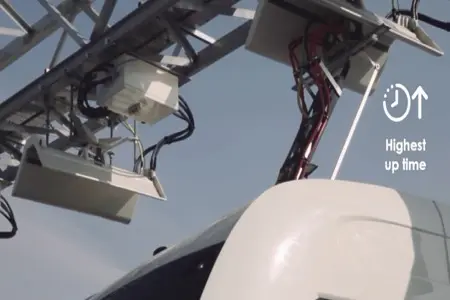
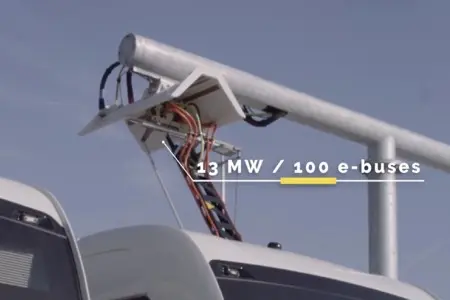
Technical updates and operational insights regarding high-capacity electric bus charging infrastructures.
Technical and procurement answers designed for charge point operators, grid utilities, and commercial buyers.
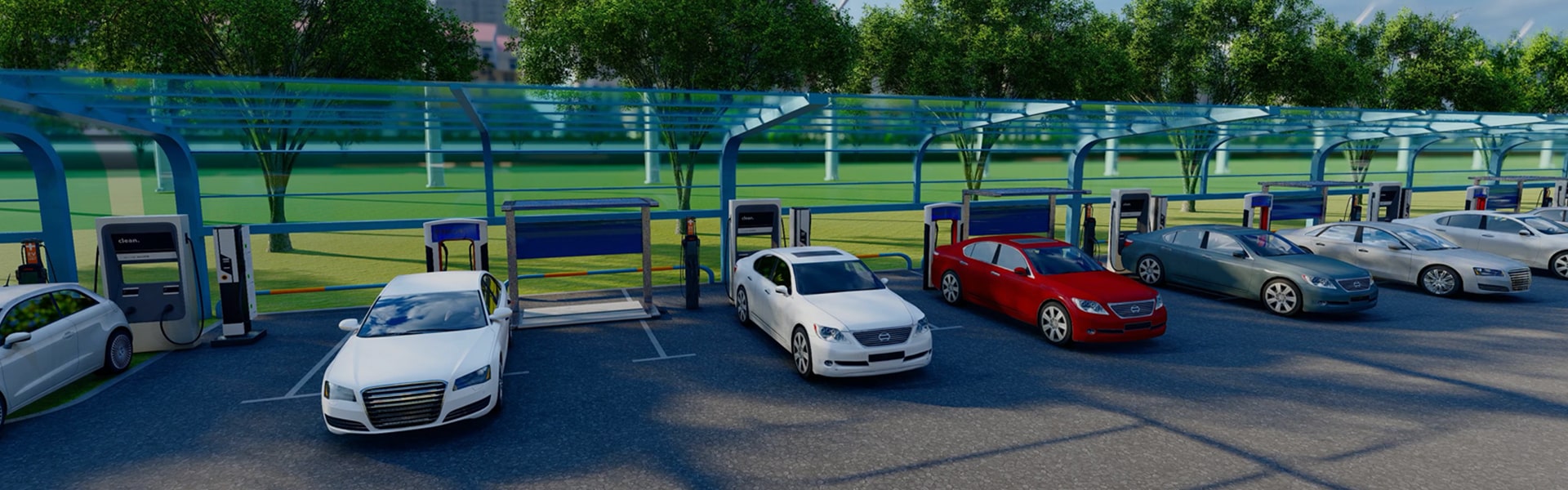
High-capacity chargers for highway service stations, public transit networks, and commercial charging hubs.