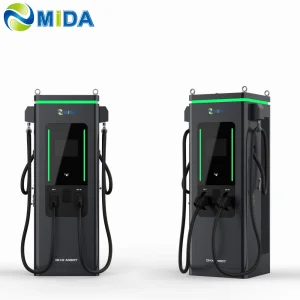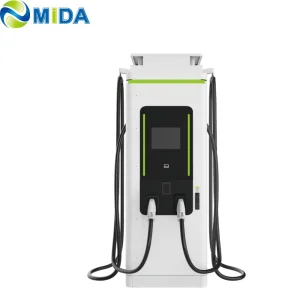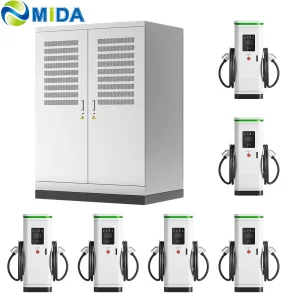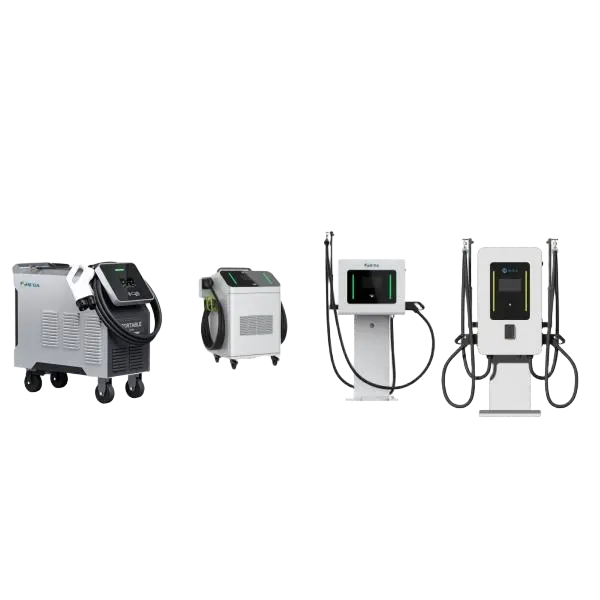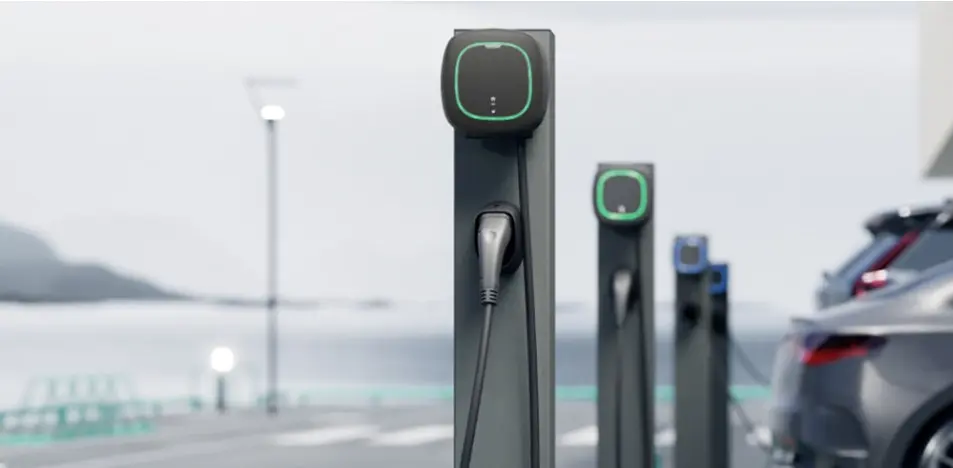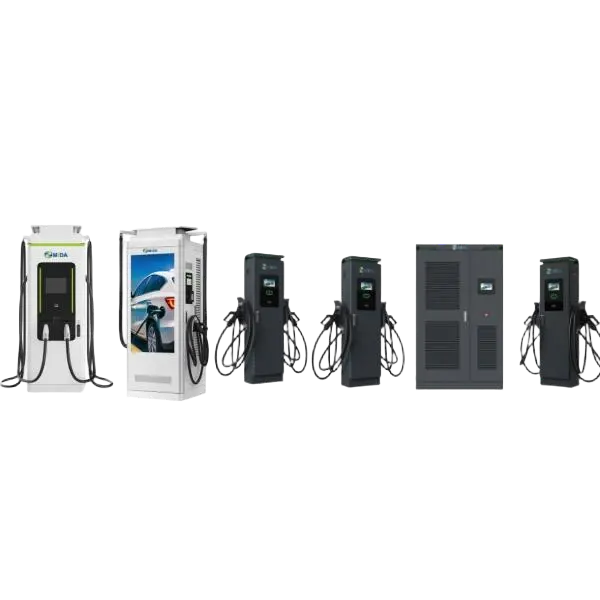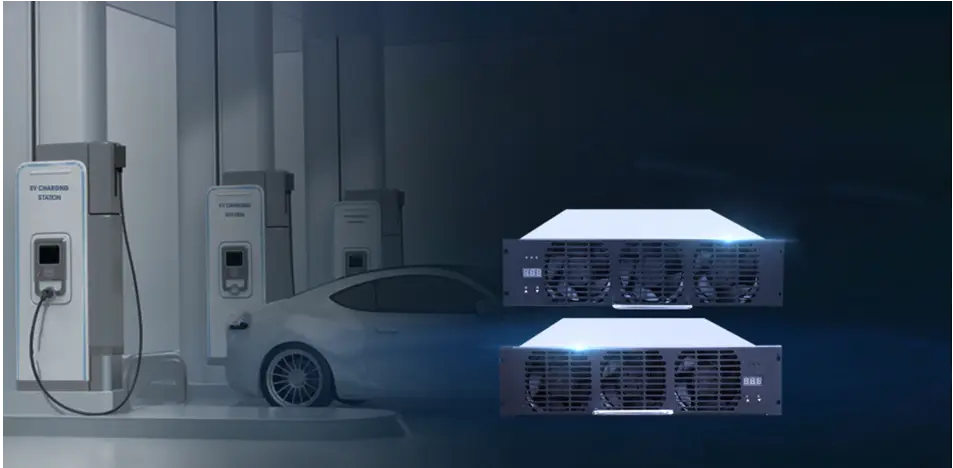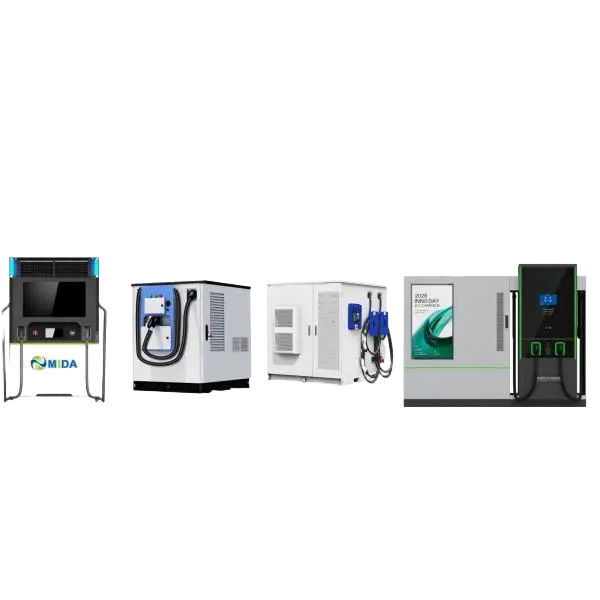
Discover our highly efficient commercial-grade split chargers, mobile energy storage charging systems, and wall-mounted fast-charging stations designed for modern EV fleets and residential environments.
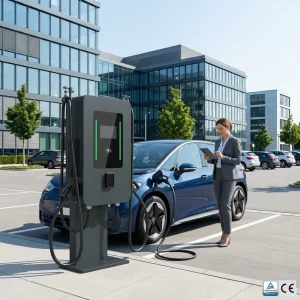
Understanding the shift towards smart, bidirectional, and high-power electric vehicle infrastructure.
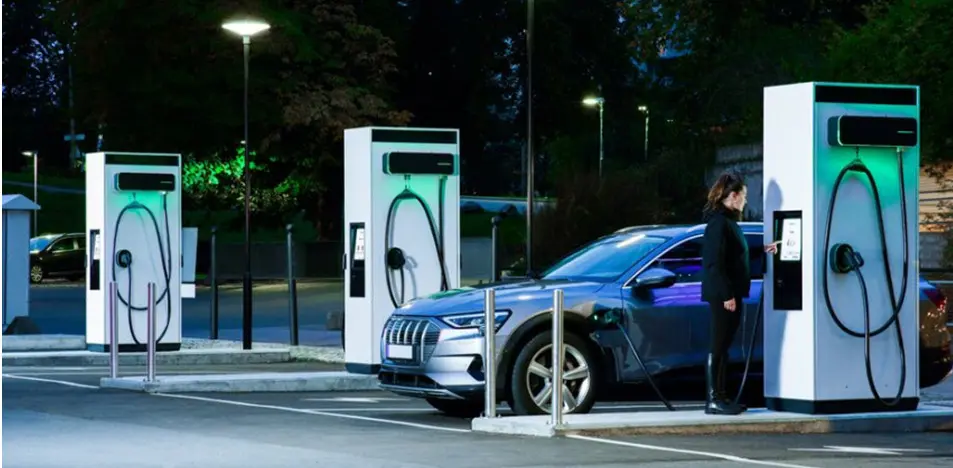
The worldwide transition to electric mobility is no longer a localized phenomenon but a global imperative. As automotive manufacturers commit to phasing out internal combustion engines, the focus shifts squarely to grid adequacy, charging accessibility, and charging speed. While public charging hubs form the backbone of transit corridors, electric vehicle charging stations at home represent the true locus of energy transfer. Statistical analysis reveals that over 80% of all electric vehicle charging events take place at residential or dedicated depot locations overnight.
Modern residential charging is transitioning from passive electricity consumption to active demand-side management. Through integration with home energy management systems (HEMS), local solar photovoltaics, and battery energy storage, the home charger acts as an intelligent nodal point in the decentralized smart grid.
Internationally, utilities and regulators are introducing strict guidelines to govern this massive increase in grid load. In the European Union, the Alternative Fuels Infrastructure Regulation (AFIR) mandatorily defines standards for payment transparency, protocol compliance, and load management. Similarly, in North America, standardizations such as California's Rule 21 and the national NEC (National Electrical Code) drive the deployment of smart charging stations capable of Dynamic Load Balancing (DLB) and Open Charge Point Protocol (OCPP) communication.
A core technical challenge of residential EV charging is preventing local circuit overloads. Installing a high-power AC (e.g., 22kW) or a domestic-oriented compact DC (20kW–50kW) fast charger can easily exceed the baseline allocation of a household electrical panel. Here, China-manufactured advanced controllers dynamically monitor real-time home consumption. When household appliances are active, the EVSE lowers its current draw; during off-peak hours (e.g., midnight to 5:00 AM), the system ramps up charging speed to its theoretical maximum.
China’s dominance in the global EV supply chain is built on decades of integrated component manufacturing, rapid prototyping, and vertical hardware integration. As a leading manufacturer and supplier of residential and commercial EV charging stations, our facilities capitalize on a mature ecosystem of power electronics, raw copper cables, precise injection molding, and in-house firmware development.
By optimizing key aspects such as electromagnetic compatibility (EMC) testing, automated circuit board assembly (PCBA), and climate-chamber stress testing, Chinese suppliers deliver certified hardware (CE, UL, TÜV, RoHS, REACH) at highly competitive cost-to-performance ratios.
Shanghai Mida Cable Group Ltd. operates through its wholly owned subsidiaries: Shanghai Mida EV Power Co., Ltd., Shenzhen Mida EV Power Co., Ltd., and Shanghai Mida New Energy Co., Ltd. We are dedicated to providing the global EV industry with high-end connectivity cables, charging electronics, and comprehensive power conversion solutions.
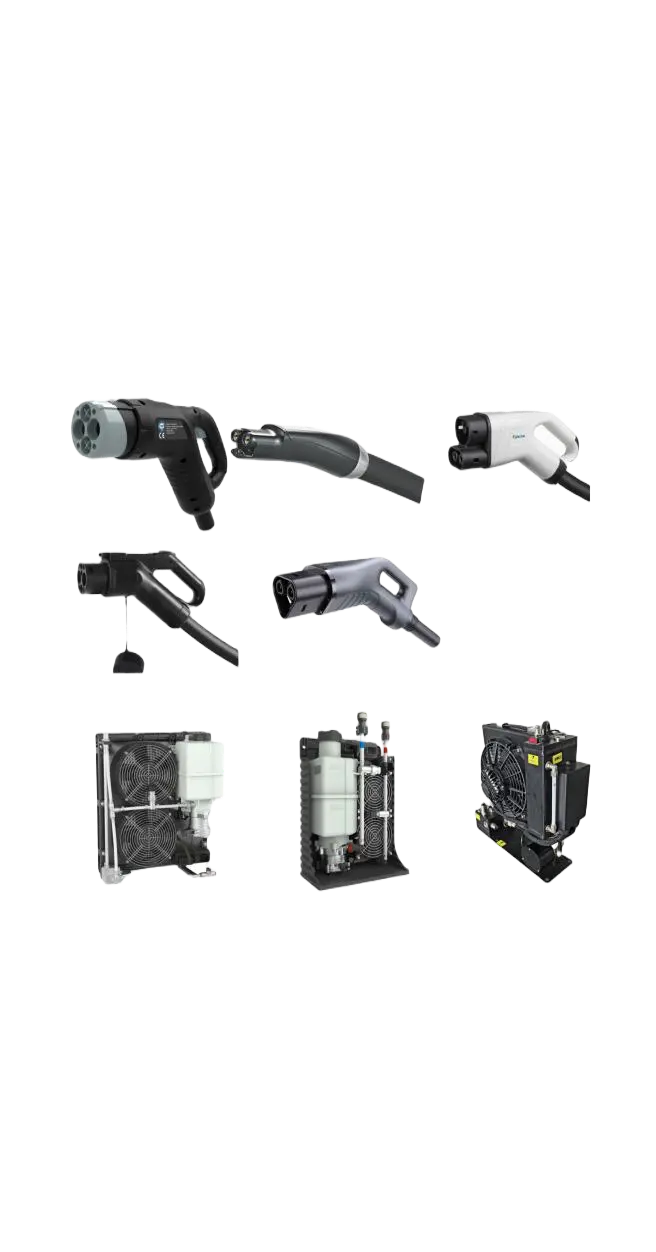
Mida Cable manufactures a comprehensive range of EV charging cables, including 16A–80A J1772 cables, 16A–63A IEC 62196-2 Type 2 cables, and DC fast charging cables: CCS1 (80A–500A), CCS2 (125A–1000A), CHAdeMO (125A–300A), GBT (200A–1000A), and NACS connectors (250A–600A).
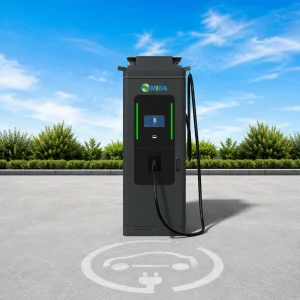
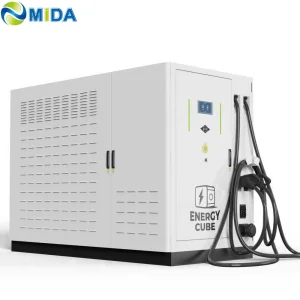
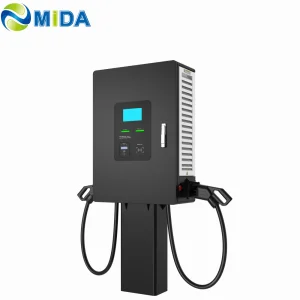
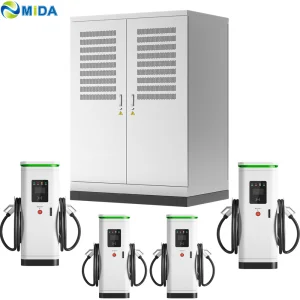
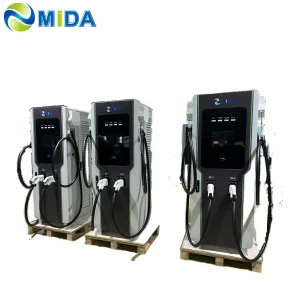
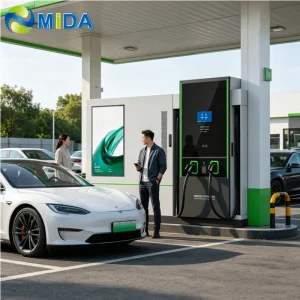
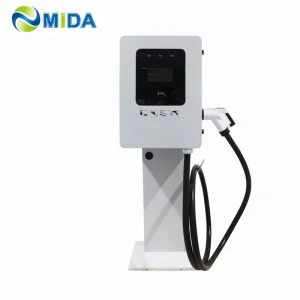
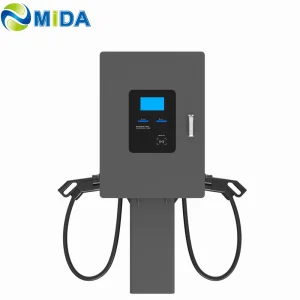
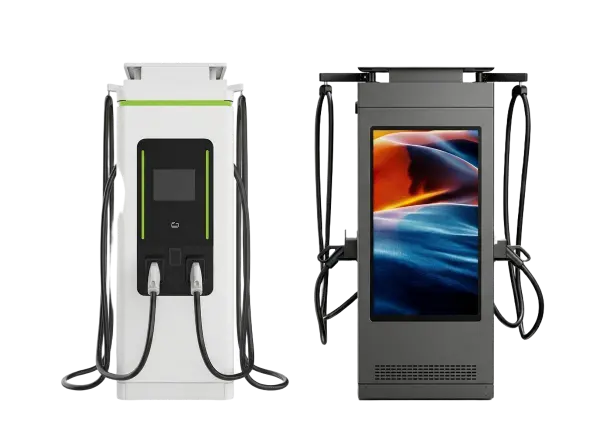
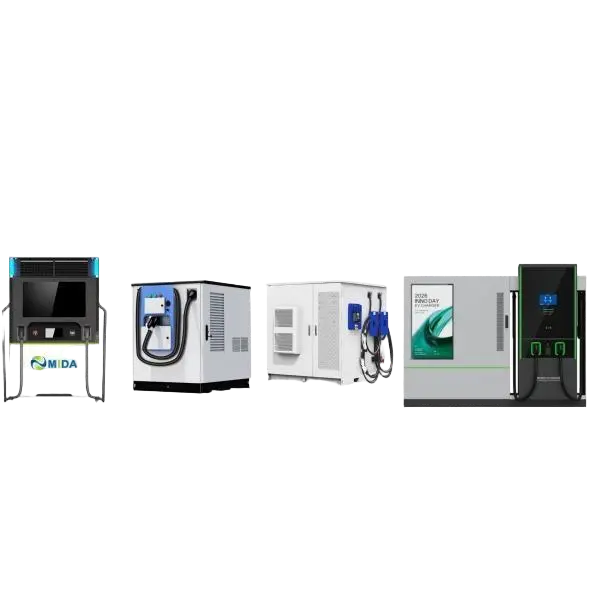
MIDA EV Power produces a full lineup of EV charging stations, such as 7kW–50kW mobile chargers, 3.6kW–7.2kW portable DC chargers, 360kW–1440kW split-type DC fast chargers, 20kW–50kW wall-mounted DC chargers, and 60kW–480kW floor-standing DC fast charging stations.
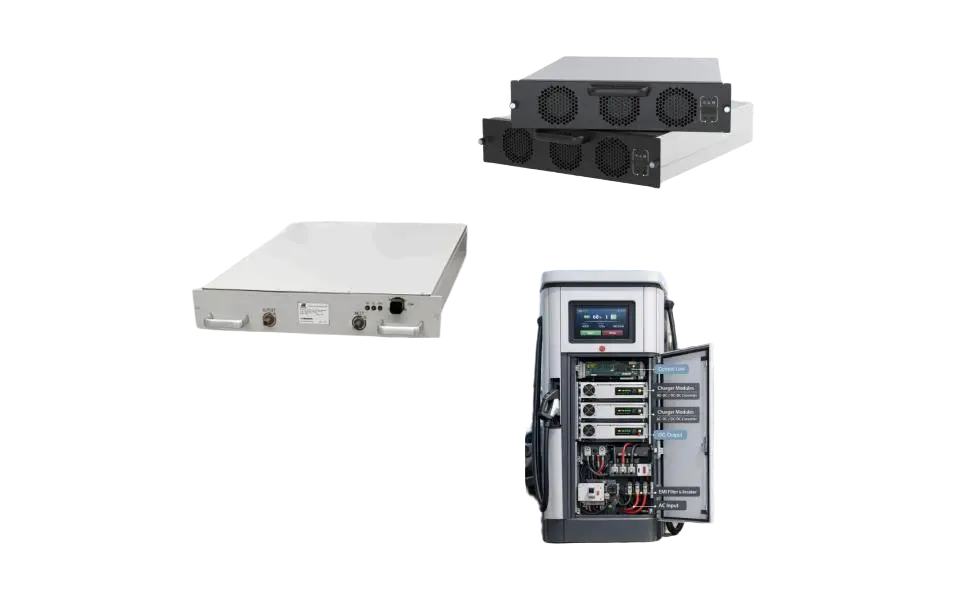
MIDA New Energy specializes in EV charger power modules, offering 20kW–60kW standard modules, 40kW–125kW liquid-cooled modules, 30kW–62.5kW bidirectional modules, and 20kW–45kW V2G charging modules.

Explore our diverse hardware classifications for residential, commercial, and utility installations.
Technical breakdown of MIDA Group's core hardware divisions.
Stay updated with our technical breakthroughs, implementation guides, and industry analyses.
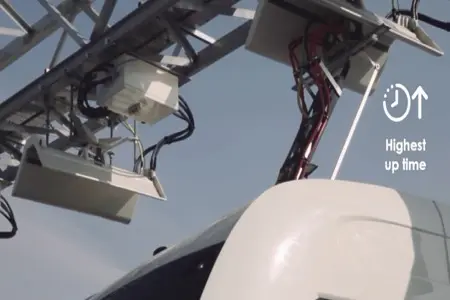
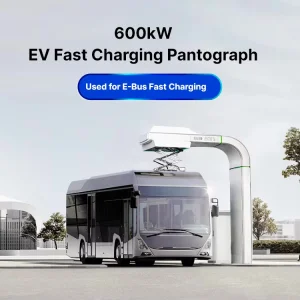
What are the advantages of an e-bus pantograph dome? In contrast to classic plug-in charging systems, e-bus pantographs offer automated, hands-free high-power charging for municipal transit.
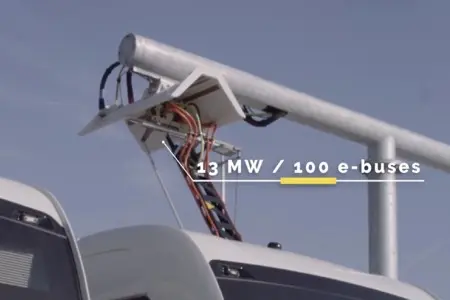
How long does it take to charge with an e-bus pantograph? The charging time depends on the battery capacity and the station output, typically achieving full charges within minutes.
How to Install the Pantograph Up Charger System Dome for Electric Bus. A comprehensive guide detailing structural placement, high-voltage line connections, and safety compliance checks.
Adapting charging infrastructures to unique regional grids, commercial spaces, and residential sectors.
In high-density urban areas like Frankfurt, London, or New York, charging installations must accommodate shared grid access. We provide intelligent AC and DC wall-mounted units integrated with RFID authentication, MID-certified metering for precise tenant billing, and OCPP integration allowing property management to seamlessly regulate charging access via mobile apps.
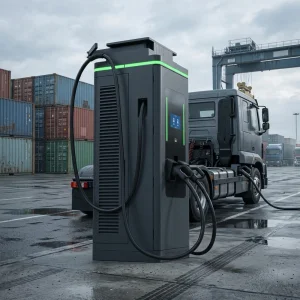
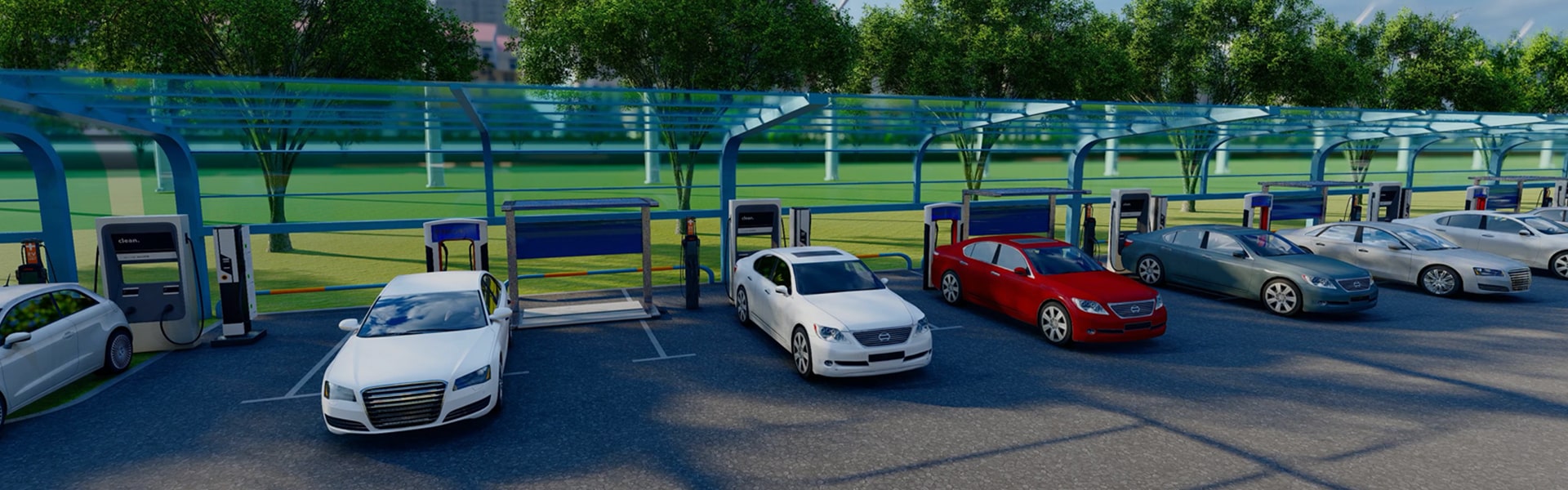
For logistics centers operating light-duty delivery vans or municipal e-buses, uptime is critical. Split DC charging systems (360kW–1440kW) with dual CCS2 or NACS connectors allow fast-turnaround overnight replenishment. Modular design ensures that even if one power unit undergoes maintenance, the system continues charging at reduced capacity rather than shutting down completely.
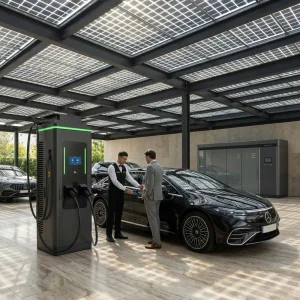
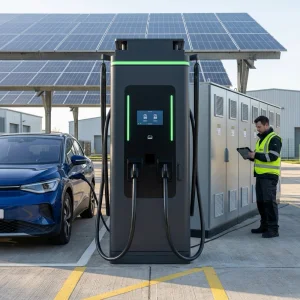
In regions with high solar radiation and weak central grids (such as parts of Australia, the Middle East, and the Western United States), our MPPT-equipped DC-to-DC chargers allow electric vehicles to be charged directly from solar arrays. This avoids round-trip conversion losses (DC to AC, then back to DC), maximizing thermodynamic efficiency and lowering overall operational expenses.
Technical and logistics questions answered by our engineering and export departments.
Engineered for extreme performance, ultra-fast public charging, and megawatt transit applications.