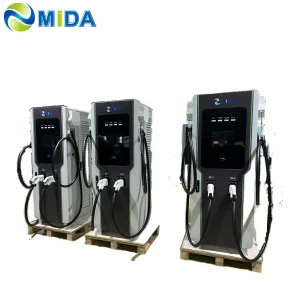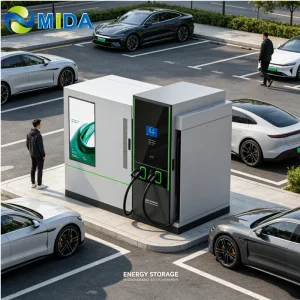
Explore our high-performance DC fast charging stations, pantograph bus charging systems, and integrated BESS energy storage solutions engineered for global commercial and industrial applications.
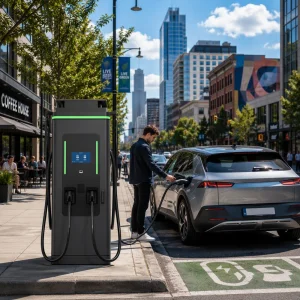
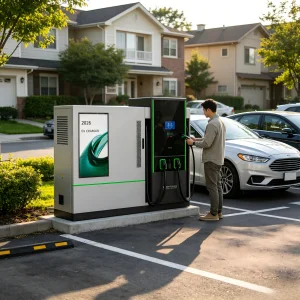
The global e-mobility landscape is transitioning from basic charging grids to intelligent, high-power, and bidirectional systems. Stay ahead with next-generation technology developments.
With EV battery pack capacities scaling upwards, the demand for High-Power Charging (HPC) systems ranging from 360kW to 1.2MW is skyrocketing. Systems utilizing Megawatt Charging System (MCS) protocols are paving the way for heavy-duty transit and zero-emission freight shipping.
Electric vehicles are no longer mere energy consumers; they function as distributed power banks. Bidirectional V2G power modules enable fleet operators and grid utility managers to smooth out peak demand curves and unlock secondary monetization opportunities.
Grid integration constraints pose significant bottlenecks globally. Battery Energy Storage System (BESS) integrated chargers buffer high-power demand locally. This enables ultra-fast charging even on weak, localized distribution grids without expensive substation upgrades.
B2B procurement of electric vehicle service equipment (EVSE) demands absolute adherence to electrical safety, software interoperability, and mechanical durability.
When selecting a Tier-1 manufacturing partner for China E Vehicle Charging Stations, global engineering companies and infrastructure developers prioritize compliance across multiple frameworks. Interoperability across diverse vehicle models, communication layers, and local energy environments must be pre-engineered and rigorously tested at the factory level.
| Compliance Layer | Required Standards | Technical Target |
|---|---|---|
| Communication Protocol | OCPP 1.6J / OCPP 2.0.1, ISO 15118 (Plug & Charge) | Secure transactions, remote diagnostics, smart charging profiles, encrypted TLS communication. |
| Electrical Safety | CE (EN 61851-1), UL 2202, FCC Class A, PSE (Japan) | Over/under-voltage, leakage current protection (RCD Type B / 6mA DC), short-circuit insulation. |
| Connector Standards | CCS1, CCS2, NACS (SAE J3400), CHAdeMO, GBT, MCS | High-insertion lifetime (>10,000 cycles), low contact resistance, high current limits with active liquid cooling. |
| Environmental Rating | IP54 / IP55 / IP65, IK10 Impact Resistance | Dust prevention, high-pressure water jet resistance, anti-vandalism housing for extreme outdoor environments. |
A vertically integrated leader in EV charging technologies, engineering state-of-the-art power electronics, cable assemblies, and software integration.
Shanghai Mida Cable Group Ltd. operates through its wholly owned subsidiaries: Shanghai Mida EV Power Co., Ltd., Shenzhen Mida EV Power Co., Ltd., and Shanghai Mida New Energy Co., Ltd.
Mida Cable manufactures a comprehensive range of EV charging cables, including 16A–80A J1772 cables, 16A–63A IEC 62196-2 Type 2 cables, and DC fast charging cables: CCS1 (80A–500A), CCS2 (125A–1000A), CHAdeMO (125A–300A), GBT (200A–1000A), and NACS connectors (250A–600A).
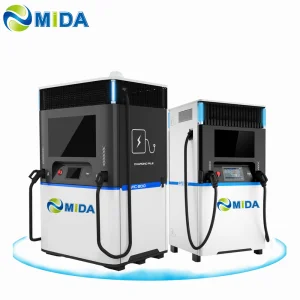
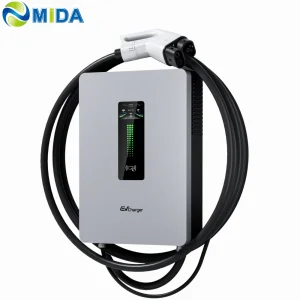
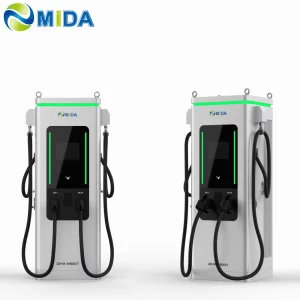
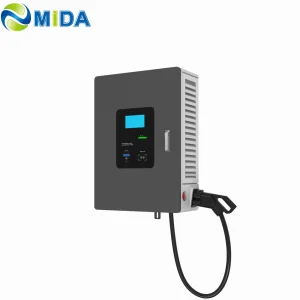
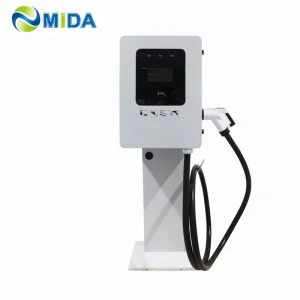
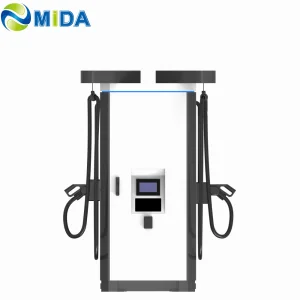
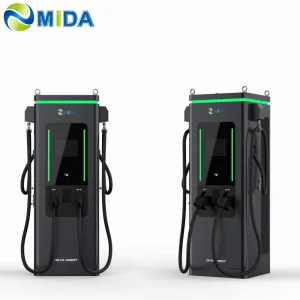
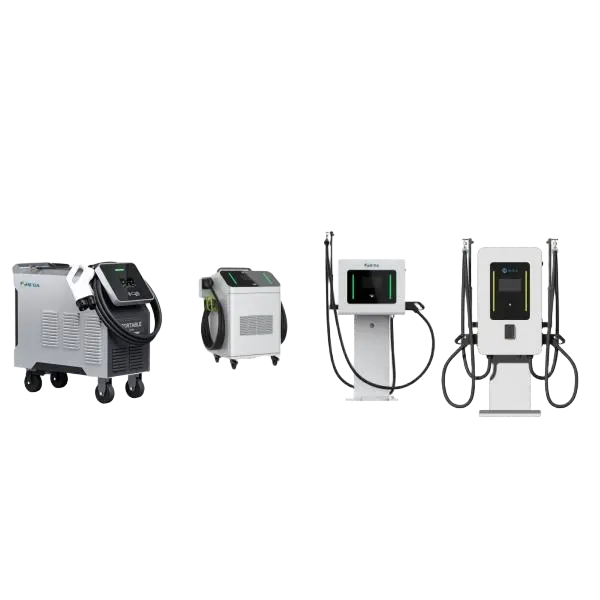
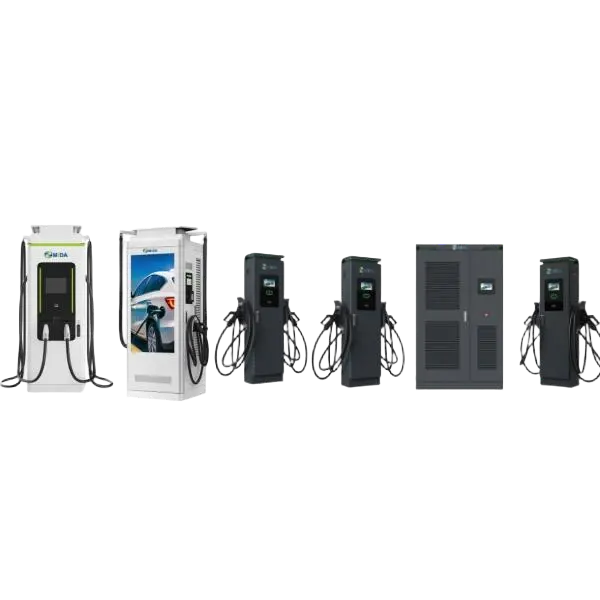
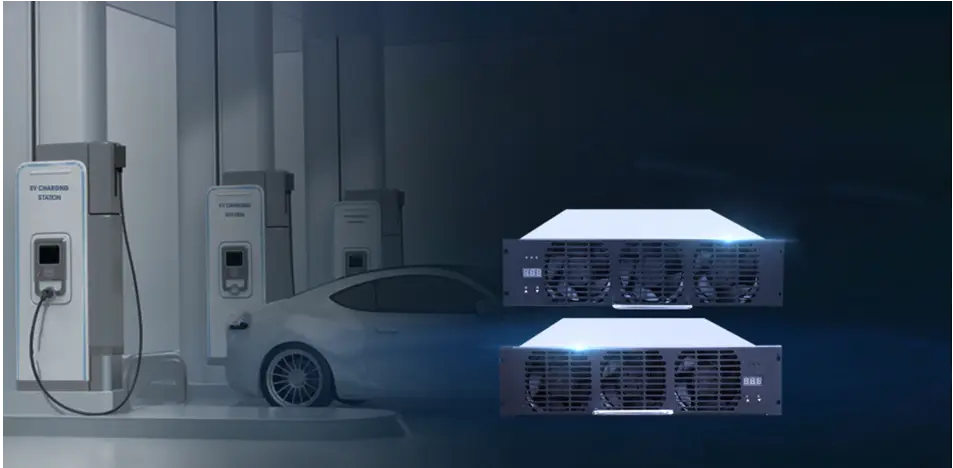
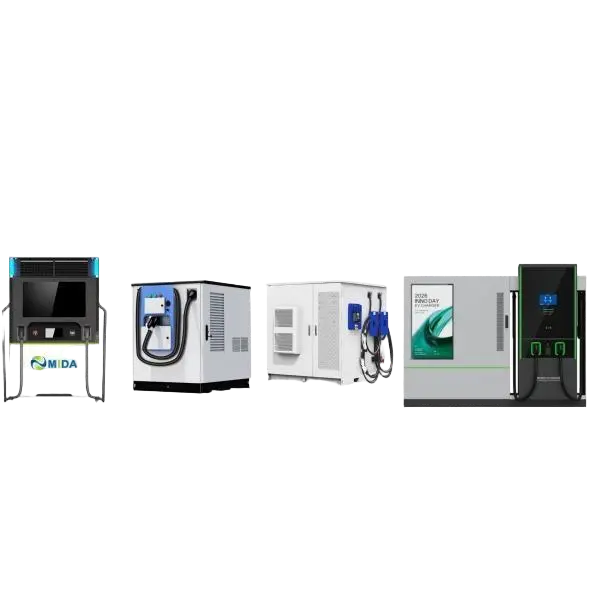
MIDA EV Power produces a full lineup of EV charging stations, such as 7kW–50kW mobile chargers, 3.6kW–7.2kW portable DC chargers, 360kW–1440kW split-type DC fast chargers, 20kW–50kW wall-mounted DC chargers, and 60kW–480kW floor-standing DC fast charging stations.
MIDA New Energy specializes in EV charger power modules, offering 20kW–60kW standard modules, 40kW–125kW liquid-cooled modules, 30kW–62.5kW bidirectional modules, and 20kW–45kW V2G charging modules.

Why Tier-1 Chinese manufacturing platforms provide the ultimate combination of agility, scale, and cutting-edge engineering.
Unlike Western systems integrators that outsource cable production, power electronics, and sheet metal fabrication to various third parties, China's Industry 4.0 factories integrate all stages. The complete lifecycle is housed under one roof: from copper drawing and PCB soldering to final mechanical assembly.
Mida's smart production floors implement real-time Automatic Optical Inspection (AOI), high-temperature environmental stress screening (ESS), and complete functional testing under real electrical loads. This strict operational discipline yields MTBF ratings exceeding 100,000 operational hours.
With an in-house engineering team specializing in hardware, software, and mechanical housing designs, China factories can rapidly customize solutions. Whether you require specific brand logos, custom housing configurations, or localized OCPP backend integration, our turnaround time is unmatched globally.
Discover our key business segments, engineered to satisfy every scale of electric mobility deployment—from domestic applications to transit networks.
Engineered for high reliability, providing smart networking interfaces, compact forms, and robust safety controls for home and workplace usage.
Versatile charging systems configured for quick wall installations or portable roadside emergency services, supporting multi-protocol output.
 View More
Modular power distribution architectures optimized for highway corridors, public charging depots, and heavy commercial fleet logistics centers.
 View More
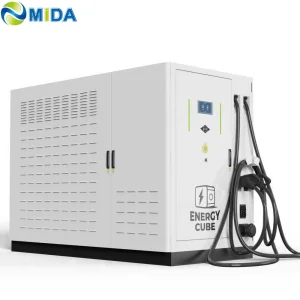
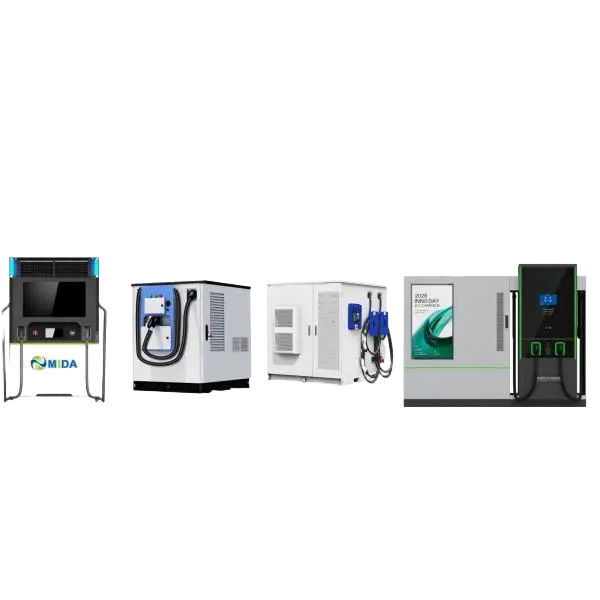
Grid-interactive battery energy storage system integrations that harvest off-peak electricity or solar power to output fast high-power DC charging.
 View More
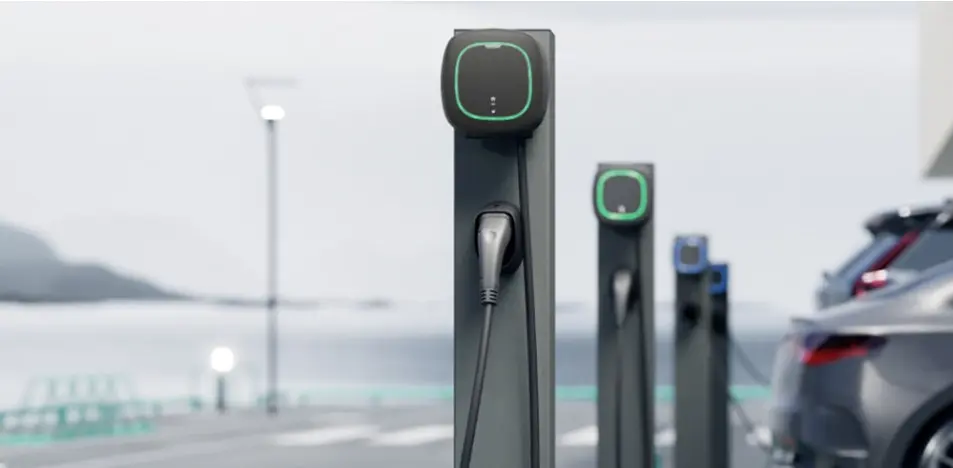
Discover our patented cooling designs and electrical protection features built into every portable and wall-hanging device.
Complete range of liquid-cooled and forced-air-cooled charging structures engineered to withstand extreme climates from desert heat to Arctic freeze.
Mida Group produces all core components, guaranteeing perfect electrical matched parameters, longer system lifetimes, and cheaper production costs.
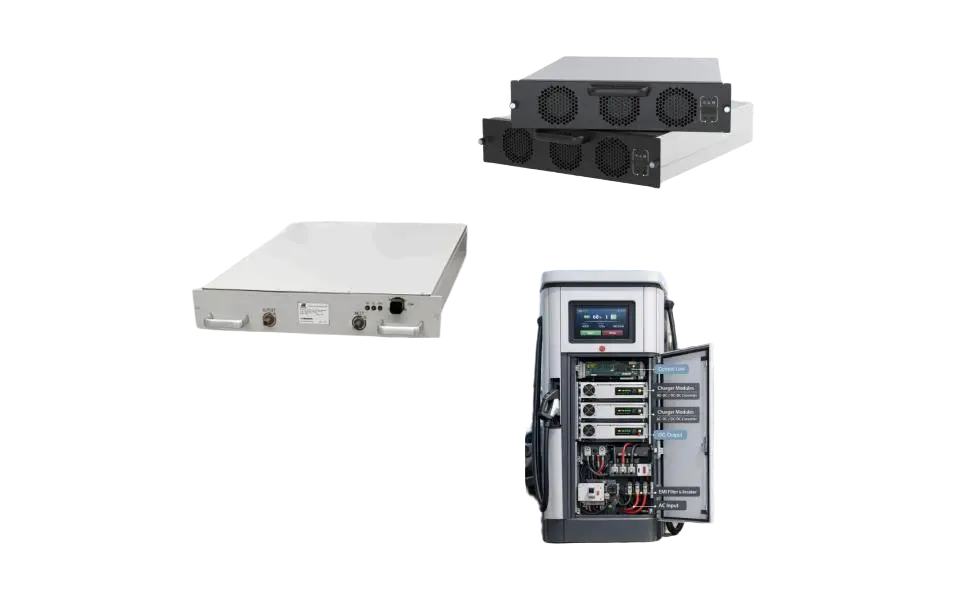
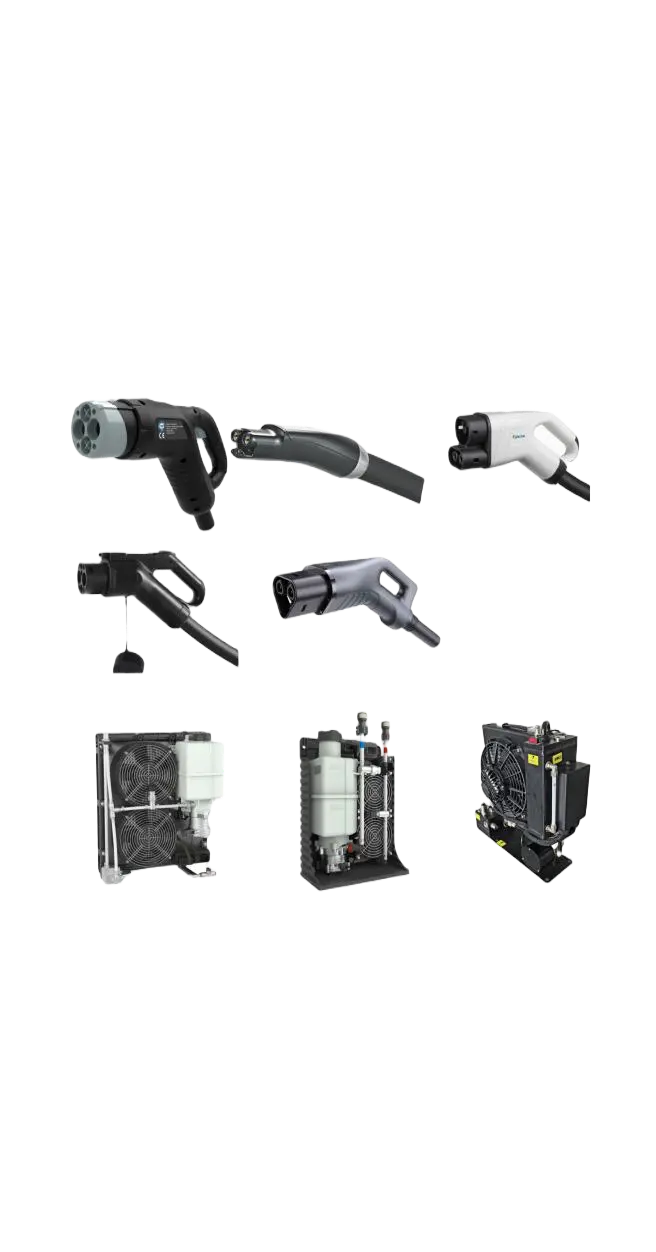
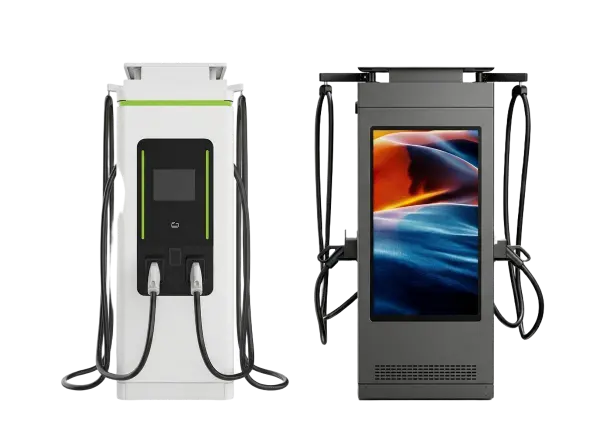
Our technologies are configured to serve diverse environmental requirements, transit systems, and corporate infrastructures worldwide.
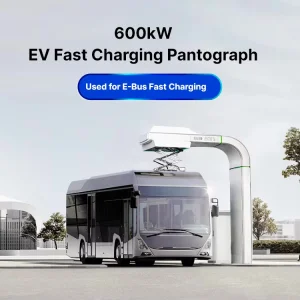
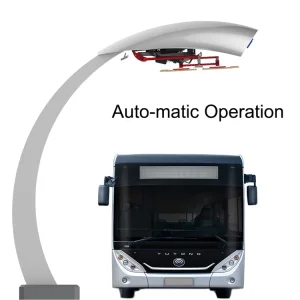
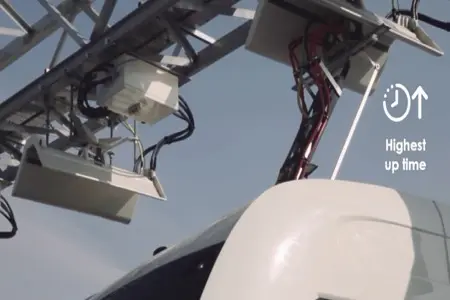
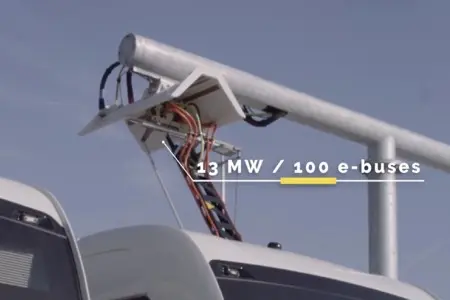
Designed for urban transit systems, MIDA's split-type pantograph systems provide 300kW to 600kW fast charging for electric buses. These systems operate during layovers, allowing buses to run indefinitely without requiring manual overnight plugs.
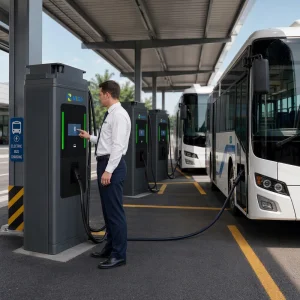
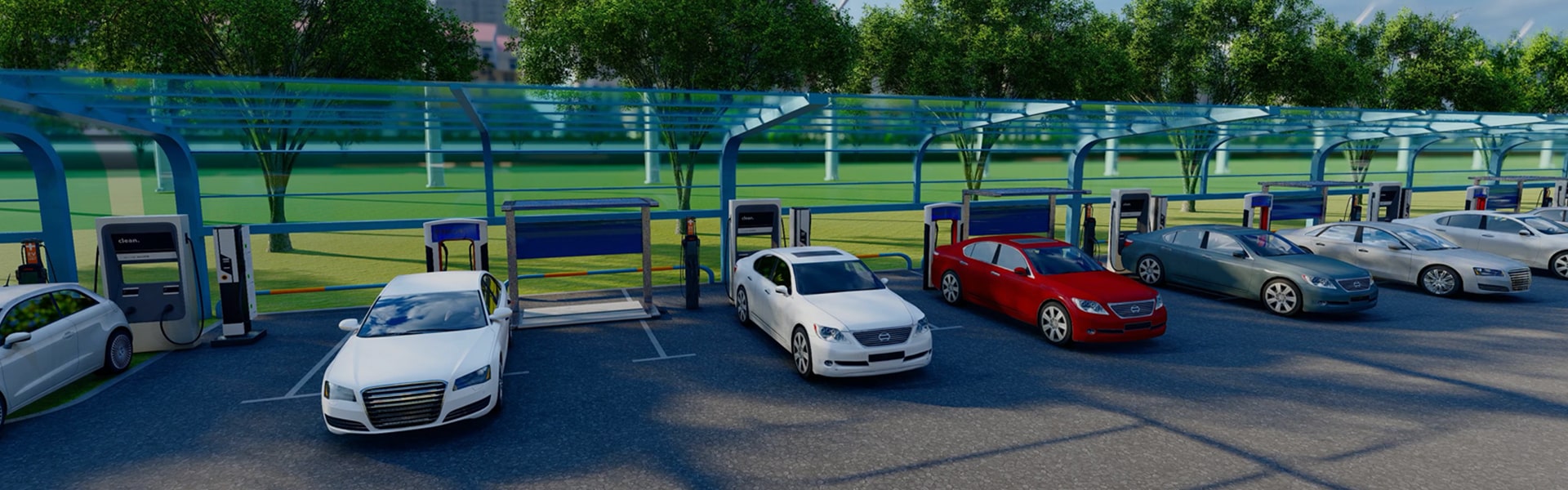
Ensure vehicle uptime with split-type DC charging matrices. Multi-dispenser power cabinets dynamically allocate power based on the state of charge (SoC) of each connected vehicle, optimizing charging cycles for medium and heavy-duty vehicles.
Deploy high-power chargers in rural rest areas or historic city centers with limited grid capacity. Our BESS integration system buffers grid power continuously, peak-shaving during high utilization to discharge at speeds up to 240kW.
Get professional answers to critical technical questions regarding the installation, sourcing, and optimization of industrial EV charging systems.
Keep up with the latest technological developments, installation insights, and global deployment milestones from MIDA Group.
Heavy-duty, integrated battery storage, and mobile charging products designed for infrastructure operators and fleet deployments.