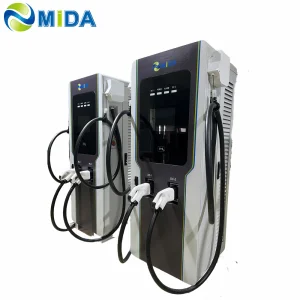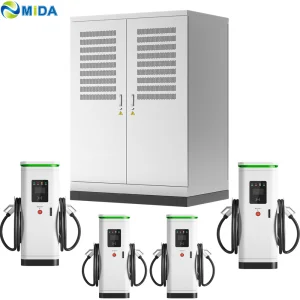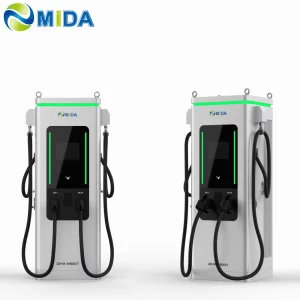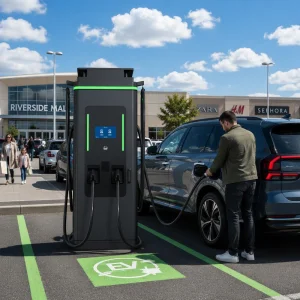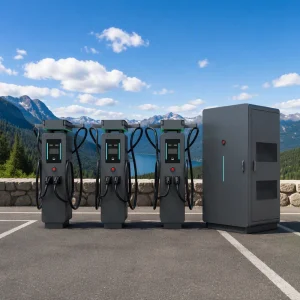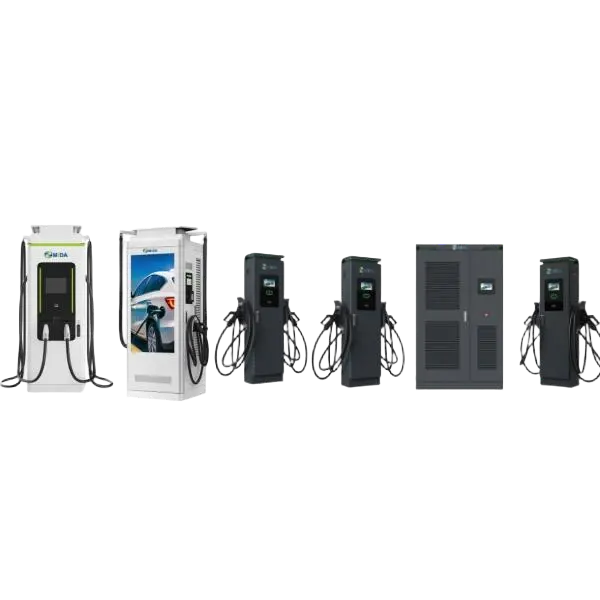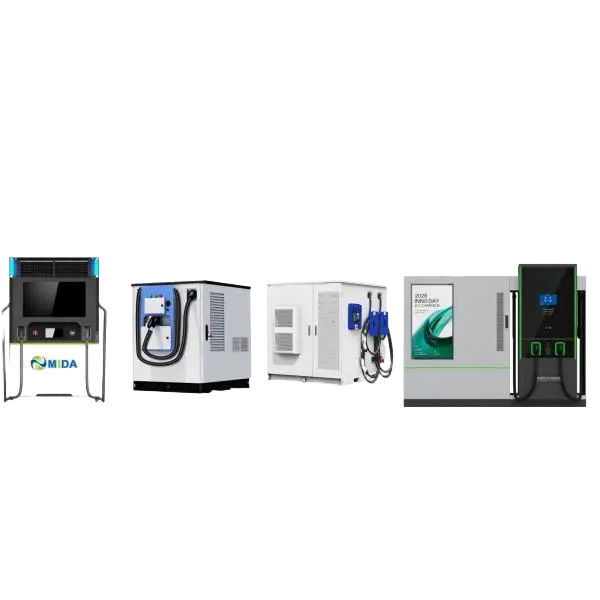
Engineered for durability, compatibility, and high efficiency, our standard-setting chargers offer scalable architectures for commercial, utility, and municipal fleets worldwide.
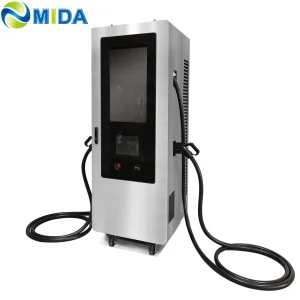
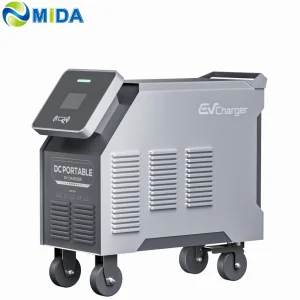
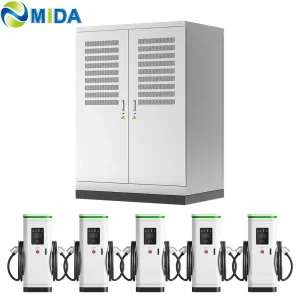
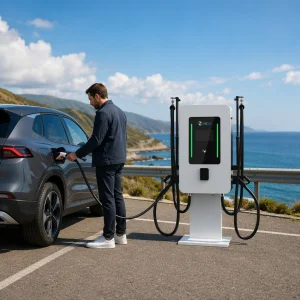
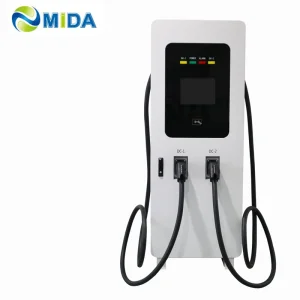
Shanghai Mida Cable Group Ltd. operates as a leading vertical integrator of electric vehicle charging infrastructure through its specialized, wholly-owned subsidiaries: Shanghai Mida EV Power Co., Ltd., Shenzhen Mida EV Power Co., Ltd., and Shanghai Mida New Energy Co., Ltd.
With a comprehensive focus spanning heavy industrial cable extrusion, advanced power electronic architecture, smart charging firmware, and commercial-grade mechanical design, MIDA GROUP delivers robust, future-ready charging products certified for international markets. We represent a seamless bridge between cutting-edge technology and mass-scale production capability.

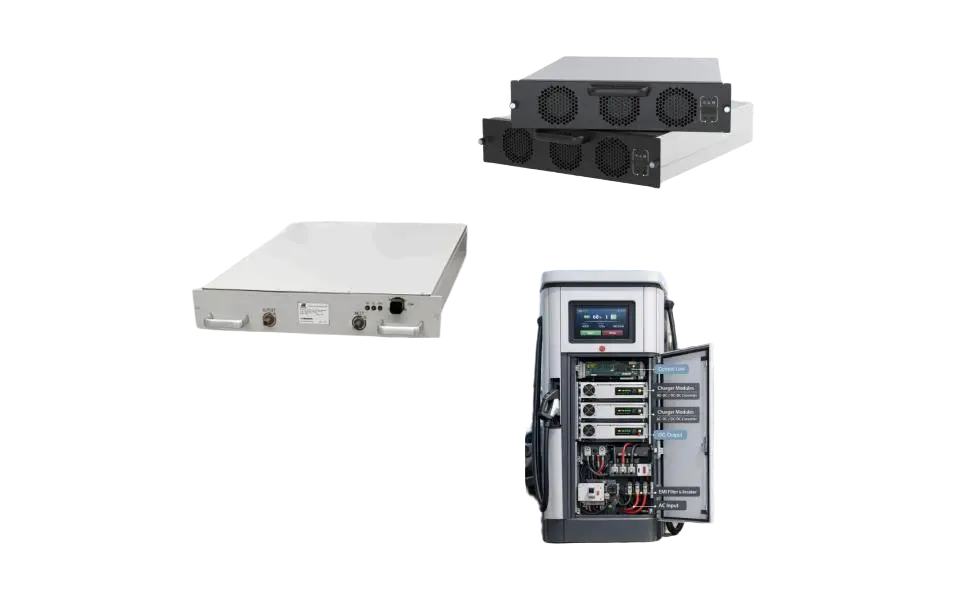
The charging station is only as good as the silicon inside it. MIDA’s proprietary power module technology ensures high conversion efficiency, robust thermal regulation, and unparalleled longevity.
Leveraging advanced Silicon Carbide (SiC) MOSFETs, our 20kW–60kW standard and bidirectional modules support Vehicle-to-Grid (V2G) applications, enabling dynamic grid stabilization and smart charging strategies.
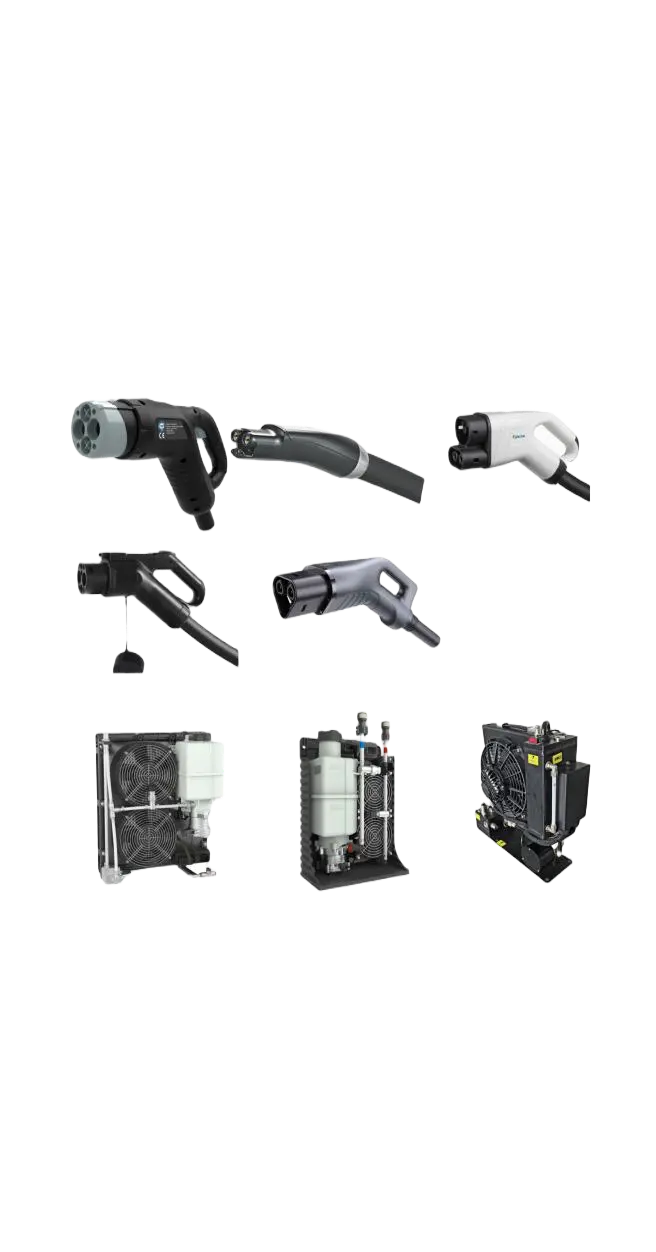
Designed for high-power density and operation in extreme environments, our liquid-cooled modules isolate electrical components from external airborne pollutants, humidity, and salt spray.
Integrated with OCPP 1.6J and OCPP 2.0.1 protocols, enabling seamless backend connectivity with any Charge Point Operator (CPO) software for billing, diagnostic monitoring, and dynamic load balancing.
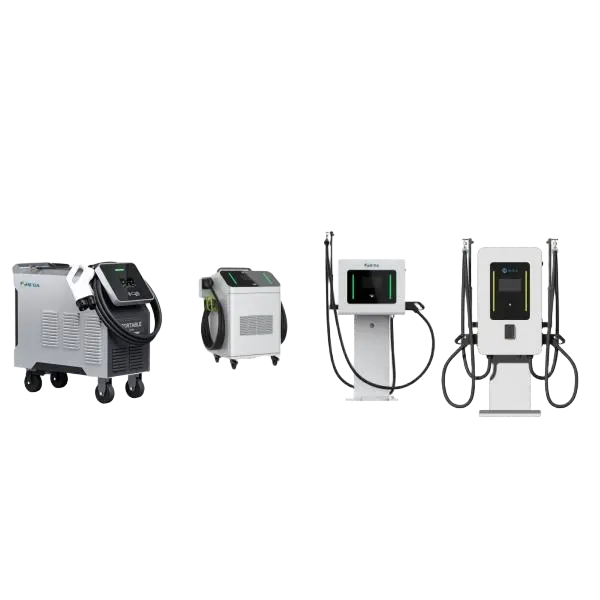
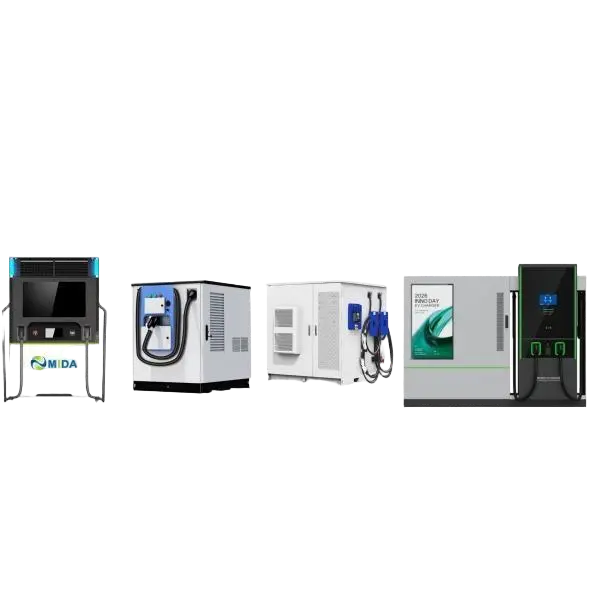
From light-duty residential hardware to heavy commercial ultra-fast charging hubs, our structural classifications fulfill all facets of the global transportation infrastructure.
The concentration of global raw materials, localized battery giants, and highly optimized industrial supply chains give Chinese manufacturers unmatched capability.
From raw copper extraction and polymer compound refinement for high-flexibility charging cables, to PCB assembly, power module programming, and structural metal fabrication. Our physical proximity to the world's leading semiconductor and battery companies reduces component transit delays, resulting in rapid deployment times.
Manufacturing thousands of units monthly allows for amortized tooling and engineering R&D costs. Chinese factories can swiftly prototype, test, and implement design revisions within weeks, compared to months in Western markets. This allows us to keep pace with changing grid demands and software parameters.
Modern Chinese factories operate under strict ISO 9001, ISO 14001, and ISO 45001 management protocols. Products undergo extensive in-house burn-in chambers, environmental cycling tests, high-voltage insulation tests, and electromagnetic compatibility (EMC) testing to meet international CE, TÜV, UL, UKCA, and CB requirements.
A deep breakdown of the products built, engineered, and optimized within our core manufacturing facilities.
Keep up-to-date with our latest product innovations, engineering breakthroughs, and project installations globally.
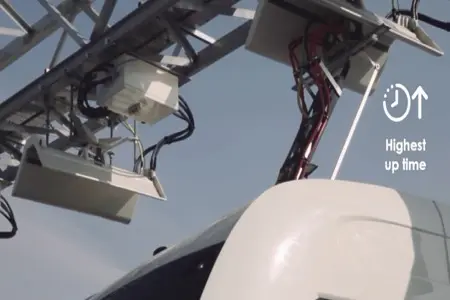
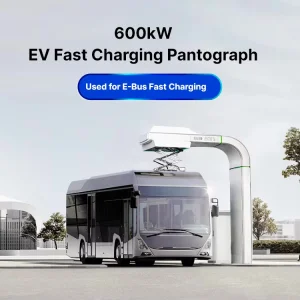
In contrast to classic plug-in charging systems, e-bus pantograph systems allow automated connection, minimizing wear and tear while providing megawatt-level transfer safety.
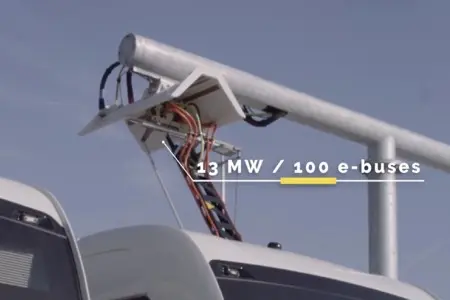
Charging time depends directly on battery capacity and the grid output. Standard urban transit buses can recover 80% charge within 10 to 15 minutes utilizing high-current infrastructure.
Installing a "Pantograph Up" system requires rigorous alignment of structure, overhead lines, structural engineering, grid approvals, and robust telemetry communications.
Industry insights and technical queries answered directly by MIDA GROUP's leading electrical power engineers.
MIDA EV charging stations are engineered to support major international standards including CCS1 (North America), CCS2 (Europe/Global), NACS (SAE J3400), GB/T (China), and CHAdeMO (Japan). Our software stack complies fully with OCPP 1.6J and OCPP 2.0.1 to ensure seamless compatibility with third-party software backends.
Liquid cooling dissipates heat far more efficiently than standard forced-air systems. This allows the system to carry currents up to 600A-1000A without overheating, keeping cables lightweight and flexible. Liquid-cooled power modules also boast sealed designs (up to IP65), protecting sensitive internal circuitry from dust, water, and corrosion.
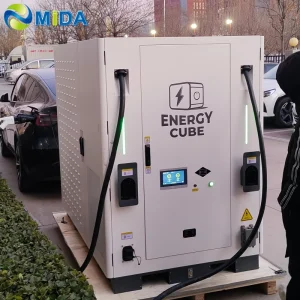
A Battery Energy Storage System (BESS) stores energy from the grid during low-demand periods or local photovoltaic generation. When a vehicle requires high-power charging (e.g., 360kW+), the power is drawn from the local storage battery rather than directly taxing the utility grid, eliminating expensive peak demand charges.
Yes, we offer complete OEM and ODM services. We customize enclosure designs, branding, colors, mounting styles (wall-mounted, floor-standing, split-type), and integrate localized payment methods (POS systems, RFID readers, QR code mechanisms) according to regional regulatory requirements.
Standard product configurations typical ship within 4 to 6 weeks from receipt of deposit. Customized configurations involving highly specialized structural modifications, specific grid integrations, or custom branding may require 8 to 12 weeks.
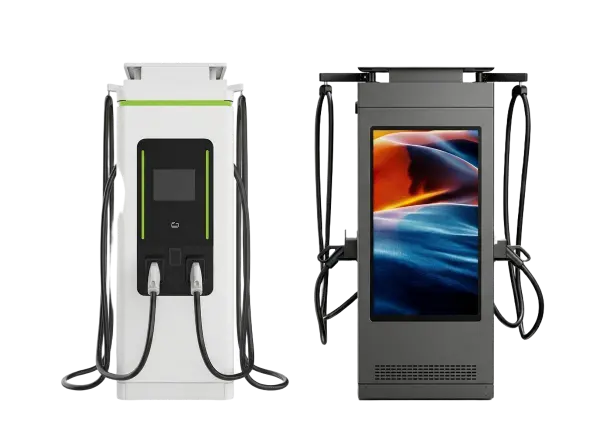
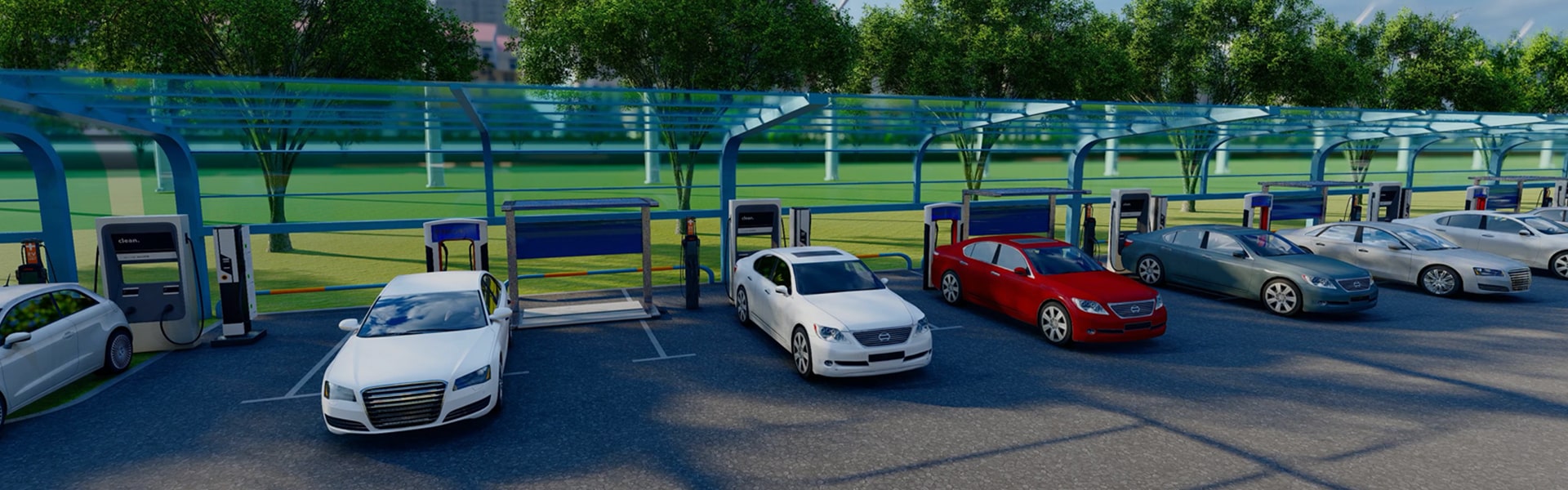
High-power modular hardware configured to scale up and sustain demanding public fleet networks, commercial transit systems, and heavy-duty electric buses.