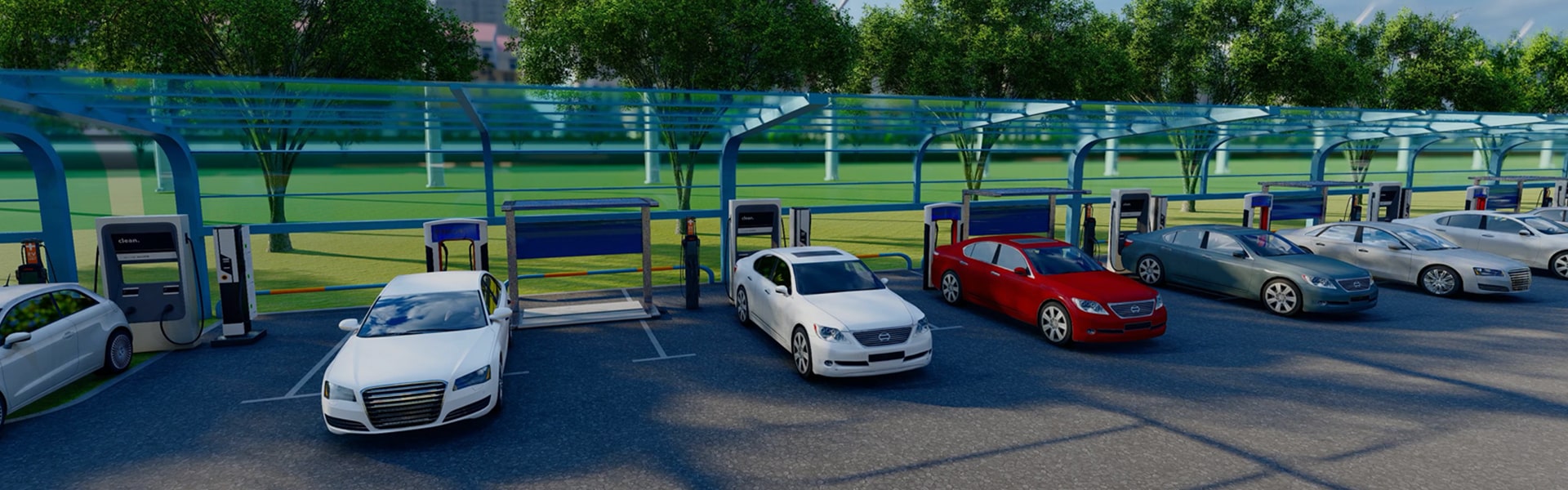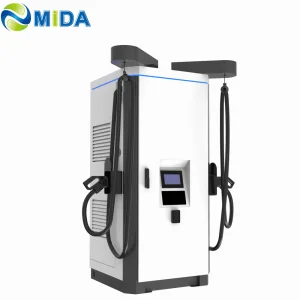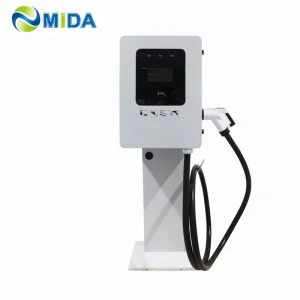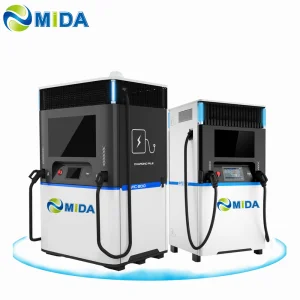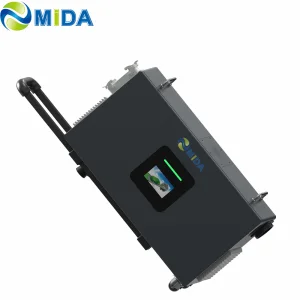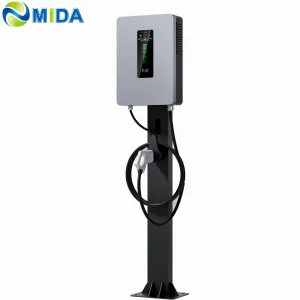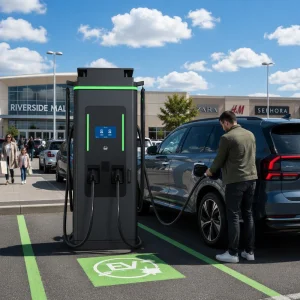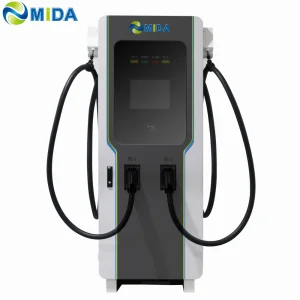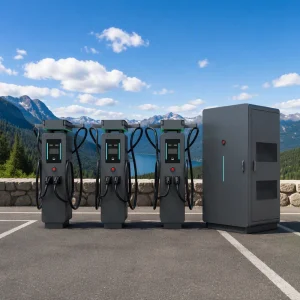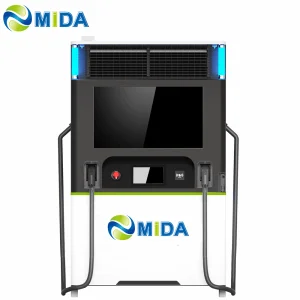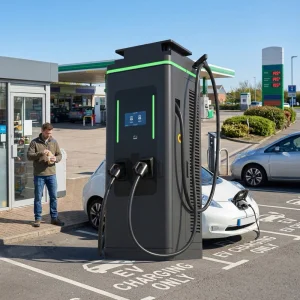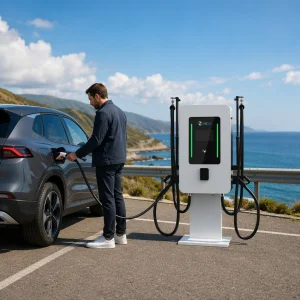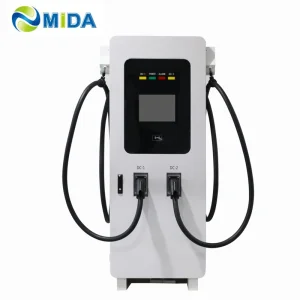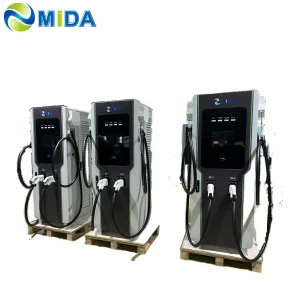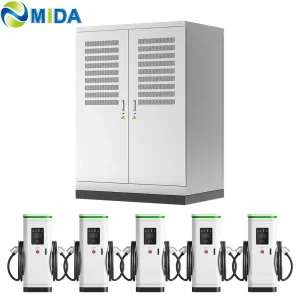
Browse our premier catalog of Level 3 DC Fast Charging units, ultra-high power split systems, and mobile emergency charging stations engineered for global fleet and commercial depot networks.
As global fleet operators and infrastructure developers scale their electric vehicle support operations, the selection of optimal power ratings is a key determinant of both CAPEX and grid efficiency. The 30kW DC Fast Charging Station represents an engineered sweet spot for destination, workplace, and fleet charging ecosystems. Unlike heavy-duty, high-power MW units that require costly dedicated substations, a 30kW charging footprint bypasses the severe onboard charger limitations of traditional vehicles, delivering clean, direct-to-battery charging with reduced grid strain.
By shifting from Level 2 AC to Level 3 DC fast-charging configurations, commercial operators reduce vehicle dwell time significantly. A typical electric delivery van or utility vehicle with a 60kWh battery can achieve an 80% state of charge (SoC) in approximately 90 minutes. This level of responsiveness is ideal for regional distribution routes, multi-unit residential complexes, and urban commercial venues where cars remain parked for 1 to 3 hours.
Our 30kW DC charging stations integrate advanced solid-state power topologies that outperform standard products in high-availability commercial deployment:
As global sourcing teams navigate the complexities of EV charging station acquisition, supply chain reliability and technical depth are critical vectors. Shanghai Mida Cable Group Ltd., along with its targeted subsidiaries—Shanghai Mida EV Power Co., Ltd., Shenzhen Mida EV Power Co., Ltd., and Shanghai Mida New Energy Co., Ltd.—delivers vertically integrated manufacturing capacities that lower total cost of ownership (TCO) while securing technological longevity.
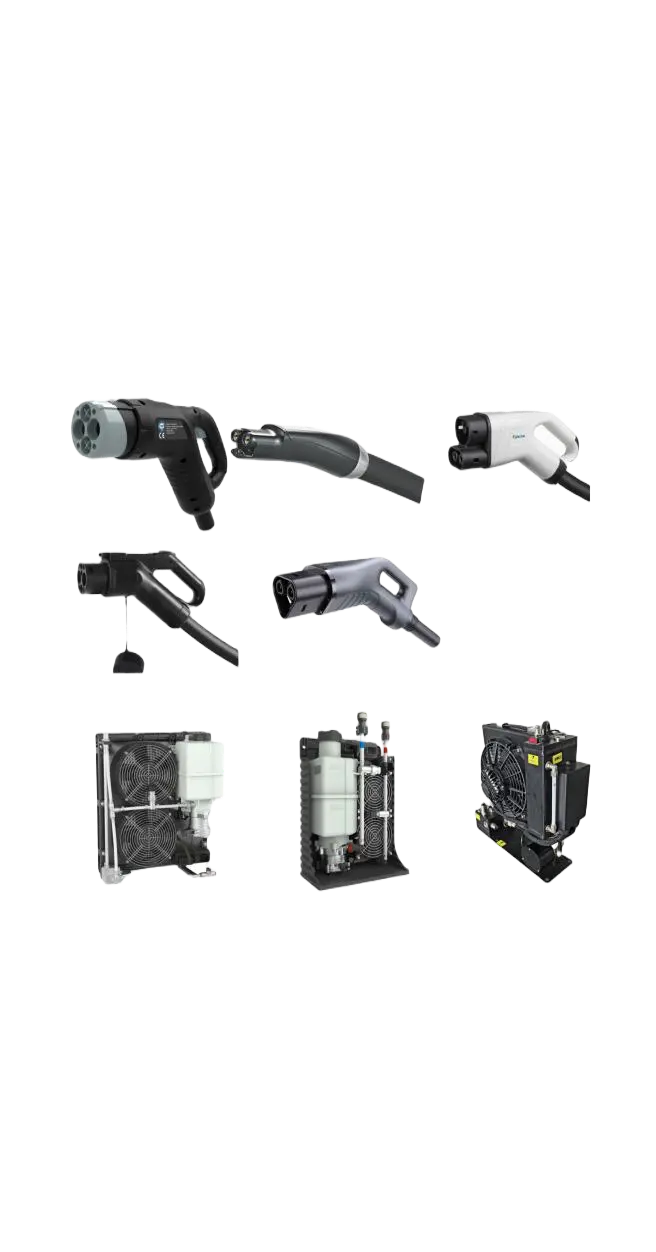
Engineers and manufactures high-performance EV charging interfaces, supporting J1772 (16A–80A), IEC 62196-2 Type 2 (16A–63A), and comprehensive DC fast charging assemblies. Our high-power line includes CCS1 (80A–500A), CCS2 (125A–1000A), CHAdeMO (125A–300A), GBT (200A–1000A), and advanced NACS connectors (250A–600A) optimized for thermal efficiency.
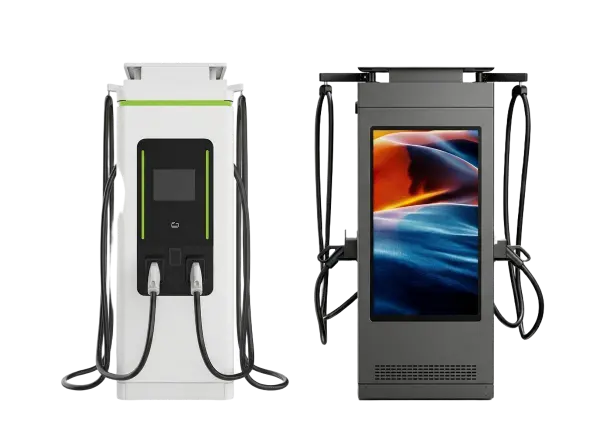
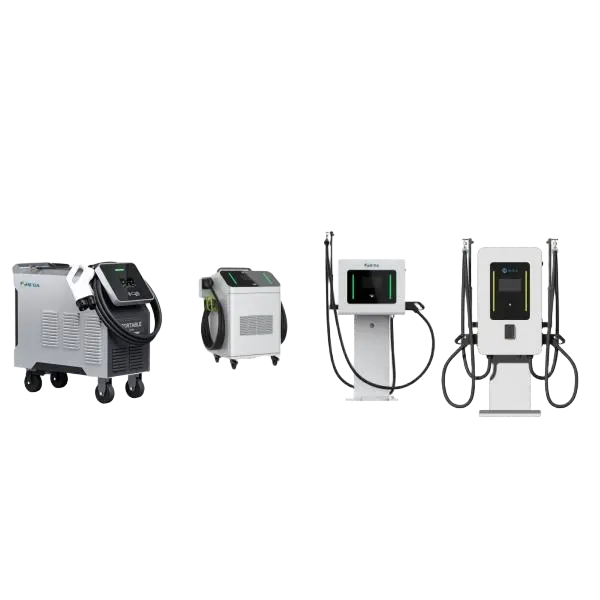
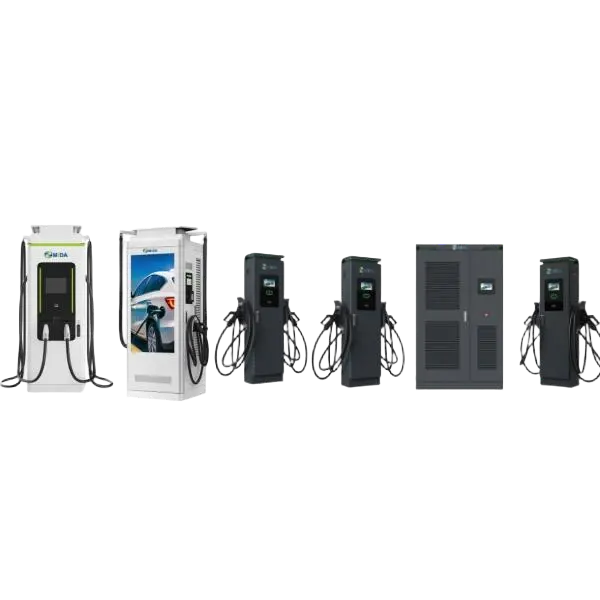
Responsible for the complete systems design and assembly of charging stations. This covers 7kW–50kW mobile chargers, 3.6kW–7.2kW portable DC chargers, 360kW–1440kW split-type high-power DC fast chargers, 20kW–50kW wall-mounted units, and 60kW–480kW floor-standing DC charging arrays.
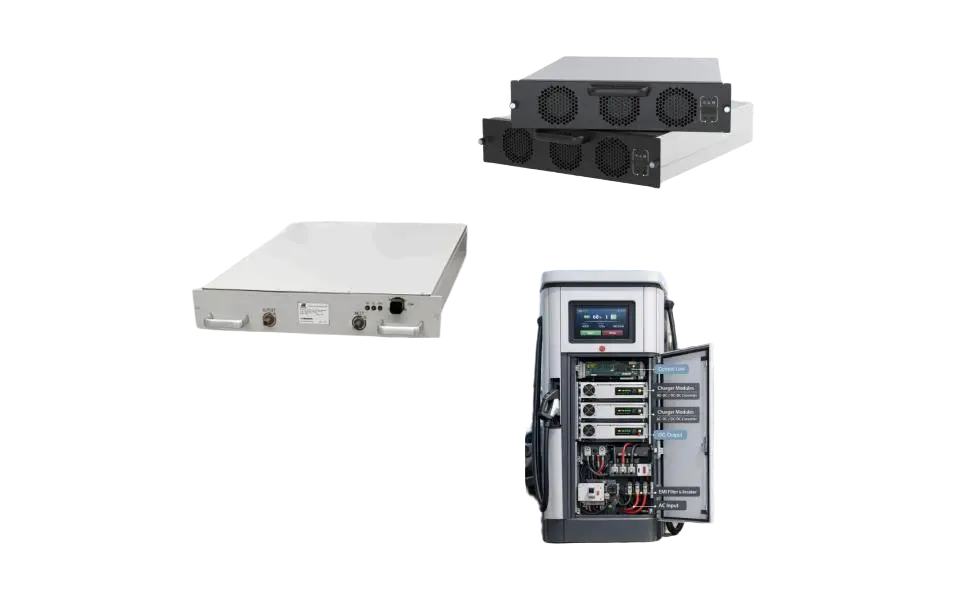
Focuses on the heart of DC charging: the power modules. The division engineers standard 20kW–60kW power converter modules, high-density 40kW–125kW liquid-cooled power modules, 30kW–62.5kW bidirectional conversion units, and advanced V2G modules designed for vehicle-to-grid integration.
By owning every link in the value chain—from specialized copper drawing and connector extrusion to control boards, OCPP software integration, and power module production—MIDA guarantees strict quality control standards. This comprehensive vertical control directly enhances E-E-A-T credentials, ensuring that the 30kW OCPP DC Fast Chargers leaving our factories comply with stringent international reliability models.
Furthermore, this integration allows for agile custom engineering. Whether you require specific brand styling, localized payment gateway configurations, or dynamic electrical safety modifications, MIDA delivers tailored solutions rapidly, avoiding the delays associated with multi-tiered outsourcing structures.
Deploying electric vehicle infrastructure internationally requires navigating diverse grid environments, security parameters, and localized certification standards. Our 30kW DC Fast Chargers are engineered with a global architecture, ensuring seamless adaptation to municipal codes and utility demands.
Full support for the Open Charge Point Protocol (OCPP) 1.6 JSON over WebSockets ensures compatibility with leading global Charge Point Management Systems (CPMS) like ChargeLab, AMPECO, and Driivz. This enables dynamic load balancing, real-time diagnostic reporting, smart scheduling, and secure firmware updates via TLS 1.3 encryption.
Engineered with comprehensive electrical protections, including leakage current protection (Type B RCD / AC 30mA + DC 6mA), short-circuit, over-current, over-voltage, under-voltage, and integrated surge protection (SPD Class II). Built in alignment with CE (IEC 61851-1/23/24), UKCA, and UL 2202 safety requirements.
Equipped with active Power Factor Correction (PFC) circuitry yielding PF > 0.99 at nominal output. Harmonic current distortion (THD) is kept below 5% in compliance with IEEE 519 and EN 61000-3-12, mitigating phase distortion and protecting local transformer assets.
The operational versatility of a 30kW DC charger enables diverse integration strategies across commercial environments. Below are typical enterprise use cases for these units:
Delivery depots managing electric vans benefit from 30kW wall-mounted or mobile chargers. The units supply fast turnaround times for midday shifts without requiring the high power allocations or spatial footprint of standard floor-standing depot chargers.
For corporate campuses and residential properties, 30kW chargers offer high charging speeds compared to standard 7kW AC options. Connected to OCPP management backends, operators can charge tenants premium rates for fast DC charging while utilizing dynamic load management during peak hours.
Supermarkets, shopping centers, and fitness clubs attract visitors for 45 to 90 minutes. A 30kW DC charging system provides significant range recovery during these visits, increasing store traffic and customer retention.
We provide structural components, liquid-cooling technology, high-power cables, and integrated charging stations. Below is our main component catalog:
High-efficiency conversion modules designed for charging system integrations:
Heavy-duty interfaces for high-power charging applications:
Fully integrated charging units for commercial use:
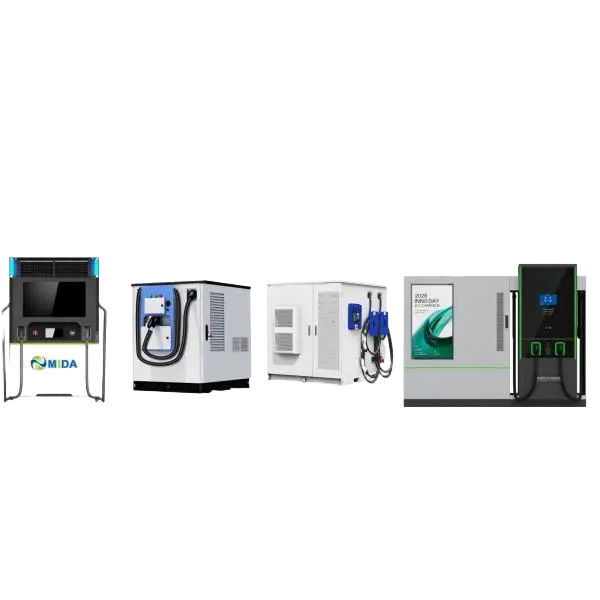
Microgrid-ready and battery-supported charging systems:
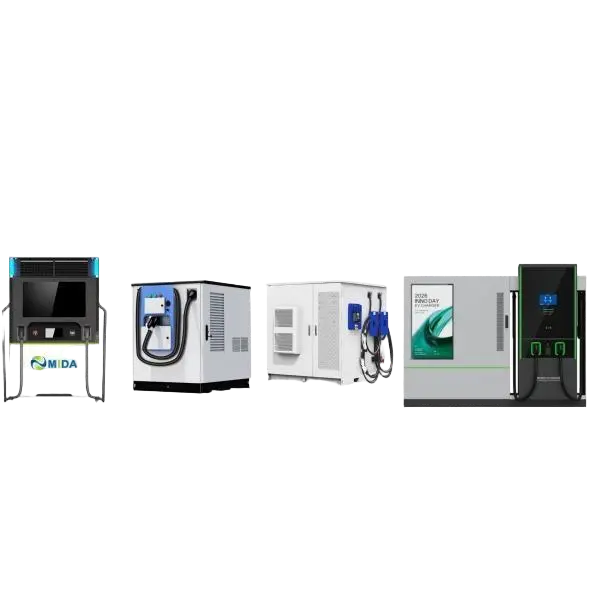
The electric vehicle charging landscape is shifting from simple, uni-directional power intake toward intelligent, bidirectional energy storage networks. In this landscape, 30kW DC charging installations serve a dual purpose: they act as fast replenishment points for vehicles, and also as energy nodes that can feed power back into commercial buildings and local grids.
With bidirectional V2G power modules (ranging from 20kW to 62.5kW), modern charging networks can assist with local peak shaving. Fleets parked overnight can discharge stored energy back into commercial complexes during peak billing hours, significantly lowering electricity costs. Additionally, coupling these installations with battery energy storage systems (BESS) and onsite solar generation creates reliable hybrid microgrids. These configurations can operate off-grid or isolate themselves during utility failures, ensuring consistent fleet operations.
7kW, 20kW, 30kW, 40kW, 60kW, and 80kW solutions designed for high adaptability. Ideal for spaces where floor installation is impractical.
High-capacity systems ranging from 60kW to 480kW, and up to 1440kW split configurations, built for high-throughput public charging corridors.
Battery-integrated charging cabinets scaled from 60kWh to 2MWh, providing high charge capabilities independent of grid connection limits.
Get authoritative answers to technical and deployment questions regarding 30kW DC charging stations.
Keep up with the latest developments in transit electrification, high-voltage connector engineering, and global logistics systems.

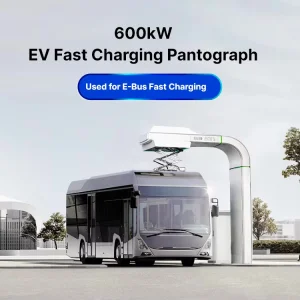
In contrast to classic plug-in charging systems, e-bus pantograph installations provide automated charging capabilities, reducing driver interaction and keeping vehicle turnarounds fast.
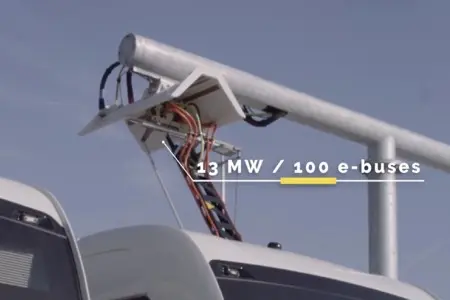
Charging times depend on battery capacity and the station's maximum output power. High-power pantographs can top up transit buses in 5 to 15 minutes during regular route stops.
Installing a "Pantograph Up" system requires precise physical alignment, grid connection planning, and structural integration with transit shelter architecture.
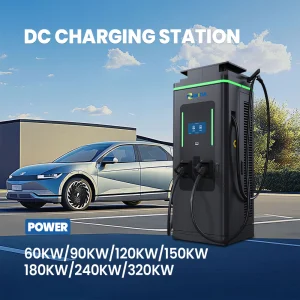
Explore our high-capacity DC fast charging models, hybrid solar stations, and dual-port configurations designed for heavy commercial and industrial use.