Providing industry-leading, grid-resilient charging terminals engineered for high uptime, multi-protocol compatibility, and robust commercial application profiles.
The global electric vehicle landscape is undergoing a monumental architectural shift. Standard low-voltage systems are rapidly giving way to high-voltage platforms operating up to 800V and 1000V. This shift demands a total redesign of power conversion equipment. DC-DC fast chargers, once confined to low-power municipal hubs, are now the technological cornerstone of highway corridors, logistics network nodes, and mega-scale industrial yards. By integrating next-generation silicon carbide (SiC) MOSFET semiconductors, modern DC power modules now regularly achieve conversion efficiencies exceeding 96.5%, dramatically reducing heat generation and operational power losses.
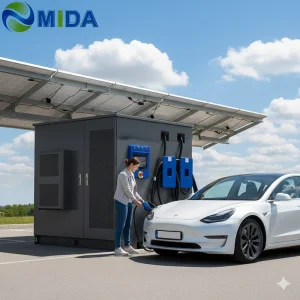
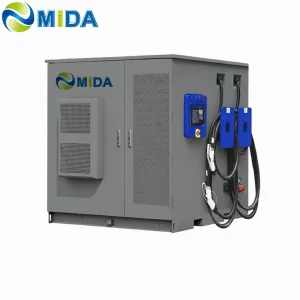
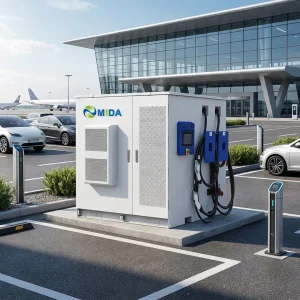
Additionally, grid limitations are driving the integration of battery buffer storage (BESS) directly into charging stations. Megawatt-level charging stations utilizing split-type architectures (up to 1440kW) depend heavily on dynamic load balancing, liquid-cooled dispensers, and intelligent energy management software to prevent local grid overloads. In this demanding scenario, sourcing components from vertically integrated suppliers capable of designing both the internal power modules, high-voltage cabling systems, and liquid-cooling modules is no longer just a cost-saving measure—it is a critical reliability strategy for global fleet operators and public utility providers.
China's dominance in the EV charging manufacturing sector is rooted in industrial cluster advantages and comprehensive vertical integration. Shanghai Mida Cable Group Ltd., through its specialized operating entities—Mida EV Power, Mida New Energy, and Mida Cable—demonstrates this ecosystem capability. Rather than acting as a simple assembler, Mida manages every stage of production, from raw high-flexibility copper drawing and terminal manufacturing to advanced PCB design, firmware programming, and full-cabinet assembly.
This deep vertical integration translates to direct engineering control over key failure points in high-power charging, such as thermal cycling in liquid-cooled connectors and high-voltage insulation in cables (spanning CCS1, CCS2, NACS, GBT, CHAdeMO, and the next-generation MCS standards). Backed by ISO 9001 and IATF 16949 quality management, Mida's automated production lines ensure that high-power charging modules (from 20kW up to 125kW) maintain uniform electrical parameters under harsh, multi-shift operating conditions. For global procurement teams, this localized component control reduces standard lead times, ensures stable pricing against raw material fluctuations, and speeds up international certifications, including CE, UL, CB, and TÜV.
Shanghai Mida Cable Group Ltd. operates through its wholly owned subsidiaries: Shanghai Mida EV Power Co., Ltd., Shenzhen Mida EV Power Co., Ltd., and Shanghai Mida New Energy Co., Ltd. This strategic allocation of R&D and production assets ensures Mida remains at the forefront of the e-mobility supply chain.
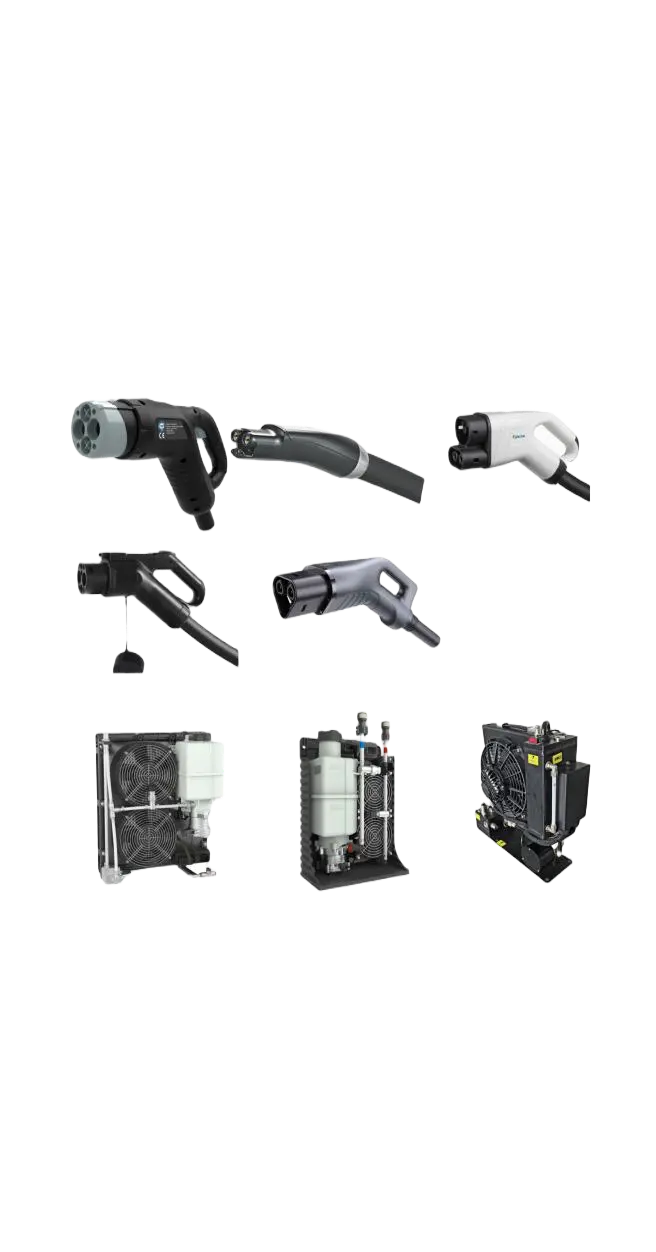
Mida Cable manufactures a comprehensive range of EV charging cables, including 16A–80A J1772 cables, 16A–63A IEC 62196-2 Type 2 cables, and heavy-duty DC fast charging cables: CCS1 (80A–500A), CCS2 (125A–1000A), CHAdeMO (125A–300A), GBT (200A–1000A), and NACS connectors (250A–600A).
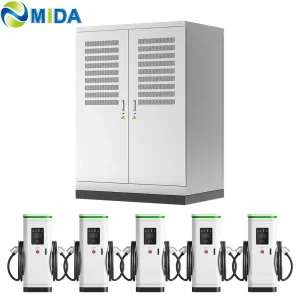
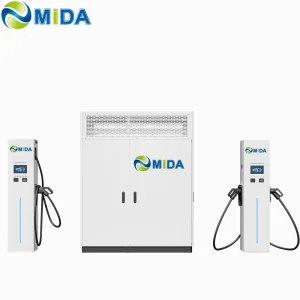
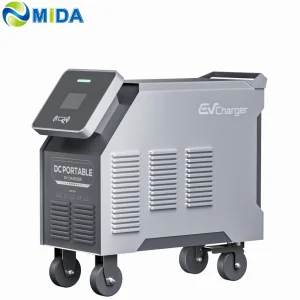
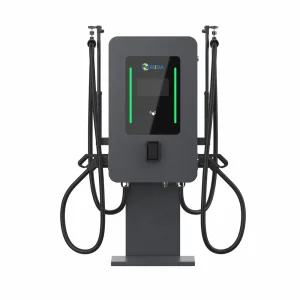
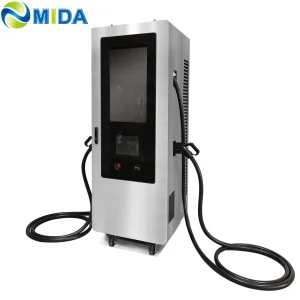
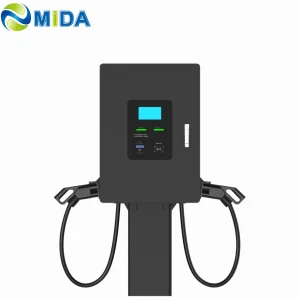
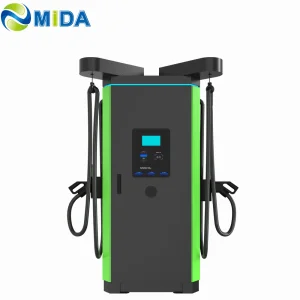
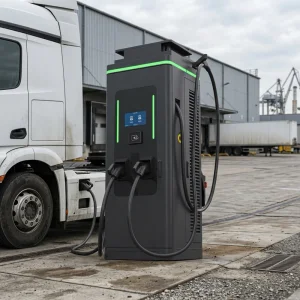
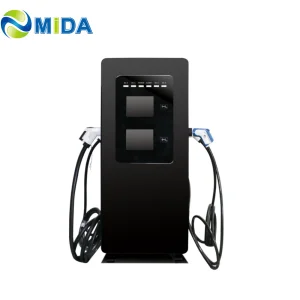
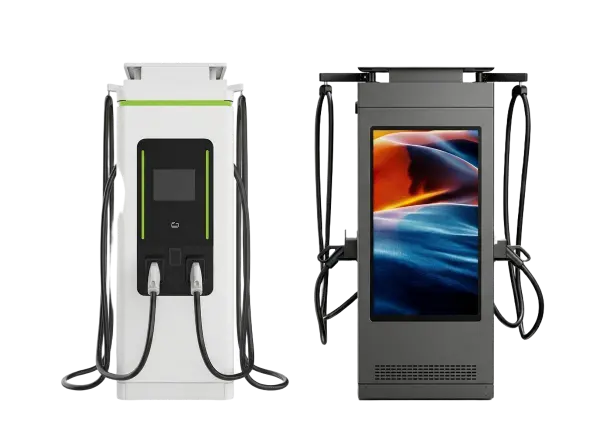
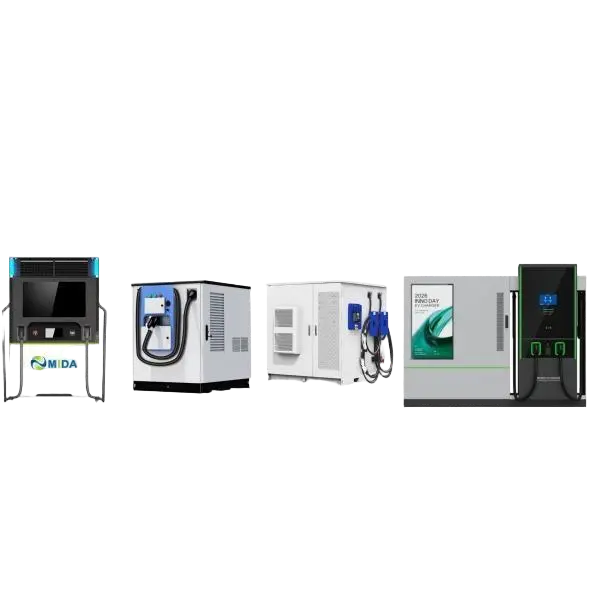
MIDA EV Power produces a full lineup of EV charging stations, such as 7kW–50kW mobile chargers, 3.6kW–7.2kW portable DC chargers, 360kW–1440kW split-type DC fast chargers, 20kW–50kW wall-mounted DC chargers, and 60kW–480kW floor-standing DC fast charging stations.
MIDA New Energy specializes in EV charger power modules, offering 20kW–60kW standard modules, 40kW–125kW liquid-cooled modules, 30kW–62.5kW bidirectional modules, and 20kW–45kW V2G charging modules.

Designed for advanced compatibility, scalability, and performance in harsh industrial and commercial applications.
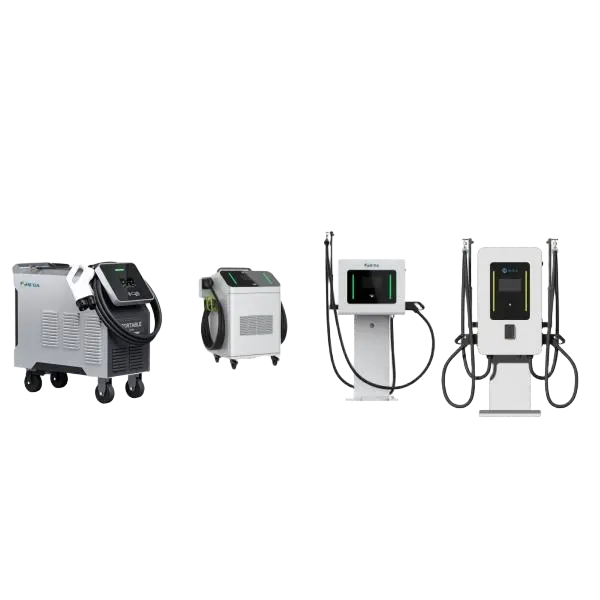
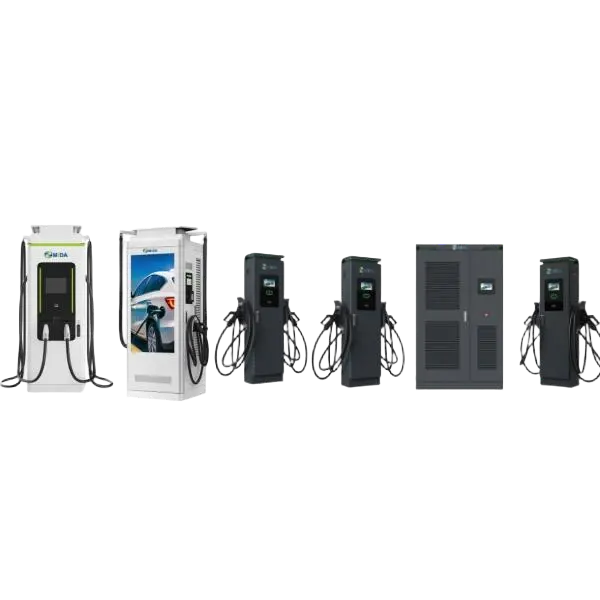
High power charging ranging from 60kW to 1440kW
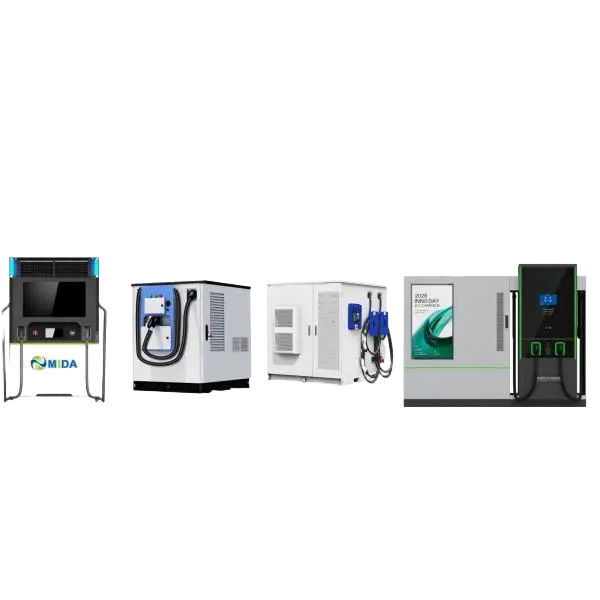
Smart storage capacities from 60kWh to 2MWh
Comprehensive breakdown of Mida's specialized engineering capabilities in power conversion, thermal systems, and high-voltage transmission.
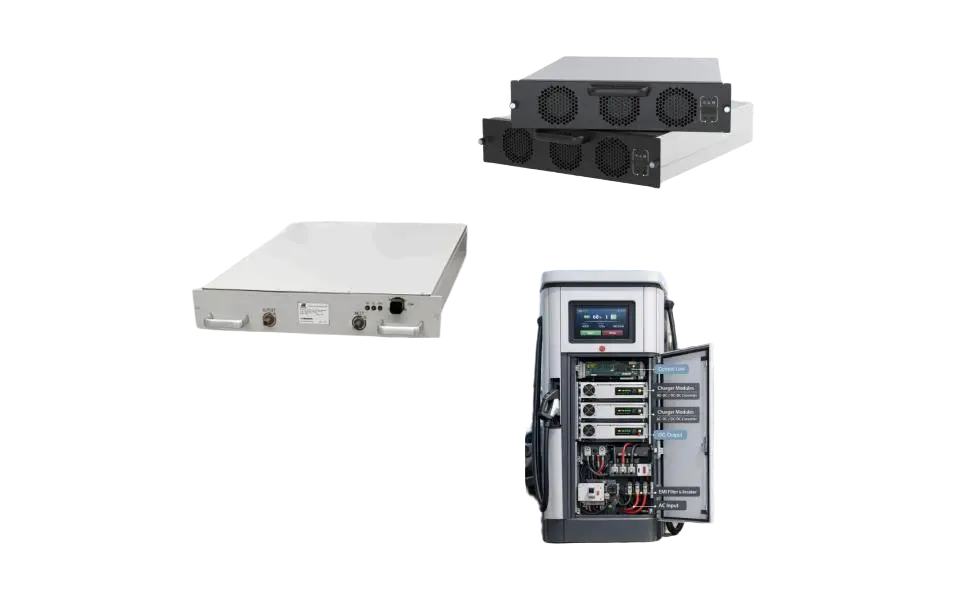
B2B procurement of high-power DC fast charging equipment involves navigating complex international standards. Equipment must comply with specific regional grid codes, safety directives, and communication protocols. Mida Group designs its hardware to meet OCPP 1.6J and OCPP 2.0.1 criteria. This ensures seamless integration with global charging network operators (CSMS), enabling remote diagnosis, firmware updates, dynamic pricing, and grid integration.
From an electrical safety standpoint, high-voltage installations must implement robust safety measures. These include residual current monitoring, short-circuit protection, over-temperature throttling, and type 2 surge protection. For vehicle-to-charger handshake protocols, Mida equipment natively complies with ISO 15118 (Plug & Charge) and DIN 70121 standards. This ensures high-power dispensing is safely managed via real-time PLC communication over the control pilot circuit, protecting the EV's high-voltage battery management system (BMS).
For fleet managers operating heavy-duty vehicles, regional public transit systems, or highway services, charger configurations must match the operational profile:
Expert technical insights regarding high-power DC charging systems, power modules, and infrastructure deployment.
Keep up with the latest technological developments and installation guidelines for heavy duty fleet operations.
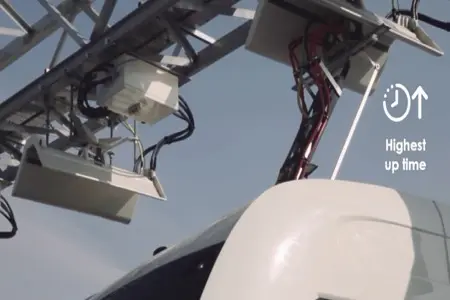
Providing heavy-duty, certified equipment built for robust performance and broad application compatibility.