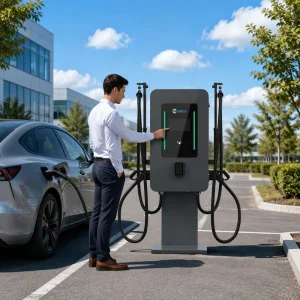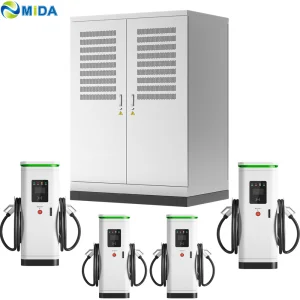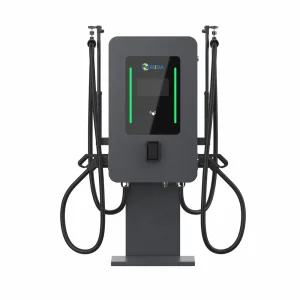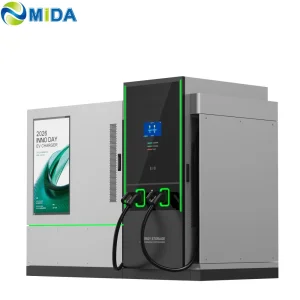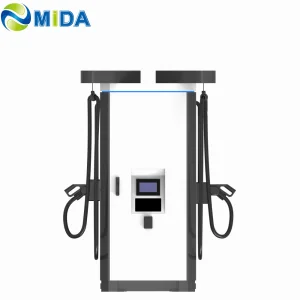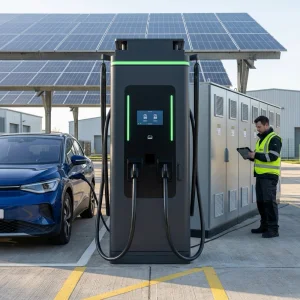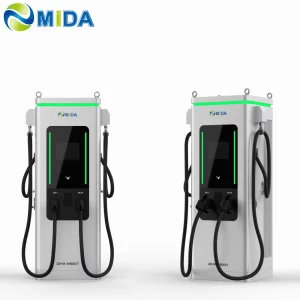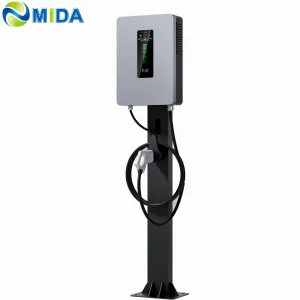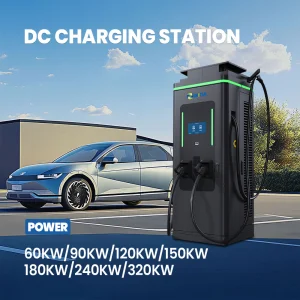
Explore our top industrial-grade fast chargers engineered for high uptime, modular power scaling, and multi-protocol global compatibility.
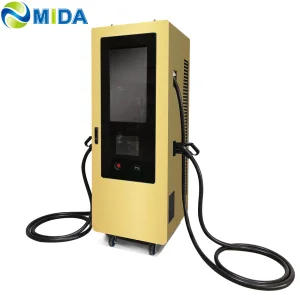
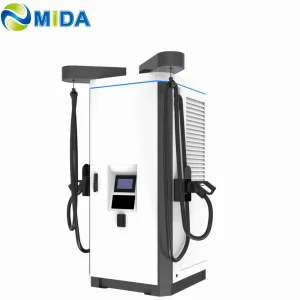
The electrification of global transportation networks demands a strategic shift toward high-power, reliable charging infrastructure. Fleet operators, charging point operators (CPOs), and municipal authorities are no longer seeking basic equipment; they require scalable DC fast charging systems that optimize total cost of ownership (TCO) and maximize uptime. In the current landscape, importing high-capacity DC electric vehicle chargers involves complex design integrations, microgrid synchronizations, and grid stability features.
Modern installations require support for open protocols such as OCPP 1.6J and the newer OCPP 2.0.1. These systems must also integrate seamlessly with localized hardware solutions like smart billing gateways and local grid operator control systems. Manufacturers must provide customizable solutions that can handle dynamic power sharing and adapt to real-time grid fluctuations. As high-power charging (HPC) installations scale, dynamic thermal management—including advanced liquid-cooled systems—has transitioned from an optional feature to an essential requirement to prevent thermal throttling and ensure optimal power delivery.
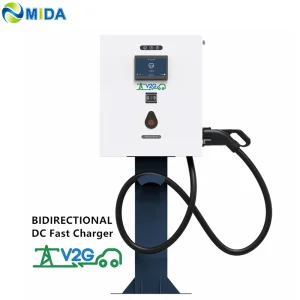
High-performance V2G (Vehicle-to-Grid) systems built with bidirectional active rectifiers, enabling real-time frequency stabilization, peak shaving, and clean grid feed-in.
Proprietary thermal cooling units designed to support high current output up to 1000A without overheating, drastically reducing cable weight and increasing efficiency.
Fully integrated systems covering CCS1, CCS2, CHAdeMO, GBT, and NACS, built to comply with UL, TÜV, CE, and local utility safety specifications.
At the heart of Shanghai Mida Cable Group’s technical ecosystem is our vertical integration model. By designing and manufacturing every component in-house—from raw conductors to digital power modules—we maintain complete control over performance, reliability, and cost. Our product line is divided into three specialized operational units:
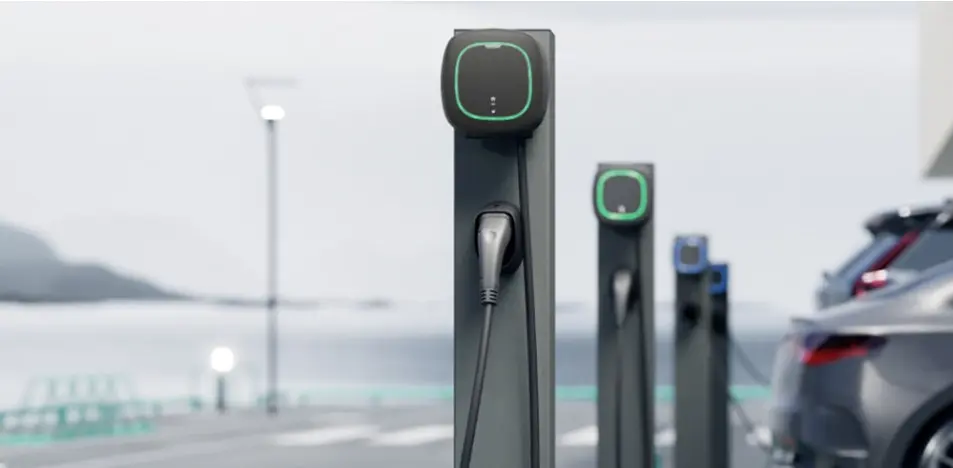
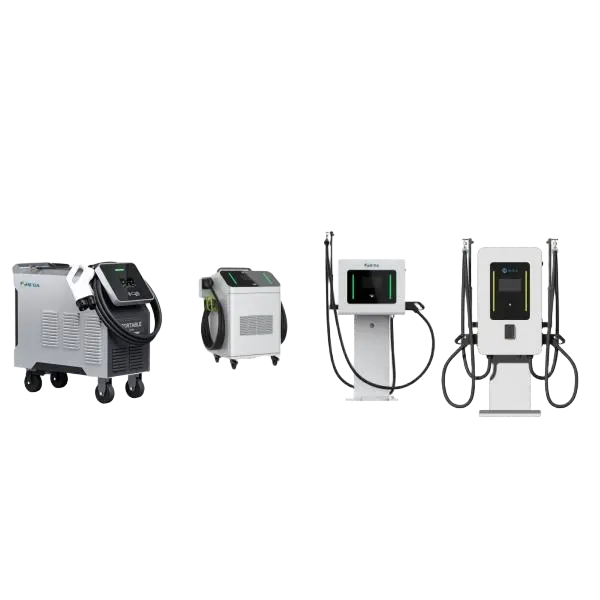
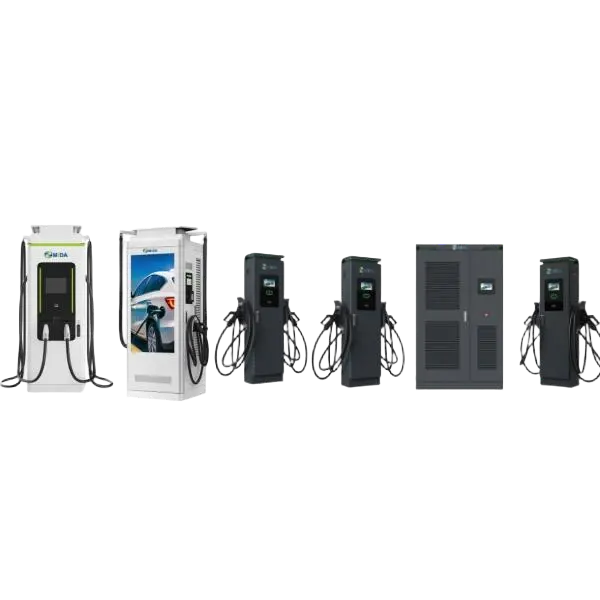
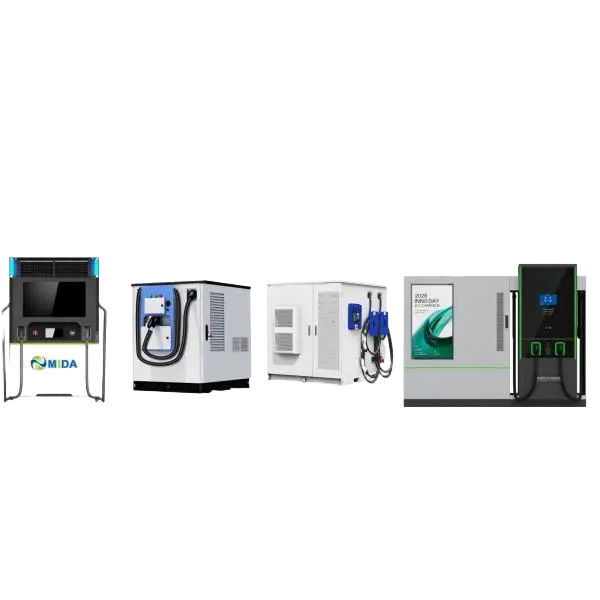
Our 40kW to 125kW liquid-cooled power modules operate in a fully sealed environment, isolating delicate electronics from dust, moisture, and corrosive airborne salts. This design achieves an operational life of over 10 years in harsh environments, reducing regular maintenance costs by up to 75% compared to air-cooled equivalents.
China's EV manufacturing ecosystem offers unique scale, vertical integration, and cost efficiencies. Our facilities in Shanghai and Shenzhen benefit from a complete localized supply chain, ensuring rapid sourcing of high-grade copper, advanced polymers, and specialized semiconductor components. This geographic and industrial integration enables MIDA to shorten production lead times and lower material costs, passing these efficiencies directly to our global clients.
Additionally, our high production volume allows us to conduct rigorous, multi-stage testing on every unit. From automated optical inspection (AOI) of PCB assemblies to full-load burn-in testing under simulated high-temperature conditions, we maintain strict quality control at every step. This reliable manufacturing process ensures our fast EV chargers deliver consistent, long-term performance in demanding public and commercial operations worldwide.
Enterprise procurement teams face distinct challenges when source-contracting bulk infrastructure equipment, including:
Deploying high-power DC systems requires strict adherence to local grid codes, including:
Shanghai Mida Cable Group Ltd. operates through its wholly owned subsidiaries: Shanghai Mida EV Power Co., Ltd., Shenzhen Mida EV Power Co., Ltd., and Shanghai Mida New Energy Co., Ltd. This corporate structure allows us to align cable manufacturing, power electronics engineering, and finished-product assembly into a single, unified workflow.
By designing and manufacturing every component—from raw copper conductors to digital power modules—we maintain complete control over quality and reliability. Our R&D division holds over 80 patents in electrical design, cooling mechanisms, and bidirectional power transfer, ensuring our systems meet the evolving technical requirements of CPOs and fleet operators worldwide.

Understanding the internal layout and engineering of DC charging piles is critical for system reliability. Our equipment is built using modular, industrial-grade components to simplify servicing and ensure high performance:
Get answers to technical and operational questions regarding DC fast charging engineering, standards compliance, and site design.
Liquid-cooled cables use an internal coolant circulation system to manage heat generated by high currents. This allows them to deliver up to 1000A through a thinner, lighter cable, making high-power charging systems easier to handle for everyday users while preventing thermal throttling.
Bidirectional V2G systems allow fleet operators to use vehicle batteries as mobile energy storage. By returning power to the grid during peak demand periods and recharging during off-peak hours, operators can reduce energy costs and support local grid stability.
Battery Energy Storage Systems (BESS) store energy slowly from low-capacity grid connections and discharge it rapidly when a vehicle connects. This allows operators to deploy high-power DC fast chargers in areas with limited grid infrastructure without requiring costly utility upgrades.
Our systems fully support OCPP 1.6J and OCPP 2.0.1, enabling integration with third-party software platforms for user authentication, remote monitoring, and dynamic load management.
Stay up to date with the latest technical discussions, product upgrades, and installation guides from our engineering team.
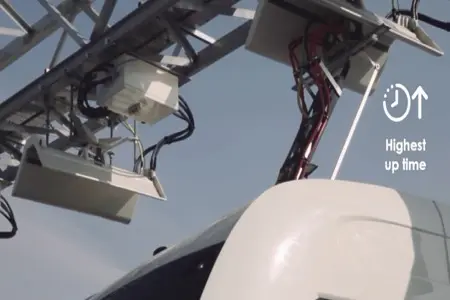
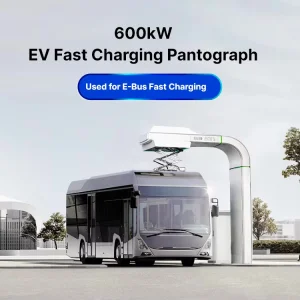
Unlike classic plug-in systems, pantograph chargers automate connection, supporting high-voltage fleet operations with minimal driver intervention.
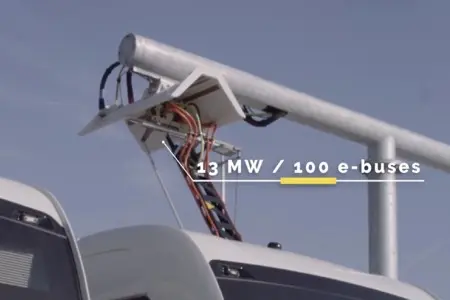
Charging times depend on battery capacity and output power. Standard heavy fleet systems can reach 80% charge in 10 to 30 minutes.
Detailed guide on structural alignment, grid integration, and safety commissioning for overhead urban transit pantograph installations.
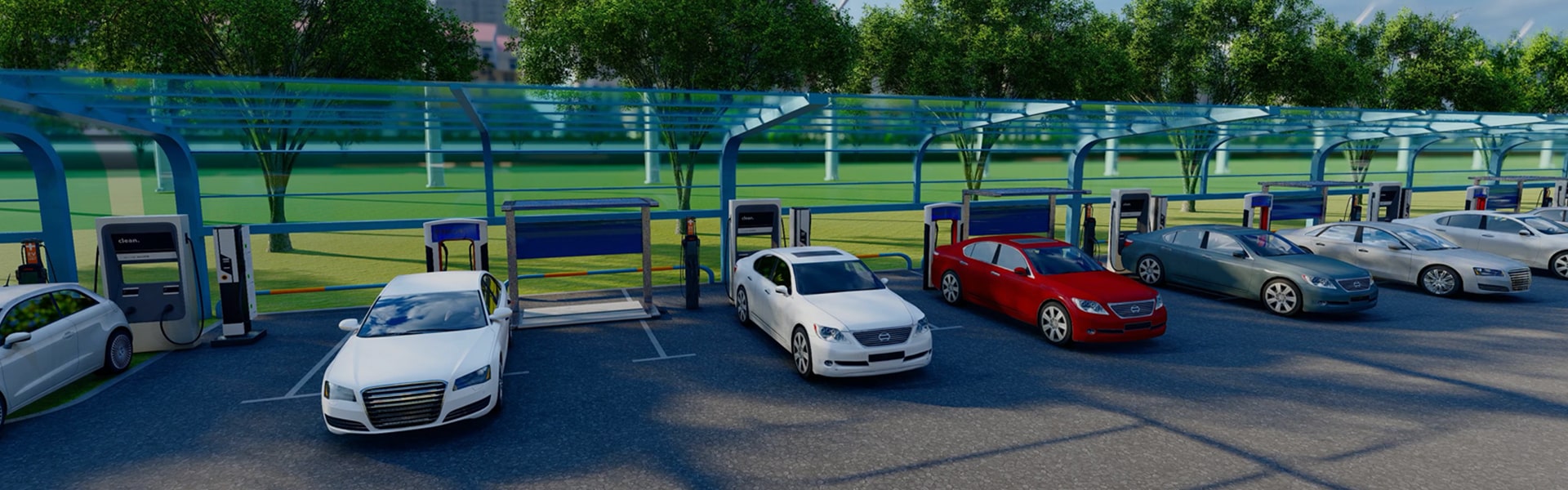
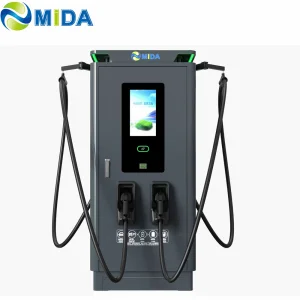
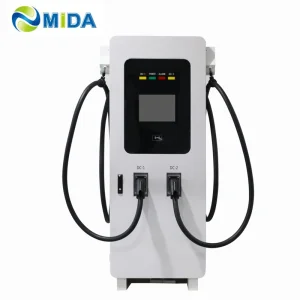
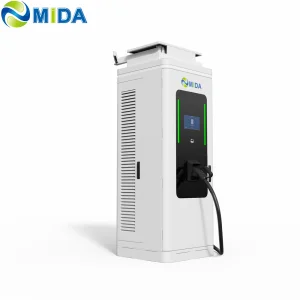
Explore our high-power charging portfolio, featuring modular power units, liquid-cooled dispensers, and battery-buffered systems.