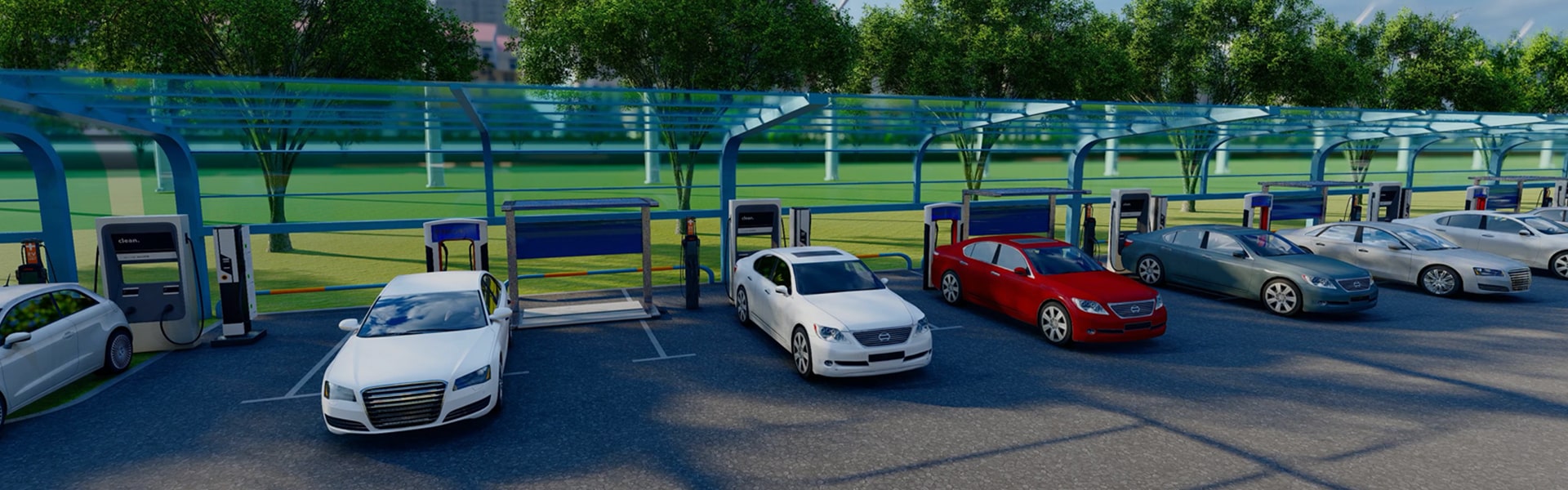
Explore our certified industrial DC quick chargers, portable dispatch systems, and microgrid integrated charger piles.
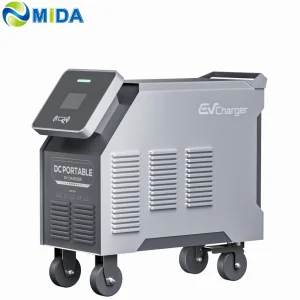
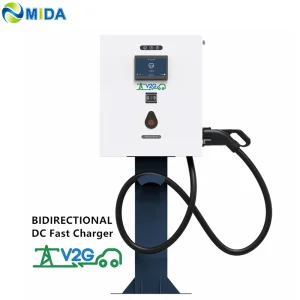
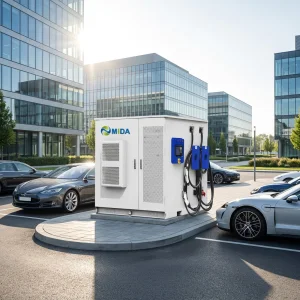
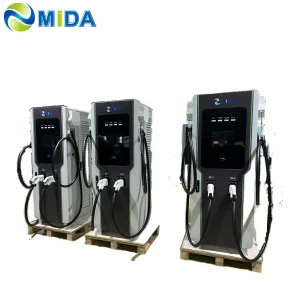
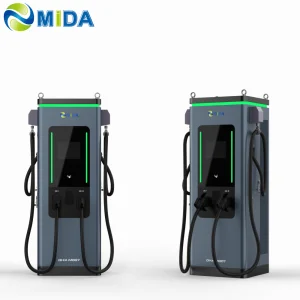
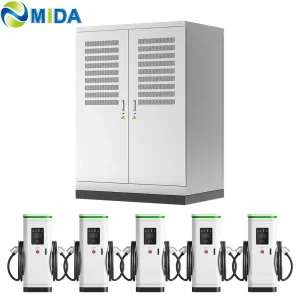
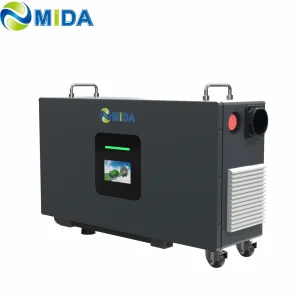
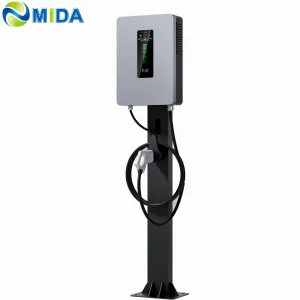
The global EV transition has entered a mature stage where overnight slow AC charging is no longer sufficient to sustain logistical and mass-market transport fleets. As regional transit systems, corporate hubs, and distribution networks shift towards complete electrification, the demand for 240kW DC EV Chargers has surged exponentially. The 240kW threshold is widely recognized by electrical consultants and utility companies as the ideal equilibrium point, maximizing throughput without initiating cost-prohibitive grid transformer retrofits.
A 240kW charging station utilizing advanced dynamic power allocation can deliver up to 100km of range in under 6 minutes to vehicles equipped with 800V class architecture. This throughput directly impacts the operational profitability of fleet operators.
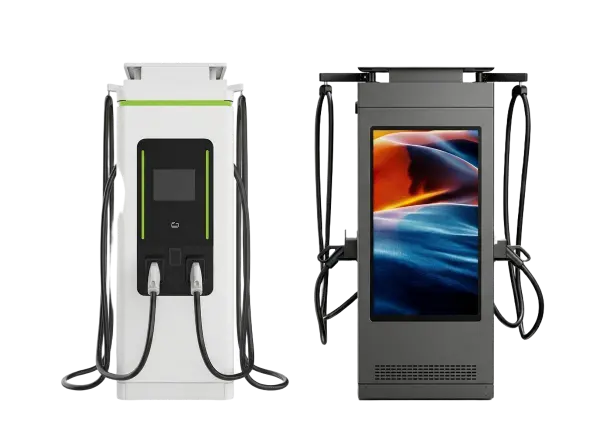
In high-traffic urban corridors and regional highways, a 240kW charging system solves the classic layout puzzle: it is capable of split configurations, sharing load dynamically between dual output plugs (120kW x 2) to charge two vehicles simultaneously, or routing full output to a single vehicle requiring hyper-fast top-offs. This adaptability minimizes wait times and improves charger utilisation metrics, ensuring commercial charging networks recover CAPEX rapidly.
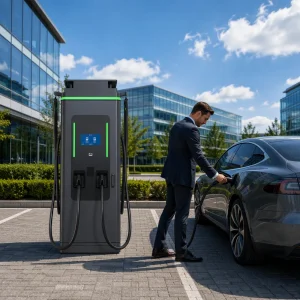
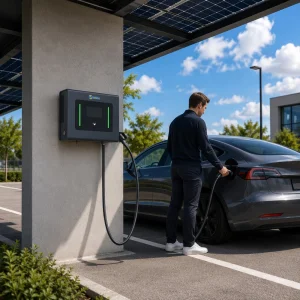
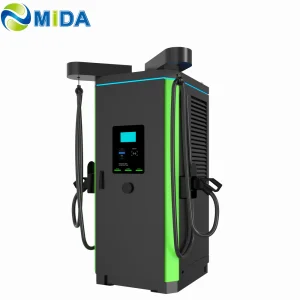
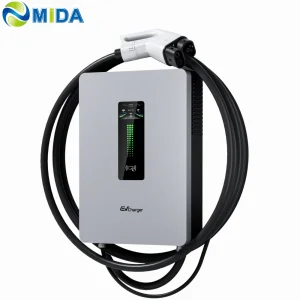
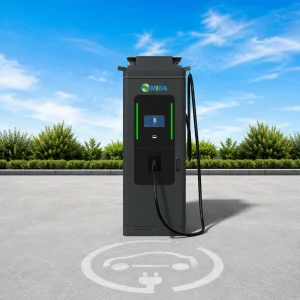
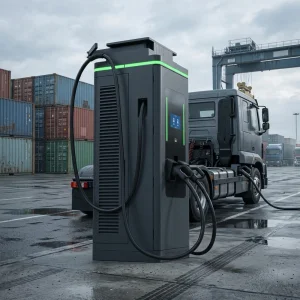
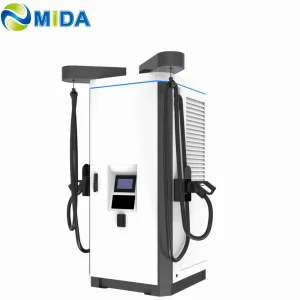
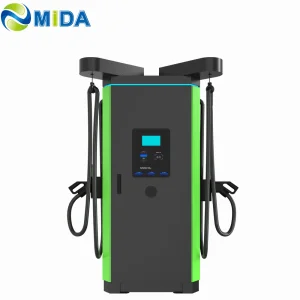
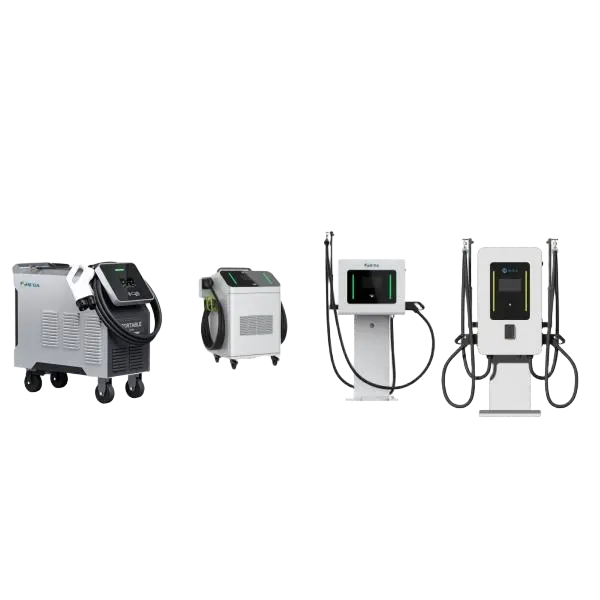
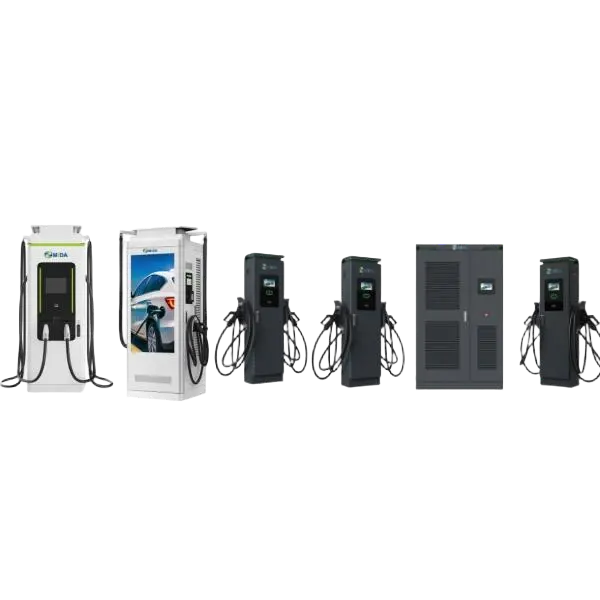
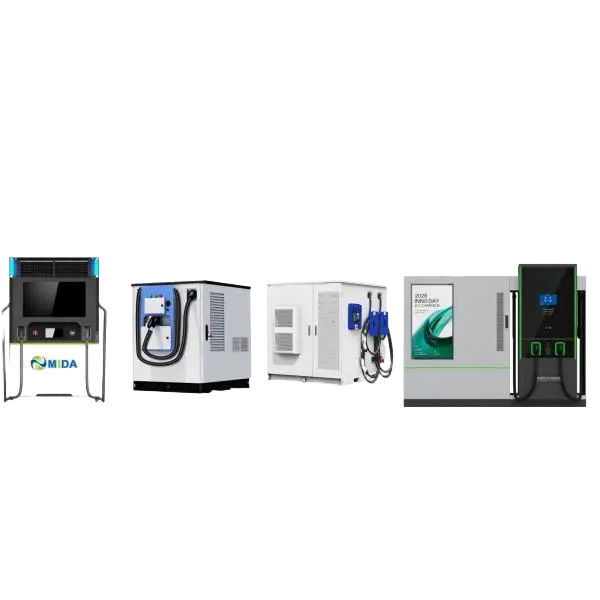
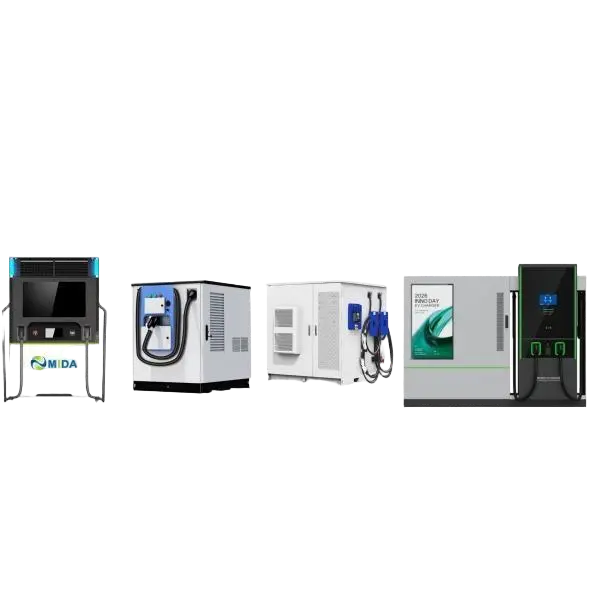
Different installation sites dictate varied form factors. Review the primary hardware structures engineered by MIDA Group.
Purchasing capital equipment like a 240kW DC charging station requires trust in product longevity, thermal performance under load, and unit economics. China EV charger manufacturers have achieved global cost and engineering efficiency leadership, driven by a highly concentrated industrial supply chain cluster in regions like Shanghai and Shenzhen. This structural ecosystem allows manufacturers to access components—ranging from high-power conversion modules and heavy-duty cabling to microcontrollers and advanced liquid cooling blocks—within a tight physical radius.
This localized layout shortens iteration cycles and dramatically reduces the cost of raw materials. Unlike fragmented supply chains in other regions, Chinese manufacturers benefit from mature sub-tier contractors specialized in copper drawing (for charging cables), high-grade electromagnetic component winders (for transformers), and specialized semiconductor packaging houses. By amortizing R&D costs over massive production volumes, Chinese manufacturers pass on substantial CAPEX savings to international buyers without compromising structural design safety or certification standards.
Furthermore, China’s industrial automation capabilities ensure that advanced QC procedures, such as automatic optical inspection (AOI), full-load burn-in chambers, and automated testing benches, are integrated natively into the assembly line. This rigorous framework delivers consistency, lowering the infant mortality rate of complex power electronics in the field.
Shanghai Mida Cable Group Ltd. operates through its wholly owned subsidiaries: Shanghai Mida EV Power Co., Ltd., Shenzhen Mida EV Power Co., Ltd., and Shanghai Mida New Energy Co., Ltd.
Mida Cable manufactures a comprehensive range of EV charging cables, including 16A–80A J1772 cables, 16A–63A IEC 62196-2 Type 2 cables, and DC fast charging cables: CCS1 (80A–500A), CCS2 (125A–1000A), CHAdeMO (125A–300A), GBT (200A–1000A), and NACS connectors (250A–600A).
MIDA EV Power produces a full lineup of EV charging stations, such as 7kW–50kW mobile chargers, 3.6kW–7.2kW portable DC chargers, 360kW–1440kW split-type DC fast chargers, 20kW–50kW wall-mounted DC chargers, and 60kW–480kW floor-standing DC fast charging stations.
MIDA New Energy specializes in EV charger power modules, offering 20kW–60kW standard modules, 40kW–125kW liquid-cooled modules, 30kW–62.5kW bidirectional modules, and 20kW–45kW V2G charging modules.

Evaluating real-world configurations illustrates why 240kW chargers serve as utility-grade assets across diverse applications:
Logistics fleets operate under tight schedules where delivery vans and short-haul trucks cannot afford long dwell times. Strategically locating a 240kW DC Fast Charger allows quick charging during driver breaks. By applying dual-connector dynamic power sharing, fleet managers can top up two delivery vans at 120kW simultaneously, matching the vehicles' maximum onboard DC intake limits and doubling station utility.
Highway rest stops face high-volume, erratic demand. Drivers expect reliable, lightning-fast charging. Implementing 240kW stations provides the flexibility needed to service older EV models (maxing out at 50kW-100kW) alongside next-generation long-range EVs capable of drawing more than 200kW. This adaptability prevents queue bottlenecks.
Integrating BESS and solar arrays with a 240kW station creates a green microgrid. Commercial properties use localized energy storage to buffer high-power draws, avoiding peak-demand charges from utilities and lowering overall operating costs.
Mida Group manufactures high-performance parts and complete charging assemblies. Review our core technical capabilities.
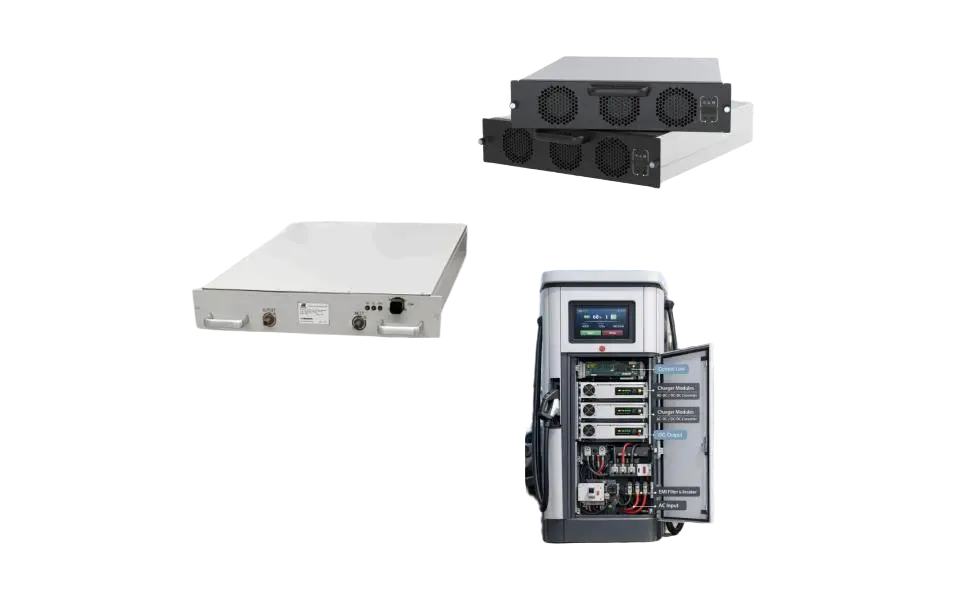
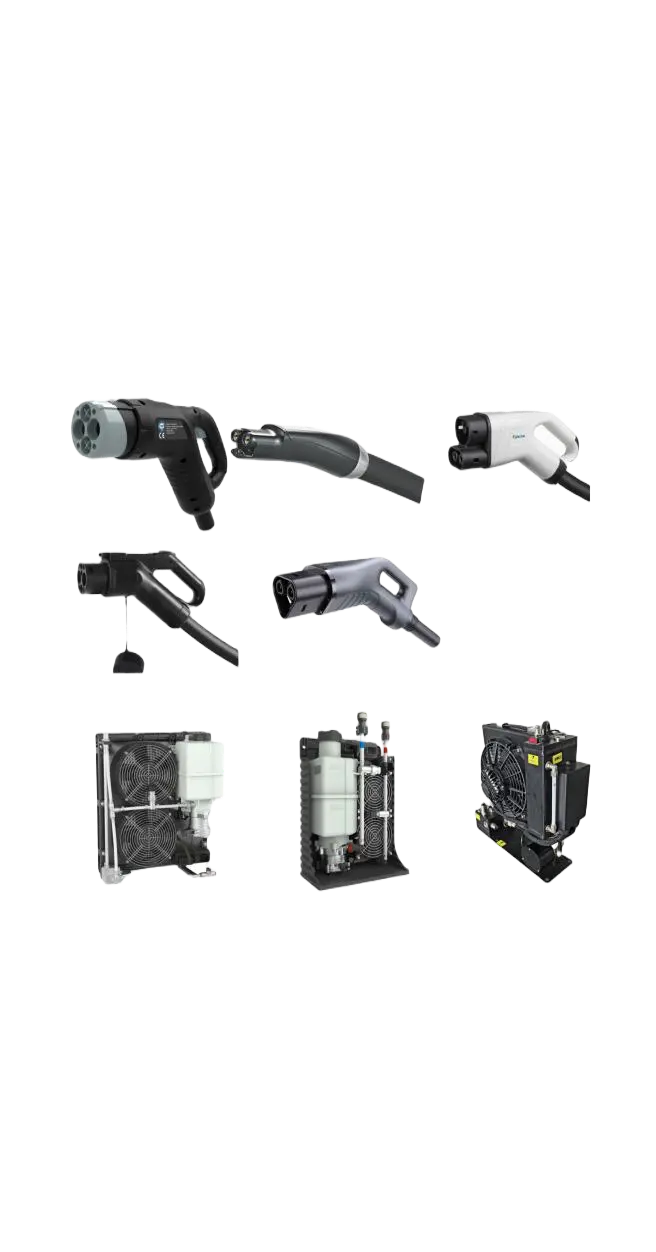
The high-power DC charging sector is shifting from basic energy distribution to complex, grid-interactive energy management. For charging systems rated at 240kW and above, operating with high-voltage currents creates significant thermal loads. Traditional forced-air cooling methods struggle to manage heat in confined spaces, leading to thermal de-rating during summer peaks. To address this, current designs utilize liquid-cooled charging cables and dynamic module management, allowing continuous 240kW output across a wide ambient temperature range.
Simultaneously, the deployment of Vehicle-to-Grid (V2G) technology transforms EVs from simple loads into mobile energy storage assets. Incorporating bidirectional DC-DC conversion units allows fleet depots using 240kW stations to discharge connected vehicles during peak electricity pricing, sending power back to the grid or offset depot demand. This V2G capability facilitates high-value peak shaving services, generating new revenue streams for commercial vehicle operators.
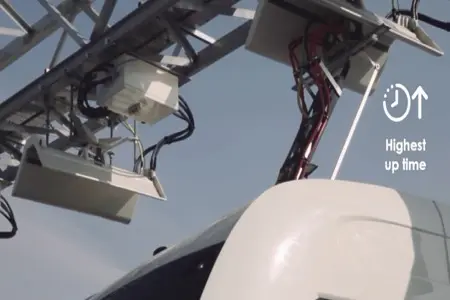
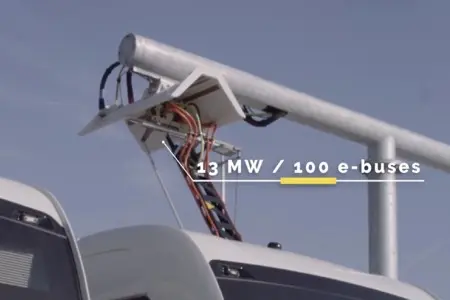
Explore our engineering articles covering pantograph designs, fast bus charging, and installation blueprints.
Procuring high-voltage power converters from Chinese suppliers requires careful alignment with regional grid codes, electromagnetic compatibility (EMC) regulations, and fire safety protocols. A 240kW station operates at high currents, making compliance with international standards critical for legal installation and insurance validation.
Enterprise procurement teams should verify that prospective systems are certified to local standards. These include CE marking for Europe (complying with EN 61851-1 and EN 61851-23), ETL/UL listing for North America (UL 2231 and UL 2202), and specific national grid connection codes. System safety depends on built-in protection features like residual current monitoring (RCD Type B), output short circuit protection, overtemperature sensor feedback loop shutdowns, and insulation monitors. These features prevent high-voltage hazards and protect the vehicle's battery pack.
Key technical considerations when selecting and deploying 240kW DC charging systems.
Explore our complete product catalog, featuring customizable dual-port stations, mobile chargers, and high-voltage modules.