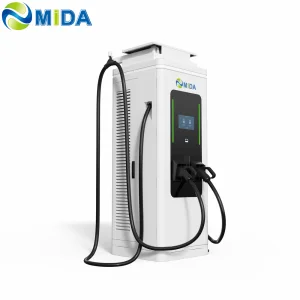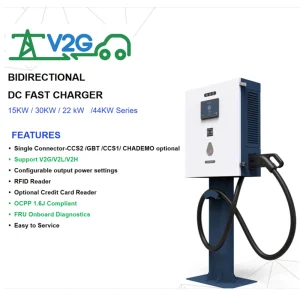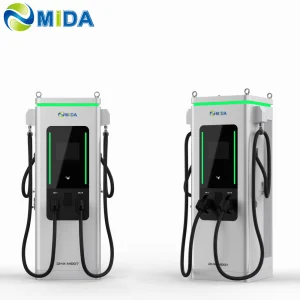
Explore our premium grade DC fast chargers designed for scalable performance, reliable power delivery, and smart operations.
Analyzing the sweet spot of commercial vehicle infrastructure, operational efficiencies, and dynamic fleet charging demand.
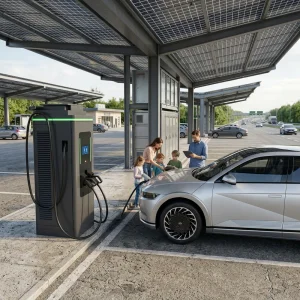
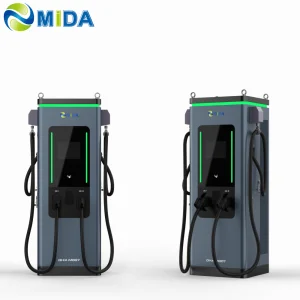
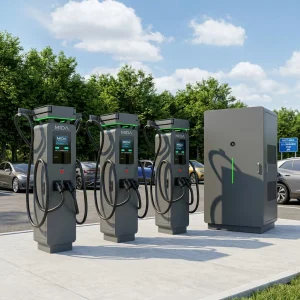
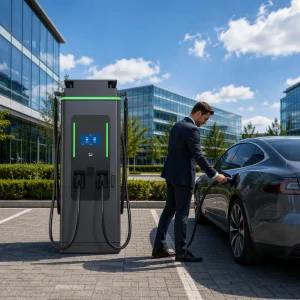
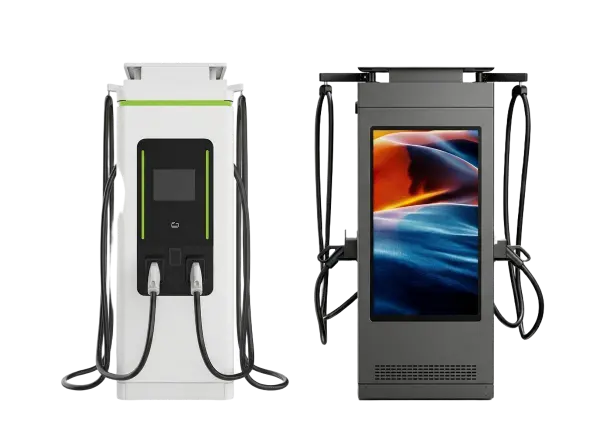
As fleet electrification accelerates globally, commercial operators, highway plazas, and municipality transit depots require a highly efficient charging balance. While ultra-fast liquid-cooled stations exceeding 350kW service luxury passenger cars with high-voltage architectures, the 180kW DC EV Charger serves as the sweet spot for commercial, workplace, and public fleet operations. A 180kW system delivers enough power density to charge a standard electric bus or utility delivery van to 80% state of charge (SoC) within 20 to 45 minutes, while staying within the limits of moderate grid connections without triggering prohibitive transformer upgrades.
Additionally, 180kW chargers are usually engineered around dynamic modular power distribution. By stacking multiple 30kW or 40kW high-efficiency power modules inside a single cabinet, operators can distribute load power dynamically. For instance, charging a single vehicle at 180kW or dynamically balancing two vehicles simultaneously at 90kW each. This drastically improves charger utilization metrics, reduces queuing times, and maximizes the return on investment (ROI) for Charge Point Operators (CPOs).
Shanghai Mida Cable Group Ltd. operates through its wholly owned subsidiaries: Shanghai Mida EV Power Co., Ltd., Shenzhen Mida EV Power Co., Ltd., and Shanghai Mida New Energy Co., Ltd.
Our integrated ecosystem ensures complete quality control over the EV charging path: from highly durable copper cables to heavy-duty power conversion modules and fully integrated intelligent charging units.

Continuous Rated Power Output
Module Power Efficiency
Maximum Charging Voltage
Latest Protocol Integration
Comprehensive systems engineered to resolve grid constraints, vehicle variety, and commercial monetization challenges.
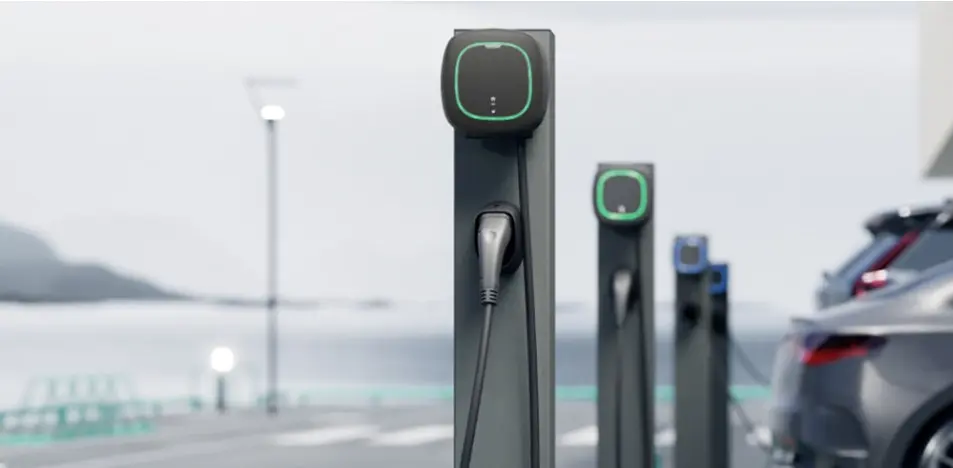
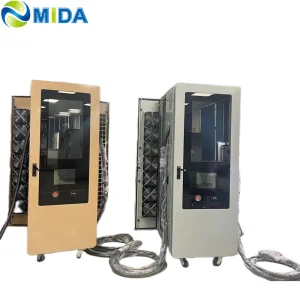
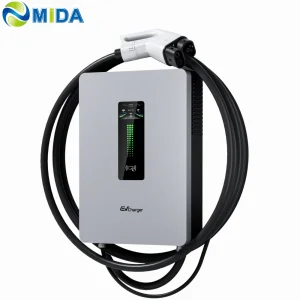
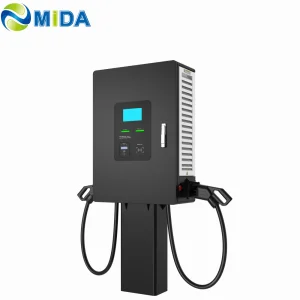
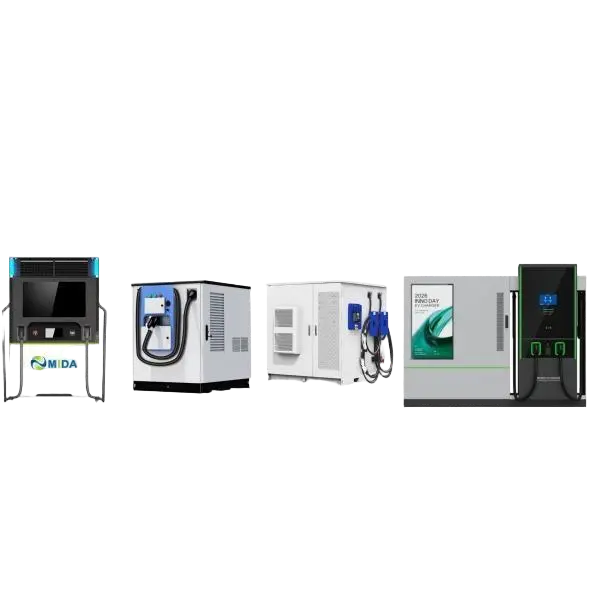
Power Range: 7kW | 20kW | 30kW | 40kW | 60kW | 80kW
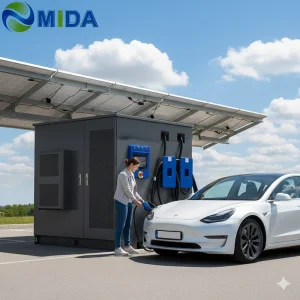
Designed for space-constrained locations and dynamic roadside assistance fleets, ensuring reliable DC power on demand.
View More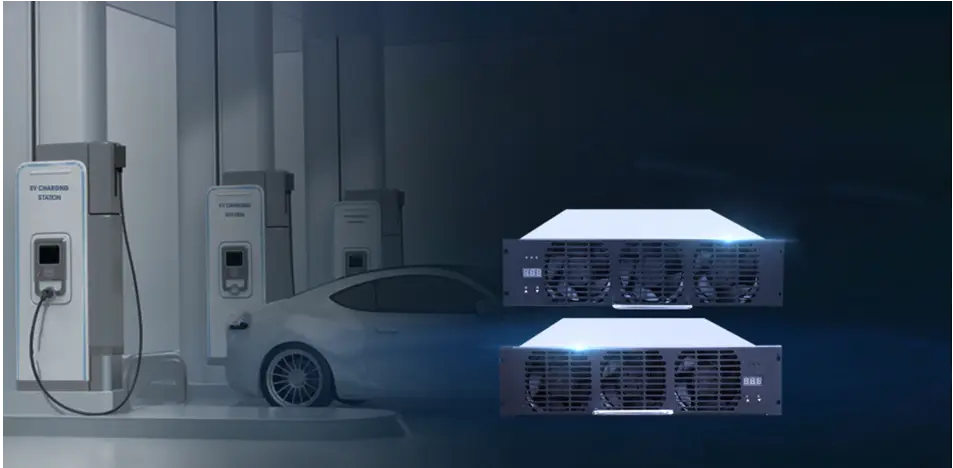
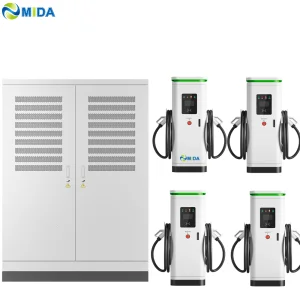
Power Range: 60kW-480kW | 360kW-1440kW
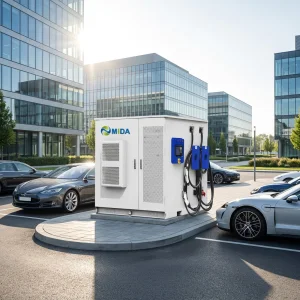
High-voltage public infrastructure cabinets supporting multiple standard dispensers and advanced cooling technologies.
View More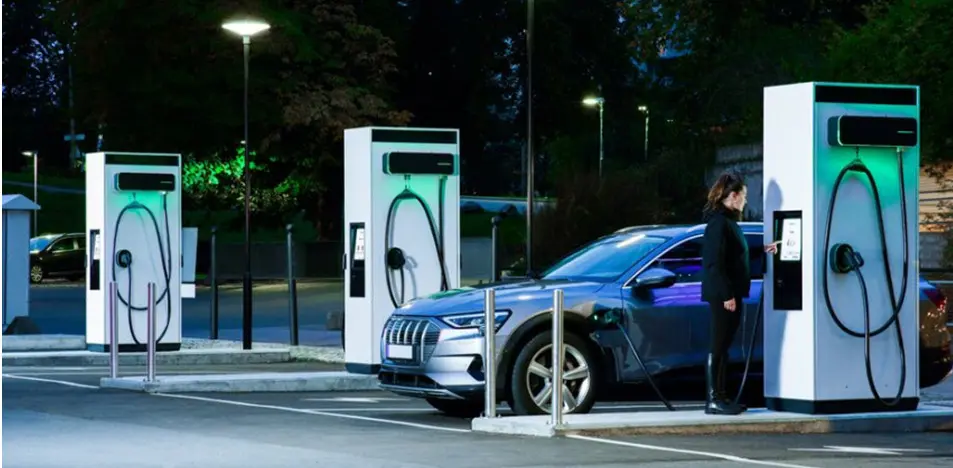
Capacity Range: 60kWh | 261kWh | 418kWh | 625kWh | 2MkWh
Battery Energy Storage Systems designed to support high-power EV charging under constrained local grids.
View MoreExplore our deep integration matrix spanning from advanced silicon-carbide power modules to high-capacity energy storage combinations.
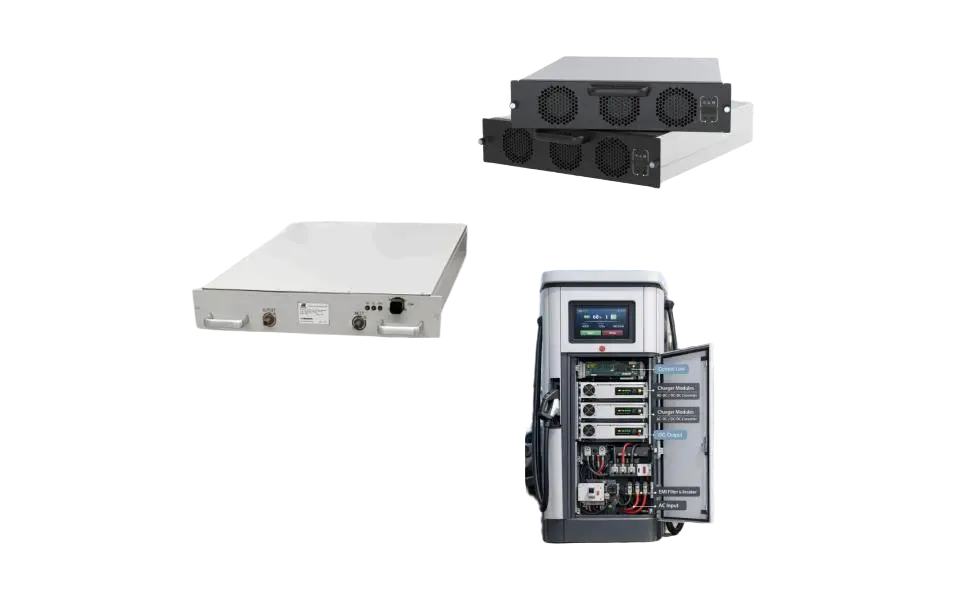
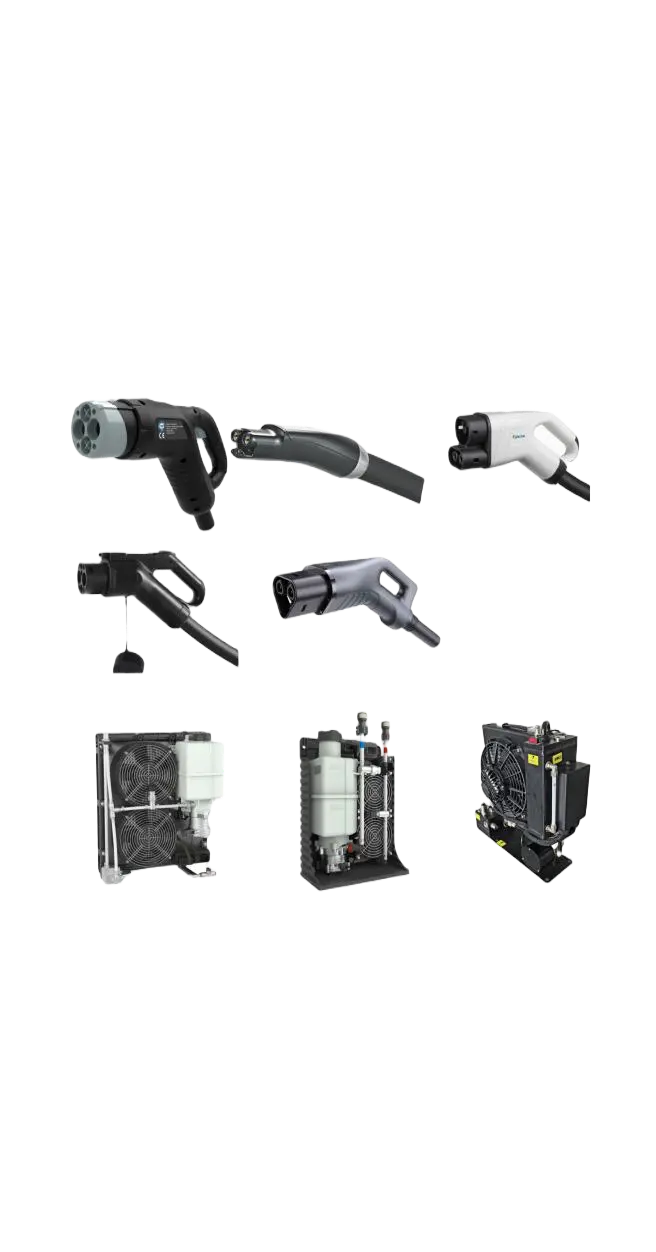
Why sourcing from leading Chinese factories ensures optimized capital expenditure and industry-leading design durability.
From primary copper draw for internal power cables to custom-molded connector housings and power module software design, our in-house control guarantees high quality and zero third-party delay markups.
Located in the heart of Shenzhen and Shanghai high-tech clusters, we easily secure automotive-grade semiconductors, dynamic relays, and digital screen assemblies, dramatically shrinking product lead times.
By supplying equipment to major global markets (Europe, North America, Middle East, Southeast Asia), our volume-based production lines lower overall bill-of-materials costs without sacrificing build safety.
Understanding real-world deployment challenges and the evolutionary pathway of 180kW fast chargers.
The implementation of a 180kW DC station varies based on regional infrastructure challenges:
We believe the next generation of DC charging will focus on three key advancements:
Certifications, localized compliance guarantees, and open-platform management integration.
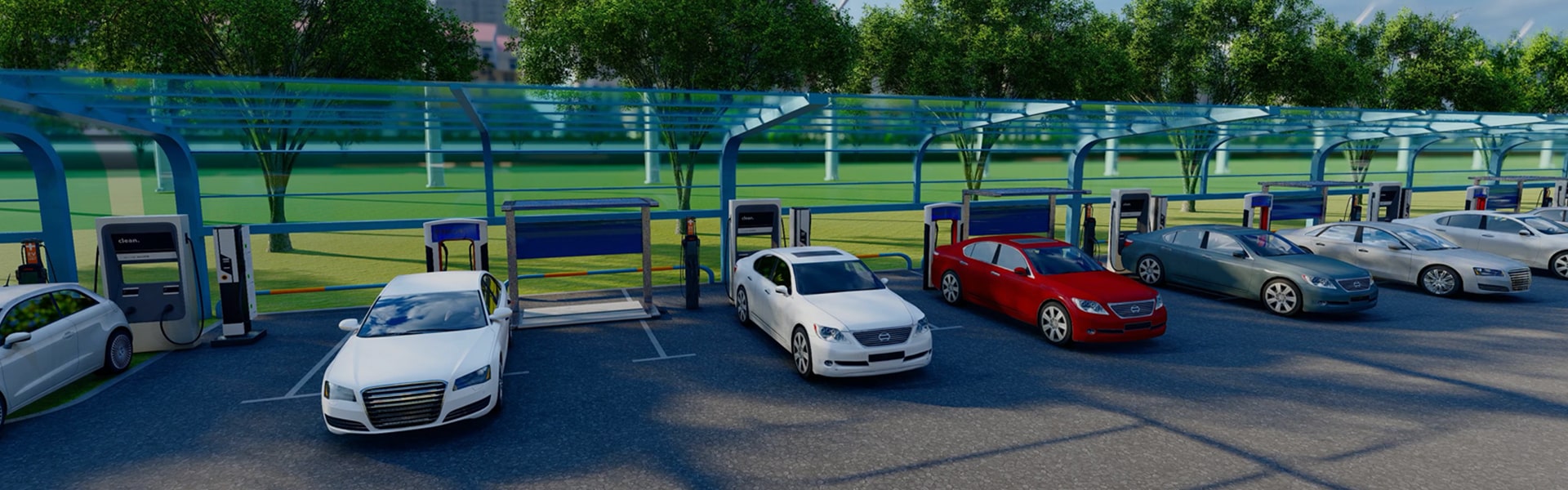
Deploying public charging equipment demands compliance with local utility standards and safety codes. Our chargers undergo strict independent testing to guarantee compliance with regional requirements:
Common technical, engineering, and purchase queries resolved by our product engineers.
Yes. Our 180kW DC EV fast chargers feature dynamic power allocation. The cabinet detects demand and routes power modules in increments of 30kW or 40kW. If two cars are connected, it balances the output dynamically based on their battery management systems (BMS) and limits.
350kW+ ultra-fast chargers require significant grid capacity, often necessitating new high-voltage transformers and incurring high utility demand fees. A 180kW system provides an ideal balance: it charges commercial delivery vans and regional trucks within acceptable delivery turnaround times while avoiding high grid upgrade costs.
Our stations carry UL/ETL certifications for the North American market, CE approval for Europe, and comply with OCPP 1.6J and OCPP 2.0.1 protocols. This ensures easy registration, utility approval, and billing network integration.
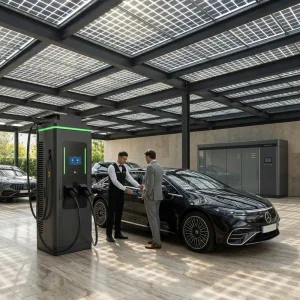
Our solar DC EV charging stations utilize a hybrid solar MPPT interface. Power generated from solar panels charges our integrated BESS batteries. The stored energy can then discharge at 180kW to charge vehicles, reducing grid load during peak periods.
We manufacture 180kW DC stations with integrated 43-inch and 55-inch high-brightness LCD screens. Running on an Android platform, these screens connect to digital ad networks via Wi-Fi or 4G LTE, allowing CPOs to display ads and generate secondary revenue streams.
Insights into our ongoing transit engineering and advanced city-bus charging projects.

What are the advantages of an e-bus pantograph dome? In contrast to classic plug-in charging systems, e-bus pantograph systems allow automated overhead connection, delivering higher power and automatic alignments during short stops.
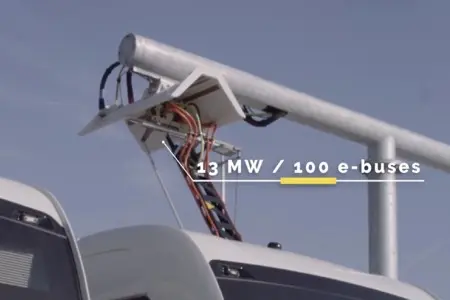
How long does it take to charge with an e-bus pantograph? The charging time depends on the battery capacity and the station output, typically delivering full top-ups within 5 to 15 minutes during route breaks.
How to Install the Pantograph Up Charger System Dome for Electric Bus. Detailed installation guidelines, structural requirements, grid protection mechanisms, and safety compliance checks.
Explore our industrial range of high-capacity DC chargers and battery-buffered systems.