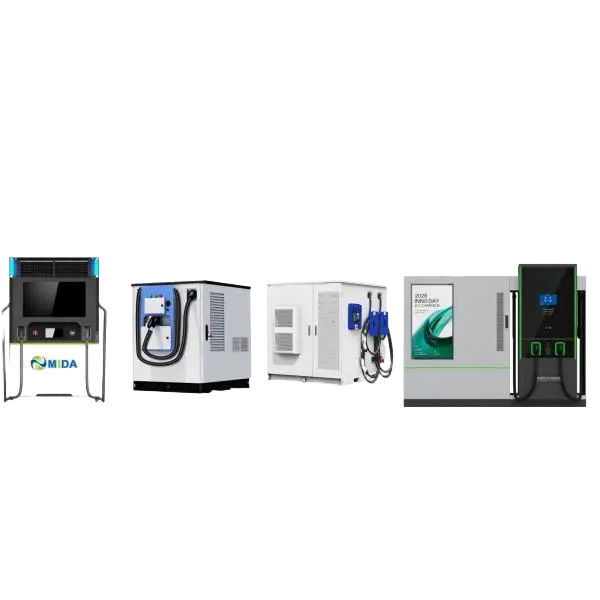
Explore our high-power DC systems, smart storage integration, and liquid-cooled chargers built for reliability.
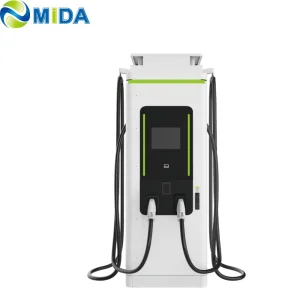
Analysis of high-power charging infrastructure, supply chain dynamics, and localized regulatory compliance.
As the global automotive sector reaches an inflection point in electric vehicle (EV) adoption, the demand for resilient, high-capacity direct current fast charging (DCFC) infrastructure has scaled from a niche requirement to a macro-critical utility. Central to this paradigm shift is the Combined Charging System (CCS) standard. Designed to deliver efficient, safe, and standardized power distribution across passenger and heavy-duty vehicles, CCS (comprising CCS1 for North America and CCS2 for Europe and other global regions) requires sophisticated engineering and rigorous manufacturing precision. To meet the stringent demands of global charge point operators (CPOs), fleet operators, and industrial buyers, partnering with a premier Chinese CCS charging station manufacturer provides access to unmatched technological innovation and vertically integrated supply chains.
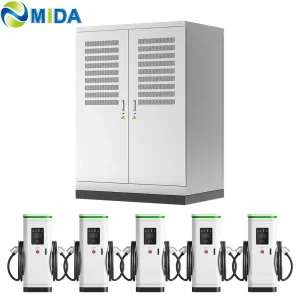
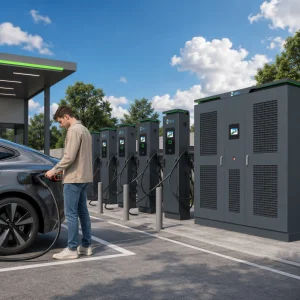
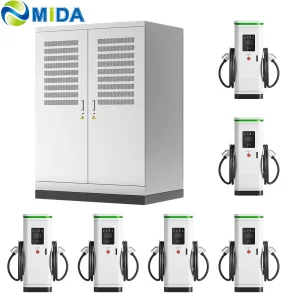
In ultra-high-power applications, standard cooling methodologies reach physical thresholds. Modern DC fast charging now relies on liquid-cooled cables and split-matrix configurations. By isolating the power modules from the user-facing dispenser, CPOs can scale their facilities seamlessly up to 1200 kW without increasing the physical footprint at the dispenser bay.
Achieving rapid power delivery requires minimizing energy losses during the AC-to-DC conversion process. Our advanced manufacturing integrates Silicon Carbide (SiC) MOSFETs into standard 20kW, 30kW, 40kW, and 60kW power modules. Compared to legacy Silicon-based IGBTs, SiC technology offers higher thermal conductivity, faster switching frequencies, and reduced power loss, pushing the overall system efficiency beyond 96.5%. For Megawatt Charging Systems (MCS) and heavy-duty logistics hubs, liquid-cooled technology is implemented directly inside both the power stack and the connector. Liquid-cooled cables (rated for 500A to 1000A) allow for thinner, lighter, and more flexible cables that improve user handling while preventing thermal runaway during continuous high-current sessions.
A vertically integrated powerhouse pioneering electric vehicle infrastructure and cable technology globally.
Shanghai Mida Cable Group Ltd. operates through its wholly owned subsidiaries: Shanghai Mida EV Power Co., Ltd., Shenzhen Mida EV Power Co., Ltd., and Shanghai Mida New Energy Co., Ltd. This unique multi-entity alignment allows us to design and manufacture components across the entire value chain, from raw copper cables to advanced power electronics and complete microgrid-integrated charging stations.
Mida Cable manufactures a comprehensive range of EV charging cables, including 16A–80A J1772 cables, 16A–63A IEC 62196-2 Type 2 cables, and DC fast charging cables: CCS1 (80A–500A), CCS2 (125A–1000A), CHAdeMO (125A–300A), GBT (200A–1000A), and NACS connectors (250A–600A).
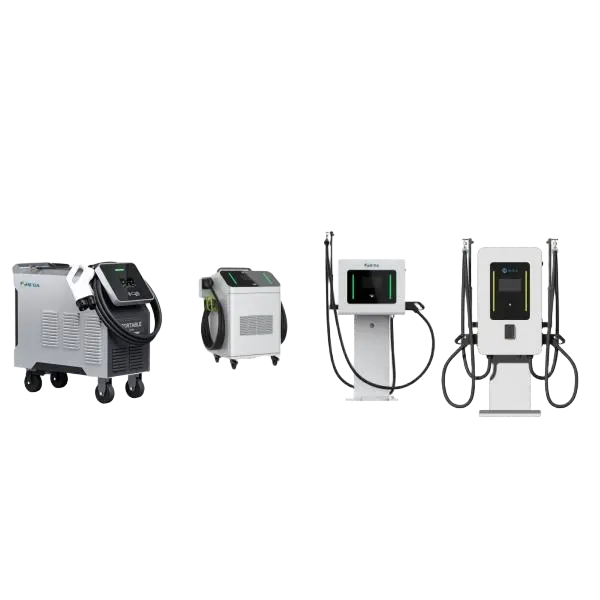
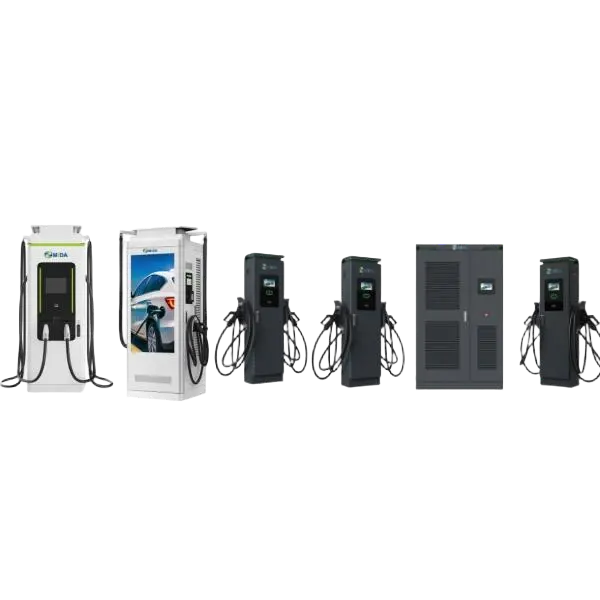
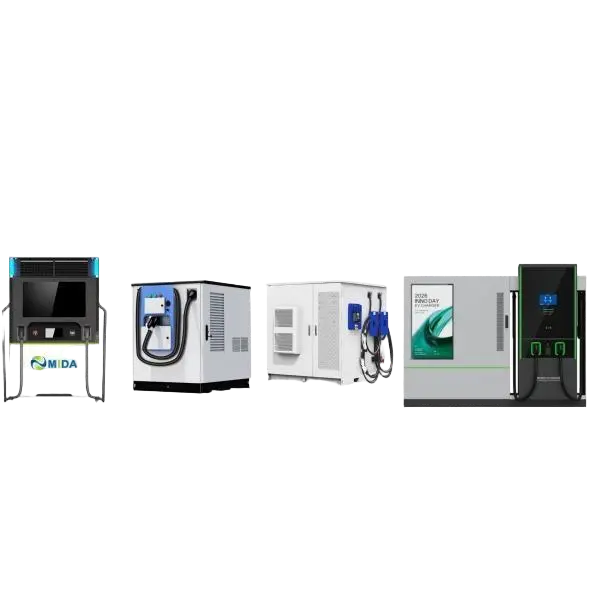
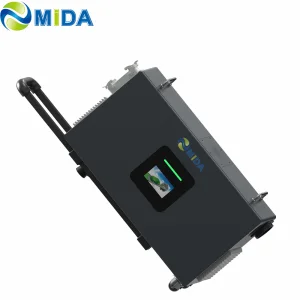
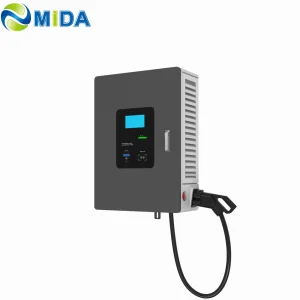
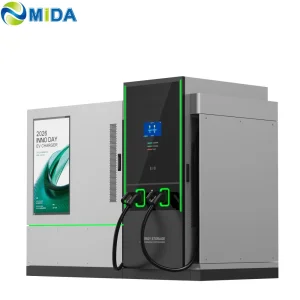
MIDA EV Power produces a full lineup of EV charging stations, such as 7kW–50kW mobile chargers, 3.6kW–7.2kW portable DC chargers, 360kW–1440kW split-type DC fast chargers, 20kW–50kW wall-mounted DC chargers, and 60kW–480kW floor-standing DC fast charging stations.
MIDA New Energy specializes in EV charger power modules, offering 20kW–60kW standard modules, 40kW–125kW liquid-cooled modules, 30kW–62.5kW bidirectional modules, and 20kW–45kW V2G charging modules.

How MIDA leverages regional manufacturing clusters and global certification protocols to deliver value.
The concentration of raw material processors, component fabricators, and advanced R&D centers in regions like Shanghai and Shenzhen grants MIDA a distinct manufacturing advantage. By sourcing copper rods, magnetic cores, power modules, and sheet metal within a 100-kilometer radius, we minimize transportation delays and lower production overhead. Furthermore, our state-of-the-art testing facility implements automated optical inspection (AOI), high-temperature burn-in tests, and full-load validation, ensuring each CCS charging unit achieves maximum reliability before departure. This level of vertical integration guarantees price stability, short lead times, and rapid customization options for our global clients.
Deploying charging infrastructure internationally requires strict adherence to localized grids and safety standards. Our product catalog is engineered to support regional electrical requirements across the globe:
Explore our foundational lines designed for residential, commercial, and utility-scale installations.
Comprehensive component-level and station-level technical capabilities from MIDA Group.
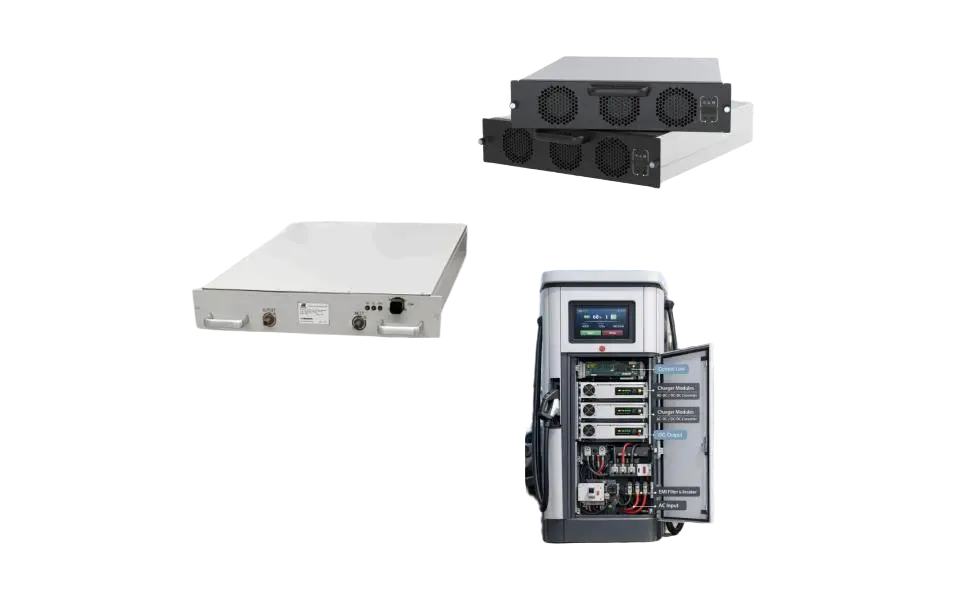 View More
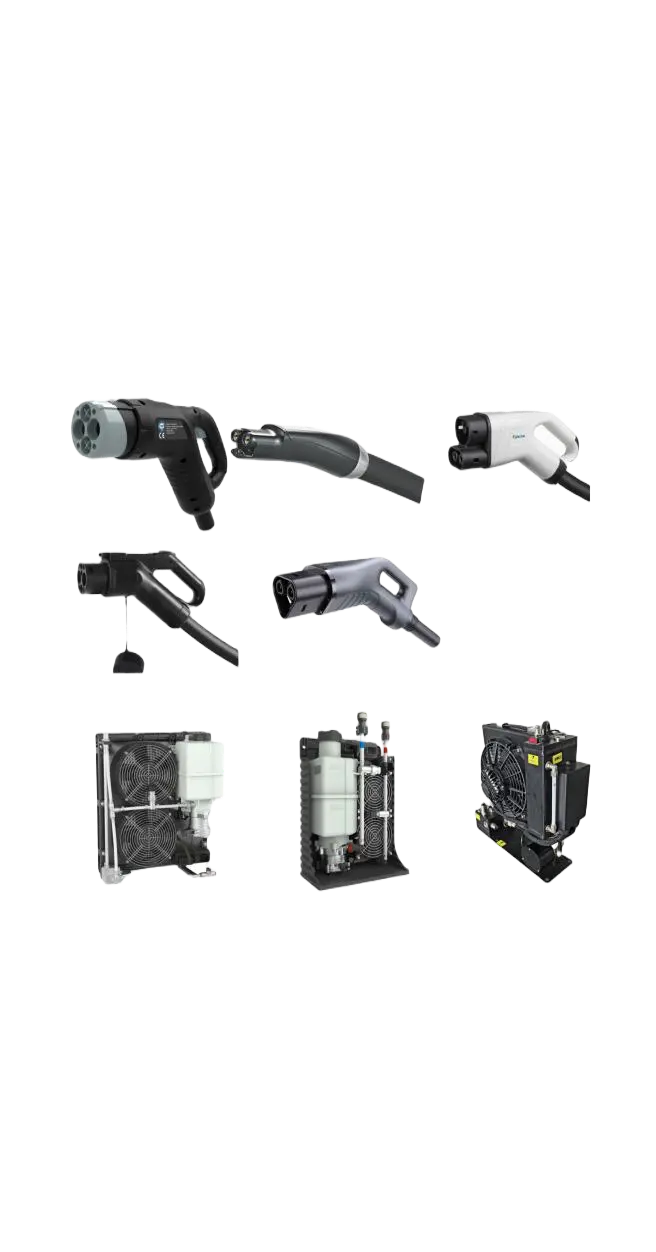 View More
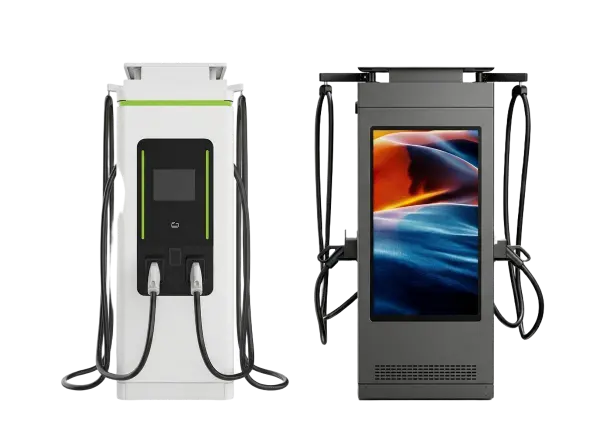 View More
 View More
Tailoring CCS technology to high-demand infrastructure projects and local electrical grids.
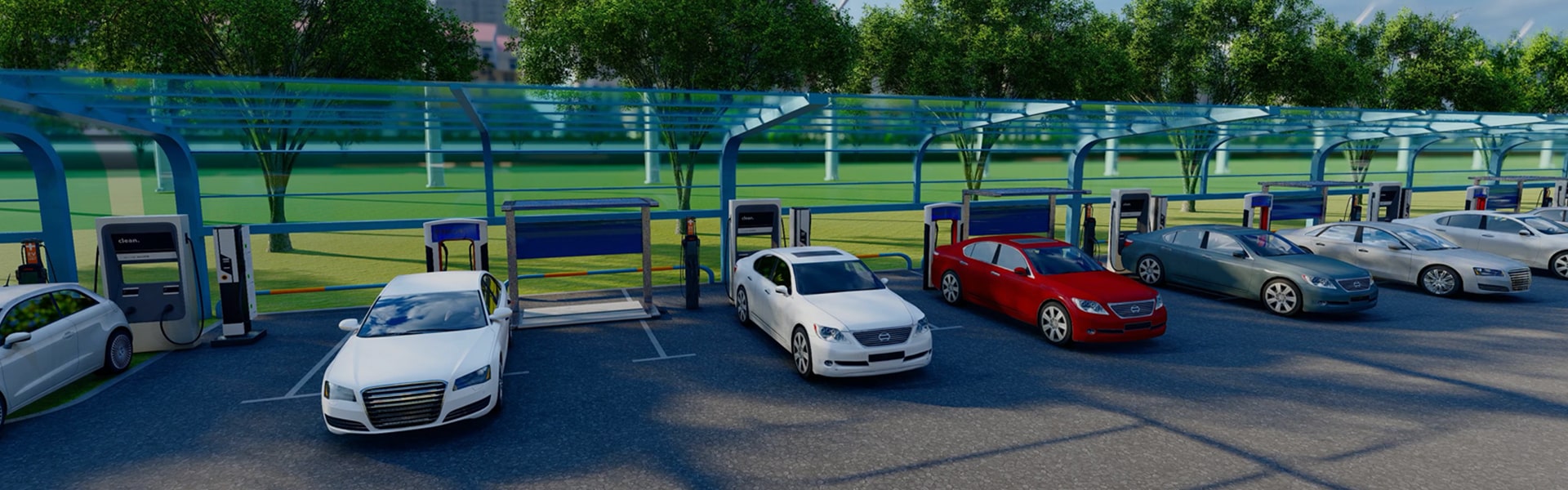
Highway rest stops require rapid turnover rates to reduce wait times. Our split-type liquid-cooled DC fast chargers (ranging from 360kW to 1440kW) allow multiple vehicle stalls to draw power from a centralized module stack. Built-in dynamic load balancing algorithms adjust power delivery in real-time based on each vehicle's State of Charge (SoC). This setup optimizes efficiency and prevents grid strain during peak transit periods.
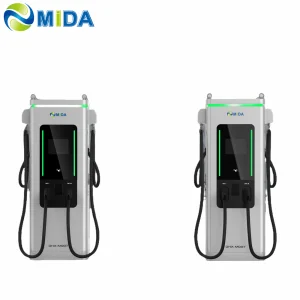
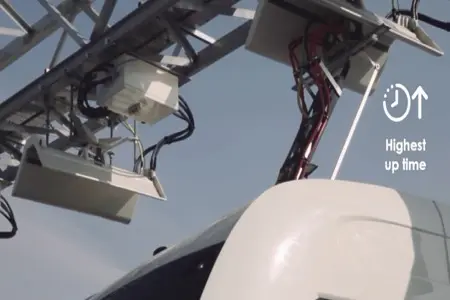
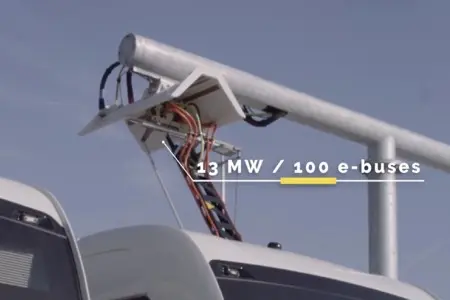
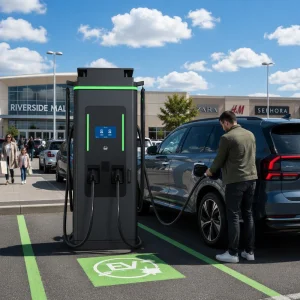
Commercial fleets, municipal transit systems, and shipping providers require constant uptime. Implementing dual-port CCS2 floor-standing charging systems (160kW to 320kw) allows logistics managers to charge two electric trucks or buses simultaneously. For high-density systems, overhead pantograph chargers provide automated, high-power energy transfer, making them ideal for modern urban e-bus depots.
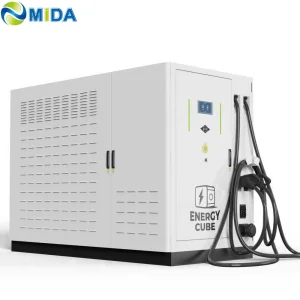
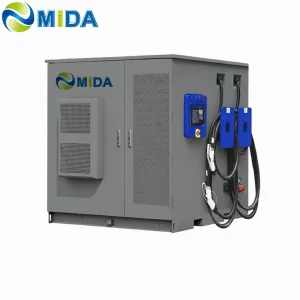
In regions where the local utility grid cannot support high-power demands, BESS-integrated systems (such as our 200kWh to 1MWH smart battery-backed chargers) offer an alternative. These systems store energy from the grid or solar arrays during off-peak hours and release it during high-demand fast-charging sessions. This approach eliminates expensive grid upgrades and lowers demand charges for operators.
Explore recent developments in heavy transport charging interfaces and pantograph technology.
Explore our compact, mobile, wall-mounted, and pedestal-mounted DC charging units.
Expert answers addressing the design, certification, and application of CCS fast-charging stations.
CCS1 is primarily utilized in North America and relies on a single-phase Type 1 AC plug coupled with two lower DC pins. CCS2 is the standard across Europe, South America, and parts of Asia, combining a three-phase Type 2 AC configuration with two DC fast-charging terminals. We manufacture both configurations to suit different regional markets.
Our liquid-cooled charging systems utilize active coolant pumps paired with thermal sensors embedded inside both the connector contacts and the cable sheath. If internal temperatures rise above safety limits, our system automatically scales back the output current to protect the vehicle and the station from damage.
Yes. Our integrated BESS charging systems feature bidirectional DC-DC converters and MPPT solar modules. This design allows operators to connect PV arrays and battery packs directly to the DC link, minimizing conversions and maximizing clean energy use.