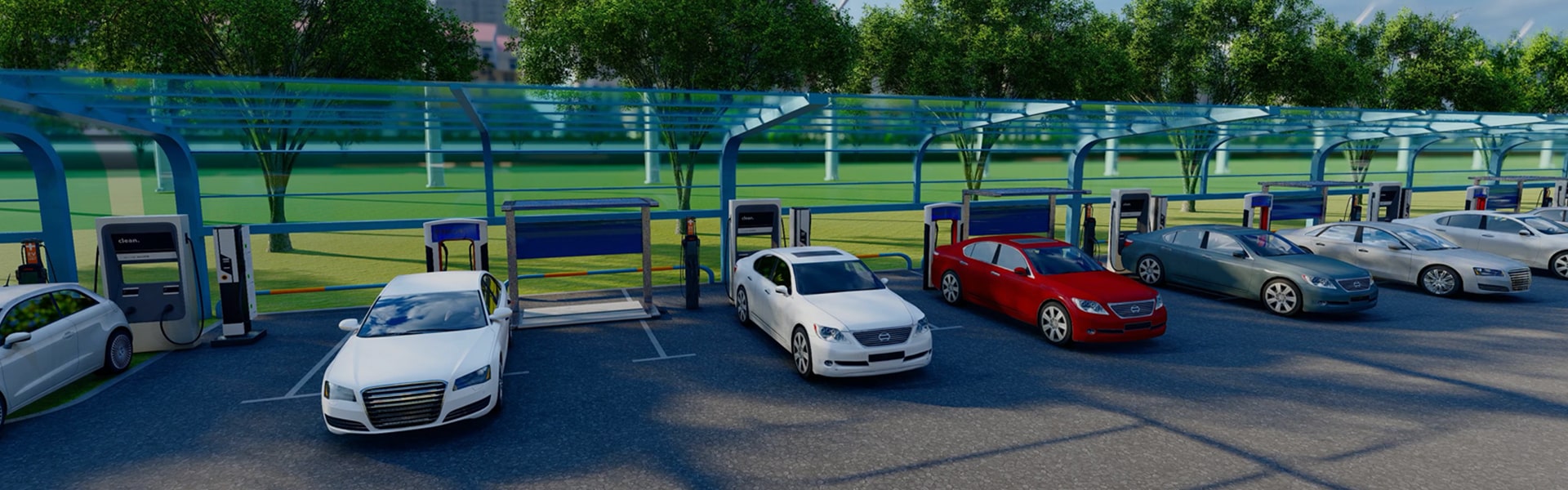
Explore our premium flagship systems deployed by utility scale network providers and residential charging partners globally.
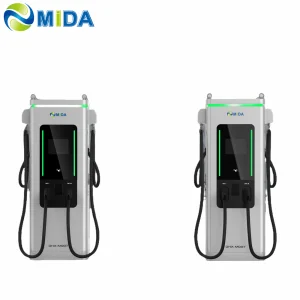
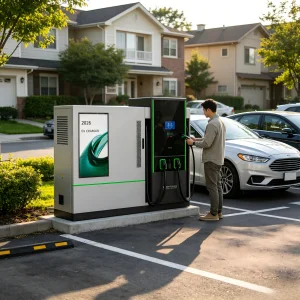
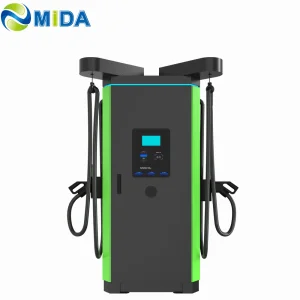
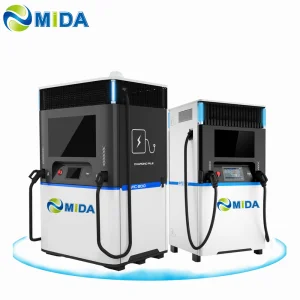
Analyzing grid resilience, manufacturing clusters, and cost amortization pathways for global operators.
Chinese EV charging manufacturing clusters leverage unmatched economies of scale. High vertical integration, including local copper refining for liquid-cooled cables and domestic high-power IGBT supply chains, enables a 30-40% CapEx advantage. This allows suppliers to accelerate product iterations from CAD to certified silicon in record time.
Modern home charging stations are transforming from passive loads to active grid assets. Integration of ISO 15118-20 bidirectional power modules enables vehicle-to-home (V2H) and vehicle-to-grid (V2G) capabilities. Smart algorithms automatically schedule charging during non-peak utility hours to safeguard home distribution networks.
Decentralized energy configurations rely heavily on Solar-Battery-Charging integration. By utilizing local MPPT DC-to-DC converters, energy flows directly from rooftop photovoltaic systems to localized battery energy storage systems (BESS). This architecture allows EVs to charge efficiently without drawing power from the main utility grid.
A key challenge in the EV charging market is adapting systems to different regional electrical grids and regulatory environments. High-quality manufacturers design their equipment to meet varying technical specifications across territories: UL 2594/UL 2231 for North America, CE EN 61851 for Europe, and PSE/TELEC for Japan.
These compliance measures encompass more than just electrical safety connectors. They require advanced thermal design, complete isolation barrier management, and comprehensive network communication compatibility (utilizing OCPP 1.6J or OCPP 2.0.1 JSON protocols over secure TLS layers) to protect against cybersecurity vulnerabilities at public charging nodes.
Integrating Advanced Cable Production, High-Efficiency Power Submodules, and Fast DC Charging Architecture.
Shanghai Mida Cable Group Ltd. operates through its wholly owned subsidiaries: Shanghai Mida EV Power Co., Ltd., Shenzhen Mida EV Power Co., Ltd., and Shanghai Mida New Energy Co., Ltd.
By combining engineering capabilities across cable fabrication, high-power electronics, and localized system integration, Mida delivers turn-key charging infrastructure optimized for residential and utility operations.

Providing specialized engineering from internal power components to robust external charging configurations.
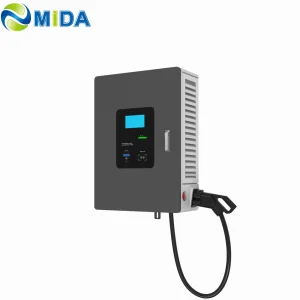
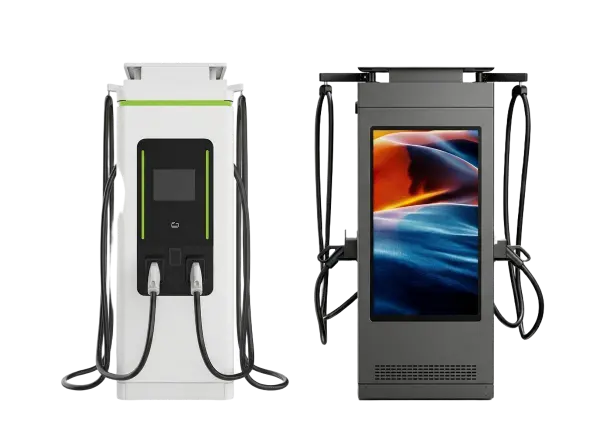
Capacity Range: 7kW | 20kW | 30kW | 40kW | 60kW | 80kW
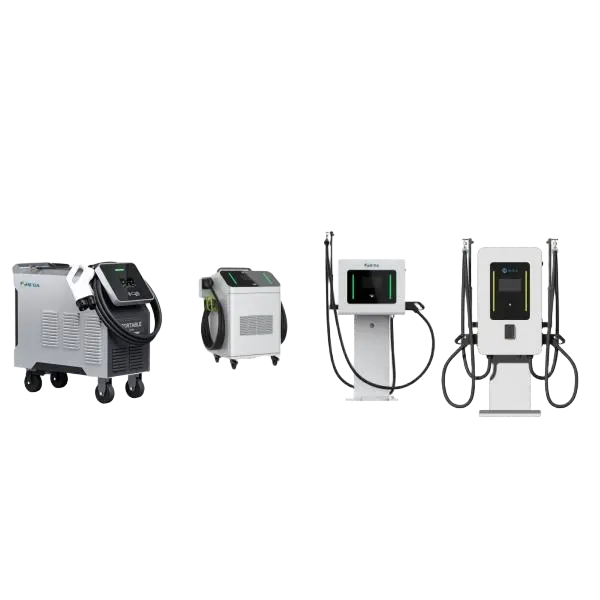
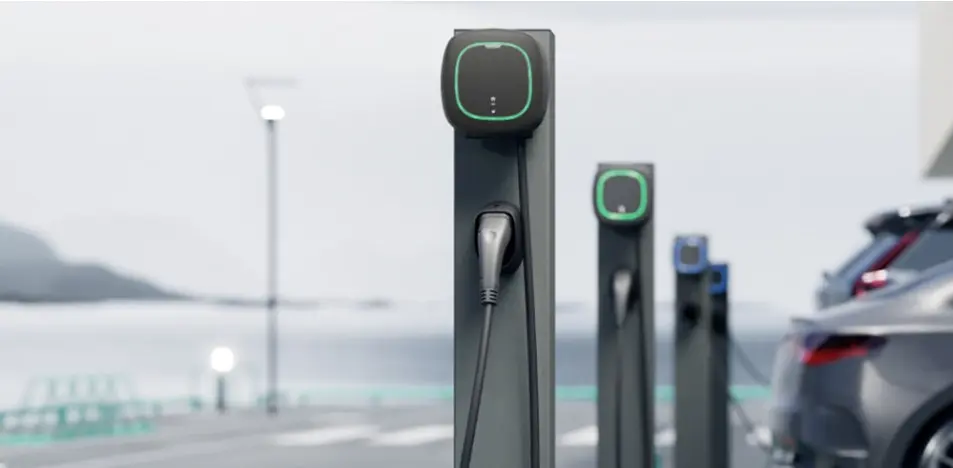 Standard & Customized Designs Available
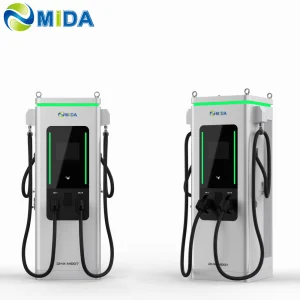
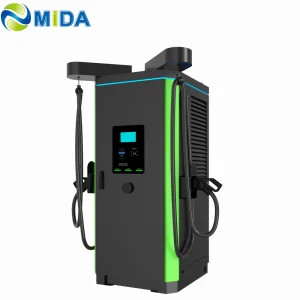
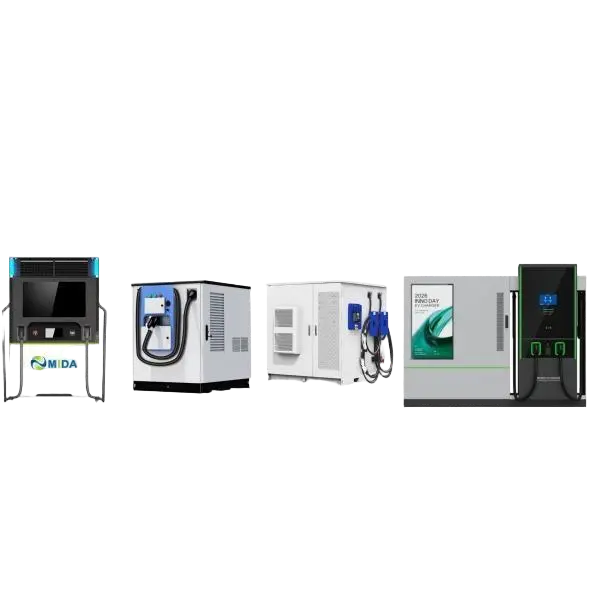
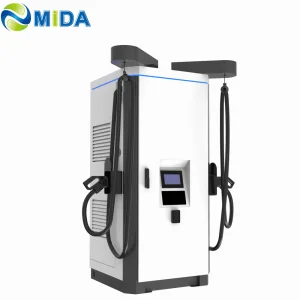
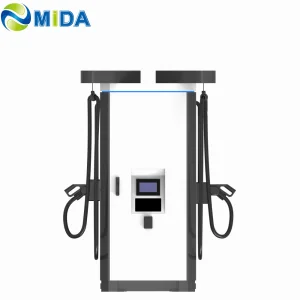
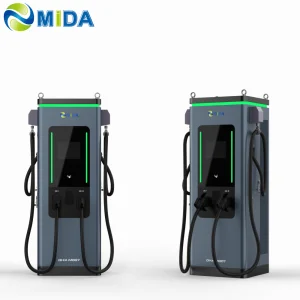
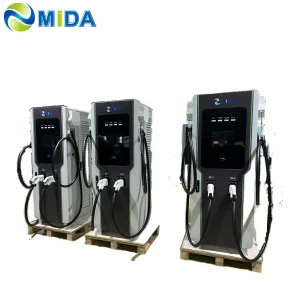
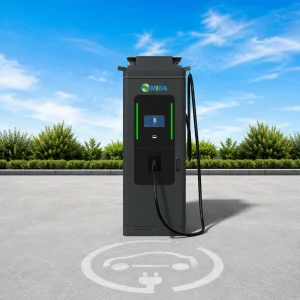
Capacity Range: 60kW–480kW | 360kW–1440kW split configurations
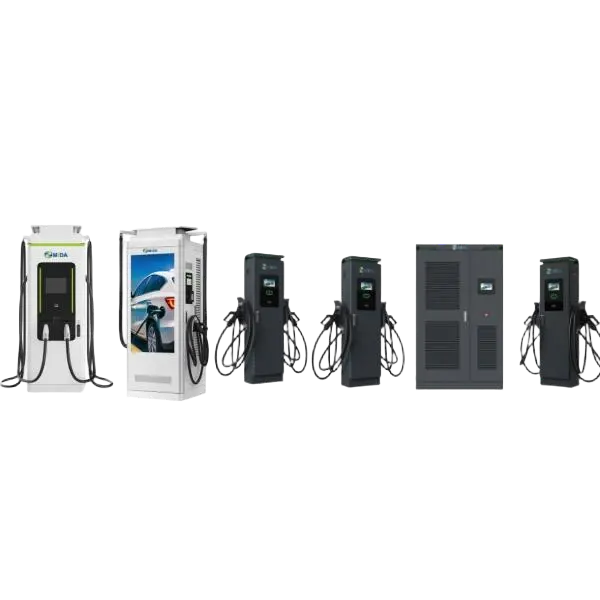
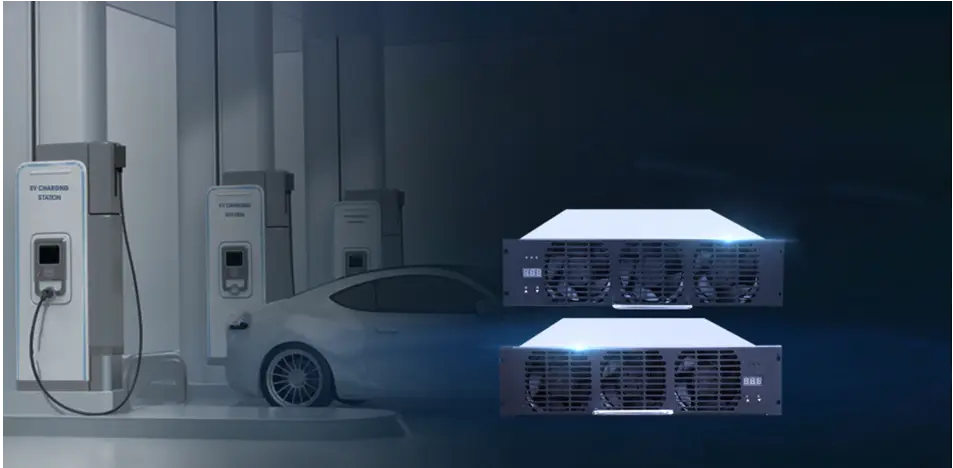 High-Power Charging (HPC) Systems
Storage Options: 60kWh | 261kWh | 418kWh | 625kWh | 2MkWh
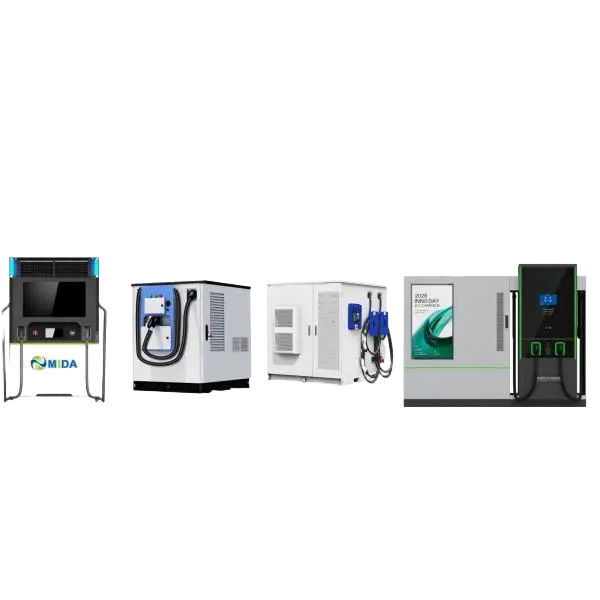
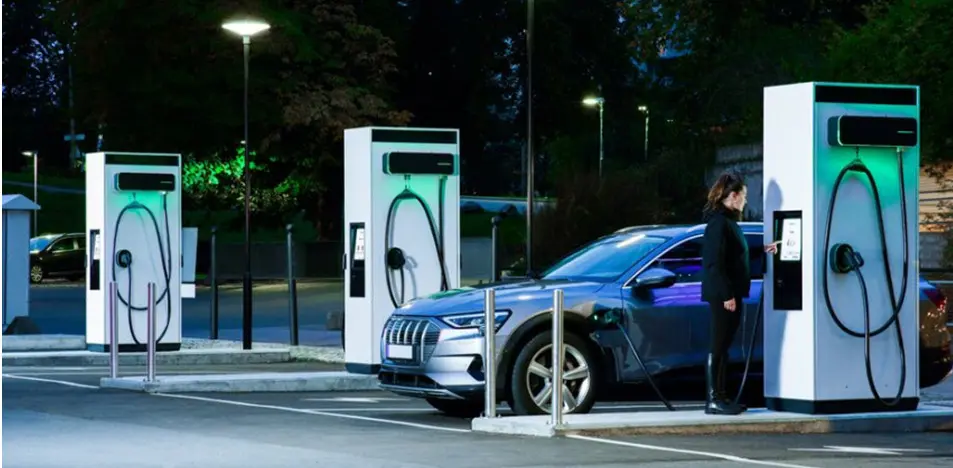 Integrated Solar Storage Units
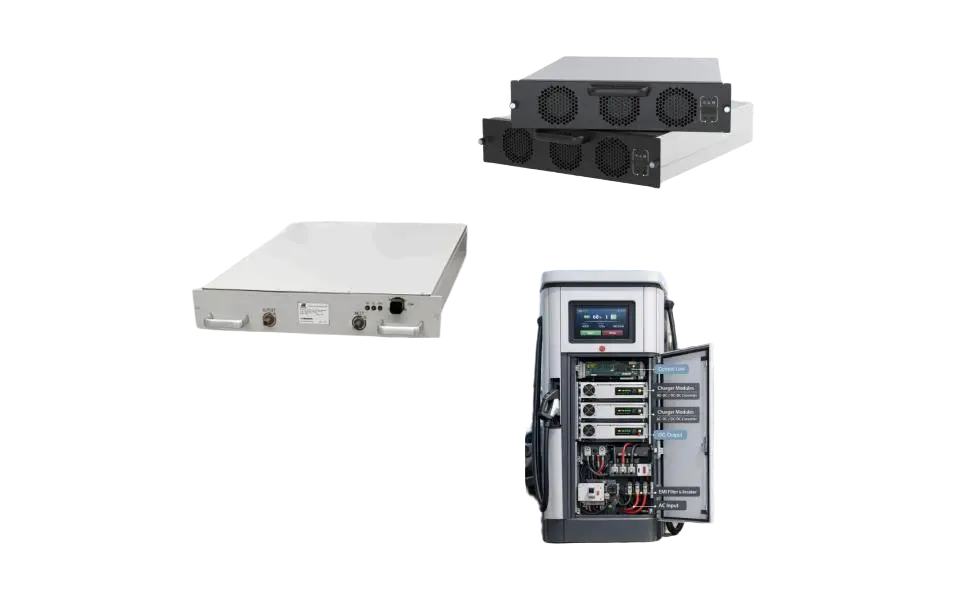
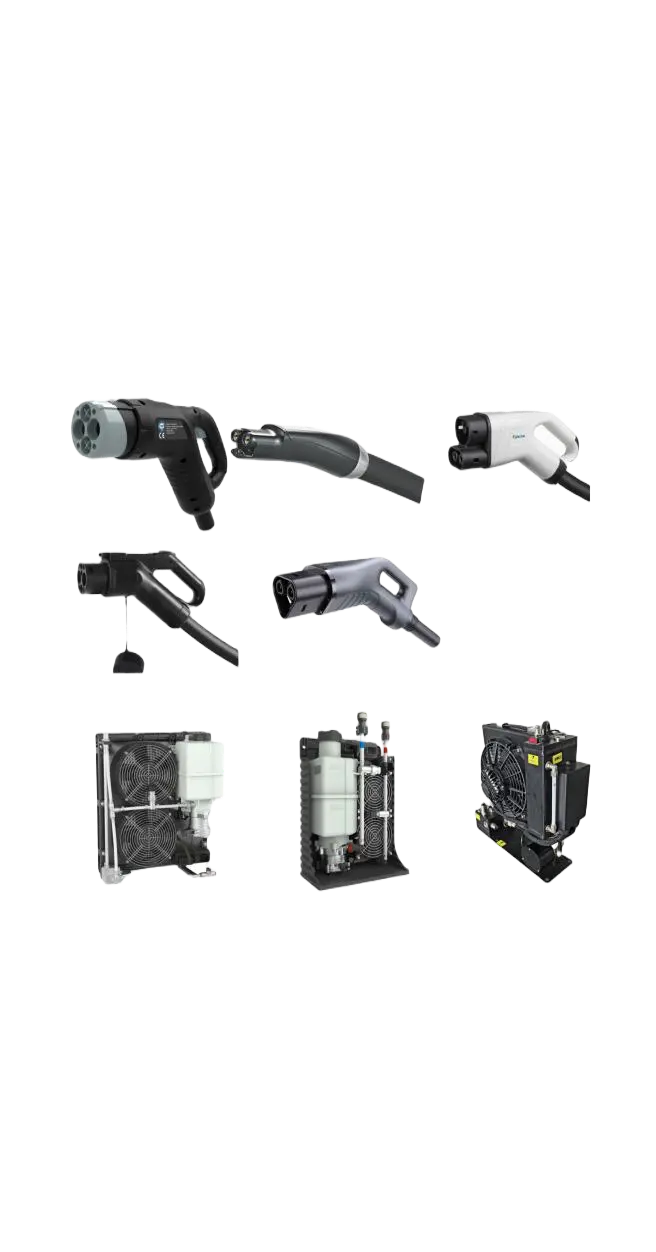
Engineered for high power transmission efficiency, thermal stability, and long-term durability in outdoor conditions.
How international buyers optimize their distribution pipelines and manage hardware localization.
Compliance with UL 2231/2594 standards and integration of native NACS J3400 connectors are essential for US/Canadian markets. Standard installations must also incorporate ground-fault circuit interrupter (GFCI) protection for residential safety.
European systems rely on three-phase delta/wye connections, requiring CE-compliant Type 2 (IEC 62196-2) configurations with integrated residual current monitoring devices (RCD Type B/Type A + DC 6mA) to prevent grid anomalies.
Deployments in Japan require PSE (Japan Electrical Appliance and Material Safety Law) certification and CHAdeMO 1.2/2.0 specifications. These systems must also feature specific earthquake-shutoff switches to ensure utility safety during seismic activity.
Addressing critical engineering, certification, and integration questions for global distributors.
Explore our high-performance systems for commercial depots, retail centers, and residential developments.
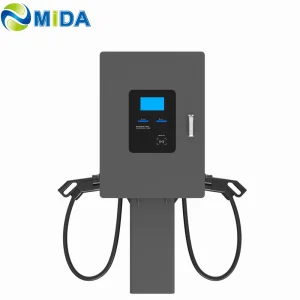
Follow our technical developments in heavy vehicle grid charging and high power pantograph engineering.
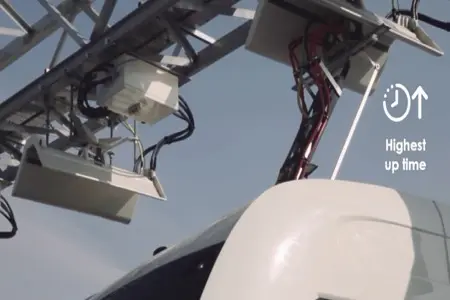
What are the advantages of an e-bus pantograph dome? In contrast to classic plug-in charging systems, e-bus pantograph domes deliver automated high-power charging with minimal physical handling, optimizing efficiency for public transit depots.
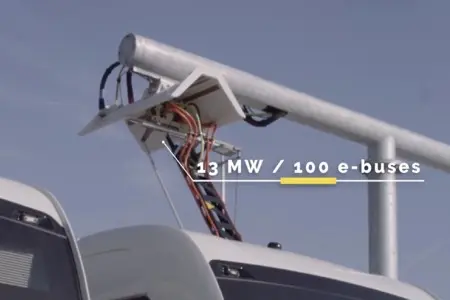
How long does it take to charge with an e-bus pantograph? Charging time depends on the battery capacity and the output capability of the system. High-power pantograph configurations can charge transit buses in 5 to 10 minutes during schedule stops.
How to Install the Pantograph Up Charger System Dome for Electric Bus. Installing a "Pantograph Up" system requires precise positioning, robust mechanical support structure designs, and calibrated alignment systems to ensure safe charging contact.