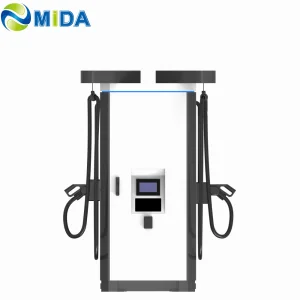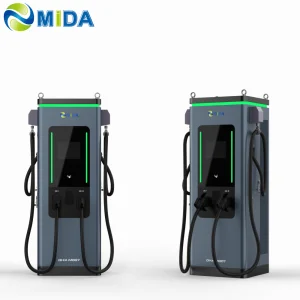
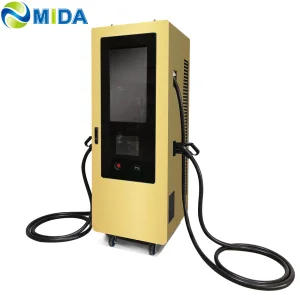
Explore our flagship high-power DC fast charging equipment built for ultra-fast performance, scale, and high-duty cycles.
As the electric vehicle (EV) market shifts from early adopters to mass-market penetration, the demand for charging infrastructure has evolved dramatically. The focus is no longer just on providing a charge, but on replicating the gas-station experience in speed and reliability. High-power DC fast charging (HPC) systems, specifically in the 300kW to 480kW bracket, represent the crucial tipping point for commercial fleet operations, corridor highway charging networks, and high-density urban hubs.
Historically, DC charging relied heavily on 50kW and 120kW stations. However, the introduction of 800V battery architectures in modern passenger cars and the massive capacities of commercial electric trucks have made legacy systems obsolete. A 300kW DC charging system utilizing smart dynamic power sharing can charge a typical passenger EV with an 800V architecture to 80% state of charge (SoC) in under 15 minutes, and add significant range to commercial vehicles during short driver rest periods.
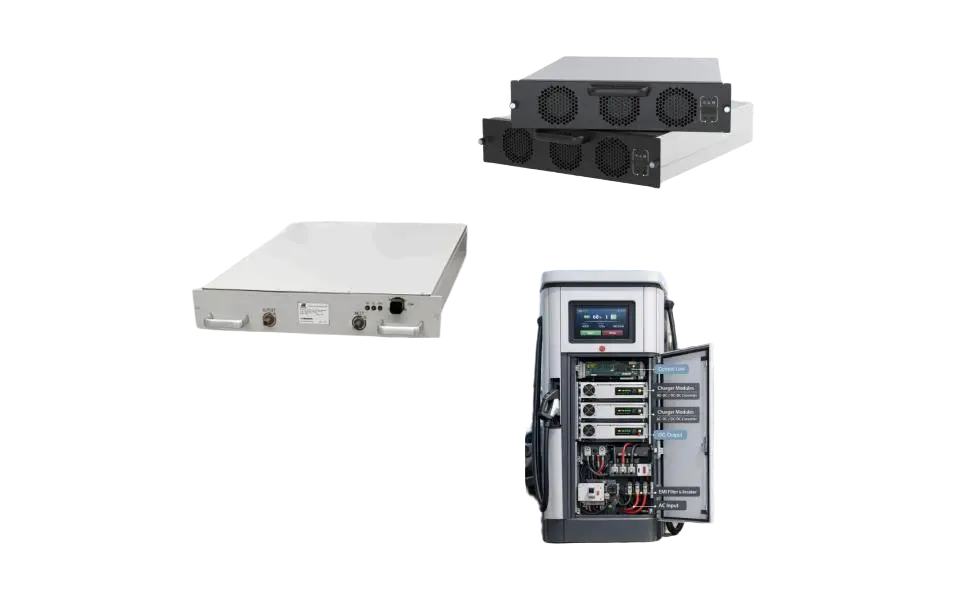
The core technology driving this segment includes:
For global procurement managers, charge point operators (CPOs), and fleet directors, buying from a reliable China 300kw DC Charger Manufacturer is about optimizing Total Cost of Ownership (TCO) while ensuring maximum uptime. Buyers prioritize the following when making strategic sourcing decisions:
Deploying megawatt-level or high-power charging assets requires rigorous compliance with localized electrical standards and safety certifications. A leading manufacturer must design and build hardware conforming to:
Peak Power Efficiency
Max Output (Liquid-Cooled)
Advanced Smart Protocols
Average 80% Charge Time
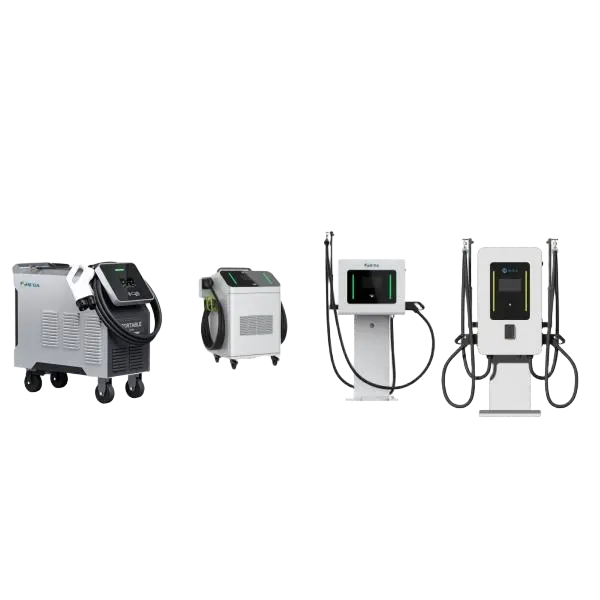
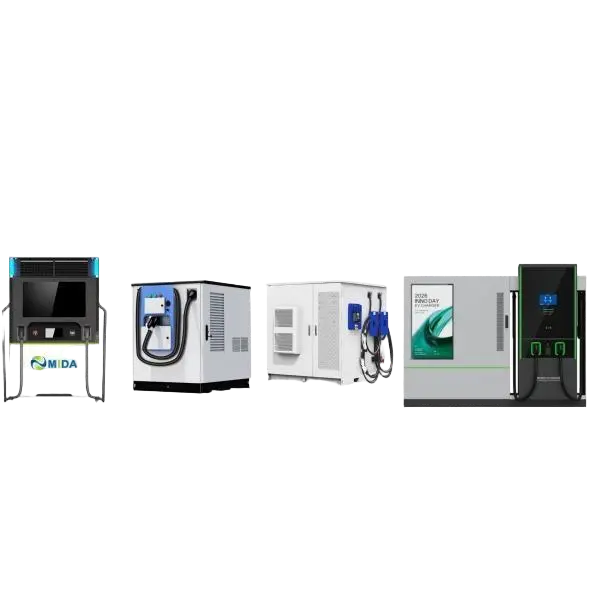
From low-profile destination AC chargers to split-type ultra-fast charging stations and containerized BESS solutions.
Shanghai Mida Cable Group Ltd. operates through its wholly owned subsidiaries: Shanghai Mida EV Power Co., Ltd., Shenzhen Mida EV Power Co., Ltd., and Shanghai Mida New Energy Co., Ltd.
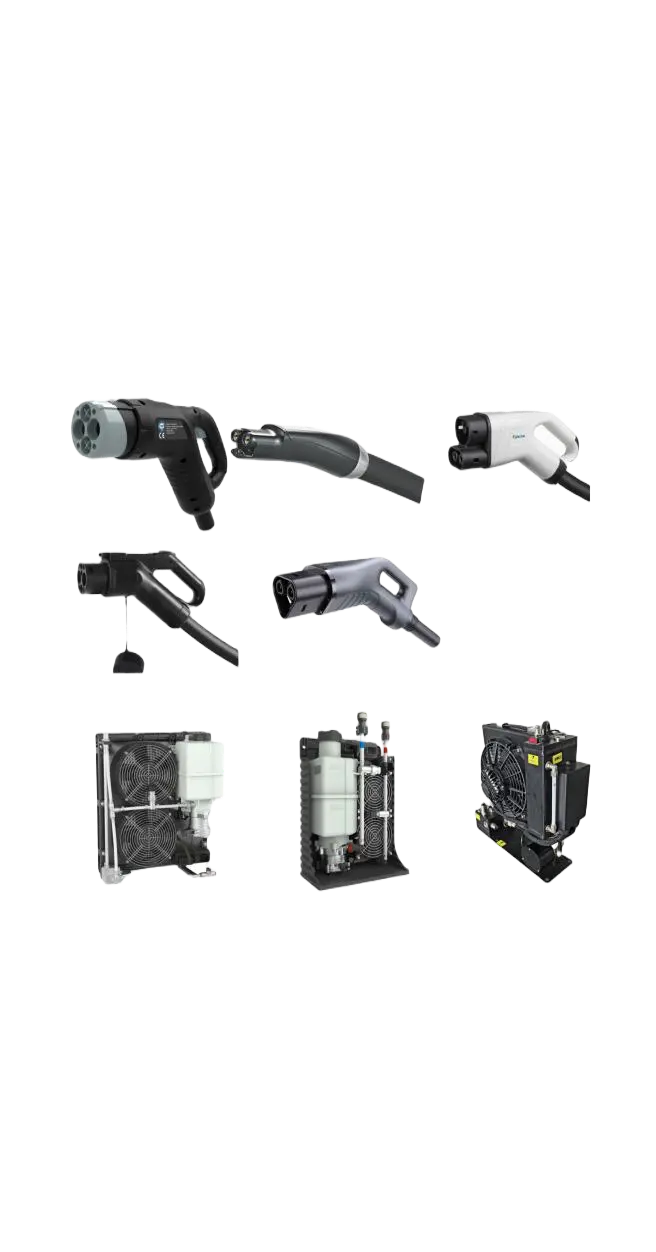
Mida Cable manufactures a comprehensive range of EV charging cables, including 16A–80A J1772 cables, 16A–63A IEC 62196-2 Type 2 cables, and DC fast charging cables: CCS1 (80A–500A), CCS2 (125A–1000A), CHAdeMO (125A–300A), GBT (200A–1000A), and NACS connectors (250A–600A).
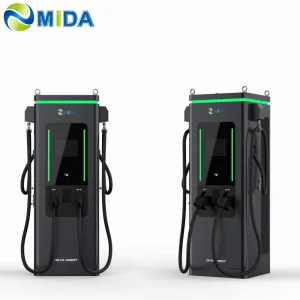
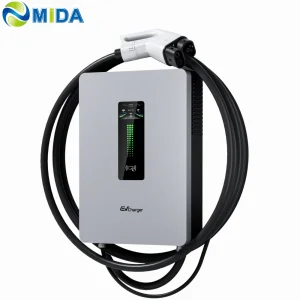
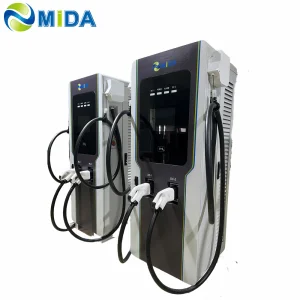
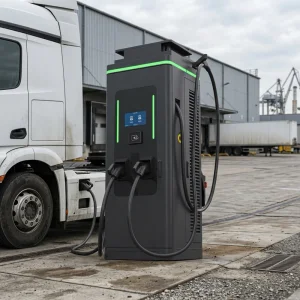
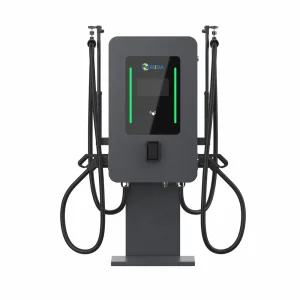
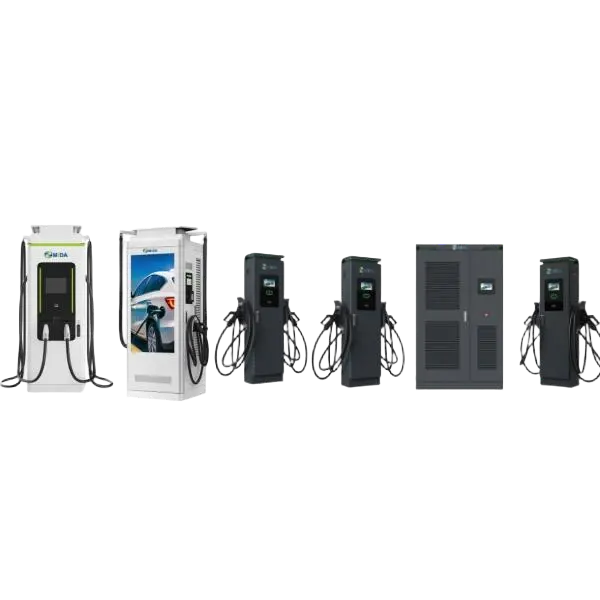
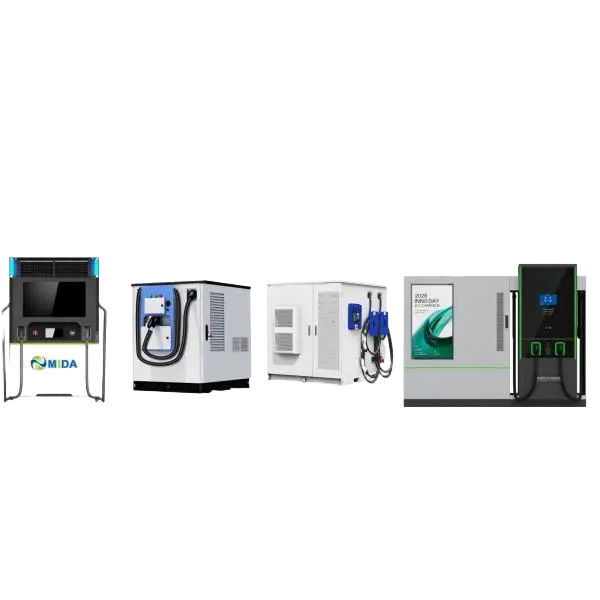
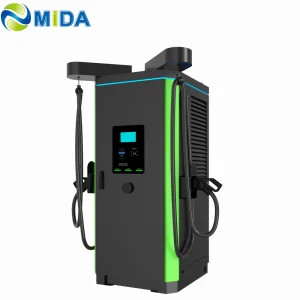
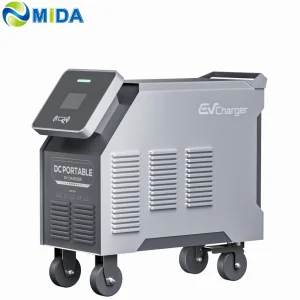
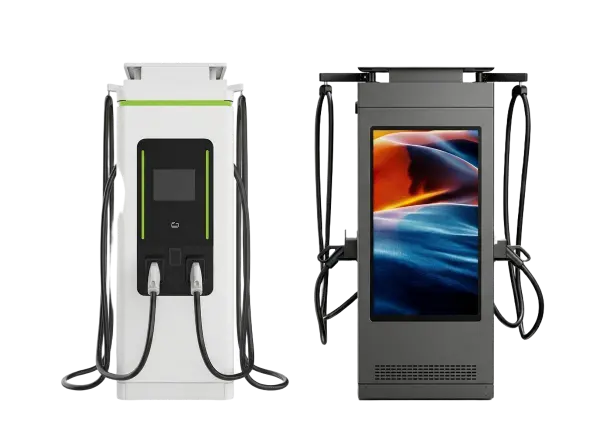
MIDA EV Power produces a full lineup of EV charging stations, such as 7kW–50kW mobile chargers, 3.6kW–7.2kW portable DC chargers, 360kW–1440kW split-type DC fast chargers, 20kW–50kW wall-mounted DC chargers, and 60kW–480kW floor-standing DC fast charging stations.
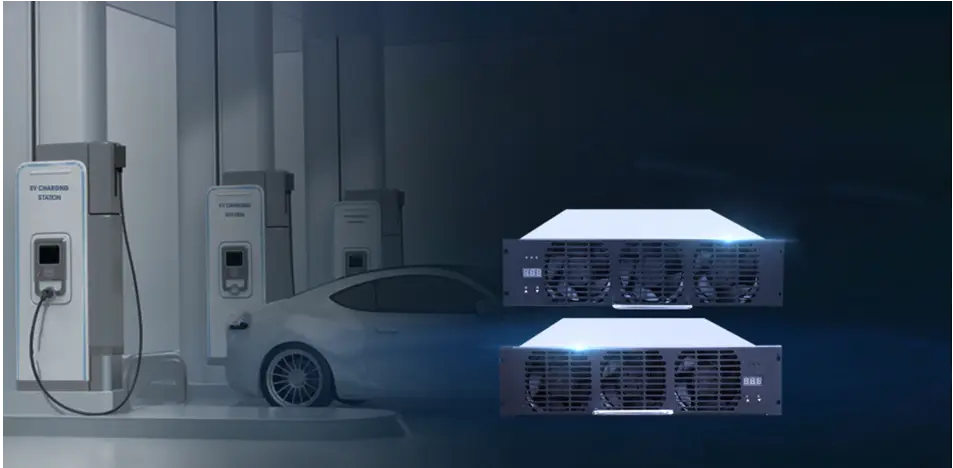
MIDA New Energy specializes in EV charger power modules, offering 20kW–60kW standard modules, 40kW–125kW liquid-cooled modules, 30kW–62.5kW bidirectional modules, and 20kW–45kW V2G charging modules.

Premium, industry-grade components and charging units manufactured in-house by Mida Group to assure maximum reliability.
Designing a high-power charging hub requires a holistic understanding of electrical engineering, site constraints, and software configuration. A standard 300kW station does not operate in isolation; it requires coordination with utility providers, energy storage, and backend software.
For logistics vehicles and regional bus depots, downtime is the enemy. Utilizing a centralized split-type DC cabinet architecture enables power to be routed dynamically to secondary dispensers based on vehicle state. During daytime operations, a single vehicle can draw the full 300kW for a quick top-up. At night, the system redistributes power evenly across up to six vehicles, delivering a slow, balanced overnight charge. This reduces peak demand surcharges and maximizes grid utilization.
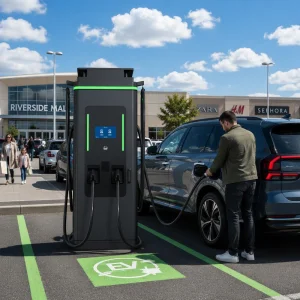
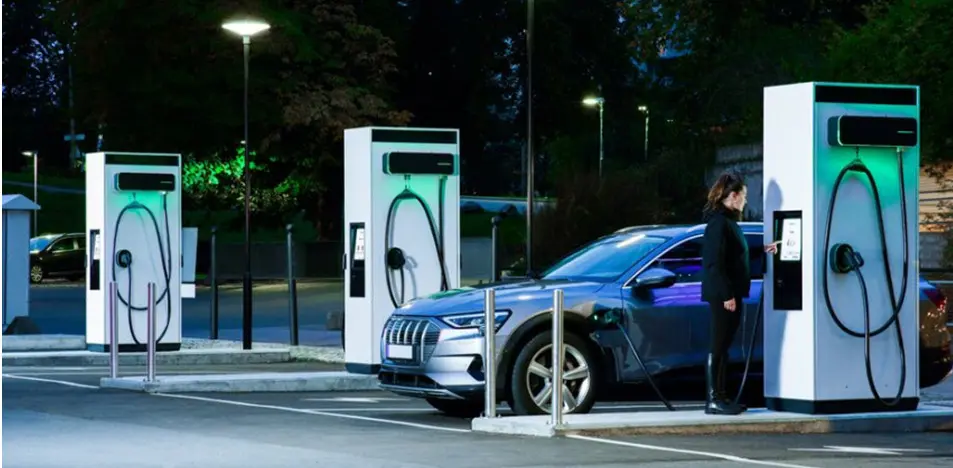
High-turnover locations demand high reliability and high-speed delivery. Integrating 300kW and 400kW liquid-cooled dispensers allows drivers to recharge to highway capacity in the time it takes to buy a coffee. Incorporating dual-outlet systems with credit-card terminals, RFID readers, and plug-and-play capability ensures smooth, self-service transactions for a broad range of public drivers.
Deploying multiple 300kW chargers can severely strain local electrical distribution nodes. In areas where upgrading the local grid transformer is financially unviable, MIDA’s BESS charging solutions serve as a buffer. By integrating battery storage, energy is drawn from the grid at a lower rate during off-peak times and stored locally. When a high-power charging demand occurs, the storage system discharges in tandem with the grid, providing the full 300kW without overloading the transformer.
Essential technical and compliance details addressed by our leading engineers to support your procurement process.
Stay informed about the latest technological advancements in heavy duty charging, pantograph deployment, and green transit systems.

In contrast to classic plug-in charging systems, e-bus pantograph systems offer automated, high-power energy transfer, reducing human intervention and charging times for transit networks.
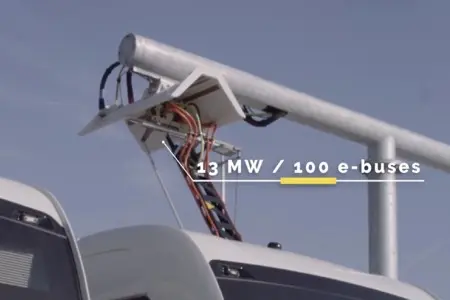
The charging time depends on the battery capacity and the station's configuration. High-power systems can recharge transit vehicles in minutes during routine passenger stops.
Installing a “Pantograph Up” system requires careful consideration of alignment, structural clearances, utility connections, and weather protection to ensure safe, long-term operation.
Explore our extensive portfolio of customizable high-power DC EV charging systems deployed by operators worldwide.